 Assessment of anthracnose resistance and agromorphological traits in fifth-generation lima bean populations
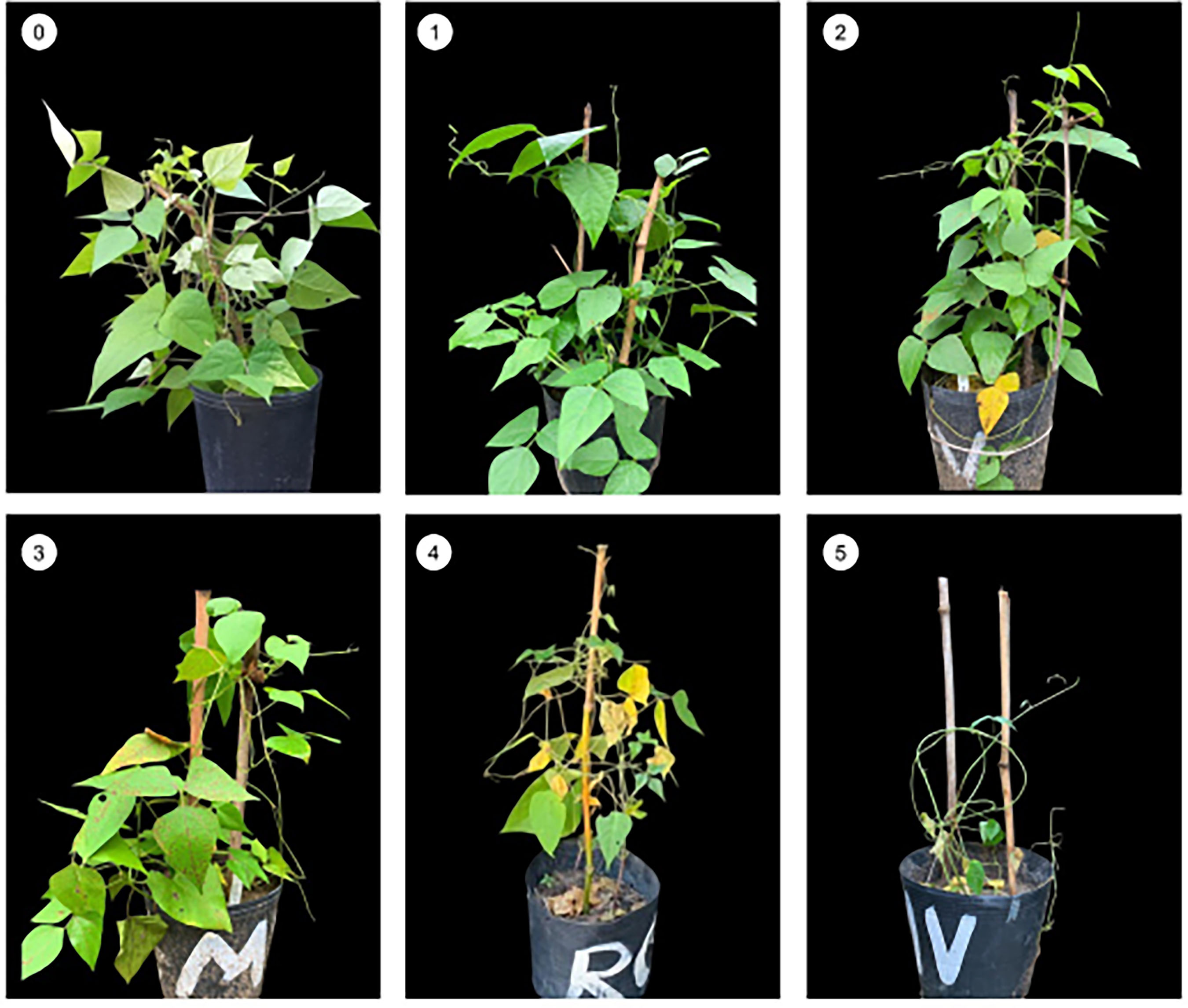
Lima bean (Phaseolus lunatus L.) is an important socioeconomic legume in northeastern Brazil, particularly among small- and medium-scale farmers. Despite its nutritional value and role in food security, crop yield is often compromised by diseases such as anthracnose. This study aimed to evaluate six groups of lima bean populations at the fifth generation (F5), derived from crosses between genotypes conserved in the P. lunatus Active Germplasm Bank at the Universidade Federal do Piauí, which differed in morphological traits and levels of anthracnose resistance. Populations were grown under field conditions and evaluated for agromorphological and phytopathological traits, including yield, seed morphology, and disease resistance. Statistical analyses were performed using restricted maximum likelihood/best linear unbiased prediction and likelihood ratio test methods with the aid of SELEGEN, R, and Genes software. Among the populations, significant phenotypic variability was observed. Population P6 was notable for its earliness, a desirable trait that contributes to disease escape; P2 and P4 showed white seed coats and commercially attractive seeds, whereas P4, P5, and P6 exhibited superior performance in pod, seed, and anthracnose resistance traits. The presence of BGP-UFPI 832 genotype in the most promising crosses suggests its potential to transmit favorable alleles. These results indicate that populations P4, P5, and P6 are potential candidates for breeding programs focused on developing higher-yielding, locally adapted, and anthracnose-resistant cultivars.
Key words
Phaseolus lunatus
;
Colletotrichum truncatum
; genotypic variance; plant breeding; restricted maximum likelihood/best linear unbiased prediction
 Thumbnail