 IAC 1711 citrandarin, tetraploid citranges and Flying Dragon trifoliate as potential graft-compatible rootstocks for Pera IAC sweet orange tree
ABSTRACT
The Pera sweet orange tree is the most cultivated scion variety in Brazil, mainly grafted onto Rangpur lime rootstock. Despite its drought tolerance, Rangpur lime is susceptible to various citrus diseases. More recently, trifoliate orange and its hybrids have been used as alternative rootstocks, but most genotypes are graft-incompatible with Pera. In this study, we assessed the long-term performance of Pera IAC sweet orange, which is a pre-immunized clone against citrus tristeza virus, grafted onto 11 trifoliate orange-derived rootstocks, one somatic hybrid and the standard Rangpur lime. The experiment was installed in Bebedouro, SP, Brazil, in February 2011, in a rainfed regime. The design was completely randomized with 13 treatments, 10 replications and one tree in the plot. Changsha × English Large (IAC 1711) citrandarin rootstock conjugated the tallest trees, high cumulative yield, and good drought tolerance up to 2020, followed by Rangpur lime and tetraploid citranges. The Flying Dragon trifoliate orange and tetraploid Carrizo citrange (IAC 387) rootstocks induced the highest content of soluble solids and acidity in Pera oranges. At 9 years old, four citrandarins, a citradia and one somatic hybrid rootstocks were graft-incompatible with Pera IAC sweet orange. All scion/rootstocks’ combinations were affected by huanglongbing. The IAC 1711 citrandarin, tetraploids Troyer (IAC 385) and Carrizo (IAC 387) citranges and Flying Dragon trifoliate orange have potential as graft-compatible rootstocks of Pera IAC, but evaluations should continue in the long term. In addition, the later rootstock must be evaluated in irrigated high-density orchards aiming at competitive yields.
Key words
Citrus × sinensis
;
Poncirus trifoliata
; breeding; fruit yield; water deficiency
INTRODUCTION
Brazil stands as the world’s leading producer of sweet oranges, commanding a substantial share of over 80% in global orange juice exports (USDA 2023). Among the diverse sweet orange varieties, Pera [Citrus × sinensis (L.) Osbeck] takes center stage. Pera sweet oranges yielded 98.95 million boxes (40.8 kg each), accounting for 32% of the total production in 2022 (Fundecitrus 2023a). Characterized by mid-season maturity, high juice content, and an ideal balance between solids and acidity, these fruits are suitable for both industrial juice processing and the domestic fresh fruit market (Bastos et al. 2014). However, Pera sweet orange is vulnerable to the citrus tristeza virus (CTV), even when grafted onto tolerant rootstocks (Müller and Costa 1991).
The Rangpur lime (Citrus × limonia Osbeck) is the primary rootstock grafted with Pera sweet orange in Brazil. Its merits encompass high productivity, early maturity, and resistance to drought and CTV (Pompeu Junior 2005). Nevertheless, susceptibility to blight, foot-rot gummosis, nematodes, and citrus sudden death (Bové and Ayres 2007, Pompeu Junior 2005) has paved the way for other rootstocks to gain prominence in the Brazilian citriculture. Examples include Swingle citrumelo [C. × paradisi Macfadyen × Poncirus trifoliata (L.) Raf.] and Sunki mandarin [C. sunki (Hayata) hort. ex Tanaka], esteemed for their tolerance to most of these diseases (Pompeu Junior 2005, Bové and Ayres 2007, Castle and Stover 2000).
Besides these alternatives, selected trifoliate orange hybrids have demonstrated superior yield and fruit quality when grafted with Pera sweet orange. However, trifoliate orange-like types often exhibit symptoms of graft incompatibility with this scion variety (Pompeu Junior 2005, Pompeu Junior and Blumer 2014, Schinor et al. 2013, Cristofani-Yaly et al. 2007, Ribeiro et al. 2021). Adequate graft compatibility between scion and rootstock genotypes is a pivotal criterion in selecting new cultivars. This selection unfolds over several years and hinges on a complex interplay of biochemical and anatomical factors influenced by environmental and management conditions (Pompeu Junior 2005, Castle 2010, Raiol-Junior et al. 2022). Therefore, evaluating this trait becomes indispensable in the quest for new citrus rootstocks.
Adding to the array of challenges facing the citrus industry is the menace of huanglongbing (HLB), also known as greening disease. HLB has affected orchards in the state of São Paulo citrus belt, inflicting an average incidence of 38.06% in 2023, reaching 77.22 million symptomatic trees. In the Bebedouro region, our focal point in this study, the percentage of infected trees was 22.37% (Fundecitrus 2023b). One of the telltale symptoms of HLB, beyond the visible canopy effects like yellow mottling, is a reduction in fibrous roots. These symptoms render trees more susceptible to environmental stresses, particularly water stress (Graham and Johnson 2013, Atta et al. 2020). Since the root system is determined by the rootstock, some genotypes mainly derived from P. trifoliata may influence the incidence and severity of HLB under specific field conditions, albeit being susceptible to the disease (Albrecht and Bowman 2012, Rodrigues et al. 2020, Kunwar et al. 2021).
In this context, our study aimed to comprehensively assess tree size, fruit production and quality, drought tolerance, accumulated HLB incidence, and the occurrence of graft incompatibility. We conducted this investigation over nine years, using Pera IAC sweet orange grafted onto 13 distinct rootstocks in rainfed cultivation in the northern São Paulo state, Brazil.
MATERIAL AND METHODS
Experimental location and climate
The experiment was carried out in Bebedouro, northern São Paulo state, Brazil (20°53’16’’S, 48°28’11’’W, 601 m a.s.l.). According to the Köppen-Geiger classification, the local climate is subtropical mountain type with a dry season (Cwa). Average temperatures ranged from 17.10 to 29.85°C, and the annual mean rainfall was 1,238 mm in the evaluation period. The soil in this area is classified as Red oxisol, dystrophic, hypoferric, with a medium texture (Embrapa 2006), and its chemical attributes are detailed in Table 1.
Chemical attributes of the soil in the 0–20 cm layer at the experimental area in Bebedouro, northern São Paulo state, Brazil, 2020/21.
Plant material, experimental setup, and maintenance
A total of 13 rootstock varieties was sourced from the Active Germplasm Bank of the “Sylvio Moreira” Citrus Center (IAC) and the collection of the “Luiz Queiroz” College of Agriculture at the Universidade of São Paulo (Table 2). Most genotypes were trifoliate orange hybrids or selections that have previously demonstrated good performance with Valencia sweet orange in Brazil (Pompeu and Blumer 2009, 2011. Stuchi et al. 2012), and the Rangpur lime was the control (standard variety). All trees were grafted with Pera IAC sweet orange, a clone that is pre-immunized with mild strains of CTV. Planting took place in February 2011 at a spacing arrangement of 6 m × 2.5 m under rainfed conditions. The experimental design was a completely randomized design, comprising 13 treatments, each replicated 10 times, with one tree per plot. This setup minimized edge effects for evaluating cumulative HLB incidence (Rodrigues et al. 2020).
Rootstock variety name, species or parents, and tree size classification of 13 citrus rootstock genotypes grafted with Pera IAC sweet orange in Bebedouro, northern São Paulo state, Brazil.
The average annual fertilization from 2011 to 2020 was 90.5 kg.ha-1 of nitrogen (N), 47.2 kg.ha-1 of phosphorus pentoxide (P2O5), 88.2 kg.ha-1 of potassium oxide (K2O), and 2.5 t.ha-1 of limestone. The fertilization program and other cultural practices adhered to the recommendations for sweet orange cultivation in São Paulo state (Mattos Junior et al. 2014).
During the assessment period, Diaphorina citri was naturally present in the area, prompting the implementation of a strategy involving a combination of foliar spraying and rotation of chemical groups (thiamethoxam, dimethoate, imidacloprid, acetamiprid, thiamethoxam + lambda-cyhalothrin, lambda-cyhalothrin + chlorantraniliprole, etofenprox, cypermethrin, carbamazepine, deltamethrin, azadirachtin, formetanate hydrochloride, and bifenthrin) at intervals of 15 to 20 days, occasionally extending to 30-day intervals, to manage its population.
Tree size
Tree size was evaluated post-harvest in 2017, 2019, and 2020. The tree height (m) and average diameter (m) of the canopy were obtained using a topographic ruler (Orient, 5 m, Tokyo, Japan). Scion volume (m3) was calculated based on Eq. 1:
where: r: the average canopy radius (m); h: the tree height (m) (Schinor et al. 2013).
Only tree size recorded nine years after planting is presented.
Yield, production efficiency and fruit quality
Every harvest, the total fruit load per tree was manually collected and put in a bag. Annual fruit production (kg.tree-1) was determined through weighing using a digital scale (Líder, PR30, São Paulo, SP, Brazil) during the harvests spanning 2014 to 2020, and mean yield was calculated. The production efficiency of the canopy was calculated as the quotient of the fruit production per plant by the canopy volume, expressed in kg.m-3, during the 2017, 2019, and 2020 harvests. The early bearing index was calculated as the ratio of the first two yields to the cumulative yield (Cantuarias-Avilés et al. 2011). The alternate bearing index (ABI) was calculated from 2014 to 2020, using Eq. 2:
where: n: number of years; a1, a2, …, an−1, an: yield of the corresponding years (Stenzel et al. 2003).
Fruit quality assessments were conducted during the 2019 and 2020 harvests. Samples of six fruits per tree were collected from the median position around the scion on five randomly selected trees per rootstock, treated as replications for fruit quality analysis. Fruits were weighed (kg) using a digital scale (Filizola, MF-6, São Paulo, SP, Brazil) and measured for longitudinal and equatorial diameter (cm) using a gutter-type ruler. Juice was mechanically extracted using a point-of-sale extractor (Otto, 1800, OIC, Limeira, AP, Brazil), with subsequent determination of juice content (JC = juice mass/fruit mass × 100). Total soluble solids (TSS) content was measured using a portable digital refractometer (MA871, Milwaukee, Rocky Mount, United States of America), and titratable acidity (TA) was determined by titration with sodium hydroxide (0.3125 N). The maturity index (ratio) was computed as the ratio of TSS/TA. The technological index (kg SS 40.8 kg.box-1) was calculated using Eq. 3 (Di Giorgi et al. 1990):
Drought tolerance, graft compatibility, huanglongbing cumulative incidence, and tree survival
Drought tolerance assessments were conducted during August and September, the months of the greatest accumulated water deficiency, in both 2014 and 2020. Visual scores ranging from 1 (lowest water deficiency tolerance) to 3 (highest water deficiency tolerance) were assigned based on the intensity of leaf curling and its distribution across the canopy (Cantuarias-Avilés et al. 2011). The data represent the average scores of 10 plants from each rootstock in each year (2014 and 2020). Meteorological data were daily recorded by an automated station in the experimental location (CR-10, Campbell Scientific, Logan, United States of America) for 90 days prior to evaluation in each year. Data on the cumulative rainfall, cumulative water deficit, and the number of days with air temperature ≥ 32°C were presented to characterize drought conditions during evaluations. The water deficit (mm) and actual evapotranspiration (mm) (water balance) were determined as proposed by Thornthwaite and Mather (1955), considering an available water capacity of 100 mm.
Graft compatibility between scion and rootstock was assessed in May 2014 and December 2020 through visual observations of plant symptoms, which included chlorotic leaves, leaf fall, tree size reduction, and morphological changes in the grafting region. In this case, a strip of bark measuring 3 cm in width was removed using a pocketknife, from 5 cm above to 5 cm below the grafting line per tree. A visual grading system adapted from Müller et al. (1996) was employed:
-
Compatibility, by the absence of necrotic line between scion and rootstock nor other symptoms;
-
Partial compatibility, by the presence of a faint line between scion and rootstock, but absence of other symptoms;
-
Incompatibility, by the presence of pronounced necrotic line, with or without presence of resin, between scion and rootstock, and other symptoms in the tree (Fig. 1).
Following these assessments, the percentage distribution of the evaluated trees was determined according to the assigned grades for each rootstock.
Between February 2015 and May 2020, the experimental trial was subject to bi-monthly inspections conducted by trained inspectors to identify trees exhibiting visual symptoms of HLB, and infection was confirmed by quantitative polymerase chain reaction (qPCR). Leaf mottling and other disease manifestations, such as yellow shooting, small mishappen fruit, aborted seeds and fruit drop, were observed. Previously, inspections were done quarterly by field works. Infected trees were removed after each scouting, but not immediately upon detection. The cumulative incidence of HLB-symptomatic trees in the period was calculated as a percentage by the relation between the cumulative number of HLB-symptomatic trees (positive qPCR) and the total number of trees for each rootstock. Tree survival was calculated by the ratio between the cumulative number of dead trees at the end of the experiment and the total initial number of trees per rootstock.
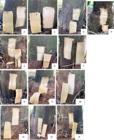
Visual compatibility in the grafting region of the Pera IAC sweet orange grafted onto 13 rootstocks at nine years after rainfed planting in Bebedouro, northern São Paulo state, Brazil. 1) Clementina × trifoliate (IAC 1615) citrandarin; 2) Cleopatra × Swingle (IAC 715) citrandarin; 3) Cleopatra × Swingle (IAC 1614) citrandarin; 4) Cleopatra × Rubidoux (IAC 1600) citrandarin; 5) Cleopatra × Christian (IAC 712) citrandarin; 6) Smooth Flat Seville × Argentina (IAC 1708) citradia; 7) Tetraploid Troyer (IAC 385) citrange; 8) Tetraploid Carrizo (IAC 387) citrange; 9) Flying Dragon trifoliate orange; 10) Sunki × Benecke (IAC 1697) citrandarin; 11) Changsha × English Large (IAC 1711) citrandarin; 12) Rangpur lime; 13) Rhode Red sweet orange + Volkamer lemon somatic hybrid.
Statistical analyses
Tests for homoscedasticity (Levene 1960) and normality (Shapiro and Wilk 1965) were applied. Data were submitted to an analysis of variance using the F test, and the means were subsequently grouped based on statistical significance using the Scott-Knott’s test (p ≤ 0.05). Analyses considered any lost plot within the dataset. Furthermore, the means of the variables mean productive efficiency, and ABI were compared by the Tukey’s test (p ≤ 0.05). The means of the variables water deficit tolerance, graft compatibility, and HLB incidence underwent non-parametric analysis via the Kruskal-Wallis’ test (Kruskal and Wallis 1952) and were subsequently grouped based on the statistical significance by the Scott-Knott’s test (p < 0.05). All statistical analyses were conducted using the SISVAR 5.6 software (Ferreira 2011) and R version 3.6.1 software.
RESULTS AND DISCUSSION
At 9 years old, IAC 1711 citrandarin induced the tallest trees of Pera IAC sweet orange (Table 3). IAC 385 and IAC 387 tetraploid citranges, along with IAC 1711 citrandarin and the Rangpur lime, led to larger canopy diameters, resulting in greater canopy volume on these rootstocks, except by the standard Rangpur lime, which had an intermediate canopy volume. In a previous study at the same location with Valencia sweet orange as the scion variety, high vigor was also observed in the tetraploid citrange rootstocks (Rodrigues et al. 2020), which is contrary to observations for other tetraploid selections (Girardi et al. 2021, Kunwar et al. 2021). This suggests that tetraploidization of elite rootstocks may lead to varying tree size levels and should be carefully evaluated in field trials, including comparisons with the corresponding diploid parental and the standard rootstocks such as the Rangpur lime. Trees grafted on some trifoliate hybrids, such as IAC 1615, IAC 715, and IAC 1697 citrandarins, as well as IAC 1708 citradia and the somatic hybrid RR + VK, showed intermediate growth patterns (Table 3). These rootstocks can be categorized as semi-dwarfing under the evaluated conditions since they induced the Pera IAC sweet orange to reach heights exceeding 2.5 m, but remaining below 4 m. This outcome contrasts with the Rangpur lime, which typically resulted in taller trees, categorizing it as a standard rootstock (Bitters et al. 1973).
Tree height, canopy diameter and volume of the Pera IAC sweet orange grafted onto 13 rootstocks at nine years after rainfed planting in Bebedouro, northern São Paulo state, Brazil, 2020*.
According to De Negri et al. (2005), tree size plays an important role in determining plant density and the optimal planting spacing. Consequently, rootstocks that appear best suited for high-density planting (> 800 trees/ha) include the Flying Dragon trifoliate and IAC 1614, IAC 1600, and IAC 712 citrandarins (Table 3). These rootstocks conferred dwarfing characteristics to the Pera IAC sweet orange, resulting in a canopy volume of less than 10 m3. This observation aligns with the findings of Pompeu Junior and Blumer (2009), who reported tree heights of less than 2.5 m in Valencia sweet orange [Citrus × sinensis (L.) Osbeck] grafted onto IAC 1600, IAC 1614, and IAC 712 citrandarins at 15 years old in Itirapina, SP, Brazil.
Pera IAC sweet orange trees grafted onto IAC 1615, IAC 715, IAC 712, IAC 385, Flying Dragon, IAC 1711, and RR + VK rootstocks displayed a higher ABI comparable to the standard Rangpur lime. No significant difference was found among all the rootstocks regarding the early bearing index (Table 4). Alongside standard Rangpur lime, IAC 385 citrange and IAC 712 citrandarin, IAC 387 citrange and IAC 1711 citrandarin induced the highest mean yield in the evaluation period, but only the two last rootstocks consistently stood out as the most productive throughout the evaluation period, showcasing high-yielding potential for five of the nine years assessed. This aligns with Bowman et al. (2016), who reported that the IAC 1711 citrandarin, known as US-852 in Florida, United States of America, also induced high yields to Valencia sweet orange trees. Interestingly, IAC 1697 citrandarin, widely propagated as US-812 in the United States of America, displayed promise when grafted with Valencia sweet orange trees in Mogi Guaçu, SP, Brazil, but did not maintain its productivity beyond the fifth year of evaluation (Pompeu Junior and Blumer 2011), and performed poorly for Pera in southern São Paulo state (Pompeu Junior and Blumer 2014).
Fruit yield (2014 to 2020, mean), production efficiency (PE, mean of 2017, 2019, and 2020), early bearing index (EBI), and alternate bearing index (ABI) of the Pera IAC sweet orange grafted onto 13 rootstocks at nine years after rainfed planting in Bebedouro, northern São Paulo state, Brazil*.
Regarding production efficiency, the IAC 712 citrandarin influenced a higher production efficiency because that rootstock had high yield associated to a low canopy volume (Tables 3 and 4). In contrast, the Flying Dragon trifoliate and RR + VK somatic hybrid induced the lowest production efficiency values, falling below the average of other rootstocks at 5.22 kg.m3. This low production efficiency of Flying Dragon trifoliate could be attributed to the rainfed cultivation, as this rootstock usually exhibits high production efficiency when grown in irrigated orchards (Stuchi et al. 2012).
In 2019 and 2020, the average fruit weight remained consistent across various rootstocks, resulting in large fruits with diameters exceeding 7 cm, meeting Brazilian domestic fresh market standards (Ceagesp 2011) (Table 5). When Pera IAC sweet orange was grafted onto rootstocks such as IAC 1614, IAC 1600, IAC 712, IAC 1697, and the standard Rangpur lime, it consistently produced juice levels exceeding 50%. However, the TSS content varied, with higher levels observed in fruits from Pera IAC sweet orange trees grafted onto IAC 712 and IAC 1708 citrandarins, as well as IAC 385 and IAC 387 citranges, and the Flying Dragon trifoliate. Such outcomes highlight these rootstocks as more suitable for not from concentrate juice processing. On the other hand, the standard Rangpur lime confirmed its typically lower TSS contents (Table 5) (Costa et al. 2020). Notwithstanding, all evaluated rootstocks resulted in Pera oranges > 11.5 ºBrix, within the requirements for producing not from concentrate (Darros-Barbosa and Curtolo 2005) and corroborating the excellence and main use of this scion variety in Brazil.
Physical attributes, total soluble solids (TSS), titratable acidity (TA), ratio (TSS/TA), and technological index (TI) of fruits of the Pera IAC sweet orange grafted onto 13 rootstocks at nine years after rainfed planting in Bebedouro, northern São Paulo state, Brazil. Mean values of 2019 and 2020*.
According to Di Giorgi et al. (1994), it is recommended to harvest Pera sweet oranges when their acidity levels fall between 0.6 and 0.9% since, at this stage, they tend to have higher concentrations of soluble solids and lower rates of fruit degradation. In this study, Pera IAC sweet orange fruits from different rootstocks displayed acidity levels ranging from 0.66 to 0.86%, with the highest values recorded when it was grafted on the IAC 1600 citrandarin, IAC 387 citrange, and Flying Dragon trifoliate (Table 5), all falling according to the suggested range. The other rootstocks showed acidity levels like the standard Rangpur lime. Despite observing higher ratio values in trees grafted onto IAC 715, IAC 1614, IAC 712, IAC 1711 citrandarins, IAC 1708 citradia, IAC 385 citrange, and RR + VK orange somatic hybrid, all the evaluated rootstocks consistently exceeded the minimum commercial ratio standard of 9.5 for fresh fruit (Ceagesp 2011). In terms of the technological index of the fruits, IAC 1614, IAC 1600, IAC 712, IAC 1697 citrandarins, IAC 1708 citradia, and the standard Rangpur lime displayed the highest efficiency, ranging from 2.62 to 2.77 kg TSS per box (40.8 kg of fruits).
Visual assessments of drought tolerance carried out in 2014 and 2020 during severe water deficit conditions revealed similar performance among all rootstocks when considering the two-year average, with scores ranging from 1.52 to 2.50 (Table 6). Notably, the Flying Dragon trifoliate received the lowest score, 62% lower than the standard Rangpur lime, highlighting the critical role of irrigation for this specific rootstock and probably leading to the poor yield observed. The other dwarfing rootstocks evaluated in this study were also related to lower scores of drought tolerance. Some studies have linked the drought tolerance observed in the Rangpur lime to its high hydraulic conductivity of the root system and root development, associated with the high accumulation of carbohydrates in this organ (Pedroso et al. 2014, Girardi et al. 2018, Silva et al. 2021, Silva et al. 2023). On the other hand, the reduced drought tolerance of the Flying Dragon trifoliate is probably due to factors such as a shallower root system, lower ability to transport water from the soil to the leaves, reduced stomatal conductance, and a decrease in the hydraulic conductivity of the root system (Martínez-Alcántara et al. 2013). These factors might have contributed to more significant variations in the fruit production over the years, as observed for the ABI in this study (Table 4).
After nine years of planting, Pera sweet orange trees grafted onto all evaluated rootstocks were susceptible to HLB disease (Table 6), corroborating the wide spread of HLB within rootstock genotypes with similar genetic background in Florida conditions (Kunwar et al. 2021). The cumulative incidence of HLB-symptomatic trees ranged from 44 to 67% in trees grafted onto IAC 1614, IAC 1600, IAC 712, IAC 1697 citrandarins, IAC 1708 citradia, tetraploid IAC 385 and 387 citranges and the standard Rangpur lime rootstocks, whereas IAC 1615, IAC 715, IAC 1711 citrandarins and the RR + VK somatic hybrid showed a HLB incidence lower than 40%. However, significant differences among the evaluated rootstocks could not be consistently determined neither related to the canopy volume. In a similar study evaluating the same rootstocks with Valencia sweet orange in Bebedouro (Rodrigues et al. 2020), a high incidence of HLB was recorded for the standard Rangpur lime (43.3%) and the lowest incidence for the Flying Dragon trifoliate (17.2%). As Albrecht and Bowman (2019) pointed out, the response of rootstocks to HLB in field conditions can be influenced by environmental and management factors, including the insect vector populations, which might have played a role in this study as well. Furthermore, trees with visual symptoms of tristeza, blight and Phytophthora gummosis diseases were not observed in this trial, even though severe stem pitting was observed on the trunk of the RR + VK somatic hybrid (Fig. 1).
Visual scoring of drought tolerance in 2014 and 2020, cumulative incidence of huanglongbing (HLB)-symptomatic trees, and tree survival of the Pera IAC sweet orange grafted onto 13 rootstocks at nine years after rainfed planting in Bebedouro, northern São Paulo state, Brazil*.
Graft incompatibility, indicated by gum formation at the graft union, has been previously documented in several clones of Pera sweet orange when grafted onto P. trifoliata varieties and some of its hybrids as early as four–nine years after planting, among other few lemon-type rootstocks (Donadio 1999, Pompeu Junior 2005, Pompeu Junior and Blumer 2005, Oliveira et al. 2008, Castle and Baldwin 2011, Pompeu Junior and Blumer 2014, Schinor et al. 2013, Fadel et al. 2019, Ribeiro et al. 2021). In the current experiment, the incidence of incompatibility varied over the assessment period and among different rootstocks. Notably, the progression of this anomaly was observed between the two evaluations conducted in 2014 and 2020, corresponding to the stages of young and mature trees, respectively. This phenomenon was particularly evident in the case of the IAC 1614, IAC 1600, and IAC 712 citrandarins, which, by the end of the experiment at the nineth year, had become completely incompatible with Pera IAC sweet orange due to the pronounced gum formation at the graft union. In contrast, the IAC 385 and IAC 387 citranges as the standard Rangpur lime consistently demonstrated complete compatibility in both assessment periods (Table 7).
Graft incompatibility score of the Pera IAC sweet orange grafted onto 13 rootstocks at nine years after rainfed planting in Bebedouro, northern São Paulo state, Brazil, 2014 and 2020*.
The proportion of plant with graft incompatibility of IAC 1708 citradia, IAC 1615 citrandarin, and LRR + LVK somatic hybrid displayed temporal evolution, suggesting that full failure at the graft union may develop in a few years. This temporal progression of incompatibility between Pera sweet orange and specific rootstocks has been previously observed by Müller et al. (1996). For instance, the incompatibility with Davis A trifoliate rootstock progressed from moderate symptoms at 10 years old to severe symptoms after 23 years. A similar progression may occur with the Flying Dragon trifoliate orange and the IAC 715, IAC 1697, IAC 1711 citrandarins, as indicated by the presence of some trees receiving a score of 2 in this experiment. It is also worth to mention that Pera sweet orange presented different levels of graft incompatibility at the same time, according to the selection of trifoliate orange rootstock, as well (Pompeu Junior 2005). In the case of IAC 1614, IAC 1615, IAC 1600, IAC 712 citrandarins, IAC 1708 citradia, and the LRR + LVK somatic hybrid, severe to partial graft incompatibility with a necrosis layer in the graft union at nine years old renders them unsuitable for grafting with Pera IAC sweet orange, but interstocking may be an alternative propagation (Girardi and Mourão Filho 2006). Furthermore, Oliveira et al. (2008) have suggested that climatic conditions may influence the occurrence of incompatibility. Therefore, the extended periods of drought experienced in the latter years of this evaluation (2018 to 2020) may have contributed to the progression of this anomaly, underscoring the significance of studying graft union disorders for scion/rootstock selection. It is also necessary to evaluate the performance of different clones of Pera sweet orange grafted onto the compatible rootstocks, as they vary in several traits and their adaptation to local climate conditions, which may be related to graft union affinity (Carvalho et al. 2018).
Tree survival (Table 6) seems to be influenced by a combination of factors, including drought tolerance, HLB incidence, graft compatibility, as well as genetic features. Unfortunately, comparing data from only two years (2014 and 2020) is insufficient to fully understand the relationship between these factors and tree survival. A more extensive analysis covering all nine years would provide a clearer picture of how these elements interact over time. While HLB was assessed over the nine-year period and confirmed using qPCR, study design (inoculation was not controlled) and factors beyond our control, such as environmental variations and external vector pressure, limit the ability to draw definitive conclusions about rootstock susceptibility to HLB. A detailed methodological symptom assessment would be valuable for better understanding the disease’s impact on scion/rootstock combinations evaluated.
In summary, in this study, graft-compatible rootstocks showed more robust tree development as the standard Rangpur lime, except for the Flying Dragon trifoliate orange. However, further studies are needed to understand the complex interaction between the scion and rootstocks, graft compatibility, and varying field conditions over time. Considering the physiological implications of graft compatibility over time and environmental conditions, progress of incompatibility with the advance in age could not be ruled out. Due to this, interstocking may be an alternative propagation. The Flying Dragon dwarfing rootstock should be further evaluated in irrigated high-density orchards aiming at better yields of the Pera sweet orange scion.
CONCLUSION
The Changsha × English Large (IAC 1711) citrandarin and Troyer (IAC 385) and Carrizo (IAC 387) tetraploid citranges show potential as alternative rootstocks for the rainfed cultivation of Pera IAC sweet orange.
The Flying Dragon trifoliate orange did not present visual graft incompatibility symptoms with Pera IAC scion variety up to nine years old and induced high quality to the juice.
ACKNOWLEDGMENTS
To the Estação Experimental do Agronegócio de Bebedouro – Fundação Coopercitrus Credicitrus, Luis Gustavo Parolin and Elio Aparecido Pereira Junior, for the experimental area, budwood and technical support; to the Centro de Citricultura Sylvio Moreira/Instituto Agronômico de Campinas and Escola Superior de Agricultura Luiz de Queiroz of Universidade de São Paulo for providing some plant material.
-
How to cite: Silva, L. N., Vitória, M. F., Moreira, A. S., Girardi, E. A. and Stuchi, E. S. (2025). IAC 1711 citrandarin, tetraploid citranges and Flying Dragon trifoliate as potential graft-compatible rootstocks for Pera IAC sweet orange tree. Bragantia, 84, e20240094. https://doi.org/10.1590/1678-4499.20240094
-
FUNDING
Embrapa Cassava & FruitsGrant Nos.: 02.13.03.003.00.00 and 22.16.04.030.00.00Fundo de Defesa da CitriculturaGrant No.: 041788Conselho Nacional de Desenvolvimento Científico e TecnológicoGrant Nºs.: 381512/2019-3, 308301/2022-6 and 308623/2019-3Fundação de Amparo à Pesquisa do Estado de São PauloGrant Nos.: 2020/15761-0, 2014/26758-0 and 2019/26172-9Coordenação de Aperfeiçoamento de Pessoal de Nível SuperiorFinancial Code 001
DATA AVAILABILITY STATEMENT
All datasets were generated and analyzed in the current study.
REFERENCES
-
Albrecht, U. and Bowman, K. D. (2012). Tolerance of trifoliate citrus rootstock hybrids to Candidatus Liberibacter asiaticus. Scientia Horticulturae, 147, 71-80. https://doi.org/10.1016/j.scienta.2012.08.036
» https://doi.org/10.1016/j.scienta.2012.08.036 -
Albrecht, U. and Bowman, K. D. (2019). Reciprocal influences of rootstock and scion citrus cultivars challenged with Ca. Liberibacter asiaticus. Scientia Horticulturae, 254, 133-142. https://doi.org/10.1016/j.scienta.2019.05.010
» https://doi.org/10.1016/j.scienta.2019.05.010 -
Atta, A. A., Morgan, K. T., Hamido, S. A. and Kadyampakeni, D. M. (2020). Effect of essential nutrients on roots growth and lifespan of Huanglongbing affected citrus trees. Plants, 9, 483. https://doi.org/10.3390/plants9040483
» https://doi.org/10.3390/plants9040483 - Bastos, D. C., Ferreira, E. A., Passos, O. S., Sá, J. F., Ataíde, E. M. and Calgaro, M. (2014). Cultivares copa e porta-enxerto para citricultura brasileira. Informe Agropecuário, 35, 36-45.
- Bitters, W. P., Mccarty, C. D. and Cole, D. A. (1973). An evaluation of trifoliate orange selections as rootstocks for Washington navel and Valencia orange. In: World Congress of Citriculture, 1., 1973, Valencia. Proceedings (p. 127-131). Murcia: International Society of Citriculture.
-
Bové, J. M. and Ayres, A. J. (2007). Etiology of three recent diseases of citrus in São Paulo State: Sudden Death, Variegated Chlorosis and Huanglongbing. IUBMB Life, 59, 346-354. https://doi.org/10.1080/15216540701299326
» https://doi.org/10.1080/15216540701299326 -
Bowman, K. D., McCollum, G. and Albrecht, U. (2016). Performance of Valencia orange (Citrus sinensis [L.] Osbeck) on 17 rootstocks in a trial severely affected by huanglongbing. Scientia Horticulturae, 201, 355-361. https://doi.org/10.1016/j.scienta.2016.01.019
» https://doi.org/10.1016/j.scienta.2016.01.019 -
Cantuarias-Avilés, T., Mourão Filho, F. A. A., Stuchi, E. S., Silva, S. R. and Espinoza Nunez, E. (2011). Horticultural performance of Folha Murcha sweet orange onto twelve rootstocks. Sciencia Horticulturae, 129, 259-265. https://doi.org/10.1016/j.scienta.2011.03.039
» https://doi.org/10.1016/j.scienta.2011.03.039 -
Carvalho, W. S. G., Marinho, C. S., Arantes, M. B. S., Campbell, G., Amaral, B. D. and Cunha M. (2018). Agronomic and anatomical indicators of dwarfism and graft incompatibility in citrus plants. Journal of Agricultural Science, 10, 263-274. https://doi.org/10.5539/jas.v10n9p263
» https://doi.org/10.5539/jas.v10n9p263 - Castle, B. and Stover, E. W. (2000). Rootstock reflections: Swingle Citrumelo update. Citrus Industry, 81, 18-20.
-
Castle, W. S. (2010). A career perspective on citrus rootstocks, their development, and commercialization. HortScience, 45, 11-15. https://doi.org/10.21273/HORTSCI.45.1.11
» https://doi.org/10.21273/HORTSCI.45.1.11 -
Castle, W. S. and Baldwin, J. C. (2011). Young-tree performance of juvenile sweet orange scions on swingle citrumelo rootstock. HortScience, 46, 541-552. https://doi.org/10.21273/HORTSCI.46.4.541
» https://doi.org/10.21273/HORTSCI.46.4.541 -
[Ceagesp] Companhia de Entrepostos e Armazéns Gerais de São Paulo (2011). Normas de classificação de citros de mesa. Available at: http://www.ceagesp.gov.br/wp-content/uploads/2015/07/citros.pdf Accessed on: Sep. 3, 2021.
» http://www.ceagesp.gov.br/wp-content/uploads/2015/07/citros.pdf -
Costa, D. P., Stuchi, E. S., Girardi, E. A., Gesteira, A. D. S., Coelho Filho, M. A., Ledo, C. D. S. and Soares Filho, W. D. S. (2020). Hybrid rootstocks for Valencia sweet orange in rainfed cultivation under tropical savannah climate. Journal of Agriculture Science, 12, 40-55. https://doi.org/10.5539/jas.v12n11p40
» https://doi.org/10.5539/jas.v12n11p40 - Cristofani-Yaly, M., Bastianel, M., Faldoni, L., Blumer, S., Pompeu Junior, J., Campos, T. M. P., Santos Júnior, J. A. and Machado, M. A. (2007). Seleção de citrandarins (tangerina Sunki vs. Poncirus trifoliata) para porta-enxertos de citros. Citrus R&T, 28, 71-79.
- Darros-Barbosa, R. and Curtolo, J. E. (2005). Produção industrial de suco e subprodutos cítricos. In D. Mattos Júnior, J. D. De Negri, R. M. Pio and J. Pompeu Júnior (Eds.). Citros (p. 839-870). Campinas: IAC.
- De Negri, J. D., Stuchi, E. S. and Blasco, E. E. A. (2005). Planejamento e implantação do pomar cítrico. In D. Mattos Júnior, J. D. De Negri, R. M. Pio and J. Pompeu Júnior (Eds.). Citros (p. 410-427). Campinas: IAC.
- Di Giorgi, F., Ide, B. Y., Dib, K., Marchin, R. J., Triboni, H. R., and Wagner, R. L. (1990). Contribuição ao estudo do comportamento de algumas variedades de citros e suas implicações agroindustriais. Laranja, 11, 567-612.
- Di Giorgi, F., Ide, B. Y., Dib, K., Marchin, R. J., Triboni, H. R. and Wagner, R. L. (1994). Proposta para ampliação do conceito de estimativa de safra quantitativa para qualitativa. Laranja, 15, 97-122.
-
Domingues, A. R., Marcolini, C. D. M., Gonçalves, C. H. S., Resende, J. T. V., Roberto, S. R. and Carlos, E. F. (2021). Rootstocks genotypes impact on tree development and industrial properties of ‘Valencia’ sweet orange juice. Horticulturae, 7, 141. https://doi.org/10.3390/horticulturae7060141
» https://doi.org/10.3390/horticulturae7060141 - Donadio, L. C. (1999). Laranja Pêra. Jaboticabal: Funep, 61 p. (Boletim Citrícola, 11.)
- [Embrapa] Empresa Brasileira de Pesquisa Agropecuária (2006). Sistema brasileiro de classificação de solos. Brasília: Embrapa, SPI; Rio de Janeiro: Embrapa Solos.
-
Fadel, A. L., Stuchi, E. S., Silva, S. R. D., Parolin, L. G., Oliveira, C. R. D., Müller, G. W. and Donadio, L. C. (2019). Compatibility and horticultural performance of Pera sweet orange clones grafted to Swingle citrumelo rootstock. Bragantia, 78, 564-572. https://doi.org/10.1590/1678-4499.20190116
» https://doi.org/10.1590/1678-4499.20190116 -
Ferreira, D. F. (2011). Sisvar: a computer statistical analysis system. Ciência Agrotecnologica, 35, 1039-1042. https://doi.org/10.1590/S1413-70542011000600001
» https://doi.org/10.1590/S1413-70542011000600001 -
[Fundecitrus] Fundo de Defesa da Citricultura (2023a). Estimativa de safra de laranja parque citrícola de São Paulo e Triângulo/Sudoeste Mineiro – safra 2021/22. Available at: https://www.fundecitrus.com.br/pes/estimativa Accessed on: Oct. 3, 2023.
» https://www.fundecitrus.com.br/pes/estimativa -
[Fundecitrus] Fundo de Defesa da Citricultura (2023b). Levantamento da incidência das doenças dos citros: greening, CVC e cancro cítrico. Araraquara: Fundecitrus, 67 p. Available at: https://www.fundecitrus.com.br/levantamentos/greening Accessed on: Oct. 3, 2023.
» https://www.fundecitrus.com.br/levantamentos/greening -
Girardi, E. A. and Mourão Filho, F. A. A. (2006). Production of interstocked Pera sweet orange nursey trees on Volkamer lemon and Swingle citrumelo rootstocks. Crop Science, 63, 5-10. https://doi.org/10.1590/S0103-90162006000100002
» https://doi.org/10.1590/S0103-90162006000100002 -
Girardi, E. A., Brandão, A. D., Coelho, R. D., do Couto, H. T., Buckeridge, M. S. and Mourão Filho, F. D. A. A. (2018). Regulated deficit irrigation benefits the production of container-grown citrus nursery trees. Trees, 32, 1751-1766. https://doi.org/10.1007/s00468-018-1748-2
» https://doi.org/10.1007/s00468-018-1748-2 -
Girardi, E. A., Sola, J. G. P., Scapin, M. D. S., Moreira, A. S., Bassanezi, R. B., Ayres, A. J. and Peña, L. (2021). The perfect match: Adjusting high tree density to rootstock vigor for improving cropping and land use efficiency of sweet orange. Agronomy, 11, 2569. https://doi.org/10.3390/agronomy11122569
» https://doi.org/10.3390/agronomy11122569 -
Graham, J. H. and Johnson, E. G. (2013). Presymptomatic fibrous root decline in citrus trees caused by huanglongbing and potential interaction with Phytophthora spp. Plant Disease, 97, 1195-1199. https://doi.org/10.1094/PDIS-01-13-0024-RE
» https://doi.org/10.1094/PDIS-01-13-0024-RE -
Kruskal, W. H. and Wallis, W. A. (1952). Use of ranks in one-criterion variance analysis. Journal of the American Statistical Association, 47, 583-621. https://doi.org/10.2307/2280779
» https://doi.org/10.2307/2280779 -
Kunwar, S., Grosser, J., Gmitter, F. G., Castle, W. S. and Albrecht, U. (2021). Field performance of Hamlin orange trees grown on various rootstocks in Huanglongbing-endemic conditions. HortScience, 56, 244-253. https://doi.org/10.21273/HORTSCI15550-20
» https://doi.org/10.21273/HORTSCI15550-20 - Levene, H. (1960). Robust tests for equality of variance. In I. Olkin (Ed.), Contributions to Probability and Statistics (p. 278-292). Palo Alto: Stanford University Press.
-
Martínez-Alcántara, B., Rodriguez-Gamir, J., Martínez-Cuenca, M. R., Iglesias, D. J., Primo-Millo, E. and Forner-Giner, M. A. (2013). Relationship between hydraulic conductance and citrus dwarfing by the Flying Dragon rootstock (Poncirus trifoliata L. Raft var. monstruosa). Trees, 27, 629-638. https://doi.org/10.1007/s00468-012-0817-1
» https://doi.org/10.1007/s00468-012-0817-1 - Mattos Junior, D., De Negri, J. D., Figueiredo, J. O. and Pompeu Junior, J. (2014). Citros: principais informações e recomendações de cultivo. In A. T. E. Aguiar, C. Gonçalves, M. E. A. G. Z. Paterniani, M. L. S. Tucci and C. E. F. Castro (Eds.), Boletim IAC, n. 200 (p. 140-149). 7. ed. Campinas: IAC.
- Müller, G. W. and Costa, A. S. (1991). Doenças causadas por vírus, viróides e similares em citros. In O. Rodriguez, F. Viégas, J. Pompeu Júnior and A. A. Amaro (Eds.). Citricultura brasileira (p. 735-762). 2. ed. Campinas: Fundação Cargill.
- Müller, G. W., Teófilo Sobrinho, J. and Domingues, E. T. (1996). Compatibilidade da laranjeira Pêra clone Bianchi, sobre doze porta-enxertos, após 23 anos de plantio. Laranja, 17, 123-141.
- Oliveira, R. P., Soares Filho, W. S., Passos, O. S., Scivittaro, W. B. and Rocha, P. S. G. (2008). Porta-enxertos para citros. Pelotas: Embrapa Clima Temperado. Documentos 226.
-
Pedroso, F. K. J. V., Prudente, D. A., Bueno, A. C. R., Machado, E. C. and Ribeiro, R. V. (2014). Drought tolerance in citrus trees in enhanced by rootstock-dependent changes in root growth and carbohydrate availability. Environmental and Experimental Botany, 101, 26-35. https://doi.org/10.1016/j.envexpbot.2013.12.024
» https://doi.org/10.1016/j.envexpbot.2013.12.024 - Pompeu Junior, J. (2005). Porta-enxertos. In D. Mattos Júnior, J. D. De Negri, R. M. Pio and J. Pompeu Júnior (Eds.). Citros (p. 63-74). Campinas: Instituto Agronômico/FUNDAG.
- Pompeu Junior, J., and Blumer, S. (2005). Performance de citrumelos F80 no Estado de São Paulo. Laranja, 26, 77-85.
-
Pompeu Junior, J. and Blumer, S. (2009). Híbrido de trifoliata como porta-enxertos para a laranjeira Valência. Pesquisa Agropecuária Brasileira, 44, 701-705. https://doi.org/10.1590/S0100-204X2009000700008
» https://doi.org/10.1590/S0100-204X2009000700008 - Pompeu Junior, J. and Blumer, S. (2011). Citrandarins e outros híbridos de trifoliata como porta-enxertos para laranjeira Valência. Citrus Research & Technology, 32, 133-138.
-
Pompeu Junior, J. and Blumer, S. (2014). Híbridos de trifoliata como porta-enxertos para laranjeira Pêra. Pesquisa agropecuária Tropical, 44, 9-14. https://doi.org/10.1590/S1983-40632014000100007
» https://doi.org/10.1590/S1983-40632014000100007 -
Raiol-Junior, L. L., Carvalho, E. V., Moreira, A. S., Marques, J. P. R., Stuchi, E. S., Peña, L. and Girardi, E. A. (2022). Graft compatibility classification within Aurantioideae based on biometric traits and the anatomy of graft union. Agriculture, 12, 76. https://doi.org/10.3390/agriculture12010076
» https://doi.org/10.3390/agriculture12010076 -
Ribeiro, L. O., Costa, D. P., Ledo, C. A. S., Carvalho, L. M., Carvalho, H. W. L., Soares Filho, W. S. and Girardi, E. A. (2021). Tropical Sunki mandarin and hybrid citrus rootstocks under Pera sweet orange in cohesive soil and as climate without irrigation. Bragantia, 80, e1321. https://doi.org/10.1590/1678-4499.20200407
» https://doi.org/10.1590/1678-4499.20200407 -
Rodrigues, J. D. B., Moreira, A. S., Stuchi, E. S., Bassanezi, R. B., Laranjeira, F. F. and Girardi, E. A. (2020). Huanglongbing incidence, canopy volume, and sprouting dynamics of Valencia Sweet orange grafted onto 16 rootstocks. Tropical Plant Pathology, 45, 611-619. https://doi.org/10.1007%2Fs40858-020-00385-2
» https://doi.org/10.1007%2Fs40858-020-00385-2 -
Schinor, E. H., Cristofani-Yaly, M., Bastianel, M., and Machado, M. A. (2013). Sunki Mandarin vs Poncirus trifoliata hybrids as rootstocks for Pera sweet orange. Journal of Agricultural Science, 5, 190-200. https://doi.org/10.5539/jas.v5n6p190
» https://doi.org/10.5539/jas.v5n6p190 -
Shapiro, S. S. and Wilk, M. B. (1965). An analysis of variance test for normality (complete samples). Biometrika, 52, 591-611. https://doi.org/10.2307/2333709
» https://doi.org/10.2307/2333709 -
Silva, S. F., Miranda, M. T., Costa, V. E., Machado, E. C. and Ribeiro, R. V. (2021). Sink strength of citrus rootstocks under water deficit. Tree Physiology, 41, 1372-1383. https://doi.org/10.1093/treephys/tpab008
» https://doi.org/10.1093/treephys/tpab008 -
Silva, S. F., Miranda, M. T., Cunha, C. P., Domingues-Junior, A. P., Aricetti, J. A., Caldana, C. and Ribeiro, R. V. (2023). Metabolic profiling of drought tolerance: revealing how citrus rootstocks modulate plant metabolism under varying water availability. Environmental and Experimental Botany, 206, 105169. https://doi.org/10.2139/ssrn.4170499
» https://doi.org/10.2139/ssrn.4170499 -
Stenzel, N. M. C., Neves, C. S. V. J., Gomes, J. C. and Medina C. C. (2003). Performance of ‘Ponkan’ mandarin on seven rootstocks in Southern Brazil. HortScience, 38, 176-178. https://doi.org/10.21273/HORTSCI.38.2.176
» https://doi.org/10.21273/HORTSCI.38.2.176 - Stuchi, E. S., Girardi, E. A., Sempionato, O. R., Reif, E. T., Silva, S. R. and Parolin, L. G. (2012). Trifoliata Flying Dragon: porta-enxerto para plantios adensados e irrigados de laranjeiras doces de alta produtividade e sustentabilidade. Cruz das Almas: Embrapa Mandioca e Fruticultura. Comunicado Técnico, 152.
- Thornthwaite, C. W. and Mather, R. J. (1955). The Water Balance. New Jersey: Drexel Institute of Technology.
-
[USDA] United States Department of Agriculture (2023). Citrus: World Markets and Trade. USDA. Available at: https://citrusindustry.net/wp-content/uploads/2024/01/Citrus-Annual_Brasilia_Brazil_BR2023-0036.pdf Accessed on: Mar. 25, 2024.
» https://citrusindustry.net/wp-content/uploads/2024/01/Citrus-Annual_Brasilia_Brazil_BR2023-0036.pdf -
Vitória, M. F., Silva, L. N., Moreira, A. S., Stuchi, E. S. and Girardi, E. A. (2023). Horticultural performance and huanglongbing impact on rainfed Valencia sweet orange grafted onto 16 rootstock genotypes. Bragantia, 83, e20230153. https://doi.org/10.1590/1678-4499.20230153
» https://doi.org/10.1590/1678-4499.20230153
Edited by
-
Section Editor:
Cláudia Sales Marinho https://orcid.org/0000-0001-6636-6468