
 Strategies for the prevention of periodontal disease and its impact on general health: Latin America and the Caribbean Consensus 2024
Abstract
Periodontal diseases are closely related to non-communicable diseases, and their prevention depends on their link with healthy lifestyle programs. The purpose of this consensus was to summarize and propose preventive strategies at the community, individual, and research levels in Latin America and the Caribbean. A critical review and search strategy was carried out in Pubmed, LILACS, and SCIELO on three topics: a) Social determinants, risk factors, and behavioral changes related to PD throughout the lives of individuals; b) Impact of mechanical and chemical control of plaque for the prevention of gingivitis; c) Impact on prevention of systemic diseases. Relative to public health policies, no consensus was reported in the region. In some countries, periodontal educational strategies, mainly for pregnant women and for other chronic diseases have been implemented, but their impact on primary and secondary prevention has hardly been evaluated. In recent years, a positive aspect has been the implementation of some public policies, including clinical practice guidelines and care pathways. Based on the latest consensus, multicenter educational research and technological strategies were found in the region, but their effectiveness needs to be evaluated in clinical studies. A barrier to the implementation of preventive strategies has to do with the human factor. Therefore, the training of periodontists to be experts in communication strategies, technologies that allow the empowerment of patients for taking care of their periodontal health are required . Moreover, it is necessary to train professionals from other areas of health, who are more aware of the importance of oral health as a healthy lifestyle.
Periodontal Diseases; Public Health; Latin America; Caribbean Region
Introduction
Periodontal diseases (PD) are inflammatory by nature, and are influenced by host factors, dysbiotic biofilm, in addition to being closely related to non-communicable diseases (NCDs) and other risk factors. By 2030, the FDI’s vision is that oral health data will be integrated into medical data management systems.1 Therefore, preventive strategies and recommendations must address the effects of both inflammation, infection, as well as identify predisposing and modifying factors relative to their onset and progression.2 In 2020, the Latin American (LATAM) and Caribbean periodontal Consensus, organized by the Latin American Oral Health Association (LAOHA), proposed a regional plan for the prevention of PD at both the individual and community levels. At that time, recommendations for preventing PD included a focus not only on the mechanical and chemical control of the biofilm but also on modifiable risk factors within the causal chain throughout the health-disease process.3,4
In PD, primary prevention refers to a preclinical stage to prevent the onset of the disease by reducing the risk factors of biofilm development and gingival inflammation. Secondary prevention concerns properly managing the disease at an early stage, based on timely diagnosis and prompt treatment.3 In LATAM and Caribbean countries, where a large part of the population has low and middle income, limited access to health services, and lack of knowledge about diseases and their prevention, the actions taken to reduce the impact of these diseases are especially relevant. In the region, efforts have been made relative to these actions, however, it is necessary to transfer these findings into daily public and private practice and generate new oral health policies focused on preventive strategies. The purpose of this consensus was to propose community, individual, and research strategies for the prevention of PD and its impact on general health, thereby promoting healthy habits from childhood through to the elderly population, based on three topics: a) Social determinants, risk factors, and behavioral changes related to PD throughout the individuals’ life-course; b) Impact of mechanical and chemical control of plaque and bleeding on the prevention of gingivitis; c) Preventive impact of controlling systemic diseases (SD) and related conditions.
Methods
A search strategy was conducted in Pubmed by using MESH terms, in LILACS and SCIELO using DECS terms to identify studies on PD prevention. The search strategy was as follow: (“Hispanic or Latino”[Mesh] OR “Caribbean Hispanic people” [Supplementary Concept]) AND “Periodontal Diseases”[Mesh]) AND “prevention and control” [Subheading]. A manual search strategy was also carried out specifying the name of each Latin American a Caribbean country. Systematic reviews (SR), cross-sectional and analytical studies and until December 2023 were included, without language restriction. Documents on health policies of each country and the region were reviewed. The opinions and recommendations of experts were considered for the recommendations and regional action plan. The articles were selected using title and abstract screening. All eligible studies were read in full text and were considered by all authors for citation within the final text.
Evidence and recommendations on social determinants, risk factors and behavioral changes regarding PD over the life course of individuals lives
Evidence of public and private policies on periodontal prevention in Latin America and the Caribbean (community level)
The WHO Commission on Social Determinants of Health emphasized the importance of socioeconomic, political, and environmental factors of health: the circumstances in which people are born, grow, live, work, and age. The LATAM and Caribbean population is diverse in terms of sociodemographic determinants, economic and social inequality, and exposure to risk factors and systemic conditions. These circumstances determine the behaviors that people adopt and the possibilities of modifying habits. Few community strategies have integrated periodontal prevention into their daily public and private practice according to conditions of inequality, income, educational level, and access to health services.
Community preventive strategies for PD should not be isolated from health programs with the aim of establishing healthy lifestyles. Due to its status as a low-grade inflammatory disease, it should be considered, especially in more vulnerable populations. Therefore, community strategies public and private health systems need to provide community strategies that involve oral health in risk control programs for cardiovascular and metabolic diseases, pregnant women, etc. Furthermore the prevention of PD should be integrated into the strategies for promoting and communicating information on acquiring healthy lifestyles, such reducing tobacco consumption, adopting healthy nutrition, physical exercise, improvement in sleep, moderate alcohol consumption, and strategies to manage stress5 (Figure 1) Most experts believe that state public and private health policies should not only be maintained, but they should also be improved. Government and private entities, scientific associations and universities should act together to improve the periodontal health and well-being of the population. Strategic alliances with Dental Product Companies are necessary to achieve the Distribution of free or affordable oral hygiene products to underprivileged areas.

Healthy lifestyle goals, with the participation of periodontal health as a goal for the region.
Role of scientific associations and universities in the primary prevention of periodontal diseases (community/individual level and recommendations for research)
Providing optimal periodontal health represents a challenge to the dental profession, scientific associations, and dental education institutions. The Iberoamerican Federation of Periodontology (FIPP) held a Latin American consensus, using Delphi Methodology, with experts from 16 countries to discuss trends in Periodontics for the year 2030.6 As regards public health policies and frequency of prevention and treatment procedures performed in periodontics in the public sector, no consensus was found. “Oral hygiene” achieved a moderate consensus. However, no consensus was reached regarding the use of interproximal brushes. Nevertheless, experts considered that the recommendation of other interdental cleaning devices will increase (71.6%). There was a consensus on the significant systemic connection with PDs and the need for collaboration between doctors and dentists. In contrast, there was no consensus relative to the role of public health in periodontal diseases, which may reflect differences in the public health systems of participating countries. Most experts believe that state public health policies should be maintained, but continue to see the need to increase not only prevention activities by the private sector, but also increase e/efforts to raise awareness about PDs.
A communication strategy on social networks among health professionals reported an increase in interest of over 90% in topics, such as: the importance of oral health as a healthy lifestyle, recognition of risk factors shared with chronic non-communicable diseases and importance of periodontal care to benefit systemic health.7 An Manifesto by LAOHA in conjunction with FIPP promoted the dissemination of content on social networks ,directed towards health professionals and patients, on early signs of PD, self-care, strategies for controlling CRF with other NCDs and the connection with SD.8 An online application initiative (perio-awareness) was published to promote awareness about the prevention of PD. The application evaluates 12 parameters (“6 gold and 6 silver Questions”) that patients can assess their periodontal signs and symptoms. Based on an algorithm, recommendations are given to encourage the search for a professional diagnosis and an appropriate patient/professional interaction. The recommendations provided by this application are based on the survey finding about the possible characteristic parameters/situations/habits of users9 (Figure 2).
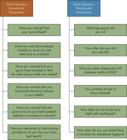
Gold and silver questions from the perio-awareness APP to facilitate patient/dentist empowerment.
Evidence on the preventive impact of controlling risk factors related to periodontal diseases
The WHO (World Health Organization) has recommended the development of joint preventive strategies for many NCDs due to shared common risk factors (CRFA). In the region, however, there is limited evidence as regards this type of approach and the use of personalized medicine.10 In PD, socio-environmental risk factors such as smoking, alcohol consumption, unbalanced diet, poor hygiene, inadequate access to dental services, stress, and occlusal trauma should be prioritized in health care.11 Successful outcomes in preventing and reducing tobacco consumption in LATAM and the Caribbean must be analyzed and replicated for the prevention of other conditions and diseases. In the region, educational strategies for pregnant women have been implemented, demonstrating an increase in knowledge, practices, and empowerment for the control of PD and other risk factors.12
The authors summarized a consensus recommendations/call to action on the impact of preventive measures on social determinants, risk factors and behavioral changes in relation to PD throughout the life-course of individuals (Table 1).
Evidence and recommendations on the impact of mechanical and chemical control of bacterial plaque and bleeding for the prevention of gingivitis
Evidence on the effectiveness of mechanical and chemical preventive strategies (community level)
The primary preventive action at community level involves health education programs to raise awareness among individuals at different stages of life, about the necessity and importance of daily oral hygiene care. To achieve this, these programs need to be implemented in different settings, such as schools and both public and private healthcare services, to reach the widest audience possible. However, the challenge to preventive actions at population level is often related to access to healthcare services. Implementing effective educational programs to promote oral hygiene practices and providing easy access to dental services pose significant challenges. The lack of resources, adequate infrastructure, and awareness within communities can limit the effectiveness of preventive interventions.
Evidence on the effectiveness of mechanical and chemical preventive strategies (individual level)
Daily habits play a crucial role in the effective control of supragingival biofilm. Although brushing is considered an essential method, there are still some questions related to the recommendation of specific characteristics of manual brushes, use of electric brushes, and the choice of interproximal devices. In a systematic review evaluating mechanical control in individuals undergoing periodontal maintenance, 80% of studies comparing manual and electric toothbrushes found no significant differences between them. However, the authors emphasize the lack of robust evidence due to the limited number of studies.13 As regards bristle design, toothbrushes with tapered tips showed superior reductions in the plaque index and gingival bleeding compared with round-tipped brushes.14 Relative to electric brushes, oscillating-rotating powered toothbrushes exhibited a slight difference in plaque control and improvement in gingival health when compared with frequency sonic powered toothbrushes.14 Moreover, more importantly than a technique, it should be emphasized that strategies must be taught and communicated to patients according to individual characteristics or their stratification according to risk.
A multicenter study on oral health behavior in South American adults showed that 84.2% of subjects brushed their teeth twice a day or more, but only 17.7% reported interproximal cleaning daily.15 Interproximal cleaning devices, especially dental floss, are more effective when combined with manual brushing than manual brushing alone. There is limited and inconsistent evidence for tooth cleaning sticks and oral irrigators,16 although interdental cleaners with rubber bristles were preferred by study participants.17 When prescribing mechanical control items, patient skills and preference should be considered, especially in older adults dealing with xerostomia and have low manual ability.
In SR, complementary antiseptics in mouthwashes and toothpaste have been reported to provide statistically significant reductions in gingival, bleeding and plaque indices, and combination of the two has shown better results.18 Recent studies have suggested reevaluation of oral health prevention and promotion. Recent research has focused on the effectiveness of fluoride toothpaste and other antimicrobial agents such as stannous fluoride-based toothpaste and sodium bicarbonate toothpaste. A SR found that stabilized SnF2 toothpaste had a positive effect on reducing the accumulation of dental calculus, dental plaque, gingivitis, stains and halitosis.19-21 This intervention should be explored as a preventive aid in the progression of plaque-induced gingivitis to periodontitis.
Essential oils and cetylpyridinium chloride (CPC) mouthwash were the active ingredients most frequently used in preventing gingivitis. Overall, studies have shown improvements in the clinical parameters evaluated.18 When compared with a placebo solution, CPC demonstrated good efficacy for plaque and gingival inflammatory parameters on interproximal surfaces.22 Recently, a multi-component oral care regimen with a zinc formulation (Dual) and CPC + In mouthwash was shown to be effective in reducing gingival inflammation and supragingival biofilm in patients with gingivitis.23
Evidence on the effectiveness of preventive strategies according to the life-course of the population (community/individual level and recommendation for research)
In the region, there is an unclear personalized or stratified prevention strategy throughout individuals’ lives, with limited participation from other health professionals. In children and adolescents, prevention has been focused on dental caries, and periodontal health is not always considered. In the early life stages, children’s limited autonomy emphasizes the active role of parents and caregivers in promoting healthy oral hygiene habits. Studies exploring mechanical methods for school-age children have demonstrated positive outcomes with manual, differently shaped, or electric toothbrushes.24,25 Customizing toothbrush handles enhances hygiene standards for Down syndrome children.26 Alternative motivational methods, including musical videos or verbal instructions, have also demonstrated improvements in plaque and gingival indices.27,28 The literature remains uncertain about chemical control for preventing gingivitis in this age group.
In adolescence, many individuals in the region undergo orthodontic treatment without supervision for periodontal health, which is a decisive moment for future periodontal health and bone support. A SR revealed that orthodontic manual brushes outperformed conventional manual brushes in plaque removal, with no significant difference in gingival bleeding.29 Electric toothbrushes, compared with manual types, demonstrated a significant reduction in both plaque and gingival indexes.30 SR comparing different mouthwashes for patients with fixed orthodontic appliances revealed similar results, indicating that chlorhexidine was effective in reducing biofilm and signs of gingival inflammation.31,32
In young adults, only programs for pregnant women have prioritized the diagnosis and prevention of periodontal diseases. One study reported that the consumption of L. reuteri lozenges may be a useful complement in the control of pregnancy gingivitis.33 In some countries, they take PD in diabetes into account in their clinical practice guidelines for diabetic patients, but they are clear about both the diagnostic procedures (including self-diagnosis) and the clinical management of the disease. It has been suggested that probiotics may provide additional benefits to the periodontal and peri-implant parameters in patients with type 2 diabetes.34 A SR suggested that probiotic supplementation improves clinical parameters, reduces pathobionts and proinflammatory markers in patients with PD. However, there is a lack of evidence on its role in primary prevention and its impact at the community level. Another SR showed a slight improvement in the inflammatory clinical parameters of patients treated with the use of probiotics in an experimental gingivitis model.35 As the population survival rate increases, more people will need preventive and even peri-implant periodontal care. The above-mentioned situation adds to a greater probability of NCDs in adults and older adults. In the elderly, prosthetics and medical conditions significantly impact prevention strategies. A study characterized the oral health of elderly individuals as precarious, with nearly half requiring assistance for hygiene care. Additionally, challenging access to dental care underscores the importance of preventive measures.36 Investing in health education for family members, caregivers, and nursing staff, along with the presence of a dental surgeon in elderly care institutions or hospitals, and organization of systematic care are deemed crucial.37-39 The authors summarized a consensus recommendations/call to action on the impact of mechanical and chemical control of plaque and bleeding for the prevention of gingivitis (Table 2).
Evidence on the impact of PD preventive strategies for the management of systemic diseases and conditions that are related to periodontal diseases
There is strong evidence showing that people with periodontitis have an increased risk of dysglycemia, insulin resistance and higher HbA1C levels in patients with periodontitis and diabetes mellitus.40 In the Colombian and Brazilian populations, periodontitis was associated with metabolic syndrome (MetS) and glucose intolerance.41,42 In a multicenter cohort study in Brazil, an association of PD with subclinical atherosclerosis was established.43 Likewise, a relationship between periodontitis, severe periodontitis and Acute Coronary Syndrome was shown in Colombian and Chilean individuals .
Pregnant women with periodontal disease have shown an increased risk of adverse pregnancy outcomes (APOs), including preterm birth (PTB), low birth weight newborns, preeclampsia, and gestational diabetes mellitus (GDM). In Colombia, a study reported an association between the severity of periodontitis and pre-eclampsia (OR: 3, 95%CI: 1.91–4.87; p < 0.001).44 Another study suggested an association between periodontal pockets and APOs in low-income pregnant women, highlighting factors such as threatened abortion, absence of antenatal care, hypertension, chronic infections, and periodontal diagnosis as important conditions associated with APOs.45 Similarly, in Chile, a study with 870 pregnant women reported an association between gingivitis and PTB, with significant reductions in PTB observed in pregnant women who received periodontal treatment. Likewise, a recent study screening 1,086 pregnant women in Chile showed a high prevalence of periodontitis (73.1%), with a low percentage of patients with healthy periodontium or gingivitis (26.9%).46 Other studies also suggested that pregnant women with gestational diabetes mellitus exhibited a worse periodontal condition than those with healthy pregnancies, measured by periodontal probing depth, clinical attachment loss, and bleeding on probing. Furthermore, the inflamed periodontal surface area was larger in those with GDM pregnancies.47 Moreover, obesity was related to periodontitis severity, with a relative risk ratio (RRR) of 1.66 (95%CI: 1.05–2.64; p = 0.03) and 1.57 (95%CI: 1.09–2.27; p = 0.015) for stage III periodontitis compared with those with periodontal healthy/gingivitis and stage II periodontitis, respectively.46 However, these findings are not consistent across all Latin American countries. For instance, a Brazilian study was unable to demonstrate the association between the severity of periodontal disease and APOs.48 The differences between the studies could be explained due to ethnic and socioeconomic variations, the prevalence and severity of periodontitis, case definitions, population heterogeneity, different health systems and monitoring the oral health care of pregnant women.
Evidence on the effectiveness of preventive strategies based on the association of periodontal diseases with systemic conditions (community level)
In recent years, a positive aspect has been the implementation of public policies, including clinical practice guidelines and comprehensive care routes directed towards pregnant women in LA. There are many beliefs about the safety of dental procedures during pregnancy, a lack of knowledge of the impacts on adverse pregnancy outcomes and oral health, and the need for oral hygiene during pregnancy, factors that discourage access to health services.49 However, in LA, the public health ministries of Argentina, Brazil, Colombia, Chile, Ecuador, Peru, and Uruguay, among others, have established primary care programs for pregnant women in their countries, however, there is still no evidence of the impact of these programs on the community. Despite the extraordinary efforts of governments to implement these priority primary care programs, access to health programs continues to be limited.
In some countries, chronic patients are a priority in primary prevention, but it was not possible to completely identify the role and detailed care guidelines for health personnel relative to the control of periodontal disease. Many people from different populations, who have chronic diseases ,and have a high prevalence of periodontitis, do not, however, go for dental visits regularly. Medicare service showed a lack of preventive dental care in African Americans/Black and Latin Americans, with lower educational attainment and household income, who suffer from diabetes, prediabetes, hypertension, and are smokers.50
Several studies were conducted to establish the impact of regular oral hygiene on the prevention of chronic diseases. In a 10-year cohort study of the National Health Insurance System-Korea Health Screening Cohort, tooth brushing ≥ 3 times/day showed a protective effect against new-onset of diabetes and on reducing blood sugar levels. HbA1C. The use of antiseptic products for plaque control in patients with NCDs and other medical or hospital conditions is controversial. Oral care in hospitalized patients in critical and non-critical conditions is recommended in the CPG to maintain oral health. Some systematic reviews, including Cochrane reviews, have shown that chlorhexidine reduces the risk of ventilator-associated pneumonia (VAP).51,52There is controversy about the role of chlorhexidine in the incidence of mortality, and the evidence is weak.51,53,54
The authors summarized a consensus recommendations/call to action on the impact of preventive strategies for the management of SD and PD related conditions (Table 3).
Research gaps, conclusions, and future needs
Evidence on the prevention of PD, qualitative research and behavioral changes continues to be scarce, at both the individual and community levels. In preventing periodontal diseases, the human factor plays an important role, that is, the physical, psychological, and social characteristics that affect human interaction with other people, in this case, the healthy or periodontally compromised patients and health professionals. Another challenge in the region is that each individual or community has unique social determinants and/or environmental and biological aspects that must be identified to enable the success of preventive strategies.55 The term situational awareness requires an understanding of the environment, and ability to anticipate variations in the health/disease process, which is why it is necessary to educate more empowered professionals, who are trained in behavioral sciences.
This consensus is a call for action to network between scientific societies, Universities, LAOHA, FDI, WHO/PAHO and the International Association for Dental Research (IADR), public and private entities, in order to develop research projects, unify and disseminate strategies, preventive measures, and CPG in periodontics. and to evaluate their clinical impact on oral and systemic health in different populations.
In the future, with the increasing availability of large datasets that integrate cellular and microbial genomic information, information on organ function, aspects of the oral cavity and saliva, and behavioral patterns in populations, it will be possible to stratify population groups for the purpose of estimating individual risks for their periodontal health and empowerment needs more accurately.
Acknowledgments
This manuscript was prepared for the consensus titled “Latin America and Caribbean Periodontics Consensus 2024” organized by the Latin American Oral Health Association (LAOHA). The consensus process actively engaged experts from across the region, and the broader community was invited to review and contribute to the content. The resulting Consensus Report was derived from this paper. We would like to acknowledge the Colgate Palmolive Company for their support.
References
-
1 Glick M, Williams DM. FDI Vision 2030: delivering optimal Oral Health for All. Int Dent J. 2021 Feb;71(1):3-4. https://doi.org/10.1016/j.identj.2020.12.026
» https://doi.org/10.1016/j.identj.2020.12.026 -
2 Bartold PM, Ivanovski S. P4 Medicine as a model for precision periodontal care. Clin Oral Investig. 2022 Sep;26(9):5517-33. https://doi.org/10.1007/s00784-022-04469-y
» https://doi.org/10.1007/s00784-022-04469-y -
3 Cota LO, Villar CC, Vettore MV, Campos JR, Amaral GC, Cortelli JR, et al. Periodontal diseases: is it possible to prevent them? A populational and individual approach. Braz Oral Res. 2021 Sep;35 Supp 2:e098. https://doi.org/10.1590/1807-3107bor-2021.vol35.0098
» https://doi.org/10.1590/1807-3107bor-2021.vol35.0098 -
4 Duque AD, Malheiros Z, Stewart B, Romanelli HJ. Strategies for the prevention of periodontal disease and its impact on general health in Latin America. Section III: prevention. Braz Oral Res. 2020 Apr;34 supp1 1:e025. https://doi.org/10.1590/1807-3107bor-2020.vol34.0025
» https://doi.org/10.1590/1807-3107bor-2020.vol34.0025 -
5 Kirchhof G, Lindner JF, Achenbach S, Berger K, Blankenberg S, Fangerau H, et al. Stratified prevention: opportunities and limitations. Report on the 1st interdisciplinary cardiovascular workshop in Augsburg. Clin Res Cardiol. 2018 Mar;107(3):193-200. https://doi.org/10.1007/s00392-017-1186-y
» https://doi.org/10.1007/s00392-017-1186-y -
6 Málaga-Figueroa L, Alarcón MA, Pannuti CM, Horna P, López-Pacheco A, Gómez M, et al. Ibero-Panamerican Federation of Periodontology Delphi study on the trends of periodontology and periodontics by the year 2030: a Latin American consensus. J Periodontal Res. 2024 Apr;59(2):237-48. https://doi.org/10.1111/jre.13221
» https://doi.org/10.1111/jre.13221 -
7 Duque-Duque A, Sanchez Martinez C, Catano M, Usuga D, Marin R. Changes in knowledge regarding the relationship between periodontitis and systemic diseases. Non-analytical cross- sectional study. Int J Interdiscip Dent. April,2024;(17):27-32. https://doi.org/10.4067/s2452-55882024000100027
» https://doi.org/10.4067/s2452-55882024000100027 -
8 Lozano E, Medina M, Gamonal J. Manifiesto por la promoción de la salud periodontal de la Federación Iberopanamericana de Periodoncia (FIPP) y la Asociación Latinoamericana de Salud Bucal (LAOHA). Int J Interdiscip Dent. 2022 Apr;15(1):9-11. https://doi.org/10.4067/S2452-55882022000100009
» https://doi.org/10.4067/S2452-55882022000100009 -
9 Duque A, Benítez Silva CG, Rossing CK. Development of an application and proposal of recommendations to increase awareness of periodontal diseases for patients: concepts, rationale and use. J Int Acad Periodontol. 2023;25(2):102-12. https://doi.org/10.14436/1466-2094.25.2.102-112.oar
» https://doi.org/10.14436/1466-2094.25.2.102-112.oar -
10 Bouchard P, Carra MC, Boillot A, Mora F, Rangé H. Risk factors in periodontology: a conceptual framework. J Clin Periodontol. 2017 Feb;44(2):125-31. https://doi.org/10.1111/jcpe.12650
» https://doi.org/10.1111/jcpe.12650 -
11 Sheiham A, Watt RG. The common risk factor approach: a rational basis for promoting oral health. Community Dent Oral Epidemiol. 2000 Dec;28(6):399-406. https://doi.org/10.1034/j.1600-0528.2000.028006399.x
» https://doi.org/10.1034/j.1600-0528.2000.028006399.x - 12 Avila YT, González YP, Hijuelos MG P. Intervención educativa sobre enfermedad periodontal en embarazadas. Correo Científico Méd. 2021 Nov;25(4).
-
13 Slot DE, Valkenburg C, Van der Weijden GA. Mechanical plaque removal of periodontal maintenance patients: a systematic review and network meta-analysis. J Clin Periodontol. 2020 Jul;47(S22 Suppl 22):107-24. https://doi.org/10.1111/jcpe.13275
» https://doi.org/10.1111/jcpe.13275 -
14 Sluijs E, Slot DE, Hennequin-Hoenderdos NL, Valkenburg C, van der Weijden FG. The efficacy of an oscillating-rotating power toothbrush compared to a high-frequency sonic power toothbrush on parameters of dental plaque and gingival inflammation: a systematic review and meta-analysis. Int J Dent Hyg. 2023 Feb;21(1):77-94. https://doi.org/10.1111/idh.12597
» https://doi.org/10.1111/idh.12597 -
15 Gómez MV, Toledo A, Carvajal P, Gomes SC, Costa RS, Solanes F, et al. A multicenter study of oral health behavior among adult subjects from three South American cities. Braz Oral Res. 2018;32(0):e22 https://doi.org/10.1590/1807-3107bor-2018.vol32.0022
» https://doi.org/10.1590/1807-3107bor-2018.vol32.0022 -
16 Worthington HV, MacDonald L, Poklepovic Pericic T, Sambunjak D, Johnson TM, Imai P, et al. Home use of interdental cleaning devices, in addition to toothbrushing, for preventing and controlling periodontal diseases and dental caries. Cochrane Database Syst Rev. 2019 Apr;4(4):CD012018. https://doi.org/10.1002/14651858.CD012018.pub2
» https://doi.org/10.1002/14651858.CD012018.pub2 -
17 Weijden F, Slot DE, van der Sluijs E, Hennequin-Hoenderdos NL. The efficacy of a rubber bristles interdental cleaner on parameters of oral soft tissue health-a systematic review. Int J Dent Hyg. 2022 Feb;20(1):26-39. https://doi.org/10.1111/idh.12492
» https://doi.org/10.1111/idh.12492 -
18 Figuero E, Roldán S, Serrano J, Escribano M, Martín C, Preshaw PM. Efficacy of adjunctive therapies in patients with gingival inflammation: a systematic review and meta-analysis. J Clin Periodontol. 2020 Jul;47(S22 Suppl 22):125-43. https://doi.org/10.1111/jcpe.13244
» https://doi.org/10.1111/jcpe.13244 -
19 Johannsen A, Emilson CG, Johannsen G, Konradsson K, Lingström P, Ramberg P. Effects of stabilized stannous fluoride dentifrice on dental calculus, dental plaque, gingivitis, halitosis and stain: a systematic review. Heliyon. 2019 Dec;5(12):e02850. https://doi.org/10.1016/j.heliyon.2019.e02850
» https://doi.org/10.1016/j.heliyon.2019.e02850 - 20 He T, Mazor S, Zou Y, Grender J, Farrell S, Sagel P, et al. Randomized clinical trial assessing anti-gingivitis efficacy of two stannous fluoride dentifrices and zinc/arginine dentifrice. Am J Dent. 2021 Apr;34(2):110-5.
-
21 Taschieri S, Tumedei M, Francetti L, Corbella S, Del Fabbro M. Efficacy of 67% sodium bicarbonate toothpaste for plaque and gingivitis control: a systematic review and meta-analysis. J Evid Based Dent Pract. 2022 Jun;22(2):101709. https://doi.org/10.1016/j.jebdp.2022.101709
» https://doi.org/10.1016/j.jebdp.2022.101709 -
22 Langa GP, Muniz FW, Costa RD, Silveira TM, Rösing CK. The effect of cetylpyridinium chloride mouthrinse as adjunct to toothbrushing compared to placebo on interproximal plaque and gingival inflammation-a systematic review with meta-analyses. Clin Oral Investig. 2021 Feb;25(2):745-57. https://doi.org/10.1007/s00784-020-03661-2
» https://doi.org/10.1007/s00784-020-03661-2 -
23 Amaral GCLS, Hassan MA, Saraiva L, Nakao LY, Holzhausen M, Malheiros ZM, et al. The effect of a multicomponent oral care regimen on gingival inflammation: A randomized controlled clinical trial. J Periodontol. 2024 Apr;95(4):350-9. https://doi.org/10.1002/JPER.23-0361
» https://doi.org/10.1002/JPER.23-0361 -
24 Brockman RP, Laarveld B. Effect of insulin on gluconeogenesis and the metabolism of lactate in sheep. Can J Physiol Pharmacol. 1986 Aug;64(8):1055-9. https://doi.org/10.1139/y86-181
» https://doi.org/10.1139/y86-181 - 25 Zhao SM, Chen H, Yu PB, Wang J. [A clinical investigation of plaque control efficacy and safety of Sonicare toothbrush in children]. Shanghai Kou Qiang Yi Xue. 2018 Jun;27(3):313-7. Chinese.
-
26 Droubi L, Laflouf M, Alkurdi S, Sauro S, Mancino D, Haikel Y, et al. Does customized handle toothbrush influence dental plaque removal in children with Down Syndrome? A randomized controlled trial. Healthcare (Basel). 2021 Aug;9(9):1130. https://doi.org/10.3390/healthcare9091130
» https://doi.org/10.3390/healthcare9091130 -
27 Jeong JS, Kim KS, Lee JW, Kim KD, Park W. Efficacy of tooth brushing via a three-dimensional motion tracking system for dental plaque control in school children: a randomized controlled clinical trial. BMC Oral Health. 2022 Dec;22(1):626. https://doi.org/10.1186/s12903-022-02665-6
» https://doi.org/10.1186/s12903-022-02665-6 - 28 Yildirim S, Kayaalti-Yüksek S. The effects of motivational methods applied during toothbrushing on children's oral hygiene and periodontal health. Pediatr Dent. 2020 Nov;42(6):424-30.
-
29 Marçal FF, Paulo JPM, Barreto LG, Guerra LMC, Silva PG. Effectiveness of orthodontic toothbrush versus conventional toothbrush on plaque and gingival index reduction: a systematic review and meta-analysis. Int J Dent Hyg. 2022 Feb;20(1):87-99. https://doi.org/10.1111/idh.12511
» https://doi.org/10.1111/idh.12511 -
30 Sivaramakrishnan G, Alsobaiei M, Sridharan K. Powered toothbrushes for plaque control in fixed orthodontic patients: a network meta-analysis. Aust Dent J. 2021 Mar;66(1):20-31. https://doi.org/10.1111/adj.12798
» https://doi.org/10.1111/adj.12798 -
31 Karamani I, Kalimeri E, Seremidi K, Gkourtsogianni S, Kloukos D. Chlorhexidine mouthwash for gingivitis control in orthodontic patients: a systematic review and meta-analysis. Oral Health Prev Dent. 2022 Jun;20(1):279-94. https://doi.org/10.3290/j.ohpd.b3170043
» https://doi.org/10.3290/j.ohpd.b3170043 -
32 Ren X, Zhang Y, Xiang Y, Hu T, Cheng R, Cai H. The efficacy of mouthwashes on oral microorganisms and gingivitis in patients undergoing orthodontic treatment: a systematic review and meta-analysis. BMC Oral Health. 2023 Apr;23(1):204. https://doi.org/10.1186/s12903-023-02920-4
» https://doi.org/10.1186/s12903-023-02920-4 -
33 Schlagenhauf U, Jakob L, Eigenthaler M, Segerer S, Jockel-Schneider Y, Rehn M. Regular consumption of Lactobacillus reuteri-containing lozenges reduces pregnancy gingivitis: an RCT. J Clin Periodontol. 2016 Nov;43(11):948-54. https://doi.org/10.1111/jcpe.12606
» https://doi.org/10.1111/jcpe.12606 -
34 Avelino LB, Rodrigues KT, Cruz NTS, Martins AA, Martins ARA. Effectiveness of probiotic therapy in the management of periodontal disease in diabetic patients: a scoping review. Curr Diabetes Rev. 2024;20(9):e281123223961. https://doi.org/10.2174/0115733998271193231108054254
» https://doi.org/10.2174/0115733998271193231108054254 -
35 Barboza EP, Arriaga PC, Luz DP, Montez C, Vianna KC. Systematic review of the effect of probiotics on experimental gingivitis in humans. Braz Oral Res. 2020 Mar;34:e031. https://doi.org/10.1590/1807-3107bor-2020.vol34.0031
» https://doi.org/10.1590/1807-3107bor-2020.vol34.0031 -
36 Oliveira TF, Embaló B, Pereira MC, Borges SC, Mello AL; Oliveira TFS de Embaló B. Pereira MC, Borges SC, Mello ALSF. Oral health of homebound older adults followed by primary care: a cross sectional study. Rev Bras Geriatr Gerontol. 2021 Oct;24(5):e220038. https://doi.org/10.1590/1981-22562021024.220038.pt
» https://doi.org/10.1590/1981-22562021024.220038.pt -
37 Ferreira RC, Schwambach CW, Magalhães CS, Moreira AN. [Dental care and oral hygiene practices in long-term geriatric care institutions]. Cien Saude Colet. 2011 Apr;16(4):2323-33. Portuguese. https://doi.org/10.1590/S1413-81232011000400032
» https://doi.org/10.1590/S1413-81232011000400032 -
38 Oliveira TF, Embaló B, Pereira MC, Borges SC, Mello AL.Oral health of homebound older adults followed by primary care: a cross sectional study. Rev Bras Geriatr Gerontol. 2021 Oct;24(5):e220038. https://doi.org/10.1590/1981-22562021024.220038.en
» https://doi.org/10.1590/1981-22562021024.220038.en -
39 Silva HP, Koppe B, Brew MC, Sória GS, Bavaresco CS. Approach to the most prevalent oral disorders among the elderly: an integrative review focusing on primary health care. Rev Bras Geriatr Gerontol. 2017 Jun;20(3):430-40. https://doi.org/10.1590/1981-22562017020.160199
» https://doi.org/10.1590/1981-22562017020.160199 -
40 Botero JE, Yepes FL, Roldán N, Castrillón CA, Hincapie JP, Ochoa SP, et al. Tooth and periodontal clinical attachment loss are associated with hyperglycemia in patients with diabetes. J Periodontol. 2012 Oct;83(10):1245-50. https://doi.org/10.1902/jop.2012.110681
» https://doi.org/10.1902/jop.2012.110681 -
41 Jaramillo A, Contreras A, Lafaurie GI, Duque A, Ardila CM, Duarte S, et al. Association of metabolic syndrome and chronic periodontitis in Colombians. Clin Oral Investig. 2017 Jun;21(5):1537-44. https://doi.org/10.1007/s00784-016-1942-9
» https://doi.org/10.1007/s00784-016-1942-9 -
42 Musskopf ML, Daudt LD, Weidlich P, Gerchman F, Gross JL, Oppermann RV. Metabolic syndrome as a risk indicator for periodontal disease and tooth loss. Clin Oral Investig. 2017 Mar;21(2):675-83. https://doi.org/10.1007/s00784-016-1935-8
» https://doi.org/10.1007/s00784-016-1935-8 -
43 Batista R, Rosetti EP, Zandonade E, Roelke LH, Vettore MV, Oliveira AE. Association between periodontal disease and subclinical atherosclerosis: the ELSA-Brasil study. Cad Saude Publica. 2012 May;28(5):965-76. https://doi.org/10.1590/S0102-311X2012000500015
» https://doi.org/10.1590/S0102-311X2012000500015 -
44 Contreras A, Herrera JA, Soto JE, Arce RM, Jaramillo A, Botero JE. Periodontitis is associated with preeclampsia in pregnant women. J Periodontol. 2006 Feb;77(2):182-8. https://doi.org/10.1902/jop.2006.050020
» https://doi.org/10.1902/jop.2006.050020 -
45 Lafaurie GI, Gómez LA, Montenegro DA, De Avila J, Tamayo MC, Lancheros MC, et al. Periodontal condition is associated with adverse perinatal outcomes and premature rupture of membranes in low-income pregnant women in Bogota, Colombia: a case-control study. J Matern Fetal Neonatal Med. 2020 Jan;33(1):16-23. https://doi.org/10.1080/14767058.2018.1484092
» https://doi.org/10.1080/14767058.2018.1484092 -
46 Ramírez V, Weber L, Hernández M, Realini O, Bendek MJ, Busso D, et al. Obesity is related to maternal periodontitis severity in pregnancy: a cross-sectional study. Clin Oral Investig. 2023 Sep;27(9):5509-18. https://doi.org/10.1007/s00784-023-05170-4
» https://doi.org/10.1007/s00784-023-05170-4 -
47 Chaparro A, Zúñiga E, Varas-Godoy M, Albers D, Ramírez V, Hernández M, et al. Periodontitis and placental growth factor in oral fluids are early pregnancy predictors of gestational diabetes mellitus. J Periodontol. 2018 Sep;89(9):1052-60. https://doi.org/10.1002/JPER.17-0497
» https://doi.org/10.1002/JPER.17-0497 -
48 Krüger MS, Casarin RP, Pinto GD, Pappen FG, Camargo MB, Correa FO, et al. Maternal periodontal disease and adverse perinatal outcomes: is there an association? A hospital-based case-control study. J Matern Fetal Neonatal Med. 2019 Oct;32(20):3401-7. https://doi.org/10.1080/14767058.2018.1464554
» https://doi.org/10.1080/14767058.2018.1464554 -
49 Kamalabadi YM, Campbell MK, Zitoun NM, Jessani A. Unfavourable beliefs about oral health and safety of dental care during pregnancy: a systematic review. BMC Oral Health. 2023 Oct;23(1):762. https://doi.org/10.1186/s12903-023-03439-4
» https://doi.org/10.1186/s12903-023-03439-4 -
50 Gordon NP, Mosen DM, Banegas MP. Oral health care: a missing pillar of total health care? Perm J. 2021 Dec 3;25:21.080. https://doi.org/10.7812/TPP/21.080
» https://doi.org/10.7812/TPP/21.080 -
51 Cruz JC, Martins CK, Piassi JE, Garcia Júnior IR, Santiago Junior JF, Faverani LP. Does chlorhexidine reduce the incidence of ventilator-associated pneumonia in ICU patients? A systematic review and meta-analysis. Med Intensiva (Engl Ed). 2023 Aug;47(8):437-44. https://doi.org/10.1016/j.medine.2022.11.002
» https://doi.org/10.1016/j.medine.2022.11.002 -
52 Zhao T, Wu X, Zhang Q, Li C, Worthington HV, Hua F. Oral hygiene care for critically ill patients to prevent ventilator-associated pneumonia. Cochrane Database Syst Rev. 2020 Dec;12(12):CD008367. https://doi.org/10.1002/14651858.CD008367.pub3
» https://doi.org/10.1002/14651858.CD008367.pub3 -
53 M D, W W, K E, D V, S B. Effects of chlorhexidine gluconate oral care on hospital mortality: a hospital-wide, observational cohort study. Intensive Care Med. 2018 Jul;44(7):1017-26. https://doi.org/10.1007/s00134-018-5171-3
» https://doi.org/10.1007/s00134-018-5171-3 -
54 Gualtero DF, Lafaurie GI, Buitrago DM, Castillo Y, Vargas-Sanchez PK, Castillo DM. Oral microbiome mediated inflammation, a potential inductor of vascular diseases: a comprehensive review. Front Cardiovasc Med. 2023 Aug;10:1250263. https://doi.org/10.3389/fcvm.2023.1250263
» https://doi.org/10.3389/fcvm.2023.1250263 -
55 Romanelli H. El rol del factor humano en el éxito de la práctica clínica odontológica. Rev Asoc Odontol Argent. 2023 Sep-Dec;(111):1-4. https://doi.org/10.52979/raoa.1111201.1241
» https://doi.org/10.52979/raoa.1111201.1241


