 Pharmacotherapy follow-up in hiv-positive patients: impact on mental health and quality of life
Abstract
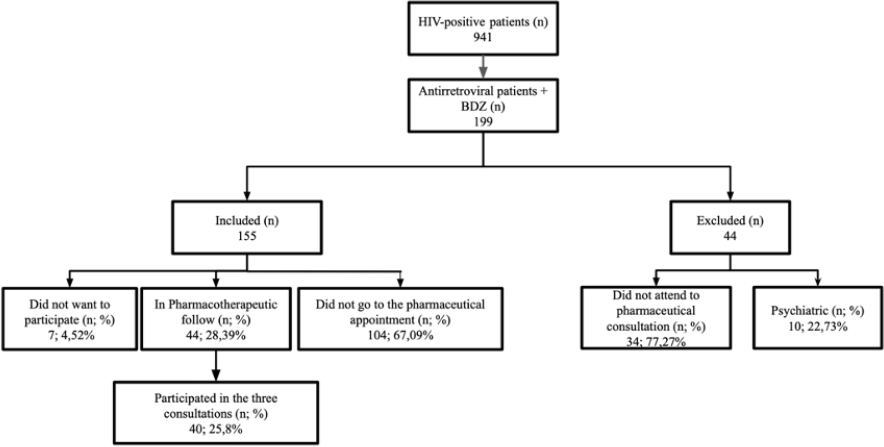
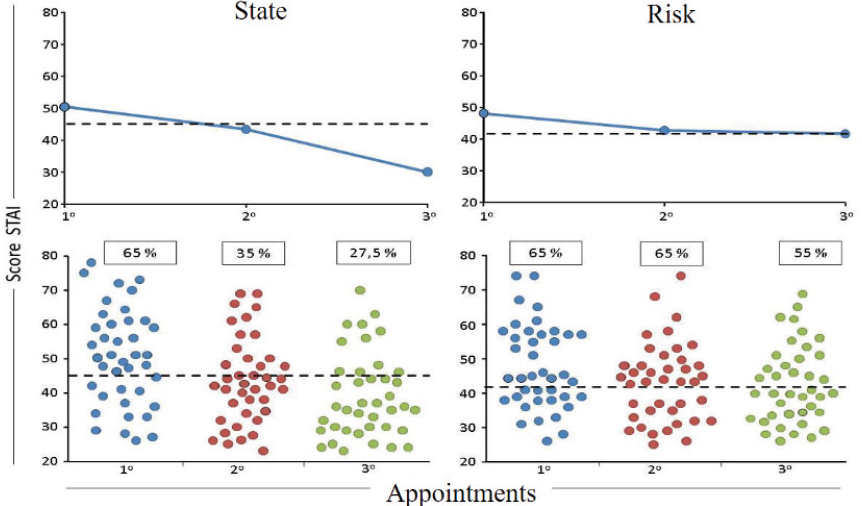
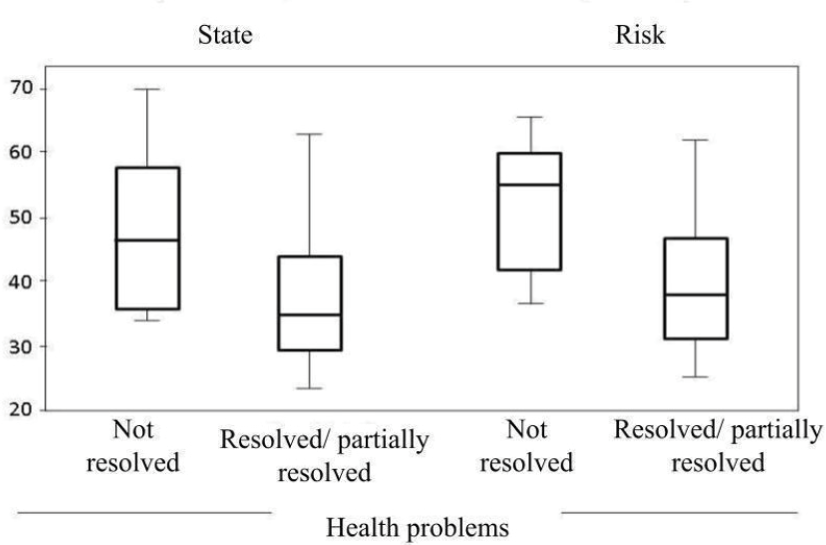
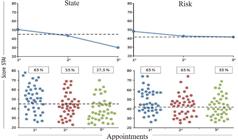
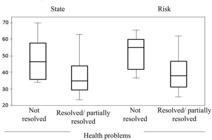
Research on anxiety and its treatment among HIV-infected individuals is limited, despite its high prevalence. HIV-positive patients often consume many anxiolytic/hypnotic medications. Pharmacotherapeutic monitoring and multidisciplinary pharmaceutical intervention can improve treatment adequacy, health education, detection of inappropriate prescriptions, drug interactions, patient satisfaction, reduce morbidity and mortality and general health care costs. The objective of the study was to evaluate the impact of pharmacotherapeutic monitoring on the rational use of anxiolytics/hypnotics in HIV-positive patients on antiretroviral therapy. Three pharmaceutical consultations were carried out according to the Dáder method, using the STAI (State/Trait Anxiety Inventory) to assess anxiety levels, and pharmaceutical interventions were carried out. In the first pharmaceutical consultation, all patients presented severe anxiety. In the third consultation, the average was statistically lower in the two anxiety conditions evaluated. In the group of patients where health problems were resolved or partially resolved there was a lower level of anxiety, suggesting that the resolution of health problems through pharmaceutical interventions promoted a reduction in anxiety. It was concluded that pharmaceutical assistance provided through health education integrated with pharmacotherapeutic monitoring using the Dáder Method has a positive impact on the rational use of anxiolytics/hypnotics in HIV-positive patients on antiretroviral therapy.
Keywords:
HIV; Mental Health; Practice Patterns; Pharmacists; Drug Therapy
 Thumbnail
 Thumbnail
 Thumbnail