
 Exploration of antihyperlipidemic and antioxidant potentials of Bis-thiourea derivatives: in vivo and in silico evaluation
Abstract
In this study, three bis-thioureas (abbreviated as SJ1, SJ2, and SJ3) were synthesized and theirantihyperlipidemic effects were assessed in mitigating high-fat diet (HFD)-induced metabolicdisturbances in rat model. Among the tested compounds, SJ3 was more potent as antioxidantagent with IC50=115.23 μg/mL against DPPH whereas against ABTS, 49.6 and 81% activities wererecorded for lowest and highest tested concentrations (62.5 and 1000 μg/mL). In comparison tocontrol (HFD) and standard drug administered animal groups, SJ3 reduced total cholesterol (101.8,211.1, and 94.5 mg/dL), triglycerides (95.8, 208.3, and 84.5 mg/dL), LDL (134.7, 56.8, and 45.8mg/dL), and HDL (32.6, 18.7, and 43.1 mg/dL) levels. Significant reduction in ALT, ALP, uric acid, urea, creatinine, and body weight were also observed for SJ3 treated group. Moreover, dockingstudies confirmed binding of the test compounds with five key protein targets. Overall, SJ3 demonstrated the highest binding affinity with 1HW9 (-8.6 kcal/mol), followed by orlistat (-8.1kcal/mol). SJ3 demonstrated the highest binding affinity with 3VI8 (-9.9 kcal/mol) and 4EWS (-8.9kcal/mol), while ranked second after standard drug orlistat for 1LPB (-8.7 kcal/mol), and 7O7B(-6.4 kcal/mol). In silico pharmacokinetics (ADMET), and toxicity studies also supported SJ3 as the most effective compounds. The synthesized thioureas though possesses antihyperlipidemicpotentials, further research is needed to validate the findings in clinical practices.
Keywords:
Hyperlipidemia; Bis-thiourea; Anti-lipidemic potential; High-fat diet (HFD); Metabolic disturbances
INTRODUCTION
Hyperlipidemia is a group of disorders characterized by abnormally high levels of lipids and cholesterol in the blood. It is a major risk factor for the development of atherosclerosis, which is a leading cause of cardiovascular diseases and mortality worldwide (Alwahsh et al., 2024). Low-density lipoprotein (LDL) deposition in the arterial intima, LDL oxidation, uptake of oxidized LDL by macrophage scavenger receptors, foam cell formation, and the stabilization of atherosclerotic plaques are some of the complex interactions that play a role in the pathophysiology of atherosclerosis. All these stages involve inflammatory cytokines, making atherosclerosis a chronic inflammatory disorder (Malekmohammad, Bezsonov, Rafieian-Kopaei, 2021). Another major health issue is oxidative stress, which not only aggravates pre-existing disorders like diabetes mellitus and cancer but also promotes the development of new diseases. An imbalance between the synthesis of oxidants and the availability of antioxidant enzymes causes oxidative stress in humans (Griendling et al., 2021). The human body constantly generates reactive oxygen and nitrogen species, which can damage and kill cells if left unchecked (Zhang et al., 2022). Scientists are continuously exploring new antioxidants, both from synthetic and natural sources, to combat this problem (Ahmed et al., 2024; Maache et al., 2024).
Thiourea, chemically known as thiocarbamide, is a structural analog of urea, where the oxygen atom is replaced by a sulfur atom. Thiourea and its derivatives have a wide range of biological activity and possible therapeutic uses, they have attracted a lot of interest in the field of medicinal chemistry (Kirishnamaline et al., 2021). The simple structural modifications impart unique properties to the molecule, making it a versatile scaffold for further derivatization and exploration of its biological potentials. The synthesis of thiourea was first accomplished in 1873 by Marceli Nencki, a Polish scientist, who pioneered the concept of developing urea analogs by substituting the oxygen atom with other elements (Ronchetti et al., 2021). This groundbreaking work paved the way for the development of numerous thiourea derivatives, which have since been investigated for their potential therapeutic applications including antioxidant (Naz et al., 2020), anti-inflammatory (Emen et al., 2022), antibacterial (Ronchetti et al., 2021), antiviral (Xu et al., 2022), antifungal (Zeng et al., 2023), antidiabetic (Hussain et al., 2023), anticancer (Abbas, Al-Harbi, El-Sharief, 2020), antitubercular (Konduri et al., 2021), catalytic applications (Yigit et al., 2022), and insecticidal activities (El-Sayed et al., 2024), and so on. Because thioureas may establish stable hydrogen bonds with recognition elements found in biological targets such proteins, enzymes, and receptors, their inclusion is particularly important in medicinal chemistry. This hydrogen bond network plays a crucial role in stabilizing ligand-receptor interactions and facilitating the recognition of the bioactive region, thereby enhancing the compound’s potency and selectivity (Ronchetti et al., 2021).
Due to their significant potential, numerous compounds containing urea and thiourea moieties have been granted approval as commercially available pharmaceuticals by regulatory bodies such as the Food and Drug Administration (FDA), European Medicines Agency (EMA), and other relevant agencies (Ronchetti et al., 2021). Consequently, pharmaceutical and academic researchers are currently engaged in the development of potential drug candidates based on the thiourea scaffold for the treatment of various human diseases. Despite the diverse biological spectrum of thiourea derivatives, their antihyperlipidemic properties have been relatively less explored. Some studies have explored their potential in modulating lipid metabolism and reducing hyperlipidemia (Rekha et al., 2022). A recent study attempted to synthesize thiazolidinedione-based pancreatic lipase inhibitors as anti-obesity agents and studied their pharmacological potentials. The study concluded that thiourea derivatives may take the position up into the list ofantilipidemic drugs (Dhiman et al., 2024). Bouhlali et al. (2023) investigated the lipid-lowering effects of date (Phoenix dactylifera L.) fruits in high-fat diet and Triton-WR-1339-induced hyperlipidemic rat models. Their findings suggested that date fruits possess hypolipidemic properties, potentially due to the presence of bioactive compounds such as polyphenols and other phytochemicals (Bouhlali et al., 2023).
While direct evidence of thiourea derivatives’ antihyperlipidemic activities is scarce, their structural similarities to other bioactive compounds and their ability to modulate various biological pathways suggest potential applications in the management of hyperlipidemia. Several studies have explored the antioxidant properties of thiourea derivatives, highlighting their potential as free radical scavengers and their ability to modulate oxidative stress pathways. The work of Ismail et al. (2022), in which the authors evaluated the antihypertensive properties of some prepared nitrogen heterocycles, including thiourea derivatives. Their findings revealed the promising antihypertensive potential of phenylthiourea and condensed thiourea derivatives, suggesting their potential applications in non-communicable and oxidative stress-related disorders (Ismail et al., 2022). Usta et al. reported the synthesis of new benzimidazole-2-thione derivatives and investigated their antioxidant activities. Their results demonstrated the ability of these compounds to act as potent free radical scavengers, highlighting their potential as antioxidant agents (El Ashry et al., 2015). Novel 2-methylquinazolin-4(3H)-one derivatives with urea, thiourea, and sulphonamide functionalities were synthesized. The researchers assessed the antibacterial and anti-inflammatory effects of these substances, which Exploration of antihyperlipidemic and antioxidant potentials of Bis-thiourea derivatives: in vivo and in silico evaluation also showed encouraging antioxidant qualities (Keche, Kamble, 2019). Overall, these discoveries open the door to more research into the mechanisms of action and possible therapeutic uses of thiourea derivatives in the treatment of illnesses linked to oxidative stress. They also offer insightful information on the antioxidant potentials of thiourea derivatives.
Given the potential of thiourea derivatives as drug candidates and their relatively unexplored antihyperlipidemic and antioxidant properties, the current study aims to synthesize and evaluate a series of bis-thiourea derivatives for their biological activities in these areas. The synthesis of bis-thiourea derivatives was carried out using a previously reported reflux condensation method (Bano et al., 2024). This method involves the reaction of benzoyl chloride and potassium thiocyanate in dry acetone under reflux conditions, followed by the addition of phenylenediamine to form the desired bis-thiourea derivatives. The synthesized compounds were characterized using various analytical techniques to confirm their structural integrity. The antihyperlipidemic activity of the bis-thiourea derivatives was investigated using a high-fat diet (HFD)-induced hyperlipidemic rat model. Additionally, molecular docking, in silico pharmacokinetics, and toxicity studies were conducted to assess the potency and safety of the compounds.
METHODOLOGY
Synthesis and characterization of Bis-thiourea derivatives
The synthesis of bis thiourea derivatives involved a systematic procedure using specific chemicals and solvents. Initially, potassium thiocyanate and benzoyl chloride solutions were prepared. In a round-bottom flask, 6 mmol (0.583 g) of potassium thiocyanate was dissolved in 15 mL of dry acetone to make the potassium thiocyanate solution. In the meantime, 30 mL of dry acetone was used to prepare 6 mmol (0.69 mL) solution of benzoyl chloride. The benzoyl chloride solution was then added dropwise to the potassium thiocyanate suspension, and the mixture was refluxed for 5-10 minutes. Following this, 3 mmol (0.32 g) of the respective phenylenediamine (either o-phenylenediamine for SJ1, m-phenylenediamine for SJ2, or p-phenylenediamine for SJ3) was added to the reaction mixture, and refluxed for additional two hours.
Thin-layer chromatography (TLC) was used to track the reaction’s progress. The solvent system was composed of n-hexane and ethyl acetate in a 4:6 ratio. The mixture was put into crushed ice to precipitate the result upon completion of the reaction. To obtain the pure compounds, the precipitate was collected via filtering, dried, and then recrystallized from methanol.
For the characterization of the synthesized compounds, melting points were determined using a Gallan Kamp apparatus with a sealed capillary tube. The ?-NMR spectra were recorded on a BRUKER FT spectrometer at 300 MHz in deuterated chloroform (CDCl3), with chemical shifts reported in delta scale (ppm) using standard abbreviations for singlet (s), doublet (d), triplet (t), and multiplet (m).
Animal studies
Selection and Housing of Animals
Wistar rats, weighing between 150-200 g were utilized as animal model. The animals were obtained from a certified laboratory animal supplier and housed in the animal research facility at our institution. Upon arrival, the rats were acclimatized for one week prior to the commencement of the experiments. The acclimatization period ensured that the animals adapted to their new environment, minimizing stress-related variables.
Environmental Conditions
The study animals were kept under standardized conditions: a temperature of 25±2 °C, relative humidity Fakhria A. Al-Joufi, Sajjal Zeb, Syed Wadood Ali Shah, Muhammad Zahoor, Muhammad Esa, Sevgi Gezici of 55-65%, and a 12-hour light/dark cycle. The light cycle was maintained using automated lighting systems to ensure consistency. The animals were housed in polypropylene cages with stainless steel grid tops, and bedding material was changed twice weekly to maintain hygiene. Each cage housed up to three rats to prevent overcrowding and ensure sufficient space for movement. This study was performed as per the approval of the “Departmental Ethical Committee” vide notification (Pharm/EC-24-03) in accordance with the “Scientific Procedure Issue-I” 2008 animal bylaws of the University of Malakand.
Diet
Throughout the study, the rats had free access to tap water and a standard rodent pellet diet. The high-fat diet (HFD) used to induce obesity was formulated to consist of 45% fat, 35% carbohydrates, and 20% protein, with the exact composition tailored to ensure the induction of obesity over an 8-week period. The standard diet served as a control and consisted of 5% fat, 55% carbohydrates, and 40% protein. The rats were randomly divided into nine groups, with six rats in each group (Table I).
Biochemical Analysis
Blood Collection
To standardize metabolic conditions, the rats underwent an overnight fasting at the conclusion of their 3-week treatment period. The animals were euthanized with isoflurane in a human manner, and capillary tubes were used for a retro-orbital puncture to obtain blood samples. Approximately 2-3 mL of blood was collected from each rat.
Serum Preparation
After allowing the drawn blood samples to clot for half an hour at room temperature, the serum was separated by centrifugation for fifteen minutes at 3000 rpm. Micropipettes were used to gently collect the serum, which was then kept at -20 °C for further biochemical investigation.
Exploration of antihyperlipidemic and antioxidant potentials of Bis-thiourea derivatives: in vivo and in silico evaluation
Lipid Profile
Serum lipid levels were determined using enzymatic colorimetric methods with commercial diagnostic kits:
-
Triglycerides (TG): Measured using the GPO-PAP method.
-
Total Cholesterol (TC): Determined using the CHOD-PAP method.
-
High-Density Lipoprotein Cholesterol (HDL-C): Measured after precipitating other lipoproteins using phosphotungstic acid.
-
Low-Density Lipoprotein Cholesterol (LDL-C): Calculated using the Friedewald formula: LDL-C = TC - HDL-C - (TG/5).
Liver Function Tests
Serum glutamate pyruvate transaminase (SGPT) and serum glutamate oxaloacetate transaminase (SGOT) levels were evaluated using commercial kits and kinetic techniques to evaluate liver function. The results were expressed in international units per liter (IU/L).
Glucose Level
The glucose oxidase-peroxidase technique was used to test the blood glucose levels after a fast. Using a glucometer, a drop of serum was applied to a glucose test strip, and the result was obtained.
Docking studies
The in vivo studies yielded significant findings, prompting us to investigate the binding interactions with specific target proteins to gain deeper insights into the molecular mechanisms driving the therapeutic effects of our experimental compounds. Molecular docking studies were conducted following the methodology outlined in detail in our previous research (Kashif et al., 2024). For docking studies, we selected standard drug orlistat, and our experimental compounds were docked with five key target proteins such as HMG-CoA Reductase (PDBID:1HW9), Pancreatic Lipase (PDBID:1LPB), Nuclear factor erythroid 2-related factor 2 (Nrf2, PDBID:7O7B), Peroxisome Proliferator-Activated Receptor Alpha (PPARa, PDBID:3VI8), and Cholesteryl Ester Transfer Protein (CETP, PDBID: 4EWS). The mentioned key target proteins were selected on the basis of their importance in lipid lowering effects in physiological system. During the study, we noted significant reductions in total cholesterol and LDL levels, which are directly regulated by HMG-CoA reductase in cholesterol biosynthesis. Next, the experimental compounds also reduced triglyceride levels in animal model, so we performed docking studies with pancreatic lipase which could confirm its role in reducing dietary fat absorption. PPARa was selected to obtain insight about the lipid metabolism and reducing triglycerides, LDL, and overall lipid profiles upon utilization of the experimental compounds. Glutathione Peroxidase (GPx) and Nrf2 was selected to explore the antioxidant pathways, effects shown by the experimental compounds as evidenced by its DPPH and ABTS radical scavenging activity.
Protein structures were retrieved from the Protein Data Bank (https://www.rcsb.org) using their respective PDB IDs and prepared using Discovery Studio Visualizer software 2021. The preparation process included the removal of water molecules and bound ligands, followed by protein protonation and the assignment of partial charges. The chemical structures of the experimental compounds were drawn using ChemDraw Professional 15.0 (PerkinElmer) and saved in SDF format, while the 3D SDF file of orlistat (PubChem ID: 3034010) was obtained from PubChem (https://pubchem.ncbi.nlm.nih.gov/). All structures were converted to PDB format using PyRx software. Before molecular docking, energy minimization was performed on all compounds. The minimized structures were then transformed into PDBQT format via PyRx software for docking analysis. Docking scores were calculated for each compound against the selected protein targets. Discovery Studio Visualizer software 2021 was further employed to analyze molecular interactions. Comprehensive 3D and 2D visualizations of the docking interactions were
Fakhria A. Al-Joufi, Sajjal Zeb, Syed Wadood Ali Shah, Muhammad Zahoor, Muhammad Esa, Sevgi Gezici generated, highlighting key residues, binding affinities, bond lengths, and interaction types for each compound in relation to their respective protein targets.
In Silico Pharmacokinetics and toxicological evaluation
To predict the chemical properties, pharmacokinetics, and toxicity of the experimental compounds, we utilized the SwissADME (http://www.swissadme.ch/), pkCSM (University of Queensland, https://biosig.lab.uq.edu.au/pkcsm/), and ProTox 3.0 (https://tox.charite.de/protox3/) online tools. The structures of the experimental compounds were first converted to SMILES format and then entered into these platforms. The results of the analysis are summarized in a single table for clarity. The SMILES notations for the compounds are as follows: SJ1 (O=C(NC(NC1=CC= CC=C1NC (NC(C2=CC=CC=C2)=O)=S) =S) C3=CC=CC=C3), SJ2 (O=C(NC(NC1=CC=CC (NC(NC(C2=CC=CC=C2)=O) =S)=C1)=S)C3= CC=CC=C3), and SJ3 (O=C(NC(NC1=CC=C(NC (NC(C2 = CC = CC = C2) = O) = S)C = C1) = S) C3=CC=CC=C3).
Statistical Analysis
Standard deviation (SD) ± mean was used to represent the data. One-way analysis of variance (ANOVA) was used for statistical analysis, and for multiple comparisons, Tukey’s post-hoc test was used. At p <0.05, statistical significance was established. The study was conducted using GraphPad Prism (version 8.0.2).
Ethical Considerations
All the animal experimentation was carried out in compliance with the moral guidelines established by the Institutional Animal Ethics Committee, University of Malakand, Khyber Pakhtunkhwa, Pakistan. The Institutional Animal Ethics Committee accepted the study procedure, and every attempt was made to minimize animal suffering and decrease the total number of animals employed.
RESULTS
Synthesis of Bis-thiourea Derivatives
The bis-thiourea derivatives were synthesized via a two-step reaction sequence involving the initial formation of an isothiocyanate intermediate, followed by a nucleophilic addition-elimination reaction with the respective phenylenediamine. Amines are a fundamental class of organic compounds possessing a nucleophilic nitrogen atom with a lone pair of electrons, making them well-suited for reactions with electrophilic carbon centers.
In the first step, potassium thiocyanate (KSCN) was dissolved in anhydrous acetone to generate the thiocyanate anion (NCS-). The electrophilic benzoyl chloride was then added dropwise to the KSCN solution, facilitating a nucleophilic acyl substitution reaction to form the isothiocyanate intermediate. This reaction mixture was refluxed at approximately 50°C for 5-10 minutes to drive the reaction to completion. In the subsequent step, the appropriate phenylenediamine (o-phenylenediamine for SJ1, m-phenylenediamine for SJ2, or p-phenylenediamine for SJ3) was introduced to the reaction mixture. The nucleophilic amine groups of the phenylenediamine underwent a two-fold addition-elimination reaction with the isothiocyanate, resulting in the formation of the desired bis-thiourea derivative (Figure 1). This reaction was facilitated by further refluxing for 2 hours, allowing sufficient time for the transformation to occur.

Thin-layer chromatography (TLC) was used to regularly check the reaction progress. The solvent system used in TLC was a 4:6 ratio of ethyl acetate to n-hexane. To get the bis-thiourea product to precipitate, the reaction liquid was poured over crushed ice after TLC analysis determined that the reaction was complete. To get the pure bis-thiourea derivative, the precipitate was separated Exploration of antihyperlipidemic and antioxidant potentials of Bis-thiourea derivatives: in vivo and in silico evaluation from the methanol by vacuum filtering, dried, and then recrystallized. The potency of bis-thiourea derivatives SJ1, SJ2, and SJ3, synthesized from o-phenylenediamine, m-phenylenediamine, and p-phenylenediamine respectively, can be inferred based on the structure-activity relationship and the position of substituents on the phenylenediamine core. SJ1, derived from o-phenylenediamine, positions the functional groups in close proximity, causing significant steric hindrance that likely reduces its interaction with biological targets. Consequently, SJ1 is expected to exhibit the lowest potency among the three derivatives. In contrast, SJ2, synthesized from m-phenylenediamine, features substituents in the meta position, providing moderate spatial separation. This configuration balances steric effects and interaction potential, making SJ2 more potent than SJ1 but not as optimal as para derivatives. SJ3, derived from p-phenylenediamine, places the functional groups at the para position, farthest apart from each other. This arrangement minimizes steric hindrance and allows better interaction with biological targets, significantly enhancing its potency. The para position facilitates optimal spatial separation, leading to superior binding affinity and stability, which are crucial for biological efficacy. Therefore, the order of potency for the bis-thiourea derivatives is SJ3 > SJ2 > SJ1, with SJ3 being the most prominent due to its para-substitution, which offers minimized steric hindrance, enhanced binding affinity, and greater stability.
Therapeutic Effects
In the present work, we investigated the therapeutic effects of the test compounds (SJ1, SJ2 and SJ3) in high-fat diet (HFD) rat model. In order to induce hyperlipidemia, hepatic dysfunction, renal impairment, and weight gain, the study used normal control rats fed a regular diet as well as an HFD group. To assess the dose-dependent effects of test compounds, separate dosages of 20 and 40 mg were administered. A standard drug treatment (STD) group receiving orlistat (50 mg/ kg) was also included as a comparison positive control. Blood sample analysis was used to evaluate a number of parameters discussed below;
Total Cholesterol
Total cholesterol level in rats belonging to the control group maintained an average of 77.1 mg/ dL, indicating the typical range for healthy rats in the cholesterol levels. Upon HFD consumption, the total cholesterol level peaked at 211.1 mg/dL, which means that hyperlipidemia was successfully induced in HFD fed group. After administration of test compound SJ1 (20 and 40 mg) total cholesterol level decreased to 133.1 mg/dL and 110.2 mg/dL. This indicate that SJ1 at high doses can attenuate cholesterol levels, and more effective in protecting HFD-induced hypercholesterolemia in rats. Compound SJ2 and SJ3 showed decrease in cholesterol levels. The average cholesterol level in the SJ2 (20 mg) group was significantly lower than the HFD group but significantly higher than SJ1 group (32.6 mg/dL vs 144.2 mg/dL). The SJ2 (40 mg) group continued to drop cholesterol level to 121.5 mg/dL. The mean total cholesterol levels of the SJ3 groups at doses of 20 mg and 40 mg were 116.8 mg/dL and 101.8 mg/dL respectively, which suggest a dose dependent effect of lowering cholesterol. Among test compounds, SJ3 showed significant reduction in reducing total cholesterol levels in HFD rat model. The standard drug (orlistat) treatment (STD) as a positive control ensemble compared to the average total cholesterol level of 94.5 mg/dL was similar to normal controls and all other treated groups (Table II).
Triglycerides
Control group had an average triglyceride level of 87.8 mg/dL, indicating good health of rats. Upon HFD, triglyceride levels alleviated peaking at 208.3 mg/L (a rise of 604%), corresponding to the clinical onset of hypertriglyceridemia. Experimental group receiving compound SJ1 and SJ2 at doses of 20 and 40 mg, triglyceride levels reduced to 127.6 and 102.9, 130.5 and 116.3 mg/dL, respectively. This suggest that SJ1 and SJ2 are capable of lowering triglyceride levels. Significant reduction in triglyceride levels was seen in treatment group (SJ3; 20 and 40 mg), indicating notable reduction to 108.7 and 95.8 mg/dL, which is nearly potent as STD (84.5 mg/dL) (Table II).
LDL Cholesterol
Standard diet rats had an LDL cholesterol level of 40.7mg/dL, while HFD had 134.7 mg/dL due to the use of high fat diet which seems to affect lipid metabolism pathways. Notable reduction was seen in experimental group receiving compound SJ1, SJ2 and SJ3. Mean LDL cholesterol levels in the SJ1 and SJ2 (20 and 40 mg) treated group were 75.6 and 69.6 mg/dL, and 81.3 and 74.2mg/dL, respectively, lower than the HFD group but higher than the standard control group. Rats receiving SJ3 at 20 mg and 40 mg had an average LDL of 61.4 mg/dL and 56.8 mg/dL, which are significantly lower than HFD (134.7 mg/dL) and nearly correspondent to rats receiving STD (45.8 mg/dL) (Table II).
HDL Cholesterol
HDL level in HFD group reduced to 18.7 mg/dL in comparison to normal control group (46.4 mg/dL). HDL level in treatment group SJ1 (20 and 40 mg) was 27.4 and 29.3 mg/dL respectively, significantly higher than HFD group but lower than standard control group.
This shows that SJ1 only exert a moderate effect on the regulatory mechanism of HDL cholesterol in dyslipidemia induced by HFD. Regarding the mean HDL cholesterol levels with SJ2 at the 20 and 40 mg, these were the same as the SJ1 groups, 26.5 and 27.8mg/dL respectively. Nevertheless, mean HDL cholesterol in the group SJ3 at 20 and 40 mg doses was slightly higher (30.2 and 32.6 mg/dL) than SJ1 and SJ2, but lower than the normal control group and STD (43.1 mg/dL) (Table II).
Alanine Aminotransferase (ALT)
The average ALT level for the regular control group was 57.1 U/L, which is normal for rats. When rats were fed with HFD, there was a notable increase in ALT levels (119.7 U/L), indicating a damage or dysfunction of the liver due to the effect of high fat diet on the rats (Table II). Treatment groups (SJ1, SJ2, and SJ3) produced a varied range of effects on ALT levels. ALT levels in the SJ1 (20 mg) group were 89.2 U/L, (40 mg) was 84.9 U/L, which was lower than the HFD group but higher than the standard control group. This reduction in ALT levels suggests that SJ1 might have a moderate effect in preventing the increase of ALT levels induced by HFD with the higher dosage a little more effective.
Mean ALT levels in the SJ2 (20 mg) group (95.5 U/L), the SJ2 (40 mg) group (91.7 U/L), and the HFD group (156.6 U/L) were significantly lower than in the HFD group (P <0.05) but significantly higher than the standard control group (P <0.05). However, both doses of SJ3 demonstrated a mean ALT level of 81.7 U/L and 72.8 U/L, respectively, which shows a significant improvement in prevention of HFD induced rise in ALT level. Additionally, the average ALT level of the STD group (64.8 U/L) was closest to the average ALT level of the normal control group, but this standard medication was much more effective in maintaining the average ALT level within normal range than the test compounds.
Alkaline Phosphatase (ALP)
ALP levels in healthy rats (regular control) were 36.2 U/L, however, HFD group showed increase in ALP levels (58.4 U/L) indicating hepatotoxicity or liver damage due to consumption of high fat diet (Table II). For the experimental compounds SJ1, SJ2, and SJ3, different effects on ALP levels were noticed. Mean ALP levels of 47.2 U/L, 41.9 U/L for rats receiving SJ1 at 20 and 40 mg, respectively, which is lower than the HFD group and higher than the normal control group. Mean ALP was 47.3 U/L in groups that received SJ2 at 20 mg, and mean ALP was 44.6 U/L in group receiving SJ2 at 40 mg, with mean ALP levels lower than the HFD and normal control groups. Experimental group receiving SJ3 at 20 and 40 mg showed significant reduction in ALP levels; 44.1 U/L and 40.7 U/L respectively, indicating that SJ3 is even more effective than HFD in normalizing the elevation of ALP levels due to HFD. Lastly, STD group had a near normal ALP levels of 38.7 U/L as that of the normal control group, suggesting that orlistat is slightly more effective in regulating the ALP levels in HFD treated group.
Uric Acid
The uric acid levels in HFD group were higher than control group (8.23 and 1.22 mg/dL, which indicates that high fat diet alters the uric acid levels in the body. Treatment group receiving SJ1 at doses of 20 mg and 40 mg had an average uric acid of 2.42 mg/dL and 1.75 mg/dL, which is lower than the HFD group but higher than the control group. This indicate that SJ1 reduces levels of uric acid increased by HFD at higher doses (Table II). Similar to this, the average uric acid level of both SJ2 groups was lower than that of HFD group and higher than that of normal control group, 2.54 and 1.87 mg/dL respectively for 20 and 40 mg groups. The mean uric acid levels were 2.21 and 1.66 mg/dL for the SJ3 groups with doses of 20 and 40 mg respectively, which are both lower than the uric acid levels induced by HFD. In contrast, STD group had uric acid level of 0.91 mg/dL, almost similar to the normal control group indicating that orlistat is more effective in maintaining a normal range of uric acid in comparison to experimental compounds (SJ1, SJ2 and SJ3).
Urea
Rats in control group had a mean urea level of 42.6 mg/dL which is considered normal for healthy rats in the laboratory experiments. Rats when fed with HFD, the urea levels increase up to 136.7 mg/dL, indicating metabolic derangement from the fatty diet and kidney complication (Table II). SJ1 treated groups (20 and 40 mg) had urea levels of 103.8 mg/dL and 87.5 mg/dL, respectively, which shows that SJ1 reduce the increase in urea level induced by HFD up to some extent, and the high dose would be more effective. SJ2 groups treated with 20 mg and 40 mg was 108.4 mg/dL and 90.6 mg/ dL, respectively, higher than the HFD group and normal control group. Urea levels were also measured in the 20mg and 40mg SJ3 groups, of which the average was 85.3mg/dL and 71.2 mg/dL respectively, and these were significantly lower than HFD group (136.7 mg/dL) and lower than STD (64.9 mg/dL).
Bilirubin
The bilirubin level of the rats in the regular control group was 0.46 mg/dL, which was within a normal range of the bilirubin level of the healthy rats in the study. Bilirubin levels decreased to 0.25 mg/ dL upon feeding rats with HFD, which may be due to the properties of the high fat diet and its effects on bile acids (Table II). The average bilirubin level of the groups receiving SJ1 with doses of 20 and 40 mg was 0.29 and 0.30 mg/dL respectively, higher than that of the HFD group but lower than that of the regular control group. The mean bilirubin levels of the groups receiving SJ2 at the doses of 20 mg and 40 mg were 0.27 and 0.29 mg/dL respectively, which again correspond to the data given by the SJ1 groups. The bilirubin level of the groups of SJ3 which received 20 mg and 40 mg of the compound was 0.31 and 0.34 mg/ dL respectively, which is slightly higher than SJ1 and SJ2, but lower than normal control group and higher than STD (0.42 mg/dL).
Creatinine
The mean creatinine level was 0.74 mg/dL in normal control group, while 2.69 mg/dL in HFD group suggestive of kidney problems or metabolic changes associated with high fat feeding. The creatinine level decreased to 1.71 and 1.58 mg/dL with administration of SJ1 at 20 and 40 mg doses (Table II). Similarly, creatinine levels in SJ2 at 20 mg and 40 mg were significantly lower than HFD but higher than normal control group average of 1.97 and 1.81 mg/dL respectively. Nevertheless, mean creatinine levels of 1.45 and 1.27 mg/dL were recorded in the SJ3 groups at 20 mg and 40 mg respectively, demonstrating that SJ3 is more effective than SJ2 and SJ1 for reducing the creatinine levels in HFD rat model. Rats treated with STD had a nearly normal creatinine levels (0.89 mg/dL) indicating the efficacy of orlistat.
Effect on Body Weight
An increase in body weight was noticed upon utilization of HFD in rats (312.8 vs 209.6 g). Experimental group receiving SJ1 at 20 and 40 mg, the body weight was maintained in a nearly normal manner (243.8 and 239.4 g). Similarly, SJ2 groups at 20 mg and 40 mg, weighed an average of 257.5 and 246.8 g respectively, lighter than the HFD group but heavier than the normal control group. However, SJ3 at both dosages of 20 and 40 mg, mean weights were 241.5 and 222.9 g, respectively, indicating a more significant effect on reduction of HFD induced weight gain. The STD group had a mean weight of 214.2 g, which was similar to the normal control group (Table II).
Antioxidant Activity
Antioxidant potential of bis-thiourea derivatives (SJ1, SJ2 and SJ3) were evaluated by using two commonly used radical scavenging tests 2,2-diphenyl-1-picrylhydrazyl (DPPH) and 2,2'-casino-bis (3-ethylbenzothiazoline-6-sulfonic acid) (ABTS). The radical scavenging abilities of the compounds were ascertained by evaluation of the capacity of the compounds to neutralize the corresponding stable free radicals, DPPH and ABTS, via hydrogen atom transfer or single electron transfer processes. DPPH radical scavenging activity was determined by measuring the decrease in absorbance at 517 nm after test compounds were added to a methanolic solution of purple colored DPPH radical. The findings are presented as the concentration (IC50) required to neutralize 50% of DPPH radicals in the table below. With an IC50 value of 115.23, SJ3 demonstrated significant antioxidant activity, followed by SJ1 (IC50 131.67 μg/mL) and SJ2 (IC50 164.12 μg/mL). Table III. displays the results, which are reported as the concentration needed to block 50% of the DPPH radicals (IC50).
The antioxidant activity of the compounds was also assessed by ABTS radical cation decolorization assay, which measures the ability to reduce the blue-green ABTS radical cation chromophore by electron transfer. The ABTS radical scavenging activity for the test compounds was dependent upon concentration. At maximum concentration (1000 μg/mL), SJ3 showed highest ABTS radical scavenging activity (81.07 %), followed by SJ1 (77.94%) and SJ2 (67.13%). Even at lowest concentration 62.5 μg/mL, SJ3 showed notable ABTS radical scavenging activity (49.66 %) (Table IV).
Docking results
The docking analysis revealed that SJ3 exhibited the strongest binding affinities across most targets, highlighting its potential as a lead compound (Table V). For the target 1HW9, SJ3 demonstrated the highest binding affinity with a docking score of -8.6 kcal/ mol, followed by orlistat with a score of -8.1 kcal/mol. Similarly, for 1LPB, orlistat displayed the strongest binding with a docking score of -8.9 kcal/mol, with SJ3 ranking second at -8.7 kcal/mol. Against the target 7O7B, orlistat again showed the highest binding affinity (-7.3 kcal/mol), while SJ3 ranked second (-6.4 kcal/mol). In the case of 3VI8, SJ3 achieved the best docking score of -9.9 kcal/mol, followed closely by SJ2 at -9.3 kcal/mol. Finally, for the target 4EWS, SJ3 demonstrated superior binding with a docking score of -8.9 kcal/mol, with orlistat following at -8.8 kcal/ mol. Docking results support the potential of SJ3 as a promising therapeutic agent for antihyperlipidemic interventions, as observed in preclinical evaluations in rat model. The detailed docking analysis, including 3D and 2D structures of the ligand-target interactions against the mentioned key protein targets are presented in Figures 2-6. The 3D and 2D structures as presented in Figure 2-6 show the molecular interactions, view of the ligand orientation and its spatial fit within the binding pocket, and bond lengths (Â).
Comparative docking scores (kcal/mol) of SJ1, SJ2, SJ3, and orlistat against key protein targets showcasing its antilipidemic effects

3D (left-side) and 2D (right-side) interactions of experimental compounds and standard drug with 1HW9. (a) SJ1, (b)SJ2, (c) SJ3, and (d) orlistat.

3D (left-side) and 2D (right-side) interactions of experimental compounds and standard drug with 1LPB. (a) SJ1, (b)SJ2, (c) SJ3, and (d) orlistat.

3D (left-side) and 2D (right-side) interactions of experimental compounds and standard drug with 7O7B. (a) SJ1, (b)SJ2, (c) SJ3,and (d) orlistat.

3D (left-side) and 2D (right-side) interactions of experimental compounds and standard drug with 3VI8. (a) SJ1, (b)SJ2, (c) SJ3,and (d) orlistat.

3D (left-side) and 2D (right-side) interactions of experimental compounds and standard drug with 4EWS. (a) SJ1, (b)SJ2, (c) SJ3,and (d) orlistat.
PK and toxicity evaluation
The ADME and toxicity evaluation of SJ1, SJ2, and SJ3 revealed key pharmacokinetic properties and safety profiles. All three compounds share the same molecular formula (C22H18N4O2S2) and molecular weight (434.53 g/mol), with 30 heavy atoms, 18 aromatic heavy atoms, and 10 rotatable bonds. They exhibit identical molar refractivity (125.67) and topological polar surface area (TPSA) of 146.44 Å2. with two hydrogen bond acceptors and four hydrogen bond donors. Furthermore, lipophilicity predictions, represented by consensus Log Po/w values, showed increasing trends from SJ1 (3.65) to SJ3 (4.04). However, solubility predictions (Log S) classified all three compounds as moderately soluble by ESOL and poorly soluble by SILICOS-IT, with SJ1 having slightly better solubility compared to SJ2 and SJ3.
In terms of absorption and distribution, all compounds showed low intestinal absorption and moderate oral bioavailability. Plasma protein binding was highest for SJ2 (61.18%), followed by SJ3 (59.96%) and SJ1 (55.13%). All three compounds were identified as active in crossing the blood-brain barrier (BBB) with SJ3 having the highest probability (0.87). None were substrates of P-glycoprotein, while all were predicted to inhibit CYP1A2. Clearance rates increased from SJ1 (2.22 Log ml/min/kg) to SJ3 (5.02 Log ml/min/kg), with half-lives predicted to be under three hours. Skin permeation (Log Kp) values suggested moderate permeability, with SJ1 exhibiting the least permeation (-6.17 cm/s). Toxicity predictions are detailed in Table VI.
The bioavailability and boiled egg plots are shown in Figure 7. Results showed that compound SJ1, and SJ2 meets criteria for size, lipophilicity, and flexibility but shows deviations in solubility and saturation. The radar for SJ3 aligns well with the ideal range, covering most parameters, including lipophilicity, flexibility, and solubility, with minimal deviation in saturation. From boiled egg model analysis, SJ1 indicate slight lower GI absorption and limited BBB permeability in comparison to SJ2. It is evident from Figure 7, SJ3 is located in the yellow area, similar to SJ1 and SJ2, confirming its potential for GI absorption but limited BBB permeability.
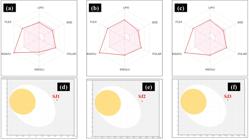
Radar for bioavailability (a; for SJ1, b; for SJ2, and c; for SJ3), and boiled egg model for test compounds. (d) SJ1, (e) SJ2, and (f) SJ3. In bioavailability radar (a,b,c), the pink area denotes the ideal range for each property: size: TPSA between 0.00 and 140 Á2 (based on the Veber rule), flexibility: no more than nine rotatable bonds, solubility: log S not higher than 6, lipophilicity: XLOGP3 between -0.7 and +5.0, saturation: fraction of carbons in the sp3 hybridization not less than 0.25.
DISCUSSION
Recently, a lot of work has been done in the development of potential drug candidates based on the thiourea scaffold for the treatment of various human diseases. Upon literature review, we found a lot of work mentioning the pharmacological effects of thiourea derivatives such as antioxidant (Naz et al., 2020), anti-inflammatory (Emen et al., 2022), antibacterial (Ronchetti et al., 2021), antidiabetic (Hussain et al., 2023), anticancer (Abbas, Al-Harbi, El-Sharief, 2020), antitubercular (Konduri et al., 2021), and so on. In the present work, we attempted to synthesize and determine the anti-hyperlipidemic effects of bis-thiourea derivatives (SJ1, SJ2, and SJ3) by reflux condensation method which involves the reaction of benzoyl chloride and potassium thiocyanate in dry acetone under reflux conditions, followed by the addition of phenylenediamine to form the desired bis-thiourea derivatives. Furthermore, through antioxidant assays such as DPPH and ABTS we assessed the radical scavenging activity of synthesized compounds. SJ1 exhibited good DPPH radical scavenging activity (antioxidant potential) with an IC50 value of 131.67 μg/ mL compared to the reference compound SJ2 with an IC50 value of 164.12 μg/mL. The results indicate that SJ1 is more efficient in transferring hydrogen atoms and therefore is a promising candidate in reducing DPPH radical to diamagnetic molecule. Additionally, the antioxidant activity of the compounds was assessed by ABTS radical cation decolorization assay, which measured the compounds’ ability to reduce the blue-green ABTS radical cation chromophore by electron transfer. In the experiment, the inhibition of the ABTS radical was determined in triplicate for various concentrations of the test samples. These values were very near to the standard compound (mean = 94.5 mg/dL) and far higher than the normal control group (mean = 77.1 mg/dL). A compound possessing potent antioxidant potential is able to prevent the adverse effects of oxidative stress (Muscolo et al., 2024). An excess of reactive oxygen species (ROS) generated by a cellular mitochondrion result in “oxidative stress”. Free radicals, which are known to cause a number of disease conditions, including DNA mutations, ageing, cardiovascular disorders, diabetes, hypertension, renal failure, atherosclerosis, Alzheimer’s and Parkinson’s diseases, among others, are unavoidably developed in biological systems. An antioxidant is a substance that, even at low concentrations, is able to significantly slow down or stop the oxidation of substrate molecules (Gulcin, Alwasel, 2023).
Hyperlipidemia is characterized by an elevated level of overall lipid profile including total cholesterol, LDL, HDL, and/or triglycerides. A high-fat diet (HFD) is able to induce hyperlipidemia in humans and study animals (Wei et al., 2024). In the present work, rats were fed with HFD for 3 weeks to induce hyperlipidemic conditions. After 3 weeks of treatment, serum biochemical parameters were analyzed. Results demonstrated that HFD induced significant increases in total cholesterol, triglycerides, LDL, while decreasing HDL levels compared to normal controls. Notably, SJ3 at 40 mg/kg showed significant reduction in total cholesterol (101.8 vs 211.1 mg/dL), triglycerides (95.8 vs 208.3 mg/dL), LDL (56.8 vs 134.7 mg/dL), and significant increase in HDL levels (32.6 vs 18.7 mg/dL) in comparison to HFD group. A compound with hypolipidemic action is able to decrease total cholesterol, triglyceride, and LDL levels, while increase HDL levels (Shehata, Aldhubiab, Elsewedy, 2024). Since the bis-thiourea derivatives were capable of affecting lipid metabolic pathways or accelerating the clearance of lipids from the circulation, these findings suggest that the compounds possess hypolipidemic actions.
ALT, an enzyme that measurers liver function, and ALP sometimes called the baby bone marker, both increase significantly in the HFD group, a marker that could suggest hepatic injury or dysfunction from the high fat diet (Wu et al., 2018). In the present work, the test compounds (SJ1, SJ2, and SJ3) were able to prevent variable extents of the HFD induced increases in ALT and ALP levels. Upon treatment with test compounds,ALT and ALP were significantly reduced to 72.8 U/L and 40.7 U/L respectively in the mice that received SJ3, as compared with 72.8 U/L and 40.7 U/L in SJ1 and SJ2 at the 40 mg dose. However, in spite of the fact that ALT and ALP liver function markers were kept in the normal range, they were slightly lower, 64.8 U/L and 38.7 U/L, respectively, during the standard drug treatment. This suggest that treatment with hypolipidemic agents decrease the levels of hepatic injury markers (ALT, ALP) often associated with HFD. A latest study reported that tenovin-1, a novel thiourea derivative was able to decrease the levels of ALT, AST and ALP in HFD rats and showed hypolipidemic effects (Sharma et al., 2024).
Urea and uric acid are the final biproducts of purine breakdown. An elevated risk for hyperlipidemia and cardiovascular disorders has been linked to higher levels of circulating urea and uric acid (Beberashvili et al., 2015). HFD results in oxidative stress and increases the levels of blood urea, creatinine, and uric acid, indicating renal dysfunction or metabolic disorder which is associated with intake of high fat or fructose diets. According to a previous study, a high fat diet resulted in increasing renal function markers including serum urea and uric acid levels with p <0.001, with moderate kidney lesions (45%) and signs of inflammation (Yustisia et al. , 2022). In the present study, feeding rats with a high fat diet increased the levels of blood urea, creatinine, and uric acid. Upon treatment with the test compounds, significant dose dependent reduction in uric acid with the peak effect observed with SJ3 (1.66 mg/dL at 40mg dose) followed by SJ1 (1.75 mg/dL at 40mg dose). However, standard drug (orlistat) treatment showed better reduction in uric acid levels with a mean value of 0.91 mg/dL. Likewise, the reductions in urea levels were highest in SJ3 (71.2 mg/dL at 40 mg dose and 87.5 mg/dL at 40 mg dose in SJ1) compared to HFD (136.7 mg/dL), and urea levels could be maintained closer to normal (64.9 mg/dL) with standard drug intake. SJ3 was found to possess the most significant impact on creatinine level: The mean creatinine level in the 40 mg dose group of 1.27 mg/dL was as close to the normal control group value of 0.74 mg/dL as it ever got. Creatinine levels were similarly reduced in SJ1 and SJ2 but within a dose dependent manner, while orlistat was able to maintain creatinine levels at 0.89 mg/dL. These results are supported by a similar study, which reported that resveratrol (polyphenol) was able to significantly reduce the levels of renal function markers as discussed above (Zhou et al., 2024).
The high energy density of HFD encourages intentional energy consumption. A higher intake of fat diet does not promote its natural combustion; instead, it is stored in the body. Short-term positive fat balances are the outcome of fat oxidation gradually increasing when diet composition is iso-energetically changed from low to high fat (Schrauwen, Westerterp, 2000). HFD results in increasing body weight in animal models (Yang et al., 2014). In the present study, the body weight of the HFD group (312.8g) was reported to increase in comparison to normal control group (209.6g) and hence weight gain and possible obesity were successfully achieved after consumption of a high fat diet. The weight gain induced by the HFD was decreased upon treatment. At the 40 mg dose, the most potent SJ3 showed significant weight reduction (222.9 vs 312 g) followed by SJ1 (239.4 vs 312 g) and SJ2 (246.8 vs 312 g), respectively. Nevertheless, standard drug treatment was more successful in keeping weight within the normal range (214.2g).
Once thought to be a toxic substance, bilirubin, the product of heme catabolism, is now a well-known endogenous antioxidant that may eliminate peroxyl radicals by giving hydrogen to the tetrapyrrole molecule (Tavakoli et al., 2024). Bilirubin has been demonstrated to inhibit intracellular lipid oxidation. A decrease in bilirubin levels is an indication of oxidative stress, and vice versa (Taghizadeh et al., 2024). Interestingly, in the present study the bilirubin levels of the HFD group reduced to 0.25 mg/dL from 0.46 mg/dL of normal control group. The high fat diet is composed of unique components, which might affect the bile, and this might be the reason behind this. Mean bilirubin levels were significantly higher in SJ3 (0.31 mg/dL and 0.34 mg/ dL at 20 mg and 40 mg doses respectively), then SJ1 and SJ2. Standard drug treatment more effectively kept bilirubin levels within the normal range (0.42 mg/dL). Finally, the in silico docking analysis, pharmacokinetics and toxicity evaluation validated the study findings. We conclude that the synthetic bis-thiourea derivatives have the potential to treat the detrimental effects of consuming a high fat diet and act as antihyperlipidemic agents. The effects of the test compounds on the lipid profile of the animal model, liver, and renal function markers and on the ability to prevent weight gain differed significantly. We found that SJ3 and SJ1 were the most therapeutically efficacious of the synthesized three compounds, and their therapeutic efficacy appears to be dose dependent.
Here it is worthy to state that several methodological limitations even with the promising antioxidant, anti-hyperlipidemic effects, pharmacokinetics, and toxicity assessments stated in the present research work are missing. This work mostly relied upon in silico ADME and toxicity predictions, so additional in vivo validation using animal pharmacokinetic profiles, Caco-2 permeability assays, and microsomal stability studies would be helpful to validate bioavailability and metabolic stability. As evident from in vivo studies, improvements in the lipid profile were noticed, however, more concise parameters such as Western blotting and RT-qPCR, must be undertaken to evaluate the expression levels of key regulators of lipid metabolism, such as PPAR-α, SREBP-1c, and HMG-CoA reductase.
CONCLUSION
In conclusion, the present work demonstrates the potential of the bis-thiourea derivatives as basis for the design of innovative compounds for dyslipidemia and obesity as supported by the in vivo and in silico study results. However, before they may be used in clinical settings, additional optimization, mechanistic research, and structural changes are still required to enhance their effects, potency, and clinical safety. For better future perspective, it is necessary to investigate the molecular mechanisms and consequences behind their effects on lipid metabolism, liver, and kidney functions. Moreover, the knowledge of the process and overall consequences may be improved by pathway analysis. Researching the real facts behind that how bis-thiourea derivatives affect gene expression in the targeted organs is also important.
DATA AVAILABILITY STATEMENT
Use of data not disclosed.
REFERENCES
- Abbas SY, Al-Harbi RA, El-Sharief MAS. Synthesis and anticancer activity of thiourea derivatives bearing a benzodioxole moiety with EGFR inhibitory activity, apoptosis assay and molecular docking study. Eur J Med Chem. 2020;198:112363.
- Ahmed VA, Rahman HS, Mohammed Raheem MO, Othman HH, Algarawi M, Ibnaouf KH. Antidiabetic, antihyperlipidemic, antioxidant effects and regulation of miRNA expression by Dianthus orientalis Adams extract in diabetic rat model. Nat Prod Commun. 2024; 19(6):1934578X241259377.
- Alwahsh M, Alejel R, Hasan A, Abuzaid H, Al-Qirim T. The application of metabolomics in hyperlipidemia: Insights into BIOMARKER DISCOVERY AND TREATMENT EFFICACY ASSEssment. Metabolites. 2024; 14(8):438.
- Bano B, Kanwal, Hameed S, Lateef M, Wadood A, Shams S, et al. Unsymmetrical thiourea derivatives: synthesis and evaluation as promising antioxidant and enzyme inhibitors. Future Med Chem. 2024; 16(6):497-511.
- Beberashvili I, Sinuani I, Azar A, Shapiro G, Feldman L, Stav K, et al. Serum uric acid as a clinically useful nutritional marker and predictor of outcome in maintenance hemodialysis patients. Nutrition. 2015; 31(1):138-47.
- Bouhlali EDT, Hmidani A, Bourkhis B, Moussafir Z, Filali-Zegzouti Y, Alem C. Date (Phoenix dactylifera L.) fruits as a potential lipid-lowering therapy: Effect on high-fat diet and Triton-WR-1339-induced hyperlipidemic rats. Drugs and Drug Candidates 2023; 2(2):422-32.
- Dhiman P, Yadav N, Auti PS, Jaswal S, Singh G, Mehan S, et al. Discovery of thiazolidinedione-based pancreatic lipase inhibitors as anti-obesity agents: synthesis, in silico studies and pharmacological investigations. J Biomol Struct Dyn. 2024:1-23.
- El-Sayed AA, Elsayed GA, Rizk SA, Ismail MF. Synthesis, insecticidal activity and DFT study of 1, 2, 4-triazolidinthione, 1, 3, 5-oxadiazine and thiourea derivatives. Org Prep Proced Int. 2024;56(1):38-51.
- El Ashry ESH, El Kilany Y, Nahas NM, Barakat A, Al-Qurashi N, Ghabbour HA, et al. Synthesis and crystal structures of benzimidazole-2-thione derivatives by alkylation reactions. Molecules. 2015; 21(1):12.
- Emen FM, Kutlu E, Karacolak AI, Ali MA, Demirdogen RE, Yesilkaynak T, et al. Novel benzoylthiourea derivatives had differential anti-inflammatory photodynamic therapy potentials on in vitro stimulated mammalian macrophages. Photodiagn Photodyn Ther. 2022; 37:102685.
- Griendling KK, Camargo LL, Rios FJ, Alves-Lopes R, Montezano AC, Touyz RM. Oxidative stress and hypertension. Circ Res. 2021; 128(7):993-1020.
- Gulcin İ, Alwasel SH. DPPH radical scavenging assay. Processes. 2023; 11(8):2248.
- Hussain R, Rehman W, Rahim F, Khan S, Taha M, Khan Y, et al. Discovery of imidazopyridine derived oxadiazole-based thiourea derivatives as potential anti-diabetic agents: Synthesis, in vitro antioxidant screening and in silico molecular modeling approaches. J Mol Struct. 2023; 1293:136185.
- Ismail MM, El-Sayed NA, Rateb HS, Ammar YA. New hybrids of sulfonamide/thiourea: synthesis, in silico study and antihypertensive evaluation. Polycyclic Aromat Compd. 2022; 42(6):3768-79.
- Kashif M, Naz S, Zahoor M, Shah SWA, Uddin J, Esa M, et al. Antioxidant and antidiabetic potentials of methoxy-substituted Schiff bases using in vitro, in vivo, and molecular simulation approaches. Open Chem. 2024;22(1):20240083.
- Keche AP, Kamble VM. Synthesis and anti-inflammatory and antimicrobial activities of some novel 2-methylquinazolin-4 (3H)-one derivatives bearing urea, thiourea and sulphonamide functionalities. Arabian J Chem. 2019; 12(7):1522-31.
- Kirishnamaline G, Magdaline JD, Chithambarathanu T, Aruldhas D, Anuf AR. Theoretical investigation of structure, anticancer activity and molecular docking of thiourea derivatives. J Mol Struct. 2021; 1225:129118.
- Konduri S, Pogaku V, Prashanth J, Siva Krishna V, Sriram D, Basavoju S, et al. Sacubitril‐based urea and thiourea derivatives as novel inhibitors for anti-tubercular against dormant tuberculosis. ChemistrySelect. 2021;6(16):3869-74.
- Maache S, Laaroussi H, Soulo N, Nouioura G, Boucetta N, Bouslamti M, et al. The antioxidant, antidiabetic, and antihyperlipidemic effects of the polyphenolic extract from Salvia blancoana subsp. mesatlantica on induced diabetes in rats. Bioresour Bioprocess. 2024; 11(1):62.
- Malekmohammad K, Bezsonov EE, Rafieian-Kopaei M. Role of lipid accumulation and inflammation in atherosclerosis: focus on molecular and cellular mechanisms. Front Cardiovasc Med. 2021; 8:707529.
- Muscolo A, Mariateresa O, Giulio T, Mariateresa R. Oxidative stress: the role of antioxidant phytochemicals in the prevention and treatment of diseases. Int J Mol Sci. 2024;25(6):3264.
- Naz S, Zahoor M, Umar MN, Alghamdi S, Sahibzada MUK, UlBari W. Synthesis, characterization, and pharmacological evaluation of thiourea derivatives. Open Chem. 2020; 18(1):764-77.
- Rekha S, Divekar K, Chandrashekhara S. The hypoglycemic and hypolipidemic effect of 5-naphthalidin-2, 4 thiazolidinedione derivatives in alloxan induced type ii diabetic model. Res J Pharm Technol. 2022; 15(4):1505-11.
- Ronchetti R, Moroni G, Carotti A, Gioiello A, Camaioni E. Recent advances in urea-and thiourea-containing compounds: focus on innovative approaches in medicinal chemistry and organic synthesis. RSC Med Chem. 2021; 12(7):1046-64.
- Schrauwen P, Westerterp KR. The role of high-fat diets and physical activity in the regulation of body weight. Br J Nutr. 2000;84(4):417-27.
- Sharma S, Gali S, Kundu A, Park JH, Kim J-S, Kim HS. Tenovin-1, a selective SIRT1/2 inhibitor, attenuates high-fat Diet-induced hepatic fibrosis via inhibition of HSC activation in ZDF rats. Int J Biol Sci. 2024; 20(9):3334.
- Shehata TM, Aldhubiab B, Elsewedy HS. Virgin coconut oil-based nanostructured lipid carrier improves the hypolipidemic effect of rosuvastatin. Int J Nanomed. 2024:7945-61.
- Taghizadeh M, Maleki MH, Vakili O, Tavakoli R, Zarei P, Dehghanian A, et al. Bilirubin, a hepatoprotective agent that activates SIRT1, PGC-1α, and PPAR-α, while inhibiting NF-κB in rats with metabolic-associated fatty liver disease. Sci Rep. 2024; 14(1):29244.
- Tavakoli R, Maleki MH, Vakili O, Taghizadeh M, Zal F, Shafiee SM. Bilirubin, once a toxin but now an antioxidant alleviating non-alcoholic fatty liver disease in an autophagy-dependent manner in high-fat diet-induced rats: a molecular and histopathological analysis. Res Pharm Sci. 2024; 19(4):475-88.
- Wei L, Wu H, Wang X, Wen L, Cui B, Cheng Y. Comprehensive review of plant-derived anti hyperlipidemia peptides: Production, anti hyperlipidemia mechanism, and structure-activity relationship study. Food Chem. 2024:140715.
- Wu Y, Zhou F, Jiang H, Wang Z, Hua C, Zhang Y. Chicory (Cichorium intybus L.) polysaccharides attenuate high-fat diet induced non-alcoholic fatty liver disease via AMPK activation. Int J Biol Macromol. 2018; 118:886-95.
- Xu F, Guo S, Zhang W, Wang Y, Wei P, Chen S, et al. Trifluoromethylpyridine thiourea derivatives: design, synthesis and inhibition of the self‐assembly of tobacco mosaic virus particles. Pest Management Science 2022; 78(4):1417-27.
- Yang Y, Smith Jr DL, Keating KD, Allison DB, Nagy TR. Variations in body weight, food intake and body composition after long-term high-fat diet feeding in C57BL/6J mice. Obesity. 2014; 22(10):2147-55.
- Yiğit M, Celepci DB, Taslimi P, Yiğit B, Cetinkaya E, Özdemir İ, et al. Selenourea and thiourea derivatives of chiral and achiral enetetramines: Synthesis, characterization and enzyme inhibitory properties. Bioorg Chem. 2022;120:105566.
- Yustisia I, Tandiari D, Cangara MH, Hamid F, Nu’man A. A high-fat, high-fructose diet induced hepatic steatosis, renal lesions, dyslipidemia, and hyperuricemia in non-obese rats. Heliyon. 2022; 8(10).
- Zeng R, Zou X, Huang C, Si H, Song J, Zhang J, et al. Novel design of citral-thiourea derivatives for enhancing antifungal potential against Colletotrichum gloeosporioides. J Agric Food Chem. 2023; 71(7):3173-83.
- Zhang Z, Dalan R, Hu Z, Wang JW, Chew NW, Poh KK, et al. Reactive oxygen species scavenging nanomedicine for the treatment of ischemic heart disease. Adv Mater. 2022; 34(35):2202169.
- Zhou Y, Zeng Y, Wang R, Pang J, Wang X, Pan Z, et al. Resveratrol improves hyperuricemia and ameliorates renal injury by modulating the gut microbiota. Nutrients. 2024; 16(7):1086.


