 Plant cells mediated biocatalytic reduction of aryl and heteroaryl carbonyl compounds: a comprehensive review
Abstract
Biocatalysis is always considered as an efficient alternative for preparing a wide range of compounds with pharmaceutical/industrial importance. The immense popularity of biocatalysts is due to its striking features of being an environmentally benign, renewable and sustainable.In this present review, different methods of preparation of alcohols from their respective carbonyl compounds using different plant cells as biocatalysts are discussed. In addition, the importance of these alcohols in pharmaceutical industries and their methods of preparation in optically as well as chemically pure form are also discussed.
Keywords:
Biocatalysis; Plant cells; Asymmetric reduction; Carbonyl compounds; Green chemistry
INTRODUCTION
Green synthetic approach and development is one of the alternative solutions to reduce the environmental risks. In future, it will be mandatory to replace fuel-based materials with sources of biological origin while minimizing the environment degradation and their adverse effects on living organisms. In early 1990s, the US Environmental Protection Agency (EPA) coined the term ‘Green Chemistry’ to denote safe chemicals, developed from a small idea and transformed it into a global view to address environmental protection (Suman et al., 2018). The Green Chemistry is a broader concept that enhances the proper design of the chemical product and modify the synthetic process in to a whole in order to eliminate or to reduce the generation as well as the use of the hazardous substance to the human, animals and the environment where we live (Joshi, Adhikari, 2019). Green and sustainable chemistry simply means “The design, synthesis and applications of chemical techniques and methodologies used to minimize and reduce generation of feedstock, by-products, solvents, reagents that are harmful to human beings and environment” (Niwadange, 2016). In order for a chemical synthesis to be called “green,” each reaction should have three green components: solvent, reagent / catalyst and energy consumption (Ivankovic et al., 2017). Some of the commonly used green solvents in the green synthesis process are water, ethyl acetate, ethanol, glycerol and its derivatives, Supercritical CO2, dimethyl carbonate, ethyl lactate, etc. On the other hand, most of the chemicals which don’t have green solvents can cause serious harm if not handled carefully. Direct contact (inhalation, skin, and eye contact) and prolonged exposure (occupational) are the two major routes of chemical toxicity to humans (Dwivedi et al., 2022; Katharina, Kunz, 2018). Another important criterion in developing a green synthetic process is the choice of a suitable method. Biological methods, in contrast to conventional chemical and physical methods, could be an alternative synthetic route due to its environmentally friendly reactions (Kharissova et al., 2019). The advantages of green synthesis include intermediates/products that are relatively nontoxic, with cost effective processing, biodegradable, ensuring a clean synthesis, readily available, renewable and more importantly with ability to operate under environmental benign reaction conditions.
Role of Biocatalysts in green chemical processes
In order to adopt green chemical strategies in synthetic industries, researchers promote the use of biocatalysts instead of different chemical or conventional catalysts. The use of enzymes as catalysts is just an academic speculation of the past, and in recent times, biocatalysis has been recognized and used as a very valuable tool for sustainable and cost-effective pharmaceutical production. In recent times, due to its sustainable nature, biocatalysts have opened up a new avenue for the development of green chemical processes. It has been widely reported that several multi-enzyme cascade reactions are being developed using biocatalysts, which are known to reduce the cost of the process by minimising the time and material consumption that is usually involved in conventional procedures (France, Lewis, Martinez, 2023). Several advantages are associated with biocatalysis, such as the use of biodegradable enzymatic catalysts, the limited number of synthetic steps, the mild reaction conditions, and the high enantio-, chemo- and regio- selectivities (Rossino et al., 2022). This review briefly describes the biocatalytic reduction of carbonyl compounds to alcohols, which are important chiral precursors in various pharmaceutical preparations.
IMPORTANCE OF OPTICALLY PURE SECONDARY ALCOHOLS IN PHARMACEUTICAL INDUSTRIES
Secondary alcohols are carbon atoms of -OH group attached directly to two alkyl/aryl groups, which may be the same or different. Chiral secondary alcohols are valuable synthetic molecules that are useful in their own way and also act as precursors to other functional groups like ethers, esters, etc. It is an important intermediate for many enantiopure pharmaceuticals and biologically active molecules. For instance, these secondary alcohols act as precursors in different drugs like atorvastatin, atazanavir, montelukast, paclitaxel side chain etc. (Patel, 2013). It has been reported that several enantiomerically pure chiral secondary alcohols are regularly used as the lead compounds in fields of organic chemistry, agrochemicals, and pharma industries. The chiral secondary alcohols can be synthesized using different strategies like kinetic resolution of racemic alcohols using lipases, reduction of prochiral ketones asymmetrically, regioselective reduction followed by ring opening reactions of epoxides etc. Among these methods, the kinetic resolution of racemic alcohols is most widely used followed by the asymmetric reduction of prochiral ketones (Chen, de Souza, 2019). In general, the synthesis of these industrially important chiral alcohols is carried out using conventional methods which involve the use of metals or expensive organo-catalysts and harsh reaction conditions (Truppo, 2017). Considering the principles of green chemistry, the use of biocatalysts has emerged as a promising “green’ alternative to the conventional chemical syntheses (Potdar et al., 2015).
One of the most promising methods for the synthesis of organic compounds is biocatalysis. These biocatalysts play an important role in the production of various compounds in pharmaceutical industry, biotechnology and various industrial purposes. The use of biocatalyst is not only limited for these purposes but also plays an important role in cosmetic industries and waste water management. In recent times, the use of biocatalysis in pharmaceutical industries is gradually gaining momentum because of its effectiveness, cheap and eco-friendly characteristics (Abdelraheem et al., 2019). Biocatalysis is one of the major key technologies utilized for the synthesis of pharmaceutically important compounds as it provides a more efficient and sustainable route (maps with United Nations SDGs 3, 6, 7, 9 & 12) to the active raw materials and products. In early years, hydrolases were widely used in the development of drugs but nowadays many catalytic enzymes are preferred for its robust, scalable and cost-effective method development (Lewis, France, Martinez, 2023). Biocatalysis is the greenest technology used for the synthesis of chiral molecules due to its considerably less toxic, easily biodegradable properties. In addition, it operates under mild reactive conditions, exhibiting a high degree of regio, chemo- and stereo selectivity in various chemical reactions (Tao, Xu, 2009). The aim of using biocatalyst in organic synthesis is the formation of one stereoisomer of chiral target compound with high optical purity and yield. In recent years, the use of biocatalysis has been widely adopted for scale-up processes in chemical, fine chemicals, pharmaceutical and cosmetic industries (Eugene, Uchechukwu, Mariagoretti, 2016). Among the different biocatalysts, the use of vegetables as catalysts are gaining importance for the fact that they do not require stringent aseptic conditions or cause opportunistic infections like microbial biocatalysts. It has been observed that vegetable biocatalysts are widely used in synthesis and reduction of carbonyl compounds and to produce reduced product in great enantiomeric excess (ee) and conversion (Cordell et al., 2007).
Ketoreductases (KRED) and alcohol dehydrogenases are the enzymes most commonly used to produce chiral secondary alcohols of medical significance. These KREDs are mostly present in fruits and vegetables; hence these plant materials are widely used for the bioreduction of carbonyl compounds (Adams et al., 2019). These enzymes utilize NADPH as a reductant to avoid stoichiometric cofactors. These biocatalysts aim to reduce the impact on environment both in use of raw material and waste disposal as well as improve the safety profile of reactions on large scale production (France, Lewis, Martinez, 2023). In organic synthesis, the naturally available fruit juices help in the synthesis of compounds or intermediates. For instance, coconut juice is widely used in the reduction of carbonyl compounds for production of chiral alcohols. These fruits act as an excellent biocatalyst because they are less expensive, easily available and extraction of juices is obtained by simple and easy processes (Pal, 2013). Due to the increasing demand for the preparation of enantiomerically pure chiral pharmaceutical compounds in high purity, it has become a real challenge for the pharmaceutical industries to develop a safe, more sustainable, healthy and economically attractive methodologies for the production of chiral alcohols (Solano et al., 2012). The present review aims to compile the literature available till date on the production of industrially important alcohols using various fruits/vegetables as biocatalysts in a comprehensive manner.
BIOREDUCTION OF CARBONYL COMPOUNDS
Reduction of aromatic carbonyl compounds to alcohols
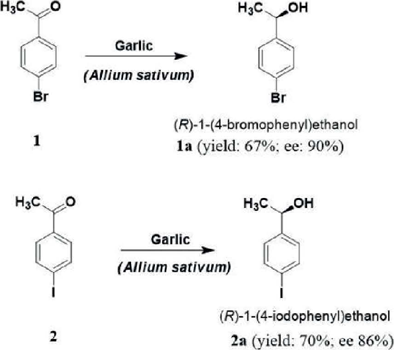
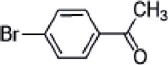
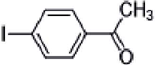
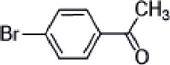
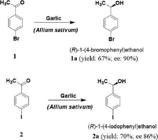
The carbonyl compounds like 4’-bromoacetophenone and 4’-iodoacetophenone were reduced to corresponding chiral alcohols by garlic (Allium sativum) as biocatalyst (Figure 1). The product sample was identified by TLC and determined by 13C NMR, 1H NMR and IR spectral studies. The configuration of the product alcohol was analysed using a polarimeter. The presence of alcohol was confirmed by an acetyl chloride test. It was observed that the 4’-bromoacetophenone (1) and 4’-iodoacetophenone (2) was reduced to R-4’-Bromophenylethanol (1a) and R-4’-iodophenylethanol (2a) with a moderate yield (65& 70%) as well as conversion (95& 93%) and a good ee (90& 86%) respectively (Bilal et al., 2019a).
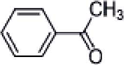
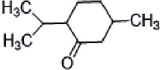
Another study identified carrot (Daucus carota) to facilitate the bioreduction of the ketone monoterpenoids present in the essential oil of Mentha piperita L. leading to a menthol in the sample with high selectivity. Initially the bioconversion of acetophenone to 1-phenylethanol was carried out successfully with a yield of approximately 93-98 %, but in the presence of menthol, the yield was reduced to 82 (Souza et al., 2018).
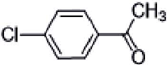
The Algerian mandarin (Citrus reticulata), strawberry tree (Arbutus andrachne) and ginger root (Zingiber officinale) were studied as biocatalysts for the conversion of ketones to their chiral alcohols. The bioreduction of acetophenone, 4-chloroacetophenone, thiochromanone, tetralones and chromanone showed higher enantioselectivities. The two differing batches of Citrus reticulata from Annaba and Skikda also acted as good biocatalysts with high enantioselectivity of 93%. The ginger and strawberry reduced the ketone to alcohols with (S) and (R) configuration and ee of 79and 29%, respectively. The reduced products were analysed by GC and HPLC (Bennamane et al., 2018).
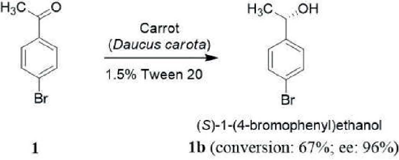
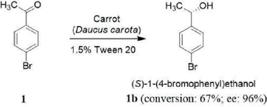
The bioreduction of acetophenone using carrot (Daucus carota) was studied. The reactive products were purified and analysed using TLC and chiral GC-FID. In this study, the authors had investigated whether the surfactant Tween 20 has a role to enhance the catalytic reduction of acetophenone. Bioreduction of 4-bromoacetophenone (1) was carried out using carrot in the presence of surfactant 0.1(Tween 20), led to the formation of (S)- 4’-Bromophenylethanol (1b) with a low conversion (28 %) and a good ee (96 %) and by using 1.5of Tween 20, the formation of S-alcohol was increased to 67conversion and 96ee (Figure 2). Hence, it was reported that the use of surfactant along with D. carota species enhanced the biocatalytic reduction of acetophenone and its derivatives. Notably, the use of surfactants also solves the problems involved in the solubility of substrates in the reduction process (Costa, Omori, 2017).
The biocatalytic reduction of benzaldehyde to benzyl alcohol was carried out using various plant wastes as an enzyme source and the by-products were examined by Gas chromatography. The biological materials used were bean pods (Phaseolus vulgaris), turnip rape (Brassica campestris L.), lima bean (Phaseolus lunatus), broad bean (Vicia faba), and jinicuil pods (Inga edulis), mango (Mangifera indica L. cv. manila), avocado (Persea americana), mamey (Pouteria sapota), papaya (Carica papaya), and green apple (Malus domestica) peel, mamey, capulin (Prunus serotina), green pepper (Capsicum annuum), chili (Capsicum annuum L. var. annuum L. cv. ‘Jalapeño’) and avocado seeds (Persea americana)and chive leaves (Allium schoenoprasum). Among the biological materials tested, the most promising biocatalysts were found to be capulin (Prunus serotina), mamey seeds (Pouteria sapota) and bean pods (Phaseolus vulgaris), turnip rape stalks (Brassica campestris L.) and chive leaves (Allium schoenoprasum) showed good conversions (65%, 67 %, 54%, 49and 45%) respectively (Oba et al., 2017).
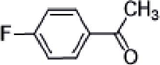
The bioreduction of 4’-nitroacetophenone and 4’-haloacetophenones (X=F, Cl, and Br) was investigated utilizing Terfezia sp. (Dessert truffles), Cynara scolumus L. (Artichoke), and Phoenix dactylifer L. (Date palm). The product thus obtained from the reduction of 4’-haloacetophenones and 4’-nitroacetophenone using Cynara scolumus L., was found to have a moderate yield (29-36%) and ee (71.4-96.5%). Unexpectedly, no satisfactory result was observed with Terfezia sp. On the other hand, Phoenix dactylifera L was found to be the favourable plant tissue for the chiral alcohol production through asymmetric reduction of substituted acetophenones which was evident from its excellent yield (51.5 - 77.2%) and an ee (66 – 89%) compared to other plant tissues (Nedjimi, Sekhri, 2016).
Vegetable biocatalysts used in reducing process of ketones to their respective chiral alcohols were fresh carrots (Daucus carota), cabbages (Brassica oleracea), turnips (Brassica rapa), radishes (Raphanus sativus) and parsnips (Pastinaca sativa). The substrates used for the reduction include benzoyl acetonitrile, 3-chloro propiophenone, and 1-acetyl naphthalene, 2-methyl benzophenone and 4-chloro benzophenone. The chiral alcohols were obtained with good yield between 40- 90and excellent enantioselectivities (>99%). The products thus obtained were analysed by 1H NMR and chiral GC studies (Javidnia et al., 2016).
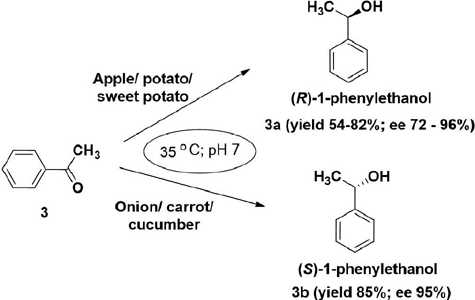
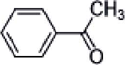
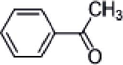
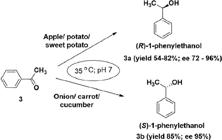
The asymmetric reduction of acetophenone to 1- phenyl ethanol was investigated using vegetables as biocatalyst and the reaction parameters were optimised using carrot as the biocatalyst. The various other biocatalysts tested in this study were apple (Malus pumila), cucumber (Cucumis sativus), onion (Allium cepa), potato (Solanum tuberosum), radish (Raphanus sativus), and sweet potato (Ipomoea batatas). All the biocatalysts reduced the acetophenone to 1-phenyl ethanol with both R and S form configurations. The best ee and chemical yield were obtained during the biocatalytic reduction using carrot and potato. The optimized reaction conditions for the asymmetric reduction of acetophenone (3), were 35°C and pH 7. The (R)-1-phenyl ethanol (3a) was the predominant product formed from the reduction using apple, potato and sweet potato and while other vegetables produced (S)-1-phenyl ethanol (3b) with excellent yields 54-82and enantioselectivities 72-96%. The carrot reduced the ketone to (S)-1-phenyl ethanol with 85chemical yield and 95ee (Figure 3) (Xu et al., 2010).
The enantiomerically pure (S)-1-phenyl ethanol and its derivatives produced from the bioreduction of acetophenone has an immense value in the pharmaceutical industry as it is used as an important chiral precursor for the anti-Alzheimer drug (Kazici, Mehmetoglu, 2015).
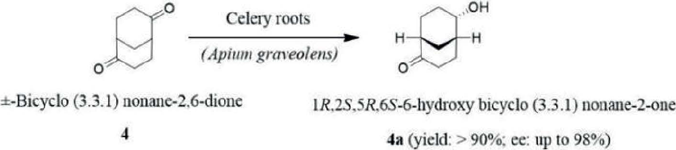
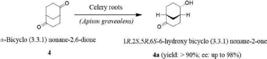
Using vegetables from the family Apiaceae, stereoselective bioreduction and enantio-separation of racemic bicyclo (3.3.1) nonane-2, 6-dione (4) were carried out (Figure 4). Chloroform was used to extract the (+)-enantiomer from the aqueous reaction mixture of aqueous solution while an enzymatic reduction of (−)-enantiomer produced the reaction product, i.e. 6-hydroxy bicyclo (3.3.1) nonane-2-one (4a). The reactive product was analysed by UPLC of PDA detector and Quadrapole and TOF Mass spectrometry. Among Apiaceae species the celery roots (Apium graveolens) showed promising results and hence the reaction time, temperature and amount of substrate added were optimized. It showed that the (+) enantiomer produced a maximum optical purity of 90-98and an excellent yield of more than 98% (Zilinskas, Sereikaite, 2013).
Lens culinaris (lentils) seeds were used as a biological catalyst in reducing the process of aliphatic and aromatic aldehydes and ketones with moderate to good chemical yield. The ketones like acetophenone, and α-tetralone were successfully reduced to their corresponding chiral alcohols. Acetophenone showed a low yield (17%) compared to other ketones which showed an excellent yield with other biocatalysts. The various aliphatic and aromatic aldehydes [cinnamic aldehyde, benzaldehyde (>99%), furfuraldehyde (>99%), meta-methoxy benzaldehyde (95%) and para-methoxy benzaldehyde (96%)] were reduced to their corresponding alcohols and the amount of conversion is mentioned in parentheses. The aldehydes were more reactive than ketones and among the ketones, aliphatic ketones showed higher activity than aromatic ketones (Ferreira et al., 2012).
The Brazilian beans (Vigna unguiculata) whole cells act as biological catalyst in the process of reducing the acetophenone and its derivatives to their chiral alcohols with good to excellent (>99%) stereoselectivity and the products thus obtained were found to be of R and S-configurations. Enantiopure (R)-β-chloroalcohols was achieved with good conversions and aliphatic ketones were also reduced. The products were characterised using different spectral studies and conversion and the ee were analysed by MS, GC and HPLC techniques (Bizerra et al., 2010).
The halogenated fluorenones were asymmetrically reduced to their respective alcohols using various fruits and vegetables as biocatalysts. Among many vegetables and fruits, grapes showed excellent enantioselectivity (ee: 99%) and conversion (97%). The use of surfactant (Triton X-100) not only minimise the use of dimethyl sulphoxide as the solvent but also improved the biotransformation of ketones with excellent conversion of approximately 90but did not alter the enantioselectivity. The halogenated substituents showed higher enantioselectivity, which could be due to the electron withdrawing nature of halogens. The reduced product 2-chloro fluorenol showed R-configuration (ee: up to >99%) indicated that the reduction followed anti-Prelog rule (Xie et al., 2009)
Earlier, the biocatalyst of coconut water (Cocos nucifera L.) was used in reduction of both aromatic and aliphatic ketones to their corresponding chiral alcohols with greater yield and excellent enantioselectivity. The biocatalyst also reduced the aromatic aldehydes to their respective alcohols. The juice of Cocos nucifera significantly reduced the aldehydes to alcohols with a conversion of 88%, ketones to chiral alcohols (S-configuration) with enantiomeric excess of 95-99and esters with ee value of 99%. The purified products were further analysed by NMR and GC-MS studies (Fonseca et al., 2009).
A series of aromatic aldehydes and ketones were reduced to their respective alcohols using the fruit peel of the species Passiflora edulis (Passion fruit). The reduced products were analysed by GC-MS, NMR and HPLC techniques. All carbonyl compounds tested were biocatalytically reduced to their corresponding alcohols with moderate to excellent conversions (30-97%). The two cinnamic aldehydes produced alcohols with conversions of 41-35and the aromatic ketones produced the respective alcohols in varying conversions of 30-74%. The enantiomeric excess (23-64%) of two compounds were determined by chiral HPLC studies. The substrate repertoire of the reductase enzyme system of Passiflora edulis could be extended to aliphatic carbonyl compounds like cyclohexanone and ß-keto-ethyl-butyrate. The cyclohexanone reduction produced the corresponding alcohol with a greater yield of 97and the complete chemoselectivity was obtained by the reduction of ß-ketoester to their corresponding ß-hydroxyester with 81yield. The results demonstrated that Passiflora edulis fruit peel has an enzyme system which is capable of reducing the carbonyl compounds to their corresponding alcohols with high conversions and good isolated yields. Low to moderate enantiomeric excess was found for the chiral alcohols and the major enantiomers showed the (S)-configuration (Machado et al., 2008).
The prochiral ketones like acetophenone, 4-chloroacetophenone, ethyl 4-chloroacetoacetate were asymmetrically reduced to their respective alcohols (Prelog products) using various biocatalysts. The biocatalysts tested were Apple (Malus pumila), carrot (Daucus carota), cucumber (Cucumis sativus), onion (Allium cepa), potato (Solanum tuberosum), radish (Raphanus sativus) and sweet potato (Ipomoea batatas). The biocatalytic reduction produced alcohols with high enantioselectivity. The products were analysed by GC using a FID detector at 250°C. Using the optimized reaction conditions, the asymmetric reduction of acetophenone and 4-chloro acetophenone was carried out using the plant cells and the ee and yield of the products (S – alcohols) thus obtained was enhanced up to 98and 80respectively. Notably, the ee. and yield for (R)-ethyl 4-chloro-3-hydroxybutanoate was about 91 and 45respectively using carrot (Daucus carota) (Yang et al., 2008).
The biocatalyst like sugarcane (Saccharum officinarum) juice was used in the reduction of a group of compounds including aromatic and aliphatic aldehydes and ketones. The bioconversion of various aldehydes and ketones to their corresponding alcohols were identified by TLC and quantified by GC-MS using capillary column with FID detector. Acetophenone and 3-methoxy acetophenone were reduced to (R)-1-phenyl ethanol (ee: 56.7%) and (S) -1-(3-methoxy phenyl) ethanol (ee: 41%) with moderate conversion (16-39%). Good yield (up to 90%) was produced by all aldehydes except vanillin, cinnamaldehyde and α-methyl cinnamaldehyde. Among these, the aliphatic aldehydes showed 100yield than the aromatic aldehydes. The aliphatic ketones, which was tested using this biocatalyst also produced 100yield than the heterocyclic ketones (Assunção et al., 2008).
The aromatic aldehydes (benzaldehyde and cinnamaldehyde) and aliphatic ketone (hexan-3-one) were reduced to their corresponding alcohols (benzyl alcohol, cinnamyl alcohol and hexan-3-ol,) using a Manihot species (Manihot esculenta and Manihot dulcis) roots. The products reduced were analysed using GC-MS and IR spectral studies. Notably, the reduced products produced an excellent yield (80-96%) and were in good ee (94-98%) (Machado et al., 2006).
Enantiomerically pure 1-phenyl ethanol, finds immense applications in pharmaceutical industries. Hence, several plant cells were used as biocatalysts for the preparation of this optically pure alcohol with high yields and optical purities (Table I).
Asymmetric reduction of Acetophenone to 1-phenyl ethanol using different vegetables/fruits as biocatalyst
The bioreduction of aromatic carbonyl compounds to alcohols of substrate acetophenone and its derivatives with different vegetables and fruits are discussed in Table II.
Summary table of reduction of aromatic carbonyl compounds to respective alcohols using diff erent vegetables/fruits as biocatalysts
Bioreduction of homocyclic and heterocyclic carbonyl compounds to alcohols
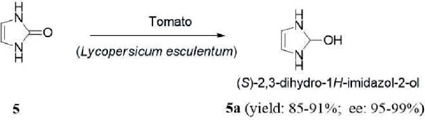
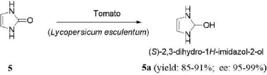
The mature fruit of Lycopersicum esculentum L (tomato) successfully catalysed the enantioselective reduction of imidazol-2-ones (5) (Figure 5) and pyrimidin-2-ones to the heterocyclic alcohols (5a) that are associated with them. It was shown that Lycopersicum esculentum’s enzyme dehydrogenase selectively reduced aromatic heterocyclic ketones to their corresponding alcohols in high yields and enantioselectivity. The products were analysed by HPLC using a chiral column fitted with a UV detector at 210 nm. The reduced S –product showed a yield of 85-91and an ee of 95-99(Phukan, 2015)
In Algeria, medlar fruits (Mespilus germanica L) was used for the biocatalytic reduction of prochiral fused heterocyclic ketones containing thiophene, furan, chroman and thiochroman to the relevant alcohols was discussed. The medlar fruit reduced the ketones with an excellent ee of 98%. A higher enantioselectivity was noticed in tetralone and thiochromonone with an ee of 89and 98%, respectively. A good biocatalytic method was developed for chromanone using different parts of medlar fruit showed an ee of 77%. (Bennamane, Zeror, Zouioueche-Aribi, 2014). Thus, Mespilus germanica fruit could be considered as a promising biocatalyst for the reduction of various ketones.
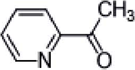
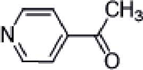
The asymmetric reduction of substituted heteroaryl methyl ketones to their respective chiral alcohols using carrot (D. carota) was investigated. Substituted heteroaryl ketones had pyridines, pyrrole, furan and thiophene as the heterocyclic moiety. The reduced products were identified and yields were determined by HPLC using a UV detector at 210 nm. The structures were determined by IR spectra, 13C NMR and 1HNMR studies. The dehydrogenase enzyme present in Daucus carota could have reduced the compounds predominantly to (S) - alcohols with good yields of 60% - 95% and an ee of 76% - 99%. The pyridyls and pyrroles were reduced to form (S)-alcohols by following Prelog’s rule while furan, thiophene containing ketones were reduced to (R) - alcohols with anti-Prelog’s selectivity. In this study, 2-acetyl pyridine and 4-acetyl pyridine showed 100% conversion (Lakshmi, Reddy, Rao, 2011).
The aromatic homocyclic and heterocyclic aldehydes and ketones were reduced to their corresponding alcohol with excellent chemical yield using vegetables such as Broccoli (B. oleracea var. italica), spinach beet (B. vulgaris var. cicla), cauliflower (B. oleracea var. botrytis) and spinach (Spinacia oleraceae) as biocatalysts. The products thus obtained were analysed by GC-MS. Among these the B. oleracea var. italic and B. oleracea var. botrytis showed a maximum bioconversion yield of ≥99% in short reaction times (Suárez-Franco et al., 2010).
The heteroaryl methyl ketones of pyridine and thiophene class compounds were reduced to corresponding (S) - alcohols using Daucus carota with a good to excellent ee of 93 - 98%. The reactive products were analysed by NMR spectral (1H and 13C) studies and the ee was determined using chiral GC and configuration was determined using polarimeter. It was evident from the study that compared to other vegetables, the D. carota showed a maximum yield and a better ee in reducing heteroaryl compounds (Aldabalde et al., 2007).
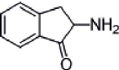
In the reduction process of tetralone, 2-amino indanone and hydroxyl trimonoterpene ketones with Daucus carota plant to their respective chiral (S)-alcohols, were discussed. The reaction products were analysed using TLC, GC-MS, protonNMR, 13CNMR, Infrared and Mass spectral studies. The substituted 1-amino-2-indanol from substituted 1-oximino indanones were carried out using D. carota with excellent yield, diastereoselectivity and enantiomeric excess. The products thus obtained showed preference for (S)-configuration, with a yield ranging from 80% - 90%, and diastereomeric purity of more than 95–98%. The enantioselective reduction of substituted 2-tetralones were studied using D. carota and the products thus obtained showed good yield (50–60%) and an ee (70–80%). Biotransformation of monoterpene ketones like menthone was reduced to the corresponding alcohols and the results stated that the D. carota enzymes reduced both carbon double bonds and the carbonyl group in the terpenoids. Thus, the enzyme present in D. carota showed a broad specificity, good yields of 80–90and an ee of 88–99(Yadav et al., 2007). The bioreduction of homocyclic and heterocyclic carbonyl compounds to their respective alcohols using carrot are shown in Table III.
Summary of reduction of homocyclic and heterocyclic carbonyl compounds to alcohols using carrot as biocatalyst
CONCLUSION
Biocatalysis is an effective way to reduce carbonyl compounds to their respective alcohols. Biocatalysts have been recognized and widely used in the production of a variety of optically pure chiral synthons for many years. In recent times, the use of plants as biocatalysts is increasingly gaining importance as they contribute towards sustainability and environmental protection. More importantly, the use of vegetables is more advantageous as they are cost effective, handling of vegetables is much easier than any other microbial biocatalyst as they do not require strict aseptic conditions and also they do not cause any opportunistic infections. Notably, the natural cofactor regeneration is confined within the whole cells itself and hence do not require any external addition of the same. With the help of plant tissues, a number of compounds with high efficiency and selectivity has been explored and characterized. On the other hand, plant cells exhibit only a narrow range of enzymes and the scope of doubling in undifferentiated cells is quite longer than microbial cells. As a result, the desired enzymes are often produced in very less quantities. The scientific advances reveal that different plant tissues from different sources may exhibit different catalytic characteristics. With this perspective, the present review compiles the use of different plant cells for the bioreduction of different carbonyl compounds towards the production of industrially/pharmaceutically important primary/optically pure secondary alcohols. Further, the use of plant cells as biocatalysts can be used for multi-enzyme cascade reactions and also can be scaled up for industrial processes.
ACKNOWLEDGMENTS
The authors thank the management of Sri Ramachandra Institute of Higher Education and Research, Chennai, India for infrastructural facilities to carry out the research work and the Principal, Sri Ramachandra Faculty of Pharmacy, SRIHER for the constant motivation and encouragement.
DATA AVAILABILITY STATEMENT
Data openly available in a public repository (Scifinder, PUBMED, Google Scholar).
REFERENCES
- Abdelraheem E, Busch H, Hanefeld U, Tonin F. Biocatalysis explained: from pharmaceutical to bulk chemical production. React Chem Eng. 2019;4:1878-94.
- Adams J, Brown M, Diaz-Rodriguez A, Lloyd R, DoruRoibanb G. Biocatalysis: A pharma perspective. Adv Synth Catal. 2019;361(11):2421-32.
- Aimar M, Bordón D, Formica S, Cantero J, Vazquez A, Velasco M. Fruits of the glossy privet (Ligustrum lucidum—Oleaceae) as biocatalysts for producing chiral aromatic alcohols. Biocatal Biotransform. 2014;32(5-6):348-57.
- Aldabalde V, Arcia P, Ritzel AG, Gonzalez D. Enzymatic synthesis of chiral heteroaryl alcohols using plant fragments as the only biocatalyst and reducing agent. Green Chem Lett Rev. 2007;1(1):25-30.
- Assunção JCC, Machado LL, Lemos TLG, Cordell GA, Monte FJQ. Sugar cane juice for the bioreduction of carbonyl compounds. J Mol Catal B Enzym. 2008;52-53(1):194-8.
- Atak G, Bayraktar E, Mehmetoglu U. Optimization of the asymmetric synthesis of (S)-1-phenylethanol using Ispir bean as whole-cell biocatalyst. Green Process Synth. 2019;8(1):525-32.
- Bennamane M, Razi S, Zeror S, Aribi-Zouioueche L. Preparation of chiral phenylethanols using various vegetables grown in Algeria. Biocatal Agric Biotechnol. 2018;14:52-56.
- Bennamane M, Zeror S, Zouioueche-Aribi L. Asymmetric reduction of ketones by biocatalysis using medlar (Mespilus germanica L) fruit grown in Algeria. Biocatal Biotransform. 2014;32(5-6):327-32.
- Bilal K, Atmani A, Sekhri L, Tabchouche A, Kamel K, Kadi F, et al. Biocatalytic preparative methods of asymmetric alcohols using figs (Ficus carica). World J Environ Biosci. 2019c;8(2):67-70.
- Bilal K, Sekhri L, Messaouda G, Nedjimi MS, Benhachem T, Benmoussa F. Asymmetric Bioreduction of ketones with a pumpkin (Cucurbita). J Biochem Tech. 2019b;10(3):18-23.
- Bilal K, Sekhri L, Mokhtari M, Nedjimi MS, Tabchouche A, Benhachem T, et al. Biocatalytic preparative methods of asymmetric alcohols using garlic Allium sativum. J Biochem Tech. 2019a;10(2):56-61.
- Bizerra AM, Gonzalo GD, Lavandera I, Gotor‐Fernández V, Mattos MC, Oliveira MC. Reduction processes biocatalyzed by Vigna unguiculata. Tetrahedron Asymmetry. 2010;21(5):566-70.
- Chen B, de Souza FZR, Enzymatic synthesis of enantiopure alcohols: current state and perspectives, RSC Adv. 2019;9:2102–15.
- Cordell G, Lemos T, Monte F, Mattos M. Vegetables as Chemical Reagents. J Nat Prod. 2007;70(3):478-92.
- Costa MR, Omori A. Tween-20 enhanced bioreduction of acetophenones promoted by Daucus carota root. Food Technol Biotechnol. 2017;55(2):231-35.
- Dwivedi S, Fatima U, Gupta A, Khan T, Lawrence A. Green Solvents for Sustainable Chemistry: A Futuristic Approach. Indian J Adv Chem Sci. 2022;9(4):329-35.
- Eugene A, Uchechukwu O, Mariagoretti U. A review on biological catalysts in organic synthesis. Int J Eng Ees Appl. 2016;2(6):296-321.
- Ferreira D, Silva R, Assunção J, Mattos M, Lemos T, Monte F. Lens culinaris: A new biocatalyst for reducing carbonyl and nitro groups. Biotechnol Bioprocess Eng. 2012;17(2):407-412.
- Fonseca AM, Monte F, Oliveira M, Mattos M, Cordell G, Filho R, et al. Coconut water (Cocos nucifera L.)—A new biocatalyst system for organic synthesis. J Mol Catal B Enzym. 2009;57(1-4):78-82.
- France S, Lewis R, Martinez C. The Evolving Nature of Biocatalysis in Pharmaceutical Research and Development. J Am Chem Soc Au. 2023;3(3):715-35.
- Ivankovic A, Dronjic A, Bevanda AM, Talic S. Review of 12 principles of green chemistry in practice. Int J Sustain Green Rnergy. 2017;6(3):39-48.
- Javidnia K, Faghih-Mirzaei E, Miri R, Attarroshan M, Zomorodian K. Stereoselective Reduction of Prochiral Ketones by Plant and Microbial Biocatalysts. Indian J Pharm Sci. 2016;78(1):73-79.
- Joshi DR, Adhikari N. Green chemistry: beginning, recent progress, and future challenges. World J Pharm Pharm Sci. 2019;8:280-93.
- Katharina H, Kunz W. Some aspects of green solvents. C R Chim. 2018;21(6):572-80.
- Kazıcı HC, Mehmetoglu U. Use of the plant as biocatalysts for producing enantiomerically pure secondary alcohol. J Fac Eng Archit Gaz. 2015;30(1):49-56.
- Kharissova O, Kharisov B, González C, Mendez YP, López I. Greener synthesis of chemical compounds and materials. R Soc Open Sci. 2019;6(11):191378.
- Lakshmi C, Reddy G, Rao A. Asymmetric reduction of heteroaryl methyl ketones using Daucus carota. Green Sustain Chem. 2011;1(4):117-122.
- Lewis R, France S, Martinez C. Emerging technologies for biocatalysis in the pharmaceutical industry. ACS Catal. 2023;13(8):5571-7.
- Machado LL, Monte F, Oliveira M, Mattos M, Lemos T, Gotor-Fernández V, et al. Bioreduction of aromatic aldehydes and ketones by fruits’ barks of Passiflora edulis. J Mol Catal B Enzym. 2008;54(3-4):130-33.
- Machado LL, Souza J, Mattos M, Sakata S, Cordell G, Lemos T. Bioreduction of aldehydes and ketones using Manihot species. Phytochemistry. 2006;67(15):1637-43.
- Nedjimi MS, Sekhri L. Asymmetric bioreduction of prochiral ketones catalyzed by Cynara scolumus L, Terfezia Sp and Phoenix dactylifera L. Biomed Pharmacol J. 2016;9(2):469-76.
- Niwadange SN. Green chemistry alternatives for sustainable development in organic synthesis. Int J Adv Res Sci Eng Technol. 2016;3(6):113-15.
- Oba AS, Pérez RMM, Domínguez FC, Méndez HIP, Oba MS, Álvarez NM. Biocatalytic reduction of benzaldehyde using vegetable wastes as enzyme sources. Acta Univ. 2017;27(4):13-18.
- Pal R. Fruit juice: A natural, green and biocatalyst system in organic synthesis. J Org Chem. 2013;1(4):47-56.
- Patel RN. Biocatalytic Synthesis of Chiral Alcohols and Amino Acids for Development of Pharmaceuticals. Biomolecules 2013;3:741-77.
- Phukan DK. Biocatalytic reduction of imidazol-2-ones and pyrimidin-2-ones mediated by Lycopersicum esculentum. World J Pharm Res. 2015;4(4):1958-66.
- Potdar MK, Kelso G F, Schwarz L, Zhang C, Hearn MTW. Recent Developments in Chemical Synthesis with Biocatalysts in Ionic Liquids. Molecules. 2015;20:16788-816.
- Rossino G, Robescu M, Licastro E, Tedesco C, Martello I, Maffei L, et al. Biocatalysis: A smart and green tool for the preparation of chiral drugs. Chirality. 2022;34(11):1-16.
- Salvi N, Chattopadhyay S. Biocatalysis using Rajma - a green process for the synthesis of chiral carbinols. Croat J Food Sci Technol. 2017;9(2):92-101.
- Solano DM, Hoyos P, Hernáiz MJ, Alcántara AR, Sánchez-Montero JM. Industrial biotransformations in the synthesis of building blocks leading to enantiopure drugs. Bioresour Technol. 2012;115:196-207.
- Sousa E, Silva F, Souza J, Ferreira D, Lemos T, Monte F. Preparation of chiral alcohols by enantioselective reduction of prochiral ketones with Sinapis alba seeds as biocatalyst. Ind Crops Prod. 2019;14(4):111729.
- Souza F, Santos R, Oliveira A, Gonçalves R, Campo C, Goncalves J. Carrot roots as clean and sustainable biocatalyst for obtaining natural menthol. Aust J Basic Appl Sci. 2018;12(12):51-54.
- Suárez-Franco G, Hernandez-Quiroz T, Navarro-Ocana A, Oliart-Ros R, Valerio-Alfaro G. Plants as a green alternative for alcohol preparation from aromatic aldehydes. Biotechnol Bioprocess Eng. 2010;15(3):441-5.
-
Suman, Sheetal, Suprita, Gulati S, Singh R. Go green with green catalysis: A focus and review on advancement of biocatalysts. Int J Sci Res. 2018;7(2):1244-62. DOI: 10.21275/ART2018307.
» https://doi.org/10.21275/ART2018307 - Tao J, Xu J. Biocatalysis in development of green pharmaceutical processes. Curr Opin Chem Biol. 2009;13(1):43-50.
- Truppo M. Biocatalysis in the pharmaceutical industry: The need for speed. ACS Med Chem Lett. 2017;8(5):476-80.
- Xie B, Yang J, Yang Q, Yuan W. Enantioselective reduction of fluorenones in surfactant-aqueous solution by fruits and vegetables. J Mol Catal B Enzym. 2009;61(3-4):284-8.
- Xu C, Zhonghua Y, Zeng R, Yang G, Yan J. Production of Chiral Aromatic Alcohol by Asymmetric Reduction with Vegetable Catalyst. Chin J Chem Eng. 2010;18(6):1029-33.
- Yadav J, Reddy G, Sabitha G, Krishna A, Prasad A, U-R-Rahaman H, et al. Daucus carota and baker’s yeast mediated bio-reduction of prochiral ketones. Tetrahed Asym. 2007;18(6):717-23.
- Yang ZH, Zeng R, Yang G, Wang Y, Li ZL, Sheng Lv Z, et al. Asymmetric reduction of prochiral ketones to chiral alcohols catalyzed by plants tissue, J Ind Microbiol Biotechnol. 2008;35(9):1047-51.
- Zilinskas A, Sereikaite J. Stereoselective bioreduction for the resolution of racemic mixtures of bicycle [3.3.1] nonane-2,6-dione using vegetables. J Mol Catal B Enzym. 2013;90:66-69.