 Evaluation of the antihyperlipidemic activity of Dracaena trifasciata (Prain) Mabb. ethanolic extract in high-fat diet-induced hyperlipidemia in rats
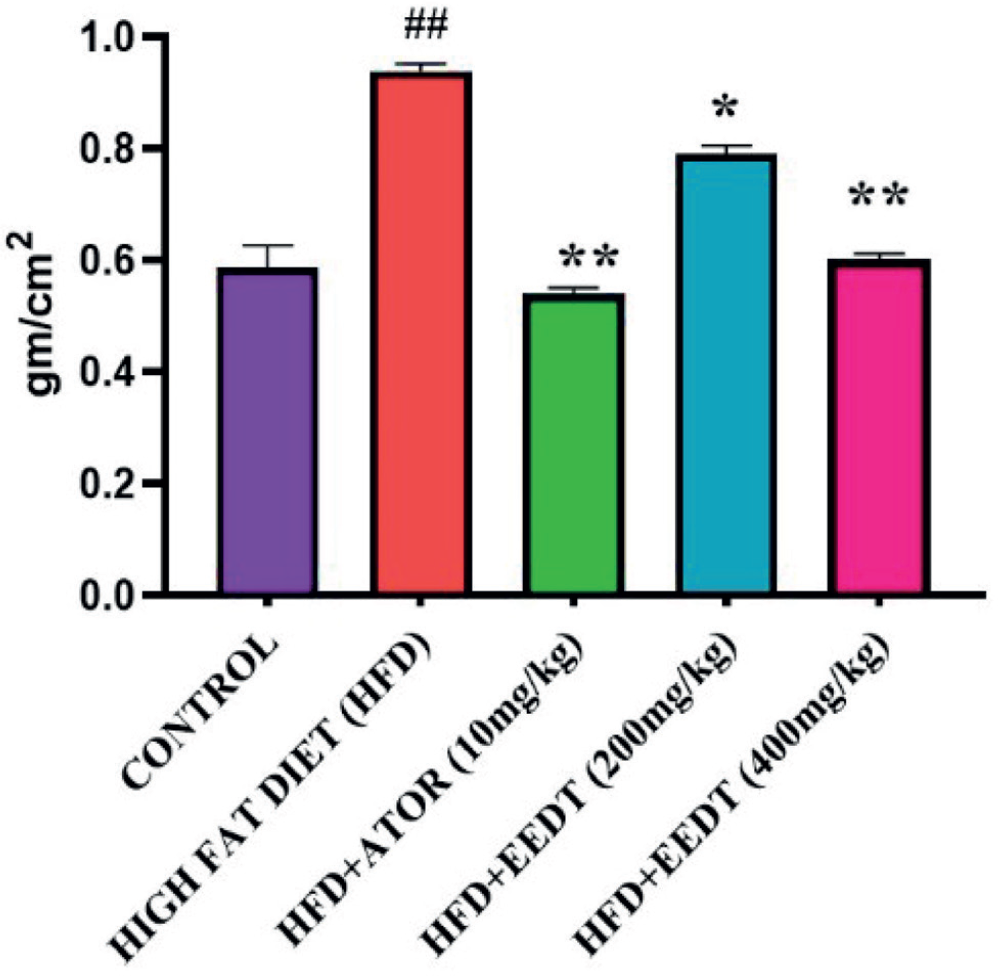
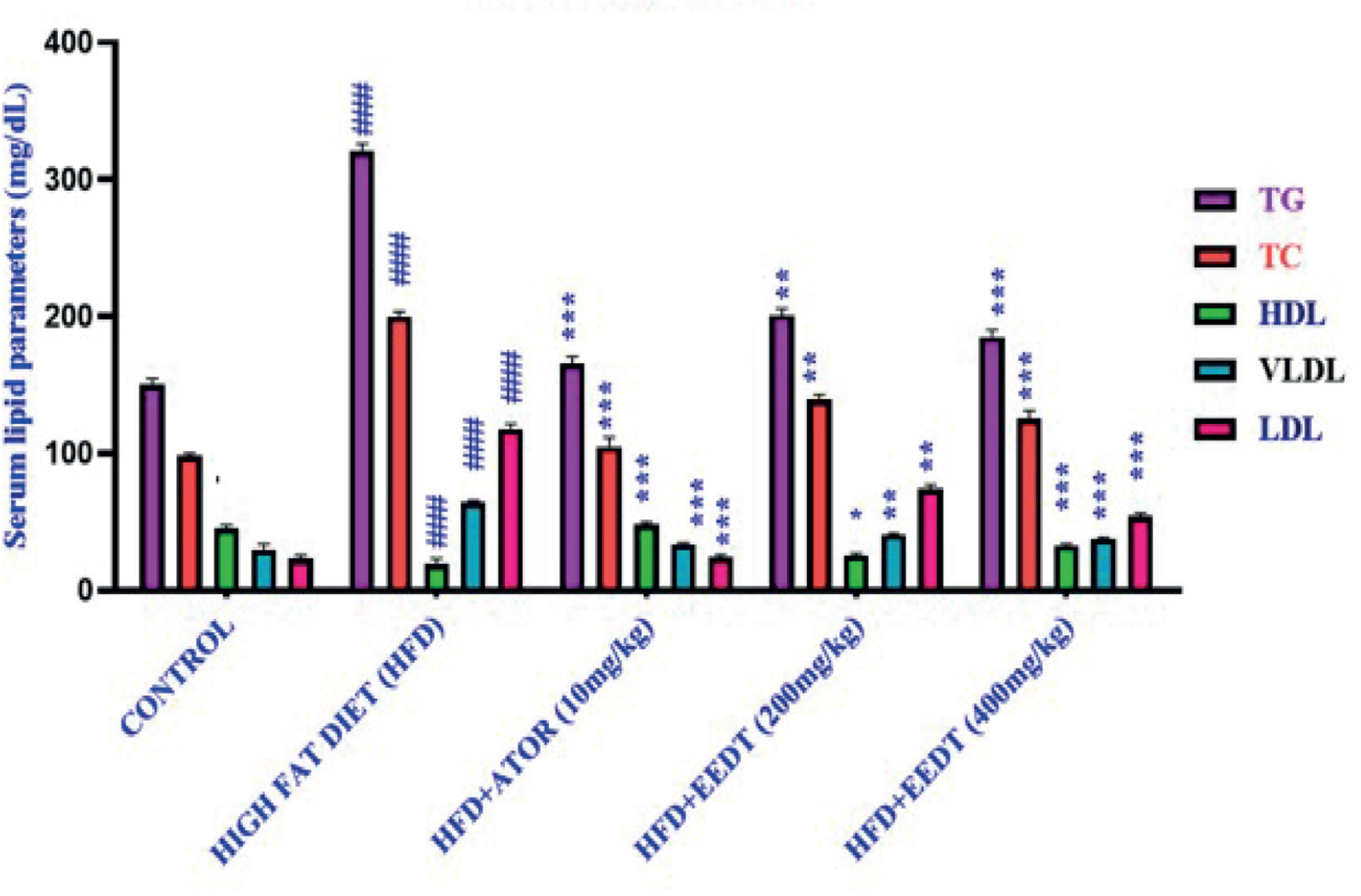
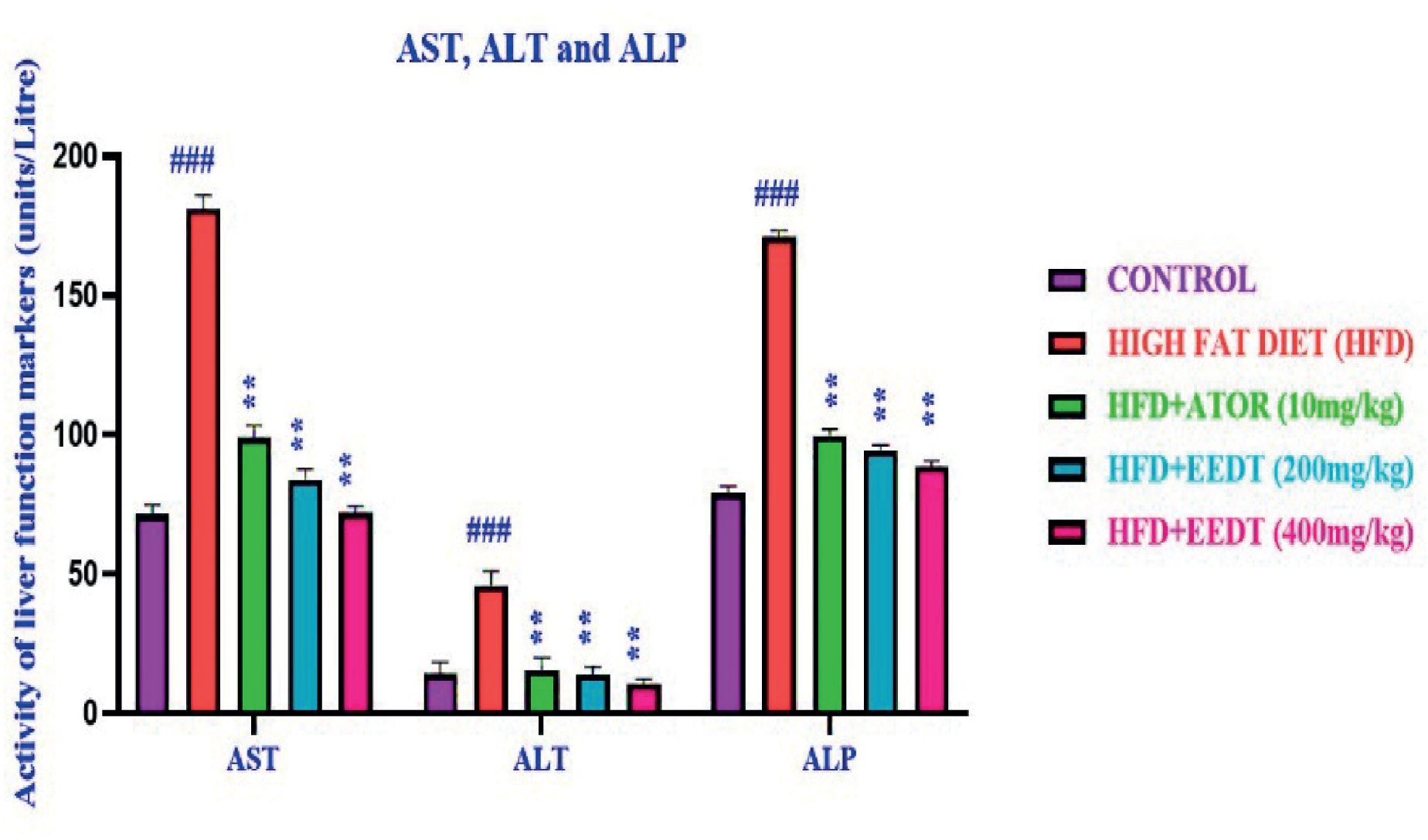
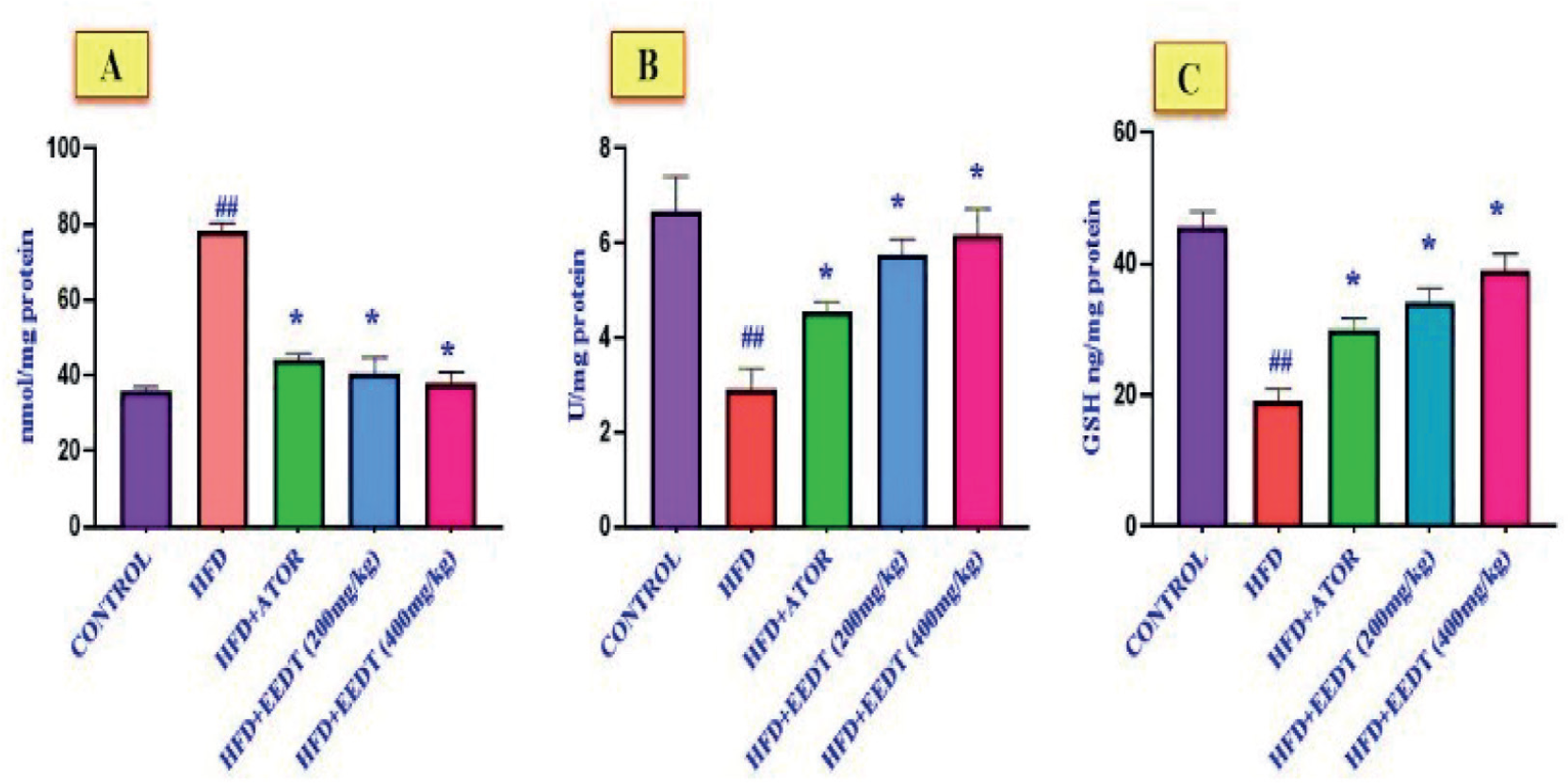
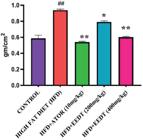
Hyperlipidemia, characterized by elevated cholesterol or triglyceride levels, is a key risk factor for cardiovascular diseases. This study explores the antihyperlipidemic potential of Dracaena trifasciata (Prain) Mabb., a perennial herb with diverse pharmacological properties. The ethanolic extract of D. trifasciata leaves (EEDT) was prepared and analyzed for phytochemicals. Wistar rats fed a high-fat diet (HFD) were treated with EEDT (200 mg/kg and 400 mg/kg), with statin as a positive control. Parameters assessed included lipid profiles, atherogenic indices (AIP, CRR, CPI, AC), lipid peroxidation, antioxidant levels, liver enzymes, and histopathology. Phytochemical analysis revealed flavonoids, phenols, alkaloids, and saponins, with high phenolic (776.33 mg GAE/g) and flavonoid (284 mg RT/g) content. EEDT significantly (p < 0.001) reduced total cholesterol, triglycerides, LDL, and VLDL while increasing HDL and CPI. Atherogenic indices (AIP, CRR, AC) were also significantly lowered (p < 0.001). Antioxidant markers improved (p < 0.05), and liver enzyme levels (AST, ALT, ALP) decreased (p < 0.01). Histopathological findings supported these results. EEDT demonstrated potent antihyperlipidemic and antioxidative effects, suggesting its potential as a natural therapeutic agent for hyperlipidemia and oxidative stress. However, further clinical studies are needed to confirm its efficacy and safety for therapeutic use.
Keywords:
Antioxidant activity; Atherogenic indices; Dracaena trifasciata (Prain) Mabb; Hyperlipidemia; Lipid profile.

 Thumbnail
 Thumbnail
 Thumbnail
 Thumbnail
 Thumbnail
 Thumbnail
 Thumbnail