 Prevalence of persistent pain after endodontic treatment: a systematic review and meta-analysis
Abstract
Aim To determine the prevalence of persistent pain in endodontic patients.
Methods Six electronic databases (EMBASE, LILACS, LIVIVO, PubMed/MEDLINE, Scopus, and Web of Science) were searched, along with the gray literature (Google Scholar, ProQuest Dissertations and Theses). The review used a random-effects model for meta-analysis of proportions and assessed the risk of bias based on the Joanna Briggs Institute Critical Appraisal tool.
Results The review included 16 articles (seven cohort studies and nine cross-sectional studies) published in English from 1994 to 2022. Fifteen of them were selected for meta-analysis. The combined prevalence estimate was 5% (95% CI = 0.01 – 0.10). The risk of bias was moderate in four studies and low in the others.
Conclusion The estimated prevalence of persistent pain after endodontic treatment was approximately one in every 25 patients.
Keywords
Root canal therapy; Pain; Tooth; Systematic reviews as topic
Introduction
Endodontic treatment addresses conditions that may affect the pulp, aiming to preserve the function of the treated tooth, with the ultimate goal of promoting periapical tissue regeneration and restoring the function of the dental element1-3. This procedure is among the most frequently performed, with a prevalence of approximately 60% in the population4. The outcome of initial endodontic treatment has been widely investigated, especially regarding the persistence of pain after treatment completion5,6. It is estimated that between 5% and 24% of patients undergoing endodontic treatment experience persistent pain7.
Prolonged postoperative pain is relatively common after endodontic procedures8. However, a small portion of patients may experience persistent pain for months or even years after endodontic treatment9-11. Meta-analyses suggest a 5.4% prevalence of dental pain 6 months after treatment3. Observational studies report variations in prevalence, indicating 25% persistent pain between 5 and 14 months12, 10% at 6 months10, and 5% between 3 and 5 years after the procedure11.
Postoperative pain may be influenced by factors such as over-instrumentation, irrigation solutions, infected debris, and bacteria in the periapical tissues13. It may also involve non-odontogenic causes, such as neuropathic pain resulting from nerve injuries during the endodontic procedure8. Non-odontogenic tooth pain can result from other structures, such as muscles, joints, the maxillary sinus, and adjacent cranial nerves, including trigeminal neuralgia7. Non-odontogenic causes include etiologies such as referred myofascial pain, headaches, neuropathic disorders, and other pathological conditions3. Orofacial pain can occur simultaneously with odontogenic pain7. However, these causes are often not easily distinguishable during clinical evaluation10.
Factors associated with the development of persistent pain after endodontic treatment include preoperative dental pain, pain upon tooth percussion, preexisting chronic pain disorder, and a history of orofacial pain treatment10. The persistence of pain 6 months after endodontic treatment may require additional care, such as retreatments, medical consultations, and analgesics. Most studies on the prevalence of persistent pain have been conducted in specialized settings, which makes it difficult to compare with the results in general clinical practice11.
A significant portion of referrals to endodontists involves the treatment of ongoing pain after beginning the endodontic treatment14. Quantifying the prevalence of persistent pain after endodontic treatment is essential for dentists and patients, as it contributes to a more informed approach regarding the risks and benefits of the treatment3. A systematic review and meta-analysis by Nixdorf et al.3 (2010) measured the prevalence of persistent pain after endodontic treatment, highlighting the relevance of this phenomenon for patients health and quality of life. Klasser et al.15(2011) reviewed clinical information to update prevalence data. No recent reviews on the subject were found, although new studies have been published since the last review.
Hence, this review aimed to estimate the prevalence of persistent pain in patients undergoing endodontic treatment.
Material and Methods
This systematic review followed the guidelines of the Preferred Reporting Items for Systematic Reviews and Meta-Analyses (PRISMA)16.
Eligibility Criteria
The study used the PEOS strategy17 to mediate the searches and study eligibility criteria:
-
Population [P]: Individuals with all permanent teeth.
-
Exposure [E]: Individuals undergoing surgical or nonsurgical endodontic treatment or retreatment, with at least 6 months of endodontic therapy follow-up.
-
Outcome [O]: Self-reported persistent pain.
-
Study design [S]: Observational studies.
The review included studies with adults who underwent endodontic treatment or retreatment, with a minimum follow-up of 6 months after the procedure, and whose outcome involved the assessment of self-reported persistent pain. It considered only observational studies, cohort studies, and cross-sectional studies.
The following exclusion criteria were taken into consideration:
-
Studies that included patients with comorbidities.
-
Studies involving individuals who did not undergo endodontic treatment or who were treated endodontically and reported pain in less than 6 months of endodontic therapy.
-
Studies with no pain assessment or that did not exclude odontogenic pain diagnosis.
-
Secondary studies, letters, books, conference abstracts, case reports, case series, case-control studies, opinion articles, technical articles, guidelines, randomized or non-randomized methods, and clinical trials.
-
Studies with unavailable full texts, even after requesting it from the authors.
Sources of Information and Search Strategy
All searches were conducted in May 2023, with an update in April 2024, in the EMBASE, Latin American and Caribbean Health Sciences Literature (LILACS), LIVIVO, PubMed/MEDLINE, Scopus, and Web of Science databases. The gray literature was also a source of information through Google Scholar and ProQuest Dissertations and Theses. MeSH terms were combined to search for potentially relevant articles in all databases (Table 1, Supplement). Furthermore, a manual search was conducted in the references of included studies, and an expert was consulted to check for any studies that had not been included. EndNote® software [EndNote® X7 Thomson Reuters, Philadelphia, PA] managed the references and removed duplicates.
Study Selection
The studies were selected in two phases. In the first phase, two researchers independently evaluated the relevance of each retrieved reference based on the title and abstract, using predefined inclusion and exclusion criteria. The articles selected in this phase were read in full during the second phase, following the same eligibility criteria. In both stages, a third researcher was consulted for the final decision regarding disagreements that could not be resolved by consensus between the two reviewers.
Rayyan [http://rayyan.qcri.org] ensured the review anonymity and allowed for an independent and confidential assessment. Additionally, the Kappa Coefficient of Agreement was calculated to ensure consistency among the reviewers. The study selection process only commenced when the Kappa value exceeded 0.818, indicating good agreement.
When data were missing or incomplete, efforts were made to contact the authors for important unpublished information. Authors were contacted via email three times, with 1-week intervals, whenever additional information was needed.
Data collection
The same two researchers who participated in the selection process independently extracted the following information using standardized electronic forms: surname of the first author, year of publication, study type, endodontic procedure, total number of teeth analyzed, teeth with persistent pain, and follow-up time.
Data Items
The review extracted data on the presence or absence of self-reported persistent pain, the maximum duration of pain recorded after endodontic treatment, and the source of the pain.
Assessment of Risk of Bias
The included studies were assessed for methodological quality using the Joanna Briggs Institute assessment19. “Yes” responses up to 49% of the total score indicated a high risk of bias in the study. When the study received “yes” responses between 50% and 69%, it was characterized as having a moderate risk of bias. “Yes” responses above 70% indicated a low risk of bias20. Funnel plots were generated using the RobVis Tool web app (https://mcguinlu.shinyapps.io/robvis/). Two reviewers conducted this process independently, and a third reviewer was involved in cases of disagreement.
Summary Method
The quantitative synthesis approached articles that observed the prevalence of odontogenic pain in a population initially unaffected by the outcome. Thus, a meta-analysis of proportions with a random-effects model was conducted using the DerSimonian and Laird estimator to calculate tau-squared21. Heterogeneity was assessed using Higgins’ inconsistency index (I2)22. The Freeman-Tukey double arcsine transformation was applied to ensure the data followed an approximately normal distribution23. Each study’s effect size was weighted to estimate their weight in the analysis, using the inverse variance method, and calculating the estimate based on the inverse proportion of the study’s variance23. The study used 95% confidence intervals (CI), calculated with the Clopper-Pearson method. All analyses and graphs were conducted using the R programming language version 1.2.1335, with the RStudio interface (RStudio Inc., Boston, USA).
A sensitivity analysis enhanced the robustness of the estimates, including only studies with a sufficient sample size to ensure adequate statistical power. The necessary sample size was calculated based on the overall effect estimate, considering all studies included in the analysis. This calculation used a 2% margin of error and a 95% CI.
Results
Study Selection
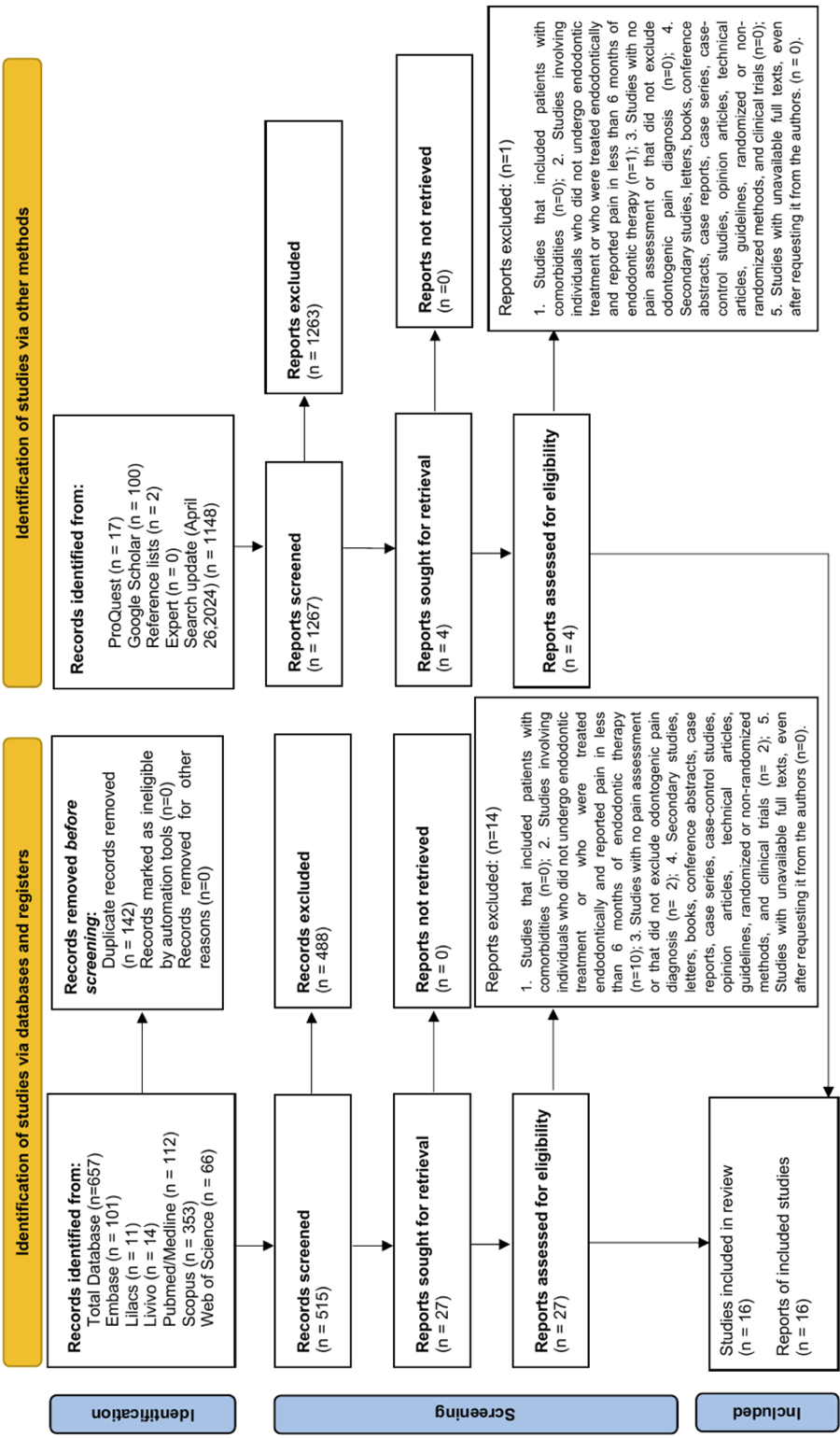
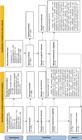
This study searched the databases comprehensively, retrieving 1,924 articles. After removing duplicates, 1,782 records remained. The articles were then screened according to the inclusion criteria, selecting 31 articles for eligibility assessment. At this stage, 15 articles were excluded (Table 2), and 16 were included in the review (Figure 1).
Characteristics of the Studies
All 16 selected studies were published in English. They were conducted in various countries, including one study from Singapore, one from Sweden, one from Switzerland, one from the United Kingdom, one from Japan, one from Australia, five from Canada, and six from the United States. Their publication years ranged from 1994 to 2022, with an equivalent distribution across the last three decades.
In the cohort studies1,5,9,38,40,41,43, the sample size ranged from 10 to 523 evaluated teeth, with follow-up periods ranging from 1 to 6 years. In the cross-sectional studies2,7,8,11,14,15,39,42,44, the sample size ranged from 16 to 175 teeth (M = 79.1), with evaluation periods ranging from 6 months to 6 years.
Studies with similar methodologies grouped the patients’ ages into two categories: up to 45 years and over 45 years2,5,39-41. Seven studies included patients aged 14 to 77 years1,8,11,15,38,43. Most patients in the studies were 30 to 40 years old14,44, ranging from 11 to 71 years old.
The study by Klasser et al.15 had a balanced distribution of sexes in their populations, with three and nine patients of each sex, respectively. Only Farzaneh et al.41 (2004) included more men than women in their analysis. Except for this study, all other ones had more females, as observed in Farzaneh et al.40 (2004) (62%), de Chevigny et al.2 (2008) (68%), Abbott14 (74%), Erdogan et al.7 (80%) and Nixdorf et al.43(2015) (84%). The studies by von Arx and Kurt1, Daline et al.9, and Lobb et al.42 did not report the patients’ sex.
Individual Study Results
Five studies followed patients for 4 to 6 years post-endodontic treatment2,5,39-41. Marquis et al.5 examined 131 endodontically treated teeth, of which seven experienced pain. De Chevigny et al.39 examined 137 teeth that underwent non-surgical endodontic treatment, with only six of the evaluated teeth feeling pain. In another study conducted in the same year, the same authors evaluated 122 teeth treated with the same technique, and again, only six teeth had pain2. In contrast, Farzaneh et al.40 identified persistent pain in only three of the 122 teeth that underwent non-surgical endodontic treatment. These studies demonstrate a relatively low prevalence, ranging from 5.3% to 2.5%.
In another study conducted one year after endodontic treatment, Polycarpou et al.44 analyzed 175 teeth that underwent surgical and non-surgical treatment, finding 21 cases of persistent pain, representing approximately 12% of the cases. Danin et al.38 investigated 43 teeth that underwent periapical surgery, with only one tooth feeling pain after 1 year, corresponding to 2.3%. Von Arx and Kurt1 examined 10 teeth that underwent the same procedure but did not record any case of pain during follow-up.
Farzaneh et al.41, in your analyses of teeth undergoing non-surgical endodontic therapy, did not report any cases of persistent pain in the 103 teeth evaluated, respectively. On the other hand, Vena, in a follow-up ranging from 6 months to 3 years and 9 months, examined 63 endodontically treated teeth and found that 39 of them reported pain, resulting in a prevalence of approximately 61.9%11.
The study by Klasser et al.15 followed patients for 3 months to 4 years, and 18 out of 250 consulted patients reported persistent pain throughout the period following treatment.
Similarly, Erdogan, in a follow-up of 3 years and 6 months involving 35 teeth, found that 29 of these teeth had pain, corresponding to a prevalence of approximately 82.9%7.
The studies by Daline et al.9, and Abbott14 included only teeth that already felt pain at the outset. Daline et al.9 analyzed 45 teeth over 3 years and 4 months, Lobb et al.42examined 36 teeth over 1 year, Oshima et al.8 followed 16 teeth for 9.8 months and 65 teeth for 6 years, while Abbott evaluated 110 affected teeth, identifying factors associated with the condition14.
Risk and etiological factors
The following factors stand out among those involved in persistent pain after endodontic treatment: lack of adequate isolation, inadequate provisional restorations, incorrect use of intracanal medication for the condition treated, traumatic occlusion, inadequate obturation, inadequate access to the canal, excessively extended preparation, symptoms during root obturation, excessively extended root fillings or with open apices, fracture of instruments14, nerve injury caused by intracanal injection45, perforations7,45, reactions to foreign bodies such as gutta-percha, inadequate length of filling40, persistence of periapical disease2,30, and the effectiveness of anesthesia during treatment44.
A potential cause of failure can be explained by over-instrumentation, which can cause direct trauma to the tissues surrounding the tooth, such as cementum, periodontal ligament, nerve endings, and bone14,45, leading to persistent inflammation and consequently ongoing pain7,40.
Disruption of the myelin sheath and axons may develop a traumatic neuroma. There can also be sympathetic nerve ingrowth into the injured sensory nerves, which may physiologically explain the ongoing post-endodontic pain associated with over-instrumentation45.
Some systemic conditions can also be related to persistent pain after endodontic treatment46, such as fibromyalgia, tension headache, temporomandibular dysfunction, migraine, irritable bowel syndrome7,9,17, psychiatric illnesses7,44,46, fear of dental procedures10, and sleep disorders46.
Another factor associated with the outcome is “phantom tooth pain”, a condition in which the patient feels pain in a tooth that has already been extracted or endodontically treated, even though it is no longer present in the oral cavity45.
Four studies11,14,43,44 correlated preexisting pulpitis pain with ongoing pain after endodontic treatment, pointing to this condition as a predisposing factor. One of the studies found that for every 1-day increase in pain duration in the week prior to treatment, the risk of developing pain 6 months after the procedure increased significantly by 19%43.
Risk of Bias in Studies
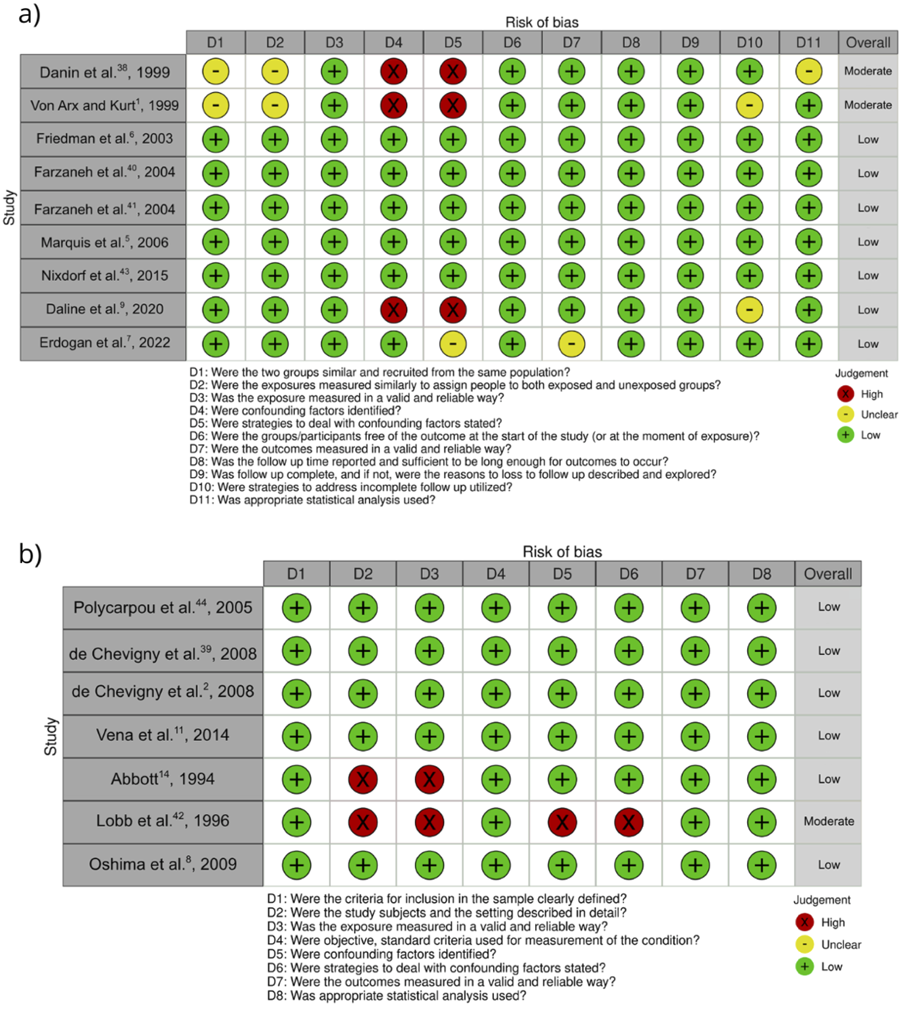
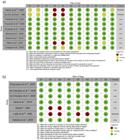
Regarding the risk of bias, three studies were classified as moderate risk1,38,42, while all other studies had a low risk of bias2,5,7-9,11,14,39-44 (Figure 2).
Summary of results
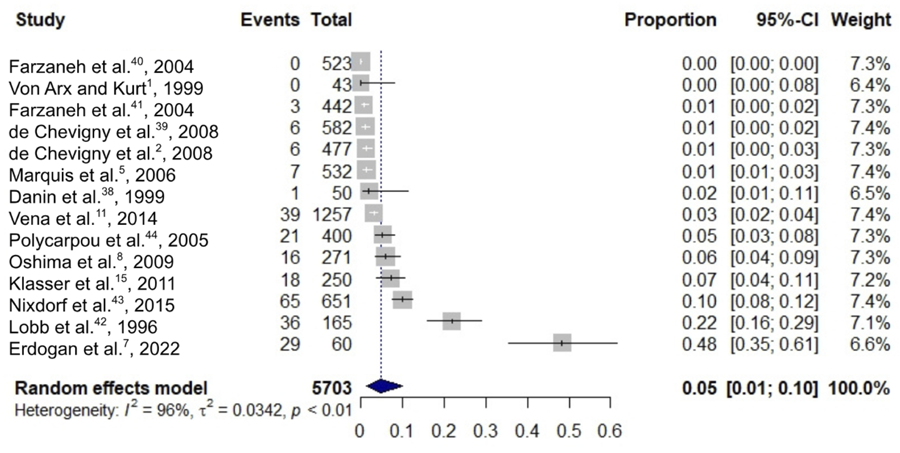
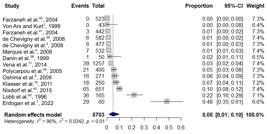
A meta-analysis was performed with studies that evaluated the prevalence of persistent pain in populations initially exempt from this outcome1,2,5,7,8,11,15,38-44. In total, 5,703 endodontically treated teeth were included in the analysis. The pooled prevalence of nonodontogenic pain was 5% (95% CI: 1% - 10%; I2 = 96%) (Figure 3).
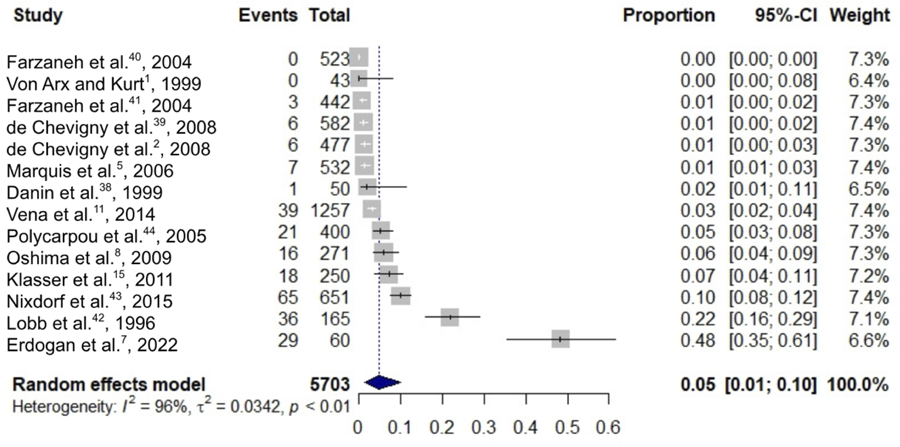
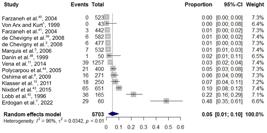
A sample size of 369 teeth would be necessary to obtain reliable estimates for an infinite population, with a 2% margin of error and a 95% confidence level. Considering only studies with this sample size, the prevalence was 2% (95% CI: 0% - 4%; I2 = 95%) (Figure 4).
Discussion
Dental professionals need to be prepared to understand and explain persistent pain, especially after endodontic treatment47. The continuous pain following endodontic treatment is characterized by its persistence for at least 1 month after the procedure46. This symptom can manifest in different ways, depending on the person’s self-perception of pain43. Recurrent pain is distinct from pain associated with pulpitis45, and the diagnosis is based on the appropriate recognition of referred pain and the understanding of its temporality7. However, this pain is difficult to diagnose because it is still poorly understood3. The variation in the prevalence of odontogenic pain among studies1,7,11,38,44 can be attributed to these diagnostic and understanding difficulties.
Persistent pain following endodontic treatment differs from the commonly encountered dental pain because it does not involve an apparent cause, making it impossible to remove the stimulus and provide appropriate treatment. This makes its clinical approach more complex, potentially requiring management that also considers neurological factors47.
To improve pain diagnosis, it is important to recognize that pain is subjective and can be measured based on its intensity, location, and duration48.
According to Lobb et al.42, pain can range from mild sensitivity during chewing and temporary pressure to moderate, constant, dull, burning, and deep pain that develops after dental procedures, even in the absence of significant pathology. Asking the patient if the current pain is similar to that experienced before treatment can be helpful. If the answer is affirmative, there may have been an incorrect diagnosis, or the pain was not associated with the treated tooth45. Additionally, it is important to consider that the pain may originate from more than one tooth, which can complicate the analysis if appropriate methods are not used12.
The meta-analysis revealed significantly variable proportions, reflecting discrepancies in prevalence and high heterogeneity, even when considering only studies with adequate statistical power. However, the CI remained narrow, with limits ranging from 0% to 4% in the sensitivity analysis. Due to the non-comparative nature of the proportion data, they are subject to considerable variation, contributing to the high heterogeneity in the estimates49. Additionally, differences in pain rates after treatment may be influenced by characteristics of the study populations, poorly specified questionnaires, inclusion of cases with periapical surgeries, exclusions without clear justification, and low follow-up rates.
Continuous pain following endodontic treatment is a complex and multifaceted condition, influenced by factors related to the operator, the technique14, and the patient7,9,14. However, it is still unclear why some patients develop chronic pain after the underlying condition has been treated, while others do not46. The persistence of symptoms after technically adequate treatment may be attributed to non-odontogenic causes, such as neuropathic pain, which requires the presence of injury or another pathology in the nervous tissue43.
Persistent dentoalveolar pain disorder is probably neuropathic in origin50. Peripheral and central sensitizations of the trigeminal nervous system are the main mechanisms to promote the development and maintenance of chronic orofacial pain characterized by allodynia, hyperalgesia, and ectopic pain51. Hyperexcitability, the main mechanism of central sensitization, is defined as an increase in the responsiveness of nociceptive neurons in the central nervous system to their normal or subthreshold afferent input52. These mechanisms may help explain why some patients develop persistent pain even after technically adequate endodontic treatment. In the case of endodontic therapy, there is a risk of deafferentation injury, a lesion in the nervous system that can trigger neuropathic pain in some patients11. The differential diagnosis should consider this condition when pain persists, even with clinical and radiographic confirmation of treatment quality15.
The most common age range for this pain is from 30 to 49 years. However, it is not exclusively associated with age, but rather with the higher frequency of dental visits among patients in this range14. Moreover, women tend to have a higher incidence of persistent pain30,46, possibly due to a higher number of dental appointments14. In one study, most patients with this outcome were white women with higher education, high income, and dental insurance9. In most of the included studies, age, sex, and tooth type do not appear to be directly related to the incidence of continuous pain after endodontics11,14,41,43,44. The type of professional who performed the treatment can also influence the results, as specialists tend to handle more complex cases, possibly affecting the prevalence of pain11. Regarding the teeth, lower first molars, upper central incisors, and upper first molars are the most frequently associated with continuous pain, possibly due to being the most commonly treated endodontically8,14.
The duration of pain varies widely, with spontaneous resolutions occurring in up to 3 years9. However, while the pain persists, it significantly impacts the patient’s quality of life11,43. Patients with long-lasting pain may develop associated masticatory muscle pain due to avoidance of chewing in the painful area or muscle tension induced by stress, leading to a diagnosis of temporomandibular dysfunction secondary to dental pain7.
Patients suffering from persistent pain are more likely to undergo additional radiographs, submit to retreatments, seek extra consultations, and consume more pain medications than those who do not report pain. When considering both the direct and indirect costs of these additional care measures, the financial impact of experiencing persistent pain at 6 months can be significant43.
Although preclinical studies indicate that some strategies may reduce pain46, the factors contributing to continuous pain following endodontic treatment are diverse and complex, requiring careful diagnosis and, in some cases, a multidisciplinary approach. Despite these contributions, some limitations must be acknowledged, as the heterogeneous methodologies of the analyzed studies hindered the summary of results. Although all investigated the same outcome, the authors used different sample recruitment criteria, follow-up time, treatment types, and assessment methods. Another limiting factor was the sample size, which varied considerably among studies, being insufficient in some cases. Furthermore, some studies did not implement adequate strategies to control for confounding factors.
The results of this systematic review and meta-analysis indicate that approximately one in 25 patients may experience persistent pain after endodontic treatment. When considering only studies with higher statistical power, this proportion is even lower, at about one in 100 patients. However, quantifying the prevalence of persistent pain following endodontic treatment remains a challenge due to the variety of possible diagnoses associated with this condition.
Supplementary Materials
SUPPLEMENT
Acknowledgments
We thank the Center of Advanced Studies in Systematic Review and Meta‐analysis (NARSM) for their support in the development of this study.
References
-
1 von Arx T, Kurt B. Root-end cavity preparation after apicoectomy using a new type of sonic and diamond-surfaced retrotip: a 1-year follow-up study. J Oral Maxillofac Surg. 1999 Jun;57(6):656-61. doi: 10.1016/s0278-2391(99)90424-x.
» https://doi.org/10.1016/s0278-2391(99)90424-x -
2 de Chevigny C, Dao TT, Basrani BR, Marquis V, Farzaneh M, Abitbol S, et al. Treatment outcome in endodontics: the Toronto study--phases 3 and 4: orthograde retreatment. J Endod. 2008 Feb;34(2):131-7. doi: 10.1016/j.joen.2007.11.003. Epub 2007 Dec 21.
» https://doi.org/10.1016/j.joen.2007.11.003 -
3 Nixdorf DR, Moana-Filho EJ, Law AS, McGuire LA, Hodges JS, John MT. Frequency of nonodontogenic pain after endodontic therapy: a systematic review and meta-analysis. J Endod. 2010 Sep;36(9):1494-8. doi: 10.1016/j.joen.2010.06.020.
» https://doi.org/10.1016/j.joen.2010.06.020 -
4 León-López M, Cabanillas-Balsera D, Martín-González J, Montero-Miralles P, Saúco-Márquez JJ, Segura-Egea JJ. Prevalence of root canal treatment worldwide: a systematic review and meta-analysis. Int Endod J. 2022 Nov;55(11):1105-27. doi: 10.1111/iej.13822.
» https://doi.org/10.1111/iej.13822 -
5 Marquis VL, Dao T, Farzaneh M, Abitbol S, Friedman S. Treatment outcome in endodontics: the Toronto Study. Phase III: initial treatment. J Endod. 2006 Apr;32(4):299-306. doi: 10.1016/j.joen.2005.10.050.
» https://doi.org/10.1016/j.joen.2005.10.050 -
6 Friedman S, Abitbol S, Lawrence HP. Treatment outcome in endodontics: the Toronto Study. Phase 1: initial treatment. J Endod. 2003 Dec;29(12):787-93. doi: 10.1097/00004770-200312000-00001.
» https://doi.org/10.1097/00004770-200312000-00001 -
7 Erdogan O, Ramsey A, Uyanik JM, Gibbs JL, Burns LE. Outcomes of referrals from endodontic to orofacial pain specialists: a retrospective cohort study. Clin Exp Dent Res. 2022 Feb;8(1):457-63. doi: 10.1002/cre2.497. Epub 2021 Oct 8.
» https://doi.org/10.1002/cre2.497 -
8 Oshima K, Ishii T, Ogura Y, Aoyama Y, Katsuumi I. Clinical investigation of patients who develop neuropathic tooth pain after endodontic procedures. J Endod. 2009 Jul;35(7):958-61. doi: 10.1016/j.joen.2009.04.017.
» https://doi.org/10.1016/j.joen.2009.04.017 -
9 Daline IH, Nixdorf DR, Law AS, Pileggi R; National Dental Practice-Based Research Network Collaborative Group. 3-year outcome of patients with persistent pain after root canal treatment: The National Dental Practice-Based Research Network. J Endod. 2020 May;46(5):619-26.e2. doi: 10.1016/j.joen.2020.01.018.
» https://doi.org/10.1016/j.joen.2020.01.018 -
10 Nixdorf DR, Law AS, Lindquist K, Reams GJ, Cole E, Kanter K, et al. Frequency, impact, and predictors of persistent pain after root canal treatment: a national dental PBRN study. Pain. 2016 Jan;157(1):159-65. doi: 10.1097/j.pain.0000000000000343.
» https://doi.org/10.1097/j.pain.0000000000000343 -
11 Vena DA, Collie D, Wu H, Gibbs JL, Broder HL, Curro FA, et al. Prevalence of persistent pain 3 to 5 years post primary root canal therapy and its impact on oral health-related quality of life: PEARL Network findings. J Endod. 2014 Dec;40(12):1917-21. doi: 10.1016/j.joen.2014.07.026.
» https://doi.org/10.1016/j.joen.2014.07.026 -
12 Philpott R, Gulabivala K, Leeson R, Ng YL. Prevalence, predictive factors and clinical course of persistent pain associated with teeth displaying periapical healing following nonsurgical root canal treatment: a prospective study. Int Endod J. 2019 Apr;52(4):407-15. doi: 10.1111/iej.13029. Epub 2018 Nov 9.
» https://doi.org/10.1111/iej.13029 -
13 Alomaym MAA, Aldohan MFM, Alharbi MJ, Alharbi NA. Single versus multiple sitting endodontic treatment: incidence of postoperative pain - a randomized controlled trial. J Int Soc Prev Community Dent. 2019 Mar-Apr;9(2):172-7. doi: 10.4103/jispcd.JISPCD_327_18.
» https://doi.org/10.4103/jispcd.JISPCD_327_18 -
14 Abbott PV. Factors associated with continuing pain in endodontics. Aust Dent J. 1994 Jun;39(3):157-61. doi: 10.1111/j.1834-7819.1994.tb03084.x.
» https://doi.org/10.1111/j.1834-7819.1994.tb03084.x - 15 Klasser GD, Kugelmann AM, Villines D, Johnson BR. The prevalence of persistent pain after nonsurgical root canal treatment. Quintessence Int. 2011 Mar;42(3):259-69.
-
16 Page MJ, McKenzie JE, Bossuyt PM, Boutron I, Hoffmann TC, Mulrow CD, et al. The PRISMA 2020 statement: an updated guideline for reporting systematic reviews. BMJ. 2021 Mar;372:n71. doi: 10.1136/bmj.n71.
» https://doi.org/10.1136/bmj.n71 -
17 Nasri-Heir C, Khan J, Benoliel R, Feng C, Yarnitsky D, Kuo F, et al. Altered pain modulation in patients with persistent postendodontic pain. Pain. 2015;156:2032-41. doi:10.1097/j.pain.0000000000000265.
» https://doi.org/10.1097/j.pain.0000000000000265 - 18 McHugh ML. Interrater reliability: the kappa statistic. Biochem Med (Zagreb). 2012;22(3):276-82.
-
19 Aromataris E, Lockwood C, Porritt K, Pilla B, Jordan Z, editors. JBI manual for evidence synthesis. JBI; 2024. doi: 10.46658/JBIMES-24-01.
» https://doi.org/10.46658/JBIMES-24-01 -
20 Dantas ABA, Gonçalves FM, Martins AA, Alves GÂ, Stechman-Neto J, Corrêa CC, et al. Worldwide prevalence and associated risk factors of obstructive sleep apnea: a meta-analysis and meta-regression. Sleep Breath. 2023 Dec;27(6):2083-109. doi: 10.1007/s11325-023-02810-7.
» https://doi.org/10.1007/s11325-023-02810-7 -
21 DerSimonian R, Laird N. Meta-analysis in clinical trials. Control Clin Trials. 1986 Sep;7(3):177-88. doi: 10.1016/0197-2456(86)90046-2.
» https://doi.org/10.1016/0197-2456(86)90046-2 -
22 Higgins JP, Thompson SG. Quantifying heterogeneity in a meta-analysis. Stat Med. 2002 Jun;21(11):1539-58. doi: 10.1002/sim.1186.
» https://doi.org/10.1002/sim.1186 - 23 Barendregt JJ, Doi SA, Lee YY, Norman RE, Vos T. Meta-analysis of prevalence. J Epidemiol Community Health. 2013 Nov;67(11):974-8. doi: 10.1136/jech-2013-203104.
-
24 Wright EF. Referred craniofacial pain patterns in patients with temporomandibular disorder. J Am Dent Assoc. 2000 Sep;131(9):1307-15. doi: 10.14219/jada.archive.2000.0384. Erratum in: J Am Dent Assoc 2000 Nov;131(11):1553.
» https://doi.org/10.14219/jada.archive.2000.0384 -
25 Alonso AA, Nixdorf DR. Case series of four different headache types presenting as tooth pain. J Endod. 2006 Nov;32(11):1110-3. doi: 10.1016/j.joen.2006.02.033.
» https://doi.org/10.1016/j.joen.2006.02.033 - 26 Baad-Hansen L. Atypical odontalgia - pathophysiology and clinical management. J Oral Rehabil. 2008 Jan;35(1):1-11. doi: 10.1111/j.1365-2842.2007.01813.x.
-
27 Israel HA, Ward JD, Horrell B, Scrivani SJ. Oral and maxillofacial surgery in patients with chronic orofacial pain. J Oral Maxillofac Surg. 2003 Jun;61(6):662-7. doi: 10.1053/joms.2003.50133.
» https://doi.org/10.1053/joms.2003.50133 -
28 Linn J, Trantor I, Teo N, Thanigaivel R, Goss AN. The differential diagnosis of toothache from other orofacial pains in clinical practice. Aust Dent J. 2007 Mar;52(1 Suppl):S100-4. doi: 10.1111/j.1834-7819.2007.tb00518.x.
» https://doi.org/10.1111/j.1834-7819.2007.tb00518.x -
29 Ferreira NS, Gollo EKF, Boscato N, Arias A, Silva EJNLD. Postoperative pain after root canal filling with different endodontic sealers: a randomized clinical trial. Braz Oral Res. 2020;34:e069. doi: 10.1590/1807-3107bor-2020.vol34.0069.
» https://doi.org/10.1590/1807-3107bor-2020.vol34.0069 -
30 Machado R, Pereira JA, Vitali FC, Bolan M, Rivero ERC. Persistent pain after successful endodontic treatment in a patient with Wegener's granulomatosis: a case report. Restor Dent Endod. 2022 Jun;47(3):e26. doi: 10.5395/rde.2022.47.e26.
» https://doi.org/10.5395/rde.2022.47.e26 -
31 Pigg M, Svensson P, Drangsholt M, List T. Seven-year follow-up of patients diagnosed with atypical odontalgia: a prospective study. J Orofac Pain. 2013 Spring;27(2):151-64. doi: 10.11607/jop.1033.
» https://doi.org/10.11607/jop.1033 - 32 Renton T. Chronic pain and overview or differential diagnoses of non-odontogenic orofacial pain. Prim Dent J. 2019 Feb;7(4):71-86.
-
33 Sjögren JJ, Kvist T, Eliasson A; EndoReCo; Pigg M. The frequency and characteristics of pain and discomfort associated with root filled teeth: a practice-based study. Int Endod J. 2019 Sep;52(9):1264-73. doi: 10.1111/iej.13124.
» https://doi.org/10.1111/iej.13124 -
34 Arias A, de la Macorra JC, Hidalgo JJ, Azabal M. Predictive models of pain following root canal treatment: a prospective clinical study. Int Endod J. 2013 Aug;46(8):784-93. doi: 10.1111/iej.12059.
» https://doi.org/10.1111/iej.12059 -
35 Macrae WA. Chronic post-surgical pain: 10 years on. Br J Anaesth. 2008 Jul;101(1):77-86. doi: 10.1093/bja/aen099.
» https://doi.org/10.1093/bja/aen099 -
36 Battrum DE, Gutmann JL. Phantom tooth pain: a diagnosis of exclusion. Int Endod J. 1996 May;29(3):190-4. doi: 10.1111/j.1365-2591.1996.tb01368.x.
» https://doi.org/10.1111/j.1365-2591.1996.tb01368.x -
37 Pasqualini D, Scotti N, Ambrogio P, Alovisi M, Berutti E. Atypical facial pain related to apical fenestration and overfilling. Int Endod J. 2012 Jul;45(7):670-7. doi: 10.1111/j.1365-2591.2012.02021.x.
» https://doi.org/10.1111/j.1365-2591.2012.02021.x -
38 Danin J, Linder LE, Lundqvist G, Ohlsson L, Ramsköld LO, Strömberg T. Outcomes of periradicular surgery in cases with apical pathosis and untreated canals. Oral Surg Oral Med Oral Pathol Oral Radiol Endod. 1999 Feb;87(2):227-32. doi: 10.1016/s1079-2104(99)70277-5.
» https://doi.org/10.1016/s1079-2104(99)70277-5 -
39 de Chevigny C, Dao TT, Basrani BR, Marquis V, Farzaneh M, Abitbol S, et al. Treatment outcome in endodontics: the Toronto study--phase 4: initial treatment. J Endod. 2008 Mar;34(3):258-63. doi: 10.1016/j.joen.2007.10.017. Epub 2007 Dec 21.
» https://doi.org/10.1016/j.joen.2007.10.017 -
40 Farzaneh M, Abitbol S, Friedman S. Treatment outcome in endodontics: the Toronto study. Phases I and II: Orthograde retreatment. J Endod. 2004 Sep;30(9):627-33. doi: 10.1097/01.don.0000129958.12388.82.
» https://doi.org/10.1097/01.don.0000129958.12388.82 -
41 Farzaneh M, Abitbol S, Lawrence HP, Friedman S; Toronto Study. Treatment outcome in endodontics-the Toronto Study. Phase II: initial treatment. J Endod. 2004 May;30(5):302-9. doi: 10.1097/00004770-200405000-00002.
» https://doi.org/10.1097/00004770-200405000-00002 -
42 Lobb WK, Zakariasen KL, McGrath PJ. Endodontic treatment outcomes: do patients perceive problems? J Am Dent Assoc. 1996 May;127(5):597-600. doi: 10.14219/jada.archive.1996.0271.
» https://doi.org/10.14219/jada.archive.1996.0271 -
43 Nixdorf DR, Law AS, John MT, Sobieh RM, Kohli R, Nguyen RH, et al. Differential diagnoses for persistent pain after root canal treatment: a study in the National Dental Practice-based Research Network. J Endod. 2015 Apr;41(4):457-63. doi: 10.1016/j.joen.2014.12.012.
» https://doi.org/10.1016/j.joen.2014.12.012 -
44 Polycarpou N, Ng YL, Canavan D, Moles DR, Gulabivala K. Prevalence of persistent pain after endodontic treatment and factors affecting its occurrence in cases with complete radiographic healing. Int Endod J. 2005 Mar;38(3):169-78. doi: 10.1111/j.1365-2591.2004.00923.x.
» https://doi.org/10.1111/j.1365-2591.2004.00923.x -
45 Campbell RL, Parks KW, Dodds RN. Chronic facial pain associated with endodontic therapy. Oral Surg Oral Med Oral Pathol. 1990 Mar;69(3):287-90. doi: 10.1016/0030-4220(90)90288-4.
» https://doi.org/10.1016/0030-4220(90)90288-4 -
46 Khan J, Zusman T, Wang Q, Eliav E. Acute and chronic pain in orofacial trauma patients. Dent Traumatol. 2019 Dec;35(6):348-57. doi: 10.1111/edt.12493.
» https://doi.org/10.1111/edt.12493 -
47 Penlington C, Durham J, Beecroft E. Paradigms matter: why persistent pain is different and how dentists can help. Br Dent J. 2024 Apr;236(8):599-602. doi: 10.1038/s41415-024-7283-1.
» https://doi.org/10.1038/s41415-024-7283-1 -
48 Eckeli FD, Teixeira RA, Gouvêa ÁL. Neuropathic pain evaluation tools. Rev Dor. 2016;17. doi:10.5935/1806-0013.20160041.
» https://doi.org/10.5935/1806-0013.20160041 -
49 Migliavaca CB, Stein C, Colpani V, Barker TH, Ziegelmann PK, Munn Z, et al. Meta-analysis of prevalence: I2 statistic and how to deal with heterogeneity. Res Synth Methods. 2022 May;13(3):363-7. doi: 10.1002/jrsm.1547.
» https://doi.org/10.1002/jrsm.1547 -
50 Malacarne A, Spierings ELH, Lu C, Maloney GE. Persistent dentoalveolar pain disorder: a comprehensive review. J Endod. 2018 Feb;44(2):206-11. doi: 10.1016/j.joen.2017.09.009. Epub 2017 Nov 23.
» https://doi.org/10.1016/j.joen.2017.09.009 -
51 Liu YJ, Li YL, Fang ZH, Liao HL, Zhang YY, Lin J, et al. NMDARs mediate peripheral and central sensitization contributing to chronic orofacial pain. Front Cell Neurosci. 2022 Sep;16:999509. doi: 10.3389/fncel.2022.999509.
» https://doi.org/10.3389/fncel.2022.999509 -
52 Perissinotti DMN, Sardá Junior J, Oliveira WL, Almeida FF, Turra V, Portnoi AG. Implications of the IASP's new definition of Pain: time for new paradigms and rescuing its meaning. Braz J Pain. 2020;3. doi:10.5935/2595-0118.20200198.
» https://doi.org/10.5935/2595-0118.20200198
-
Other Information:
Registration The protocol for this systematic review was registered at the PROSPERO® website (International Prospective Register of Systematic Review - Center for Reviews and Dissemination University of York) under no. CRD 42023427127.
-
Data Availability:
No research data was used.
-
Use of Artificial Intelligence-Assisted Technology:
The authors declare that no artificial intelligence tools were used in the design, analysis, writing, or revision of this manuscript.
-
Funding:
No specific grant was given to this research by funding organizations in the public, private, or not-for-profit sectors.
Edited by
-
Editor:
Dr. Altair A. Del Bel Cury
No research data was used.