 Overexpression of SERPINA3 inhibits castration-resistant prostate cancer progression by enhancing M1 macrophage recruitment via CXCL2 upregulation
Abstract
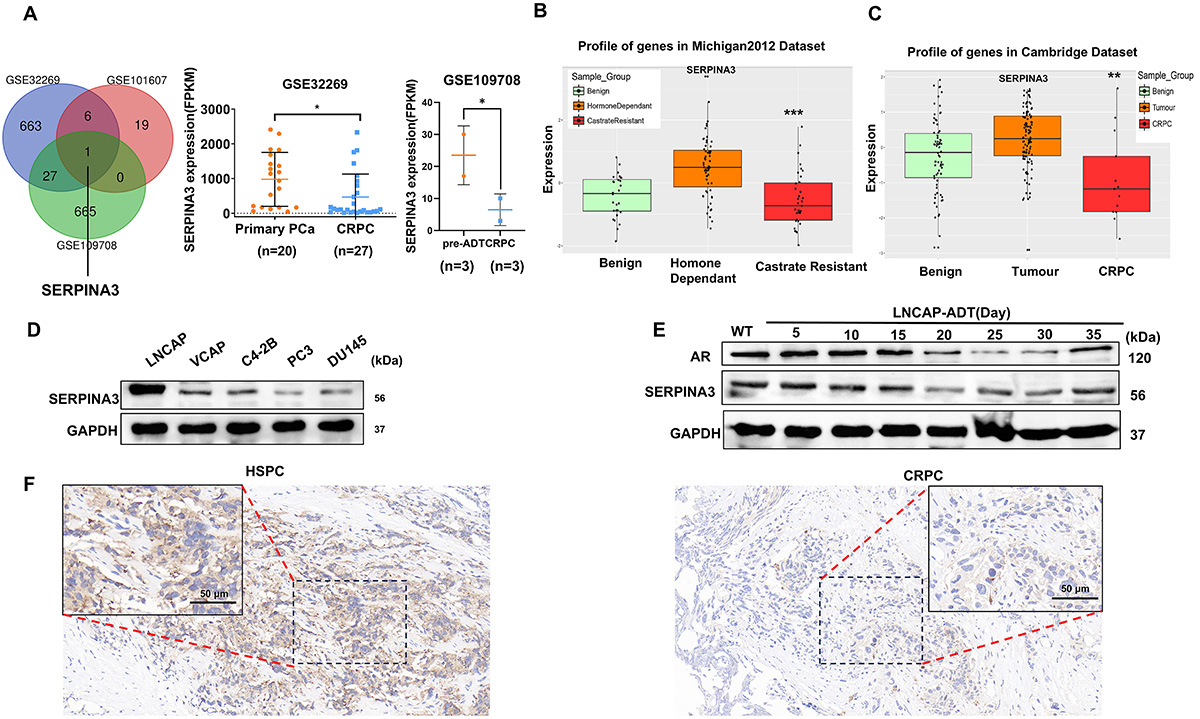
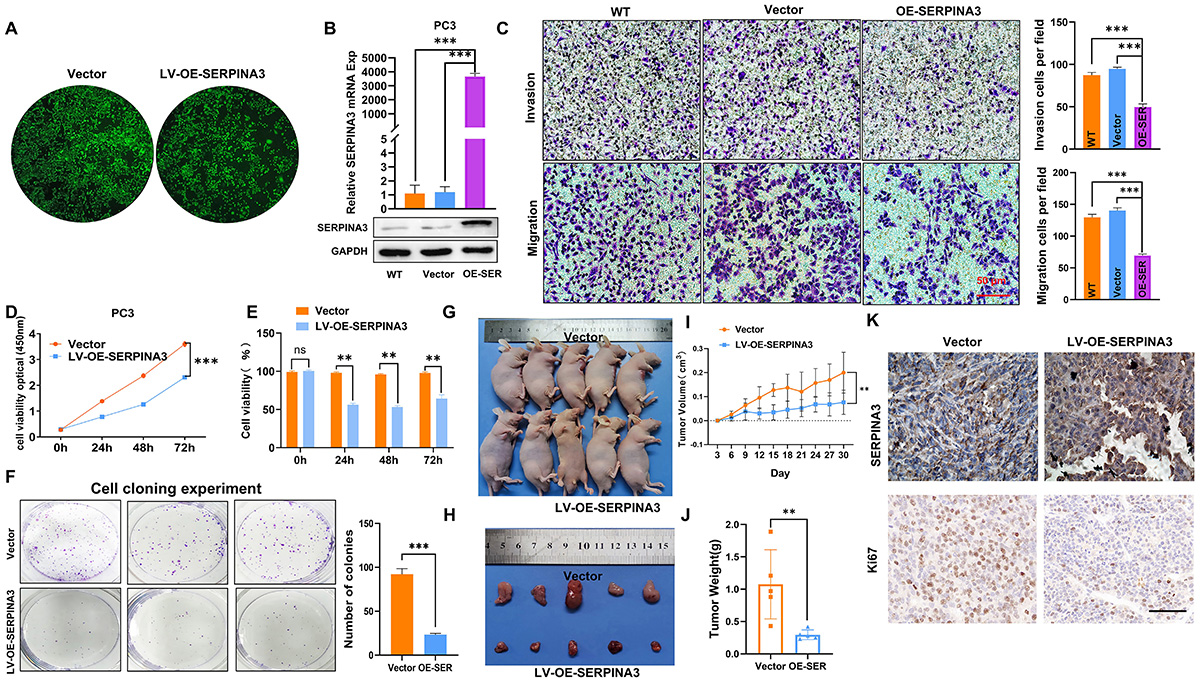
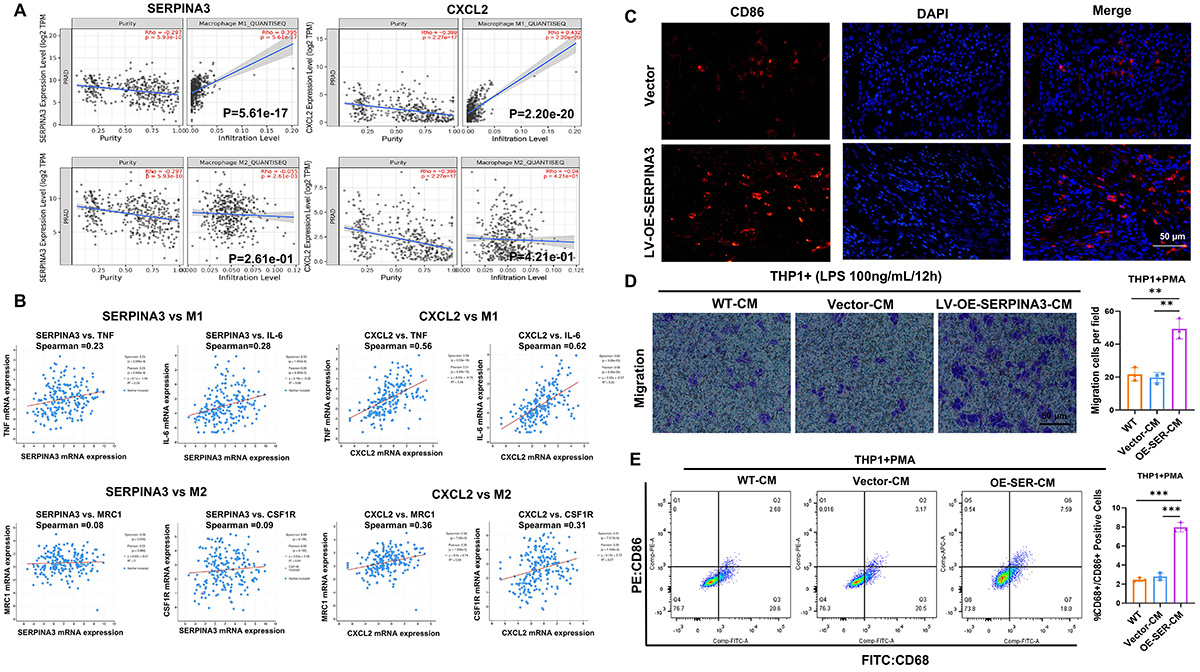
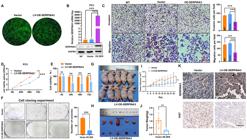
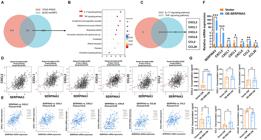
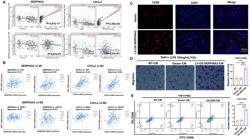
The primary objective of the present study was to identify differentially expressed genes (DEGs) associated with castration-resistant prostate cancer (CRPC) to verify the potential mechanism of CRPC progression. DEGs from CRPC datasets were filtered with a P<0.05 and Spearman correlation coefficient ≥0.3. Serpin peptidase inhibitor, clade A member 3 (SERPINA3), was uniquely present in three CRPC datasets, and its low expression in CRPC was confirmed in cell lines and tissues. Colony formation, transwell assays, and subcutaneous tumor formation experiments in mice demonstrated that overexpression of SERPINA3 may significantly inhibit the proliferation and invasion of PC3 cells. Mechanistic studies revealed that, in prostate cancer (PCa), SERPINA3 can activate the interleukin (IL)-17 and tumor necrosis factor (TNF)α signaling pathways by promoting the expression of CXC chemokine ligand 2 (CXCL2), thereby increasing the recruitment of M1 macrophages into the tumor microenvironment and inhibiting the progression of PCa. The current results indicated that the expression of SERPINA3 may be negatively correlated with CRPC, and it could promote the M1 polarization of macrophages and inhibit the progression of CRPC by increasing the expression of CXCL2.
CRPC; SERPINA3; CXCL2; Macrophage; Tumor microenvironment
 Thumbnail
 Thumbnail
 Thumbnail
 Thumbnail
 Thumbnail
 Thumbnail