 Edible coatings enriched with ultrasound-assisted Arabica coffee pulp nanoextract (Coffea arabica L.) for extending shrimp and strawberry shelf life
Abstract
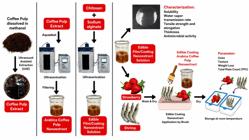
Arabica coffee pulp is known to contain fiber and bioactive compounds that are antimicrobial, so it has the potential to be used in edible film formulations and edible coating applications to increase the shelf life of food products. However, conventional extract incorporation often results in large particle aggregation and reduced functional release. This work aimed to develop and optimize edible film formulations by adding Arabica coffee pulp using Response Surface Methodology (RSM), develop it through ultrasonication to overcome these limitations, and assess its effectiveness on the shelf life of shrimp and strawberries. The concentrations of sodium alginate (ALG) (1% to 2% w/v) and Arabica coffee pulp extract (CPE) (10% to 20% v/v) were considered independent variables. The variable combinations for the optimal response function were 1% (w/v) ALG and 20% (v/v) CPE. The validated optimum formula was further developed using ultrasonication which successfully reduced particle size to 31 nm and significantly improved of the film’s mechanical strength and barrier properties, leading to an increase in tensile strength (TS) by 78% and elongation at break (EAB) by 17.75%, along with decreases in thickness (18.81%), water vapor transmission rate (WVTR) (33.36%), and solubility (10.11%). Furthermore, the nano coffee pulp extract (NCPE) film exhibited higher antimicrobial activity against Escherichia coli and Staphylococcus aureus compared to the coffee pulp extract (CPE) film. Applied as a coating, the NCPE was able to reduce the rate of weight loss in shrimp by 4.01% and strawberries by 11.09%, and significantly suppressed microbial growth, achieving approximately 99% reduction in shrimp, maintaining the texture value of food products, and extending the shelf life of shrimp for 36 hours and strawberries for 5 days at room temperature. Thus, the development of edible film and edible coating through the addition of Arabica coffee pulp nano extract has proven effective in improving physical characteristics and antimicrobial activity.
Keywords:
Edible film; chitosan; sodium alginate; ultrasonication; antimicrobial activity; postharvest quality; active packaging; response surface methodology; nanoparticle
HIGHLIGHTS
Arabica coffee pulp waste was valorized as nano-extract for active edible film and coating
Ultrasound technology created tiny particles for superior microbial kill
Ultrasonication enhanced film structure by promoting phenolic release and improving bioactive compound dispersion
Coating significantly extended shelf life of vannamei shrimp (Whiteleg shrimp) and strawberries
1 Introduction
Food waste has become a global issue, leading to significant economic losses and environmental impacts. Fresh products such as fruits and seafood are particularly susceptible to rapid spoilage due to microbial growth and moisture loss. Therefore, the development of effective and sustainable preservation technologies is essential to reduce postharvest losses. The valorization of agro-industrial by-products has gained increasing attention as part of a circular economy approach. Arabica coffee pulp, a major by-product of coffee processing, is generated in large quantities and often underutilized, posing an environmental challenge. However, it is rich in structural components like lignin (38%), cellulose (28%), and hemicellulose (25%) (Abdillah & Charles, 2021). This residue also contains high crude fiber content and soluble fiber such as pectin, which is capable of forming a gel when dissolved in water (Akhtari et al., 2025). Besides that, Arabica coffee pulp was found to contain high content of antimicrobial bioactive compounds, including 55.56 mg/g of chlorogenic acid (CGA), 47.33 mg QE/g of flavonoids, 47.95 mg TAE/L of tannins, and 20.05 mg GAE/g of total phenolics 9.78% (Santos et al., 2024). In addition, condensed tannins derived from coffee pulp have been reported at 4.5 mg/g of dried coffee pulp (García-Rodríguez et al., 2026). Given this significant fiber and bioactive content, Arabic coffee pulp extract (CPE) remains a valuable material to be explored, particularly through its implementation in active packaging formulations like edible films and coatings.
Edible films and coatings are thin, biodegradable layers used in food packaging to act as gas and water barriers, reduce respiration, and inhibit volatile compound release (Khalid et al., 2022). Incorporating antimicrobial compounds into these layers minimizes contamination by pathogenic and spoilage microbes and improves the film's physical characteristics. This study utilizes chitosan and sodium alginate, which were selected based on preliminary research showing their superior physical characteristics compared to other non-starch polysaccharides (carrageenan). While chitosan is highly favoured for its strong antimicrobial activity, biodegradability, and non-toxicity, it exhibits low resistance to water vapour when used alone (Muñoz-Tebar et al., 2023). Therefore, sodium alginate is added as a copolymer. Interaction between the amine groups in chitosan and the carboxylic groups in alginate forms an insoluble polymer, thereby significantly increasing its resistance to water vapour (Nair et al., 2020). In this study, chitosan serves as the main polymer, while sodium alginate acts as a copolymer whose concentration will be optimized alongside the CPE.
Despite their development, edible coatings still face several limitations, including poor gas and water vapour barrier properties, sensory issues, lack of mechanical stability, and low stability of active compounds (Antonino et al., 2024; Duguma, 2022; Moradinezhad et al., 2025). To overcome these problems and enhance product shelf life, a nanotechnology approach using nanoparticles has been proposed. Studies have demonstrated that edible coatings utilizing nanoparticles, such as pomegranate peel extract nanoparticles or clove nanoextract, can significantly increase antimicrobial activity, suppress microbial growth, and successfully extend the shelf life of various food products (Rahnemoon et al., 2021; Lv et al., 2023). The best edible film formula resulting from optimization will undergo further development using ultrasound technology and the addition of nano extracts. This development is essential because film-forming solutions composed of heterogeneous materials often exhibit poor homogeneity, which reduces the film's mechanical properties. Ultrasound technology is commonly used to overcome this problem by increasing the compatibility between different materials, resulting in stable and homogeneous films and coatings (Wang et al., 2020). Furthermore, using extracts in nano form enables them to completely damage and penetrate the bacterial cytoplasmic membrane, thereby significantly enhancing antimicrobial activity. This approach builds upon previous studies that have shown edible films containing coffee skin extract are effective in inhibiting microbial growth and producing thin, elastic films (Suriati et al., 2023).
Although several studies related to edible films using coffee pulp extract have been conducted, these studies remain limited to conventional methods. Coffee pulp contains significant amounts of polyphenolic compounds that can be effectively released and reduced in size. This targeted application introduces a novel pathway for integrating coffee pulp nanoextract into biopolymer based films, thereby combining waste valorization with functional material development. So far, no previous study has combined Response Surface Methodology (RSM)-optimized of chitosan-alginate film formulation with ultrasound-assisted coffee pulp nanoextract, followed by a comprehensive dual-commodity application on shrimp and strawberries. Therefore, this study aimed to develop and optimize chitosan-alginate films enriched with ultrasound-assisted coffee pulp nanoextract using RSM, and to evaluate their physicochemical properties (thickness, solubility, water vapor transmission rate (WVTR), tensile strength (TS), and elongation at break (EAB)), antimicrobial activity, and application performance on shrimp and strawberries, including colour, weight loss, texture, Total Plate Count (TPC), and shelf life. It was hypothesized that ultrasonication of coffee pulp extract would reduce particle size and enhance the dispersion of bioactive compounds within the film matrix, thereby improving the mechanical and barrier properties, antimicrobial activity, and extending the shelf life of shrimp and strawberries.
2 Experimental
2.1 Materials and chemicals
Dried Arabica coffee pulp (Coffea arabica L.) was obtained from a local coffee production in Malang, Indonesia. Methanol was provided by SMART-LAB (A1056, 67-65-1). Sodium Alginate (ALG) (W201502, 9005-38-3), Chitosan (CHI) (900344, molecular weight: 100 kDa, degree of deacetylation 95%), Glycerol (G9012, 56-81-5), and Glacial Acetic Acid (A6283, 64-19-7) were all purchased from Sigma-Aldrich. Muller Hinton Agar (1.05437.0500), Nutrient Agar (1.05450.0500), and Nutrient Broth (1.05443.0500) were obtained from Merck. The bacterial strains used were Escherichia coli FNCC-0091 (Gram-negative) and Staphylococcus aureus ATCC-BAA976 (Gram-positive), which were acquired from the stock culture collection in AGAVI Lab. Silica gel and deionized water (aquades) from Supelco. Strawberries were directly harvested from a local strawberry farm located in Batu, Indonesia. Whiteleg shrimp (Litopenaeus vannamei) were brought from a local market in Malang, Indonesia. Both food samples were transported to the Food Microbiology Laboratory at Universitas Brawijaya in a fresh condition and free from physical damage. They were sorted for uniform size and washed using sterilized water.
2.2 Arabica coffee pulp extraction (Ultrasound Assisted Extraction/UAE)
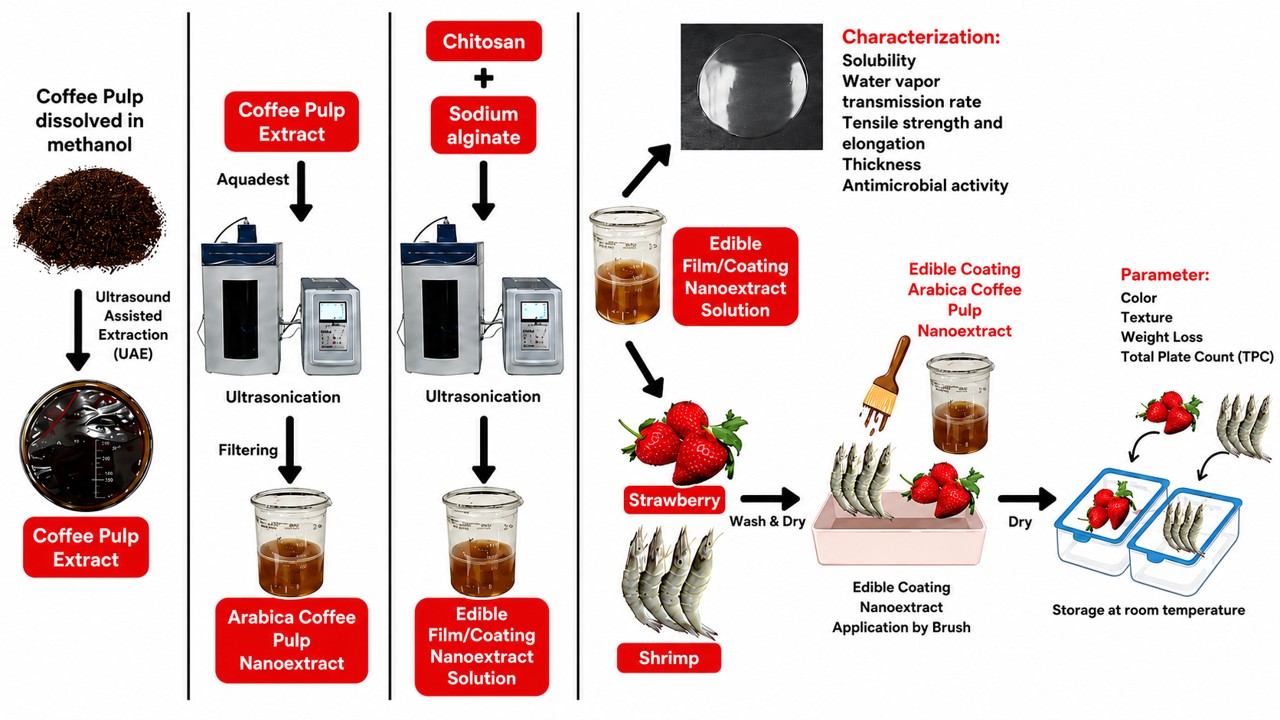
Arabica coffee pulp (CP) was extracted according to the preliminary research with slight modifications. CP was ground using a grinder (FOMAC FGD-Z500) and then sieved through an 80-mesh sieve to obtain a fine powder. Briefly, CP was extracted using a methanol ratio of 1:10 (w/v), then sonicated using an ultrasound probe (BIOBASE) (86% power rate) for 16 minutes. The liquid extracts were subsequently separated by filtration through Whatman No. 1 filter paper. The solvent was removed, and the extract was evaporated using a rotary evaporator (IKA RV10) at 40 °C, 60 rpm. The thick extract (CPE) was then dried at 40 °C using a dehydrator (KRIS) to ensure complete solvent evaporation until a constant weight was achieved.
2.3 Preparation of edible film and coating
Edible films were prepared by combining ALG, CHI, and CPE; the procedure was adapted from with modifications (Such et al., 2023). 2% (w/v) CHI was dissolved in 100 mL 2% acetic acid solution, then homogenized using a magnetic stirrer for 2 hours at room temperature. In a separate beaker, ALG was dissolved in 100 mL aquades, according to the experimental concentration variations. This solution was homogenized at 75 °C until complete gelatinization was achieved. CPE 50% was prepared by resuspending the CPE with deionized water at a 1:1 ratio. This concentration was selected based on a preliminary study, which demonstrated optimal antimicrobial activity against E. coli, S. aureus, and Candida albicans. The nano coffee pulp extract (NCPE) was conducted by sonicated the CPE 50% using an ultrasound probe (86% power rate, 32 minutes). The resulting N-CPE was then sequentially filtered using Whatman No. 2, Whatman No. 5, and a 0.22 µm syringe filter. CHI and ALG solutions were also individually sonicated using the same probe unit (86% power rate, 64 minutes). The final film-forming solution was prepared by mixing ALG and CHI solutions at a 0.25:1 ratio, then glycerol was added as a plasticizer (30%, w/w), and CPE/NCPE was added (according to the concentration variations). The mixtures were stirred for 30 minutes to obtain a homogeneous solution. The finished film-forming solution (35 mL) was cooled to room temperature, then cast onto circular silicone molds (10 cm diameter) and spread evenly with a spatula. They were dried using a dehydrator at 40 °C for 24 hours.
2.4 Experimental design and optimization
The RSM was used to generate and analyze the experimental design and regression model with the help of Design Expert 13.0.5.0. Central Composite Design (CCD) was utilized to determine the optimum formula of two independent variables: X1 (ALG,%) and X2 (CPE,%). The concentration of CHI was fixed at 2% (w/v) based on preliminary studies, demonstrating its optimal film-forming. Therefore, only ALG and CPE were selected as independent variables to simplify the experimental model and to evaluate their interaction effects. The minimum (1%) and maximum concentrations (2%) for ALG were selected according to the previous study, Orhotohwo et al. (2025), while the CPE concentration, the minimum (10%) and maximum (20%) concentrations were determined based on preliminary research. The responses function (Y) measured were water solubility (Y1), water vapor transmission rate (Y2), tensile strength (Y3), elongation (Y4), and thickness (Y5).
2.5 Coating application on the surfaces of shrimp and strawberries
The sorted strawberries and shrimp were rinsed with sterilized deionized water, then pre-treated by immersion in a CaCl2 solution for 5 minutes. Samples without coating treatment were assigned as the control. The coating was applied onto the surface of both samples using a brushing technique, then dried at room temperature for 1 hour to remove the excess coating (kept under a UV lamp to prevent microbial contamination). Both samples were packed in polyethylene terephthalate (PET) clamshell containers and stored at room temperature (28 °C ± 5 °C).
2.6 Characterization of edible film
2.6.1 Film thickness
The film thickness was measured with a digital caliper at a precision of 0.01 mm. Measurements were taken at five distinct spots across the film’s surface with uniform thickness and a smooth surface. The thickness value was reported as the average of five measurements, referencing the method of Zhang et al. (2023).
2.6.2 Mechanical properties
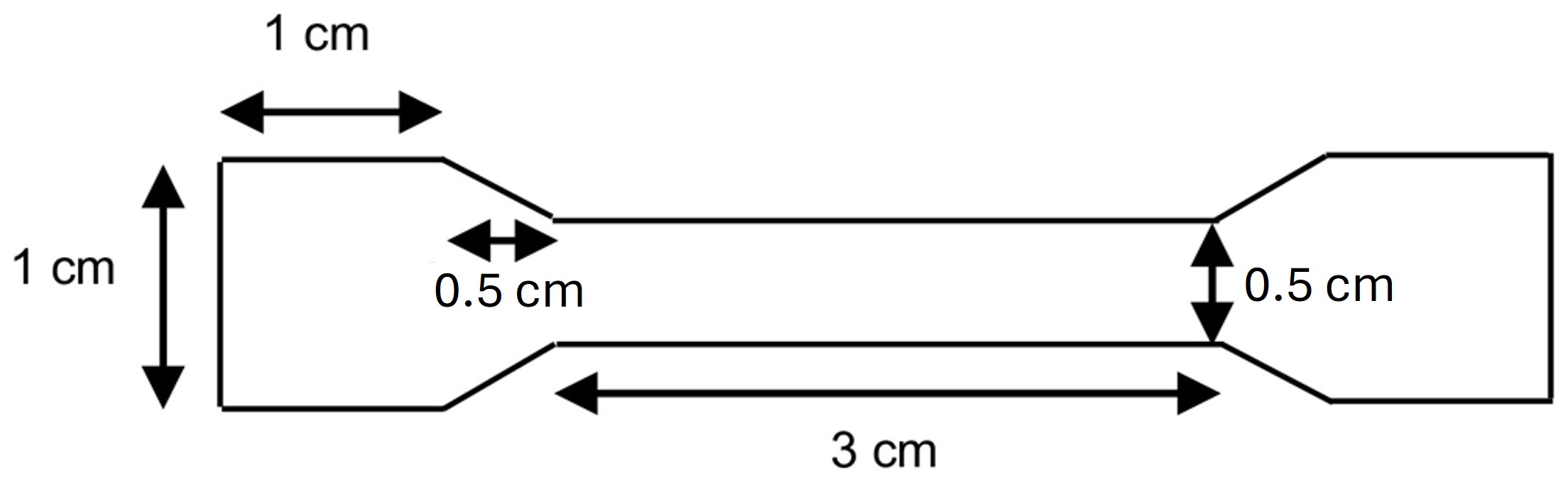
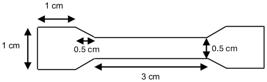
The tensile strength (TS) and elongation at break (EAB) were determined using a Universal Testing Analyzer (IMADA). The samples were cut into a specific dumbbell shape, as illustrated in Figure 1. Each sample was secured onto the instrument’s probe with the initial grip separation set at 60 mm at a speed of 1 mm/s. Mechanical properties were measured in triplicate for each formulation, under controlled environmental conditions (RH 50%, 25 °C).
2.6.3 Water solubility and water vapor transmission rate (WVTR)
The water solubility of the film was determined by a gravimetric method based on the previous study (Abdillah & Charles, 2021). Films were cut to a length of 30 mm and a width of 10 mm, then dried for 24h at a temperature of 105 °C. The dry weight of the film was recorded as the initial dry weight (W0). The film was immersed in 50 mL of deionized water for 24h at room temperature and then filtered using Whatman No. 40. The undissolved film residue on the filter paper was subsequently dried at 105 °C for 24h. The final weight of the dried residue was recorded as W1. The percentage of film solubility (%) was calculated using the following Equation 1:
where: W0 represents the initial dry weight of the sample (g), and W1 represents the final weight of film residue after immersion (g).
The film’s water vapor transmission rate (WVTR) was determined using a modified gravimetric method based on ASTM E-96 (American Society for Testing and Materials, 2017). A 50 mL polypropylene Falcon tube was filled with 30 grams of dried silica gel. The films, measuring 50 mm × 50 mm, were then sealed tightly using a rubber band to ensure full coverage of the tube mouth. The tubes were then placed inside a desiccator loaded with a saturated NaCl solution to maintain a controlled environment of 75% relative humidity (RH). The weight of the tubes was measured every 30 minutes for 8h. The WVTR was calculated using the following Equation 2:
where: g represents the weight change (mass gain) of the silica gel in grams, A represents the exposed surface area of the film contact on the tube (m2), and t represents the storage time interval (Togas et al., 2017).
2.7 Antimicrobial activity
The antimicrobial activity of the film was evaluated using the Kirby-Bauer disc diffusion method (Semeniuc et al., 2017). The test bacteria used in this study were E. coli (Gram-negative) and S. aureus (Gram-positive). A sterile cotton swab was immersed in the microbial suspension for 5 seconds, and excess liquid was removed by pressing the cotton against the side of the tube. The swab was then streaked evenly across the entire surface of the Mueller Hinton Agar (MHA) and allowed to dry. The films were cut into 6 mm diameter, sterile paper discs were loaded with 20 µL Chloramphenicol (positive control) and deionized water (negative control). All test samples were placed onto the MHA using sterile tweezers. The petri dishes were incubated at 37 °C for 10-12h. The diameter of the inhibition zone (clear zone around the film and paper disc) was measured using a digital caliper and reported in millimeters (mm).
2.8 Effect of edible coating application based on the physicochemical analysis
2.8.1 Surface colour
The colour properties of the food samples were measured using a colour reader. This instrument operates based on the Beer-Lambert Law, using the absolute L*, a*, b*. The colour parameters recorded as L* (lightness), a* (red-green), b* (yellow-blue). Measurements were taken at five distinct spots across the surface of each food sample.
2.8.2 Texture: puncture testing
The texture of the food samples was determined using a Universal Tester Analyzer (IMADA) (De Bruno et al., 2023). A cylindrical flat probe with a 5 mm diameter was used in this test. To determine the hardness, the probe was penetrated the samples (samples were positioned perpendicular to the probe). This testing was carried out with three replicates for each sample type.
2.8.3 Weight loss percentage
The weight loss of the sample during storage was determined by calculating the percentage of total mass loss of the initial sample weight. The measurement was performed with three replicates, and the result was calculated using the following Formula 3:
where: W initial represents the initial weight of the sample (g) and W final represents the final weight of the sample after the storage period (Khodaei et al., 2021).
2.8.4 Total plate count
The total microorganism count of the sample was evaluated using the total plate count (TPC) method. The food samples were mashed with peptone solution at a 1:10 ratio (w/v) using a stomacher for 2 minutes to homogenize the mixture. The suspension was inoculated onto Plate Count Agar (PCA) using the spread plate method, then incubated for 48h at 37 °C. Microbial colonies were counted using a colony counter, and all counts were expressed as log CFU/mL.
2.9 Statistical analysis
RSM and model development were conducted using Design Expert 13.0.5.0. Subsequently, Analysis of Variance (ANOVA) for the experimental data, including film properties and food application, was performed using Minitab 19. A model was considered accurate if it met the following criteria: significant response model (p < 0.05), non-significant lack of fit (p > 0.05), maximum difference between adjusted R2 and predicted R2 less than 0.2, and adequate precision greater than 0.4. The optimal formulation was selected based on high TS, EAB, and low solubility, WVTR. The software generated a new optimal formula, characterized by the highest desirability score. The recommended formula was then verified to validate the accuracy of the predicted response (T-test using Minitab 19).
3 Results and discussion
3.1 Experimental design and optimization
The measured values for the responses, including Y1 = solubility; Y2 = water vapor transmission rate (WVTR); Y3 = tensile strength (TS); Y4 = elongation at break (EAB); Y5 = thickness across the various edible film formulations are shown in Table 1. The results of the ANOVA, presented in Table 2, indicated that all selected models were statistically significant (p < 0.05). The models were recommended by the software based on the highest R2 value: linear for thickness; quadratic for elongation; and 2FI for tensile strength, WVTR, and solubility. These high R2 values demonstrate that the chosen models offer an acceptable fit to the experimental data and are reliable for predicting the trend of the responses under the experimental conditions.
Experimental design showing the measured mechanical properties of the edible film with X1 (sodium alginate, % w/v) and X2 (CPE, % v/v) as variables.
Based on the models recommended by Design Expert (Table 2), all responses showed statistically significant models, evidenced by a p-value less than 0.05 and a non-significant lack of fit (p > 0.05). A non-significant lack of fit confirms that the recommended model is well-fitted and appropriate for predicting the response (Greenland et al., 2016). The experimental ranges of each response, along with the corresponding RSM model equations, are summarized in Table 3.
3.1.1 Thickness
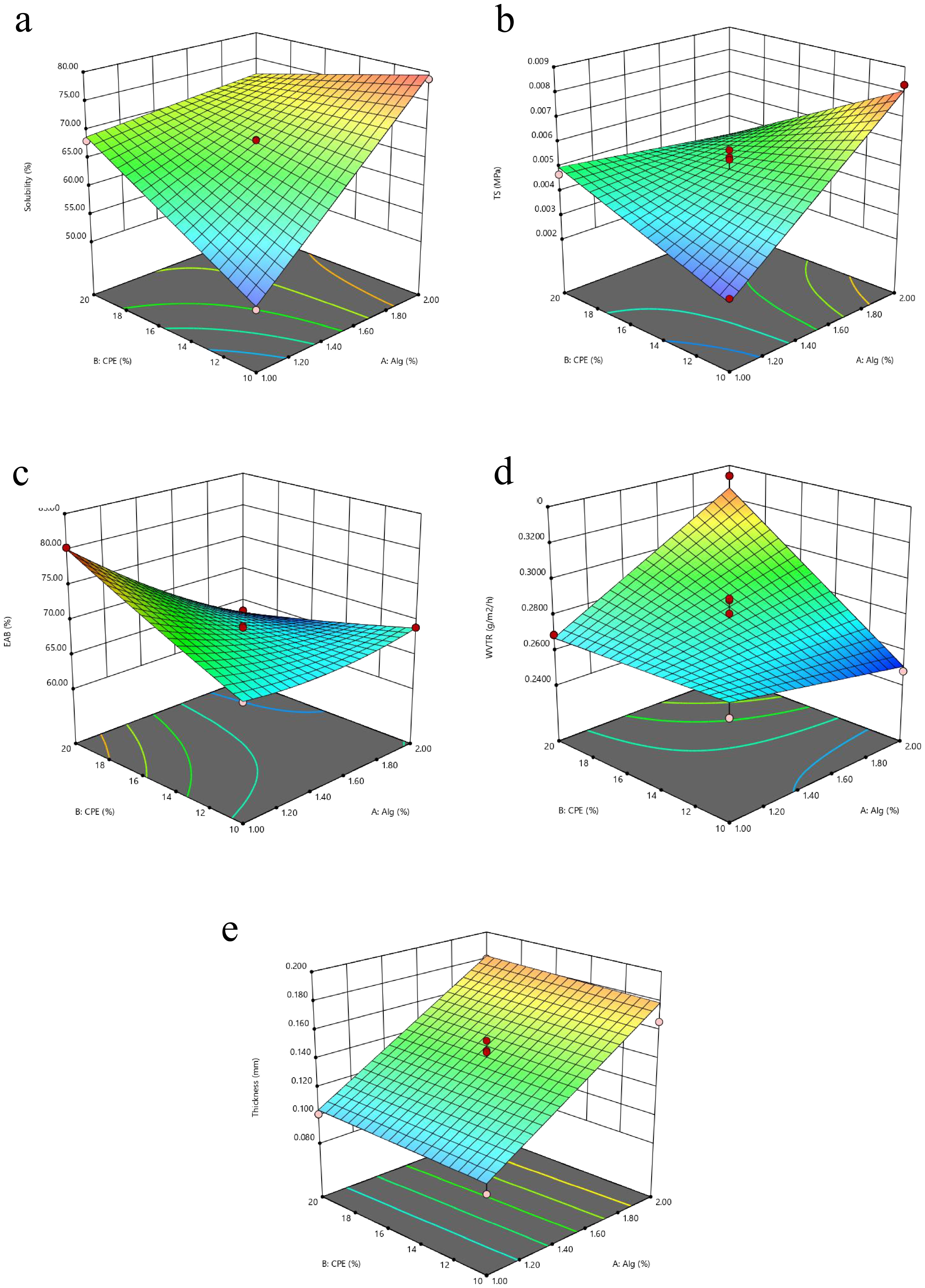
Thickness is a crucial factor of edible films, significantly influencing the shelf life of food products. According to the Japanese Industrial Standard (JIS), the ideal thickness for edible film is ≤ 0.25 mm. The response model analysis shown in Table 2 indicates that both of the variables significantly affect film thickness (p < 0.05), and the interaction is best described by a linear model. The observed film thickness for all formulations in this study ranged from 0.082 mm to 0.196 mm. The contour surface plot for the thickness response, illustrated in Figure 2, presents a 3D view of the interaction between the independent variables. Figure 2e demonstrates that increasing the concentration of both alginate and CPE directly correlates with an increase in film thickness. The primary mechanism is due to sodium alginate’s role as a polysaccharide. Thus, an increase in its concentration leads to higher solution viscosity, so the film thickness increases. Similar findings confirm that the concentration of dissolved solids in the film solution is a key factor affecting thickness. Higher concentrations of alginate result in a more viscous solution and, subsequently, a thicker film (Tan et al., 2024).
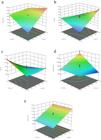
Contour surface plot (3D) for responses. (a) Solubility; (b) TS; (c) EAB; (d) WVTR; (e) Thickness.
3.1.2 Tensile strength (TS) and elongation at break (EAB)
The composition of the edible film is closely related to TS and EAB. TS is defined as the maximum stress that a material can withstand when subjected to tension or strain before breaking, while EAB represents the percentage of maximum change in the edible film’s length when stretched before the film breaks. The response model analysis shown in Table 2 indicates that the interaction between alginate and CPE significantly affects TS. An increase in sodium alginate concentration directly correlates with an increase in TS. This phenomenon is attributed to the increasing bonding between monomers, leading to the formation of a denser and more compact film matrix. Consequently, a greater force is required to break the film (Tan et al., 2024). The contour surface plot shown in Figure 2b also shows that the TS increases with the increasing concentration of sodium alginate, but decreases with the increasing concentration of CPE. In the present study, the addition of polyphenolic extract tended to increase the TS. This enhancement is likely due to the strengthened intermolecular hydrogen bonding between the polymers (Pan et al., 2025). However, the effect of CPE on TS depended on its concentration and formulation conditions, where lower concentrations improve the film structure, while excessive addition may disrupt the polymer matrix, leading to reduced TS. In this study, at the concentrations applied, the concentration of CPE may be attributed to differences in the formulation composition, particularly the ratio between CPE and sodium alginate and the incorporation method. This finding supports the hypothesis that at those concentrations used in our study, the CPE may form aggregates, which prevents the uniform integration of the active compounds, thus weakening the matrix and decreasing the intermolecular interactions (Lopez-Polo et al., 2024). Based on the analysis generated by the program, the best-fit model suggested for this response was the Two-Factor Interaction (2FI). Although the experimental design supported a quadratic model, the ANOVA results indicated that the quadratic component was not statistically significant, making the 2FI model more suitable.
Based on the response model analysis shown in Table 2, both variables significantly affect EAB (p < 0.05). The quadratic model suggested by the program indicates that the elongation response is influenced by the concentration of alginate, CPE and the interaction between them. The contour surface plot (Figure 2c) shows that the addition of alginate has an inverse correlation with EAB, but a direct correlation with the CPE. The brittle characteristic of sodium alginate films is attributed to their molecular structure, which is composed of long chains of mannuronate (M) and guluronate (G) blocks. This M/G block pattern forms a rigid and less flexible film matrix, consequently leading to lower elongation values. The addition of CPE also influences elongation, at a certain concentration, the extract’s polyphenol has been shown to enhance the EAB value. This enhancement is due to the hydrogen bonds formed between the amino groups of chitosan and the polyphenol compounds within the extract (Flórez et al., 2022).
3.1.3 Water solubility and water vapour transmission rate (WVTR)
Solubility describes a material's capacity to dissolve in water, and is closely related to its hydrophilic nature. Edible films made from polysaccharides generally exhibit high solubility values due to their hydrophilicity. The response model analysis presented in Table 2 shows that both variables significantly affect the solubility and WVTR. The contour surface plot (Figures 2a and 2d) demonstrates that increasing the concentrations of both alginate and CPE, directly correlates with a simultaneous increase in solubility and WVTR. Generally, an increase in polysaccharide concentration in the solution should reduce the solubility and WVTR of the edible film. This is because increasing the dissolved solids should enhance the film matrix density, thereby reducing both values. However, the observed phenomenon of increased solubility in this study may be attributed to the high affinity of the solution, which is driven by the hydrophilic nature of the film matrix components such as chitosan, sodium alginate, and CPE (Herrera-Vazquez et al., 2022). Furthermore, increasing the alginate concentration in the formula can increase the number of water-conjugated hydrogen bonds formed between the film components and sodium alginate. This structural modification facilitates water diffusion and vapor transmission, thereby increasing both solubility and WVTR. Additionally, the thickness of the edible film directly affects the WVTR, a thicker edible film results in a lower water vapor transmission rate because the matrix is denser. Despite this expectation, similar findings were reported that this phenomenon may indicate that the ratio and combination of components in the formulation is unbalanced, resulting in a low water vapor barrier capability (Chen et al., 2022).
3.1.4 Optimal formulation and validation
The optimal edible film formula was determined by optimizing the alginate and CPE concentrations against the defined responses. The Response Surface Methodology (RSM) CCD, executed via the Design Expert 13.0, was utilized for this formula optimization. The program recommended a total of four best formula solutions, and one specific formula was selected for validation based on the highest desirability, which was performed in triplicate. Based on the analysis of factor responses, the best formula within the given factor ranges was 1% (w/v) alginate and 20% (v/v) CPE, with a desirability value of 0.654 (65.4%). The T-test between the predicted and actual values for all responses concluded that the p-value was 0.185 (> 0.05), indicating that the actual data did not significantly differ from the predicted data (Table 4). Therefore, it is concluded that the optimization targets determined by the program were confirmed by the actual validation results.
3.2 Nano Coffee Pulp Extract (NCPE) edible film
In the development of active packaging, such as edible films, nanotechnology has been widely employed to enhance the film’s physical properties and its functional activity, including antimicrobial and antioxidant properties (Zhao et al., 2023). In this study, the best formula was further developed using nanotechnology, using ultrasonication, and characterized by the same five responses: thickness, elongation, tensile strength, water vapor transmission rate, and solubility (Table 5). Based on Table 5, the edible film with the addition of NCPE and treated with ultrasonication resulted in a decrease in thickness, WVTR, and solubility, but an increase in TS and EAB. Ultrasonic waves are commonly utilized in food processing to improve physical and functional characteristics through cavitation energy. The waves break down particles, causing the old macrostructure to disintegrate and form a new matrix with the aid of cavitation bubbles. The cavitation bubbles rapidly expand and collapse, generating intense shear force, high pressure, and an extreme local temperature increase that can alter particle structure and break up aggregates within the sample (Prempeh et al., 2025). In this process, ultrasonic waves assist in the breakdown and rearrangement of molecular structures, as well as the enhancement of non-covalent bonds (hydrogen and electrostatic) between molecules. This leads to the formation of a film with a denser and more compact composition. Furthermore, these waves improve solution homogeneity by intensifying the destruction mechanism of incompletely dissolved molecules. This mechanism successfully explains the observed increase in tensile strength and EAB, and the decrease in thickness, WVTR, and solubility (Keawpeng et al., 2022).
Comparison of edible film characteristics with coffee pulp extract (CPE) and nano coffee pulp extract (NCPE) film.
As shown in Table 6, the thickness of the NCPE film was comparable to some reported values, but higher than others. This variation may be attributed to the incorporation of coffee pulp nanoextract, which increases the total solid content, resulting in a thicker film structure. TS of the NCPE film was significantly lower than those reported in previous studies, indicating weaker mechanical strength. However, the EAB was substantially higher compared to literature values, suggesting a more flexible and extensible film structure. Compared to other films, the NCPE film in this study exhibited a highly flexible but mechanically weak structure, indicating a dominance of plasticization effects over reinforcement mechanism. Furthermore, the solubility of the NCPE film was higher than some reported values, but remained below highly soluble systems, indicating moderate water sensitivity. Overall, compared to previously reported chitosan-alginate films containing plant extracts, the incorporation of ultrasonication in this study shifts the film characteristics from a rigid toward a more flexible and moisture-permeable structure.
3.3 Antimicrobial activity
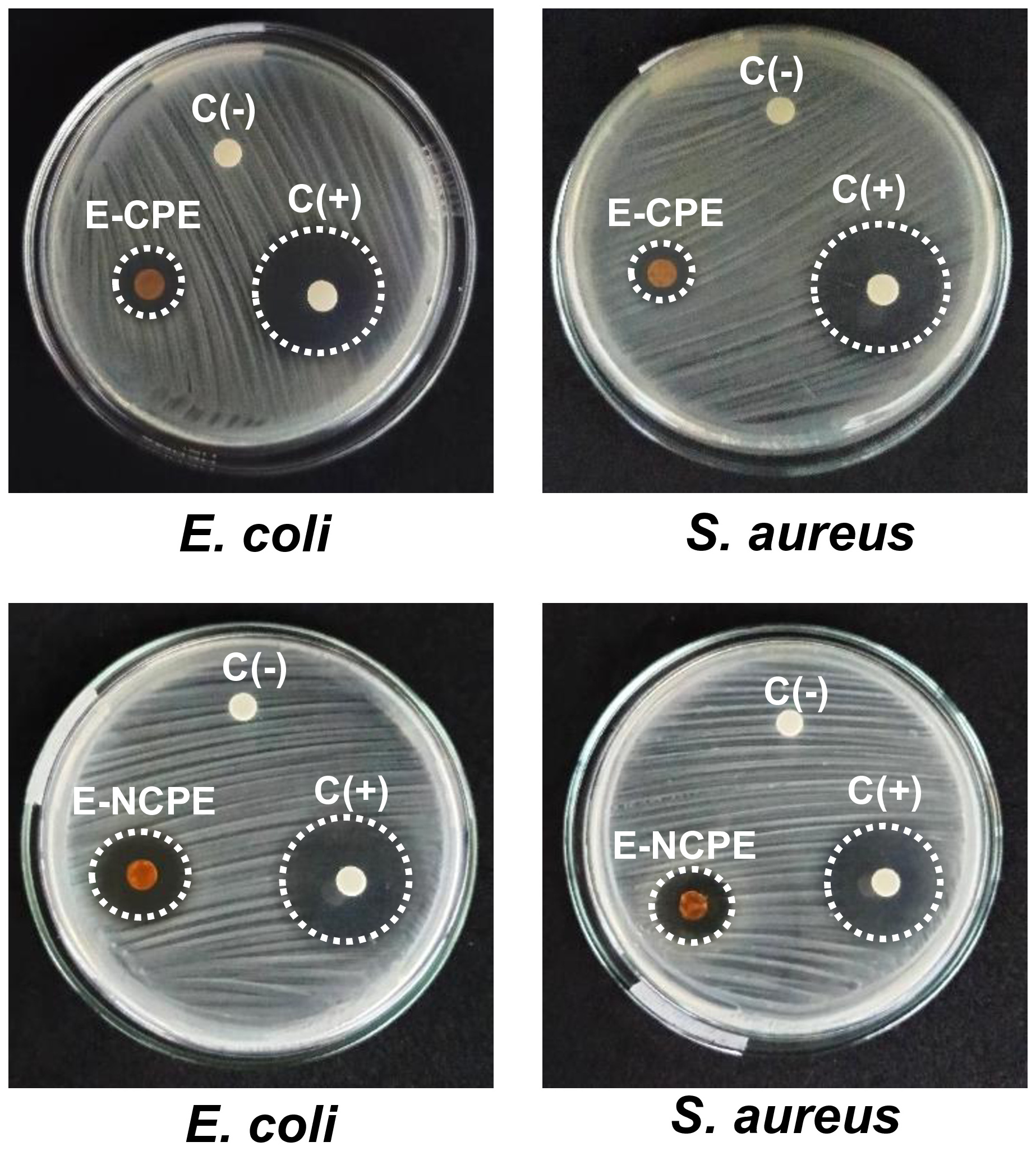
The antimicrobial activity of the NCPE was tested to determine its effectiveness in inhibiting the growth of bacteria, specifically E. coli and S. aureus (Figure 3). The antimicrobial assay was performed using the disc diffusion method, with chloramphenicol as the positive control and distilled water as the negative control. The results showed that NCPE was effective in inhibiting both E. coli and S. aureus, with inhibition zone diameters of 21.82 ± 0.83 mm and 24.82 ± 0.25 mm, respectively. For comparison, the results for the CPE were obtained from a preliminary study, with inhibition zones of 18.00 ± 0.50 mm for E. coli and 14.50 ± 0.50 mm for S. aureus. The nano fabrication of CPE significantly enhanced the diameter of the inhibition zone (p < 0.05). The film testing results (Table 7 and Figure 3) showed that the NCPE film exhibited a larger inhibition zone diameter compared to the CPE film. A similar finding was reported, where ultrasonication of edible films proved effective in improving the antimicrobial activity against Campylobacter jejuni, Escherichia coli, and Pseudomonas aeruginosa (Keawpeng et al., 2022).
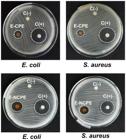
The applied ultrasonic waves are capable of breaking down particles, disrupting the film structure, and increasing the release of bioactive compounds like polyphenols. Furthermore, the micro-cavitation within the film caused by the ultrasonic waves can entrap the extract into the polymer pores, thereby boosting the antimicrobial activity. Several previous studies have established that the use of nanotechnology enhances antimicrobial activity because the small and specific particle size allows for complete penetration to the bacterial cytoplasmic membrane (Akhtari et al., 2025). Nano-fabricated particles are more effective at inhibiting microbes due to their larger surface area (Naqvi et al., 2019). This phenomena due to the characteristic of the E. coli is a Gram-negative bacterium, which have more complex cell wall structure and an outer membrane containing lipopolysaccharides, which make it more selective and resistant to foreign substance penetration compared to the Gram-positive S. aureus.
3.4 Particle size
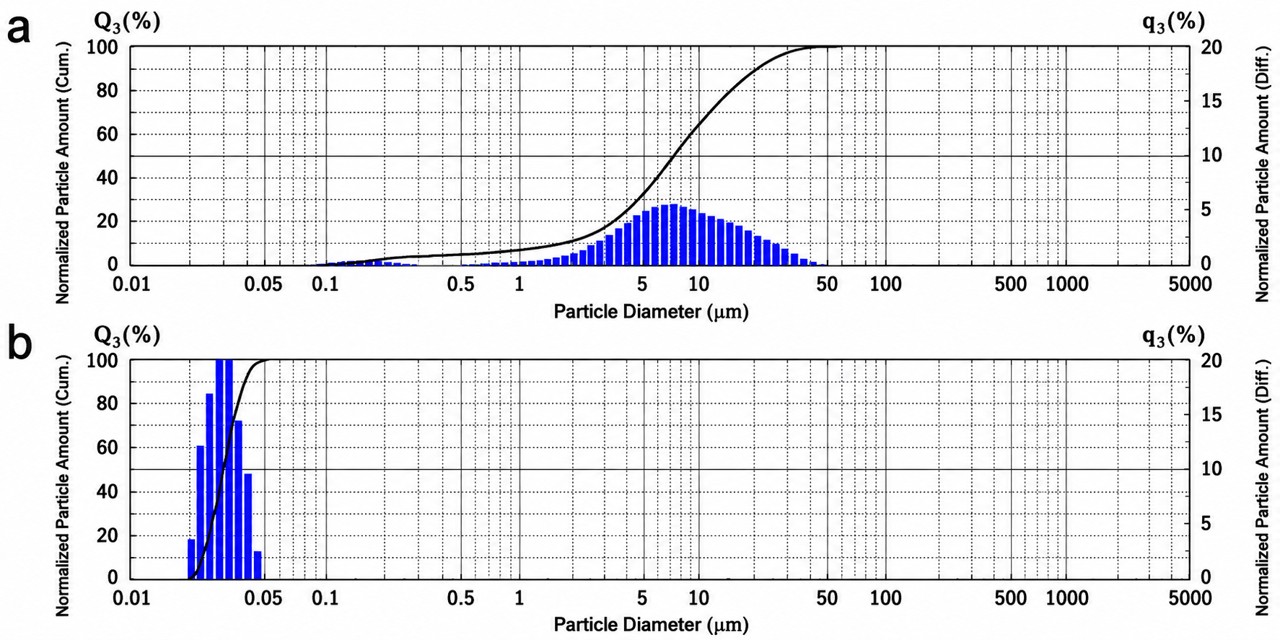
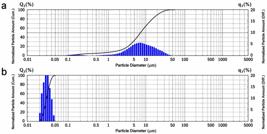
Particle size measurement is an essential parameter for determining the encapsulation efficiency and the release of active compounds. Furthermore, an uniform size distribution is also crucial for determining the homogeneity of molecular size (Akhtari et al., 2025). The cumulative NCPE curve in Figure 4 exhibits a sharp peak, indicating that the particle distribution is homogeneous. The mode, which represents the most dominant particle size in the extract, was 0.032 µm, while the mean, representing the overall average particle size in the sample, was 0.031 µm (31 nm). Therefore, it can be concluded that the ultrasonic waves were effective in breaking down primary particles and aggregates, resulting in a particle size reduction up to 99.99% (from the previous size of 5.820 µm). This small size facilitates the complete penetration of particles into bacterial cells, thereby enhancing the antimicrobial activity.
3.5 Application on food products: strawberries and white shrimp
3.5.1 Colour
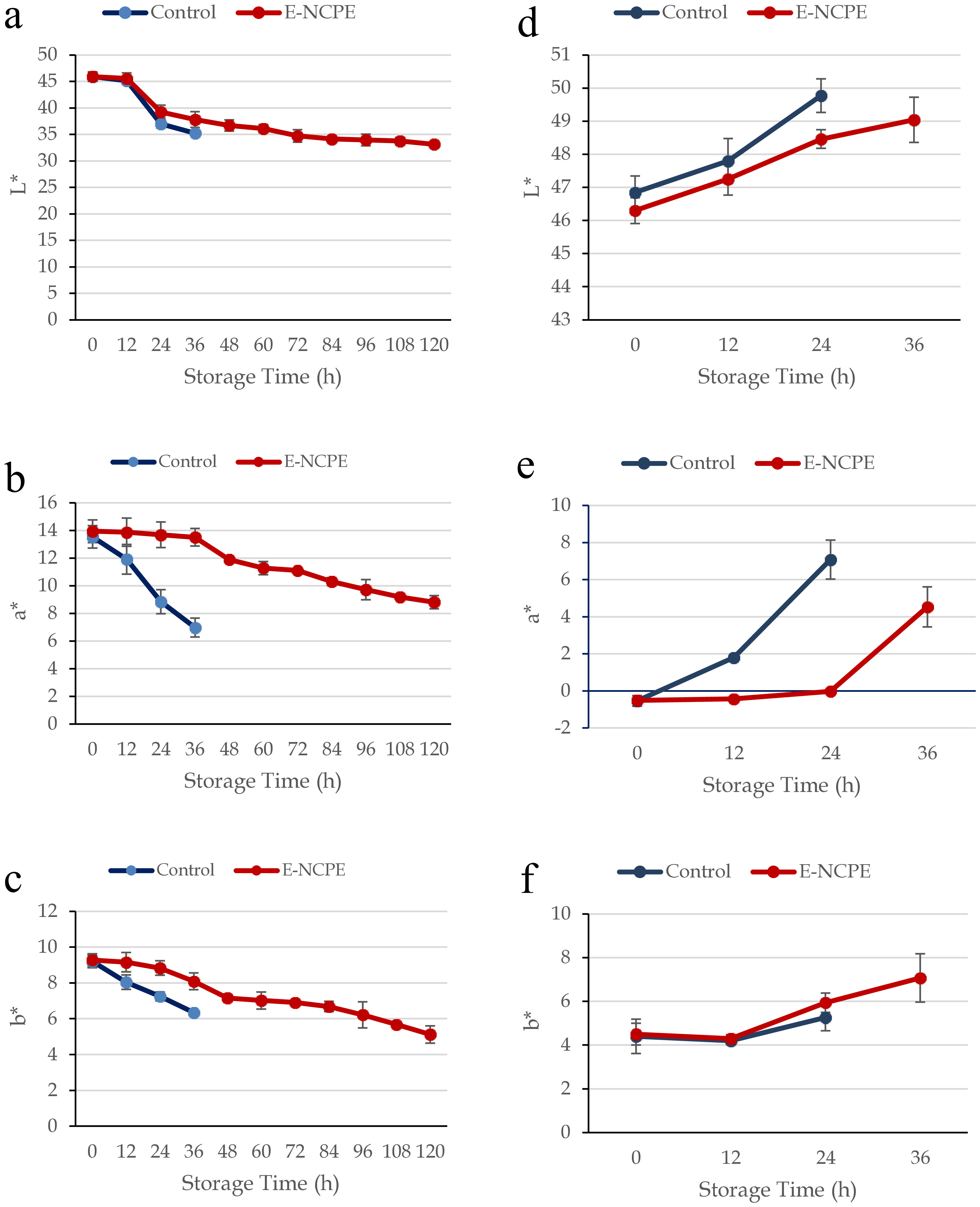
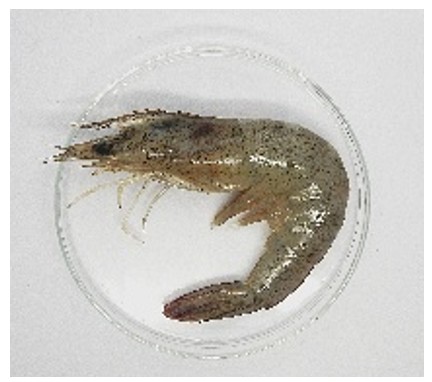
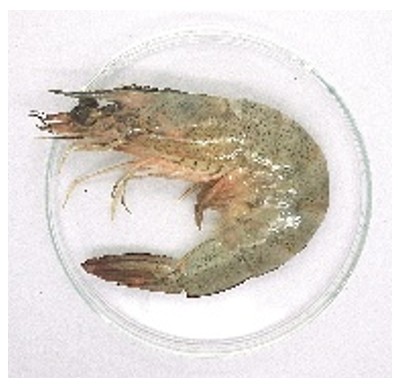
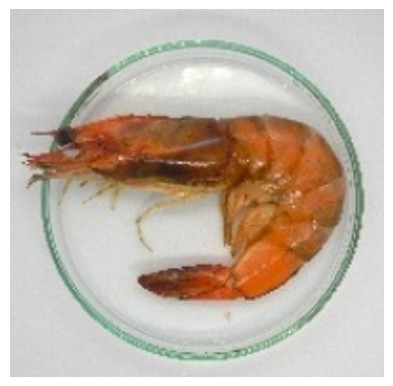
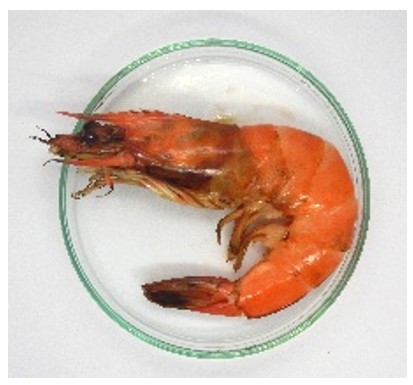
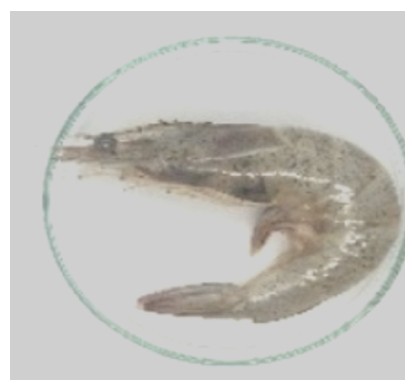
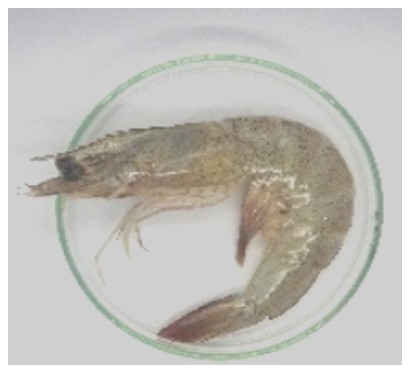
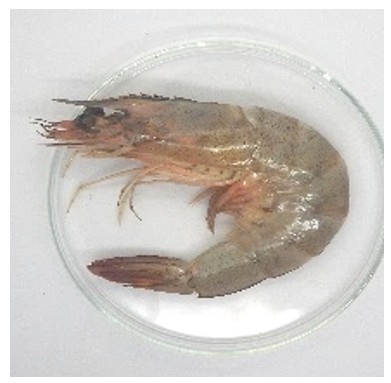
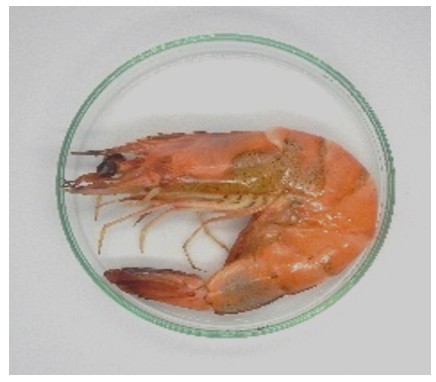
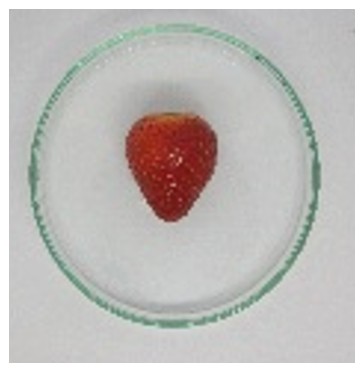
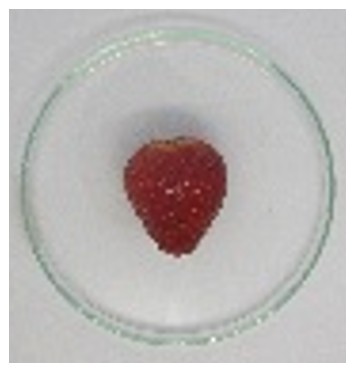
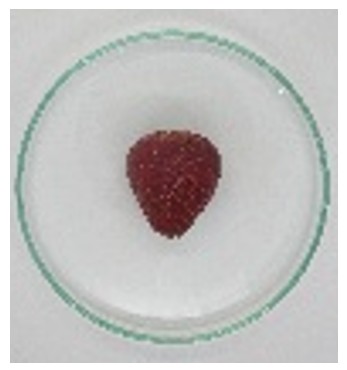
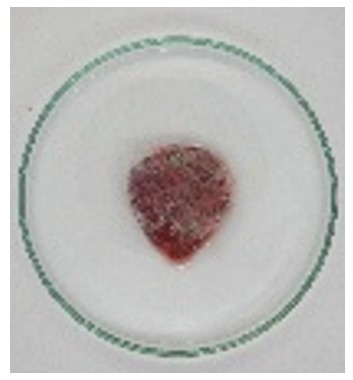
Color is a critical parameter for assessing the quality of food products. The spoilage is often marked by melanosis in shrimp or rapid color loss in strawberries. The results demonstrated that NCPE coating was effective in maintaining brightness (L*) in shrimp compared to the control (Table 8 and Figure 5d-f). This protective effect, also reflected in the a* value, indicated that the coating successfully inhibited oxidation and minimized protein denaturation, which causes astaxanthin pigment release. The oxidation of unsaturated fats in shrimp produces compounds such as aldehydes, ketones, secondary pigments, and damages astaxanthin so that the shrimp color intensity decreases and the L* value increases (Li et al., 2024). Similarly, for strawberries (Table 9), the NCPE coating effectively maintained a stable L* from 24 to 120 h. While control strawberries showed a drastic decrease in the a* value within 12 hours, the NCPE coating samples exhibited a significantly more stable and gradual decrease thereafter (p < 0.05). The enhanced stability of the a* and b* values confirmed that the NCPE coating preserved the external quality of both fresh products.
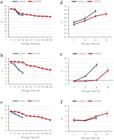
Colour properties (L*, a*, b*) changes during storage at 25 ± 5 °C of untreated control and edible coating nanoextract (NCPE coating) on (a-c) strawberries and (d-f) vannamei shrimp.
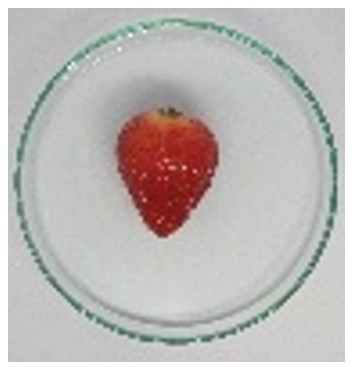
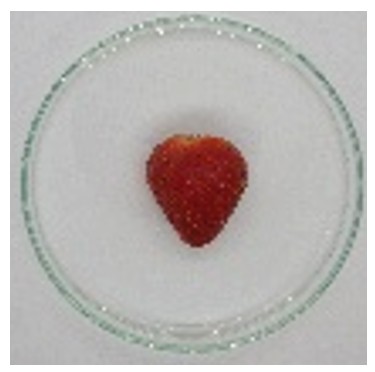
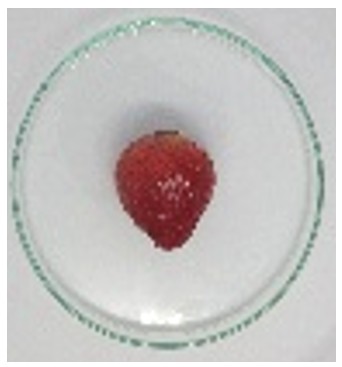
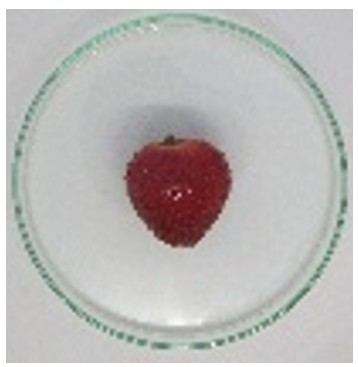
Effect of edible coating on strawberries appearance during storage at 25 °C ± 5 °C, 36 hours.
In a similar study, the L* value of strawberries was not affected by the coating layer. However, changes in the L* value can be related to environmental contamination, such as the growth of mold and mildew on the surface of the fruit skin (Khodaei et al., 2021). The L* value can also be affected by the level of fruit ripeness; the riper the fruit, the lower the brightness value. The application of the NCPE coating to strawberries and shrimp provides a barrier that prevents oxygen absorption, thereby slowing the oxidation reaction. In addition, the presence of bioactive compounds such as phenolic compounds from CPE can inhibit the growth of microbes, mold, and fungi, so that strawberries and shrimp can have a longer shelf life. The results of colour tests conducted on strawberries and shrimp proved that NCPE coating can maintain the colour of strawberry samples.
3.5.2 Weight loss
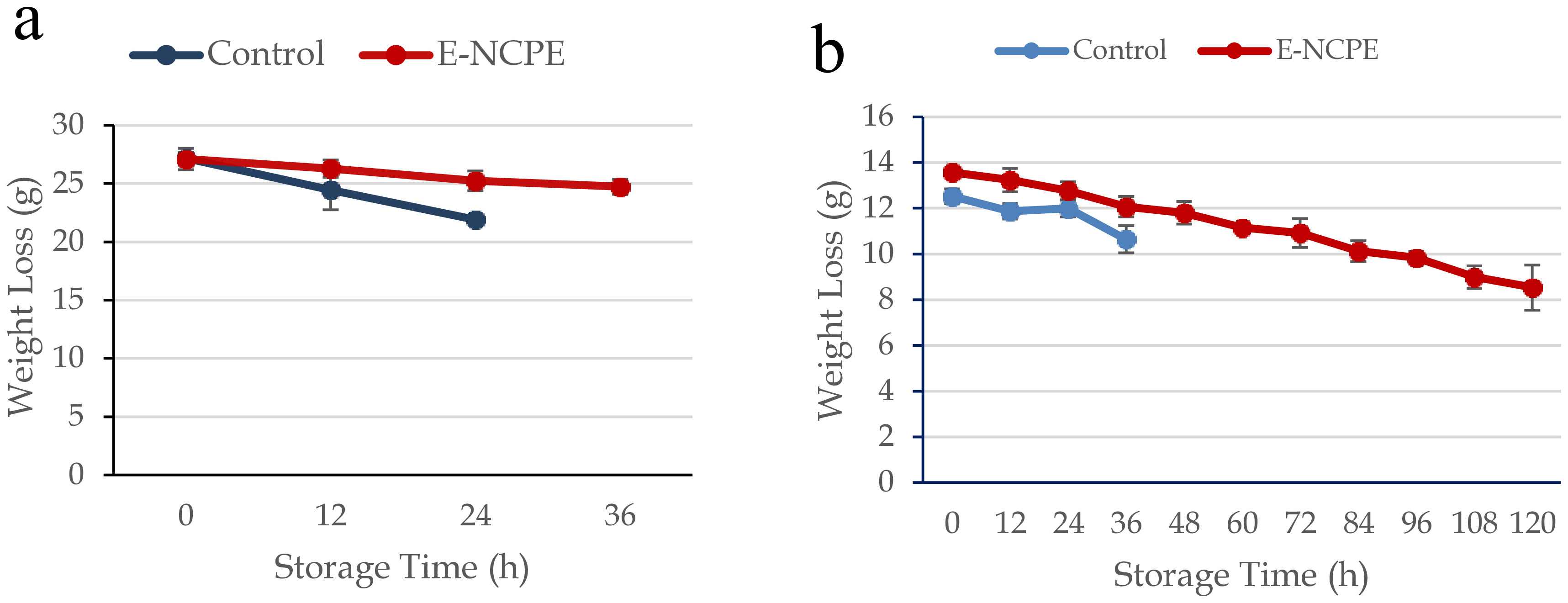
Weight loss during storage is a critical factor directly affecting the texture and quality of food products (Kamali et al., 2024). As shown in Figure 6, the percentage of shrimp weight loss in the control treatment was generally and significantly higher than in NCPE coating treatment. Specifically, at 12 hours, control shrimp showed a sharp decrease to 6.3% weight loss, whereas NCPE coated shrimp only exhibited a smaller decrease of 1.85%. This protective effect is consistent with other studies, where the chitosan-alginate coating acts effectively as a barrier and moisture-sacrificing agent, delaying the immediate loss of moisture from the shrimp. The inclusion of nano-extracts further supports this mechanism by contributing phenolic compounds that inhibit the oxidation of myofibrillar proteins and suppress microbial growth, thereby helping to maintain the internal water content (Farajzadeh et al., 2016; Liu et al., 2020).
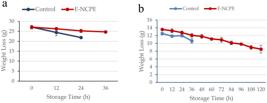
Weight loss of (a) vannamei shrimp and (b) strawberries during storage at 25 °C ± 5 °C of untreated control and edible coating nano coffee pulp extract (NCPE coating).
The trend was similar for strawberries. Control samples experienced a continuous and high percentage of weight loss over the storage period, showing the highest decrease between 24 and 36h. In contrast, the NCPE coated strawberries exhibited a more stable and significantly slower rate of weight loss. These findings align with previous research showing that coated strawberries have a lower transpiration rate, confirming that the alginate-chitosan layer successfully prevents excessive water or moisture loss, thereby effectively reducing the rate of weight loss and extending the product's shelf life (Ali et al., 2021; Lee et al., 2022).
3.5.3 Texture/puncture
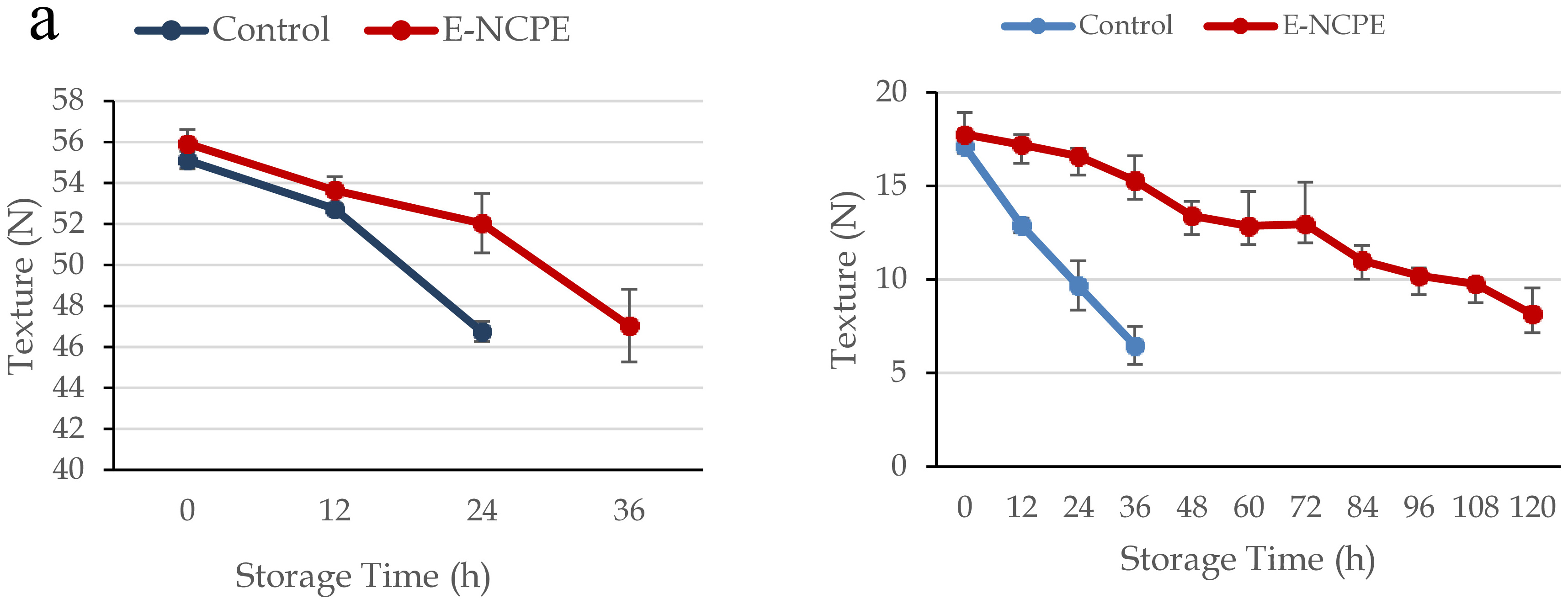
The texture analysis revealed a significant difference (p < 0.05) in firmness retention between the NCPE coating samples and the controls for both shrimp and strawberries (Figure 7). In the control shrimp, the rapid loss of texture was driven by the denaturation of myofibrillar proteins, influenced by the migration of endogenous proteinase enzymes from the head to the body during storage, which rapidly degraded the muscle structure. Conversely, the NCPE coated shrimp maintained a stable texture because the bioactive phenolic compounds (such as phenol, chlorogenic acid, and gallic acid) from the NCPE actively inhibited the activity of microbial proteolytic enzymes, keeping the shrimp texture denser for longer. In addition, the covalent-non-covalent bond between chitosan and myofibrillar protein also improves the texture of shrimp during storage (Huang et al., 2023). Similarly, in strawberries, the control exhibited a significant decrease in firmness that is directly linked to water loss and the corresponding decrease in cell turgor pressure. The NCPE coating successfully prevented this problem by acting as a semipermeable barrier that restricts respiration and moisture loss. The nanoparticles within the coating played a crucial role by reinforcing this barrier structure, creating a zigzag diffusion path that efficiently blocked permeates such as water vapour. This mechanical barrier, coupled with the antimicrobial properties, preserved the cell structure and turgor, resulting in a significantly more stable and gradual decline in strawberry firmness throughout the storage period (Shahat et al., 2020).
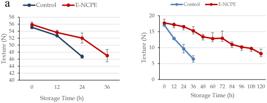
Puncture test of (a) vannamei shrimp and (b) strawberries during storage at 25 °C ± 5 °C of untreated control and edible coating nano coffee pulp extract (NCPE coating).
3.5.4 Total Plate Count (TPC)
The TPC test results confirmed the effectiveness of the NCPE coating on both products (Table 10). The highest bacterial growth was observed in the control shrimp, reaching 4.76 x 10⁸ CFU/mL at 24h of storage. In sharp contrast, shrimp coated with the NCPE had the lowest value at 24 hours (4.57 x 10⁶ CFU/mL). The control sample's rapid growth confirms that the bacteria grow, leading to spoilage, whereas the coated sample showed inhibited growth, which is consistent with other studies using similar antimicrobial coatings (Yuan et al., 2016; Kim et al., 2018). Similarly, the strawberry samples with NCPE coating successfully survived at room temperature for 120h. While the TPC value for the coated strawberries did increase 4.68 x 10¹⁰ CFU/mL by the end of the storage period, the survival time confirmed that the coating significantly delayed spoilage compared to the rapid bacterial development observed in the control.
This inhibitory capability is attributed to the dual antimicrobial mechanism of the coating components. First, chitosan's positive charged of amino groups interact with the negative charged of microbial cell membrane, causing intracellular leakage, inhibiting protein synthesis, and microbial death. Second, the NCPE contains bioactive compounds (alkaloids, flavonoids, saponins, and tannins) that disrupt cell permeability and inhibit bacterial respiration. Crucially, the nano-sized particles significantly enhance this activity by enabling the bioactive compounds to completely damage and penetrate the bacterial cell membrane, leading to more effective microbial death. Additionally, the chitosan-alginate layer serves as a physical barrier against oxygen exchange, further inhibiting the growth of aerobic bacteria. These results are consistent with findings that the ability of edible coatings to inhibit microbial growth gradually decreases with prolonged storage periods (Oliveira Filho et al., 2021).
4 Conclusions
The nano-fabrication of the optimal chitosan-alginate film, achieved through ultrasonication, proved to be a highly effective strategy for developing advanced active packaging. The process successfully produced nano coffee pulp extract (NCPE) with a particle size of 31 nm, significantly enhancing the film's structural and functional properties, including an increase in tensile strength (TS) by 78% and elongation at break (EAB) by 17.75%, along with decreases in thickness by 18.81%, water vapour transmission rate (WVTR) by 33.36%, and solubility by 10.11%. The NCPE coating improved food quality retention, as indicated by better maintenance of color and texture, and provided a strong antimicrobial effect through nano-sized bioactive compounds. Consequently, the NCPE coating extended the shelf life of fresh whiteleg shrimp by 36 hours and strawberries by 5 days at room temperature. This research validates that ultrasonication modified the film structure toward desirable mechanical and barrier properties. Nanotechnology is essential for unlocking the full potential of natural residues for sustainable and high-performance food preservation applications.
Acknowledgements
The authors gratefully acknowledge the financial support provided by Universitas Brawijaya through the Penelitian Dasar Madya Scheme (Grant number: 00738.13/UN10.A0501/B/PT.01.03.2/2025).
Data Availability Statement
All data generated or analyzed in this study are included in this published article.
Cite as:
Funding:
References
-
Abdillah, A. A., & Charles, A. L. (2021). Characterization of a natural biodegradable edible fim obtained from arrowroot starch and iota-carrageenan and application in food packaging. International Journal of Biological Macromolecules, 191, 618-626. PMid:34582908. https://doi.org/10.1016/j.ijbiomac.2021.09.141
» https://doi.org/10.1016/j.ijbiomac.2021.09.141 -
Akhtari, N., Mahdian, E., Oroojalian, F., & Hakimzadeh, V. (2025). Antioxidant and antimicrobial properties of zinc oxide nanoparticles green synthesized with Bunium persicum essential oil. Scientific Reports, 15(1), 12117. PMid:40204775. https://doi.org/10.1038/s41598-025-92224-0
» https://doi.org/10.1038/s41598-025-92224-0 -
Ali, A., Kumar, A., Ganai, N. A., Dar, K. R., & Wani i, A. H. (2021). Salycylic acid alleviates postharvest fruit decay of strawberry (Fragaria x ananassa Duch.): A review. International Journal of Plant and Soil Science, 33(20), 20-27. https://doi.org/10.9734/ijpss/2021/v33i2030625
» https://doi.org/10.9734/ijpss/2021/v33i2030625 - American Society for Testing and Materials – ASTM. (2017). ASTM E-96: Standard test methods for water vapor transmission of materials. West Conshohocken: ASTM International.
-
Antonino, C., Difonzo, G., Faccia, M., & Caponio, F. (2024). Effect of edible coatings and films enriched with plant extracts and essential oils on the preservation of animal-derived foods. Journal of Food Science, 89(2), 748-772. PMid:38161278. https://doi.org/10.1111/1750-3841.16894
» https://doi.org/10.1111/1750-3841.16894 -
Bhatia, S., Al-Harrasi, A., Shah, Y. A., Jawad, M., Al-Azri, M. S., Ullah, S., Anwer, M. K., Aldawsari, M. F., Koca, E., & Aydemir, L. Y. (2023). Physicochemical characterization and antioxidant properties of chitosan and sodium alginate based films incorporated with ficus extract. Polymers, 15(5), 1215. PMid:36904456. https://doi.org/10.3390/polym15051215
» https://doi.org/10.3390/polym15051215 -
Chen, H., Wu, C., Feng, X., He, M., Zhu, X., Li, Y., & Teng, F. (2022). Effects of two fatty acids on soy protein isolate/sodium alginate edible films: Structures and properties. Lebensmittel-Wissenschaft + Technologie, 159, 1-20. https://doi.org/10.1016/j.lwt.2022.113221
» https://doi.org/10.1016/j.lwt.2022.113221 -
De Bruno, A., Gattuso, A., Ritorto, D., Piscopo, A., & Poiana, M. (2023). Effect of edible coating enriched with natural antioxidant extract and bergamot essential oil on the shelf life of strawberries. Foods, 12(3), 488. PMid:36766017. https://doi.org/10.3390/foods12030488
» https://doi.org/10.3390/foods12030488 -
Duguma, H. T. (2022). Potential applications and limitations of edible coatings for maintaining tomato quality and shelf life. International Journal of Food Science & Technology, 57(3), 1353-1366. https://doi.org/10.1111/ijfs.15407
» https://doi.org/10.1111/ijfs.15407 -
Farajzadeh, F., Motamedzadegan, A., Shahidi, S. A., & Hamzeh, S. (2016). The effect of chitosan-gelatin coating on the quality of shrimp (Litopenaeus vannamei) under refrigerated condition. Food Control, 67, 163-170. https://doi.org/10.1016/j.foodcont.2016.02.040
» https://doi.org/10.1016/j.foodcont.2016.02.040 -
Flórez, M., Guerra-Rodríguez, E., Cazón, P., & Vázquez, M. (2022). Chitosan for food packaging: Recent advances in active and intelligent films. Food Hydrocolloids, 124, 107328. https://doi.org/10.1016/j.foodhyd.2021.107328
» https://doi.org/10.1016/j.foodhyd.2021.107328 -
García-Rodríguez, S. R., Reynoso-Ponce, H., Muñiz-Márquez, D. B., Reyes-Munguía, A., de la Rosa-Hernández, M., & Wong-Paz, J. E. (2026). Evaluation of condensed tannins from coffee pulp (Coffea arabica) as a natural preservative: Study in a model food. Sustainable Food Technology, 4(1), 885-893. https://doi.org/10.1039/D5FB00535C
» https://doi.org/10.1039/D5FB00535C -
Greenland, S., Senn, S. J., Rothman, K. J., Carlin, J. B., Poole, C., Goodman, S. N., & Altman, D. G. (2016). Statistical tests, P values, confidence intervals, and power: A guide to misinterpretations. European Journal of Epidemiology, 31(4), 337-350. https://doi.org/10.1007/s10654-016-0149-3
» https://doi.org/10.1007/s10654-016-0149-3 -
Guzmán-Pincheira, C., Moeini, A., Oliveira, P. E., Abril, D., Paredes-Padilla, Y. A., & Benavides-Valenzuela, S. (2025). Development of alginate-chitosan bioactive films containing essential oils for use in food packaging. Foods, 14(2), 256. PMid:39856921. https://doi.org/10.3390/foods14020256
» https://doi.org/10.3390/foods14020256 -
Herrera-Vazquez, S. E., Dublán-García, O., Arizmendi-Cotero, D., Gómez-Oliván, L. M., Islas-Flores, H., Hernández-Navarro, M. D., & Ramírez-Durán, N. (2022). Optimization of the physical, optical and mechanical properties of composite edible films of gelatin, whey protein and chitosan. Molecules, 27(3), 1-20. PMid:35164126. https://doi.org/10.3390/molecules27030869
» https://doi.org/10.3390/molecules27030869 -
Huang, M., Xu, Y., Xu, L., Bai, Y., Zeng, X., Zheng, R., & Xu, X. (2023). Conformation changes and emulsifying properties of myofibrillar proteins in water: Effect of electrostatic interaction with chitosan. Food Research International, 163, 112154. https://doi.org/10.1016/j.foodres.2022.112154
» https://doi.org/10.1016/j.foodres.2022.112154 -
Kamali, M., Shabanpour, B., Pourashouri, P., & Kordjazi, M. (2024). Evaluating shelf life and anti-browning of shrimp by chitosan-coated nanoliposome loaded with licorice root extract. Food Chemistry: X, 23, 101532. PMid:38952561. https://doi.org/10.1016/j.fochx.2024.101532
» https://doi.org/10.1016/j.fochx.2024.101532 -
Keawpeng, I., Paulraj, B., & Venkatachalam, K. (2022). Antioxidant and antimicrobial properties of mung bean phyto-film combined with longkong pericarp extract and sonication. Membranes, 12(4), 379. PMid:35448349. https://doi.org/10.3390/membranes12040379
» https://doi.org/10.3390/membranes12040379 -
Khalid, M. A., Niaz, B., Saeed, F., Afzaal, M., Islam, F., Hussain, M., Mahwish, Khalid, H. M. S., Siddeeg, A., & Al-Farga, A. (2022). Edible coating for enchancing safety and quality attributes of fresh produce: A comprehensive review. International Journal of Food Properties, 25(1), 1817-1847. https://doi.org/10.1080/10942912.2022.2107005
» https://doi.org/10.1080/10942912.2022.2107005 -
Khodaei, D., Hamidi-Esfahani, Z., & Rahmati, E. (2021). Effect of edible coatings on the shelf-life of fresh strawberries: A comparative study using TOPSIS-Shannon entropy method. NFS Journal, 23(1), 17-23. https://doi.org/10.1016/j.nfs.2021.02.003
» https://doi.org/10.1016/j.nfs.2021.02.003 -
Kim, J. H., Hong, W. S., & Oh, S. W. (2018). Effect of Layer-by-layer antimicrobial edible coating of alginate and chitosan with grapefruit seed extract for shelf-life extension of shrimp (Litopenaeus vannamei) stored at 4 °C. International Journal of Biological Macromolecules, 120(Pt B), 1468-1473. PMid:30267814. https://doi.org/10.1016/j.ijbiomac.2018.09.160
» https://doi.org/10.1016/j.ijbiomac.2018.09.160 -
Lee, D., Shayan, M., Gwon, J., Picha, D., & Wu, Q. (2022). Effectiveness of cellulose and chitosan nanomaterial coatings with essential oil on postharvest strawberry quality. Carbohydrate Polymers, 298, 120101. PMid:36241324. https://doi.org/10.1016/j.carbpol.2022.120101
» https://doi.org/10.1016/j.carbpol.2022.120101 -
Li, N., Fan, X., Wang, Y. F., Zhang, K., Liu, R., Xu, Y. P., Tan, Z. F., Xu, W. S., Zhou, D. Y., & Li, D. Y. (2024). Investigation of isomerization and oxidation of astaxanthin in ready-to-eat Litopenaeus vannamei during accelerated storage. Food Research International, 195, 114983. PMid:39277244. https://doi.org/10.1016/j.foodres.2024.114983
» https://doi.org/10.1016/j.foodres.2024.114983 -
Liu, X., Zhang, C., Liu, S., Gao, J., Cui, S. W., & Xia, W. (2020). Coating white shrimp (Litopenaeus vannamei) with edible fully deacetylated chitosan incorporated with clove essential oil and kojic acid improves preservation during cold storage. International Journal of Biological Macromolecules, 162, 1276-1282. PMid:32610051. https://doi.org/10.1016/j.ijbiomac.2020.06.248
» https://doi.org/10.1016/j.ijbiomac.2020.06.248 -
Lopez-Polo, J., Muñoz-Shugulí, C., Patiño Vidal, M., & Patiño Vidal, C. (2024). Electrospun edible films and coatings: Development, functionality and food applications. Trends in Food Science & Technology, 143, 104253. https://doi.org/10.1016/j.tifs.2023.104253
» https://doi.org/10.1016/j.tifs.2023.104253 -
Lv, Y. F., Deng, Y. Z., Wang, M. R., Li, C. P., Xie, P., Sun, B. Z., Yang, X. X., & Lang, Y. M. (2023). Effect of chitosan-gelatine edible coating containing nano-encapsulated clove ethanol extract on cold storage of chilled pork. Meat Science, 204, 109288. https://doi.org/10.1016/j.meatsci.2023.109288
» https://doi.org/10.1016/j.meatsci.2023.109288 -
Moradinezhad, F., Adiba, A., Ranjbar, A., & Dorostkar, M. (2025). Edible coatings to prolongs the shelf life and improve the quality of subtropical fresh/fresh-cut fruits: A review. Horticulturae, 11(577), 1-24. https://doi.org/10.3390/horticulturae11060577
» https://doi.org/10.3390/horticulturae11060577 -
Muñoz-Tebar, N., Pérez-Álvarez, J. A., Fernández-López, J., & Viuda-Martos, M. (2023). Chitosan edible films and coatings with added bioactive compounds: Antibacterial and antioxidant properties and their application to food products: A review. Polymers, 15(2), 396. https://doi.org/10.3390/polym15020396
» https://doi.org/10.3390/polym15020396 -
Nair, M. S., Tomar, M., Punia, S., Kukula-Koch, W., & Kumar, M. (2020). Enhancing the functionality of chitosan- and alginate-based active edible coatings/films for the preservation of fruits and vegetables: A review. International Journal of Biological Macromolecules, 164, 304-320. PMid:32682968. https://doi.org/10.1016/j.ijbiomac.2020.07.083
» https://doi.org/10.1016/j.ijbiomac.2020.07.083 -
Naqvi, Q. U., Kanwal, A., Qaseem, S., Naeem, M., Ali, S. R., Shaffique, M., & Maqbool, M. (2019). Size-dependent inhibition of bacterial growth by chemically engineered spherical ZnO nanoparticles. Journal of Biological Physics, 45(2), 147-159. PMid:30721424. https://doi.org/10.1007/s10867-019-9520-4
» https://doi.org/10.1007/s10867-019-9520-4 -
Oliveira Filho, J. C., Miranda, M., Ferreira, M. D., & Plotto, A. (2021). Nanoemulsions as edible coatings: A potential strategy for fresh fruits and vegetables preservation. Foods, 10(10), 1-17. PMid:34681488. https://doi.org/10.3390/foods10102438
» https://doi.org/10.3390/foods10102438 -
Orhotohwo, O. L., Lucci, P., Aquilanti, L., Jaiswal, A. K., Pacetti, D., & Jaiswal, S. (2025). Development and optimisation of sodium alginate and chitosan edible films with sea fennel by-product extract for active food packaging. Lebensmittel-Wissenschaft + Technologie, 226(1), 117960. https://doi.org/10.1016/j.lwt.2025.117960
» https://doi.org/10.1016/j.lwt.2025.117960 -
Pan, J. N., Sun, J., Shen, Q. J., Zheng, X., & Zhou, W. W. (2025). Fabrication, properties, and improvement strategies of edible films for fruits and vegetables preservation: A comprehensive review. Food Innovation and Advances, 4(1), 43-52. https://doi.org/10.48130/fia-0025-0003
» https://doi.org/10.48130/fia-0025-0003 -
Prempeh, N. Y. A., Nunekpeku, X., Murugesan, A., & Li, H. (2025). Ultrasound in the food industry: Mechanisms and applications for non-invasive texture and quality analysis. Foods, 14(12), 2057. PMid:40565665. https://doi.org/10.3390/foods14122057
» https://doi.org/10.3390/foods14122057 -
Rahnemoon, P., Sarabi-Jamab, M., Bostan, A., & Mansouri, E. (2021). Nano-encapsulation of pomegranate (Punica granatum L.) peel extract and evaluation of its antimicrobial properties on coated chicken meat. Food Bioscience, 43, 101331. https://doi.org/10.1016/j.fbio.2021.101331
» https://doi.org/10.1016/j.fbio.2021.101331 -
Santos, E. M., Macedo, L. M., Ataide, J. A., Delafiori, J., Oliveira Guarnieri, J. P., Rosa, P. C. P., Ruiz, A. L. T. G., Lancellotti, M., Jozala, A. F., Catharino, R. R., Camargo, G. A., Paiva-Santos, A. C., & Mazzola, P. G. (2024). Antioxidant, antimicrobial and healing properties of an extract from coffee pulp for the development of a phytocosmetic. Scientific Reports, 14(1), 4453. PMid:38396007. https://doi.org/10.1038/s41598-024-54797-0
» https://doi.org/10.1038/s41598-024-54797-0 -
Semeniuc, C. A., Pop, C. R., & Rotar, A. M. (2017). Antibacterial activity and interactions of plant essential oil combinations against gram-positive and gram-negative bacteria. Journal of Food and Drug Analysis, 25(2), 403-408. PMid:28911683. https://doi.org/10.1016/j.jfda.2016.06.002
» https://doi.org/10.1016/j.jfda.2016.06.002 - Shahat, M., Ibrahim, M. I., Osehba, A. S., & Taha, I. M. (2020). Improving the quality and shelf-life of strawberries as coated with nano-edible films during storage. Al-Azhar Journal of Agricultural Research, 45(2), 1-13.
-
Such, A., Wisła-Świder, A., Węsierska, E., Nowak, E., Szatkowski, P., Kopcińska, J., & Koronowicz, A. (2023). Edible chitosan-alginate based coatings enriched with turmeric and oregano additives: Formulation, antimicrobial and non-cytotoxic properties. Food Chemistry, 426, 136662. PMid:37356247. https://doi.org/10.1016/j.foodchem.2023.136662
» https://doi.org/10.1016/j.foodchem.2023.136662 -
Suriati, L., Pasek Mangku, I. G., Widya Krisnawati, G. A. S., & Ngurah Surya Girindra, A. A. (2023). The impact of chitosan at the physical performance of the coffee skin-based edible film. J Agric Crops., 9(2), 156-163. https://doi.org/10.32861/jac.92.156.163
» https://doi.org/10.32861/jac.92.156.163 -
Tan, X., Sun, A., Cui, F., Li, Q., Wang, D., Li, X., & Li, J. (2024). The physicochemical properties of Cassava Starch/Carboxymethyl cellulose sodium edible film incorporated of Bacillus and its application in salmon fillet packaging. Food Chemistry: X, 23, 101537. PMid:38911470. https://doi.org/10.1016/j.fochx.2024.101537
» https://doi.org/10.1016/j.fochx.2024.101537 -
Togas, C., Siegfried, B., Roike, I. M., Henny, A. D., & Feny, M. (2017). Karakteristik fisik edible fim komposit karaginan dan lilin lebah menggunakan proses nanoemulsi. JPHPI, 20(3), 468-477. https://doi.org/10.17844/jphpi.v20i3.19767
» https://doi.org/10.17844/jphpi.v20i3.19767 -
Wang, L., Ding, J., Fang, Y., Pan, X., Fan, F., Li, P., & Hu, Q. (2020). Effect of ultrasonic power on properties of edible composite films based on rice protein hydrolysates and chitosan. Ultrasonics Sonochemistry, 65, 105049. PMid:32203919. https://doi.org/10.1016/j.ultsonch.2020.105049
» https://doi.org/10.1016/j.ultsonch.2020.105049 -
Yuan, G., Lv, H., Tang, W., & Sun, H. (2016). Effect of chitosan coating combined with pomegranate peel extract on the quality of Pacific white shrimp during iced storage. Food Control, 59(1), 818-823. https://doi.org/10.1016/j.foodcont.2015.07.011
» https://doi.org/10.1016/j.foodcont.2015.07.011 -
Zhang, K., Chen, Q., Xiao, J., You, L., Zhu, S., Li, C., & Fu, X. (2023). Physicochemical and functional properties of chitosan-based edible film incorporated with Sargassum pallidum polysaccharide nanoparticles. Food Hydrocolloids, 138, 108476. https://doi.org/10.1016/j.foodhyd.2023.108476
» https://doi.org/10.1016/j.foodhyd.2023.108476 -
Zhao, Y., Li, B., Zhang, W., Zhang, L., Zhao, H., Wang, S., & Huang, C. (2023). Recent advances in sustainable antimicrobial food packaging: Insights into release mechanisms, design strategies, and applications in the food industry. Journal of Agricultural and Food Chemistry, 71(31), 11806-11833. https://doi.org/10.1021/acs.jafc.3c02608
» https://doi.org/10.1021/acs.jafc.3c02608
*
Corresponding Author: Endrika Widyastuti, Universitas Brawijaya, Faculty of Agroindustrial and Biosystems Technology, Department of Food Science and Biotechnology, Malang 65145 - Indonesia, e-mail: endrika_w@ub.ac.idSection Editor: