 Allergic airway inflammation of offspring mice is suppressed by breast milk from Schistosoma mansoni-infected mothers
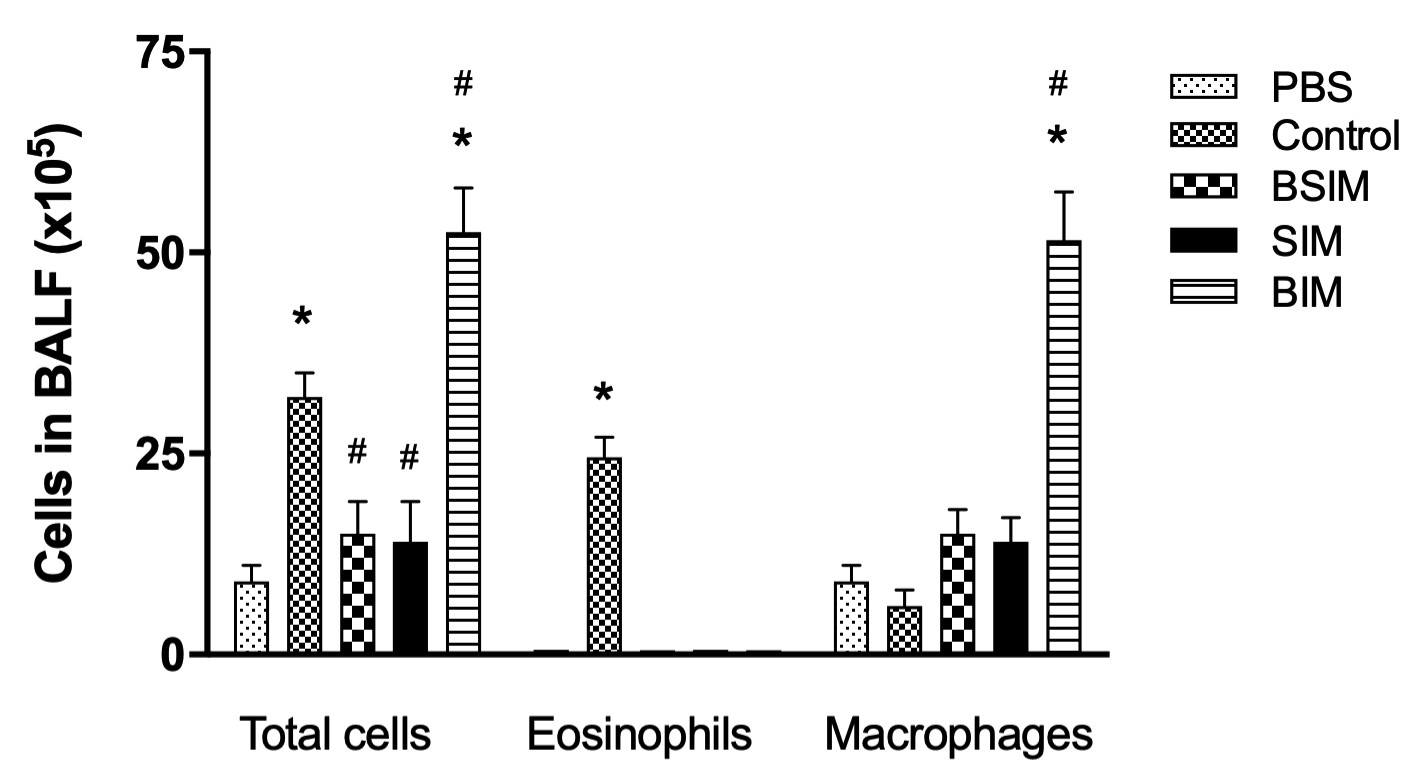
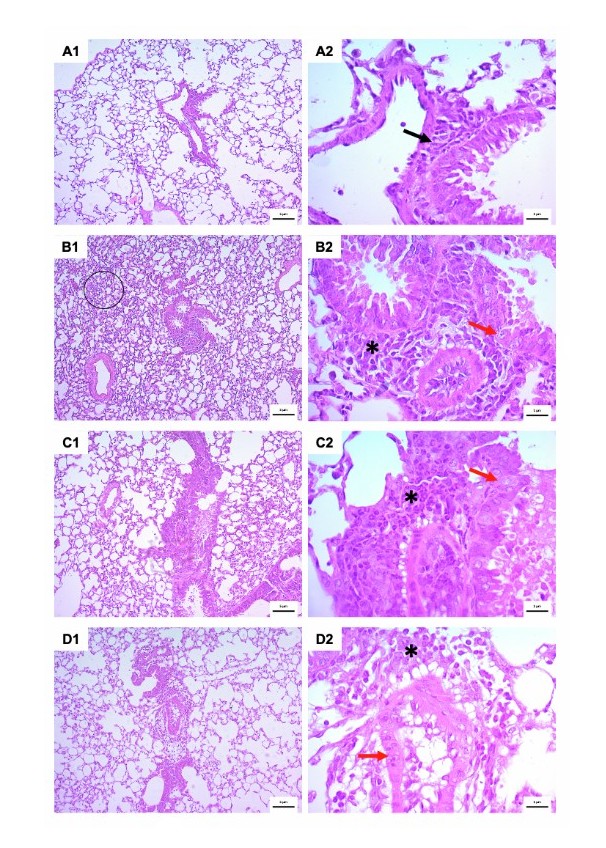
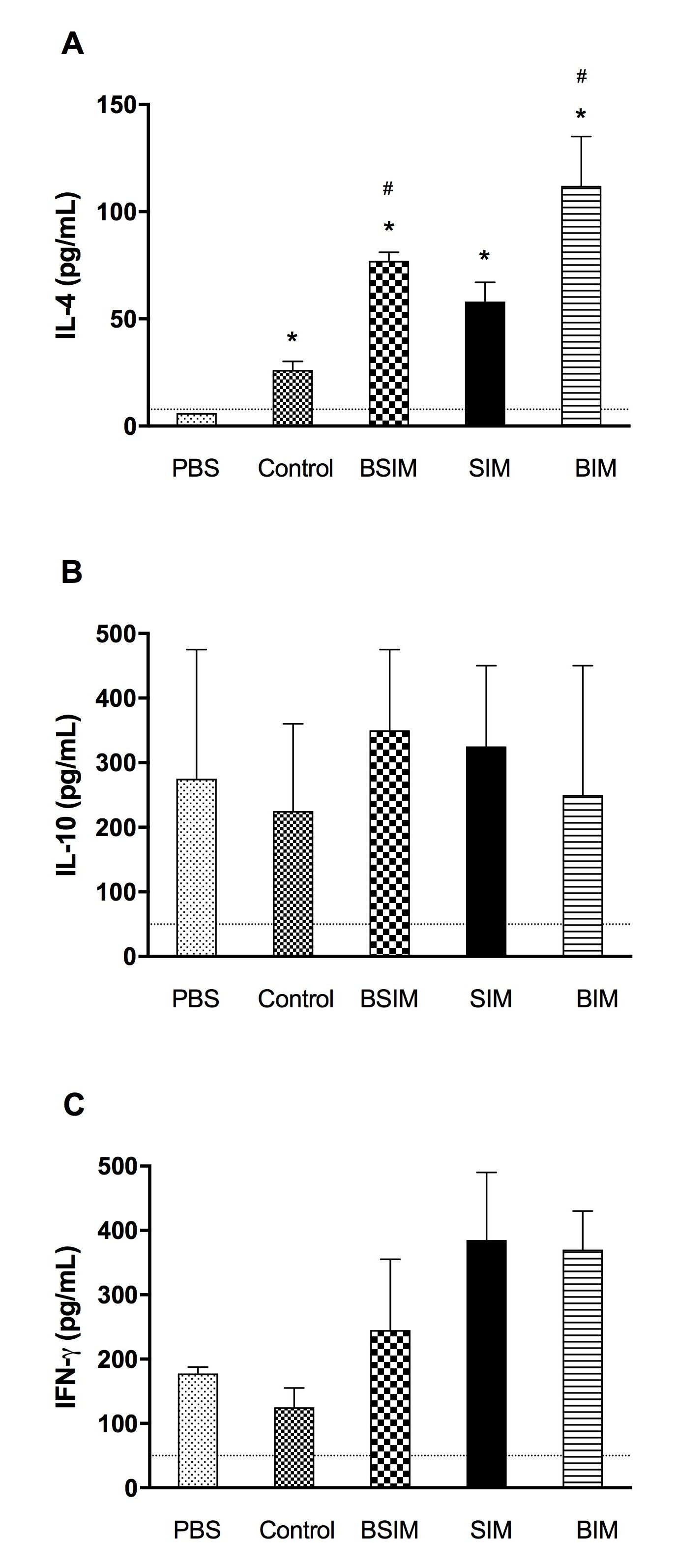
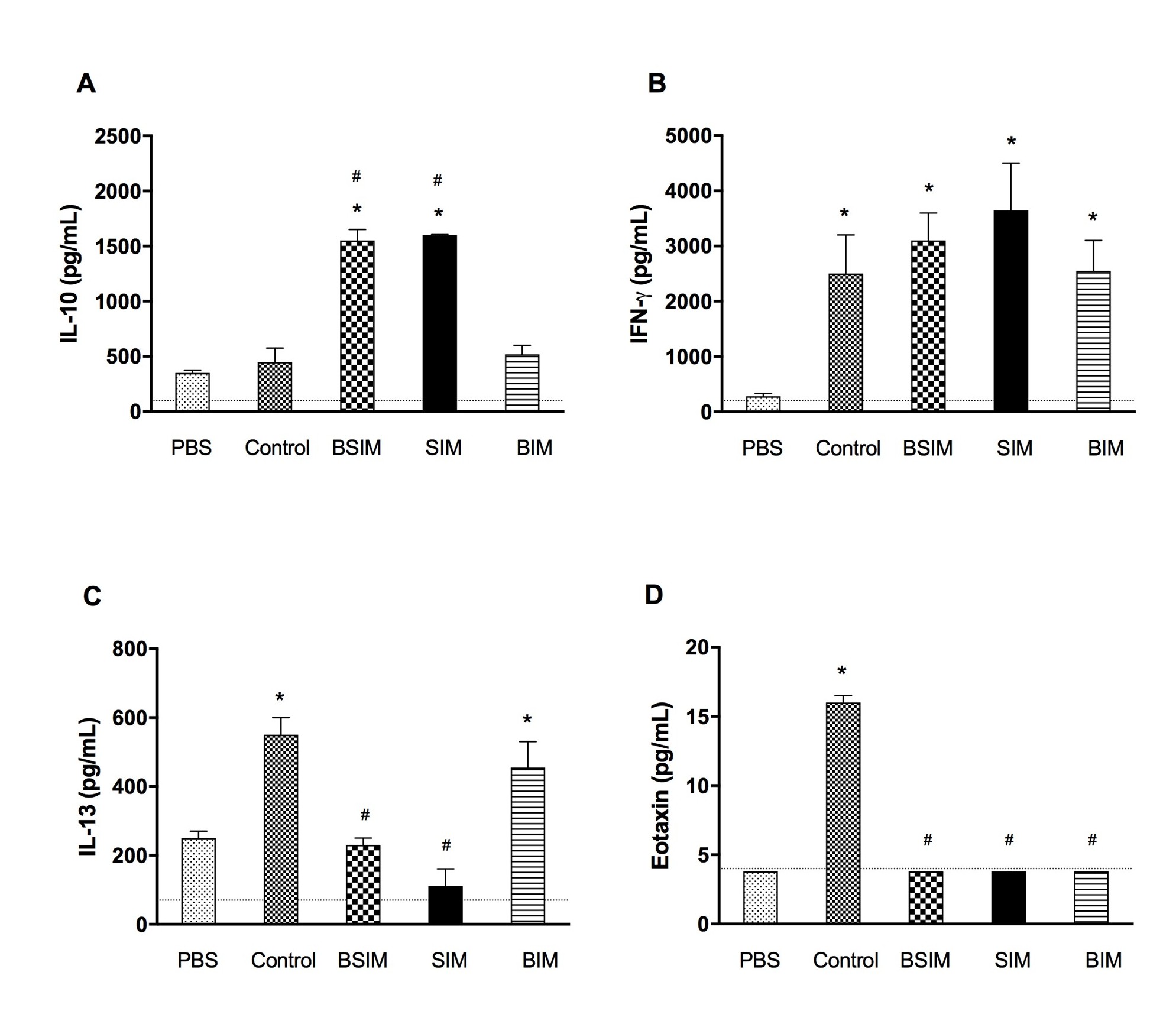
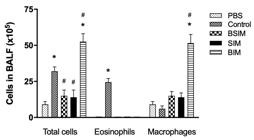
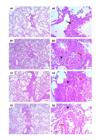
Maternal helminth infections could interfere with the establishment of postnatal immunity. Here, we evaluated the influence of maternal schistosomiasis during pregnancy or breastfeeding on the severity of allergic airway inflammation in adult offspring mice. Newborn mice were divided into four groups: animals Born from Infected Mothers (BIM) suckled by non-infected mothers; animals from non-infected mothers Suckled by Infected Mothers (SIM); and mice Born/Suckled by Infected Mothers (BSIM) or non-infected (Control). Six-week-old ovalbumin (OVA)-immunized mice on days 0 and 7 were exposed to aerosolized OVA at days 14 to 16. We analyzed the lung histology, leukocyte influx, and cytokine/eotaxin production in the bronchoalveolar lavage fluid (BALF) and spleen cell culture. Anti-OVA IgG1 and IgG2a isotype plasma levels were measured. In comparison to the Control group, there was a decreased influx of leukocytes, mainly eosinophils, in BALF, along with high IL-10 production and low IL-13 and eotaxin levels in animals SIM and BSIM). In SIM animals, a lower inflammatory response was also observed in the lung tissue, with macrophages present only in reactive areas. By contrast, in BIM animals, a rich infiltration of macrophages was observed in both lung histology and BALF, with lung production of IL-4 and splenic production of IL-13. No regulation in the antibody levels was observed. These findings suggest that previous contact with milk from S. mansoni-infected mothers may provide long-term protection against the development of allergic airway inflammation, while also highlighting the possible influence of early immunomodulation in individuals from endemic areas.
Keywords:
schistosomiasis; immunomodulation; allergic airway inflammation; breastfeeding; ovalbumin
 Thumbnail
 Thumbnail
 Thumbnail
 Thumbnail
 Thumbnail