 Influence of anthocyanins in relation to nutrition, stomata and yield of purple cabbage (Brassica oleracea var. capitata f. rubra) nourished with market waste-based compost
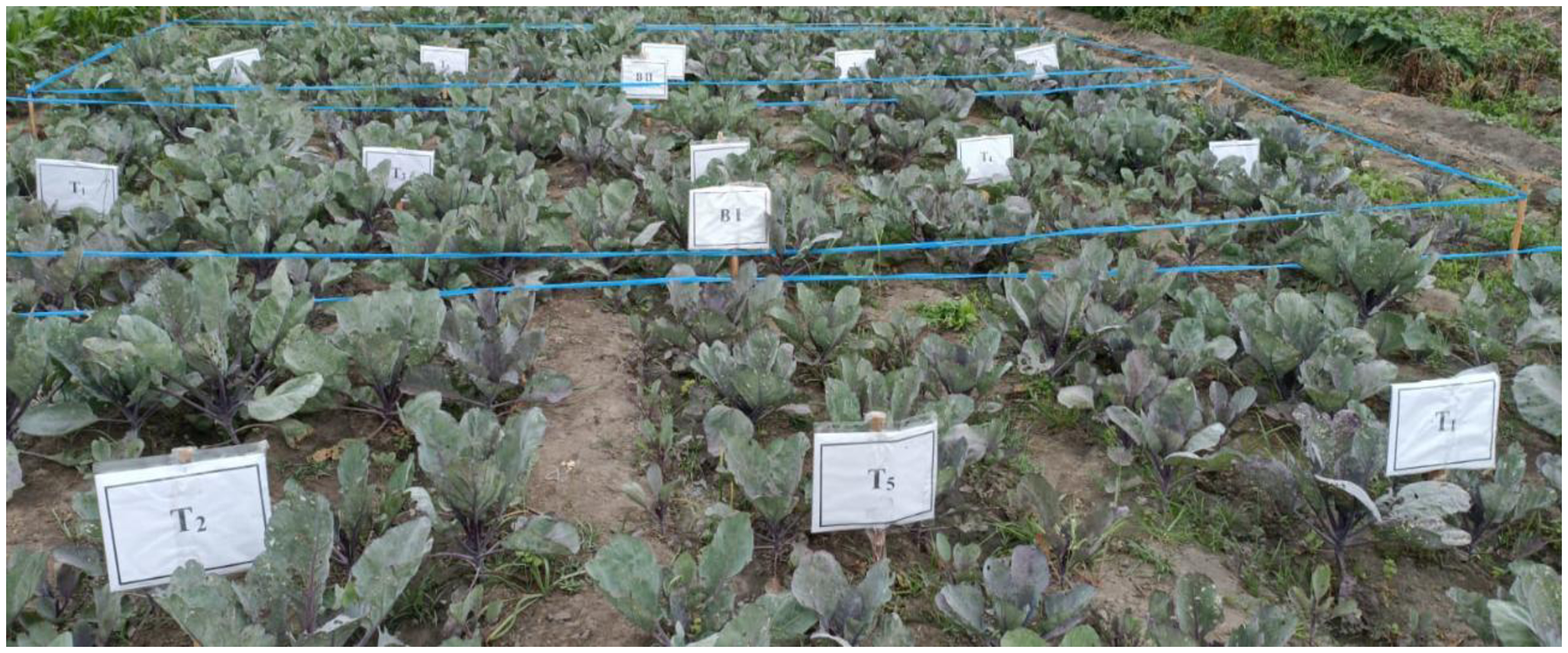
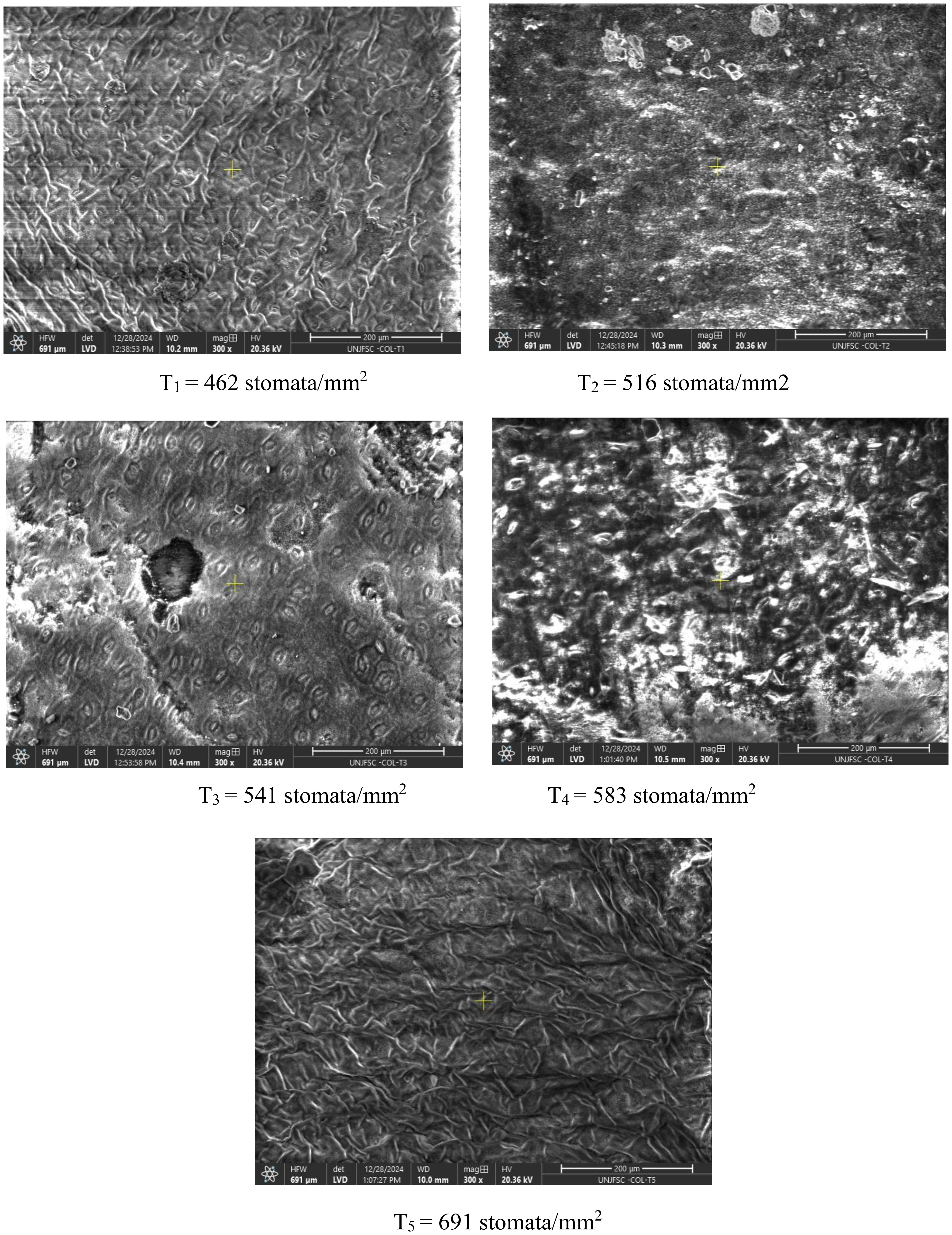
The high price of synthetic fertilizers, the continuous use of pesticides, and other related problems threaten Peru’s food security. The reason for the investigation was to study the influence of anthocyanins on the nutrition, stomata, and yield of purple cabbage fertilized with compost based on market waste (CBRM). The main objective was to determine the influence of anthocyanins in relation to nutrition, stomata, and the yield of purple cabbage fertilized with CBRM. It is based on applied methodology with an experimental approach; therefore, the Completely Randomized Block Design statistical model was employed, consisting of 3 blocks and 5 treatments: T1 with 0, T2 with 10, T3 with 12, T4 with 14, and T5 with 16 t ha-1 of CBRM. 15 days after transplanting, we applied the treatments and evaluated physical characteristics such as plant height, purple cabbage head weight, commercial yield, and diameter. In leaves (nitrogen, potassium, phosphorus, calcium, magnesium, sulfur, molybdenum, iron, manganese, copper, zinc, boron, chlorides, and sodium), anthocyanins, and stomatal density. Total nitrogen and phosphorus input and profitability. The results determined that T5 stood out in plant height with 39.21 cm, weight of a purple cabbage head with 814.3 g, commercial yield with 94.85 t ha−1, and equatorial diameter with 15.51 cm. Total nitrogen input of 365.94 kg ha-1 of nitrogen. Total phosphorus input of 796.27 kg ha-1 of P2O5. Stomatal density of 691 stomata/mm2. Profitability at 252.78%. T4 stood out in nutrients with total nitrogen, potassium, phosphorus, iron, manganese, zinc, chlorides, sodium, and anthocyanin concentration with 122.65 mg/100 g in leaves. We concluded that T5 excelled in calcium, magnesium, sulfur, boron, and stomatal density in leaves, which optimized transpiration, photosynthesis, carbohydrate formation and translocation, and other biochemical processes, generating a considerable concentration of anthocyanin that acted as a defense mechanism against nutritional and environmental stress and pests, resulting in higher yield.
Keywords:
compost; market waste; dosage; nutrients; anthocyanin; yield
 Thumbnail
 Thumbnail