 Antagonistic potential of Trichoderma koningiopsis and its effect on plant defense response
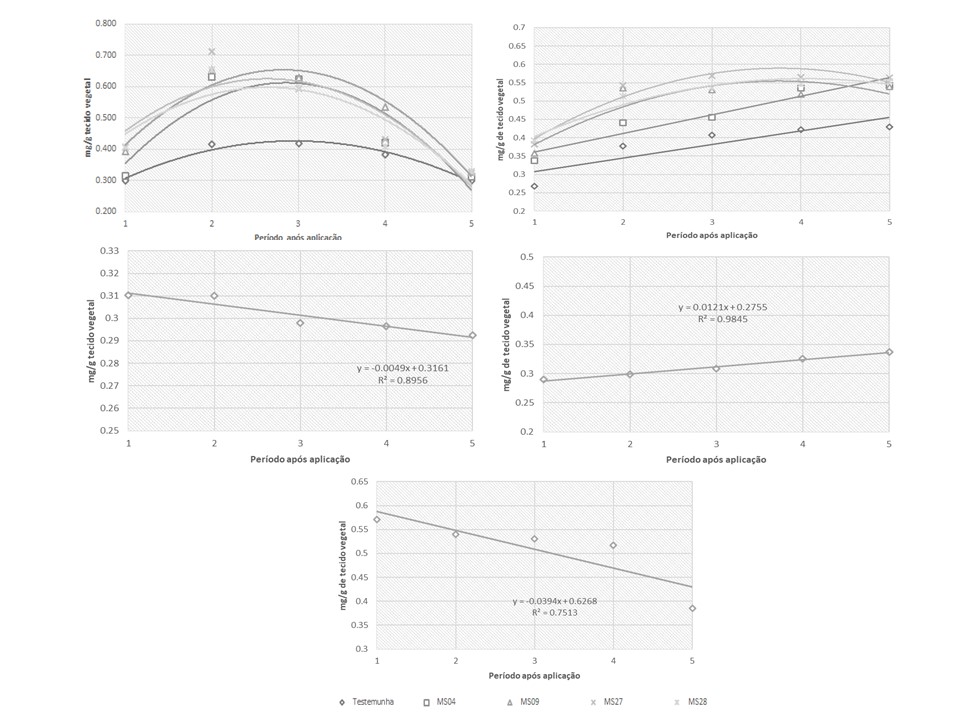
The genus Trichoderma is the most studied and widely used in biological control of plant diseases worldwide, showing efficiency against phytopathogens in different agricultural crops. This study aimed to evaluate the antagonistic potential of four Trichoderma koningiopsis strains isolated from dystrophic red latosol in controlling the main phytopathogens associated with soybean diseases, namely Fusarium tucumaniae, Macrophomina phaseolina, Rhizoctonia solani, and Sclerotinia sclerotiorum, as well as their effect on the activation of soybean defense responses by assessing chitinase, β-1,3-glucanase, phenolic compounds, proteins, and phenylalanine ammonia-lyase (PAL). The disease control potential was evaluated in vitro using the direct culture pairing method, in which the mycelial growth of each pathogen was measured daily. To assess plant resistance induction, the T. koningiopsis strains were applied by spraying soybean plants at the V3 growth stage, with plant material collected over the following five days. Results showed that all four tested strains were effective in the biocontrol of phytopathogens, acting mainly through mycoparasitism and competition. In addition, they were also highlighted as inducers of plant resistance, increasing chitinase and β-1,3-glucanase concentrations in plant tissues.
Keywords:
biological control; competition; mycoparasitism; resistance induction
 Thumbnail
 Thumbnail
 Thumbnail
 Thumbnail
 Thumbnail