 In vitro and in vivo biocontrol potential of Pseudomonas aeruginosa Bac4 against Fusarium equiseti causing leaf spot disease in Saudi mangroves
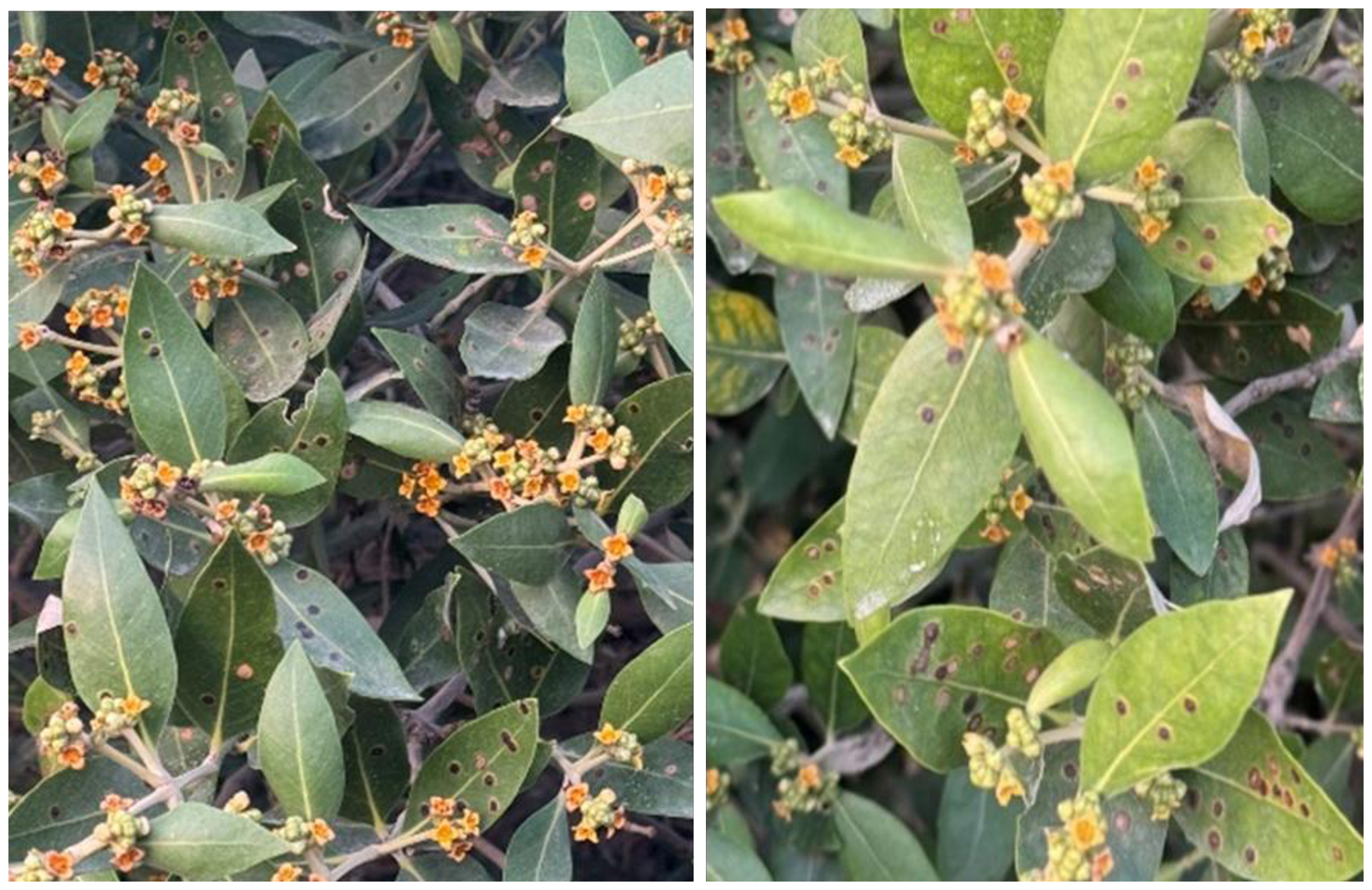
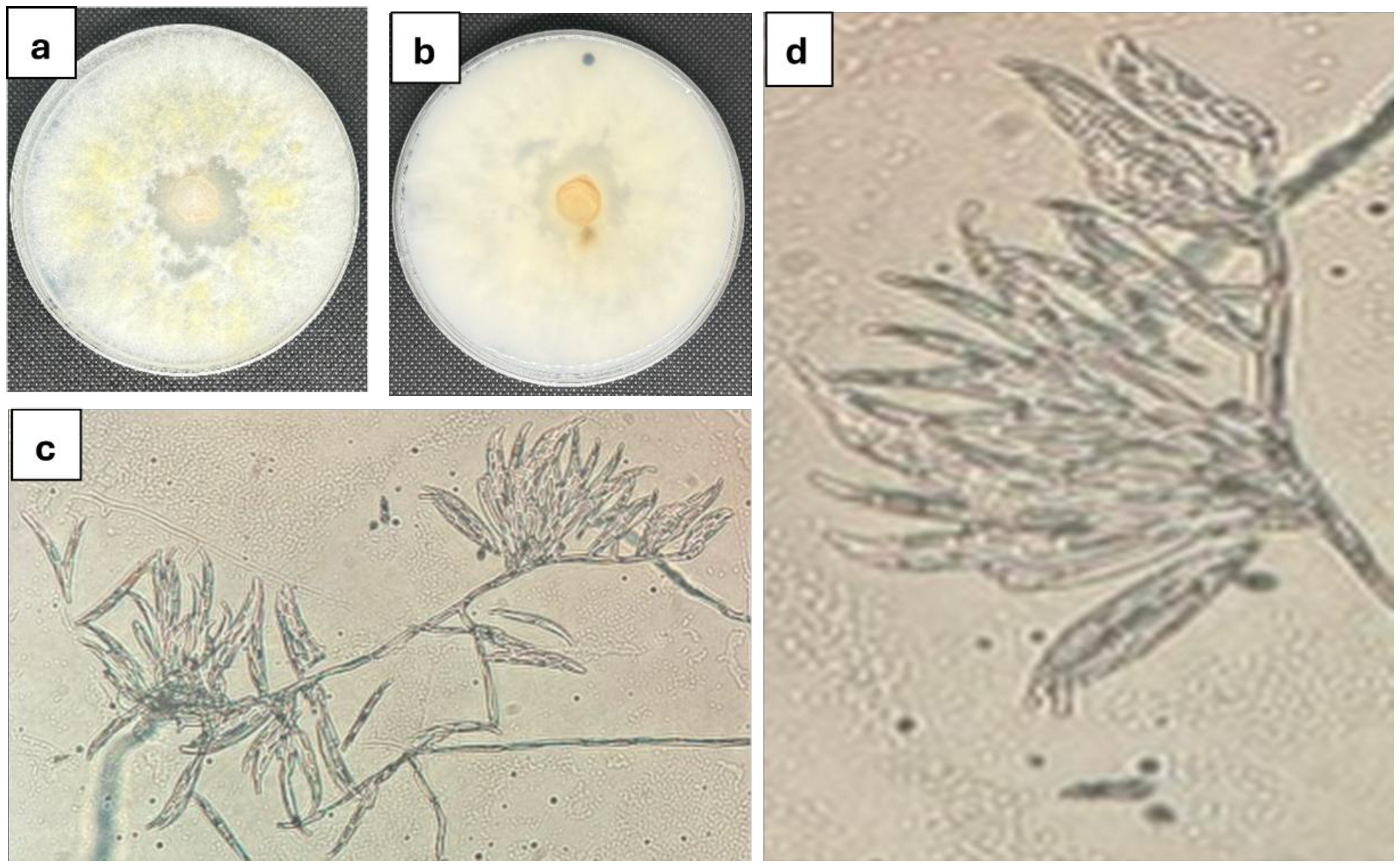
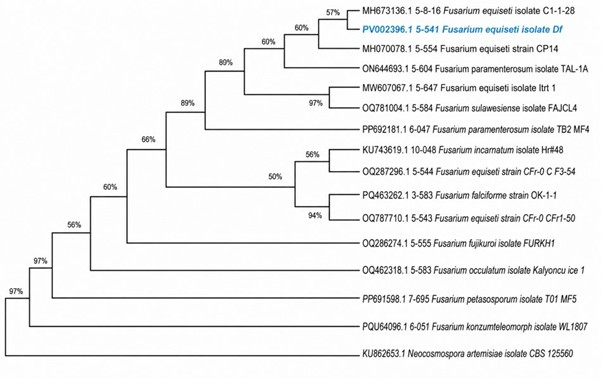
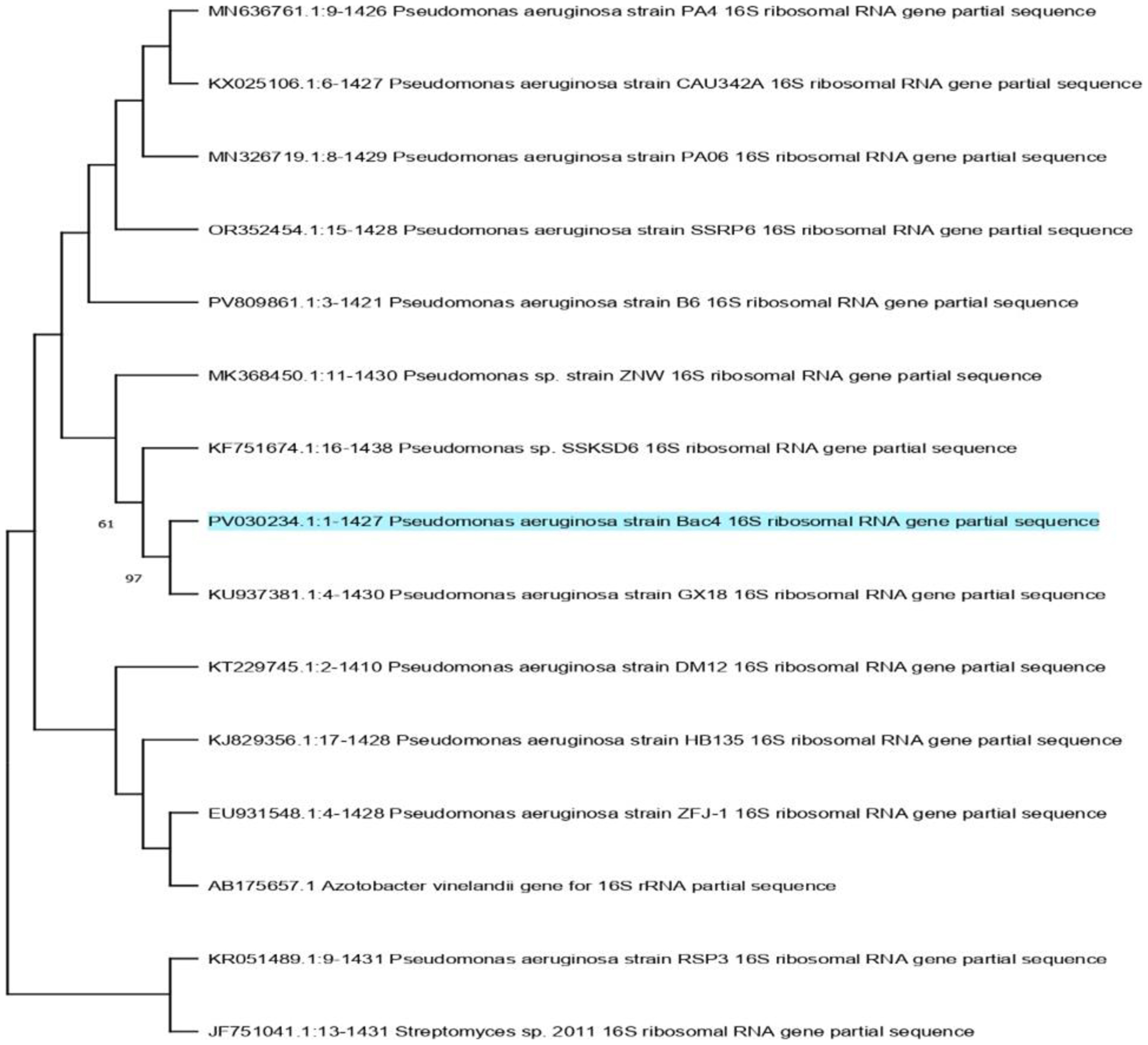
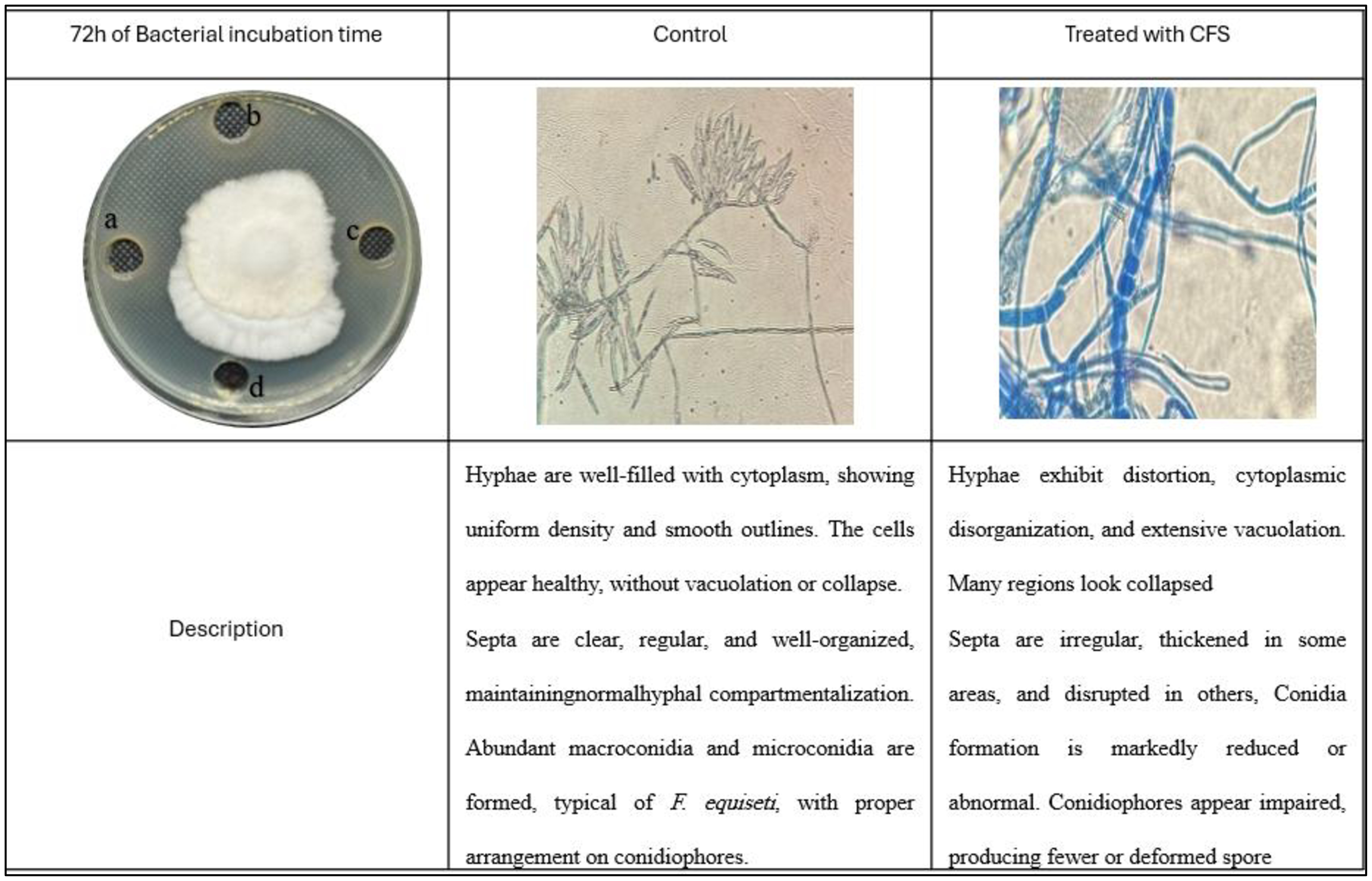
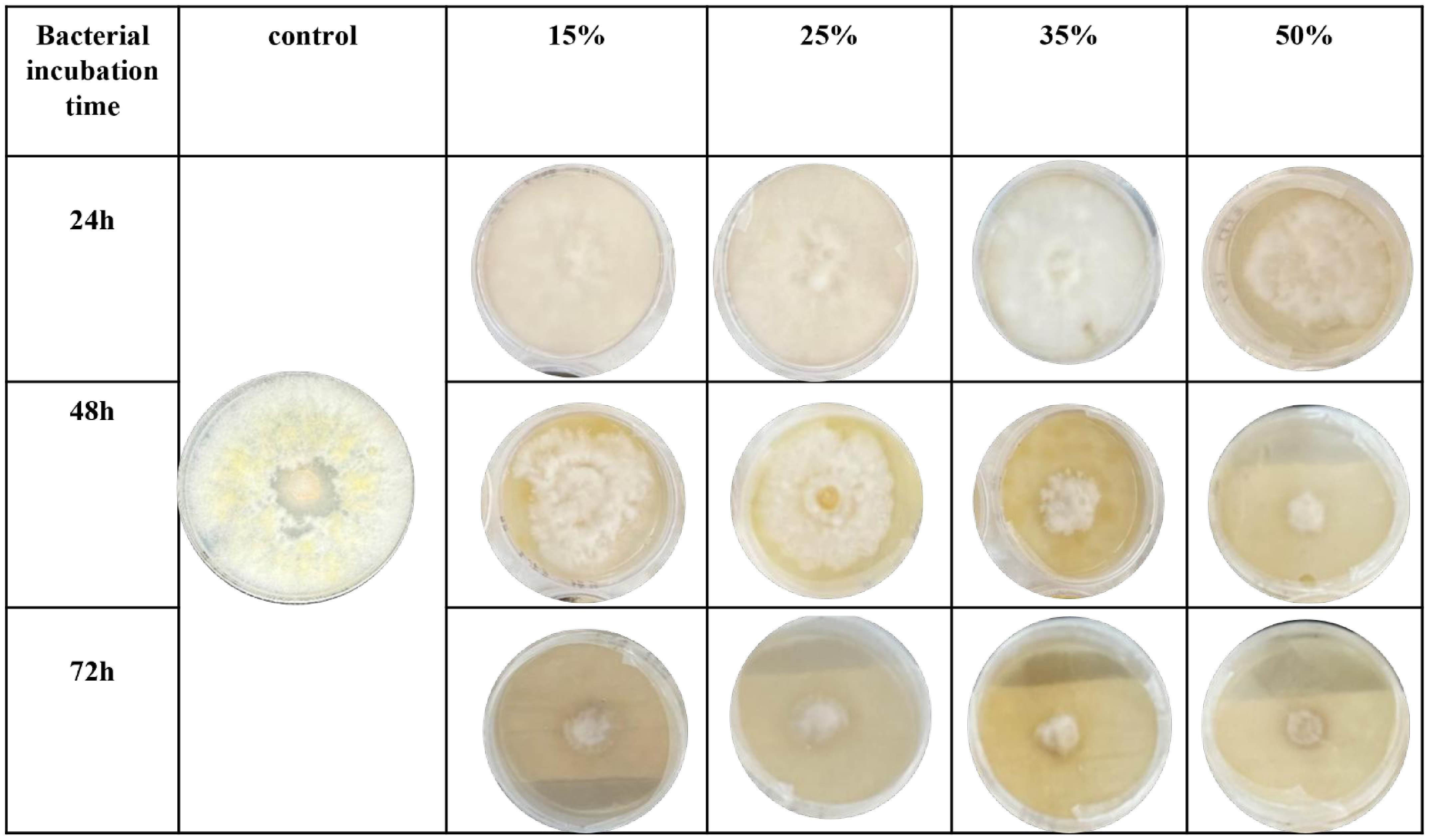
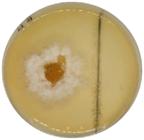
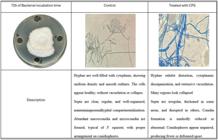
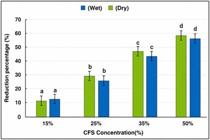
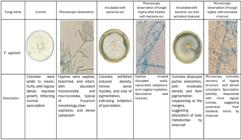
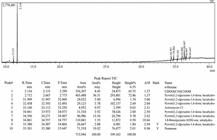
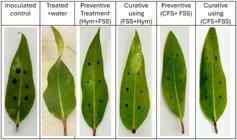
Mangrove ecosystems provide essential ecological services, including coastal protection, carbon sequestration, and biodiversity conservation, yet they are increasingly threatened by emerging plant diseases. During a disease survey conducted in February 2024 in the Sihat mangrove ecosystem (Eastern Saudi Arabia), Avicennia marina leaves exhibiting necrotic leaf spot symptoms were collected and examined. Based on morphological characteristics and ITS rDNA sequence analysis, the causal agent was identified as Fusarium equiseti, representing the first report of this pathogen causing leaf spot disease in Saudi mangroves. Pathogenicity was confirmed by fulfilling Koch’s postulates on detached healthy leaves. To explore environmentally sustainable disease management strategies, a soil-derived bacterial strain (Bac4) was evaluated for antifungal activity. Molecular identification using 16S rRNA gene sequencing revealed 100% similarity with Pseudomonas aeruginosa. In vitro assays demonstrated strong antagonistic activity of Bac4 against F. equiseti. The cell-free supernatant (CFS) significantly inhibited mycelial growth, biomass production, and spore germination in a dose-dependent manner, achieving up to 65.74% radial growth inhibition at a 50% CFS concentration. Microscopic observations revealed severe hyphal deformation, swelling, and cytoplasmic disintegration in treated fungi. Volatile organic compounds (VOCs) emitted by Bac4 also suppressed fungal growth and pigmentation, and this effect was partially reversed by activated charcoal, confirming VOC-mediated antifungal activity. Gas chromatography–mass spectrometry (GC–MS) analysis of the CFS identified several bioactive metabolites, including alcohols, diketopiperazines, and actinomycin derivatives. In vivo assays using detached mangrove leaves demonstrated a disease control efficiency of 70.33%, exceeding that of the commercial fungicide Hymexazol. Overall, the results indicate that P. aeruginosa Bac4 produces both diffusible and volatile antifungal metabolites and represents a promising biocontrol agent for the sustainable management of leaf spot disease in mangrove ecosystems.
Keywords:
Avicennia marina; Fusarium equiseti; Pseudomonas aeruginosa; biocontrol; antifungal metabolites; volatile organic compounds; mangrove disease
 Thumbnail
 Thumbnail
 Thumbnail
 Thumbnail
 Thumbnail
 Thumbnail
 Thumbnail
 Thumbnail
 Thumbnail
 Thumbnail
 Thumbnail
 Thumbnail
 Thumbnail