 Sex differences in progesterone-induced relaxation in resistance mesenteric arteries of normotensive rats
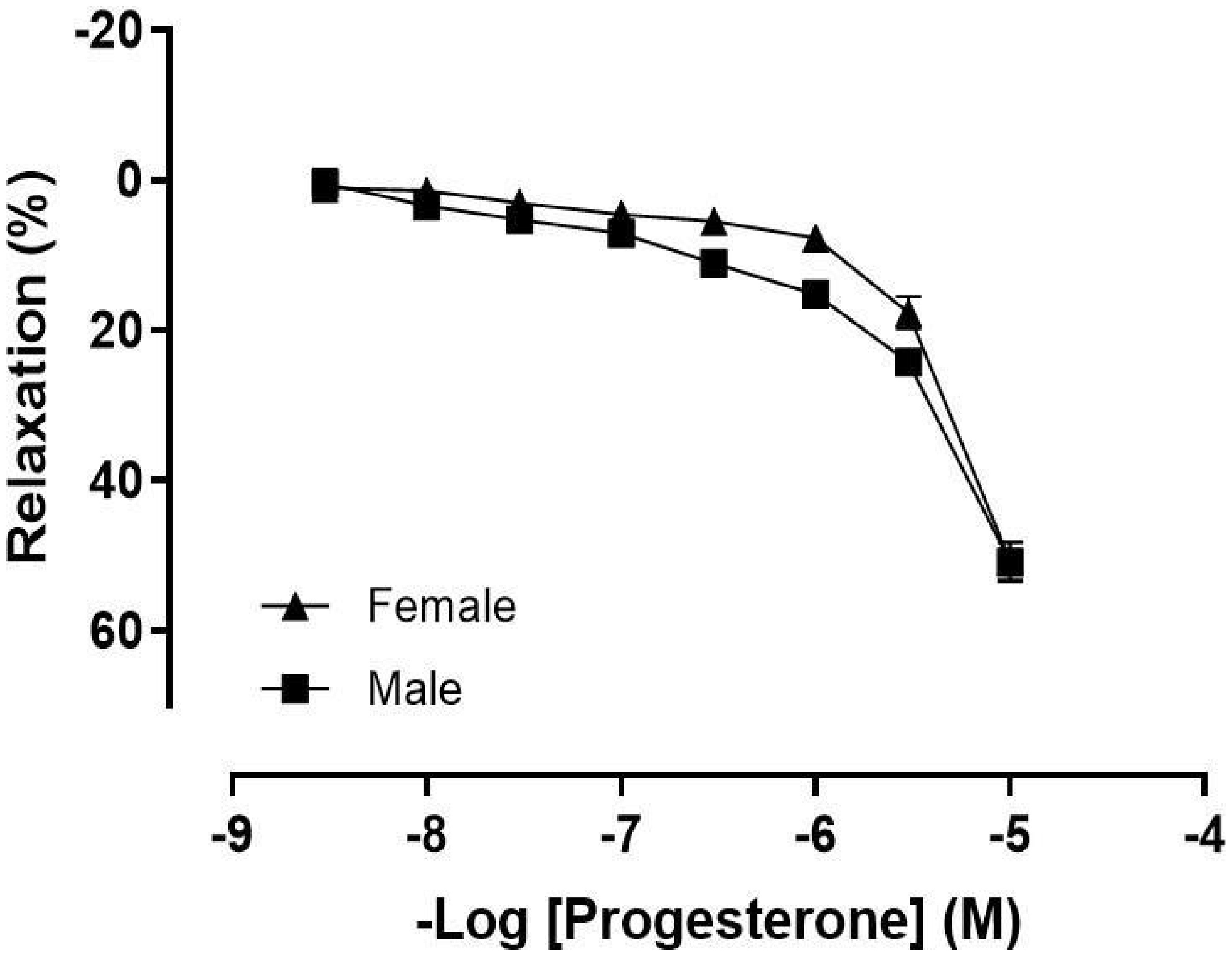
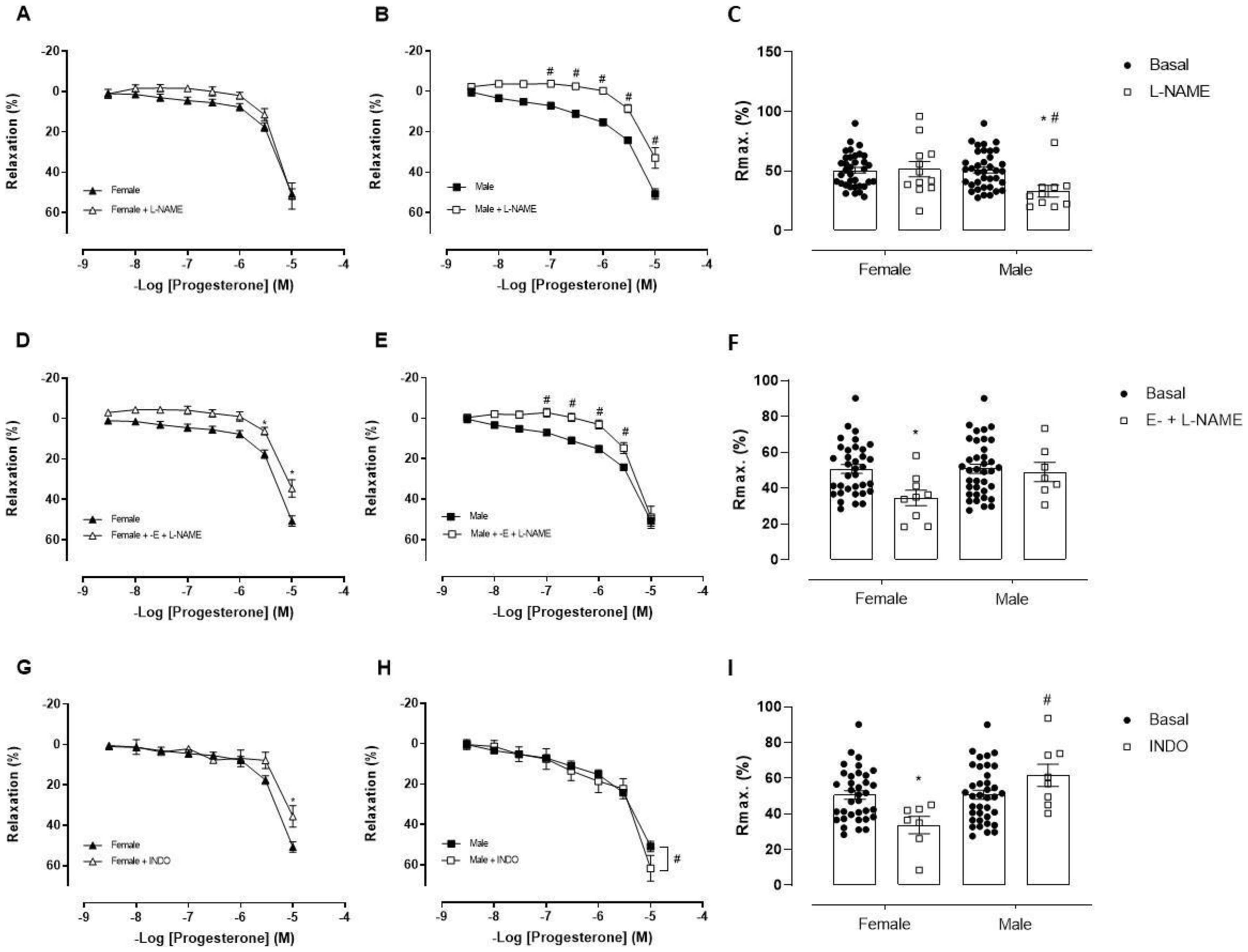
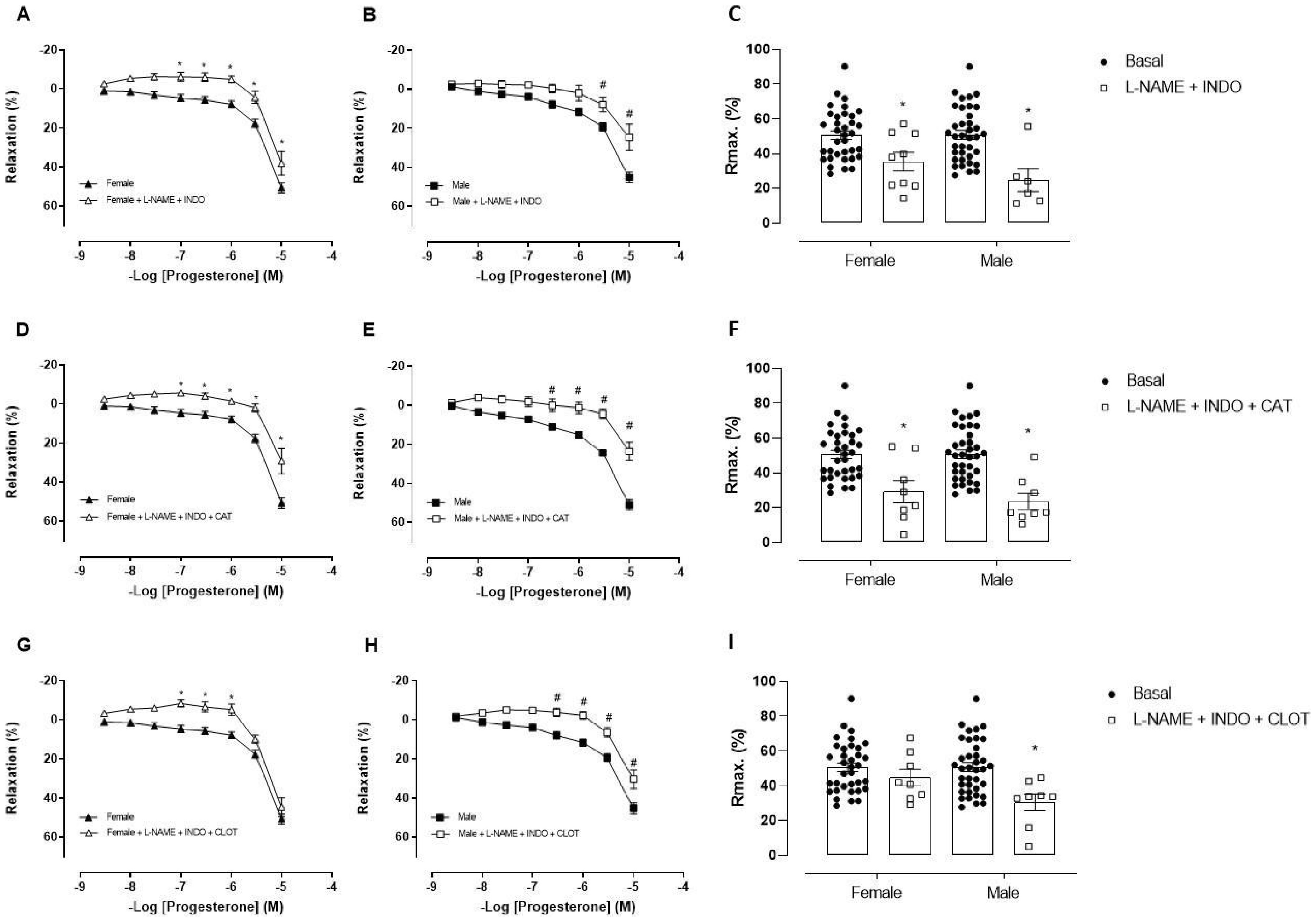
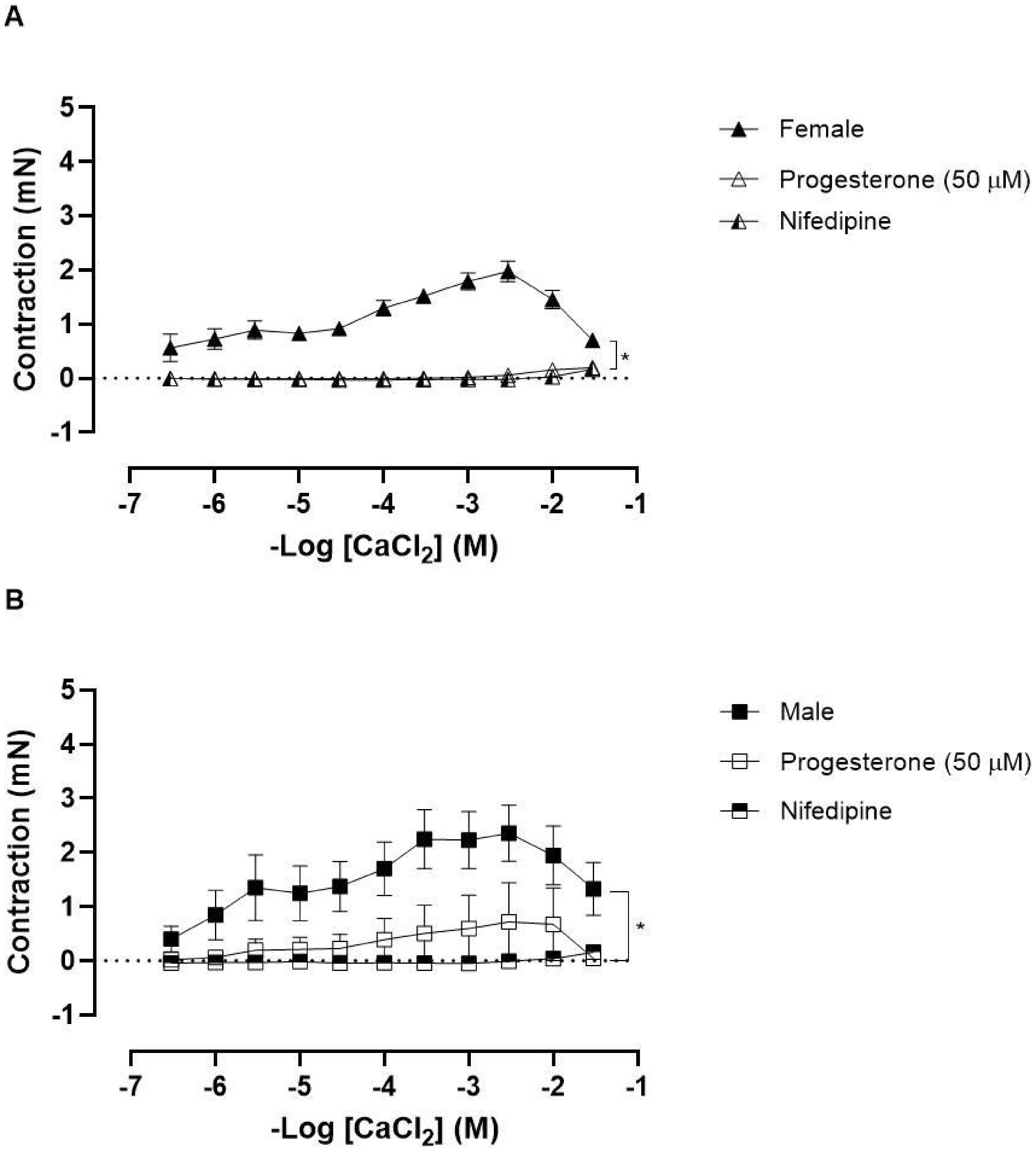
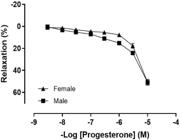
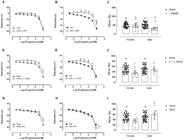
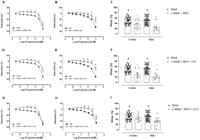
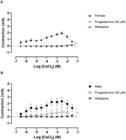
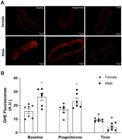
Progesterone plays an important role in several physiological systems, including the vascular system. Nevertheless, little is known about its role in resistance arteries. This study evaluated possible sex differences in progesterone-induced vasodilation in mesenteric resistance arteries from Wistar rats of both sexes. Concentration-response curves to progesterone (10 nM - 10 μM) were obtained in mesenteric arteries of 10- to 12-week-old animals of both sexes, before and after endothelial removal or incubation with nitric oxide synthase (Nω-nitro-L-arginine methyl ester - 300 μM) or cyclooxygenase (Indomethacin, 10 μM) inhibitors, alone or conjugated with non-selective cytochrome P450 inhibitor (Clotrimazole, 0.75 μM) or hydrogen peroxide (H2O2) enzymatic scavenger (Catalase, 1000 units/mL). In addition, we investigated the participation of calcium by building concentration-response curves to CaCl2 (10 µM - 30 mM) before and after incubation with progesterone (10 µM) or nifedipine (1 µM). Progesterone-induced relaxation was similar in females and males but involved different mediators. In females, this relaxation appeared to rely more on prostanoids and extra-endothelial nitric oxide (NO) pathways. In males, it seems to depend more on the NO pathway. Notwithstanding, in both sexes, progesterone appears to modulate the intracellular Ca2+ transient in mesenteric arteries negatively. There was a significant reduction in the contractile response in the presence of progesterone or nifedipine in both sexes. These findings contribute to a better understanding of the vascular actions promoted by progesterone in mesenteric resistance arteries of both sexes.
Keywords:
calcium ion; mesenteric resistance arteries; progesterone; vascular reactivity; vascular smooth muscle
 Thumbnail
 Thumbnail
 Thumbnail
 Thumbnail
 Thumbnail