 Diagnosis and risk factors associated with Schistosoma mansoni infection in a population of an endemic area of Northeastern Brazil
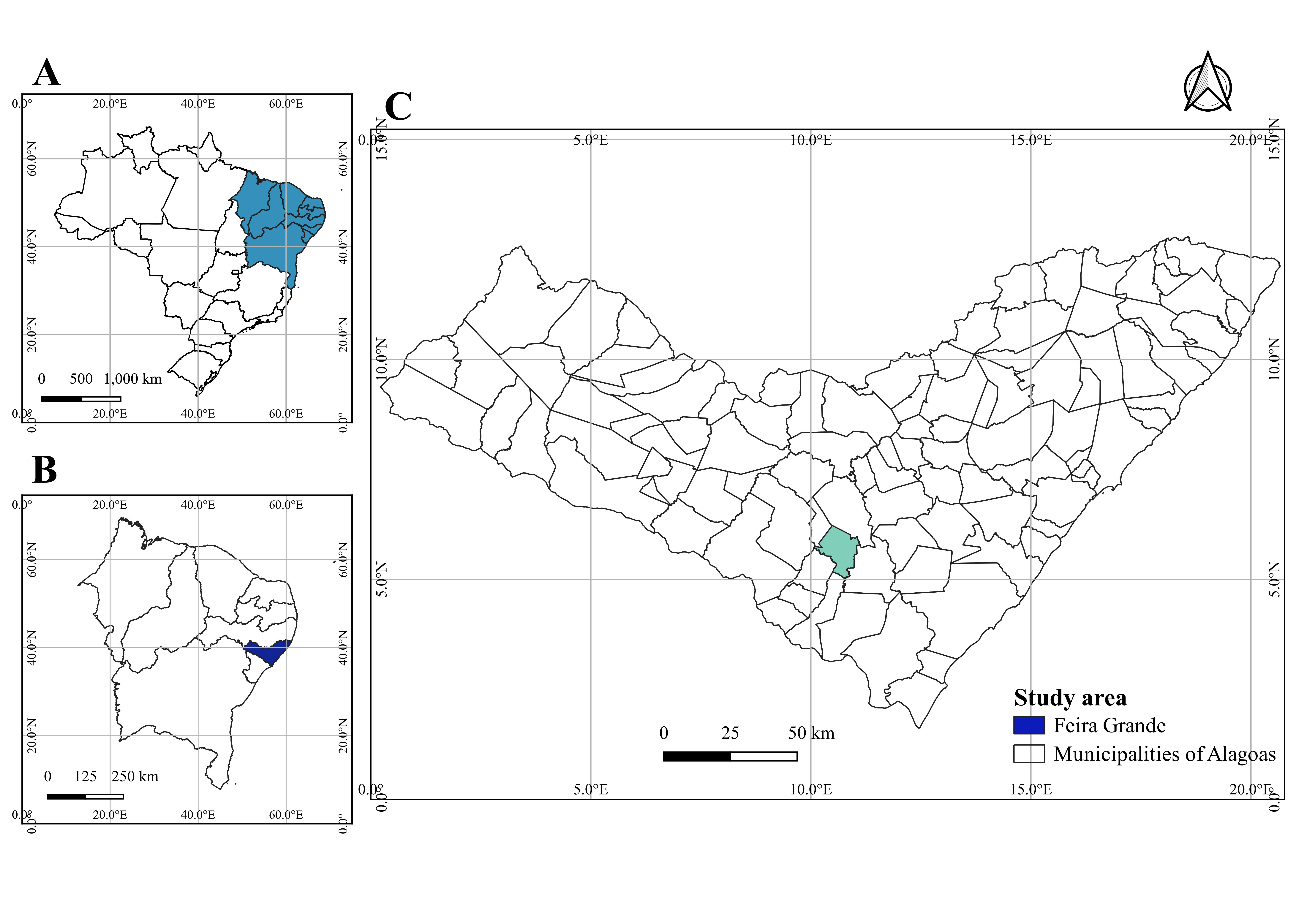
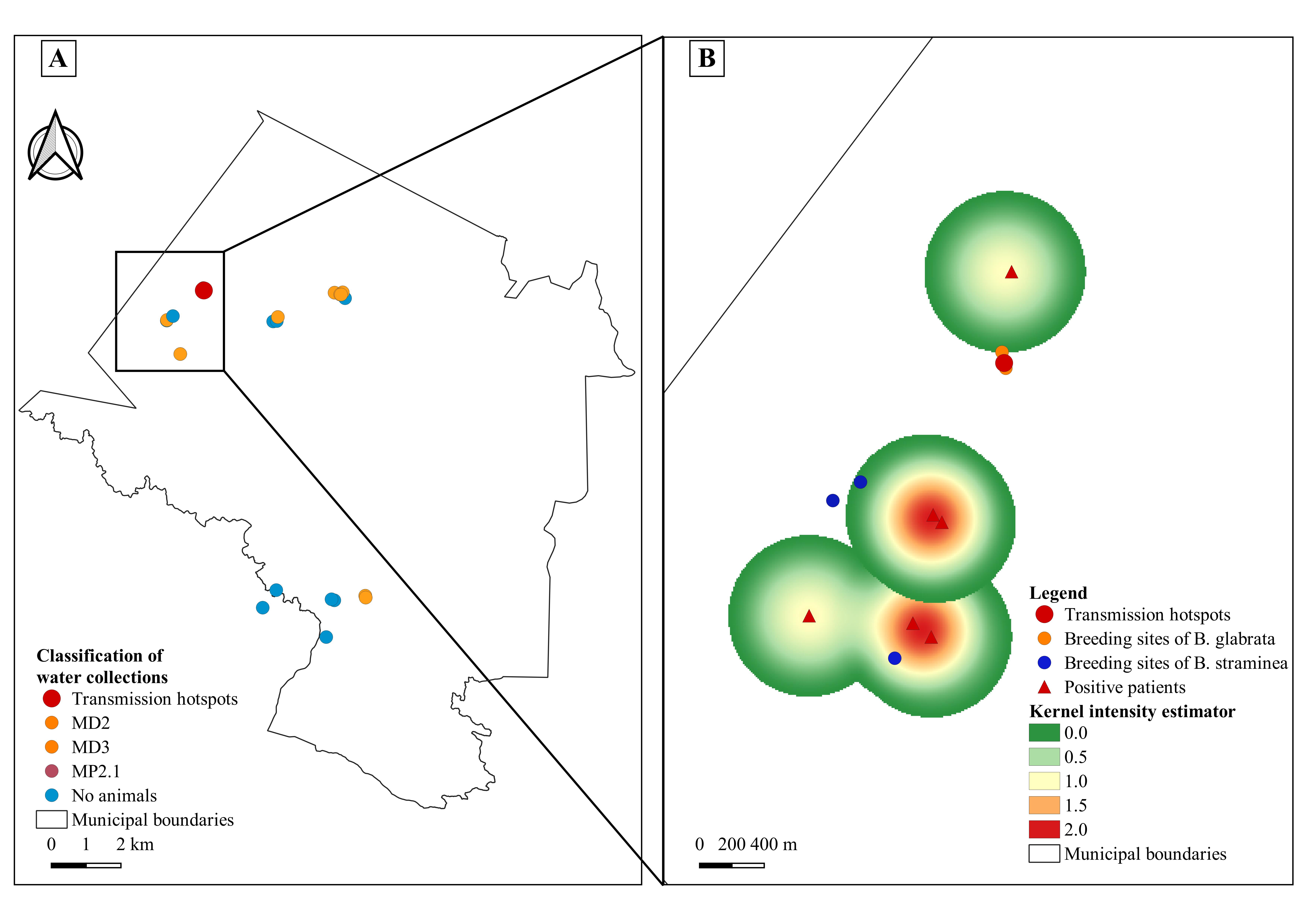
Brazil is one of the countries for which the World Health Organization (WHO) has set the goal of eliminating schistosomiasis as a public health problem by 2030. However, the current scenario shows that 19 out of the 26 Brazilian states are still affected by the disease. This study aimed to assess the positivity rate, parasite load, and risk factors associated with Schistosoma mansoni infection in the population, as well as to identify potential risk areas for parasite transmission in a municipality in Northeastern Brazil. A cross-sectional study was conducted between January and October 2023 in the municipality of Feira Grande, Alagoas. To determine S. mansoni positivity and parasite burden, the Kato-Katz coproparasitological method was used, with four slides analyzed per participant, in addition to a questionnaire to identify risk factors. Intermediate host snails were also collected and examined for trematode infection. Spatial analysis was used to identify risk areas, and both univariate and multivariate logistic regression were applied to evaluate the association between infection and risk factors. The overall positivity rate was 5.5% (n=20), with 90% (n=18) of infected individuals presenting with low parasite loads. In the univariate analysis, predictors of S. mansoni infection included age between 25 and 64 years, marital status (married or widowed), occupation as a farmer, and the use of water sources such as dams, ponds, reservoirs, wells, or cisterns. After adjustment for confounding factors, only occupation as a farmer remained significantly associated with an increased risk of infection. Of the 22 water collections identified, 12 were classified as breeding sites, and one was considered a transmission focus based on the detection of an infected Biomphalaria glabrata specimen. Four risk areas were identified, two of which were breeding sites for Biomphalaria straminea, and one for B. glabrata. Despite the low positivity rate, all conditions necessary for maintaining the parasite’s life cycle were present, associated with both population behavior and the existence of breeding and transmission foci. Our findings indicate that understanding the specific characteristics of endemic areas is crucial for developing locally adapted prevention and control strategies.
Keywords:
schistosomiasis; positivity; risk factors; epidemiology; public health
 Thumbnail
 Thumbnail