 The state of the art of knowledge about Podocnemis sextuberculata (Cornalia, 1849) Iaçá: a systematic review
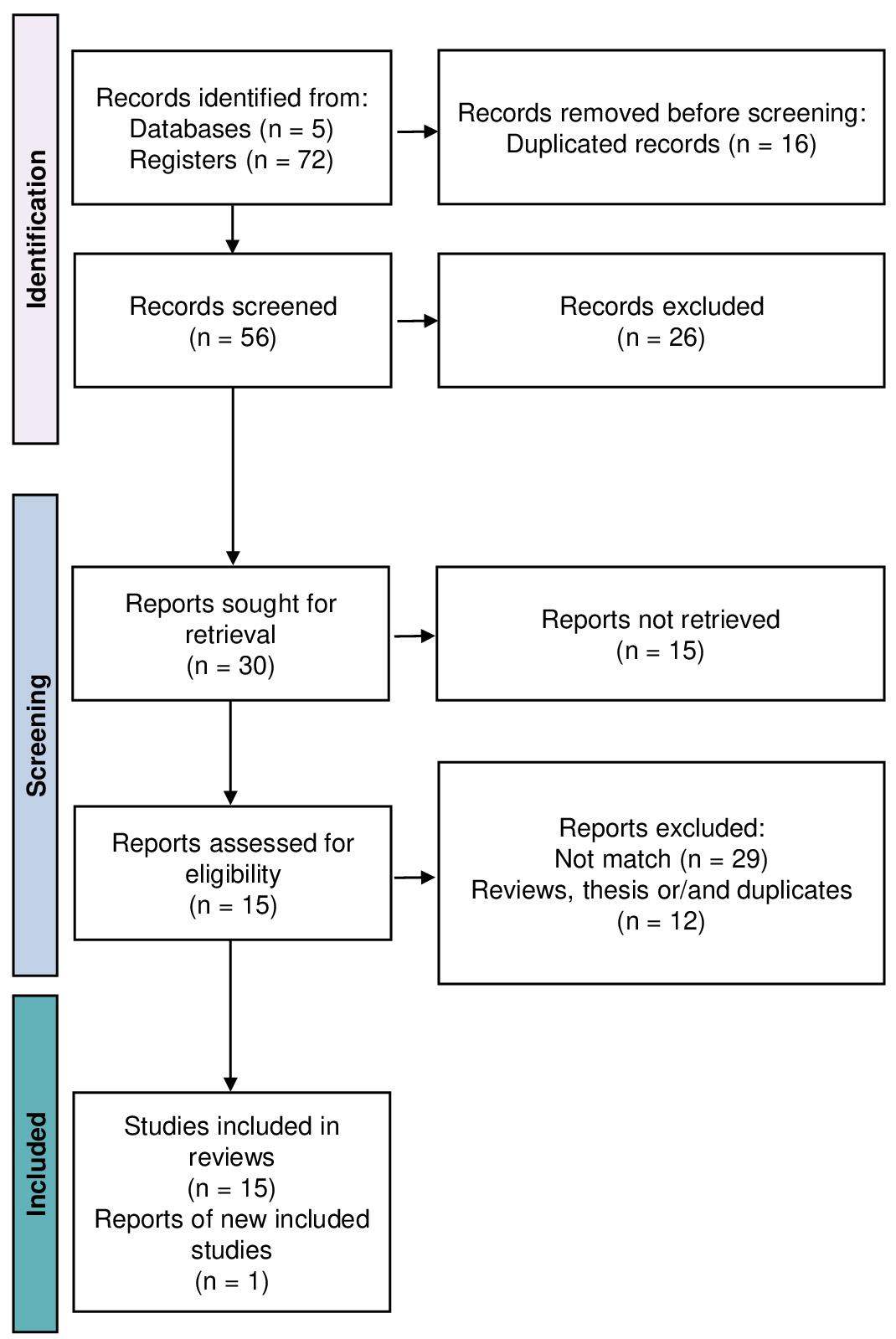
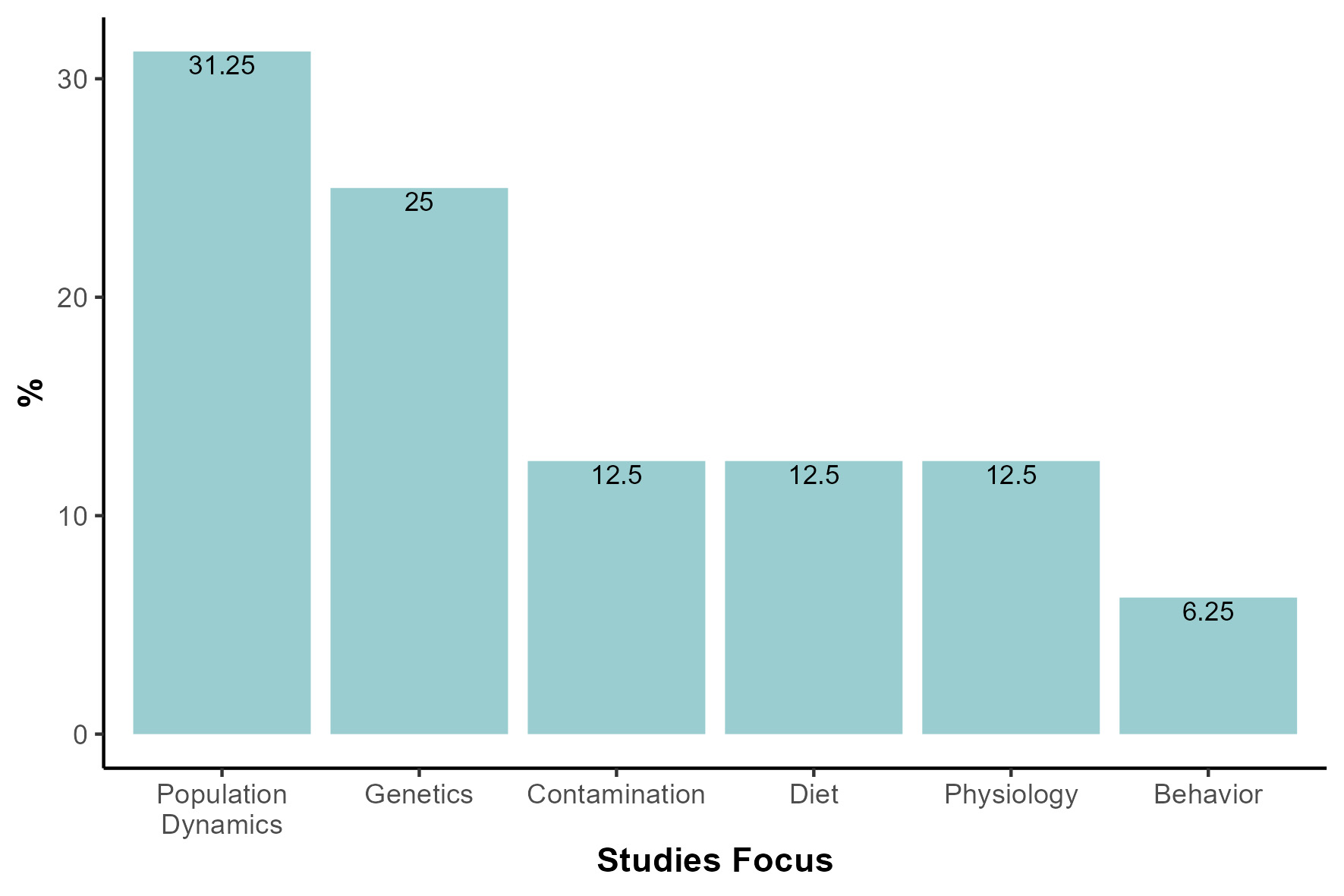
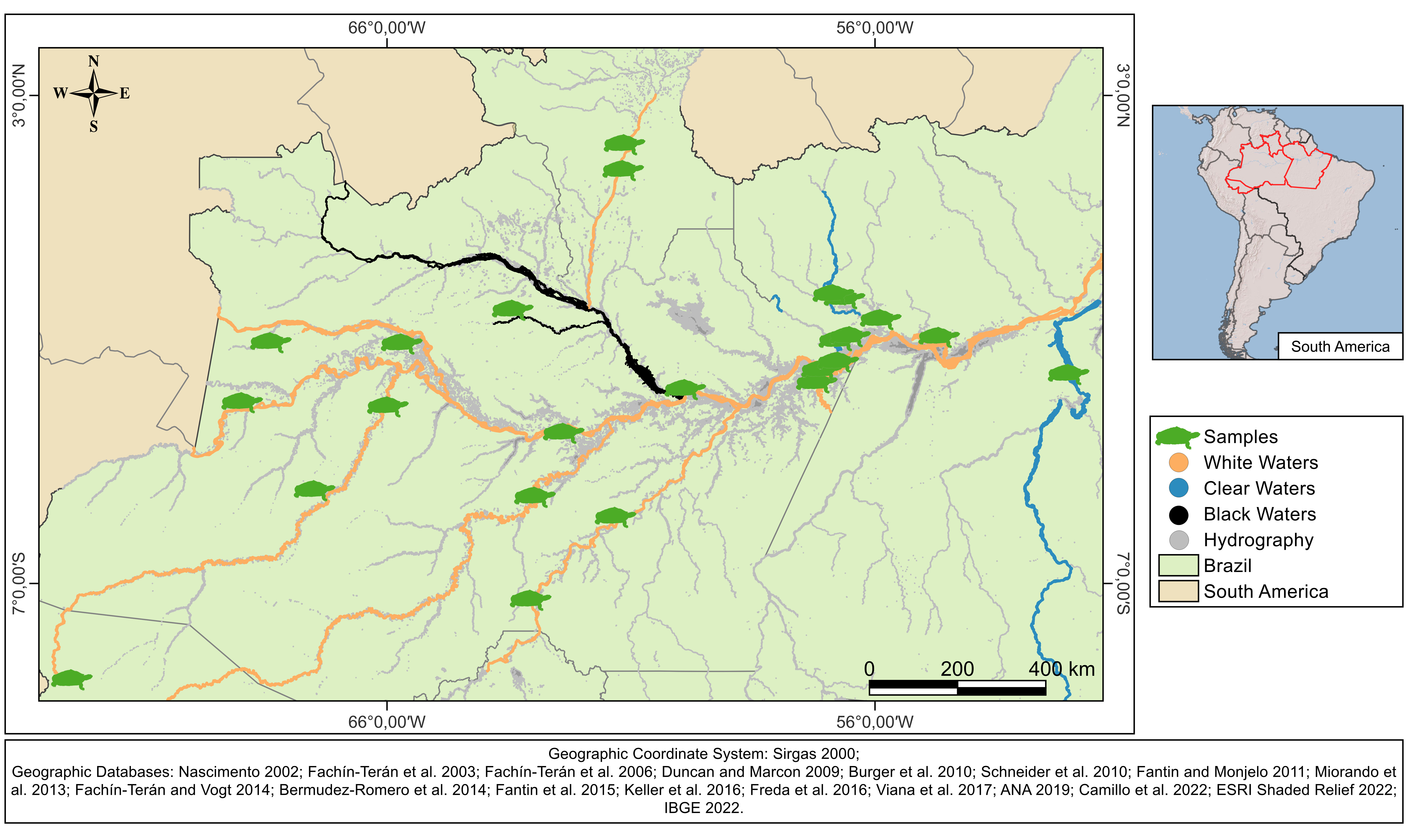
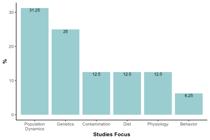
The following research proposes to investigate the principal areas studied about Podocnemis sextuberculata in South America through a systematic review of the main papers, pointing out the principal countries containing works about the species and the survey's focus. The research also characterized the ontogeny levels presented in each article, the number of specimens, samples and localities, providing the most essential information on the methodologies applied. As principal results, the areas containing more referential material were populational dynamics, genetics, diet, contamination, and threat status, revealing that all the content was generated in Brazilian territory, mainly developed at natural sites. Considering the biotic and abiotic threats, the species faces consumption by originating peoples, loss of environment due to the exploration of aquatic areas, and climate change aspects, despite the Amazon region still being a strong hotspot for it. The discussion points to the fields of study that have been further approached and the ones that still need more knowledge. Therefore, they need an investigation to provide more data for implementing conservation action strategies. The discussion also promotes debate within scientific academies by engaging with people who depend on the species for food, culture, religion, and other human aspects.
Keywords:
Amazon biome; cupiso; pleurodira; podocnemididae; turtle management
 Thumbnail
 Thumbnail
 Thumbnail
 Thumbnail
 Thumbnail
 Thumbnail
 Thumbnail