 The state of the art of knowledge about Podocnemis sextuberculata (Cornalia, 1849) Iaçá: a systematic review
Abstract
The following research proposes to investigate the principal areas studied about Podocnemis sextuberculata in South America through a systematic review of the main papers, pointing out the principal countries containing works about the species and the survey's focus. The research also characterized the ontogeny levels presented in each article, the number of specimens, samples and localities, providing the most essential information on the methodologies applied. As principal results, the areas containing more referential material were populational dynamics, genetics, diet, contamination, and threat status, revealing that all the content was generated in Brazilian territory, mainly developed at natural sites. Considering the biotic and abiotic threats, the species faces consumption by originating peoples, loss of environment due to the exploration of aquatic areas, and climate change aspects, despite the Amazon region still being a strong hotspot for it. The discussion points to the fields of study that have been further approached and the ones that still need more knowledge. Therefore, they need an investigation to provide more data for implementing conservation action strategies. The discussion also promotes debate within scientific academies by engaging with people who depend on the species for food, culture, religion, and other human aspects.
Keywords:
Amazon biome; cupiso; pleurodira; podocnemididae; turtle management
Resumo
A presente pesquisa propõe investigar as principais áreas de estudo sobre Podocnemis sextuberculata na América do Sul por meio de uma revisão sistemática dos principais artigos, destacando os principais países que contêm trabalhos sobre a espécie e o foco da pesquisa. A pesquisa também caracterizou os níveis ontogenéticos apresentados em cada artigo, o número de espécimes, amostras e localidades, fornecendo as informações essenciais sobre as metodologias aplicadas. Como principais resultados, as áreas com maior material de referência foram dinâmica populacional, genética, dieta, contaminação e status de ameaça, revelando que todo o conteúdo foi gerado em território brasileiro, principalmente em sítios naturais. Considerando as ameaças bióticas e abióticas, a espécie enfrenta o consumo por povos originários, a perda de habitat devido à exploração de áreas aquáticas e os aspectos das mudanças climáticas, apesar da região amazônica ainda ser um importante hotspot para a espécie. Os campos de estudo que foram mais explorados e aqueles que ainda necessitam de maior conhecimento. Portanto, necessitam de investigação para fornecer mais dados para a implementação de estratégias de conservação. Ademais, também promove o debate dentro das academias científicas, envolvendo pessoas que dependem da espécie para alimentação, cultura, religião e outros aspectos humanos.
Palavras-chave:
bioma amazônico; cupiso; pleurodira; podocnemididae; manejo de tartarugas
1. Introduction
Chelonians, also known as tortoises, turtles and terrapins, belong to the order Testudines or Chelonia, which currently has two clades: the Cryptodira species, which retract the head into the shell, and the Pleurodira species, which retract the head by curving the neck laterally (Ferrara et al., 2017). Among the pleurodiras is the Podocnemididae family, which has the genus Podocnemis being the most extensively studied and currently contains the most significant number of species among the genera of the family (Mitgaard, 2025).
The distribution of the family Podocnemididae covers some countries in South America (Bolivia, Brazil, Colombia, Ecuador, French Guiana, Guyana, Peru, Venezuela) and Madagascar (Turtle Taxonomy Working Group, 2021). Members of the Podocnemis genus are the most exploited species, especially Podocnemis expansa (Schweigger, 1912) Giant Amazon River Turtle, Podocnemis unifilis (Troschel, 1848) Yellow-spotted Amazon River Turtle, and Podocnemis sextuberculata (Cornalia, 1849) Six-tubercled Amazon River Turtle (Oliveira et al., 2011; Miorando et al., 2013).
In Brazil, Amazonian turtles, especially those of the Podocnemididae family, are an essential food source for the local population and have a long history of exploitation (Eisemberg et al., 2015). The Amazon is an important region for the conservation of this group, since the biome is home to a considerable diversity of turtle species (Fagundes et al., 2021). The preservation of Amazonian turtles is essential to maintain the biodiversity of the biome, as well as the historical and current context related to their ecological niche and their role as a food source (Luz et al., 2019).
The maintenance of turtle populations is significant for human populations since the consumption of these animals is of great importance in the culture and eating habits of Amazonian peoples (Fagundes et al., 2021). Amazonian turtle populations have suffered from changes in their reproductive and feeding habitats and increased hunting pressure (Luz et al., 2019).
The species P. sextuberculata, popularly known as iaçá, pitiú, anori or cupiso, has a characteristic plastron of the species, which is the presence of six tubercles on the pectoral, abdominal, and femoral scales, two on each shield of hatchlings and juveniles (Ferrara et al., 2017). Its geographic distribution inhabits the Amazon regions of Brazil, Bolivia, Colombia, and Peru, where it inhabits large rivers and tributaries, deep pools, lakes, flooded forests in rivers, mainly in whitewater rivers with small populations in clearwater rivers, and rarely in blackwater rivers (Ferrara et al., 2017; Camillo et al., 2022).
Most existing studies are focused on aspects of the species' reproductive biology, with studies on population structure and dynamics, diet, and captive breeding being essential. These studies also consider the impacts of threats, such as consumption and traffic, the presence of hydroelectric plants, and climate change, on the species' populations (Fachín-Teran et al., 2003; Ferrara et al., 2017).
This study aimed to systematically review the status of the species P. sextuberculata. The central question was “What are the primary studies covering the P. sextuberculata species? To answer this question, the following sub-items were formulated: (a) Which countries in South America have studies of this species? (b) What are the primary studies that focus on the species? (c) What types of water were involved in the studies? (d) What is the ontogeny of studies?
2. Materials and Methods
The authors conducted this systematic review in four sequential stages (Dias, F.V.N., and Oliveira, A.T.). In the first stage, a preliminary selection was made based on the titles, abstracts, and keywords of the articles. Articles whose abstracts did not address the species “Podocnemis sextuberculata” as the focus of the research were removed.
The search was conducted in the PubMed, Scielo, Web of Science, Google Scholar, and ScienceDirect databases in March 2025. The search component was defined as “Podocnemis sextuberculata” only. After obtaining the search results, books, book chapters, reviews, theses, and short communications were excluded. The Start tool supports the results of the Preferred Reporting Items for Systematic Review and Meta-Analyses (PRISMA) (Page et al., 2021).
Then, from the first reading of titles, abstracts, and keywords, the articles were imported for complete reading. All relevant data were extracted and placed in a Microsoft Excel spreadsheet for evaluation. From the data obtained, maps and graphs were produced using QGIS Geographic Information System (2025) and R Core Team (2025), and additional information on the identification of turtle species was obtained from the Reptile Database (Uetz et al., 2025).
2.1. Risk of bias assessment
The database used, date, languages (English, Portuguese, and Spanish), number of articles, types of articles chosen for this study, and the inclusion/exclusion criteria are all potential sources of bias.
3. Results
3.1. Literature search
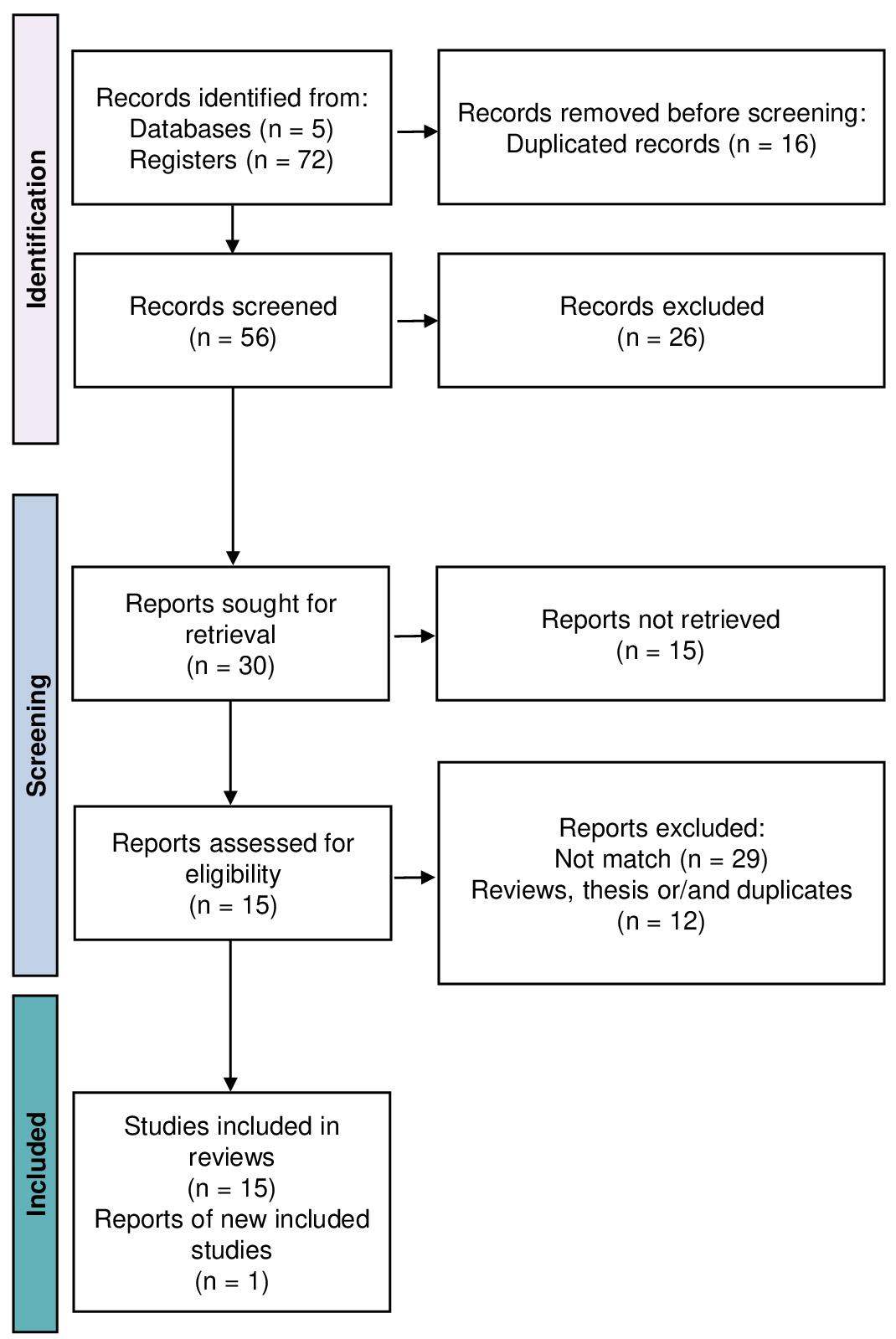
In the first identification in the databases, 72 components were found: 4 in Scielo, 4 in Web of Science, 8 in PubMed, 18 in ScienceDirect, and 38 in Google Scholar. Of these 72, 16 were duplicates/triplicates, resulting in 56 articles. These were analyzed in the second stage (screening) regarding the titles and keywords, and 12 were rejected because they were theses and scientific notes, leaving 15 articles suitable for this review. In addition, one article was added by the authors, resulting in 16 articles (Figure 1).
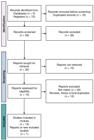
PRISMA flow diagram displays the literature search results (Google Scholar, PubMed, Scielo, ScienceDirect, Web of Science).
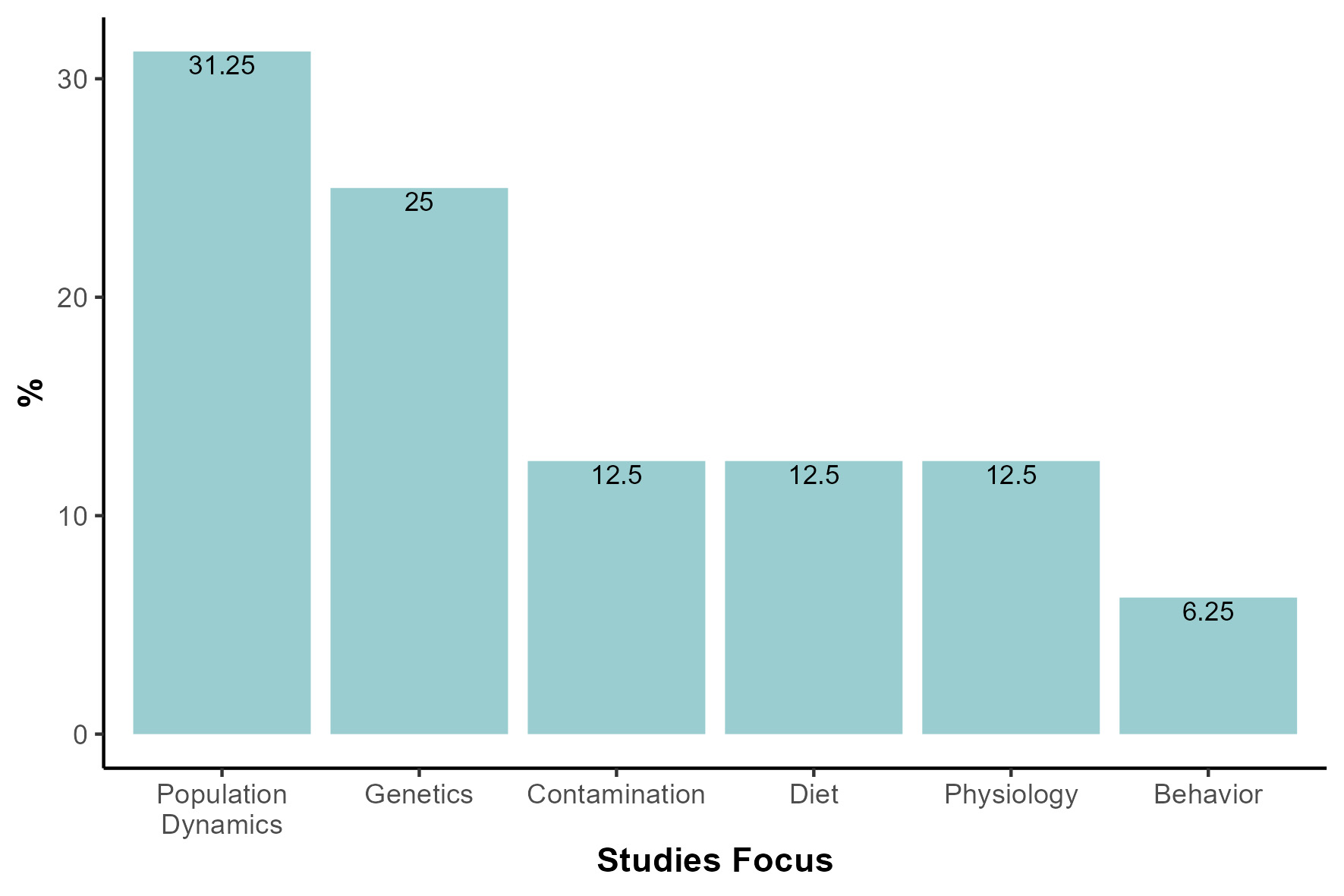
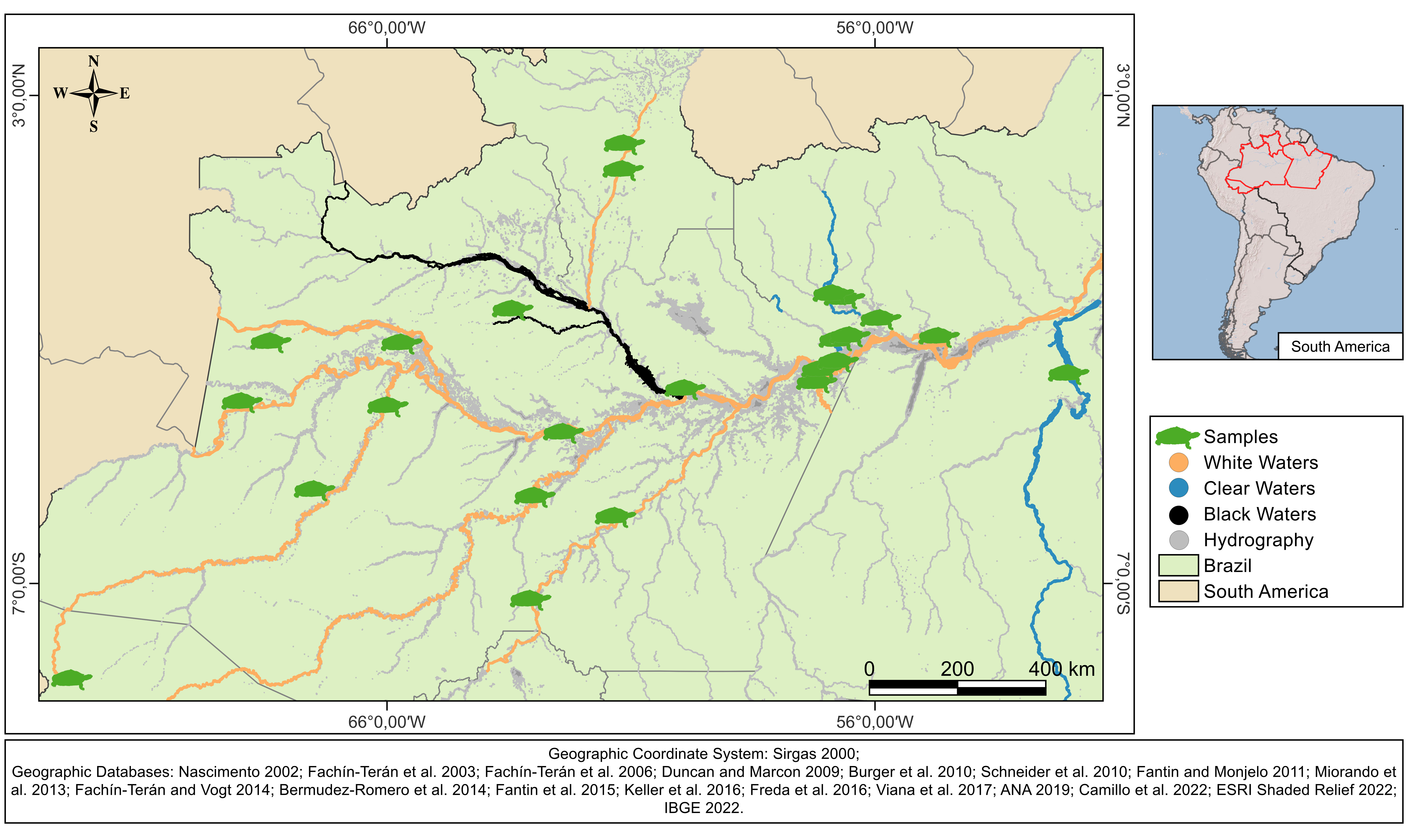
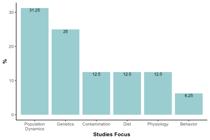
The main areas of study found were population dynamics (43.75%), followed by genetics (25%), diet (18.75%), and contamination (12.50%) (Figure 2). The study sites were 100% in Brazilian territory (Figure 3). Of these, 89.47% were in natural areas and 10.53% in captivity/laboratory (Table 1).

3.2. Podocnemis sextuberculata main features
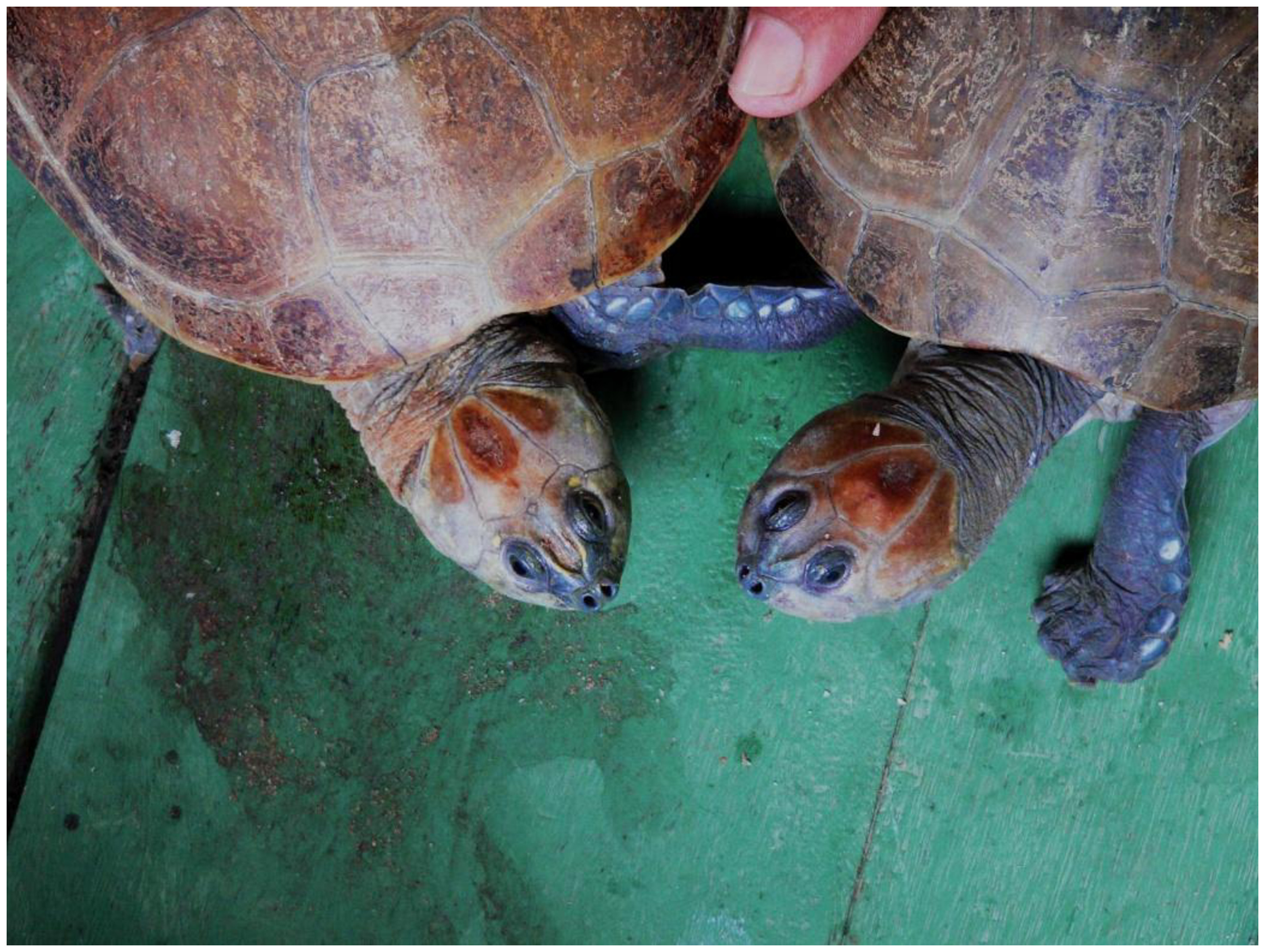
Individuals of P. sextuberculata have an enlarged interparietal scale, completely separating the parietal scales. There is also a subocular scale and a deep interorbital groove. The coloration of the head varied between light gray and dark gray in females, while males and juveniles exhibited light yellow spots distributed in different regions of the head (Figure 4) (Ferrara et al., 2017).
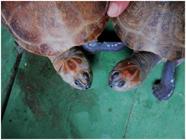
Heads of male (left) and female (right) Podocnemis sextuberculata representing sexual dimorphism.
The carapace was markedly expanded in the posterior region, as if it were a skirt, with coloration varying from gray to brown (Figure 5). The average sizes recorded for P. sextuberculata hatchlings showed an average carapace length between 38.9 mm (Araújo, 2020) and 40 mm (Bernhard, 2001), with a width ranging from 34.97 mm to 36.5 mm. Juveniles reached an average of 154 mm in length, while individuals classified as subadults had an average length of 185 mm (Fachín-Téran et al., 2003). Adults reached higher carapace lengths, with an average of 229.5 mm (Fachín-Téran et al., 2003) and up to 275 mm (Bernhard, 2001). The plastron length followed a similar proportion, with values of 36.03 mm in hatchlings (Araújo, 2020) and up to 241 mm in adults (Bernhard, 2001). The straight length of the carapace varies between sexes, with males averaging 210 mm (range: 110–250 mm) and females 240 mm (range: 170–340 mm), resulting in females being larger than males (Freda et al., 2016; Ferrara et al., 2017; Camillo et al., 2022).
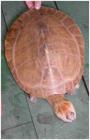
Carapace of Podocnemis sextuberculata with expanded posterior region in the shape of a "skirt".
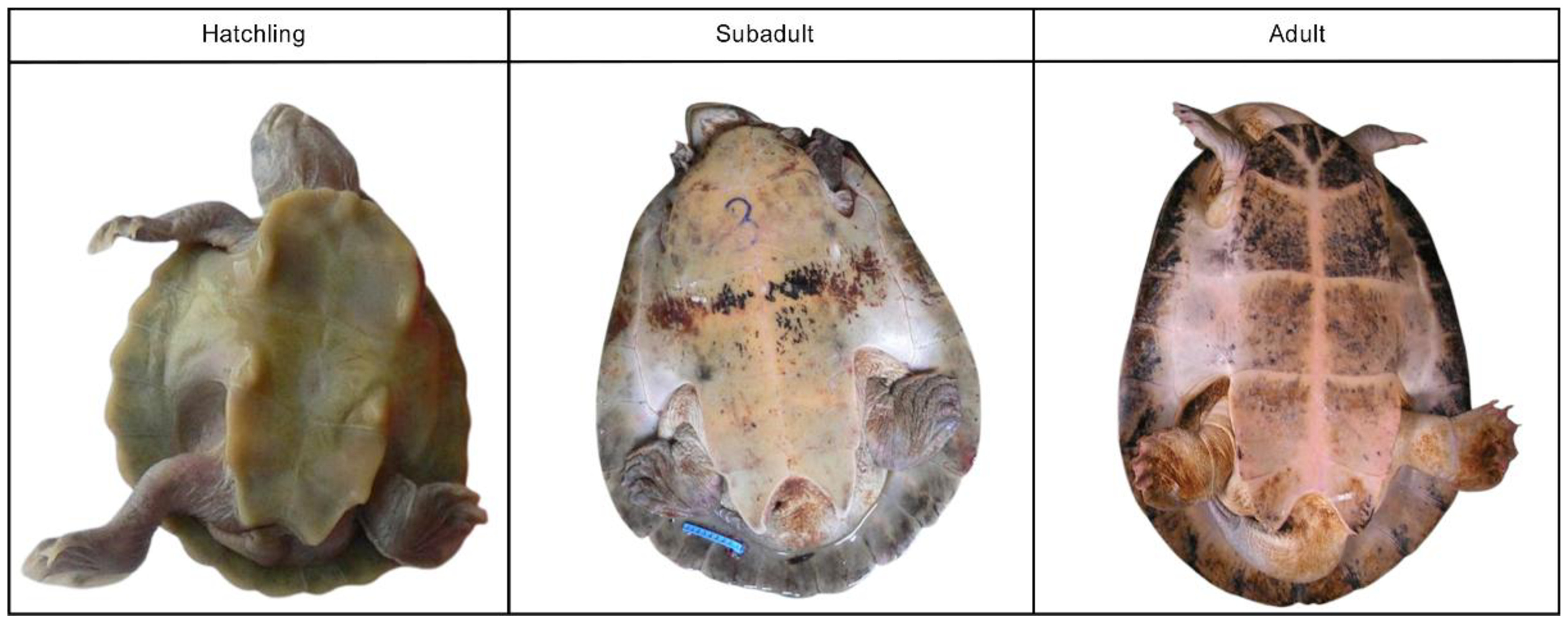
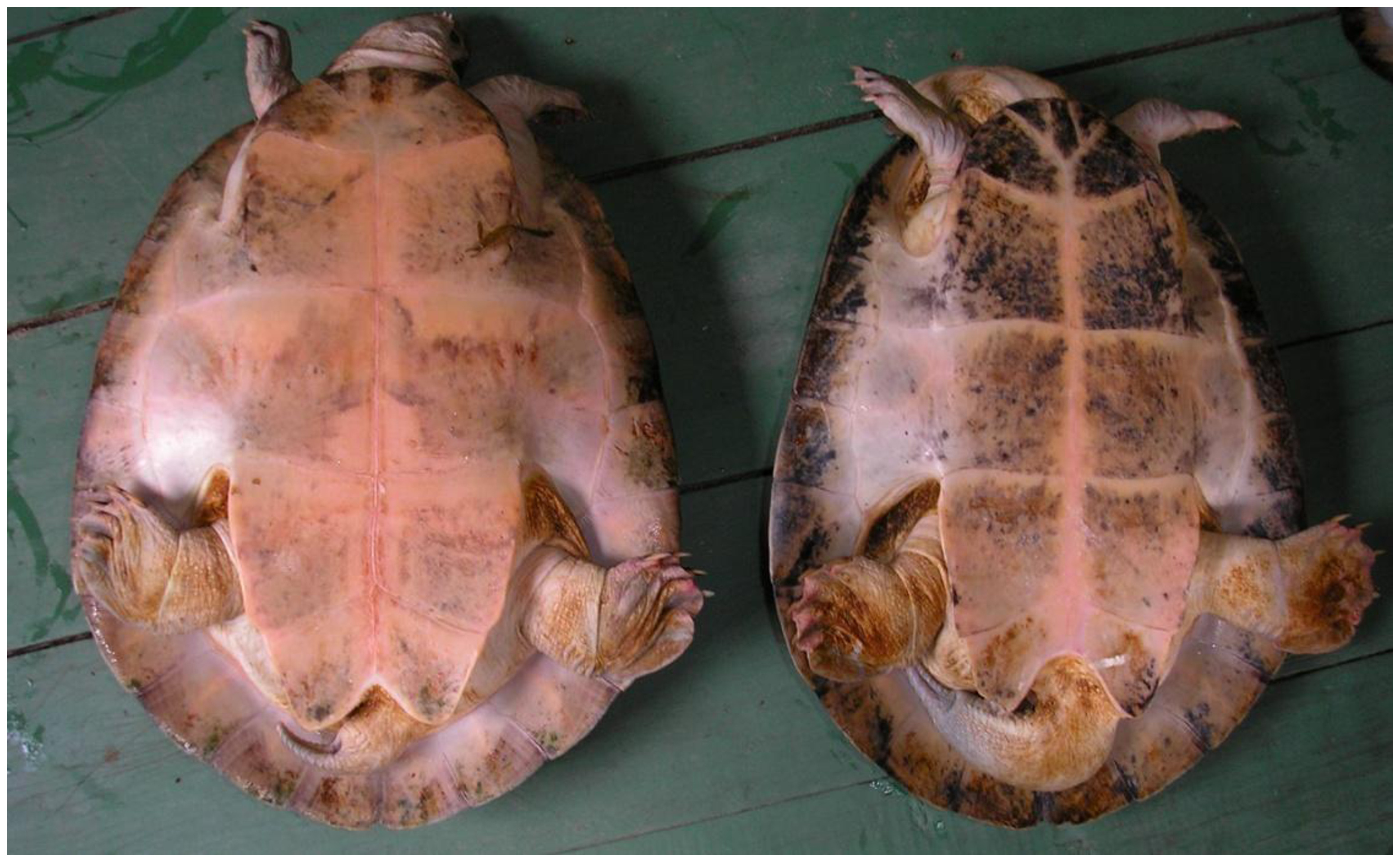
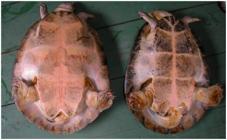
The plastron, in turn, presented a striking morphological characteristic: six tubercles arranged on the pectoral, abdominal, and femoral scales, present in hatchlings, juveniles, and subadults but absent in adults (Figure 6) (Fantin and Monjelo, 2011; Ferrara et al., 2017). Sexual dimorphism was evident, with males having a proportionally longer and thicker tail than females (Figure 7), in addition to the presence of light yellow cephalic spots (Figure 4) (Ferrara et al., 2017).

Plastron of Podocnemis sextuberculata showing the tubercles in evidence in hatchlings, sub-adults and absent in adults.
Differences between the tail of a female (left) and male (right) Podocnemis sextuberculata demonstrating sexual dimorphism.
Regarding the conservation status of the species, the P. sextuberculata is listed as vulnerable (VU) according to the International Union for Conservation of Nature (IUCN), with recommendations from the Turtle Taxonomy Working Group (TTWG) and the genus Podocnemis is listed in Appendix II of CITES (Convention on International Trade in Endangered Species of Wild Fauna and Flowers (Turtle Taxonomy Working Group, 2021). Furthermore, in Brazil, the species is protected by Federal Legislation for the Protection of Fauna, Law No. 5,197, which prohibits the commercial capture of the species in the country (Brasil, 1967).
4. Discussion
Freshwater research in Latin America faces challenges, including limited access to equipment, funding, and territorial barriers, with a focus on biodiversity assessment and species inventories in river ecosystems (Ramírez and Gutiérrez-Fonseca, 2020). In South America, records show that Brazil is the leading investor in freshwater turtle research, which can be explained by the richness and diversity of species in the Amazon biome (Dias et al., 2025). Thus, of the countries where P. sextuberculata occurs, only Brazil has research in the states of Amazonas, Acre, Pará, and Roraima (Figure 3).
4.1. Genetics
The karyotypes of P. sextuberculata and P. expansa are homogeneous and have the same cariotic formula and fundamental number (Fantin and Monjeló, 2011). Both species had identical chromosomal numbers and morphology, confirming the very low diploid number compared to most other turtles (Fantin and Monjeló, 2011). Multiple chromosomal rearrangements can explain the reduction in the number of chromosomes found in Podocnemis, or this number may represent the ancestral condition of Chelonia, which has been duplicated in many strains to derive the high number observed in most genera (Fantin and Monjeló, 2011; Cavalcante et al., 2020).
P. sextuberculata is the second shortest species of the genus Podocnemis, with a maximum length of 34 cm carapace and a maximum weight of 3.5 kg (Freda et al., 2016), and, among other Amazonian Podocnemis species, P. sextuberculata has the most panmitic pattern (Viana et al., 2017).
Multiple paternity is a standard mating system in natural reptile populations, including turtles (Uller and Olsson, 2008). Even with most species showing aquatic behavior in nature, making it difficult to access information about them, the existence of multiple paternity has already been reported in P. expansa, Podocnemis unifilis, and Podocnemis erythrocephala (Spix, 1824) Red-headed Amazon Side-necked Turtle (Fantin et al., 2015). In the Freda et al. (2016) study, multiple paternity was observed in 100% of nests, and the number of alleles was highly variable. The high occurrence of alleles and multiple paternity is probably because this P. sextuberculata population is located in a biological reserve, where the nesting areas of the chelonian population have been protected for over 30 years. Still, in this study, the most significant number of parents was observed in nests with the largest egg number.
The high levels of genetic diversity observed in most P. sextuberculata populations in the Brazilian Amazon are relevant in evolutionary but not in ecological terms and should be analyzed with caution, as the mtDNA locus is a better indicator of demographic history over evolutionary periods (Viana et al., 2017). In addition, genetic variability reduces juvenile mortality, but does not increase successful lounge rates (Mullin et al., 2023). These findings indicate the importance of conservation and management actions to maintain the genetic pool of P. sextuberculata and other chelones in the Amazon (Fantin et al., 2015; Freda et al., 2016; Willi et al., 2022).
4.2. Population dynamics
P. sextuberculata lives in white and clear waters, in lagoons and floodplains covered by forest, and has an extended range of over 700 km. However, the rapids may limit it upriver (Keller et al., 2016). The choice of nesting habitat is positively associated with sun-exposed sandbanks, where nests are situated on the highest and sandiest portions of the beaches (Bermudez-Romero et al., 2015).
Podocnemididae species, specifically this species, depend on the water level for nesting (Nascimento, 2002; Bermudez-Romero et al., 2015). In the case of P. sextuberculata, this species usually oviposits on both lower and higher beaches and/or in isolated areas with vegetation (Nascimento, 2002). The nesting period occurs between late June and September in the Ucayali River, Peru; between October and March in the Caquetá River, Colombia; between August and October in the Mamirauá Sustainable Development Reserve, Brazil; and between August and September in the lower Purus River, Brazil (Bermudez-Romero et al., 2015).
In the studies of Miorando et al. (2013), distance from nesting beaches and the river level were the environmental variables that most influenced the relative abundance of P. sextuberculata during the falling water season, which indicates that Podocnemis turtles may present a behavioral response to fishing pressure. According to Nascimento (2002), nesting activity is related to the beginning of the low tide of the Branco River in September, when the first sandbanks begin to appear, where the females will lay their eggs.
Demographic studies have revealed that subadults and adults are the most sensitive to life stages regulating turtle population sizes (Miorando et al., 2013). In some areas, the population of P. sextuberculata has been dramatically altered due to overexploitation, such as in the Solimões River, where the population is significantly reduced (Fachín-Téran et al., 2003).
Studies report that the number of males of P. sextuberculata is generally greater than that of females (Pezzuti, 1998; Fachín-Téran et al., 2003). Historical differential predation of females and nests changes the sex ratio (Fachín-Téran et al., 2003). The low number of females found may be the result of differential predation by community members who live near the beaches and capture females during oviposition (Fachín-Téran et al., 2003). Therefore, human action has drastically reduced the number of populations (Fachín-Téran et al., 2003). Juvenile, subadult, and adult males of P. sextuberculata are significantly smaller than females (Fachín-Téran et al., 2003; Camillo et al., 2022). In addition, females are considerably larger and heavier than males, as described for all Podocnemis species (Miorando et al., 2013).
4.3. Diet and contamination
P. sextuberculata is primarily herbivorous, with 85.4% of its diet consisting of fruits and seeds (Mittermeier and Wilson, 1974; Cunha et al., 2020), although it is reported to be carnivorous (Fachín-Téran et al., 2006; Duncan and Marcon, 2009; Fachín-Téran and Vogt, 2014). The species consumes the smallest amount of food per volume compared to other Podocnemis species (Cunha et al. 2020). Diet composition varies seasonally and is influenced by water type, with turtles in nutrient-poor blackwater rivers potentially benefiting from specialized digestive tracts to deal with chemical plant defenses (Eisemberg et al., 2017). The diet of P. sextuberculata does not differ significantly between adults and juveniles, as body size does not correlate with the diversity of food items or the volume consumed (Eisemberg et al., 2017; Cunha et al., 2020). However, changes in diet as a function of the size of the iaçá were found for stems, leaves, and rhizomes, which were only consumed by specimens whose size was equal to or greater than 15 cm in length.
However, Duncan and Marcon (2009) studied newborns of P. sextuberculata, in which enzymatic analysis suggested that the hatchlings of this species presented an aerobic potential substantially fueled by the metabolism of fatty acids and amino acids, consisting of a mixed diet based on animal and plant material during early life. Furthermore, the juveniles and newly hatched individuals studied in captivity demonstrated a 100% carnivorous diet (Malvasio et al., 2003). Dietary changes in juveniles and adults are common in turtles, usually occurring in omnivorous species (Malvasio et al., 2003; Fachín-Téran and Vogt, 2014).
P. sextuberculata shows adaptability to seasonal changes, with the flooded forest habitat providing abundant Poaceae, an important food source (Fachín-Téran et al., 2006; Fachín-Téran and Vogt, 2014). Among the plants that serve as food for P. sextuberculata, the distribution and abundance of species of the Poaceae family appear to be the most critical factors influencing the abundance of the species (Fachín-Téran et al., 2003). The richness of nutrients in the floodplain waters and the high productivity of Poaceae seeds contribute to greater availability of food resources for turtles in this area, and even during the flood, when there is a greater abundance of fruits, the species demonstrated a preference for these seeds (Fachín-Téran et al., 2003; Fachín-Téran and Vogt, 2014).
Poaceae have effectively cleaned contaminated environments since they are easy to cultivate with high biomass, fast growth, and are tolerant to toxic environments. They can also accumulate large amounts of toxic metals in the rhizosphere region and lower translocation to the branch (Patra et al., 2021). Species that feed in aquatic environments are more vulnerable than terrestrial species due to the potential for rapid movement of contaminants in water and because chemicals are stored in bottom sediments, providing a reservoir for future years (Burger et al., 2010). Blood analyses of aquatic species revealed higher mercury (Hg) concentrations in carnivorous species; however, this does not apply to P. sextuberculata, whose diet consists predominantly of fruits and seeds (Burger et al., 2010; Schneider et al., 2010). However, there is active consumption of meat and eggs of this species by Amazonian communities, which suggests further studies to evaluate the bioaccumulation of heavy metals in the consumption of turtles (Oliveira et al., 2024; Dias et al., 2025).
4.4. Threat status
Amazonian turtles, especially those of the Podocnemididae family, are an essential food source for traditional populations throughout the Amazon region (Pezzuti, 1998; Oliveira et al., 2024). In the study by Oliveira et al. (2024), the consumption and trade of turtles were studied in the municipality of Juruá, Amazonas, Brazil. The study demonstrated that the critical period for conserving turtles, mainly P. sextuberculata and P. unifilis, in this location is during the dry season, as the practice of commercializing these species was observed.
Overexploitation of eggs, capture of adults, and commercialization of turtles have affected the distribution of size classes of P. sextuberculata despite the prohibition of commercial capture in Brazil. This species is protected by the Federal Wildlife Protection Law, Law No. 5,197, although no information is available on population size that justifies these measures (Brasil, 1967; Fachín-Téran et al., 2003).
The criteria used to classify it in this category were population decline, regardless of habitat quality, and current and potential levels of exploitation. However, no quantitative data support these criteria in any country where the species occurs (Fachín-Téran et al., 2003).
5. Conclusion
This systematic review demonstrated that P. sextuberculata remains an understudied species throughout most of its range, with research concentrated exclusively on Brazilian territories. The available literature highlights essential advances in understanding its population dynamics, genetic diversity, reproductive biology, and trophic ecology. However, there remains a significant lack of information regarding their current population status and the long-term effects of anthropogenic pressures, particularly habitat degradation, pollution, trade and consumption. The predominance of studies in natural environments suggests more ex-situ research to inform conservation strategies. Evidence of high genetic variability and panmixia in protected populations highlights the importance of maintaining habitat integrity and enforcing existing legal protections. Future studies should prioritize demographic monitoring, assessments of contaminant bioaccumulation and the climatic effects that act on the habitat of this species to inform and strengthen management plans aimed at preserving this vulnerable species.
Acknowledgements
To the Conselho Nacional de Desenvolvimento Científico e Tecnológico (CNPq, Process 310966/2025-6) for the granting of the productivity grant, and Amazonas State University for the granting of the postdoctoral fellowship awarded to ATO
Data Availability Statement
Data will be made available to authors upon request.
References
-
ARAÚJO, M.C.R., 2020.Alometria Reprodutiva da Tartaruga-da-Amazônia Podocnemis expansa (Schweigger, 1812), Tracajá Podocnemis unifilis (Troschel, 1848) e Iaçá Podocnemis sextuberculata (Cornalia, 1849) na Praia do Jamanduá, Médio Rio Purus no Município de Canutama, Sudoeste do Amazonas [online]. Universidade Federal do Amazonas. Master’s dissertation. Available from: https://tede.ufam.edu.br/handle/tede/8122
» https://tede.ufam.edu.br/handle/tede/8122 -
BERMUDEZ-ROMERO, A.L., CASTELBLANCO-MARTÍNEZ, N., BERNHARD, R., DUQUE, S.R. and VOGT, C.R., 2015. Nesting habitat of the ‘Cupiso’ Podocnemis sextuberculata (Testudines: Podocnemididae) in Erepecu Lake (Pará-Brazil). Acta Biologica Colombiana, vol. 20, no. 2, pp. 183-191. https://doi.org/10.15446/abc.v20n2.42757
» https://doi.org/10.15446/abc.v20n2.42757 -
BERNHARD, R., 2001 [viewed 25 May 2025]. Biologia reprodutiva de Podocnemis sextuberculata (Testudines, Pelomedusidae) na Reserva de Desenvolvimento Sustentável Mamirauá, Amazonas, Brasil [online]. INPA. Master’s dissertation. Available from: https://repositorio.inpa.gov.br/handle/1/12070
» https://repositorio.inpa.gov.br/handle/1/12070 -
BRASIL, 1967 [viewed 25 May 2025].Lei nº 5.197, de 3 de janeiro de 1967. Dispõe sobre a proteção à fauna e dá outras providências [online]. Diário Oficial da República Federativa do Brasil, Brasília. Available from: https://www.planalto.gov.br/ccivil_03/leis/l5197.htm
» https://www.planalto.gov.br/ccivil_03/leis/l5197.htm -
BURGER, J., JEITNER, C., SCHNEIDER, L., VOGT, R. and GOCHFELD, M., 2010. Arsenic, cadmium, chromium, lead, mercury, and selenium levels in blood of four species of turtles from the Amazon in Brazil. Journal of Toxicology and Environmental Health. Part A, vol. 73, no. 1, pp. 33-40. https://doi.org/10.1080/15287390903248877 PMid:19953418.
» https://doi.org/10.1080/15287390903248877 -
CAMILLO, C.S., VALENZUELA, N. and JOHNSON, S.A., 2022. Effects of semi-constant temperature on embryonic and hatchling phenotypes of six-tubercled Amazon River turtles, Podocnemis sextuberculata. Journal of Thermal Biology, vol. 108, pp. 103292. https://doi.org/10.1016/j.jtherbio.2022.103292 PMid:36031213.
» https://doi.org/10.1016/j.jtherbio.2022.103292 -
CAVALCANTE, M.G., NAGAMACHI, C.Y., PIECZARKA, J.C. and NORONHA, R.C.R., 2020. Evolutionary insights in Amazonian turtles (Testudines, Podocnemididae): Co-location of 5S rDNA and U2 snRNA and wide distribution of Tc1/Mariner. Biology Open, vol. 9, no. 4, pp. bio049817. https://doi.org/10.1242/bio.049817 PMid:32229487.
» https://doi.org/10.1242/bio.049817 -
CUNHA, F.L.R., BERNHARD, R. and VOGT, R.C., 2020. Diet of an assemblage of four species of turtles (Podocnemis) in the Rio Uatumã, Amazonas, Brazil. Copeia, vol. 108, no. 1, pp. 103-115. https://doi.org/10.1643/CE-18-117
» https://doi.org/10.1643/CE-18-117 -
DIAS, F.V.N., GARCÊS, L.M. and OLIVEIRA, A.T., 2025. Contaminant levels and their effects on the American continent chelonian: A systematic review. Acta Zoologica (Stockholm, Sweden), vol. 00, no. 3, pp. 1-18. https://doi.org/10.1111/azo.12550
» https://doi.org/10.1111/azo.12550 -
DUNCAN, W.P. and MARCON, J.L., 2009. Enzymes of energy metabolism in hatchlings of Amazonian freshwater turtles (Testudines, Podocnemididae). Brazilian Journal of Biology, vol. 69, no. 2, pp. 319-325. https://doi.org/10.1590/S1519-69842009000200012 PMid:19675933.
» https://doi.org/10.1590/S1519-69842009000200012 - EISEMBERG, C.C., BALESTRA, R., VOGT, R.C., 2015. Vulnerabilidade dos ninhos de três espécies do gênero Podocnemis (Testudines, Podocnemididae) às mudanças climáticas em áreas protegidas da Amazônia. Relatório técnico. Manaus: INPA.
-
EISEMBERG, C.C., DRUMMOND, G.M. and VOGT, R.C., 2017. Boosting female hatchling production in endangered, male-biased turtle populations. Wildlife Society Bulletin, vol. 41, no. 4, pp. 810-815. https://doi.org/10.1002/wsb.821
» https://doi.org/10.1002/wsb.821 -
FACHÍN-TERÁN, A. and VOGT, R.C., 2014. Alimentação de Podocnemis sextuberculata (Testudines: Podocnemididae) na Reserva Mamirauá, Amazonas, Brasil. Revista Colombiana de Ciencia Animal Recia, vol. 6, no. 2, pp. 285-298. https://doi.org/10.24188/recia.v6.n2.2014.431
» https://doi.org/10.24188/recia.v6.n2.2014.431 -
FACHÍN-TÉRAN, A., VOGT, R.C. and THORBJARNARSON, J.B., 2003. Estrutura populacional, razão sexual e abundância de Podocnemis sextuberculata (Testudines, Podocnemididae) na Reserva de Desenvolvimento Sustentável Mamirauá, Amazonas, Brasil. Phyllomedusa, vol. 2, no. 1, pp. 43-63. https://doi.org/10.11606/issn.2316-9079.v2i1p43-63
» https://doi.org/10.11606/issn.2316-9079.v2i1p43-63 -
FACHÍN-TÉRAN, A., VOGT, R.C. and THORBJARNARSON, J.B., 2006. Seasonal movements of Podocnemis sextuberculata (Testudines: Podocnemididae) in the Mamirauá Sustainable Development Reserve, Amazonas, Brazil. Chelonian Conservation and Biology, vol. 5, no. 1, pp. 18-24. https://doi.org/10.2744/1071-8443(2006)5[18:SMOPST]2.0.CO;2
» https://doi.org/10.2744/1071-8443(2006)5[18:SMOPST]2.0.CO;2 -
FAGUNDES, C.K., FATH, F., CÔRTES, L.G., UHLIG, V., ANDRADE, P.C.M., VOGT, R.C., PEZZUTI, J.C.B. and MARCO JÚNIOR, P., 2021. A large scale analysis of threats to the nesting sites of Podocnemis species and the effectiveness of the coverage of these areas by the Brazilian Action Plan for Amazon Turtle Conservation. Journal for Nature Conservation, vol. 61, pp. 125997. https://doi.org/10.1016/j.jnc.2021.125997
» https://doi.org/10.1016/j.jnc.2021.125997 -
FANTIN, C. and MONJELÓ, L.A.S., 2011. Cytogenetic studies in Podocnemis expansa and Podocnemis sextuberculata (Testudines, Podocnemididae), turtles of the Brazilian Amazon. Caryologia, vol. 64, no. 2, pp. 154-157. https://doi.org/10.1080/00087114.2002.10589777
» https://doi.org/10.1080/00087114.2002.10589777 -
FANTIN, C., PEREIRA, D.I.M., FERREIRA, J.F., MACHADO, P.C.A., HRBEK, T., MONJELÓ, L.A.S. and FARIAS, I.P., 2015. Evidence of multiple paternal contribution in Podocnemis sextuberculata (Testudines: Podocnemididae) detected by microsatellite markers. Phyllomedusa, vol. 14, no. 2, pp. 89-97. https://doi.org/10.11606/issn.2316-9079.v14i2p89-97
» https://doi.org/10.11606/issn.2316-9079.v14i2p89-97 - FERRARA, C.R., FAGUNDES, C.K., MORCATTY, T. and VOGT, R.C., 2017. Quelônios Amazônicos: Guia de identificação e distribuição. Manaus: WCS.
- FREDA, F.P., BERNARDES, V.C.D., EISEMBERG, C.C., FANTIN, C. and VOGT, R.C., 2016. Relationship between multiple paternity and reproductive parameters for Podocnemis sextuberculata (Testudines: Podocnemididae) in the Trombetas River, Brazil. Genetics and Molecular Research, vol. 15, no. 1, pp. 15017335. PMid:26909934.
-
KELLER, C., VILLAMARÍN, F., BERNHARD, R. and5/26/2026 SILVA, D.F., 2016. Checklist of chelonians from the upper Madeira River and the lower Madeira-Purus interfluvium (Brazilian Amazon), including a range expansion for Podocnemis sextuberculata Cornalia, 1849. Check List, vol. 12, no. 4, pp. 1937. https://doi.org/10.15560/12.4.1937
» https://doi.org/10.15560/12.4.1937 - LUZ, V.L.F., MALVASIO, A., BALESTRA, R.A.M., SALERA-JÚNIOR, G., SOUZA, V.L., PORTELINHA, T.C.G., UHLIG, V.M. and PORTAL, R.R., 2019. Conservação dos quelônios amazônicos no Brasil. In: R. V. Lacava & R. A. M. Balestraa, eds. Plano de Ação Nacional para a Conservação dos Quelônios Amazônicos Brasília: IBAMA, pp. 11-18.
-
MALVASIO, A., SOUZA, A.M., MOLINA, F.B. and SAMPAIO, F.A., 2003. Comportamento e preferência alimentar em Podocnemis expansa (Schweigger), P. unifilis (Troschel) e P. sextuberculata (Cornalia) em cativeiro (Testudines, Pelomedusidae). Revista Brasileira de Zoologia, vol. 20, no. 1, pp. 161-168. https://doi.org/10.1590/S0101-81752003000100021
» https://doi.org/10.1590/S0101-81752003000100021 -
MIORANDO, P.S., REBÊLO, G.H., PIGNATI, M.T. and PEZZUTI, J.C.B., 2013. Effects of community-based management on Amazon River turtles: a case study of Podocnemis sextuberculata in the Lower Amazon floodplain, Pará, Brazil. Chelonian Conservation and Biology, vol. 12, no. 1, pp. 143-150. https://doi.org/10.2744/CCB-1011.1
» https://doi.org/10.2744/CCB-1011.1 -
MITGAARD, R., 2025 [viewed 25 May 2025]. RepFocus – A Survey of the Reptiles of the World. Chelidae [online]. Available from: https://repfocus.dk/Chelidae.html
» https://repfocus.dk/Chelidae.html -
MITTERMEIER, R.A. and WILSON, R.A., 1974. Redescription of Podocnemis erythrocephala (Spix, 1824), an Amazonian pelomedusid turtle. Papéis Avulsos de Zoologia, vol. 28, no. 1-16 (1974-1975), pp. 147-162. https://doi.org/10.11606/0031-1049.1974.28.p147-162
» https://doi.org/10.11606/0031-1049.1974.28.p147-162 -
MULLIN, D.I., WHITE, R.C., MULLEN, J.L., LENTINI, A.M., BROOKS, R.J. and LITZGUS, J.D., 2023. Headstarting turtles to larger body sizes for multiple years increases survivorship but with diminishing returns. The Journal of Wildlife Management, vol. 87, no. 4, pp. e22390. https://doi.org/10.1002/jwmg.22390
» https://doi.org/10.1002/jwmg.22390 -
NASCIMENTO, S.P., 2002. Observações sobre o comportamento de nidificação de três espécies de Podocnemis Wagler (Testudinata, Pelomedusidae) no Baixo Rio Branco, Roraima, Brasil. Revista Brasileira de Zoologia, vol. 19, no. 1, pp. 201-204. https://doi.org/10.1590/S0101-81752002000100018
» https://doi.org/10.1590/S0101-81752002000100018 - OLIVEIRA, A.T., CRUZ, W.R., PANTOJA-LIMA, J., ARAÚJO, S.B., ARAÚJO, M.L.G., MARCON, J.L. and TAVARES-DIAS, M., 2011. Morphological and cytochemical characterization of thrombocytes and leukocytes in hatchlings of three species of Amazonian freshwater turtles. Veterinarski Arhiv, vol. 81, no. 5, pp. 657-670.
-
OLIVEIRA, J., LIEBL, A.R.S., NERY, F.V., PAIVA, A.J.V., GARCÊS, L.M., OLIVEIRA, V.M. and OLIVEIRA, A.T., 2024. Comércio e consumo de quelônios no município de Juruá, Amazonas. Observatório de la Economía Latinoamericana, vol. 22, no. 8, pp. e6237. https://doi.org/10.55905/oelv22n8-096
» https://doi.org/10.55905/oelv22n8-096 -
PAGE, M.J., MCKENZIE, J.E., BOSSUYT, P.M., BOUTRON, I., HOFFMANN, T.C., MULROW, C.D. and MOHER, D., 2021. The PRISMA 2020 statement: an updated guideline for reporting systematic reviews. BMJ (Clinical Research Ed.), vol. 372, no. 71, pp. n71. https://doi.org/10.1136/bmj.n71 PMid:33782057.
» https://doi.org/10.1136/bmj.n71 -
PATRA, D.K., ACHARYA, S., PRADHAN, C. and PATRA, H.K., 2021. Poaceae plants as potential phytoremediators of heavy metals and eco-restoration in contaminated mining sites. Environmental Technology & Innovation, vol. 21, pp. 101293. https://doi.org/10.1016/j.eti.2020.101293
» https://doi.org/10.1016/j.eti.2020.101293 - PEZZUTI, J.C.B., 1998. Reprodução de iaçá, Podocnemis sextuberculata (Testudines, Pelomedusidae), na Reserva de Desenvolvimento Sustentável Mamirauá, Amazonas, Brasil Manaus: Instituto Nacional de Pesquisas da Amazônia, Fundação Universidade do Amazonas. Dissertação de Mestrado.
-
QGIS GEOGRAPHIC INFORMATION SYSTEM, 2025 [viewed 25 May 2025]. Open source geospatial foundation project [online]. Available from: http://qgis.osgeo.org
» http://qgis.osgeo.org -
R CORE TEAM, 2025 [viewed 25 May 2025]. R: A language and environment for statistical computing [software]. R Foundation for Statistical Computing. Available from: https://www.R-project.org/
» https://www.R-project.org/ -
RAMÍREZ, A. and GUTIÉRREZ-FONSECA, P.E., 2020. Freshwater research in Latin America: current research topics, challenges, and opportunities. Revista de Biología Tropical, vol. 68, no. S1, pp. S1-S12. https://doi.org/10.15517/rbt.v68iS2.44328
» https://doi.org/10.15517/rbt.v68iS2.44328 -
SCHNEIDER, L., BELGER, L., BURGER, J., VOGT, R.C. and FERRARA, C.R., 2010. Mercury levels in muscle of six species of turtles eaten by people along the Rio Negro of the Amazon Basin. Archives of Environmental Contamination and Toxicology, vol. 58, no. 2, pp. 444-450. https://doi.org/10.1007/s00244-009-9358-z PMid:19621205.
» https://doi.org/10.1007/s00244-009-9358-z - TURTLE TAXONOMY WORKING GROUP, 2021. Turtles of the world: annotated checklist and atlas of taxonomy, synonymy, distribution, and conservation status. 9th ed. In: A.G.J. RHODIN, J.B. IVERSON, P.P. VAN DIJK, C.B. STANFORD, E.V. GOODE, K.A. BUHLMANN and R.A. MITTERMEIER, eds., Conservation biology of freshwater turtles and tortoises: A compilation project of the IUCN/SSC tortoise and freshwater turtle specialist group, vol. 8, pp. 1-472). Lunenburg: Chelonian Research Foundation.
-
UETZ, P., FREED, P., AGUILAR, R., REYES, F., KUDERA, J. and HOŠEK, J., 2025 [viewed 25 May 2025]. The reptile database [online]. Available from: http://www.reptile-database.org
» http://www.reptile-database.org -
ULLER, T. and OLSSON, M., 2008. Multiple paternity in reptiles: patterns and processes. Molecular Ecology, vol. 17, no. 11, pp. 2566-2580. https://doi.org/10.1111/j.1365-294X.2008.03772.x PMid:18452517.
» https://doi.org/10.1111/j.1365-294X.2008.03772.x -
VIANA, M.N.S., OLIVEIRA, J.A., AGOSTINI, M.A.P., ERICKSON, J., MORAIS, G.M., MONJELÓ, L.A.S., ANDRADE, P.C.M., FÉLIX-SILVA, D., OLIVEIRA-JÚNIOR, W.P., SITES-JUNIOR, J.W., VOGT, R.C., HRBEK, T. and FARIAS, I.P., 2017. Population genetic structure of the threatened Amazon River turtle, Podocnemis sextuberculata (Testudines, Podocnemididae). Chelonian Conservation and Biology, vol. 16, no. 2, pp. 128-138. https://doi.org/10.2744/CCB-1262.1
» https://doi.org/10.2744/CCB-1262.1 -
WILLI, Y., KRISTENSEN, T.N., SGRÒ, C.M., WEEKS, A.R., ØRSTED, M. and HOFFMANN, A.A., 2022. Conservation genetics as a management tool: the five best-supported paradigms to assist the management of threatened species. Proceedings of the National Academy of Sciences of the United States of America, vol. 119, no. 1, pp. e2105076119. https://doi.org/10.1073/pnas.2105076119 PMid:34930821.
» https://doi.org/10.1073/pnas.2105076119
Edited by
-
Editor:
Takako Matsumura Tundisi