 Regulation of obesity and fatty liver by Moringa oleifera: insights into inflammatory pathways
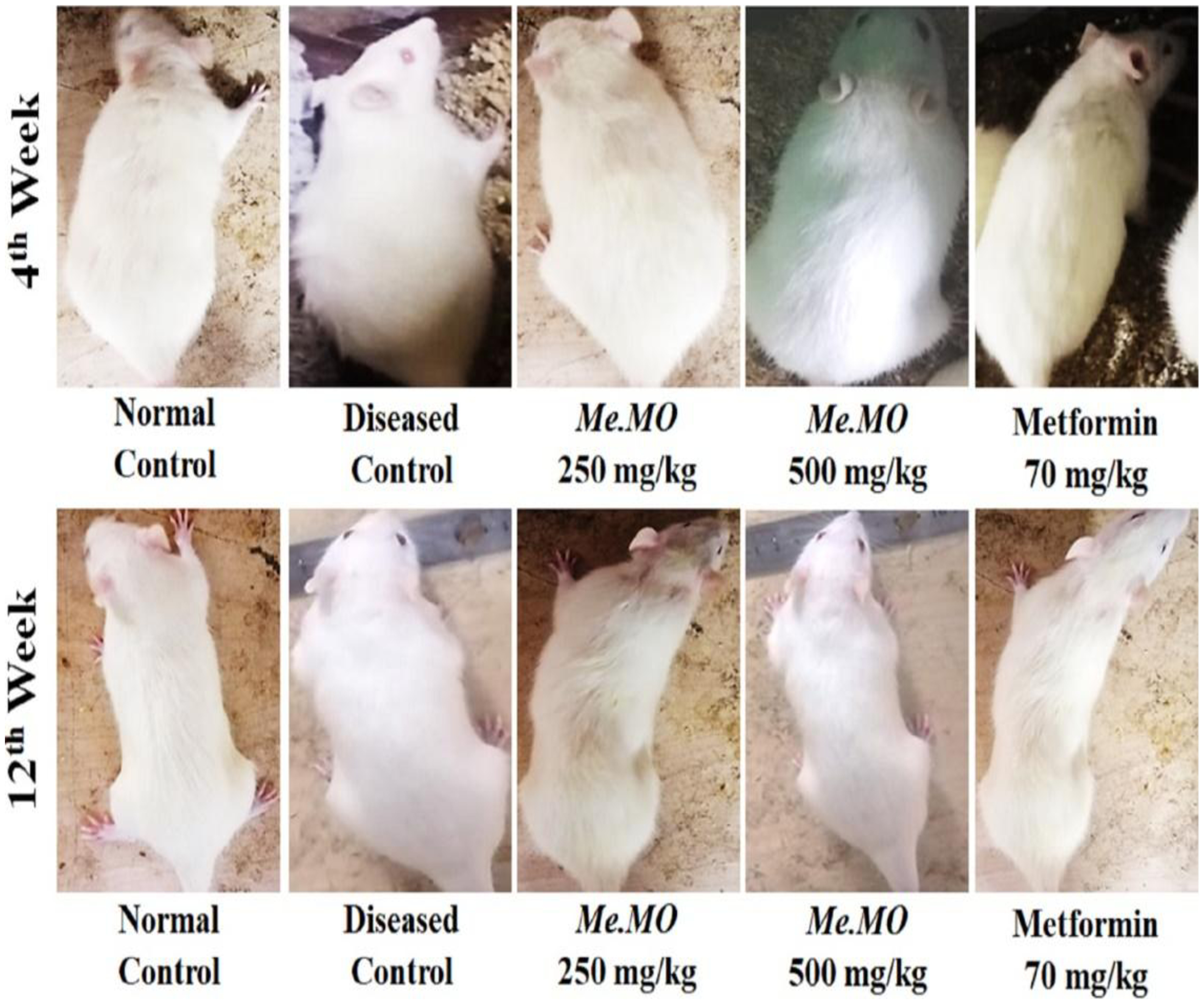
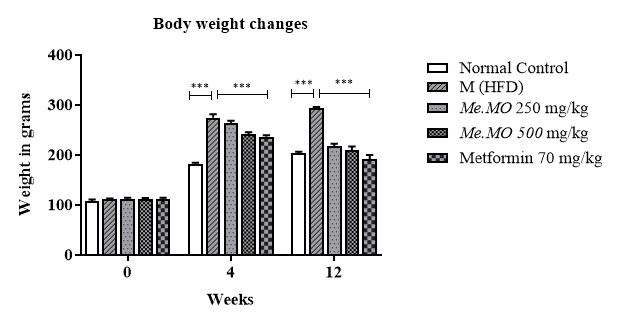
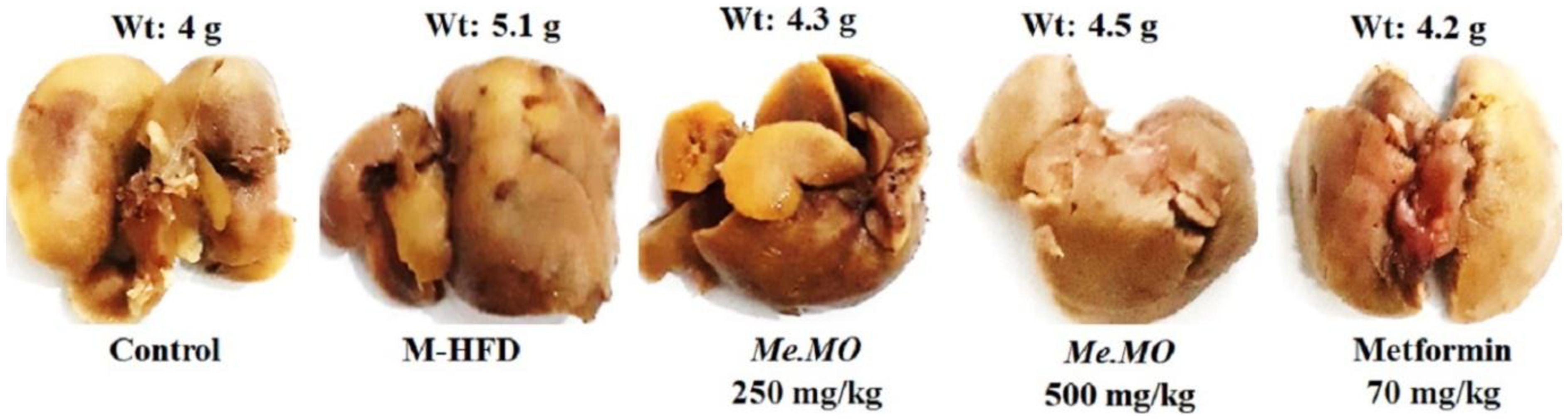
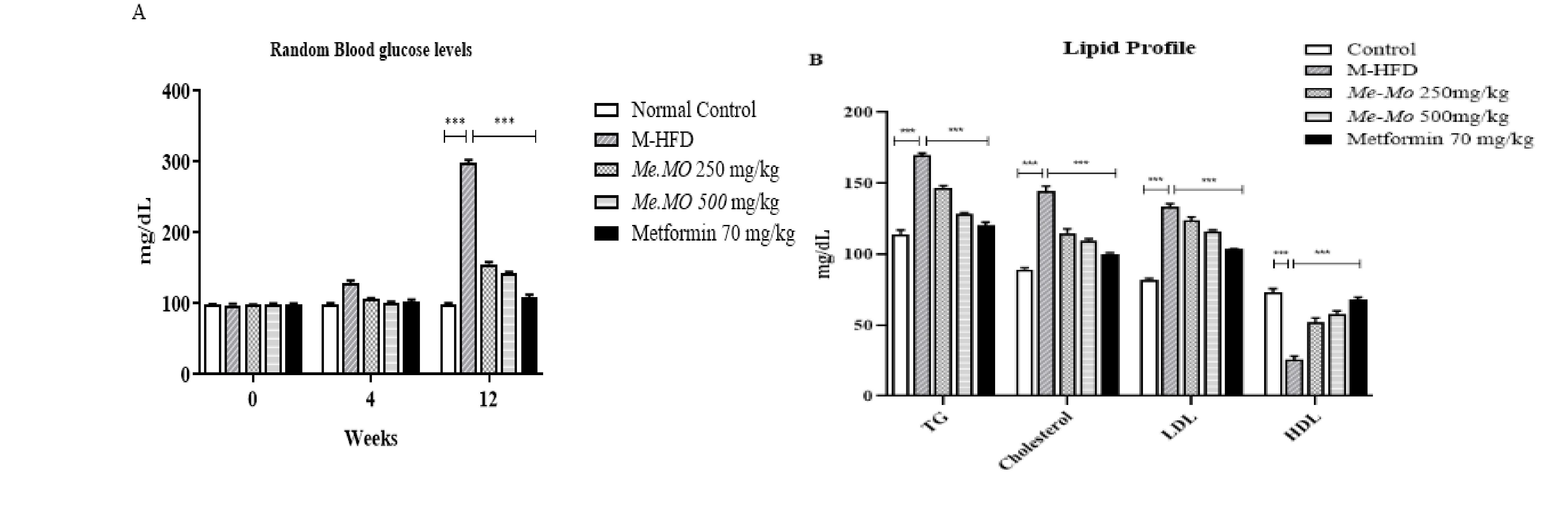
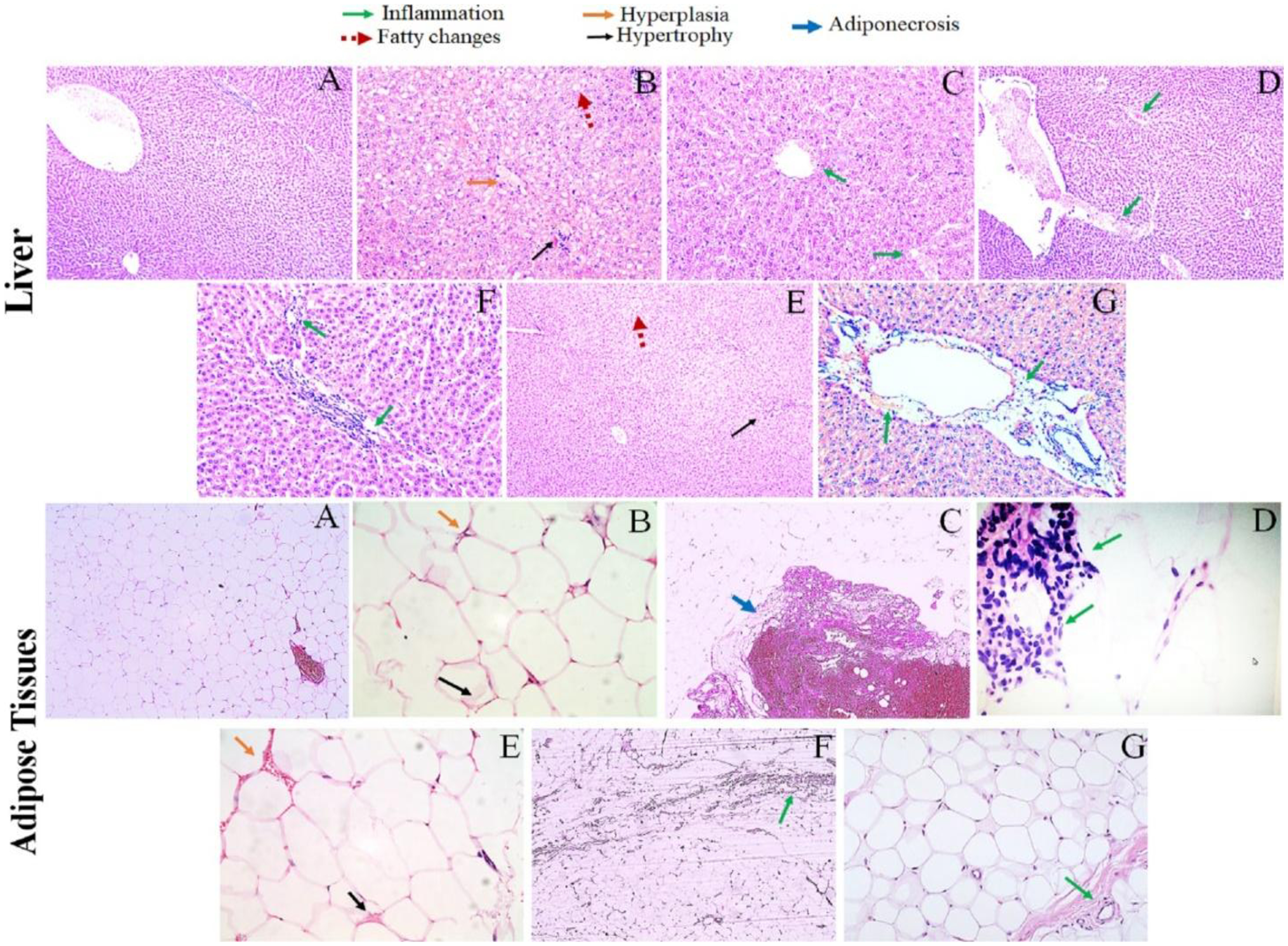
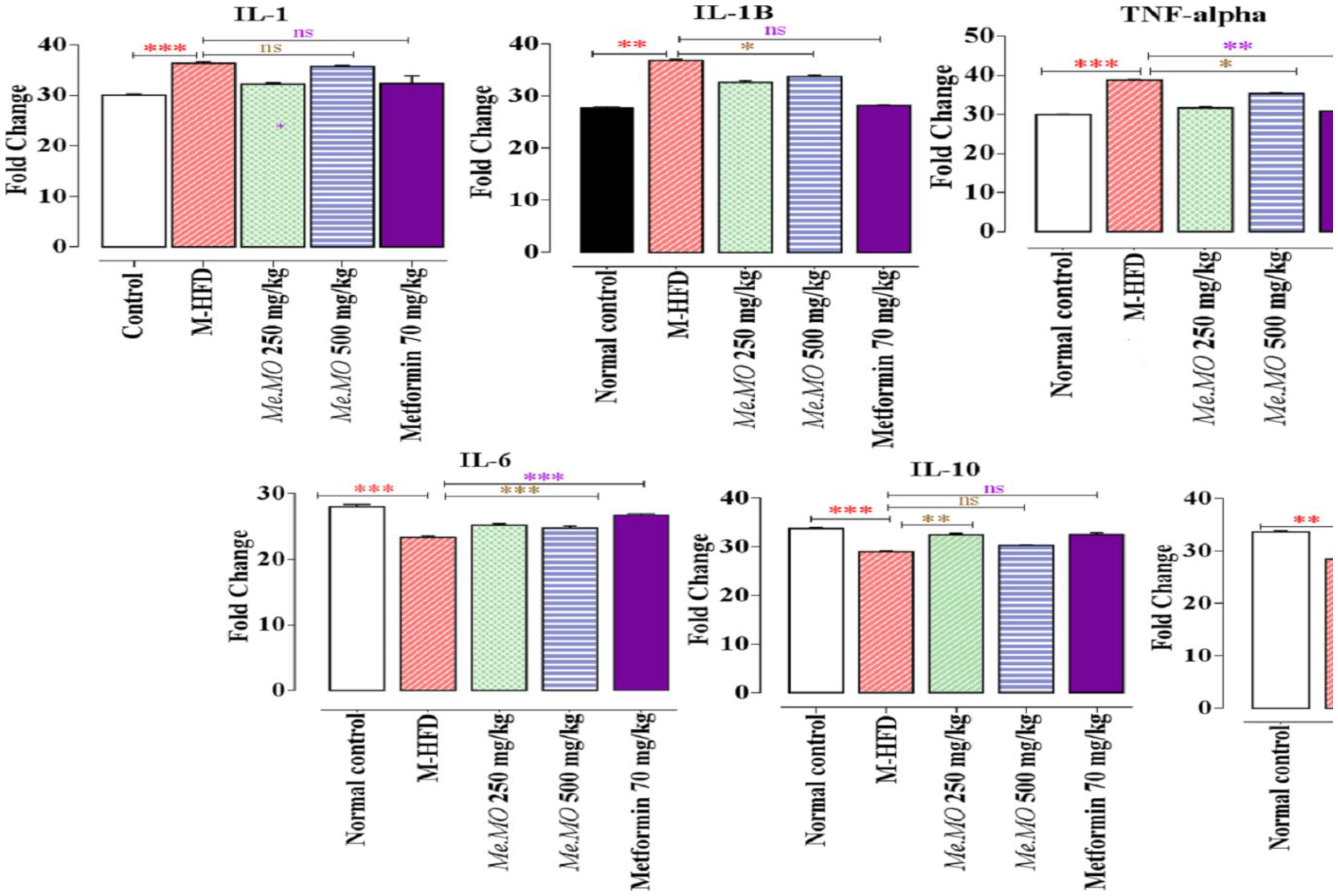
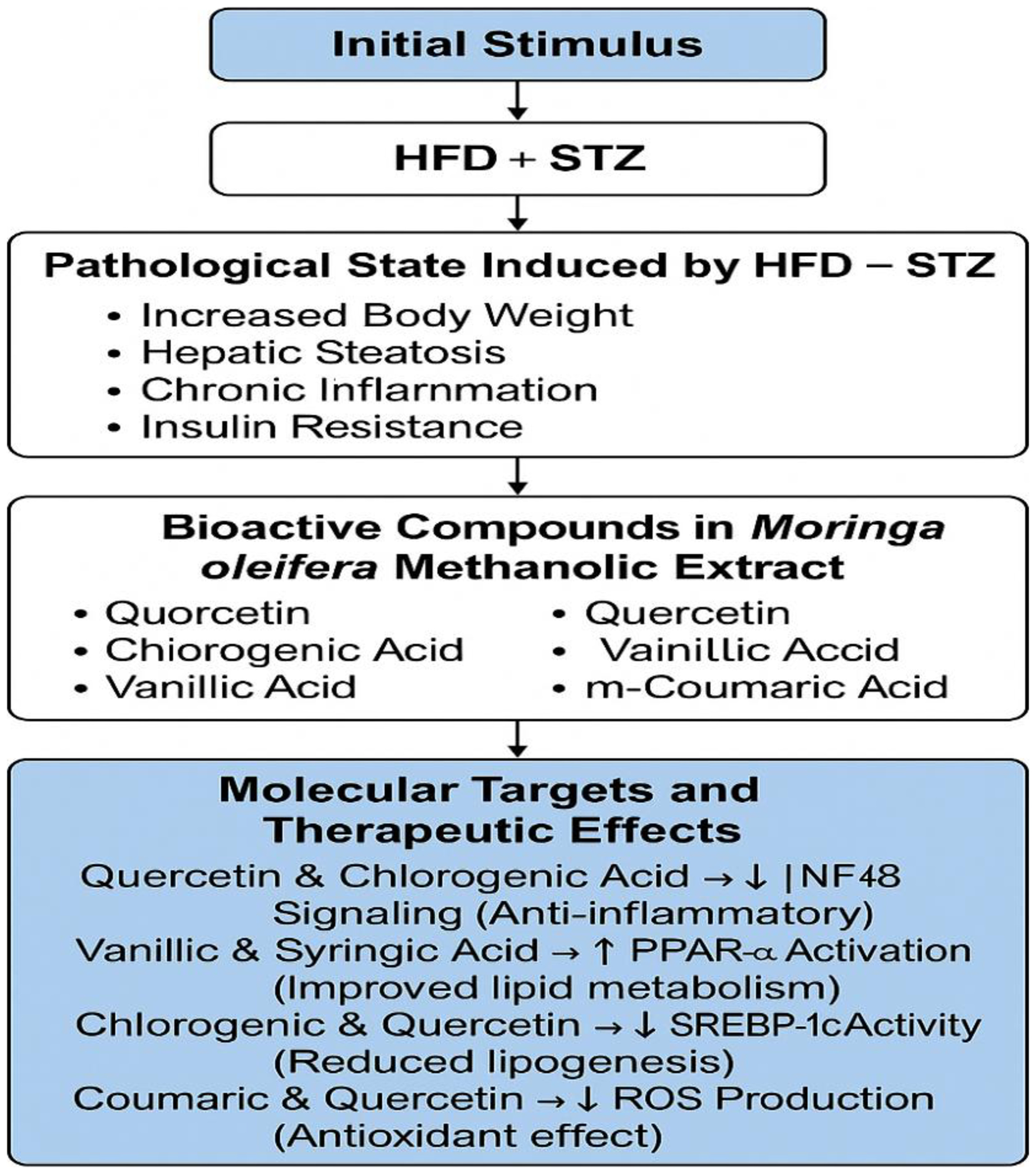
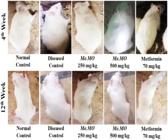
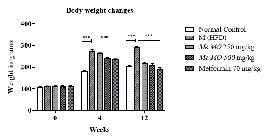
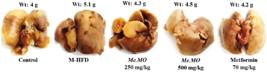
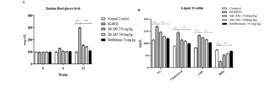
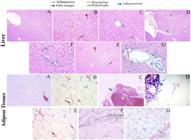
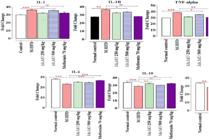
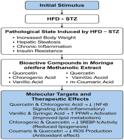
Obesity and fatty liver initially present as relatively benign conditions but can progress to severe metabolic disorders when accompanied by chronic inflammation. These conditions frequently precede diabetes mellitus, cardiovascular disease, and certain cancers. This study investigated the therapeutic potential of methanolic extract of Moringa oleifera (Me.MO) in managing obesity, fatty liver, and associated inflammatory states. Using complementary in vitro and in vivo approaches, we confirmed the presence of bioactive flavonoids and phenolic acids through HPLC analysis. Wistar albino rats were fed either a normal diet (ND) or high-fat diet (HFD) with streptozotocin (STZ) administration, with or without Me.MO (250 mg/kg or 500 mg/kg) or metformin (70 mg/kg) for 12 weeks. Rats receiving 500 mg/kg Me.MO showed significant (p < 0.01) reductions in body weight, liver weight, and plasma glucose levels. Laboratory analyses revealed significant (p < 0.05) inhibitory effects of Me.MO on pro-inflammatory mediators (IL-1β and TNF-α) and increases in modulatory markers (IL-10, IL-6, and COX-2) across treatment groups. Histopathological examination showed no significant structural or functional alterations in liver and adipose tissues in treatment groups compared to the HFD group, which displayed marked steatosis and inflammation. These findings suggest that Me.MO effectively ameliorates diet-induced obesity, fatty liver, and inflammatory stress through modulation of the immunometabolic axis. Further investigations are warranted to establish the safety and efficacy of Moringa oleifera for clinical applications.
Keywords:
obesity; inflammation; fatty liver; Moringa oleifera; immunometabolism
 Thumbnail
 Thumbnail
 Thumbnail
 Thumbnail
 Thumbnail
 Thumbnail
 Thumbnail