 Pathogenicity and control of infections caused by motile Aeromonas in freshwater fish: immunostimulation strategies
Abstract
In Brazil, despite favorable edaphoclimatic and hydrobiological conditions, the consolidation of the aquaculture sector is constrained by significant sanitary challenges, particularly bacterial infections caused by Aeromonas spp., which adversely affect fish farming, especially native species. In response, the widespread and often indiscriminate use of antimicrobials has contributed to the emergence and spread of multidrug-resistant strains. This study presents a narrative review addressing the clinical aspects, sanitary challenges associated with Aeromonas infections, and prophylactic strategies, with an emphasis on immunostimulation in freshwater fish, focusing on products derived from Saccharomyces cerevisiae, such as nucleotides and mannan-oligosaccharides. Intrinsic and extrinsic factors, including the cultivated species, ontogenetic stage, environmental conditions, and supplementation protocols, modulate the immunophysiological responses to these bioactive compounds and require specific scientific validation for each species. Therefore, there is an urgent need to advance research focused on Neotropical ichthyofauna, with particular emphasis on economically critical native species such as Colossoma macropomum, Arapaima gigas, Brycon amazonicus, Piaractus mesopotamicus, Rhamdia quelen, among others.
Keywords:
immunostimulants; nucleotides; mannan oligosaccharides-MOS; fish farming; immune system
Resumo
No contexto brasileiro, apesar das condições edafoclimáticas e hidrobiológicas favoráveis, a consolidação do setor aquícola permanece limitada por desafios sanitários significativos, em especial por infecções bacterianas causadas por Aeromonas spp., que impactam negativamente a piscicultura, especialmente de espécies nativas. Em resposta, o uso disseminado e frequentemente indiscriminado de antimicrobianos tem contribuído para o surgimento e disseminação de cepas multirresistentes. Este estudo apresenta uma revisão narrativa abordando os aspectos clínicos, os desafios sanitários associados às infecções por Aeromonas e as estratégias profiláticas, com ênfase na imunoestimulação em peixes de água doce, com foco em produtos derivados de Saccharomyces cerevisiae, como nucleotídeos e mananoligossacarídeos. Fatores intrínsecos e extrínsecos, incluindo a espécie cultivada, o estágio ontogenético, as condições ambientais e os protocolos de suplementação, modulam as respostas imunofisiológicas a esses compostos bioativos e requerem validação científica específica para cada espécie. Portanto, existe uma necessidade urgente de avançar na pesquisa sobre a ictiofauna neotropical, com ênfase em espécies nativas economicamente importantes, como Colossoma macropomum, Arapaima gigas, Brycon amazonicus, Piaractus mesopotamicus, Rhamdia quelen, entre outras.
Palavras-chave:
imunoestimulantes; nucleotídeos; mananoligossacarídeos-MOS; piscicultura; sistema imunológico
1. Introduction
Aquaculture is one of the fastest-growing sectors in animal production worldwide, driven by the rising global demand for aquatic protein sources (Mattos et al., 2021; Beg et al., 2024; Oliveira et al., 2025). According to the Food and Agriculture Organization of the United Nations (FAO, 2024), aquaculture production is projected to reach 111 million tons by 2032, with an average global fish consumption of 21.3 kg per capita. Despite its significant natural potential, Brazil still plays a modest role in this market (Pantoja-Lima et al., 2015; Aride et al., 2025; Liebl et al., 2025a, b; Santos et al., 2025a, b) with a national per capita consumption of only 10.5 kg (Agrimídia, 2024), lower than neighboring countries such as Chile and Ecuador. However, this figure is considerably higher in the Amazon region, reaching up to 150 kg per capita among riverine communities (Oliveira et al., 2010).
Among the sanitary challenges, motile Aeromonas septicemia is a disease caused by bacteria of the genus Aeromonas that has triggered epizootic outbreaks worldwide (Gallani et al., 2020; Pessoa et al., 2020; Mazumder et al., 2021). The immediate response, often based on the indiscriminate use of antibiotics, has led to serious issues such as antimicrobial resistance (AMR), residue accumulation in animal carcasses and the environment, as well as immunosuppression in the affected fish (Abdel‐Latif et al., 2020; Leão et al., 2020; Sebastião et al., 2022).
In light of these limitations, research has focused on identifying safer and more sustainable alternatives, such as immunostimulants that promote activation of both innate and adaptive immune mechanisms in fish (Aride et al., 2016, 2018, 2020; Araújo et al., 2020; Hoshino et al., 2020; Nascimento et al., 2021; Furtado et al., 2025). These strategies involve enhancing leukocyte activity, lysozyme production, complement system activation, and improving intestinal integrity, supporting zootechnical performance and increasing fish resistance to pathogenic and environmental challenges (Hisano et al., 2018; Al-Ghamdi et al., 2023; Abd El-Naby et al., 2024; Moreira et al., 2024).
Among the main immunostimulants evaluated, derivatives of the yeast Saccharomyces cerevisiae Hansen, 1883, such as β-glucans, mannan oligosaccharides (MOS), and nucleotides, stand out. These compounds, obtained from the yeast cell wall or cytoplasm, have demonstrated efficacy in immune modulation and promoting intestinal health in farmed fish (Parapouli et al., 2020; Khanjani et al., 2022).
Such benefits have been widely documented in the literature, particularly over the past decade, especially in studies involving exotic species such as Oreochromis niloticus (Linnaeus, 1758), Sander lucioperca (Linnaeus, 1758), Oncorhynchus mykiss (Walbaum, 1792), Ctenopharyngodon idella (Valenciennes, 1844), Megalobrama amblycephala (Yih, 1955), Ictalurus punctatus (Rafinesque, 1818), Betta splendens (Regan, 1910), and Clarias batrachus (Linnaeus, 1758). In contrast, fewer studies have focused on native species such as Rhamdia quelen (Quoy and Gaimard, 1824), Piaractus mesopotamicus (Holmberg, 1887), Arapaima gigas (Schinz, 1822), and Colossoma macropomum (Cuvier, 1818) (Chagas et al., 2013; Sado et al., 2014; Zhao et al., 2015; Adorian et al., 2016; Azevedo et al., 2016; Özlüer-Hunt et al., 2016; Jarmołowicz et al., 2018; Hoshino et al., 2020; Mombach et al., 2020; Akter et al., 2021; Ding et al., 2022; Luo et al., 2024).
Thus, functional nutritional additives emerge as a promising alternative for developing more efficient, healthy, and environmentally sustainable aquaculture. This review examines the adverse effects of Aeromonas infections in aquaculture, with emphasis on the fish species farmed in Brazil. Additionally, it discusses the potential of dietary immunostimulants, such as mannan oligosaccharides (MOS), beta-glucans, and nucleotides, as prophylactic strategies to mitigate motile Aeromonas septicemia in production systems.
2. Motile Aeromonas Septicemia in Aquaculture
The genusAeromonascomprises 36 species of Gram-negative, facultatively anaerobic, rod-shaped bacteria that primarily function as opportunistic pathogens possessing multiple virulence factors (Pessoa et al., 2019; Fernández-Bravo and Figueras, 2020; Yassen et al., 2021). Structural components, including flagella, pili, lipopolysaccharides (LPS), and membrane proteins, play crucial roles in tissue adhesion, invasion, and cellular recognition processes (Mendoza-Barberá et al., 2021). The capsule - an outer structure enveloping the bacterial cell membrane - protects host immune system defenses (Mendoza-Barberá et al., 2021).
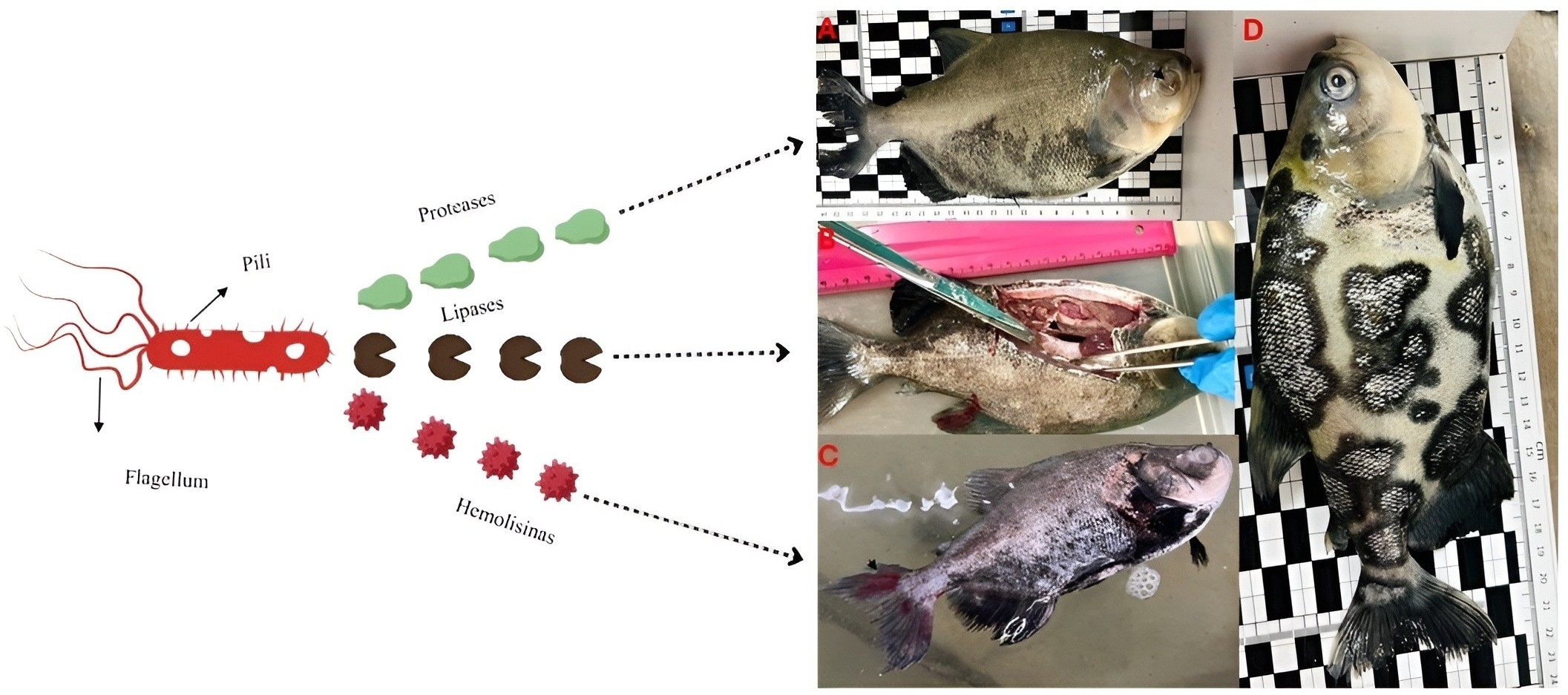
Extracellular proteins, including enzymes and cytotoxins, contribute to bacterial pathogenicity and play distinct roles in the infectious process. Proteases degrade the fish epithelial mucosa, causing lesions in the skin and internal organs that facilitate infection (Figure 1A). Intestinal damage during Aeromonas infections is primarily mediated by secreted lipases that hydrolyze lipids in the outermost cellular layers (Figure 1B). Aeromonas hemolysins lyse erythrocytes through pore formation in cell membranes and are strongly associated with systemic host damage (Figure 1C). Furthermore, biofilm-forming capacity enhances strain virulence, leading to high mortality rates in culture systems (Pessoa et al., 2019). Notably, some strains are zoonotic and can cause gastrointestinal infections in humans (Fernández-Bravo and Figueras, 2020; Pérez et al., 2023).
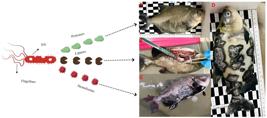
Clinical signs inColossoma macropomuminfected withAeromonas jandaei, showing (A) ocular loss due to protease activity, (B) hemorrhagic and necrotic internal organs caused by enzymatic and cytotoxic damage, (C) fin hemorrhages, and (D) darkened skin lesions resulting from systemicA. jandaeiinfection.
Among the most well-known species ofAeromonasareAeromonas hydrophila(Chester, 1901),Aeromonas salmonicida(Theodore and Pfennig, 1890),Aeromonas caviae(Van Damme et al., 1966),Aeromonas sobria(Sakazaki et al., 1959),Aeromonas veronii(Hickman-Brenner et al., 1987), andAeromonas jandaei(Carnahan et al., 1991a).
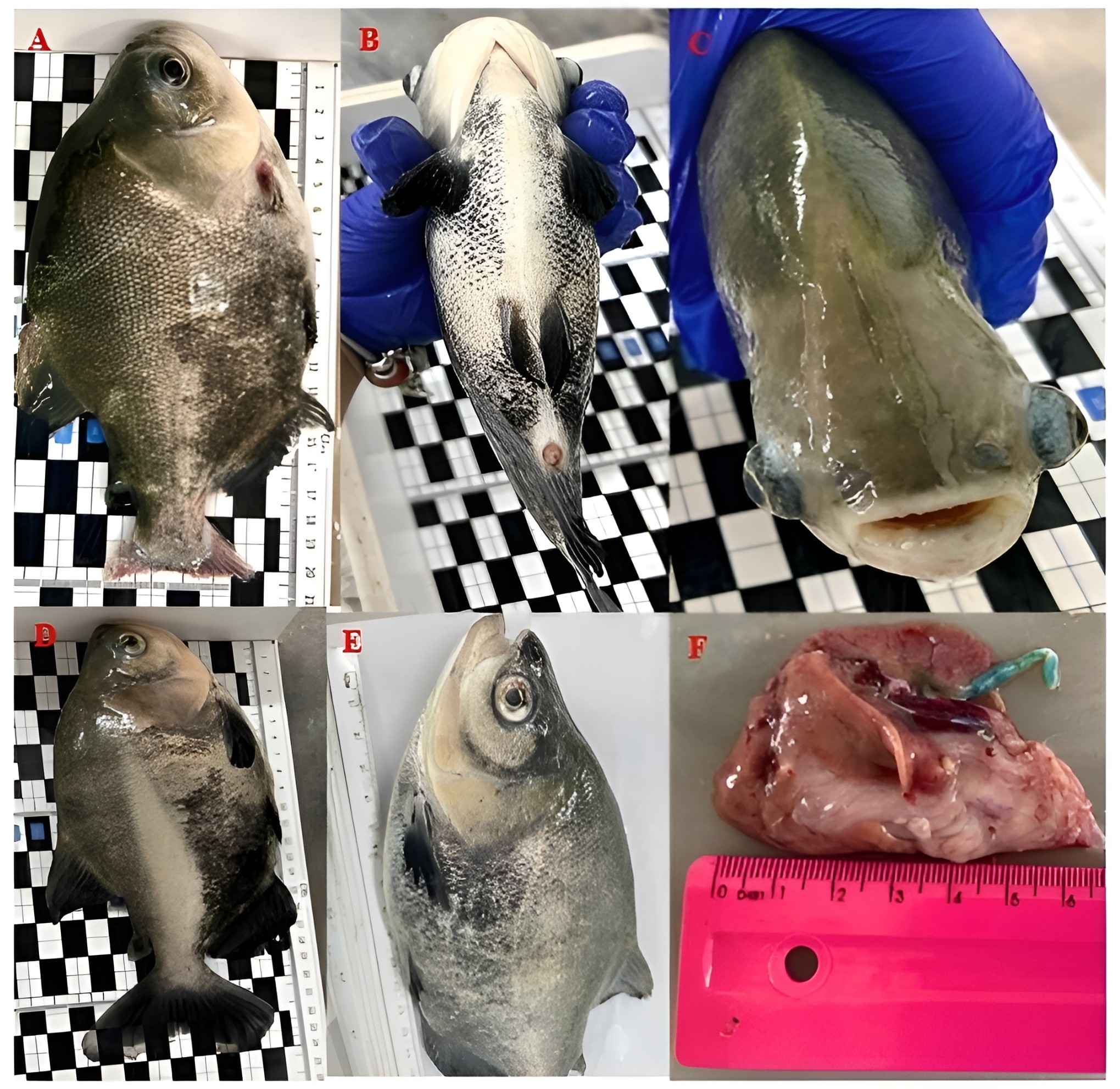
Among them, A. jandaei and A. hydrophila are emerging as some of the most problematic bacterial pathogens (Mielke et al., 2022; Pellin et al., 2023; Rimal et al., 2026). These species are associated with significant mortality in economically important fish species in aquaculture (Figure 2A-F) (Samayanpaulraj et al., 2020).
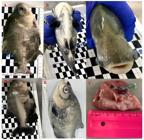
Clinical signs observed in tambaqui (Colossoma macropomum) infected with Aeromonas jandaei. A – Tambaqui with eroded caudal fin and hemorrhagic pelvic fin; B – Individual exhibiting ascites and anal distension; C – Tambaqui presenting exophthalmia; D – Tambaqui with focal discoloration; E – Tambaqui with hemorrhagic eyeball; and F – Liver showing a pale and vascularized appearance.
The latter was first isolated and associated with human disease; its negative profile for fermentation of esculin, sucrose, and cellobiose, along with resistance to colistin, distinguishesA. jandaeifrom otherAeromonasspecies. This pathogen has recently been isolated from freshwater crocodiles (Pu et al., 2019) and fish (Pessoa et al., 2019; Mielke et al., 2022; Pellin et al., 2023).A. jandaeimay be misidentified asA. caviae,A. hydrophila, orA. veronii(Carnahan et al., 1991b; Martinez-Murcia et al., 1992) due to their high genetic similarity, showing 99.5%, 99.0%, and 98.3% similarity, respectively. These species are also associated with mass mortality outbreaks in fish farming systems (Medina-Morillo et al., 2023).
The biochemical characterization revealed thatA. jandaeiare Gram-negative, short, motile rods that are positive for catalase and oxidase (Kumar et al., 2015). Additional tests demonstrated that the strains are positive for citrate utilization, Voges-Proskauer (VP) reaction, methyl red test, ortho-nitrophenyl-β-galactopyranoside (ONPG) activity, and lysine and arginine decarboxylase activity, but negative for ornithine decarboxylase activity (Kumar et al., 2015).
The key differentiating characteristics betweenA. jandaeiandA. hydrophilawere observed in esculin hydrolysis and sucrose fermentation (Abbott et al., 2003). WhileA. hydrophila(Chester, 1901) tested positive for both reactions,A. jandaeiwas negative for both biochemical tests (Kumar et al., 2015).
3. Occurrence of Aeromonosis in Fish and Experimental Evidence of Virulence
A. jandaeiwas isolated and characterized during mortality outbreaks inPangasianodon hypophthalmus(Sauvage, 1878) aquaculture operations in Maharashtra, India (Kumar et al., 2015). Experimental challenges were conducted via intraperitoneal injection with bacterial concentrations ranging from 103 to 108 CFU/fish to fulfill Koch's postulates. The study determined an LD50 of 8.84 × 10⁵ CFU/fish. Infected fish exhibited characteristic clinical signs, including hemorrhaging in fins and the ventral region, loss of secondary gill lamellae with progressive hyperplasia, accompanied by mild congestion, along with other tissue damage caused by the bacterial infection.
Mazumder et al. (2021) first isolated and characterized bacteria of the genusAeromonas, specificallyA. hydrophilaandA. jandaei, from an outbreak of hemorrhagic septicemia in commercial farms ofAnabas testudineusBloch, 1792, in the Assam region of India during the winter season of 2018-2019 (November to January). The outbreak recorded 50% mortality, with affected individuals showing clinical signs including ulceration and fin rot inA. testudineus. For experimental infection, fish were inoculated with 1.3 × 10⁴ and 2.5 × 10⁴ colony-forming units (CFU)/fish, which confirmed clinical signs similar to those observed in natural infections: excessive mucus secretion, followed by gradual development of white-grayish lesions progressing toward the posterior half of the body that later extended to the caudal fin. The anal region showed scale loss that progressed to ulcers, and the fins exhibited reddish discoloration that later developed into conspicuous rot. A 100% mortality rate was recorded within 48 hours after artificial infection for both species at higher doses (3.4 × 10⁶ and 4.2 × 10⁶ CFU/fish), powerfully demonstrating thatA. hydrophilaandA. jandaeiare equally pathogenic toA. testudineus. The authors also detected cytotoxic enterotoxin in both isolates and found only the aerolysin gene inA. jandaei.
Outbreaks of hemorrhagic septicemia caused byA. jandaeiin Nile tilapia (Oreochromis niloticusLinnaeus, 1758) were recorded at the Aquaculture Center of UNESP (CAUNESP) in Jaboticabal, São Paulo, Brazil (Assane et al., 2021). Two distinct outbreaks were documented. The first outbreak occurred between August and September 2017 (winter season) in 340 healthy juveniles obtained from a commercial fish farm. This episode resulted in 90% cumulative mortality from the first to the tenth day post-stocking, following transport-induced stress. The second disease outbreak occurred between April and May 2019 (autumn season) at a commercial fish farm in Panorama (São Paulo State, Brazil), where cumulative mortality reached 50% by day 30 post-stocking, following a one-week acclimation period in earthen ponds.
SeveralAeromonasspecies have been isolated from commercial and ornamental Amazonian fish species, withA. jandaeibeing identified inArapaima gigas(Schinz, 1822). Like other infected fish species, affected specimens exhibited characteristic clinical signs and behavioral alterations, including hemorrhaging, fin erosion, and erratic swimming patterns (Medina-Morillo et al., 2023). Virulence characterization ofA. jandaeidemonstrated the presence offlaandahyBvirulence genes along with positive hemolytic, lipolytic, caseinolytic, and gelatinase activities, while testing negative for elastase activity despite possessing elastase genes. This apparent discrepancy between genetic potential and phenotypic expression may be explained by several factors, including non-amplifiable genetic variants with current primers, suboptimal incubation temperatures, and complex gene-regulatory mechanisms that affect protein expression, collectively demonstrating the multifactorial nature of virulence expression in these bacterial pathogens. In experimental challenge trials, inoculation ofPiaractus brachypomus(Cuvier, 1818) withA. jandaeiat a concentration of 108 CFU/fish resulted in 100% mortality, showing pathogenicity equivalent toA. hydrophilaandA. dhakensisunder identical infection conditions.
In both outbreaks, affected fish exhibited behavioral alterations and clinical signs including lethargy, anorexia, surface swimming, exophthalmia, cloudy eyes, hemorrhagic spots and skin redness beneath the opercula and at fin bases, fin rot, and body surface pallor. During the first outbreak, treatment with florfenicol (10 mg kg−1 body weight) and a thiamphenicol concentration of the same order of magnitude, administered via gavage, resulted in clinical signs resolving within 3 days post-medication. However, in the second outbreak, oxytetracycline administration (120 mg kg−1 body weight) failed to stop the mortality.
Proietti-Junior et al. (2021) reported the first mortality outbreak in a commercial A. gigas farm in Rio Branco, Acre state, Brazil, caused by a co-infection involving three bacterial species, includingA. jandaei. The outbreak resulted in the mortality of 1,400 juvenile fish (8.2 ± 2.3 cm and 11.5 ± 3.8 g) within seven days of arrival. Affected fish exhibited clinical signs and behavioral alterations, including lesions of varying shapes, sizes and extent primarily located on the caudal fin; loss of equilibrium with erratic movements; reduced respiratory movements; and external body depigmentation with hemorrhagic foci. Necropsy findings revealed internal hemorrhagic-necrotic lesions in organs, including the kidney, liver, and modified swim bladder, along with splenomegaly (enlarged spleen), gallbladder distension, small hemorrhagic areas in the liver, ascites (fluid accumulation) with yellowish mucoid and bloody fluid in the intraperitoneal cavity, hyperemia, and abdominal cavity edema.
Consequently, the same authors evaluated experimental coinfection withA. hydrophilaandA. jandaeistrains isolated from theA. gigasoutbreak. Challenge tests demonstrated that fish inoculated with 3.0 × 10⁷ CFU/mL of eitherA. hydrophilaorA. jandaeideveloped moderate infection from the third day post-challenge. After 96 hours, euthanized fish revealed mild localized hyperemia in organs, including kidneys, liver, and modified swim bladder, during necropsy, with no mortality observed during the experiment. However, simultaneous inoculation with bothA. hydrophilaandA. jandaeiresulted in severe infection with 100% mortality within 48-72 hours, accompanied by clinical signs and behavioral alterations similar to those observed in the naturalA. gigasoutbreak. Genetic analysis confirmed that both strains carried virulence genes encoding cytotoxic exotoxins (hlyAandaerA), protease (gcat), deoxyribonuclease (dnase), and lipase (lip).
In another native Amazonian species, C. macropomum, researchers first reported the genetic diversity and virulence assessment ofAeromonasisolates. Among 34 characterized strains, the distribution wasA. hydrophila(41.2%),A. dhakensis(20.6%),A. caviae(17.6%),A. veronii(11.8%), andA. jandaei(8.8%). TheA. jandaeistrains predominantly produced multiple extracellular enzymes (Pessoa et al., 2020). Phenotypic analysis revealed 23.5% of strains showed the HEM+/PROT+ pattern (hemolytic and proteolytic activity), followed by 20.5% with PROT+/LIP+ (proteolytic and lipolytic activity). All isolates demonstrated lipophilic potential and tested positive for hemolytic and protease activities, which correlated with the presence ofser+andlip+genes, though they-hemolgene was not detected. Notably, this phenotypic hemolytic profile on blood agar was similarly observed inA. dhakensisandA. caviaestrains. The authors attributed this hemolytic activity to alternative virulence factors not specifically investigated in the study, particularly aerolysin, a potent pore-forming hemolysin that lyses blood cells by forming membrane pores (Janda and Abbott, 2010).
Pellin et al. (2023) investigated the presence ofAeromonasin farmedC. macropomumfrom Amazonas State, Brazil, along with the occurrence of key virulence genes, including aerolysin (aerA), cytotoxic enterotoxin (act), and cytolytic enterotoxin (ast), to assess their pathogenic potential. Among 24 bacterial strains isolated from 153 tambaqui juveniles, 91.7% were identified asA. jandaei, indicating the high prevalence of this species in northern Brazilian aquaculture systems. Virulence gene detection revealed significant results, with eight isolates (33.3%) showing positive amplification foract(sevenA. jandaeiand oneA. hydrophila). These virulence factors inA. jandaeienable bacterial invasion, colonization, and destruction of host cells by overcoming fish immune defense mechanisms (Assane et al., 2021).
Kim et al. (2019) reported that theactgene is the most frequently detected virulence factor, along withaerA, which functions as a porin capable of causing degeneration of intestinal crypts and villi in fish. These genes play crucial roles inAeromonasinfections by initiating apoptosis signaling pathways in eukaryotic cells, meaning their presence alone indicates high pathogenic potential. In a related study, Mielke et al. (2022) documented natural mortality outbreaks affecting 4,000 C. macropomum juveniles caused by co-infection withA. jandaeiandFlavobacterium columnarefollowing transport from Amazonian fish farms located in Presidente Figueiredo (n=1 farm; mean transport time: 108 min), Iranduba (n=1; 52 min), and Rio Preto da Eva (n=2; 76 min) to Manaus. Nearly 100% mortality occurred within 72 hours. Experimental challenges using 0.1 mL of inoculum per 10 g of body weight (109 CFU/fish) in healthy fish, followed by re-isolation from recently dead specimens, confirmed the presence of the same bacterial pathogens.
4. Challenges in the Therapeutic Control of Aeromonas Infections and the Emergence of Antimicrobial Resistance
Pathogen control in aquaculture has traditionally relied on the metaphylactic or prophylactic use of antibiotics. This practice has contributed to the emergence and spread of antimicrobial resistance among treated organisms (Bondad-Reantaso et al., 2023). Within the genus Aeromonas, all identified strains of A. hydrophila and A. jandaei have been reported to harbor antibiotic resistance genes, underscoring the high potential for antibiotic resistance in this bacterial group (Piotrowska and Popowska, 2014). The dissemination of multidrug-resistant bacteria in aquaculture is recognized as a global threat by the World Health Organization (WHO), the World Organisation for Animal Health (WOAH), and the Food and Agriculture Organization of the United Nations (FAO), which emphasize responsible antibiotic use and good management practices as key measures for sustainable aquaculture (Arthur et al., 2019).
Several studies have documented antimicrobial resistance among Aeromonas isolates recovered from cultured tilapia (Oreochromis spp.). For example, research on red hybrid tilapia farms found that A. hydrophila isolates exhibited resistance to multiple antibiotics, including novobiocin, ampicillin, spiramycin, and chloramphenicol, with many isolates showing a high multiple antibiotic resistance (MAR) index, indicating widespread resistance to antibiotics commonly used in aquaculture systems (Lee and Wendy, 2017).
Another study isolated 15 A. hydrophila strains from red Oreochromis spp., of which 100% were resistant to ampicillin, followed by oxytetracycline (26.7%), tetracycline (26.7%), trimethoprim (26.7%), and oxolinic acid (20.0%). The predominant resistance gene detected in A. hydrophila was mcr-3 (20.0%), while 13.3% of the isolates harbored the floR, qnrS, sul1, sul2, and dfrA genes (Thaotumpitak et al., 2023).
The treatment of these bacterial infections poses significant challenges, as only two antimicrobial drugs are approved by the Brazilian Ministry of Agriculture, Livestock and Food Supply (MAPA) for treating bacterial infections in fish: oxytetracycline (used for salmonids and catfish) and florfenicol (used for trout and tilapia). According to recommendations from the National Union of Animal Health Products Industries (Sindan, 2018), both drugs are administered orally through medicated fish feed.
Among these medications, florfenicol is the most widely used antimicrobial in aquaculture systems to treat various bacterial diseases in fish (Zhang et al., 2020). However, these pharmaceuticals are often misused in fish farms, thereby selecting for resistant bacteria and disseminating corresponding antimicrobial resistance genes.
A recent study by Silva et al. (2024) analyzed 114 bacterial strains ofAeromonasspp. Isolated from C. macropomum, revealing widespread resistance to penicillin, high resistance rates to oxacillin, cefepime, cefadroxil, and azithromycin. The most effective antimicrobials were ampicillin-sulbactam, neomycin, and ofloxacin. Notably, 34.21% of isolates were classified as multidrug-resistant (MDR) phenotypes. These findings demonstrate that, despite the lack of approved antimicrobials forC. macropomumaquaculture in Brazil, significant antimicrobial resistance is present amongAeromonasisolates.
Sebastião et al. (2022) reported that all seven Aeromonas strains isolated from C. macropomum were resistant to ampicillin, whereas 28% showed resistance to erythromycin and sulfonamides. In addition, all isolates exhibited minimum inhibitory concentration (MIC) values above the tested range for amoxicillin, penicillin, novobiocin, tylosin tartrate, and clindamycin, and 85% of the strains were resistant to erythromycin. These findings indicate a high prevalence of antimicrobial resistance among Aeromonas isolates associated with C. macropomum and underscore the need for greater awareness among fish farmers and stronger regulatory oversight of veterinary drug use in aquaculture. The adoption of good management practices is essential to discourage the indiscriminate prophylactic and systemic use of antimicrobials.
5. Yeast-Derived Immunostimulants from Saccharomyces cerevisiae
Immunostimulants are biological substances that beneficially enhance both specific and nonspecific defense mechanisms in animals. These effects include: increased leukocyte counts and phagocytic activity, elevated lysozyme production, and enhanced complement system activity. When administered through feed, these compounds have been shown to improve zootechnical performance, stress resistance, antioxidant activity, inflammatory responses, and resistance to bacterial, viral, and parasitic infections, while also accelerating wound healing processes in fish (Campos et al., 2020; Hoshino et al., 2020; Pinheiro et al., 2024; Pan et al., 2024). The aquaculture industry utilizes various immunostimulants, including vitamins, bacterial derivatives, polysaccharides, plant and animal extracts, synthetic chemicals, and yeast-based products (Dias and Yoshioka, 2020).
The yeast cell wall of the genus Saccharomyces is a key determinant of its health-promoting properties, primarily due to its structural components, including mannan oligosaccharides (MOS) and β-glucans (Liu et al., 2021). These compounds have demonstrated efficacy in: enhancing growth performance (Campos et al., 2020); promoting intestinal integrity and modulating gut flora composition (Dobrianska et al., 2021; Sá et al., 2024) and skin microbiota (Pan et al., 2024); increasing mucin secretion and production of bactericidal proteins such as lysozyme (Medagoda et al., 2023); acting as cortisol modulators in stressed fish (Hoshino et al., 2020); improving carcass quality (Sverinciuc et al., 2018); stimulating angiogenic biosynthesis and wound healing processes in fish skin (Pan et al., 2024); and enhancing resistance against viral, parasitic, and bacterial pathogens (Zhao et al., 2015; Dias et al., 2019; Pinheiro et al., 2024).
β-glucans can be obtained from various sources and are classified by the type of glucose linkage. Cereal-derived β-glucans predominantly contain β (1,3) and β (1,4) glycosidic bonds without β (1,6) branching (Nakashima et al., 2018). Bacterial β-glucans consist exclusively of linear chains with β (1,3) linkages and lack branches. In contrast, fungal and algal β-glucans display a characteristic structure of linear β (1,3)-linked chains with β (1,6) branches, which confers a helical conformation. Immune system components specifically recognize this distinct structural configuration, triggering immune activation and establishing these compounds as among the most promising functional supplements for aquaculture applications (Machuca et al., 2022).
Solubility is a physicochemical parameter influenced by molecular weight, bond type, and degree of molecular branching (Nakashima et al., 2018). In practice, β-glucans exhibit considerable variation in solubility depending on the raw material source and the extraction conditions/methods employed (Hino et al., 2020).
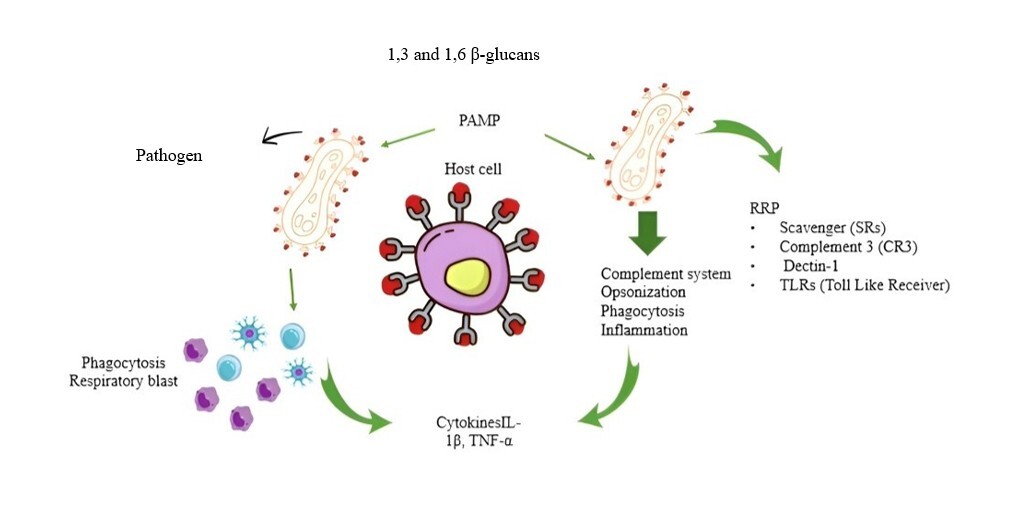
Studies have identified multiple β-glucan receptors on macrophages, including scavenger receptors, complement receptor 3 (CR3), lactosylceramides, dectin-1, and Toll-like receptors. Dectin-1 emerges as the most efficient phagocytic receptor for yeast-derived β-glucans (Figure 3). However, the exact mechanisms of action remain incompletely understood (Goodridge et al., 2009), and numerous carbohydrate receptors remain to be discovered (Lee and Kim, 2014).
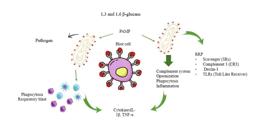
1,3 and 1,6 β-glucans are recognized by immune system components. PRRs (Scavenger, Complement 3, Dectin-1, Toll-Like Receptor) identify a PAMP, activating intracellular signaling pathways, which result in the production of pro-inflammatory cytokines (such as IL-1β, TNF-α), complement system activation, and recruitment of immune cells to fight the infection.
The innate immune system recognizes pathogen-associated molecular patterns (PAMPs) derived from infectious agents or from components of the commensal microbiota, including lipopolysaccharides, peptidoglycans, bacterial DNA, viral RNA, and other molecules present in the membranes of multicellular organisms ('non-self'). This system does not recognize host components ('self') because the genes encoding these pattern recognition receptors (PRRs) are encoded in the genome of the organism (Lee and Kim, 2014).
The β-1,3/1,6-glucan derived fromS. cerevisiaeHansen, 1883 (Beta G® Nutribem) supplemented in the diet of channel catfish I. punctatusRafinesque, 1818) juveniles induced a significant increase in leukocyte counts (Sanchez-Martinez et al., 2017). Elevated leukocyte levels are associated with improved health status, as these cells mediate immune responses. β-glucans promote leukocyte receptor activity, enhancing cellular functions that improve phagocytosis and increase cytokine secretion, thereby stimulating leukopoiesis (Zhang et al., 2022).
Studies evaluating commercial immunostimulants derived from yeast extract and dried brewer's yeast (Aquate Fish™®) demonstrated that followingA. hydrophilainfection, respiratory burst activity, leukocyte counts, and lymphocyte numbers were significantly increased in A. gigas fed diets supplemented with 12 g kg−1 of the product, indicating that this concentration is optimal for immune enhancement in this species (Dias et al., 2019). In a subsequent investigation, the same research team examined growth performance and immune responses in pirarucu receivingS. cerevisiae based immunostimulants under stress conditions. Dietary supplementation with 6-8 g kg−1 significantly improved final biomass, body length, body weight gain, daily weight gain, feed intake, specific growth rate, and reduced cholesterol levels, establishing these concentrations as effective growth promoters for the species (Dias and Yoshioka, 2020 ).
Studies using β-glucan (Betamune®, Biorigin) at a 0.2% dietary supplementation for 60 days in C. macropomum demonstrated significant increases in lysozyme concentration and activity compared with other treatments and controls. Furthermore, reduced mortality rates were observed at concentrations of 0.1% and 0.2% following challenge withA. hydrophila(Chagas et al., 2013). Recent research withS. cerevisiae, based immunostimulant (Aqute Fish™®) inA. jandaei-challenged C. macropomum identified 12 g kg−1 as the optimal concentration, showing 75% survival rates post-challenge (Fernandes, 2023).S. cerevisiaesupplemented diets for A. gigas juveniles not only improved survival rates againstTrichodinaspp. Parasites also enhanced weight gain, final biomass, feed intake, and apparent feed conversion ratio (Pinheiro et al., 2024).
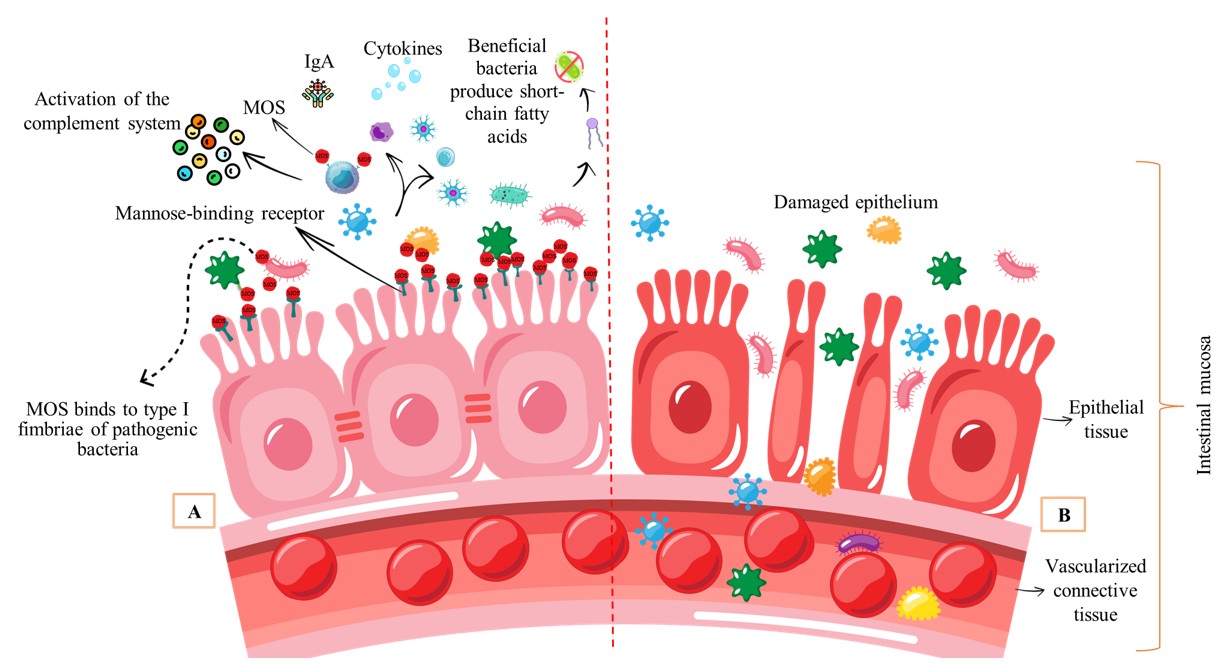
Mannan oligosaccharides (MOS) are complex carbohydrates composed of mannose sugar units specifically recognized by pathogenic bacteria during adhesion processes (Gainza and Romero, 2017). This recognition mechanism occurs in numerous pathogenic strains that significantly impact aquaculture systems. The use of MOS as pathogen colonization blockers is based on the concept that specific sugars, such as mannose, can inhibit lectin-mediated bacterial adhesion via fimbrial proteins (Figure 4). These bacterial lectins bind to complementary carbohydrate components of glycoproteins or glycolipids on host tissue surfaces. Research suggests that this adhesion interference reduces pathogenic colonization of the digestive tract, as pathogens are excreted in feces, thereby enhancing intestinal epithelial barrier integrity and function (Jana et al., 2021).
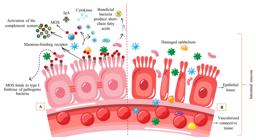
Schematic representation of the mechanism of action of mannan oligosaccharides (MOS) in the intestinal mucosa, involving the activation of humoral and cellular immune responses. A – In the presence of MOS, these compounds bind to the type I fimbriae of pathogenic bacteria, preventing their adhesion to the intestinal epithelium. Mannose-binding receptors (MBRs) on immune cells of the gut-associated lymphoid tissue (GALT recognize mannose-rich structures, triggering immune responses such as complement system activation, immunoglobulin A (IgA) production, and cytokine release. In addition, MOS promote the growth of beneficial bacteria capable of producing short-chain fatty acids, contributing to gut health and immune modulation. B - In the absence of MOS, pathogenic microorganisms can adhere to and colonize the intestinal epithelium, leading to epithelial damage, disruption of the mucosal barrier, and activation of inflammatory responses in the intestinal mucosa.
MOS has demonstrated significant benefits for nutrition and health across various animal species, including poultry, swine, and aquaculture species (Sharma, 2025). Research shows that MOS supplementation enhances both nonspecific and specific immunity, improves intestinal health, and increases pathogen resistance across multiple species (Ren et al., 2020; Ding et al., 2022). Furthermore, it can boost antioxidant capacity, modulate immune-related gene expression, and promote beneficial gut microbiota (Ren et al., 2020).
In aquaculture systems, MOS has shown positive effects on fish growth performance, survival rates, and immune responses (Ding et al., 2022). Its mechanism blocks pathogen adhesion to intestinal cells while maintaining gut barrier integrity (Gainza and Romero, 2017). Additionally, MOS supplementation can suppress excessive intestinal inflammation and improve feed conversion ratios (Ding et al., 2022). These findings underscore MOS's potential as a functional feed additive and immunostimulant in animal nutrition, particularly in antibiotic-free feeding programs.
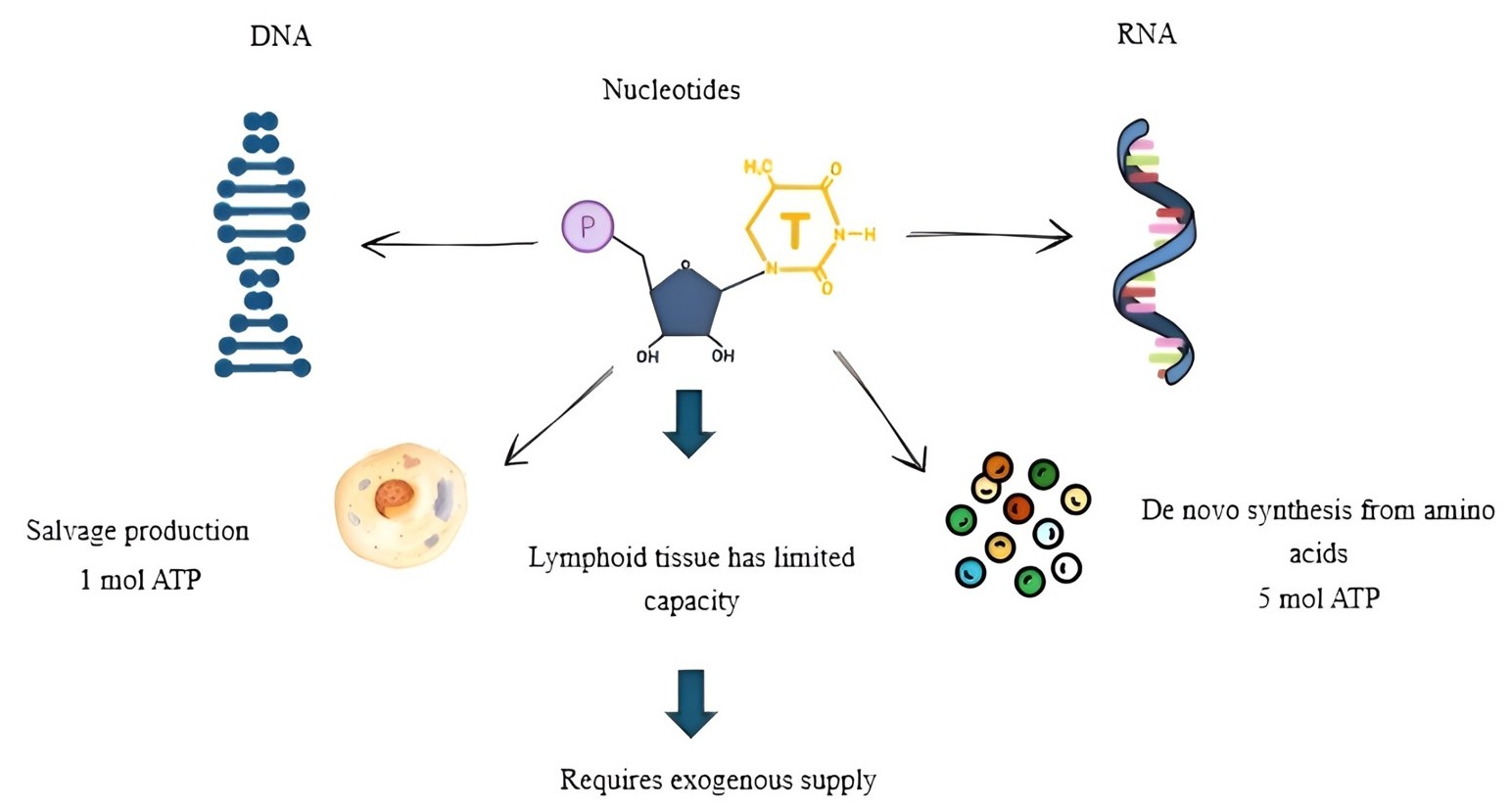
Nucleotides play a central role in nucleic acid biosynthesis (DNA and RNA) and serve as precursors for adenosine triphosphate (ATP) and key coenzymes that regulate essential metabolic reactions (Rossi et al., 2007). Although nucleotides are not traditionally classified as essential nutrients because they are endogenously synthesized, dietary nucleotide deficiency can impair liver, heart, intestinal, and immune functions (Grimble and Westwood, 2001).
Nucleotide biosynthesis occurs through precursor amino acids or the salvage pathway, which recycles existing nucleotides (Grimble and Westwood, 2001). The salvage pathway is energetically efficient, requiring only 1 mole of adenosine triphosphate (ATP) compared to 5 moles for de novo synthesis (Carver and Walker, 1995; Li and Gatlin III, 2006) (Figure 5). However, during periods of high metabolic demand, such as infections, physiological stress, or rapid growth phases, endogenous production may become insufficient to meet organismal requirements (Hess and Greenberg, 2012). Under these conditions, dietary nucleotide supplementation effectively compensates for limitations in endogenous synthesis (Hossain et al., 2020), thereby classifying nucleotides as semi-essential nutrients (Cruz et al., 2020).
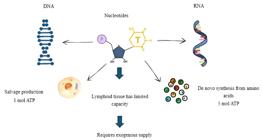
Illustrative model of nucleotide biosynthesis through the salvage pathway and amino acid synthesis.
In olive flounder (Paralichthys olivaceusTemminck and Schlegel, 1846), diets containing 1.5% nucleotides combined with β-glucan, vitamin A, and E significantly enhanced growth performance, immune parameters, intestinal histomorphology, and anti-inflammatory gene expression (Medagoda et al., 2023). The commercial products NuPro® and Bio-Mos® were tested in common carp (Cyprinus carpioLinnaeus, 1758) fry at 2% inclusion, increasing biomass by 24.3% and 28.6%, respectively, and survival by 9.3% and 16.7%, respectively (Vachko et al., 2020).
However, the effects on fish zootechnical performance show considerable variability, influenced by multiple factors including: the type of nutritional additive employed, target species characteristics, administered dosage, supplementation duration, environmental conditions, and water quality parameters (Leite et al., 2025; Bussons et al., 2021; Liebl et al., 2022, 2021). Similarly, physiological responses are highly species-dependent, making these elements crucial for achieving consistent improvements in the health, welfare, and growth parameters of aquatic organisms (Khanjani et al., 2022).
6. Mannan Oligosaccharides - MOS (Actigen®)
Mannan oligosaccharides contain mannose, a carbohydrate that mimics the adhesion receptors on epithelial cells and serves as a decoy substrate for the elimination of pathogenic bacteria (Pan et al., 2024). The immunomodulatory mechanism of MOS involves activating the fish's nonspecific immune system through Toll-like receptors (TLRs) on the membranes of blood cells, tissues, and immune cells. These receptors recognize pathogen-associated molecular patterns (PAMPs) on exogenous substances, triggering targeted immune responses against pathogens (Torrecillas et al., 2014).
In channel catfish I. punctatus, supplementation with Actigen® - a concentrated source of yeast cell wall-derived material rich in active mannose and beta-glucan - demonstrated: upregulated expression of mannose receptors 1 and 2 (CD206 and CD280), increased production of various chemokines and pro-inflammatory cytokines, and improved health status and survival rates (Zhao et al., 2015).
In juvenile turbot, Scophthalmus maximusLinnaeus (1758), dietary supplementation with 0.16% MOS (Actigen®) promoted epithelialization and inflammatory cell recruitment while stimulating extracellular matrix (ECM) biosynthesis and angiogenesis (new blood vessel formation). The treatment also modified the skin microbiota composition and enhanced wound-healing processes (Pan et al., 2024).
Actigen® effectively increased parasite resistance in greater amberjack (Seriola dumeriliRisso, 1810) during a 90-day supplementation trial. The 2 g kg−1 dietary dose protectedNeobenedenia girellaeHargis, 1955, reducing parasite load and total length. This protective effect correlated with upregulation of pro-inflammatory cytokines in skin and intestinal tissues and with enhanced serum bactericidal activity (Fernandez-Montero et al., 2021). However, the combined use of immunostimulants led to excessive immune stimulation, diminishing therapeutic efficacy (Fernandez-Montero et al., 2021).
Using a distinct dietary protocol for O. niloticus, supplementation with MOS at 0.04%, 0.06%, and 0.08% concentrations for 60 days significantly enhanced: lysozyme activity, globulin levels, hematocrit, mean corpuscular volume, erythroblast counts, total leukocytes, lymphocytes, and monocytes - even without antigenic stimulation (Ha et al., 2017).
In Clarias gariepinus Burchell, 1822, dietary supplementation with Bio-Mos® at 2 g kg−1 of diet for 92 days resulted in increased weight gain, improved feed conversion ratio, and higher survival rates, in addition to enhanced health indicators, including elevated leukocyte counts and improved biochemical parameters, such as reduced glucose levels and a lower activity of aspartate aminotransferase (AST) and alanine aminotransferase (ALT) ratio (Genç et al., 2020). When the same product was incorporated into O. niloticus diets under different supplementation protocols, similar beneficial effects were observed. Dietary inclusion of Bio-Mos® at 10%, 15%, and 20% kg−1 of diet for 60 days increased final body weight, improved protein efficiency, and enhanced innate immune responses, including lysozyme activity and complement system parameters, particularly at the highest inclusion level (Antonio-Cisneros et al., 2022). Likewise, in O. niloticus, supplementation with mannan oligosaccharides (MOS) at 2, 4, and 8 g kg−1 of diet for 45 days improved feed conversion ratio, feed intake, and protein efficiency, with 4 g kg−1 identified as the optimal dietary level (Al-Ghamdi et al., 2023).
In P. mesopotamicus, dietary supplementation with Glucan-MOS® at 1 g kg−1 of diet for 30 days improved weight gain, feed conversion ratio, and protein efficiency ratio compared with the control diet. In addition, inclusion levels of 2 and 4 g kg−1 were sufficient to enhance leukocyte respiratory burst and lysozyme activity, and to increase circulating thrombocytes, neutrophils, and monocytes following stressful handling and experimental challenge with A. hydrophila. Supplemented fish also exhibited attenuated stress responses, as evidenced by lower cortisol and glucose levels than in the control group. These results reinforce the benefits of dietary strategies incorporating β-1,3/1,6-glucans and mannans as functional supplements before periods of intensive management in aquaculture (Soares et al., 2018).
7. Nucleotídeos (NuPro®)
NuPro® is a yeast-based product derived from the cytoplasmic contents ofS. cerevisiaecells, containing approximately 5% nucleotides by dry weight (Kowalska et al., 2015; Berto et al., 2016). The benefits of NuPro® supplementation in feeds encompass nutritional and functional properties (Ozkan-Yilmaz et al., 2018). Dietary nucleotide supplementation has been tested across various aquatic species, demonstrating multiple benefits including: enhanced growth performance and weight gain, improved resistance to parasitic and bacterial diseases, superior carcass quality, modulated immune responses, stress regulation, and accelerated wound healing in fish (Özlüer-Hunt et al., 2016; Hoshino et al., 2020; Yassen et al., 2021).
Channel catfish juveniles can tolerate dietary incorporation of NuPro® up to 100 g kg−1 without performance impairment (Peterson et al., 2012). In pikeperch S. lucioperca, NuPro® supplementation at 40-60 g kg−1 demonstrated immunomodulatory properties by stimulating non-specific immunity and potentially improving hepatic function, though without significant growth effects (Jarmołowicz et al., 2012). For the same species, yeast extract (NuPro®) significantly enhanced growth at all tested concentrations (2%, 4%, and 6%) during a 60-day trial. These treatments resulted in reduced alanine aminotransferase (ALT) activity. Histological analysis revealed dose-dependent improvements in intestinal morphology, including increased enterocyte height and expansion of the supranuclear absorption zone. The 2% inclusion level was identified as optimal (Jarmołowicz et al., 2018).
Using the same concentration protocol for pikeperch but over a shorter 56-day period, researchers observed improved blood biochemical parameters, increased cellular immune activity and lysozyme levels, and reduced ALT, AST, and alkaline phosphatase activity (Kowalska et al., 2015).
In O. niloticus, dietary supplementation with NuPro® (0, 10, 20, 40, 60, and 80 g kg−1) for 75 days improved growth performance, nutrient utilization, hematological and immunological responses, and resistance to experimentalA. hydrophilainfection. The data revealed a linear increase in feed intake with increasing NuPro® levels, resulting in 28.8% weight gain, improved survival rates, better feed conversion efficiency, and increased counts of thrombocytes, leukocytes, and monocytes (Berto et al., 2016).
A feeding trial evaluated the effects of dietary nucleotide supplementation (Nucleoforce™) on growth performance and on hematological, biochemical, and immunological parameters, as well as disease resistance, in Pangasianodon hypophthalmus. Fish were fed control or nucleotide supplemented diets (250 or 500 g t−1) for eight weeks. Nucleotide supplementation significantly improved weight gain and specific growth rate, enhanced hematological and immune responses, and increased antioxidant and serum protein levels, particularly at 500 g t−1. Following experimental challenge with Pseudomonas aeruginosa, fish receiving nucleotide-supplemented diets exhibited lower cumulative mortality, indicating improved health status and increased resistance to bacterial infection (Yassen et al., 2021).
The combined supplementation of functional immunomodulators, including β-glucans (1000 mg kg−1), nucleotides (150 mg kg−1), ascorbic acid (1000 mg kg−1), and α-tocopherol (20 mg kg−1), was evaluated in juvenile O. niloticus fed diets with reduced animal protein and increased soybean meal content. The supplemented diet significantly improved growth performance, feed efficiency, protein retention, intestinal morphology, and gut microbiota diversity, without affecting hematological or immunological parameters, indicating no immune overstimulation. These findings demonstrate that functional additives can enhance growth and gut health, supporting sustainable dietary formulations with lower inclusion of animal protein (Sá et al., 2024).
In the Amazonian native pirarucu, dietary supplementation withS. cerevisiaeextract (NuPro®) for 30 days enhanced innate immune responses at all tested concentrations (0, 10, 40, and 80 g kg−1). The treatment also increased thrombocyte counts following handling stress and reduced blood glucose levels, thereby establishing this additive as an effective immunostimulant at the 40 g kg−1 inclusion level (Hoshino et al., 2020).
8. Effects on Intestinal Health
Intestinal health is fundamental to growth, productivity, and immune function in aquatic animals, as enhanced nutrient absorption correlates with increased intestinal villus height. These factors contribute to improved zootechnical indices in fish. Numerous studies have conducted histomorphological characterizations of the gastrointestinal tract following dietary supplementation to better the nutritional effects of feed ingredients in fish nutrition (Adorian et al., 2016; Azevedo et al., 2016; Jarmołowicz et al., 2018; Cavalcante et al., 2020; Ding et al., 2022; Sá et al., 2024).
Dietary supplementation with an immunostimulant blend containing nucleotides, β-glucans, ascorbic acid, and α-tocopherol (0.1%, 0.15%, and 0.2%) in O. niloticus juveniles resulted in increased intestinal fold number, greater fold length, expanded total absorptive surface area, and higher goblet cell counts compared to control groups. These findings demonstrate that the immunostimulant promoted intestinal growth and enhanced mucosal morphology (Sá et al., 2024). In pikeperch (S. lucioperca), yeast extract supplementation (2%, 4%, and 6%) over 60 days significantly increased enterocyte height, supranuclear absorption zone dimensions, and body weight gain, and improved daily growth indices in a dose-dependent manner (Jarmołowicz et al., 2018).
When MOS was supplemented in striped catfish (Pangasianodon hypophthalmus) diets at concentrations of 0.2%, 0.4%, 0.6%, and 0.8% for 90 days, significant intestinal morphological changes were observed: anterior and mid-intestinal villi length increased at 0.6-0.8% concentrations, while anterior villi width was significantly reduced at 0.2-0.4% compared to both control and higher MOS groups. Posterior intestinal width remained unaffected. These results demonstrate the beneficial effects of MOS on intestinal morphology in striped catfish juveniles (Akter et al., 2021).
A combination of MOS and β-glucan demonstrated positive effects when supplemented at 0.1% and 0.2% in pacu (P. mesopotamicus) diets for 30 days. The results showed increased villus height and perimeter, which correlated with improved growth performance and feed efficiency at these concentrations (Hisano et al., 2018). The dual polysaccharide supplementation enhanced growth responses, feed utilization, and intestinal morphology in pacu, indicating a synergistic nutritional effect (Hisano et al., 2018).
The combined dietary supplementation of nucleotides and β-glucans positively affected growth performance and intestinal morphology in Ctenopharyngodon idella. Fish fed diets containing nucleotides (0.01%) and/or β-glucans (0.10%) for 60 days exhibited increased villus height and width, as well as greater intestinal wall thickness, indicating improved intestinal structure and absorptive capacity (Luo et al., 2024).
These findings underscore the critical importance of balanced nutrition and demonstrate the potential benefits of nucleotide and mannan oligosaccharide compounds for maintaining intestinal health and promoting growth in aquatic species, particularly in intensive aquaculture systems.
9. Perspectives
Applying yeast-derived immunostimulants fromS. cerevisiae, particularly next-generation commercial products such as NuPro® and Actigen®, has demonstrated significant potential as a strategic approach to fish health management. Scientific evidence confirms that these additives positively modulate innate immune responses through enhanced phagocytic activity, upregulation of antibacterial and antioxidant enzymes, activation of the complement system, increased cytokine production, improved intestinal morphology, beneficial modulation of the gut microbiota, and elevated resistance to bacterial and parasitic pathogens, as well as reduced handling stress. Consistent reports also document improvements in zootechnical parameters, including weight gain, feed conversion ratios and survival rates. Furthermore, carcass quality enhancements - particularly in total saturated/unsaturated fatty acid composition, free amino acid profiles, chewiness, and elasticity - confirm their role as multifunctional feed additives in modern aquaculture.
The nucleotides in NuPro® and the mannan oligosaccharides in Actigen® have demonstrated efficacy in promoting both intestinal development and immune function, with measurable benefits for aquatic organisms' health, particularly under intensive farming conditions. However, immunostimulant responses vary significantly depending on: species specificity, ontogenetic stage, environmental conditions, exposure duration, and administered concentration. These factors require careful evaluation in supplementation protocols, as research documents that overdosing or prolonged exposure may yield antagonistic effects, including suppression of key immunological parameters.
Thus,S. cerevisiae-derived products have established themselves as sustainable and effective alternatives for aquaculture intensification, enhancing animal welfare, biosecurity, and production efficiency. However, the mechanisms underlying this remain poorly understood, and exposures are based on assumptions derived from experimental trials in higher vertebrates, given the similarity of immune system components. Additional studies are recommended to explore further the mechanisms of action of these compounds, including the identification of the types of receptors present in host cells that identify exogenous compounds, such as those derived from yeast, the determination of ideal concentrations for different species, intermittent application strategies, such as adjuvants in vaccine protocols and treatment, and validation on a commercial scale. In addition, it is essential to research Brazilian native species such as C. macropomum, A. gigas, B. amazonicus, P. mesopotamicus, and R. quellen, given the significant knowledge gap for these species of great socioeconomic importance.
Acknowledgements
This study was supported by CAPES (Brazilian Federal Agency for Support and Evaluation of Graduate Education) through a doctoral scholarship. JPFR is a postdoctoral fellow of the National Council for Scientific and Technological Development CNPq, process 150531/2024-9. PHRA is a productivity grant recipient from the Amazonas State Research Support Foundation FAPEAM, process 01.02.016301.02472/2025-05. ATO (process 310966/2025-6) is the beneficiary of a research productivity grant from CNPq and Post-Doctoral studies at the Amazonas State University (UEA). The Project PDPG CAPES/FAPEAM Notice N.018/2020.
Data Availability Statement
The data that support the findings of this study are available on request from the corresponding author.
References
-
ABBOTT, S.L., WENDY, K.W. and JANDA, M., 2003. The Genus Aeromonas: biochemical characteristics, atypical reactions, and phenotypic identification schemes. Journal of Clinical Microbiology, vol. 41, no. 6, pp. 2348-2357. https://doi.org/10.1128/JCM.41.6.2348-2357.2003 PMid:12791848.
» https://doi.org/10.1128/JCM.41.6.2348-2357.2003 - ABD EL-NABY, A.S., EL ASELY, A.M., HUSSEIN, M.N., KHATTABY, A.E.R.A., SABRY, E.A., ABDELSALAM, M., and SAMIR, F., 2024. Effects of dietary fermented Saccharomyces cerevisiae extract (Hilyses) supplementation on growth, hematology, immunity, antioxidants, and intestinal health in Nile tilapia.Scientific Reports, vol. 14, no. 1, pp. 12583.
-
ABDEL‐LATIF, H.M., DAWOOD, M.A., MENANTEAU‐LEDOUBLE, S. and EL‐MATBOULI, M., 2020. The nature and consequences of co‐infections in tilapia: a review. Journal of Fish Diseases, vol. 43, no. 6, pp. 651-664. https://doi.org/10.1111/jfd.13164 PMid:32315088.
» https://doi.org/10.1111/jfd.13164 -
ADORIAN, T.J., GOULART, F.R., MOMBACH, P.I., DE MENEZES LOVATTO, N., DALCIN, M., MOLINARI, M. and DA SILVA, L.P., 2016. Effect of different dietary fiber concentrates on the metabolism and indirect immune response in silver catfish. Animal Feed Science and Technology, vol. 215, pp. 124-132. https://doi.org/10.1016/j.anifeedsci.2016.03.001
» https://doi.org/10.1016/j.anifeedsci.2016.03.001 -
AGRIMÍDIA, 2024 [viewed 16 November 2025]. Consumo de peixe no Brasil chega a 10,5 kg por habitante Agrimídia, 26 fev. Available from: https://www.agrimidia.com.br/aquicultura-industrial/consumo-de-peixe-no-brasil-chega-a-105-kg-por-habitante-confira-numeros-por-estado/
» https://www.agrimidia.com.br/aquicultura-industrial/consumo-de-peixe-no-brasil-chega-a-105-kg-por-habitante-confira-numeros-por-estado/ -
AKTER, M.N., ZAHAN, K., ZAFAR, M.A., KHATUN, N., RANA, M.S. and MURSALIN, M.I., 2021. Effects of dietary mannan oligosaccharide on growth performance, feed utilization, body composition and haematological parameters in Asian catfish (Clarias batrachus) juveniles. Turkish Journal of Fisheries and Aquatic Sciences, vol. 21, no. 11, pp. 559-567. https://doi.org/10.4194/1303-2712-v21_11_04
» https://doi.org/10.4194/1303-2712-v21_11_04 -
AL-GHAMDI, O.A., SAÏDI, S. A., FARHAT-KHEMAKHEM, A., GHORBEL, S., CHOUAYEKH, H., CERRUTI, P., and AZAZA, M.S., 2023. Exogenous β-Propeller Phytase and Prebiotic Mannan Oligosaccharide (MOS) supplementation of formulated diets applied to Juvenile Nile Tilapia, Oreochromis niloticus: impact on growth performance and nutrient digestibility.Fishes, vol. 8, no. 12, pp. 574. https://doi.org/10.3390/fishes8120574
» https://doi.org/10.3390/fishes8120574 -
ANTONIO-CISNEROS, C.M., FLORES-ORTIZ, C.M. and AGUILERA-MORALES, M.A., 2022. Efecto de Lenna gibba y Ulva lactuca sobre la salud y el desempeño productivo en juveniles de tilápia del Nilo (Oreochromis niloticus). Agrociencia, vol. 56, no. 6, pp. 1-13. https://doi.org/10.47163/agrociencia.v56i6.2497
» https://doi.org/10.47163/agrociencia.v56i6.2497 - ARAUJO, R.L., SANTANA, H.P., NONATO NETO, M.P., CHAMORRO, D.S., CARNEIRO, E.S. and OLIVEIRA, A.T., 2020. Qualidade microbiológica da água em sistemas de cultivo de tambaqui na Região Metropolitana de Manaus e sua relação com as práticas de manejo. Igapó, vol. 14, pp. 112-128.
- ARIDE, P.H.R., FERREIRA, M.S., OLIVEIRA, A.M., PANTOJA-LIMA, J., RIBEIRO, G.A.A., LIEBL, A.R.S., SANTOS, S.M. and OLIVEIRA, A.T., 2025. Restrictive feed management in fish farming. In: A.T. OLIVEIRA, A.R.S. LIEBL, S.M. SANTOS, J.R. CARVALHO, J.P.F. RUFINO, J.M. MENDES and P.H.R. ARIDE, orgs. Science and technology in studies with animals in the Amazon Curitiba: CRV, vol. 1, pp. 79-100.
-
ARIDE, P.H.R., OLIVEIRA, A.M., BAPTISTA, R.B., FERREIRA, M.S., PANTOJA-LIMA, J., CASTRO, P.D.S. and OLIVEIRA, A.T., 2018. Changes on physiological parameters of tambaqui (Colossoma macropomum) fed with diets supplemented with Amazonian fruit Camu camu (Myrciaria dubia). Brazilian Journal of Biology = Revista Brasileira de Biologia, vol. 78, no. 2, pp. 360-367. https://doi.org/10.1590/1519-6984.169442 PMid:28954015.
» https://doi.org/10.1590/1519-6984.169442 -
ARIDE, P.H.R., OLIVEIRA, A.M., FERREIRA, M.S., LIEBL, A.R.S., COMASSETTO, L.E., LADISLAU, D.S., BASSUL, L.A., SILVA, B.R., MATTOS, D.C., LAVANDER, H.D., SOUZA, A.B., POLESE, M.F., RIBEIRO, M.W.S., CASTRO, P.D.S. and OLIVEIRA, A.T., 2020. Growth and hematological responses of tambaqui, Colossoma macropomum fed different levels of rice, Oryza spp. Brazilian Journal of Biology = Revista Brasileira de Biologia, vol. 81, no. 4, pp. 962-968. https://doi.org/10.1590/1519-6984.232560 PMid:33053132.
» https://doi.org/10.1590/1519-6984.232560 -
ARIDE, P.H.R., OLIVEIRA, A.T., OLIVEIRA, A.M., FERREIRA, M.S., BAPTISTA, R.B., SANTOS, S.M. and PANTOJA-LIMA, J., 2016. Growth and hematological responses of tambaqui fed different amounts of cassava (Manihot esculenta). Arquivo Brasileiro de Medicina Veterinária e Zootecnia, vol. 68, no. 6, pp. 1697-1704. https://doi.org/10.1590/1678-4162-8704
» https://doi.org/10.1590/1678-4162-8704 - ARTHUR R., ALDAY-SANZ V., ZARZA C., KARUNASAGAR I, HINE M., HURCHZERMEYER D., REANTASO M.B., 2019. Recommendations for prudent and responsible use of veterinary medicines in aquaculture. Rome: FAO.
-
ASSANE, I.M., SANTOS‐FILHO, N.A., DE SOUSA, E.L., DE ARRUDA BRASIL, M.C.O., CILLI, E.M. and PILARSKI, F., 2021. Cytotoxicity and antimicrobial activity of synthetic peptides alone or in combination with conventional antimicrobials against fish pathogenic bacteria. Journal of Applied Microbiology, vol. 131, no. 4, pp. 1762-1774. https://doi.org/10.1111/jam.15080 PMid:33742508.
» https://doi.org/10.1111/jam.15080 -
AZEVEDO, R.V., DA SILVA-AZEVEDO, D.K., SANTOS-JÚNIOR, J.M., FOSSE-FILHO, J.C., ANDRADE, D.R., TAVARES-BRAGA, L.G. and VIDAL-JÚNIOR, M.V., 2016. Effects of dietary mannan oligosaccharide on the growth, survival, intestinal morphometry and nonspecific immune response for Siamese fighting fish (Betta splendens Regan, 1910) larvae. Latin American Journal of Aquatic Research, vol. 44, no. 4, pp. 800-806. https://doi.org/10.3856/vol44-issue4-fulltext-15
» https://doi.org/10.3856/vol44-issue4-fulltext-15 -
BEG, M.M., ROY, S.M., RAMESH, P., MOULICK, S., TIYASHA, T., BHAGAT, S.K. and ABDELRAHMAN, H.A., 2024. Organic Aquaculture Regulation, Production, and Marketing: Current Status, Issues, and Future Prospects - A Systematic Review. Aquaculture Research, vol. 5521188, no. 1, pp. 19. https://doi.org/10.1155/2024/5521188
» https://doi.org/10.1155/2024/5521188 -
BERTO, R.D.S., PEREIRA, G.D.V., MOURIÑO, J.L.P., MARTINS, M.L. and FRACALOSSI, D.M., 2016. Yeast extract on growth, nutrient utilization and haemato‐immunological responses of Nile tilapia. Aquaculture Research, vol. 47, no. 8, pp. 2650-2660. https://doi.org/10.1111/are.12715
» https://doi.org/10.1111/are.12715 -
BONDAD-REANTASO, M.G., MACKINNON, B., KARUNASAGAR, I., FRID-MAN, S., ALDAY-SANZ, V., BRUN, E. and CAPUTO, A., 2023. Review of alternatives to antibiotic use in aquaculture. Reviews in Aquaculture, vol. 15, no. 4, pp. 1421-1451. https://doi.org/10.1111/raq.12786
» https://doi.org/10.1111/raq.12786 -
BUSSONS, I.N.B., SOUZA, E.S., ARIDE, P.H.R., DUNCAN, W.L.P., FURUYA, W.M., BUSSONS, M.R.F.M., OLIVEIRA, A.T. and FAGGIO, C., 2021. Growth performance, hematological responses and economic indexes of Colossoma macropomum (Cuvier, 1818) fed graded levels of glycerol. Comparative Biochemistry and Physiology. Toxicology & Pharmacology : CBP, vol. 249, pp. 109122. https://doi.org/10.1016/j.cbpc.2021.109122 PMid:34237425.
» https://doi.org/10.1016/j.cbpc.2021.109122 -
CAMPOS, C.M., MARTINS, M.A., MARTINS, M.A., SILVIA, L.A., RODRIGUES, R.A., PILARSKI, F. and URBINATI, E.C., 2020. β-glucan improved growth performance of the catfish Pseudoplatystoma reticulatum without affecting haematological biomarkers after bacterial challenge with Aeromonas hydrophila: A preliminary study. Aquaculture Research, vol. 001, pp. 1-5. https://doi.org/10.1111/are.14950
» https://doi.org/10.1111/are.14950 -
CARVER, J.D. and WALKER, W.A., 1995. The role of nucleotides in human nutrition. The Journal of Nutritional Biochemistry, vol. 6, no. 2, pp. 58-72. https://doi.org/10.1016/0955-2863(94)00019-I
» https://doi.org/10.1016/0955-2863(94)00019-I -
CAVALCANTE, R.B., TELLI, G.S., TACHIBANA, L., DIAS, D.C., OSHIRO, E., NATORI, M.M. and RANZANI-PAIVA, M.J., 2020. Probiotics, prebiotics and synbiotics for Nile tilapia: growth performance and protection against Aeromonas hydrophila infection. Aquaculture Reports, vol. 17, pp. 100343. https://doi.org/10.1016/j.aqrep.2020.100343
» https://doi.org/10.1016/j.aqrep.2020.100343 -
CHAGAS, E.C., PILARSKI, F., SAKABE, R. and MORAES, F.R., 2013. Desempenho produtivo e respostas fisiopatológicas de tambaquis alimentados com ração suplementada com β - glucano. Pesquisa Agropecuária Brasileira, vol. 48, no. 8, pp. 899-905. https://doi.org/10.1590/S0100-204X2013000800013
» https://doi.org/10.1590/S0100-204X2013000800013 -
CRUZ, C.R., YAMAMOTO, F.Y., JU, M., CHEN, K., VELASQUEZ, A. and GATLIN III, D.M., 2020. Efficacy of purified nucleotide supplements on the growth performance and immunity of hybrid striped bass Morone chrysops x Morone saxatilis. Fish & Shellfish Immunology, vol. 98, pp. 868-874. https://doi.org/10.1016/j.fsi.2019.11.046 PMid:31751660.
» https://doi.org/10.1016/j.fsi.2019.11.046 -
DIAS, M.K.R. and YOSHIOKA, E.T.O., 2020. Growth and hematological and immunological responses of Arapaima gigas fed diets supplemented with immunostimulant based on Saccharomyces cerevisiae and subjected to handling stress. Aquaculture Reports, vol. 17, pp. 100335. https://doi.org/10.1016/j.aqrep.2020.100335
» https://doi.org/10.1016/j.aqrep.2020.100335 -
DIAS, M.K.R., YOSHIOKA, E.T.O., RODRIGUEZ, A.F.R., RIBEIRO, R.A., FARIA, F.S.E.D.V., OZÓRIO, R.O.A. and TAVARES-DIAS, M., 2019. Growth, physiological and immune responses of Arapaima gigas (Arapaimidae) to Aeromonas hydrophila challenge and handling stress following feeding with immunostimulant supplemented diets. Fish & Shellfish Immunology, vol. 84, pp. 843-847. https://doi.org/10.1016/j.fsi.2018.10.045 PMid:30359753.
» https://doi.org/10.1016/j.fsi.2018.10.045 -
DING, Z., WANG, X., LIU, Y., ZHENG, Y., LI, H., ZHANG, M. and ZHAO, X., 2022. Dietary mannan oligosaccharides enhance the non-specific immunity, intestinal health, and resistance capacity of juvenile blunt snout bream (Megalobrama amblycephala) against Aeromonas hydrophila. Frontiers in Immunology, vol. 13, pp. 863657. https://doi.org/10.3389/fimmu.2022.863657 PMid:35784342.
» https://doi.org/10.3389/fimmu.2022.863657 -
DOBRIANSKA, O.P., ZHYLA, M.I., VISHCHUR, O.I., DEREN, O.V. and KORYLIAK, M.Z., 2021. Intestinal histostructure and immune protection activity of age-1+ carp after consumption of a prebiotic feed additive. Ukrainian Journal of Veterinary and Agricultural Sciences, vol. 4, no. 2, pp. 31-37. https://doi.org/10.32718/ujvas4-2.06
» https://doi.org/10.32718/ujvas4-2.06 -
FERNANDES, L.R., 2023 [viewed 5 May 2025]. Imunoestimulação em tambaqui (Colossoma macropomum): desempenho produtivo, respostas hemato-imunológicas e desafio com Aeromonas jandaei[online]. Manaus: Universidade Federal do Amazonas, 42 p. Dissertação de mestrado em Ciência Animal e Recursos Pesqueiros. Available from: https://tede.ufam.edu.br/handle/tede/9643
» https://tede.ufam.edu.br/handle/tede/9643 -
FERNANDEZ-BRAVO, A. and FIGUERAS, M.J., 2020. An update on the genus Aeromonas: taxonomy, epidemiology, and pathogenicity. Microorganisms, vol. 8, no. 1, pp. 129. https://doi.org/10.3390/microorganisms8010129 PMid:31963469.
» https://doi.org/10.3390/microorganisms8010129 -
FERNÁNDEZ-MONTERO, Á., TORRECILLAS, S., ACOSTA, F., KLINOWSKI, T., BRAVO, J., SWEETMAN, J., ROO, J., MAKOL, A. and DOCANDO, J., 2021. Improving greater amberjack (Seriola dumerili) defenses against monogenean parasite Neobenedenia girellae infection through functional dietary additives. Aquaculture (Amsterdam, Netherlands), vol. 534, pp. 736-317. https://doi.org/10.1016/j.aquaculture.2020.736317
» https://doi.org/10.1016/j.aquaculture.2020.736317 -
FOOD AND AGRICULTURE ORGANIZATION - FAO, 2024 [viewed 28 September 2025]. Rome 2024 The state of World fisheries and aquaculture. Blue transformation in action Available from: https://openknowledge.fao.org/server/api/core/bitstreams/a10e81b3-3fbd-4393-b7b6-6a926915a19a/content
» https://openknowledge.fao.org/server/api/core/bitstreams/a10e81b3-3fbd-4393-b7b6-6a926915a19a/content -
FURTADO, Y.I., SOUZA, L.S., MOREIRA, M.V.F. and PACHECO, A.M., 2025. Hemato-immunological responses of juvenile tambaqui (Colossoma macropomum) after commercial clay dietary supplementation. Revista de la Academia Colombiana de Ciencias Exactas, Físicas y Naturales, vol. 49, no. 190, pp. 90-101. https://doi.org/10.18257/raccefyn.3077
» https://doi.org/10.18257/raccefyn.3077 -
GAINZA, O. and ROMERO, J., 2017. Manano oligosacáridos como prebióticos en acuicultura de crustáceos. Latin American Journal of Aquatic Research, vol. 45, no. 2, pp. 246-260. https://doi.org/10.3856/vol45-issue2-fulltext-2
» https://doi.org/10.3856/vol45-issue2-fulltext-2 -
GALLANI, S.U., VALLADÃO, G.M.R., ASSANE, I.M., ALVES, L.O., KOTZENT, S., HASHIMOTO, D.T. and PILARSKI, F., 2020. Motile Aeromonas septicemia in tambaqui Colossoma macropomum: pathogenicity, lethality and new insights for control and disinfection in aquaculture. Microbial Pathogenesis, vol. 149, pp. 104512. https://doi.org/10.1016/j.micpath.2020.104512 PMid:32966864.
» https://doi.org/10.1016/j.micpath.2020.104512 -
GENÇ, E., GENÇ, M.A., KAYA, D., SECER, F.S., QARANJIKI, A. and GÜROY, D., 2020. Effect of prebiotics on the growth performance, haematological, biochemical, andhistological parameters of African catfish (Clarias gariepinus) in recirculatingaquaculture system. Turkish Journal of Veterinary and Animal Sciences, vol. 44, no. 6, pp. 1222-1231. https://doi.org/10.3906/vet-2005-106
» https://doi.org/10.3906/vet-2005-106 -
GOODRIDGE, H.S., WOLF, A.J. and UNDERHILL, D.M., 2009. β‐glucan recognition by the innate immune system. Immunological Reviews, vol. 230, no. 1, pp. 38-50. https://doi.org/10.1111/j.1600-065X.2009.00793.x PMid:19594628.
» https://doi.org/10.1111/j.1600-065X.2009.00793.x -
GRIMBLE, G.K. and WESTWOOD, O.M., 2001. Westwood Nucleotides as immunomodulators in clinical nutrition. Current Opinion in Clinical Nutrition and Metabolic Care, vol. 4, no. 1, pp. 57-64. https://doi.org/10.1097/00075197-200101000-00011 PMid:11122561.
» https://doi.org/10.1097/00075197-200101000-00011 -
HA, N., GONÇALVES, A.F.N., SOUSA, C.L., BILLER-TAKAHASHI, J.D. and TAKAHASHI, L.S., 2017. Dietary carbohydrates and protein of yeast modulate the early stages of innate immune response in tilapia (Oreochromis niloticus) primarily after LPS inoculation. Aquaculture International, vol. 25, no. 2, pp. 755-776. https://doi.org/10.1007/s10499-016-0073-2
» https://doi.org/10.1007/s10499-016-0073-2 -
HESS, J.R. and GREENBERG, N.A., 2012. The role of nucleotides in the immune and gastrointestinal systems: potential clinical applications. Nutrition in Clinical Practice: Official Publication of the American Society for Parenteral and Enteral Nutrition, vol. 27, no. 2, pp. 281-294. https://doi.org/10.1177/0884533611434933 PMid:22392907.
» https://doi.org/10.1177/0884533611434933 -
HICKMAN-BRENNER, F.W., MACDONALD, K.L., STEIGERWALT, A.G., FANNING, G.R., BRENNER, D.J. and FARMER 3RD, J.J., 1987. Aeromonas veronii, a new ornithine decarboxylase-positive species that may cause diarrhea. Journal of Clinical Microbiology, vol. 25, no. 5, pp. 900-906. https://doi.org/10.1128/jcm.25.5.900-906.1987 PMid:3584425.
» https://doi.org/10.1128/jcm.25.5.900-906.1987 -
HINO, S., NISHIMURA, N., MATSUDA, T. and MORITA, T., 2020. Intestinal absorption of β-Glucans and their effect on the immune system. Journal of Dietetics Research and Nutrition, vol. 8, pp. 1. https://doi.org/10.20944/preprints202012.0250.v1
» https://doi.org/10.20944/preprints202012.0250.v1 -
HISANO, H., SOARES, M.P., LUIGGI, F.G. and ARENA, A.C., 2018. Dietary β-glucans and mannanoligosaccharides improve growth performance and intestinal morphology of juvenile pacu Piaractus mesopotamicus (Holmberg, 1887). Aquaculture International, vol. 26, no. 1, pp. 213-223. https://doi.org/10.1007/s10499-017-0210-6
» https://doi.org/10.1007/s10499-017-0210-6 -
HOSHINO, M.D.F.G., SILVA RAMOS, R., LOPES, J.R.T., RIBEIRO, R.A., RODRIGUEZ, A.F.R., SILVA, T.C. and YOSHIOKA, E.T.O., 2020. Innate immune response of pirarucu improved with yeast-supplemented diets. Aquaculture Reports, vol. 18, pp. 100421. https://doi.org/10.1016/j.aqrep.2020.100421
» https://doi.org/10.1016/j.aqrep.2020.100421 -
HOSSAIN, S.M.D., KOSHIO, S. and KESTEMONT, P., 2020. Recent advances of nucleotide nutrition research in aquaculture: a review. Reviews in Aquaculture, vol. 12, no. 2, pp. 1028-1053. https://doi.org/10.1111/raq.12370
» https://doi.org/10.1111/raq.12370 -
JANA, U.K., SURYAWANSHI, R.K., PRAJAPATI, B.P. and KANGO, N., 2021. Prebiotic mannooligosaccharides: Synthesis, characterization and bioactive properties. Food Chemistry, vol. 342, pp. 128328. https://doi.org/10.1016/j.foodchem.2020.128328 PMid:33257024.
» https://doi.org/10.1016/j.foodchem.2020.128328 -
JANDA, J.M. and ABBOTT, S.L., 2010. The Genus Aeromonas: taxonomy, pathogenicity, and infection. Clinical Microbiology Reviews, vol. 23, no. 1, pp. 35-73. https://doi.org/10.1128/CMR.00039-09 PMid:20065325.
» https://doi.org/10.1128/CMR.00039-09 -
JARMOŁOWICZ, S., ROŻYŃSKI, M., KOWALSKA, A. and ZAKĘŚ, Z., 2018. Growth in juvenile pikeperch (Sander lucioperca L.) stimulated with yeast, Saccharomyces cerevisiae, extract. Aquaculture Research, vol. 49, no. 2, pp. 614-620. https://doi.org/10.1111/are.13490
» https://doi.org/10.1111/are.13490 -
JARMOŁOWICZ, S., ZAKĘŚ, Z., SIWICKI, A., KOWALSKA, A., HOPKO, M., GŁĄBSKI, E. and PARTYKA, K., 2012. Effects of brewer’s yeast extract on growth performance and health of juvenile pikeperch Sander lucioperca (L.). Aquaculture Nutrition, vol. 18, no. 4, pp. 457-464. https://doi.org/10.1111/j.1365-2095.2011.00915.x
» https://doi.org/10.1111/j.1365-2095.2011.00915.x -
KHANJANI, M.H., GHAEDI, G. and SHARIFINIA, M., 2022. Effects of diets containing β‐glucan on survival, growth performance, haematological, immunity and biochemical parameters of rainbow trout (Oncorhynchus mykiss) fingerlings. Aquaculture Research, vol. 53, no. 5, pp. 1842-1850. https://doi.org/10.1111/are.15712
» https://doi.org/10.1111/are.15712 -
KIM, F.J.P., SILVA, A.E.M., SILVA, R.V.S., KIM, P.C.P., ACOSTA, A.C., SILVA, S.M.B.C. and MOTA, R.A., 2019. Elevada frequência de Aeromonas spp. e genes de virulência em cultivos de tilápia-do-nilo (Oreochromis niloticus) em tanques-rede, na região semiárida de Pernambuco, Brasil. Arquivo Brasileiro de Medicina Veterinária e Zootecnia, vol. 71, no. 5, pp. 1609-1615. https://doi.org/10.1590/1678-4162-10747
» https://doi.org/10.1590/1678-4162-10747 -
KOWALSKA, A., ZAKĘŚ, Z., SIWICKI, A.K., TERECH-MAJEWSKA, E., JANKOWSKA, B., JARMOŁOWICZ, S. and GŁĄBSKI, E., 2015. Impact of brewer’s yeast extract and levamisole in diets with vegetable oils on the growth, chemical composition, and immunological and biochemical blood parameters of pikeperch (Sander lucioperca). Czech Journal of Animal Science, vol. 60, no. 11, pp. 498-508. https://doi.org/10.17221/8558-CJAS
» https://doi.org/10.17221/8558-CJAS -
KUMAR, K., PRASAD, K.P., TRIPATHI, G., RAMAN, R.P., KUMAR, S., TEMBHURNE, M. and PURUSHOTHAMAN, C.S., 2015. Isolation, identification, and pathogenicity of a virulent Aeromonas jandaei associated with mortality of farmed Pangasianodon hypophthalmus, in India. Israeli Journal of Aquaculture - Bamidgeh, vol. 67, pp. 1-8. https://doi.org/10.46989/001c.20727
» https://doi.org/10.46989/001c.20727 - LEÃO, S.O.A., SILVA, A.M.S., VELASQUEZ, J.G.R., BRANDÃO, F., CHAGAS, E.C. and MAJOLO, C., 2020. Ocorrência de Aeromonas multirresistentes em tambaquis cultivados em tanques escavados. Scientia Amazonia, vol. 9, no. 4, pp. CA17-CA24.
-
LEE, D.H. and KIM, H.W., 2014. Innate Immunity Induced by Fungal β-Glucans via Dectin-1. International Journal of Medicinal Mushrooms, vol. 16, no. 1, pp. 1-16. https://doi.org/10.1615/IntJMedMushr.v16.i1.10 PMid:24940900.
» https://doi.org/10.1615/IntJMedMushr.v16.i1.10 -
LEE, S.W. and WENDY, W., 2017. Antibiotic and heavy metal resistance of Aeromonas hydrophila and Edwardsiella tarda isolated from red hybrid tilapia (Oreochromis spp.) coinfected with motile Aeromonas septicemia and Edwardsiellosis. Veterinary World, vol. 10, no. 7, pp. 803-807. https://doi.org/10.14202/vetworld.2017.803-807 PMid:28831226.
» https://doi.org/10.14202/vetworld.2017.803-807 -
LEITE, A.C.V., PANTOJA-LIMA, J., PAULINO, R.R., BUSSONS, M.R.F.M., GIMBO, R.Y., DUNCAN, W.L.P., ARIDE, P.H.R., OLIVEIRA, A.T. and MATTOS, B.O., 2025. Effect of dietary protein levels on performance, hematological parameters and digestive enzyme activity in juvenile Brycon amazonicus (Spix & Agassiz, 1829). Actapesca, vol. 13, no. 23, pp. 229-239. https://doi.org/10.46732/Actafish.23.229-239
» https://doi.org/10.46732/Actafish.23.229-239 -
LI, P. and GATLIN III, D.M., 2006. Nucleotide nutrition in fish: current knowledge and future applications. Aquaculture (Amsterdam, Netherlands), vol. 251, no. 2-4, pp. 141-152. https://doi.org/10.1016/j.aquaculture.2005.01.009
» https://doi.org/10.1016/j.aquaculture.2005.01.009 - LIEBL, A.R.S., ARIDE, P.H.R., BONAPARTE, T.P., FARIAS, F.D.F. SANTOS, M.S., FERNANDES, E.R.M.P., PAIXAO, R.M., PAIVA, A.J.V., LIMA, T.P., PAES, L.S. and OLIVEIRA, A.T., 2025a. Lysine in diets for tambaqui Colossoma macropomum (Cuvier, 1818). In: A.T. OLIVEIRA, A.R.S. LIEBL, S.M. SANTOS, J.R. CARVALHO, J.P.F. RUFINO, J.M. MENDES and P.H.R. ARIDE, orgs. Science and Technology in studies with animals in the Amazon Curitiba: CRV, vol. 1, pp. 79-100.
-
LIEBL, A.R.S., CAO, M.A., NASCIMENTO, M.S., CASTRO, P.D.S., DUNCAN, W.L.P., PANTOJA-LIMA, J., ARIDE, P.H.R., BUSSONS, M.R.F.M., FURUYA, W.M., FAGGIO, C. and OLIVEIRA, A.T., 2022. Dietary lysine requirements of Colossoma macropomum (Cuvier 1818) basead on growth performance, hepatic and intestinal morphohistology and hematology. Veterinary Research Communications, vol. 46, no. 1, pp. 1-17. https://doi.org/10.1007/s11259-021-09872-6
» https://doi.org/10.1007/s11259-021-09872-6 -
LIEBL, A.R.S., FURUYA, W.M., BUSSONS, M.R.F.M., DUNCAN, W.L.P., LIMA, T.P., RIBEIRO, M.W.S., FARIAS, F.D.F., SANTOS, M.S., FERNANDES, E.R.M.P., PAIVA, A.J.V., ARIDE, P.H.R. and OLIVEIRA, A.T., 2025b. PCA of performance, gastrointestinal proteins and digestive enzymes from tambaqui (Colossoma macropomum) fed with lysine. Revista Brasileira de Zootecnia, vol. 54, pp. 1-15. https://doi.org/10.37496/rbz5420240125
» https://doi.org/10.37496/rbz5420240125 -
LIEBL, A.R.S., NASCIMENTO, M.S., DUNCAN, W.L.P., ARIDE, P.H.R., PANTOJA-LIMA, J., BUSSONS, M.R.F.M., FURUYA, W.M. and OLIVEIRA, A.T., 2021. Lysine effect on the characterization of fillet, by-products, residues, and morphometry of tambaqui Colossoma macropomum (Cuvier, 1818). Latin American Journal of Aquatic Research, vol. 49, no. 4, pp. 1-12. https://doi.org/10.3856/vol49-issue4-fulltext-2701
» https://doi.org/10.3856/vol49-issue4-fulltext-2701 -
LIU, Y., WU, Q., WU, X., ALGHARIB, S.A., GONG, F., HU, J. and WANG, Y., 2021. Structure, preparation, modification, and bioactivities of β-glucan and mannan from yeast cell wall: a review. International Journal of Biological Macromolecules, vol. 173, pp. 445-456. https://doi.org/10.1016/j.ijbiomac.2021.01.125 PMid:33497691.
» https://doi.org/10.1016/j.ijbiomac.2021.01.125 -
LUO, W., ZHANG, L., ZHU, Y., TANG, Z., LI, C., HUANG, W. and LI, J., 2024. Effects of combined application of nucleotides and β-glucan on intestinal health and flesh quality in grass carp (Ctenopharyngodon idella). Aquaculture Reports, vol. 39, pp. 102497. https://doi.org/10.1016/j.aqrep.2024.102497
» https://doi.org/10.1016/j.aqrep.2024.102497 - MACHUCA, C., MÉNDEZ-MARTÍNEZ, Y., REYES-BECERRIL, M. and ANGULO, C., 2022. Yeast β-glucans as fish immunomodulators: a review.Animals, vol. 12, no. 16, pp. 2154. https://doi.org/10.3390/ani12162154
-
MARTINEZ-MURCIA, A.J., BENLLOCH, S. and COLLINS, M.D., 1992. Phylogenetic interrelationships of members of the genera Aeromonas and Plesiomonas as determined by 16S ribosomal DNA sequencing: lack of congruence with results of DNA-DNA hybridizations. International Journal of Systematic Bacteriology, vol. 42, no. 3, pp. 412-421. https://doi.org/10.1099/00207713-42-3-412 PMid:1380289.
» https://doi.org/10.1099/00207713-42-3-412 - MATTOS, B.O., PANTOJA-LIMA, J., OLIVEIRA, A.T. and ARIDE, P.H.R., 2021. Aquicultura na Amazônia: estudos técnico-científicos e difusão de tecnologias Ponta Grossa: Atena, vol. 1, p. 355 https://doi.org/10.22533/at.ed.042211503.
- MAZUMDER, A., CHOUDHURY, H., DEY, A. and SARMA, D.,, 2021. Isolation and characterization of two virulent Aeromonas associated with haemorrhagic septicaemia and tail-rot disease in farmed climbing perch Anabas testudineusScientific Reports, vol. 11, no. 1, pp. 5826.
-
MEDAGODA, N., CHOTIKACHINDA, R., HASANTHI, M. and LEE, K., 2023. Dietary supplementation of a mixture of nucleotides, β-Glucan and vitamins C and E improved the growth and health performance of olive flounder, Paralichthys olivaceus. Fishes, vol. 8, no. 6, pp. 302. https://doi.org/10.3390/fishes8060302
» https://doi.org/10.3390/fishes8060302 -
MEDINA-MORILLO, M., SOTIL, G., ARTEAGA, C., CORDERO, G., MARTINS, M.L., MURRIETA-MOREY, G. and YUNIS-AGUINAGA, J., 2023. Pathogenic Aeromonas spp in Amazonian fish: virulence genes and susceptibility in Piaractus brachypomus, the main native aquaculture species in Peru. Aquaculture Reports, vol. 33, pp. 101811. https://doi.org/10.1016/j.aqrep.2023.101811
» https://doi.org/10.1016/j.aqrep.2023.101811 - MENDOZA-BARBERÁ, E., MERINO, S. and TOMÁS, J., 2021. Surface glucan structures in Aeromonas spp.Marine Drugs, vol. 19, no. 11, pp. 649. https://doi.org/10.3390/md19110649
-
MIELKE, T.D., FRANCISCO, C.J., DORELLA, F.A., FIGUEIREDO, H.C.P., TAVARES, G.C. and GALLANI, S.U., 2022. The strategic use of water additives for tambaqui Colossoma macropomum transport: new insights of bacteriosis and productivity approach. Aquaculture (Amsterdam, Netherlands), vol. 558, pp. 738406. https://doi.org/10.1016/j.aquaculture.2022.738406
» https://doi.org/10.1016/j.aquaculture.2022.738406 -
MOMBACH, P.I., ADORIAN, T.J., GOULART, F.R., MARTINELLI, S.G., DALCIN, M.O., VEIVERBERG, C.A. and SILVA, L.P.D., 2020. The effects of fermentable dietary fiber on performance and metabolism of Nile tilapia (Oreochromis niloticus). Brazilian Archives of Biology and Technology, vol. 63, pp. e20190396. https://doi.org/10.1590/1678-4324-2020190396
» https://doi.org/10.1590/1678-4324-2020190396 -
MOREIRA, A.P., OLIVEIRA, F.C., FERREIRA, A.L., DE ALMEIDA, P.R., COSTA, D.C., CARDOSO, C.A.L. and DE CAMPOS, C.M., 2024. Efficacy of essential oil from ginger (Zingiber officinale) for anesthesia and transport sedation of pacu (Piaractus mesopotamicus). Fish Physiology and Biochemistry, vol. 50, no. 3, pp. 865-880. https://doi.org/10.1007/s10695-024-01346-1 PMid:38630162.
» https://doi.org/10.1007/s10695-024-01346-1 -
NAKASHIMA, A., YAMADA, K., IWATA, O., SUGIMOTO, R., ATSUJI, K., OGAWA, T. and SUZUKI, K., 2018. β-Glucan in foods and its physiological functions. Journal of Nutritional Science and Vitaminology, vol. 64, no. 1, pp. 8-17. https://doi.org/10.3177/jnsv.64.8 PMid:29491277.
» https://doi.org/10.3177/jnsv.64.8 -
NASCIMENTO, M.S., MATTOS, B.O., BUSSONS, M.R.F.M., OLIVEIRA, A.T., LIEBL, A.R.S. and CARVALHO, T.B., 2021. Supplementation of citric acid in plant protein-based diets for juvenile tambaqui. Journal of the World Aquaculture Society, vol. 52, pp. 231-243. https://doi.org/10.1111/jwas.12735
» https://doi.org/10.1111/jwas.12735 - OLIVEIRA, A.T., LIEBL, A.R.S., SANTOS, S.M., CARVALHO, J.R., RUFINO, J.P.F., MENDES, J. and ARIDE, P.H.R. 2025. Science and Technology in studies with animals in the Amazon Curitiba: CRV, vol. 1, 304 p.
-
OLIVEIRA, R.C., DÓREA, J.G., BERNARDI, J.V., BASTOS, W.R., ALMEIDA, R. and MANZATTO, Â.G., 2010. Fish consumption by traditional subsistence villagers of the Rio Madeira (Amazon): impact on hair mercury. Annals of Human Biology, vol. 37, no. 5, pp. 629-642. https://doi.org/10.3109/03014460903525177 PMid:20132080.
» https://doi.org/10.3109/03014460903525177 -
OZKAN-YILMAZ, F., ÖZLÜER-HUNT, A., BERKÖZ, M. and YILDIRIM, M., 2018. Investigation of Glutathion S-Transferase, Adenosine deaminase, Paraoxonase Activities in Liver of Oncorhynchus mykiss fed with nucleotide-yeast supplemented diet. Natural and Engineering Sciences, vol. 3, no. 3, pp. 300-310. https://doi.org/10.28978/nesciences.468960
» https://doi.org/10.28978/nesciences.468960 - ÖZLÜER-HUNT, A., ÖZKAN-YILMAZ, F., BERKÖZ, M., ENGIN, K., GUNDUZ, S.G. and YALIN, S., 2016. Effects of dietary nucleotide yeast on immune responses and antioxidant enzyme activities of rainbow trout juveniles (Oncorhynchus mykiss). Israeli Journal of Aquaculture - Bamidgeh, vol. 68, no. 1264, pp. 1-12.
-
PAN, J., CHEN, Z., YU, G., KONG, Y., AI, Q., MAI, K. and ZHANG, Y., 2024. The supplementation of mannan oligosaccharide in diet promotes the skin wound healing of juvenile turbot, Scophthalmus maximus. Fish & Shellfish Immunology, vol. 154, pp. 109953. https://doi.org/10.1016/j.fsi.2024.109953 PMid:39384055.
» https://doi.org/10.1016/j.fsi.2024.109953 - PANTOJA-LIMA, J., SANTOS, S.M., OLIVEIRA, A.T., ARAUJO, R.L., SILVA JUNIOR, J.A.L. and ROCHA, P.H.A., 2015. Pró-rural aquicultura: relatos das principais ações de extensão tecnológica e um panorama do setor aquícola do estado do Amazonas, Brasil. Nexus, vol. 1, pp. 35-45.
-
PARAPOULI, M., VASILEIADIS, A., AFENDRA, A.S. and HATZILOUKAS, E., 2020. Saccharomyces cerevisiae and its industrial applications. AIMS Microbiology, vol. 6, no. 1, pp. 1-31. https://doi.org/10.3934/microbiol.2020001 PMid:32226912.
» https://doi.org/10.3934/microbiol.2020001 - PELLIN, G.P., MARTINS, R.A., QUEIROZ, C.A.D., SOUSA, T.F., MUNIZ, A.W., SILVA, G.F.D. and MAJOLO, C., 2023. Aeromonas from farmed tambaqui from North Brazil: molecular identification and pathogenic potential.Ciência Rural, vol. 53, no. 4, pp. e20220151.
- PÉREZ, D.A.M., BAEZ, A., VENEGAS, B., LUNA, R.M.D.L.R. and ROMERO, D.M., 2023. Género Aeromonas como patógeno oportunista emergente en peces y humanos, y su resistência a antibióticos. Revista Bioética, vol. 34, no. 2, pp. 191-207.
-
PESSOA, R.B.G., MARQUES, D.S.C., LIMA, R.O.H.A., OLIVEIRA, M.B.M., LIMA, G.M.S., DE CARVALHO, E.M. and COELHO, L.C.B.B., 2020. Molecular characterization and evaluation of virulence traits of Aeromonas spp. isolated from the tambaqui fish (Colossoma macropomum). Microbial Pathogenesis, vol. 147, pp. 104273. https://doi.org/10.1016/j.micpath.2020.104273 PMid:32473391.
» https://doi.org/10.1016/j.micpath.2020.104273 - PESSOA, R.B.G., OLIVEIRA, W.F., MARQUES, D.S.C., SANTOS CORREIA, M.T., CARVALHO, E.V.M.M. and COELHO, L.C.B.B., 2019. O gênero Aeromonas: uma abordagem geral. Patogênese Microbiana, vol. 130, pp. 81-94.
-
PETERSON, B.C., BOOTH, N.J. and MANNING, B.B., 2012. Replacement of fish meal in juvenile channel catfish, Ictalurus punctatus, diets using a yeast‐derived protein source: the effects on weight gain, food conversion ratio, body composition and survival of catfish challenged with Edwardsiella ictaluri. Aquaculture Nutrition, vol. 18, no. 2, pp. 132-137. https://doi.org/10.1111/j.1365-2095.2011.00878.x
» https://doi.org/10.1111/j.1365-2095.2011.00878.x -
PINHEIRO, M.M.L., PINTO FILHO, C., DANTAS FILHO, J.V., SANTOS, B.L.T., PEDROTI, V.P., GASPAROTTO, P.H.G., SILVA, F.C.S. and SCHONS, S.V., 2024. Supplemented prebiotics in the feeding of Arapaima gigas juveniles raised in water-boxes with continuous mechanical aeration and water-boxes flow. Contribuciones a Las Ciencias Sociales, vol. 17, no. 4, pp. 1-18. https://doi.org/10.55905/revconv.17n.4-204
» https://doi.org/10.55905/revconv.17n.4-204 -
PIOTROWSKA, M. and POPOWSKA, M., 2014. The prevalence of antibiotic resistance genes among Aeromonasmspecies in aquatic environments. Annals of Microbiology, vol. 64, no. 3, pp. 921-934. https://doi.org/10.1007/s13213-014-0911-2
» https://doi.org/10.1007/s13213-014-0911-2 -
PROIETTI-JUNIOR, A.A., LIMA, L.S., ROGES, E.M., RODRIGUES, Y.C., LIMA, K.V.B., RODRIGUES, D.P. and TAVARES‐DIAS, M., 2021. Experimental co‐Infection by Aeromonas hydrophila and Aeromonas jandaei in Pirarucu Arapaima gigas (Pisces: arapaimidae). Aquaculture Research, vol. 52, no. 4, pp. 1688-1696. https://doi.org/10.1111/are.15021
» https://doi.org/10.1111/are.15021 -
PU, W., GUO, G., YANG, N., LI, Q., YIN, F., WANG, P. and ZENG, J., 2019. Three species of Aeromonas (A. dhakensis, A. hydrophila and A. jandaei) isolated from freshwater crocodiles (Crocodylus siamensis) with pneumonia and septicemia. Letters in Applied Microbiology, vol. 68, no. 3, pp. 212-218. https://doi.org/10.1111/lam.13112 PMid:30609084.
» https://doi.org/10.1111/lam.13112 - REN, Z., WANG, S., CAI, Y., WU, Y., TIAN, L., WANG, S. and ZHOU, Y., 2020. Effects of dietary mannan oligosaccharide supplementation on growth performance, antioxidant capacity, non-specific immunity and immune-related gene expression of juvenile hybrid grouper (Epinephelus lanceolatus♂× Epinephelus fuscoguttatus♀). Aquaculture (Amsterdam, Netherlands), vol. 523, no. 735195, pp. 1-10. https://doi.org/10.1016/j.aquaculture.2020.735195.
-
RIMAL, R., BURAGOHAIN, S., THAOSEN, N., HAZARIKA, G. and SARMA, D., 2026. Harnessing the antimicrobial, antibiofilm, and antioxidant activities of Cinnamomum verum J. Presl essential oil against Aeromonas spp. Antonie van Leeuwenhoek, vol. 119, no. 1, pp. 21. https://doi.org/10.1007/s10482-025-02231-4 PMid:41444471.
» https://doi.org/10.1007/s10482-025-02231-4 - ROSSI, P., XAVIER, E. G., and RUTZ, F., 2007. Nucleotides in animal nutrition. Revista Brasileira de Agrociência, vol. 13, no. 1, pp. 5-12.
-
SÁ, L.S., JERÔNIMO, G.T., SOLIGO, T., YAMASHITA, T., FRACALOSSI, D.M., MARTINS, M.L. and MOURIÑO, J.L.P., 2024. The zootechnical performance, health state modulation, morphology, and intestinal microbiome of nile tilapia juveniles fed with a functional blend of immunostimulants associated with a diet high in Soybean Meal. Fishes, vol. 9, no. 6, pp. 212. https://doi.org/10.3390/fishes9060212
» https://doi.org/10.3390/fishes9060212 -
SADO, R.Y., DE ALMEIDA, B.Á.J. and CYRINO, J.E.P., 2014. Hematology of juvenile pacu, Piaractus mesopotamicus (Holmberg, 1887) fed graded levels of mannan oligosaccharides (MOS). Latin American Journal of Aquatic Research, vol. 42, no. 1, pp. 30-39. https://doi.org/10.3856/vol42-issue1-fulltext-3
» https://doi.org/10.3856/vol42-issue1-fulltext-3 -
SAMAYANPAULRAJ, V., SIVARAMAPILLAI, M., PALANI, S.N., GOVINDARAJ, K., VELU, V. and RAMESH, U., 2020. Identificação e caracterização de Aeromonas hydrophila Ah17 virulenta de Channa striata infectada no rio Cauvery e avaliação in vitro de quitosana de camarão. Food Science & Nutrition, vol. 8, no. 1, pp. 1272-1283. https://doi.org/10.1002/fsn3.1416 PMid:32148833.
» https://doi.org/10.1002/fsn3.1416 -
SÁNCHEZ-MARTÍNEZ, J.G., RÁBAGO-CASTRO, J.L. and VÁZQUEZ-SAUCEDA, M., 2017. Effect of β-glucan dietary levels on immune response and hematology of channel catfish (Ictalurus punctatus) juveniles. Latin American Journal of Aquatic Research, vol. 45, no. 4, pp. 690-698. https://doi.org/10.3856/vol45-issue4-fulltext-5
» https://doi.org/10.3856/vol45-issue4-fulltext-5 - SANTOS, M.S., FERNANDES, E.R.M.P., RIBEIRO, J.C., LIEBL, A.R.S. and OLIVEIRA, A.T., 2025a. Restrictive feed management in fish farming. In: A.T. OLIVEIRA, A.R.S. LIEBL, S.M. SANTOS, J.R. CARVALHO, J.PF. RUFINO, J.M. MENDES and P.H.R. ARIDE, orgs. Science and technology in studies with animals in the Amazon Curitiba: CRV, vol. 1, pp. 39-58.
-
SANTOS, M.S., LIEBL, A.R.S., FERNANDES, E.R.M.P., OLIVEIRA, C.P.F., RUFINO, J.P.F., GOMES, M.F.S., PAIXAO, R.M., FERREIRA, A.C., NERY, F.V. and OLIVEIRA, A.T., 2025b. Compensatory growth and physiological responses of matrinxã (Brycon amazonicus) under cyclic feed restriction. Aquaculture International, vol. 33, no. 5, pp. 1-18. https://doi.org/10.1007/s10499-025-01979-w
» https://doi.org/10.1007/s10499-025-01979-w -
SEBASTIÃO, F.A., MAJOLO, C., MARTINS, V.F.S., BOIJINK, C.D.L., BRANDÃO, F.R., PEREIRA, S.L.A., FUJIMOTO, R.Y. and CHAGAS, E.C., 2022. Antimicrobial resistance profile of Aeromonas spp. isolated from asymptomatic Colossoma macropomum cultured in the Amazonas State, Brazil. Brazilian Journal of Biology = Revista Brasileira de Biologia, vol. 82, pp. e260773. https://doi.org/10.1590/1519-6984.260773 PMid:36629538.
» https://doi.org/10.1590/1519-6984.260773 -
SHARMA, N., 2025. Exploring the potential of Mannan oligosaccharides in enhancing animal growth, immunity, and overall health: a review. Carbohydrate Polymer Technologies and Applications, vol. 9, no. 100603. https://doi.org/10.1016/j.carpta.2024.100603
» https://doi.org/10.1016/j.carpta.2024.100603 -
SILVA, A.R.D.A., BRAGA, J.C.C.M., VIEIRA, V.V.R., JESUS, G.D.S.D., BEZERRA, D.C., COIMBRA, V.C.S. and BEZERRA, N.P.C., 2024. Antimicrobial resistance profile of Aeromonas spp. isolated from tambaqui fish (Colossoma macropomum). Revista Ambiente & Água, vol. 19, pp. e2936. https://doi.org/10.4136/ambi-agua.2936
» https://doi.org/10.4136/ambi-agua.2936 -
SINDICATO NACIONAL DA INDÚSTRIA DE PRODUTOS PARA SAÚDE ANIMAL – SINDAN, 2018 [viewed 5 May 2025]. Anuário da Indústria de Produtos para Saúde Animal Brasília: SINDAN. Available from: https://sindan.org.br/2018Anuario/AnuarioSINDAN2018.pdf
» https://sindan.org.br/2018Anuario/AnuarioSINDAN2018.pdf -
SOARES, M.P., OLIVEIRA, F.C., CARDOSO, I.L., URBINATI, E.C., DE CAMPOS, C.M. and HISANO, H., 2018. Glucan-MOS® improved growth and innate immunity in pacu stressed and experimentally infected with Aeromonas hydrophila. Fish & Shellfish Immunology, vol. 73, pp. 133-140. https://doi.org/10.1016/j.fsi.2017.11.046 PMid:29191795.
» https://doi.org/10.1016/j.fsi.2017.11.046 - SVERINCIUC, C., BENȚEA, M.I., ȘARA, A., CLAPA, L. and COROIAN, C.O., 2018. The effects of fodder additives (Actigen, SelPlex, Yea-Sacc 1026) administered in the diet of the Siberian sturgeon (Acipenser baerii) on meat quality. Scientific Papers. Series D. Animal Science, vol. LXI, no. 1.
-
THAOTUMPITAK, V., SRIPRADITE, J., ATWILL, E.R. and JEAMSRIPONG, S., 2023. Emergence of colistin resistance and characterization of antimicrobial resistance and virulence factors of Aeromonas hydrophila, Salmonella spp., and Vibrio cholerae isolated from hybrid red tilapia cage culture. PeerJ, vol. 11, pp. e14896. https://doi.org/10.7717/peerj.14896 PMid:36855429.
» https://doi.org/10.7717/peerj.14896 -
TORRECILLAS, S., MONTERO, D. and IZQUIERDO, M., 2014. Improved health and growth of fish fed mannan oligosaccharides: potential mode of action. Fish & Shellfish Immunology, vol. 36, no. 2, pp. 525-544. https://doi.org/10.1016/j.fsi.2013.12.029 PMid:24412165.
» https://doi.org/10.1016/j.fsi.2013.12.029 - VACHKO, Y.R., BARYLO, Y.O. and CHMYR, K.I., 2020. The results of cultivation and changes in fish and biological indicators of this year carp when using feed additives NuPro® тa Bio-Mos. Scientific Messenger of LNU of Veterinary Medicine and Biotechnologies. Series. Agricultural Sciences, vol. 22, no. 93, pp. 40-44.
-
YASSEN, M., EL-NAENAEEY, E.S., OMAR, A. and TARTOR, Y., 2021. Virulence determinants of Aeromonas species implicated in fish diseases and control of infection: an overview. Zagazig Veterinary Journal, vol. 49, no. 3, pp. 283-299. https://doi.org/10.21608/zvjz.2021.85132.1148
» https://doi.org/10.21608/zvjz.2021.85132.1148 -
ZHANG, Q., GUO, R., ZHANG, Y., ZHANG, X., MOSTAFIZUR, R.M., LIU, P. and LIU, Y., 2020. Study on florfenicol-contained feeds delivery in Dicentrarchus labrax seawater recirculating and flowing aquaculture systems. Aquaculture (Amsterdam, Netherlands), vol. 526, pp. 735326. https://doi.org/10.1016/j.aquaculture.2020.735326
» https://doi.org/10.1016/j.aquaculture.2020.735326 -
ZHANG, Y., LIU, X., ZHAO, J., WANG, J., SONG, Q. and ZHAO, C., 2022. The phagocytic receptors of β-glucan. International Journal of Biological Macromolecules, vol. 205, pp. 430-441. https://doi.org/10.1016/j.ijbiomac.2022.02.111 PMid:35202631.
» https://doi.org/10.1016/j.ijbiomac.2022.02.111 -
ZHAO, H., LI, C., BECK, B.H., ZHANG, R., THONGDA, W., DAVIS, D.A. and PEATMAN, E., 2015. Impact of feed additives on surface mucosal health and columnaris susceptibility in channel catfish fingerlings, Ictalurus punctatus. Fish & Shellfish Immunology, vol. 46, no. 2, pp. 624-637. https://doi.org/10.1016/j.fsi.2015.07.005 PMid:26164837.
» https://doi.org/10.1016/j.fsi.2015.07.005
*
e-mail: adriano.oliveira@ifam.edu.brEditor: