
 Combined use of humic acids and Trichoderma harzianum as sustainable alternatives to alliviate salt stress in bell pepper
Abstract
Bell pepper is a vegetable with beneficial properties for human nutrition. However, salinity is an abiotic factor affecting bell pepper yield in arid and semi-arid areas of Peru. The objective was to determine the combined effect of humic acid (HA) with Trichoderma harzianum (TH) as sustainable alternatives to increase the yield of bell peppers subjected to salt stress. The experiment was carried in field out during the 2023 and 2024 seasons design with a 2 x 3 x 2 factorial scheme, referring to the electrical conductivity (EC) of the irrigation water (0 and 4 dSm-1), HA (0, 15 and 30 L ha-1) and TH (0 and 1 kg ha-1). Agronomic and yield-related parameters were analyzed. The results showed that the saline soil accompanied by irrigations of 0 and 4 dS m-1 of EC, showed a significant decrease in agronomic parameters and an increase in concentration of sodium and chlorine in bell pepper leaves. However, the application of 30 L ha-1 of HA with TH increase in plant height (86.53 y 86,42%), higher root dry weight (95.44 y 95.32%) and plant dry weight (90.46 y 90.41%), also, greatly improved fruit length 64.6 y 63.74%) and width (58.47 y 57.31%), significantly increased fruit content per plant (91.49 y 91.30%), fruit weight per plant (93.29 and 93.15%) and total yield (89.54 and 89.23%) in relation to plants subjected to salt stress. It also significantly increases the concentration of potassium and calcium in the leaves (37.88 and 48.71%), K+/ Na+ ratio (72.07 and 74.93%) and proline content (58.60 and 59.31%) superior to the control, as a defense mechanism against salt stress. Therefore, as the dose of humic acids combined with Trichoderma harzianum is increased, the plant shows tolerance to salinity, being a sustainable alternative of bell pepper to reduce salt stress in arid and semi-arid areas of Peru.
Keywords:
conductividad eléctrica; prolina; suelo salino; Trichoderma harzianum
Resumo
O pimentão é um vegetal com propriedades benéficas para a nutrição humana. No entanto, a salinidade é um fator abiótico que afeta o rendimento do pimentão em áreas áridas e semiáridas do Peru. O objetivo deste estudo foi determinar o efeito combinado do ácido húmico (AH) com o Trichoderma harzianum (TH) como alternativas sustentáveis para aumentar a produção de pimentões submetidos ao estresse salino. O experimento foi realizado em campo durante as estações do ano de 2023 e 2024, com um esquema fatorial 2 x 3 x 2, referente à condutividade elétrica (CE) da água de irrigação (0 e 4 dSm-1), AH (0, 15 e 30 L ha-1) e TH (0 e 1 kg ha-1). Os parâmetros agronômicos e relacionados à produtividade foram analisados. Os resultados mostraram que o solo salino, acompanhado de irrigações de 0 e 4 dS m-1 de CE, apresentou uma redução significativa nos parâmetros agronômicos e um aumento na concentração de sódio e cloro nas folhas do pimentão. No entanto, a aplicação de 30 L ha-1 de AH com aumento de TH na altura da planta (86,53 e 86,42%), maior peso seco da raiz (95,44 e 95,32%) e peso seco da planta (90,46 e 90,41%), também melhorou muito o comprimento do fruto (64,6 e 63,74%) e a largura (58,47 e 57,31%), aumentou significativamente o conteúdo de frutos por planta (91,49 e 91,30%), o peso dos frutos por planta (93,29 e 93,15%) e o rendimento total (89,54 e 89,23%) em relação às plantas submetidas ao estresse salino. Também aumentou significativamente a concentração de potássio e cálcio nas folhas (37,88 e 48,71%), a relação K+/ Na+ (72,07 e 74,93%) e o teor de prolina (58,60 e 59,31%) superior ao controle, como mecanismo de defesa contra o estresse salino. Portanto, à medida que a dose de ácidos húmicos, combinada com Trichoderma harzianum, é aumentada, a planta mostra tolerância à salinidade, sendo uma alternativa sustentável de pimentão para reduzir o estresse salino em áreas áridas e semiáridas do Peru.
Palavras-chave:
condutividade elétrica; prolina; solo salino; Trichoderma harzianum
1. Introduction
The bell bell pepper (Capsicum annum L.) or sweet bell pepper is one of the main horticultural crops with a high commercial demand worldwide (Lima et al., 2023), because the fruit has a high nutritional value, good taste, pleasant aroma and beneficial properties for human health (Salinas et al., 2023). However, the constant productive growth of this vegetable has resulted in increased exposure to various abiotic stresses such salt stress (Sood et al., 2023).
Saline soils are responsible for low yields and economic losses in the bell pepper crop (Mačkić et al., 2023). It should be noted that salinity refers to the accumulation of salts in the soil, which is caused by a high concentration of sodium and chlorine ions up to a level of toxicity (Ennab et al., 2023), which generates osmotic stress in the plant (Gürsoy, 2024), hormonal imbalance (Malik et al., 2022), low nutrient mobilization (Lian et al., 2022) and generates reactive oxygen species (ROS) resulting in plant dehydration, wilting and even death (Saberi et al., 2021). Studies have shown that saline soils cause low yields of peppers, because high ionic concentrations hinder water uptake and consequently the movement of nutrients by mass flow is significantly reduced, causing the fruit to have a smaller size and weight (Pérez-Inocencio et al., 2023). Considering that Capsicum are moderately sensitive to salt stress, different studies have shown that bell bell pepper improves nutraceutical quality from a soil electrical conductivity (EC) of 3 dS m-1 but yields are significantly reduced (Pérez-Inocencio et al., 2023), while with saline water irrigation at an EC of 1.6 or 2.8 dS m-1 bell pepper yield is reduced by 30 to 35% and also affects fruit quality (Fallik et al., 2019; Mačkić et al., 2023), due to poor fruit filling by water (Al-Saif et al., 2024).
On the other hand, bell pepper production is concentrated in the coastal regions of Peru, which is characterized by lack of rainfall, high evapotranspiration (Chakroun et al., 2023) and to make up for the water deficiency, irrigation is carried out with groundwater (Minhas et al., 2020), which is saline and whose EC is approximately 2.8 dS m-1 and can even exceed 4 dS m-1 and irrigation with this low quality water causes the accumulation of salts in the soil, which can lead to salinity in agricultural areas (Andrade et al., 2024; Fallik et al., 2019). However, global warming and the lack of strategies may increase the salinity of coastal zone soils, jeopardizing the country's food security (Sultan et al., 2023).
Taking into account that horticultural crops such as Capsicum require good nutritional and hormonal management, so in situations of salt stress is detrimental because the accumulation of salts alters the uptake of nutrients and cellular metabolism of the plant, resulting in low yield and if not intervened in time causes the death of the plant (Alsudays et al., 2024). In view of this, farmers carry out management practices such as the use of desalinators and/or washing with heavy irrigation to mitigate the saline effect (Gili et al., 2003). However, these practices are not completely efficient and water resources are limiting in coastal agriculture (Chakroun et al., 2023). In addition, in sandy soils, salinity reduces beneficial soil microbial activity and these practices do not maintain this activity and do not retain soil moisture (Pereira et al., 2024), as a result, crop nutritional problems have arisen, the soil biota is poor and it has become more difficult to achieve expected yields (Bhat et al., 2020).
In this situation, several authors have found that humic acid is a sustainable alternative to mitigate the effect of salt stress (Amerian et al., 2024), because it is an organic compound that is formed through the decomposition of organic matter and improves soil aggregation, resulting in greater water retention, in addition to the chelation of several nutrients, increases the activity of the Rubisco enzyme and reduces the toxicity of some uptake ions (Lasheen et al., 2024). However, previous studies have revealed that humic acid increases its salinity tolerance efficiency and increases yield when combined with a beneficial microorganism (Behr et al., 2023; Pineda-Cotrina et al., 2022).
Although there are a large number of microorganisms, recent studies have shown that the use of T. harzianum has achieved efficient disease control results (Xiao et al., 2023) and produces organic substances that solubilize ions, improving the availability and uptake of nutrients from the fertilizers applied to the plant (Hasanuzzaman and Fujita, 2022). Therefore, the associated application of humic acid and T. harzianum could improve intercellular communication in salt stress signaling, plant homeostasis and plant performance (Bandara and Kang, 2024).
The present research is based on the hypothesis that one of the doses of humic acids combined with Trichoderma harzianum tolerates soil salinity and saline water irrigation in relation to the agromorphology and yield of bell bell pepper. Therefore, the objective is to determine the combined effect of humic acid and Trichoderma harzianum as a sustainable alternative to increase the yield of bell peppers subjected to salt stress in semi-arid conditions of Huacho, Peru.
2. Materials and Methods
The research was carried out during the seasons 2023 and 2024 in experimental field of the Faculty of Agricultural Engineering, Food Industry and Environmental Engineering of Jose Faustino Sanchez Carrion National University, located in province of Huacho, Lima, located at 6°22’53” South Latitude and 78°49’06” West Longitude, and at an altitude of 2617 meters above sea level.
2.1. Methodology
The experimental treatments were implemented in a factorial design, based on a completely randomized block design with four replications. The first factor consisted of two levels of electrical conductivity (0 and 4 dS m-1), the second factor consisted of three levels of humic acids (0, 15 and 30 L ha-1) and the third factor included plants applied with Trichoderma harzianum and without application, with a total of 12 treatments and four replications. Therefore, the treatments were established as shown in Table 1.
In this study, the treatments were established in the field and before transplanting the bell pepper, soil analysis was carried out (season 2023), collecting soil samples randomly, obtaining the following information: soil sandy, pH of 7.1 being slightly acidic, with 0.4% organic matter, CE of 8.3 dS m-1 (with salinity problem), in terms nutrient content these were: P (23.30 mg kg-1), K (362.07 mg kg-1). In the following season (2024), the soil analysis showed that soil salinity was slightly reduced (EC of 8.1 dS m-1), however, the soil still presents salinity problems, while the other soil parameters remained constant.
2.2. Conduct experiment
The research was conducted during the 2023 and 2024 season to validate the data. The experimental plot consisted of three rows of 10 plants at a distance of 0.3m between strokes and 0.9m between rows. Irrigation was carried out using the drip irrigation system, in each furrow a 16 mm diameter polyethylene tape was placed, with drippers regulated at a flow rate of 2 L per hour, for each plant, which are connected to tanks with the respective treatments. Irrigation applications were also carried out with two separate tanks. In the first tank, fresh water was added from irrigation, which has an EC of 0.3 dS m-1. The second tank was filled with tap water and NaCl was added until the electrical conductivity reached 4 dS m-1. Irrigation frequencies were executed according to the water requirements of each period of the bell bell pepper.
On the other hand, three levels of humic acids were applied to the soil (0, 15 y 30 L ha-1) which were prepared through 40 kg of Leonardite and 4 kg of potassium hydroxide (90% purity) in 100 L of water according to Pineda-Cotrina et al. (2022), homogenizing it for five days and the decantation was for three days, then they were applied every week, from seven days before transplanting until the beginning of the bell pepper fruiting period, reaching 10 applications of 1.5 and 3 L ha-1 each.
With respect to the application of Trichoderma harzianum, the commercial strain was used “strain 1123” (1,5x10¹⁰ conidias g-1) at a cumulative dose of 1 kg ha-1 the commercial strain, this consisted of preparing a solution of 100 g of the commercial product with 0.5 kg of molasses in a tank (36 L volume) of water without chlorine, homogenizing it for 30 minutes and covering it with its lid in order to activate the microorganism according to the following procedure Bader et al. (2020), after two days, 50 mL of the solution were applied at the foot of the plant. It should be noted that the application of microorganism was combined with humic acid, therefore, 10 applications were made, the first one at 7 days before transplanting and tenth one at the beginning of fruiting, according to methodology proposed by Tirado-Malaver et al. (2024).
The genetic material was the bell bell pepper. The fertilization of the crop was carried out with a dose of 150-120-150 NPK, such dose was established according to the crop requirements and the soil analysis. As for pathogen control, no fungicides were applied in order to analyze the effect of Trichoderma harzianum, and for insect pest control, low-spectrum insecticides were applied preventively. Harvesting was carried out 134 days after transplanting.
2.3. Agronomics parameters of bell pepper
In each experimental plot 10 plants were randomly selected and before harvest the plant height (cm) was measured, after harvest the root dry weight (g), plant dry weight (g), number of fruits per plant were evaluated, then the fruits per plant were weighed (kg plant-1) with an Ohaus® portable digital scale, the fruit length (cm) and fruit width (cm) was measured using a digital Vernier caliper (Suzhou Sunrix Precision Tools Co., China). Total yield (t ha-1) was estimated by dividing the weight of fruit per plant by the planting density on a hectare of land.
2.4. Ion concentration in leaves and estimation of proline
Leaf samples were collected from each experimental unit in order to estimate the concentration of K+, Ca2+, Na+ and Cl-, since these ions are more active in metabolic processes related to the osmotic effect caused by salt stress (Munns et al., 2010). The extraction began with washing the leaves with distilled water, then they were taken to the oven for drying at 75 °C for 72 hours and were ground using a basic mill. The wet digestion method was used using 65% nitric acid for the extraction of ions, and the concentration of K+ and Na+ was estimated with the use of a flame photometer (model Pin AAcle500, PerkinElmer, Inc., USA), on the other hand, Ca2+ was estimated by atomic absorption spectrometer (model Pin AAcle500, PerkinElmer, Inc., USA), Cl- was calculated by spraying 100 mg of the leaf poured into a Falcon tube, then 10 mL of nitric acid was applied in one hour at 80 °C, after which 1 mL of the extract was used and the Cl- concentration was read through the ferricyanide colorimetric method at 480nm according to the methodology of Munns et al. (2010).
The proline content was quantified using the methodology of Bates et al. (1973), where leaf samples were taken from each treatment, 0.5g of fresh leaf tissue was weighed, then crushed in a porcelain mortar with 5mL of ethanol (95%), then frozen with liquid nitrogen. They were then homogenized with 1 ml of sulfosalicylic acid (3%). Residues were removed by centrifugation (13000g) at 10 minutes. Next, 500 µl of the extract was extracted and reacted with acetic acid (500 µl) and acid ninhydrin (500 µl), this mixture was placed in water at 100 °C for 60 minutes and cooled in an ice bath. 1 ml of toluene was used to extract the proline and it was quantified with a spectrophotometer (Hewlett Packard 8452, USA) at 520nm. The result was expressed in milligrams of proline per gram of dry weight (mg proline g-1 DW).
2.5. Statistical analysis
Data were analyzed with SAS statistical software (9.1). The statistical analysis was performed through the factorial design analysis of variance, based on a completely randomized block design with four replications according to Tirado-Lara et al. (2020) and to compare the means of the treatments the Tukey's multiple range test was used with a probability (p) ≤ 0.05 and the regression tests were also performed with the same statistical package.
3. Results and Discussion
3.1. Agronomic parameters
The mean squares results of the analysis of variance in Table 2 show significant differences (p<0.05) for the main factors humic acid (HA) and T. harzianum (TH) in the variables plant height (PH), root dry weight (RDW) and plant dry weight (PDW) during the two seasons, while the effect of electrical conductivity (EC) levels was not significant (p>0.05) in both seasons. Regarding the interaction of factors, the variables PH, RDW and PDW showed significant effects in the interaction between EC x AH and for AH x TH in both seasons, indicating that salt concentrations were affected by increasing doses of HA, as well as HA levels responded to the application of TH, which indicates that increasing doses of HA with TH produces a significant effect on agronomic parameters. However, the analysis shows that interaction of three factors for the variables PH and RDW in 2023 season had no significant effect (p>0.05), while the variables PH, RDW and PDW in 2024 season reported a significant effect, which confirms that as time passes, salt concentrations are affected by increasing doses of HA with application of TH.
Summary of analysis of variance for plant height (PH), root dry weight (RDW), Plant dry weight (PDW).
Since no interaction was found between the three factors in the PH and RDW variables in the 2023 season, the main effects analysis was carried out, and this analysis shows each factor separately, as shown in the following Figures 1A and 1B. When analyzing CE, it was observed that both levels were statistically similar. With respect to HA levels, the 30 L ha-1 dose was statistically superior to the other doses, producing a 63.36% increase in PH compared to the 0 L ha-1 HA dose. For the RDW variable, it presented an increase of 57.55% in relation to 0 L ha-1 HA in the 2023 season; however, for the 2024 season, the highest HA dose presented an increase of 15.72 and 13.75% in the PH and RDW variables in relation to the previous season. Regarding the TH factor, it is observed that the application of this microorganism statistically exceeds the treatment without application of T. harzianum by 17.60% for PH and 32.35% for RDW, however, the use of this microorganism in the 2024 season increased its values by 13.42% for PH and 10.27% for RDW compared to the previous season (see Figures 1A and 1B).
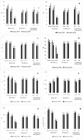
Simple effect for plant height (A), root dry weight (B), fruit width (C), potassium (D), calcium (E), sodium (F), potassium sodium ratio (G) and proline (H). Note: HC = humic acid (L ha-1); EC = electric conductivity (dS m-1); WT = with Trichoderma harzianum; NT = No Trichoderma harzianum.
Table 3 shows that 30 L ha-1 de HA with TH at both levels of EC presented statistically superior values to the other treatments for the variables PH, RDW and PDW, which surpassed the control by 78.56 and 77.25% in PH, with 90.17 and 89.91% in RDW and for the variable PDW the increase was 84.25 and 83.92% in relation to the control during the first season. 25 and 83.92% in relation to the control during the first season and for the following season these same treatments their values increased by 16.09 and 20.30% for PH, 13.21 and 13.30% in RDW and for PRW by 13.77 and 15.09% in relation to the previous season. It can be observed that EC levels do not produce significant effect when applying a dose of 30L ha-1 of HA with TH, which means that the application of HA shows a good root and foliar development when using this microorganism under saline soil conditions with water irrigation of 0 and 4 dS m-1 respectively.
Multiple comparison of means according to Tukey's test for plant height (PH), root dry weight (RDW), Plant dry weight (PDW).
3.2. Yield parameters
In Table 4 showed variables that showed significance (p<0.05) in the main factors as in the interaction between EC and HA, as well as for HA and TH were fruit length (FL), fruit width (FW), number of fruits per plant (NFP), number of fruits per plant (WFP) and total yield (TY) during the two seasons. This indicates that the application of irrigation with EC water of 0 and 4 dS m-1 was affected by the increase in HA levels with the use of T. harzianum producing a significant effect on yield parameters. While the effect of the interaction between EC and TH was not significant (p>0.05) in both seasons. It is also observed that the variables that showed interaction between the three factors were FL, NFP, WFP and TY, indicating that at doses of 30 and 15 L ha-1 of HA with the application of T. harzianum did not respond to the increase in EC, while the variable FW did not show interaction between factors in the first season, while in the following season it showed significance.
Summary of analysis of variance for weight of fruit length (FL), fruit width (FW), number of fruits per plant (NFP), Weight of fruits per plant (WFP) and total yield (TY) of bell pepper.
Regarding the effect of the main factors for the variable FW in the 2023 season. The FW with EC levels was not affected in both seasons. When HA levels were evaluated separately, it was observed that for the 30 and 15 L ha-1 HA doses there was an increase of 36.47 and 32.46% in FW in the first season in relation to the 0 ha-1 HA dose. Likewise, the application of TH reached the highest value in FW, producing an increase of 14.15% compared to that without the use of TH (see Figure 1C).
The effect of the interaction between EC, HA and TH on yield parameters is summarized below (Table 5). The results indicated that treatments T5 and T11 were statistically superior to the other treatments in all yield variables during the 2023 season. In contrast, for the 2024 season, treatments T5, T11 and T3 achieved the highest values for all yield variables. Regarding the variable FL and FW in the first season, it was observed that at doses of 30 L ha-1 of HA with TH at an EC of 0 and 4 dS m-1 reached the highest values with an increase of 57.94 and 57.53% in comparison with the control for FL and for FW the increase was 46.59 and 45.74% in relation to the control, and in the following season these same treatments increased their values by 6.46 and 5.66% for FL and FW by 8.93 and 7.85% over the previous season.
Multiple comparison of means according to Tukey's test for fruit length (FL), fruit width (FW), number of fruits per plant (NFP), Weight of fruits per plant (WFP) and total yield (TY) of bell pepper.
Regarding NFP and WFP for the first season, treatments T5 and T11 reached the highest values with 8.75 and 8.50 fruits and 1.15 and 0.96 g plant-1, exceeding the control by 85.71 and 85.29%, 85.71 and 85.29% for NFP and 91.49 and 91.3% for WFP, respectively. However, in the following season, the values of treatments T5, T11 and T3 increased by 25.53, 26.09 and 31.82% for NFP and by 22.82, 23.29 and 30.94% for WFP in relation to the previous season. The total yield in the 2023 season showed that T5 and T11 were significantly superior to the other treatments, obtaining values of 31.84 ± 0.11 and 30.93 ± 0.07 t ha-1 exceeding 89.54 and 89. 23% compared to the control, while in the 2024 season it was observed that at doses of 30 and 15 L ha-1 of HA with TH at an EC of 0 and 4 dS m-1 produced an increase of 23.18, 23.76 and 30.73% with respect to previous season. It is observed that increasing doses of HA with TH showed tolerance to the EC of 4 dS m-1.
3.3. Ion concentrations in leaf
Based on the results, HA, HT and the interaction between two factors obtained significant effect (p ≤ 0.01) on the concentrations of K+, Ca2+, Na+ and Cl- together with the relationship of K+/Na+ on bell pepper leaves. However, the EC and the interaction between three factors only presented significance in Cl- for both seasons (Table 6). Also, Table 7 and Figure 2A, show that the concentrations of K+ and Ca2+ decreased significantly with increasing salinity level. However, by increasing the doses of HA combined with microorganism the concentration of K+ and Ca2+ showed an increase of 37.88 and 48.71% in ratio of plants subjected to salt stress, for 2023 and 2024 seasons, respectively (Figure 1D and 1E). While the Na+ concentration in leaves of bell pepper plants without HA application in saline soil and subjected to saline irrigation (EC 4 dS m-1), an increase of 39.78 and 50.96% was found in two seasons (Figure 1F) and for Cl- concentration in leaves showed an increase of 59.24 and 63.29% when plants were subjected to salt stress for 2023 and 2024 seasons respectively.
Analysis of variance for potassium (K), calcium (Ca), sodium (NFP), chlorine (Cl), potassium sodium ratio (K/Na) and proline (Pro).
Multiple comparison of means according to Tukey's test for potassium (K), calcium (Ca), sodium (NFP), chlorine (Cl), potassium sodium ratio (K/Na) and proline (Pro).

Regressions for plant height (A), root dry weight (B), number of fruits per plant (C), total yield (D), potassium sodium ratio (E) and proline (F) on two levels of electrical conductivity, three levels of humic acids and two levels of Trichoderma harzianum. Note: EC = electric conductivity (dS m-1).
As for K+/Na+ ratio, a significant reduction of 62.61 and 74.93% was observed when plants in saline soil were subjected to saline water irrigation (EC of 4 dS m-1) in both seasons. Thus, the highest K+/ Na+ ratio in bell pepper leaves was found in saline soil treatments with water irrigation at EC of 0 and EC of 4 dS m-1 accompanied by 30 L ha-1 of HA combined with TH (Figure 1G).
3.4. Proline
Table 6 shows that the factors EC, HA, TH and their interactions had a significant effect (p≤0.01). It is observed that the proline content significantly increases with increasing salinity level in bell pepper plants applied with high doses of HA combined with TH. However, the proline content in plants without HA application in saline soil and subjected to saline irrigation (EC of 4 dS m-1) decreased significantly by 41.4 and 33.57% in 2023 and 2024 seasons, respectively (Table 7). Likewise, the treatments that obtained the highest amount of proline were found in the saline soil treatment with saline water irrigation (EC of 4 dS m-1) accompanied with the application of 30 L ha-1 of HA combined with TH (4.08 ± 0.08 and 4.25 ± 0.12 mg proline g-1 DW) followed by saline soil treatment with water irrigation (EC of 0 dS m-1) accompanied by the application of 30 L ha-1 of HA combined with TH (4.01 ± 0.07 and 4.17 ± 0.06 mg proline g-1 DW) (Figure 1H).
3.5. Regresión
Figure 2 shows the direct relationship between PH, RDW, NFP and TY and increasing doses of HA with and without the use of T. harzianum under EC levels, which was fitted to a linear function where the highest value was reached at the 30 L ha-1 dose of HA with TH. Likewise, the coefficient indicates that the increase of 1 L of HA combined with the microorganism under saline soil and water irrigation (0 and 4 dS m-1 of EC) produces an increase of 16.64 and 13.23 cm of plant height (Figure 2A), 6.76 and 6.41 g plant-1 of root weight (Figure 2B), of 4.5 and 3.75 fruits per plant (Figure 2C), and the yield increases by 16.64 and 13.23 t ha-1 (Figure 2D). In addition, EC levels did not affect PH, NFP and WFP when 15 and 30 L ha-1 of HA were applied with TH. This model demonstrates that increasing doses of HA combined with the microorganism show tolerance to salinity and increases plant height, fruit number, root weight and yield.
While for K+/Na+ ratio and proline content, Figure 2E, shows that the increase of 1 L of HA combined with the microorganism under saline soil and with water irrigation of 0 and 4 dS m-1 EC, there is the increase of 35.12 and 31.65% in K+/Na+ ratio and the increase of 1.21 and 1.23 mg proline g-1 DW (Figure 2F). In contrast, the application of increasing doses of HA combined with TH showed higher K+ uptake and proline synthesis as a defense mechanism against salt stress.
4. Discussion
The results showed that saline soil accompanied by irrigations of 0 and 4 dS m-1 of electrical conductivity, reduces the growth and productivity of bell pepper, because the plant subjected to saline stress, loses its ability to uptake water and nutrients (Danish et al., 2024), presents a hormonal imbalance (Malik et al., 202), low cell division (Saberi et al., 2021), stomata closure (Gürsoy, 2024) and toxic effect of Na+ (Amerian et al., 2024). However, increasing the dose of humic acid combined with Trichoderma harzianum significantly increases salinity tolerance and produces a significant effect on agronomic parameters (PH, RDW and PRW) of bell pepper during the 2023 season and these values increase slightly in 2024 season. These results are consistent with the findings of da Silva et al. (2021) who tested applications of beneficial microorganisms with different doses of HA and found a significant effect on agronomic parameters of bell pepper when increasing the doses of HA with the microorganism under salt stress conditions.
In study reported by Pineda-Cotrina et al. (2022) when applying HA combined with Trichoderma, plant height ranged from 44.55 to 55.93cm without salinity conditions, while in the study of Massimi et al. (2023) it was lower because saline soil conditions and saline irrigation of more than 2 dS m-1 restricts the movement of water to the leaf tissue, showing a reduction in plant dry matter.
It was observed in this study that saline soil with water irrigation of 0 and 4 dS m-1 EC caused significant reductions in root dry weight and leaf biomass of bell pepper. This is corroborated by Shukry et al. (2023) who revealed that plant growth retardation under salt stress is due to Na+ accumulation in plant tissue, which triggers electrolyte leakage, leading to low root and leaf growth. Specifically, the accumulation of salts in rhizosphere of plant reduces and hinders the entry of water into the vascular bundles of the roots, causing the cells to lose turgor and a physiological imbalance to occur (Mishra et al., 2023), hindering the uptake of nutrients (Ahmad et al., 2022). However, in our research, increasing HA doses combined with Trichoderma for two seasons significantly reduced the negative effect of salinity and increased root development (root dry weight), improving nutrient and water uptake to plant. This effect is due to the double action of HA and Trichoderma. Recent studies have shown significant effects of the combined use of HA and beneficial microorganisms on root and leaf growth of barley (Alsudays et al., 2024).
Regarding HA, the effect is due to soil aggregation, ionic imbalance and moisture retention (Massimi et al., 2023). Specifically, HA produces soil aggregates by holding moisture longer (Saidimoradi et al., 2019), which causes nutrients to be mobilized by mass flow to the roots (Rasouli et al., 2022; Tirado-Malaver et al., 2021). It has been reported that soil aggregation is a dynamic process in which plant and microorganisms interact and influence the increase of soil fertility and this is accompanied by an improvement in the availability of nutrients (Řezáčová et al., 2021).
While the action of Trichoderma, Xiao et al. (2023) indicate that the application of this microorganism proliferates in the rhizosphere of the plant and through it synthesizes organic compounds that solubilize ions, improving the availability of these (Woo et al., 2023) and takes advantage of the water retained by the soil aggregates (Bandara and Kang, 2024), resulting in increased root growth of the plant. In addition, the Trichoderma according to Duan et al. (2023) applied from the transplant and in early stages of the plant of bell pepper, tends to increase its proliferation, helping to root the seedlings and stimulates in it, the synthesis of endogenous hormones (gibberellins and auxins), producing greater root development, which results in the increase of the uptake of nutrients. On the other hand, Estévez-Geffriaud et al. (2020) indicated that Trichoderma produces fungal elicitors in the rhizosphere of the plant, which solubilizes nutrients and produces mycoparasitism in pathogenic fungi of the soil, fulfilling a double function as biofertilizers and biofungicides.
Regarding fruit characteristics, the supply of saline irrigation of 4 dS m-1 of EC in saline soils reduced 42.47% in fruit diameter and 54.26% in fruit length, surpassing that reported by Amerian et al. (2024). According to Qiu et al. (2017), soil salinity causes osmotic stress in the plant, which significantly reduces the movement of water from soil to plant tissue, leading to metabolic alterations in the cells and fruit filling of the bell pepper fruit (Navarro et al., 2010). On the other hand, the application of increasing doses of HA was favored when using Trichoderma to obtain a fruit of better caliber, because it increases the tolerance to salinity and implies that the conduction of water is continuous, which results in a continuous flow of carbohydrates and water to the fruit achieving a better caliber (Kanabar et al., 2024). These results are close to those obtained by Fallik et al. (2019) in bell pepper.
Likewise, results show that salt stress increases flower drop and reduces fruit set (Seenivasagan and Babalola, 2021) and increasing doses of HA combined with Trichoderma produce a significant effect on NFP and WFP (Seenivasagan and Babalola, 2021). These results confirm that the beneficial microorganism improves intercellular communication in salt stress signaling and plant homeostasis (Chaudhary et al., 2022). In addition, this microorganism in the rhizosphere produces organic acids which generates acidic conditions involving nutrient solubilization (Bandara and Kang, 2024), improves soil aggregation and allows increased water and nutrient transmission to growing fruits (Ennab et al., 2023). After one year, the combination of HA and Trichoderma, improves the uptake of water and nutrients (Gürsoy, 2024), as well as a continuous flow of photosynthates and water to the fruit, achieving a higher number of fruit set and higher fruit weight (Tirado-Malaver et al., 2024), as evidenced by significant increases in these characteristics.
With respect to yield, this study showed that the application of high doses of AH combined with TH significantly reduces salt stress on bell pepper yield. In this regard, studies by Pérez-Vazquez et al. (2020) have revealed that the application of high doses of HA the yield of bell pepper ranged between 30 to 40 t ha-1, while da Silva et al. (2021) the yield was higher when combining HA with a beneficial microorganism. This effect is due to the fact that HA reduces salt stress through enzymatic activity and antioxidant compounds (phenols, flavonoids and carboxylic acid) that inhibit oxygen free radicals (Shukry et al., 2023), while the beneficial microorganism stimulates the plant defense mechanisms (Abu-Qaoud et al., 2021) and biosynthesis of phytohormones, promoting root proliferation (Estévez-Geffriaud et al., 2020), in addition, it produces organic acids that solubilize nutrients of different mineral forms (precipitates and fertilizers), stabilize soil aggregates and thus improve the uptake of nutrients and water by the plant (Woo et al., 2023), so that this combination increases photosynthetic activity, the accumulation of carbohydrates and water in fruit (Gürsoy, 2024), resulting in a yield similar to bell pepper cultivation in non-saline conditions (Salinas et al., 2023).
Regarding the concentration of ions in bell pepper leaves, the results indicate that the concentration of K+ and Ca2+ decreases when the plants are subjected to saline soil and saline water irrigation, while the concentration of Na+ and Cl- increase. This fact is due to the fact that the plant in saline soil has difficulty in absorbing water and nutrients, resulting in ionic stress (Lian et al., 2022). In addition, Na+ and K+ competition is high, causing the plant to absorb less K+ since the ionic radii of these two ions are similar (Adams and Shin, 2014). However, absorbed Na+ causes alterations in cell metabolism (Hussain et al., 2021), such as replacement of Ca2+ ion at cell wall binding sites, resulting in damage to cell permeability and integrity (Sarwar et al., 2022). However, the addition to the soil of HA combined with T. harzianum significantly increases the concentration of K+ and Ca2+ in bell pepper leaves, since HA produces soil aggregation and the adhesion of ions to the sand particle, allowing greater availability of K+ and Ca2+ in soil solution (Blumwald, 2000) and through its function as a pseudocytokinin increases the uptake of K+ (Ntanasi et al., 2024). In addition, when HA is combined with the microorganism, it produces organic acids that solubilize nutrients, which results in increased K+ uptake (Gürsoy, 2024) and reduces the uptake of Na+ ions and Cl- in saline soil conditions with saline water irrigation and increases the K+/Na+ ratio (Xiong et al., 2023), confirming that HA is more efficient when combined with a beneficial microorganism (Abu-Qaoud et al., 2021).
Likewise, salt stress causes the plant to synthesize proline as a defense mechanism (Munns et al., 2010). However, the study showed that plants without HA and TH application, the proline content was lower compared to increasing doses of HA combined with the microorganism, so that osmoregulation was higher in these treatments. This useful finding may be due to the fact that beneficial microorganisms communicate with and stimulate the plant, accumulating osmolytes at the cellular level that regulate the water potential and solubilize K+ allowing to maintain the Na+ and K+ ratio in plant (Bhat et al., 2020). Also, the microbes produce exopolysaccharide which is a biofilm that retains water and binds Na+ and Cl- ions (Kim et al., 2024; Wang et al., 2019), resulting in stabilization of soil aggregates, generating the movement of nutrient and water transmission to the root efficiently (Mukherjee et al., 2019).
In addition, Trichoderma produces organic acids that solubilize nutrients from different mineral forms (precipitates and fertilizers) (Woo et al., 2023) and humic acid, stabilizes soil aggregates and thus, fertilizer nutrients are better utilized, increasing the soil microbial community, photosynthetic activity, carbohydrate accumulation and water conduction to the fruit (Ntanasi et al., 2024). Therefore, as the dose of humic acids combined with the beneficial microorganism increases, the plant shows tolerance to soil salinity and saline water irrigation of up to 4 dS m-1, achieving good growth and productivity in bell pepper, similar to plants without salt stress. However, further experiments on the study of the physical, chemical and biological properties of the soil are required for a better understanding.
5. Conclusions
The results show that saline soil accompanied by irrigations of 0 and 4 dS m-1 of electrical conductivity, significantly reduces the growth and productivity of bell pepper. However, the combined application of 30 L ha-1 of humic acid and Trichoderma harzianum, increases the tolerance to salinity and produces a significant effect on plant height, plant dry weight and increases root development, which improves the uptake of nutrients and water, favoring fruit set, fruit size and fruit weight per plant, resulting in the increase of the total yield of bell pepper in both seasons.
It was also found that the plant subjected to salt stress, increases the uptake of sodium and chlorine, causing harmful effects on it. However, the increase of the doses of humic acids combined with Trichoderma harzianum, significantly increases the concentration of K+ and Ca2+ in leaves, also, the proline content increases, generating defense mechanisms to the saline stress. Therefore, this combination is a sustainable alternative of bell pepper to reduce salt stress in arid and semi-arid areas of Peru.
References
-
ABU-QAOUD, H., AL-FARES, H., SHTAYA, M.J.Y. and SHAWARB, N., 2021. Effect of effective microorganisms on wheat growth under salt stress condition. Chilean Journal of Agricultural Research, vol. 81, no. 3, pp. 351-356. http://doi.org/10.4067/S0718-58392021000300351
» http://doi.org/10.4067/S0718-58392021000300351 -
ADAMS, E. and SHIN, R., 2014. Transport, signaling, and homeostasis of potassium and sodium in plants. Journal of Integrative Plant Biology, vol. 56, no. 3, pp. 231-249. http://doi.org/10.1111/jipb.12159 PMid:24393374.
» http://doi.org/10.1111/jipb.12159 -
AHMAD, A., BLASCO, B. and MARTOS, V., 2022. Combating salinity through natural plant extracts based biostimulants: a review. Frontiers in Plant Science, vol. 13, pp. 862034. http://doi.org/10.3389/fpls.2022.862034 PMid:35668803.
» http://doi.org/10.3389/fpls.2022.862034 -
AL-SAIF, A.M., SAS-PASZT, L. and MOSA, W.F.A., 2024. Olive performance under the soil application of humic acid and the spraying of titanium and zinc nanoparticles under soil salinity stress. Horticulturae, vol. 10, no. 3, pp. 295. http://doi.org/10.3390/horticulturae10030295
» http://doi.org/10.3390/horticulturae10030295 -
ALSUDAYS, I.M., ALSHAMMARY, F.H., ALABDALLAH, N.M., ALATAWI, A., ALOTAIBI, M.M., ALWUTAYD, K.M., ALHARBI, M.M., ALGHANEM, S.M.S., ALZUAIBR, F.M., GHARIB, H.S. and AWAD-ALLAH, M.M.A., 2024. Applications of humic and fulvic acid under saline soil conditions to improve growth and yield in barley. BMC Plant Biology, vol. 24, no. 1, pp. 191. http://doi.org/10.1186/s12870-024-04863-6 PMid:38486134.
» http://doi.org/10.1186/s12870-024-04863-6 -
AMERIAN, M., PALANGI, A., GOHARI, G. and NTATSI, G., 2024. Humic acid and grafting as sustainable agronomic practices for increased growth and secondary metabolism in cucumber subjected to salt stress. Scientific Reports, vol. 14, no. 1, pp. 15883. http://doi.org/10.1038/s41598-024-66677-8 PMid:38987579.
» http://doi.org/10.1038/s41598-024-66677-8 -
ANDRADE, F.H.A, SILVA, R.T., BARBOSA NETO, M.A., SILVA, S.F., CARDOSO, A.F.L., LIMA, J.S., SILVA, J.H.B., CRUZ, A.F.S., CLEMENTE, M.I.B., ONIAS, E.A., PEREIRA, W.E., CHAVES, J.T.L., BORGES, S.G.S., OLIVEIRA, A.M.F., LINHARES, P.C.A. and SILVA, R.R. 2024. The physiological quality of Vigna unguiculata L. seeds shows tolerance to salinity. Brazilian Journal of Biology = Revista Brasileira de Biologia, vol. 84, e281286. http://doi.org/10.1590/1519-6984.281286 PMid:38629678.
» http://doi.org/10.1590/1519-6984.281286 -
BADER, A.N., SALERNO, G.L., COVACEVICH, F. and CONSOLO, F., 2020. Bioformulación de Trichoderma harzianum en sustrato sólido y efectos de su aplicación sobre plantas de pimiento. Revista de la Facultad de Agronomía, vol. 119, no. 1, pp. 37. http://doi.org/10.24215/16699513e037
» http://doi.org/10.24215/16699513e037 -
BANDARA, A.Y. and KANG, S., 2024. Trichoderma application methods differentially affect the tomato growth, rhizomicrobiome, and rhizosphere soil suppressiveness against Fusarium oxysporum. Frontiers in Microbiology, vol. 15, pp. 1366690. http://doi.org/10.3389/fmicb.2024.1366690 PMid:38476947.
» http://doi.org/10.3389/fmicb.2024.1366690 -
BATES, L., WALDREN, R. and TEARE, Y., 1973. Rapid determination of free proline for water stress studies. Plant and Soil, vol. 39, no. 1, pp. 205-207. http://doi.org/10.1007/BF00018060
» http://doi.org/10.1007/BF00018060 -
BEHR, J.H., KAMPOURIS, I., BABIN, D., SOMMERMANN, L., FRANCIOLI, D., KUHL-NAGEL, T., CHOWDHURY, S., GEISTLINGER, J., SMALLA, K., NEUMANN, G. and GROSCH, R., 2023. Beneficial microbial consortium improves winter rye performance by modulating bacterial communities in the rhizosphere and enhancing plant nutrient acquisition. Frontiers in Plant Science, vol. 14, pp. 1232288. http://doi.org/10.3389/fpls.2023.1232288 PMid:37711285.
» http://doi.org/10.3389/fpls.2023.1232288 -
BHAT, M.A., KUMAR, V., BHAT, M.A., WANI, I.A., DAR, F.L., FAROOQ, I., BHATTI, F., KOSER, R., RAHMAN, S. and JAN, A.T., 2020. Mechanistic insights of the interaction of plant growth-promoting rhizobacteria (PGPR) with plant roots toward enhancing plant productivity by alleviating salinity stress. Frontiers in Microbiology, vol. 11, pp. 1952. http://doi.org/10.3389/fmicb.2020.01952 PMid:32973708.
» http://doi.org/10.3389/fmicb.2020.01952 -
BLUMWALD, E., 2000. Sodium transport and salt tolerance in plants. Current Opinion in Cell Biology, vol. 12, no. 4, pp. 431-434. http://doi.org/10.1016/S0955-0674(00)00112-5 PMid:10873827.
» http://doi.org/10.1016/S0955-0674(00)00112-5 -
CHAKROUN, H., ZEMNI, N., BENHMID, A., DELLALY, V., SLAMA, F., BOUKSILA, F. and BERNDTSSON, R., 2023. Evapotranspiration in semi-arid climate: remote sensing vs. soil water simulation. Sensors, vol. 23, no. 5, pp. 2823. http://doi.org/10.3390/s23052823 PMid:36905029.
» http://doi.org/10.3390/s23052823 -
CHAUDHARY, P., SINGH, S., CHAUDHARY, A., SHARMA, A. and KUMAR, G., 2022. Overview of biofertilizers in crop production and stress management for sustainable agriculture. Frontiers in Plant Science, vol. 13, pp. 930340. http://doi.org/10.3389/fpls.2022.930340 PMid:36082294.
» http://doi.org/10.3389/fpls.2022.930340 - DANISH, S., HAREEM, M., DAWAR, K., NAZ, T., IQBAL, M., ANSARI, M., SALMEN, S., DATTA, R., 2024. The role of strigolactone in alleviating salinity stress in chili pepper. BMC Plant Biology, vol. 23, pp. 209. http://doi.org/10.1186/s12870-024-04900-4.
-
DUAN, X., ZOU, C., JIANG, Y., YU, X. and YE, X., 2023. Effects of reduced phosphate fertilizer and increased trichoderma application on the growth, yield, and quality of pepper. Plants, vol. 12, no. 16, pp. 2998. http://doi.org/10.3390/plants12162998 PMid:37631209.
» http://doi.org/10.3390/plants12162998 -
ENNAB, H.A., MOHAMED, A.H., EL-HOSEINY, H.M., OMAR, A.A., HASSAN, I.F., GABALLAH, M.S., KHALIL, S.E., MIRA, A.M., EL-KHALEK, A.F. and ALAM-ELDEIN, S.M., 2023. Humic acid improves the resilience to salinity stress of drip-irrigated Mexican lime trees in saline clay soils. Agronomy, vol. 13, no. 7, pp. 1680. http://doi.org/10.3390/agronomy13071680
» http://doi.org/10.3390/agronomy13071680 - ESTÉVEZ-GEFFRIAUD, V., VICENTE, R., VERGARA-DÍAZ, O., NARVÁEZ REINALDO, J.J. and TRILLAS, M.I., 2020. Application of Trichoderma asperellum T34 on maize (Zea mays) seeds protects against drought stress. Planta, vol. 252, pp. 8. http://doi.org/10.1007/s00425-020-03404-3.
-
FALLIK, E., ALKALAI-TUVIA, S., CHALUPOWICZ, D., ZAAROOR-PRESMAN, M., OFFENBACH, R., COHEN, S. and TRIPLER, E., 2019. How water quality and quantity affect pepper yield and postharvest quality. Horticulturae, vol. 5, no. 1, pp. 1-4. http://doi.org/10.3390/horticulturae5010004
» http://doi.org/10.3390/horticulturae5010004 -
GILI, P., MARANDO, G., IRISARRI, J. and SAGARDOY, R., 2003. Efecto de las técnicas de lavado y fertilización sobre la salinidad en suelos del alto valle de Río Negro y Neuquén, Argentina. Agricultura Técnica (Chillán), vol. 64, no. 3. http://doi.org/10.4067/S0365-28072004000300010
» http://doi.org/10.4067/S0365-28072004000300010 -
GÜRSOY, M., 2024. Alone or combined effect of seaweed and humic acid applications on rapeseed (Brassica napus L.) under salinity stress. Journal of Soil Science and Plant Nutrition, vol. 24, no. 2, pp. 3364-3376. http://doi.org/10.1007/s42729-024-01759-0
» http://doi.org/10.1007/s42729-024-01759-0 -
HASANUZZAMAN, M. and FUJITA, M., 2022. Plant responses and tolerance to salt stress: physiological and molecular interventions. International Journal of Molecular Sciences, vol. 23, no. 9, pp. 4810. http://doi.org/10.3390/ijms23094810 PMid:35563198.
» http://doi.org/10.3390/ijms23094810 -
HUSSAIN, S., HUSSAIN, S., ALI, B., REN, X., CHEN, X., LI, Q., SAQIB, M. and AHMAD, N., 2021. Recent progress in understanding salinity tolerance in plants: story of Na+/K+ balance and beyond. Plant Physiology and Biochemistry, vol. 160, pp. 239-256. http://doi.org/10.1016/j.plaphy.2021.01.029 PMid:33524921.
» http://doi.org/10.1016/j.plaphy.2021.01.029 -
KANABAR, P., WU, Y. and NANDWANI, D., 2024. Enhancing sustainable cultivation of organic bell pepper through Fulvic Acid (FA) application: impact on phytochemicals and antioxidant capacity under open-field conditions. Sustainability, vol. 16, no. 16, pp. 6745. http://doi.org/10.3390/su16166745
» http://doi.org/10.3390/su16166745 -
KIM, I., WOO, H., CHHETRI, G., PARK, S. and SEO, T., 2024. A novel exopolysaccharide-producing bacterium,Pseudescherichia liriopissp. nov. isolated fromLiriope platyphylla, enhances the growth ofDaucus carotasubsp.sativusunder drought and salinity stress. Frontiers in Plant Science, vol. 15, pp. 1417639. http://doi.org/10.3389/fpls.2024.1417639 PMid:39081520.
» http://doi.org/10.3389/fpls.2024.1417639 -
LASHEEN, F.F., HEWIDY, M., ABDELHAMID, A.N., THABET, R.S., ABASS, M.M.M., FAHMY, A.A., SAUDY, H.S. and HASSAN, K.M., 2024. Exogenous application of humic acid mitigates salinity stress on pittosporum (Pittosporum tobira)plant by adjusting the osmolytes and nutrient homeostasis. Journal of Crop Health, vol. 76, no. 1, pp. 317-325. http://doi.org/10.1007/s10343-023-00939-9
» http://doi.org/10.1007/s10343-023-00939-9 -
LIAN, H., SUN, Z., XU, C. and GU, F., 2022. The relationship between the distribution of water and salt elements in arid irrigation areas and soil salination evolution. Frontiers in Earth Science, vol. 10, pp. 852485. http://doi.org/10.3389/feart.2022.852485
» http://doi.org/10.3389/feart.2022.852485 - LIMA, G.S., SILVA, S.S., SOARES, L.A.A., SILVA, A.A.R., GHEYI, H.R., NOBRE, R.G., SOUZA, W.B.B., SILVA, S.T.A., GUEDES, M.A. and OLIVEIRA, V.K.N., 2023. Irrigation with saline water in the cultivation of mini watermelon under phosphate fertilization. Brazilian Journal of Biology = Revista Brasileira de Biologia, vol. 83, e274991. http://doi.org/10.1590/1519-6984.274991. PMid:37909589.
-
MAČKIĆ, K., BAJIĆ, I., PEJIĆ, B., VLAJIĆ, S., ADAMOVIĆ, B., POPOV, O. and SIMIĆ, D., 2023. Yield and water use efficiency of drip irrigation of pepper. Water, vol. 15, no. 16, pp. 2891. http://doi.org/10.3390/w15162891
» http://doi.org/10.3390/w15162891 -
MALIK, J.A., ALQARAWI, A.A., ALZAIN, M.N., DAR, B.A., HABIB, M.M. and IBRAHIM, N.S., 2022. Effect of salinity and temperature on the seed germination and seedling growth of desert forage grass lasiurus scindicus henr. Sustainability, vol. 14, no. 14, pp. 8387. http://doi.org/10.3390/su14148387
» http://doi.org/10.3390/su14148387 -
MASSIMI, M., RADÓCZ, L. and CSÓTÓ, A., 2023. Impact of organic acids and biological treatments in foliar nutrition on tomato and pepper plants. Horticulturae, vol. 9, no. 3, pp. 1-16. http://doi.org/10.3390/horticulturae9030413
» http://doi.org/10.3390/horticulturae9030413 -
MINHAS, P.S., RAMOS, T.B., BEN-GAL, A. and PEREIRA, L.S., 2020. Coping with salinity in irrigated agriculture: crop evapotranspiration and water management issues. Agricultural Water Management, vol. 227, pp. 105832. http://doi.org/10.1016/j.agwat.2019.105832
» http://doi.org/10.1016/j.agwat.2019.105832 -
MISHRA, A.K., DAS, R., GEORGE, R., BISWAL, B., SINHA, T., SHARMA, S., ARORA, P. and KUMAR, M., 2023. Promising management strategies to improve crop sustainability and to amend soil salinity. Frontiers in Environmental Science, vol. 10, pp. 962581. http://doi.org/10.3389/fenvs.2022.962581
» http://doi.org/10.3389/fenvs.2022.962581 -
MUKHERJEE, P., MITRA, A. and ROY, M., 2019. Halomonas rhizobacteria of Avicennia marina of Indian sundarbans promote rice growth under saline and heavy metal stresses through Exopolysaccharide production. Frontiers in Microbiology, vol. 10, pp. 1207. http://doi.org/10.3389/fmicb.2019.01207 PMid:31191507.
» http://doi.org/10.3389/fmicb.2019.01207 -
MUNNS, R., WALLACE, P.A., TEAKLE, N.L. and COLMER, T.D., 2010. Measuring soluble ion concentrations (Na, K, Cl) in salt-treated plants. In: R. SUNKAR, ed. Plant stress tolerance, methods in molecular biology. New Jersey: Humana Press, vol. 639, pp. 371-382. http://doi.org/10.1007/978-1-60761-702-0_23
» http://doi.org/10.1007/978-1-60761-702-0_23 -
NAVARRO, J., GARRIDO, C., FLORES, P. and MARTÍNEZ, V., 2010. The effect of salinity on yield and fruit quality of pepper grown in perlite. Spanish Journal of Agricultural Research, vol. 8, no. 1, pp. 142-150. http://doi.org/10.5424/sjar/2010081-1153
» http://doi.org/10.5424/sjar/2010081-1153 -
NTANASI, T., KARAVIDAS, I., SPYROU, G.P., GIANNOTHANASIS, E., ALIFERIS, K.A., SAITANIS, C., FOTOPOULOS, V., SABATINO, L., SAVVAS, D. and NTATSI, G., 2024. Plant biostimulants enhance tomato resilience to salinity stress: insights from two greek landraces. Plants, vol. 13, no. 10, pp. 1404. http://doi.org/10.3390/plants13101404 PMid:38794474.
» http://doi.org/10.3390/plants13101404 - PEREIRA, K., SÁ, F., TORRES, S., PAIVA, E.P., ALVES, T. and OLIVEIRA, R., 2024. Exogenous application of organic acids in maize seedlings under salt stress. Brazilian Journal of Biology, vol. 84, e250727. http://doi.org/10.1590/1519-6984.250727.
-
PÉREZ-INOCENCIO, J., ITURRIAGA, G., Aguirre-Mancilla, C.L., Vásquez-Murrieta, M.S., Lastiri-Hernández, M.A. and ÁLVAREZ-BERNAL, D., 2023. Reduction in salt stress due to the action of halophilic bacteria that promote plant growth inSolanum lycopersicum. Microorganisms, vol. 11, no. 11, pp. 2625. http://doi.org/10.3390/microorganisms11112625 PMid:38004637.
» http://doi.org/10.3390/microorganisms11112625 -
PÉREZ-VAZQUEZ, E., GAUCÍN-DELGADO, J., RAMÍREZ-RODRÍGUEZ, S., SARIÑANA-ALDACO, M., ZAPATA SIFUENTES, G. and ZUÑIGA-VALENZUELA, E., 2020. Conductividad eléctrica de la solución nutritiva efecto en el rendimiento y la calidad nutracéutica. Revista Mexicana de Ciencias Agrícolas, vol. 11, no. 7, pp. 1669-1675. http://doi.org/10.29312/remexca.v11i7.2409
» http://doi.org/10.29312/remexca.v11i7.2409 -
PINEDA-COTRINA, M.N., RAMÍREZ-ROJAS, C.G., PINEDA-REYES, L.E., GONZALES-MEDINA, H.K., ZENOBIO-TOLENTINO, Y.Y., RIMAC-TORRES, O.F., AGURTO-ISIDRO, J.A. and ARONE-GASPAR, G.J., 2022. Efecto de aplicaciones de ácidos húmicos, microorganismos eficaces y Trichoderma asperellum, T. viride y T. harzianum en Capcicum annun. QuantUNAB, vol. 1, no. 1, e12. http://doi.org/10.52807/qunab.v1i1.12
» http://doi.org/10.52807/qunab.v1i1.12 -
QIU, R., JING, Y., LIU, C., YANG, Z. and WANG, Z., 2017. Response of hot pepper yield, fruit quality, and fruit ion content to irrigation water salinity and leaching fractions. HortScience, vol. 52, no. 7, pp. 979-985. http://doi.org/10.21273/HORTSCI12054-17
» http://doi.org/10.21273/HORTSCI12054-17 -
RASOULI, F., NASIRI, Y., ASADI, M., HASSANPOURAGHDAM, M.B., GOLESTANEH, S. and PIRSARANDIB, Y., 2022. Fertilizer type and humic acid improve the growth responses, nutrient uptake, and essential oil content onCoriandrum sativum L. Scientific Reports, vol. 12, no. 1, pp. 7437. http://doi.org/10.1038/s41598-022-11555-4 PMid:35523852.
» http://doi.org/10.1038/s41598-022-11555-4 -
ŘEZÁČOVÁ, V., CZAKÓ, A., STEHLÍK, M., MAYEROVÁ, M., ŠIMON, T., SMATANOVÁ, M. and MADARAS, M., 2021. Organic fertilization improves soil aggregation through increases in abundance of eubacteria and products of arbuscular mycorrhizal fungi. Scientific Reports, vol. 11, no. 1, pp. 12548. http://doi.org/10.1038/s41598-021-91653-x
» http://doi.org/10.1038/s41598-021-91653-x -
SABERI, R., EBRAHIMI-ZARANDI, M., TAMANADAR, E., MORADI, M. and THAKUR, V.K., 2021. Salinity stress: toward sustainable plant strategies and using plant growth-promoting rhizobacteria encapsulation for reducing it. Sustainability, vol. 13, no. 22, pp. 12758. http://doi.org/10.3390/su132212758
» http://doi.org/10.3390/su132212758 -
SAIDIMORADI, D., GHADERI, N. and JAVADI, T., 2019. Salinity stress mitigation by humic acid application in strawberry (Fragaria x ananassa Duch). Scientia Horticulturae, vol. 256, pp. 108594. http://doi.org/10.1016/j.scienta.2019.108594
» http://doi.org/10.1016/j.scienta.2019.108594 -
SALINAS, J., PADILLA, F.M., THOMPSON, R.B., PEÑA-FLEITAS, M.T, LÓPEZ-MARTÍN, M. and GALLARDO, M., 2023. Responses of yield, fruit quality and water relations of sweet pepper in Mediterranean greenhouses to increasing salinity. Agricultural Water Management, vol. 290, pp. 108578. http://doi.org/10.1016/j.agwat.2023.108578
» http://doi.org/10.1016/j.agwat.2023.108578 -
SARWAR, A.G., TINNE, F.J., ISLAM, N., ISLAM, M.M and HAQUE, M.S, 2022. Effects of salt stress on growth and accumulation of Na+, K+ and Ca2+ ions in different accessions of Sesbania. Bangladesh Journal of Botany, vol. 51, pp. 157-167. http://doi.org/10.3329/bjb.v51i1.58832
» http://doi.org/10.3329/bjb.v51i1.58832 -
SEENIVASAGAN, R. and BABALOLA, O., 2021. Utilization of microbial consortia as biofertilizers and biopesticides for the production of feasible agricultural product. Biology, vol. 10, no. 11, pp. 1111. http://doi.org/10.3390/biology10111111 PMid:34827104.
» http://doi.org/10.3390/biology10111111 -
SHUKRY, W.M., ABU-RIA, M.E., ABO-HAMED, S.A., ANIS, G. and IBRAHEEM, F., 2023. The efficiency of humic acid for improving salinity tolerance in salt sensitive rice (Oryza sativa): growth responses and physiological mechanisms. Gesunde Pflanzen, vol. 75, no. 6, pp. 2639-2653. http://doi.org/10.1007/s10343-023-00885-6
» http://doi.org/10.1007/s10343-023-00885-6 -
SILVA, M.S., SANTOS, M.S., SILVA, R.A., SILVA, C.S., ANTUNES, L.F., SANTOS, R., SANTS, C.B. and RIGOBELO, E.C., 2021. Humic substances in combination with plant growth-promoting bacteria as an alternative for sustainable agriculture. Frontiers in Microbiology, vol. 12, pp. 719653. http://doi.org/10.3389/fmicb.2021.719653 PMid:34777275.
» http://doi.org/10.3389/fmicb.2021.719653 -
SOOD, T., SOOD, S., SOOD, V.K., BADIYAL, A., ANURADHA, KAPOOR, S., SOOD, V. and KUMAR, N., 2023. Characterisation of bell pepper (Capsicum annuumL. var. grossum Sendt.) accessions for genetic diversity and population structure based on agro-morphological and microsatellite markers. Scientia Horticulturae, vol. 321, pp. 112308. http://doi.org/10.1016/j.scienta.2023.112308
» http://doi.org/10.1016/j.scienta.2023.112308 -
SULTAN, M., MAHMUD, U. and KHAN, M., 2023. Addressing soil salinity for sustainable agriculture and food security: innovations and challenges in coastal regions of Bangladesh. Future Foods, vol. 8, pp. 100260. http://doi.org/10.1016/j.fufo.2023.100260
» http://doi.org/10.1016/j.fufo.2023.100260 - TIRADO-LARA, R., TIRADO-MALAVER, R., MAYTA-HUATUCO, E. and AMOROS-BRIONES, W., 2020. Identificación de clones de papa con pulpa pigmentada de alto rendimiento comercial y mejor calidad de fritura: estabilidad y análisis multivariado de la interacción genotipo-ambiente. Scientia Agropecuária, vol. 11, pp. 323-334. http://doi.org/10.17268/sci.agropecu.2020.03.04.
- TIRADO-MALAVER, R., MENDOZA-SÁENZ, J. and TIRADO-LARA, R., 2021. Análisis multivariado para caracterizar y tipificar fincas productoras de papa (Solanum tuberosum L.) en Cutervo, Cajamarca, Perú. Tropical and Subtropical Agroecosystems, vol. 24, pp. #106.
- TIRADO-MALAVER, R., TIRADO-LARA, R., MEDOZA-SÁENZ, J., FABIÁN-ANASTACIO, N., TIRADO-MALAVER, R. and CAMPOS-JULCA, A., 2024. Sustainability index of the potato (Solanum tuberosum L.) production agroecosystem in Cutervo, Peru. Tropical and Subtropical Agroecosystems, vol. 27, no. 1, pp. 20.
-
WANG, Z., LI, Y., ZHUANG, L., YU, Y., LIU, J., ZHANG, L., GAO, Z., WU, Y., GAO, W., DING, G.C. and WANG, Q., 2019. A Rhizosphere-Derived consortium of Bacillus subtilis and Trichoderma harzianum suppresses common scab of potato and increases yield. Computational and Structural Biotechnology Journal, vol. 17, pp. 645-653. http://doi.org/10.1016/j.csbj.2019.05.003 PMid:31193738.
» http://doi.org/10.1016/j.csbj.2019.05.003 -
WOO, S.L., HERMOSA, R., LORITO, M. and MONTE, E., 2023. Trichoderma: a multipurpose, plant-beneficial microorganism for eco-sustainable agriculture. Nature Reviews Microbiology, vol. 21, no. 5, pp. 312-326. http://doi.org/10.1038/s41579-022-00819-5 PMid:36414835.
» http://doi.org/10.1038/s41579-022-00819-5 -
XIAO, Z., ZHAO, Q., LI, W., GAO, L. and LIU, G., 2023. Strain improvement of Trichoderma harzianum for enhanced biocontrol capacity: strategies and prospects. Frontiers in Microbiology, vol. 14, pp. 1146210. http://doi.org/10.3389/fmicb.2023.1146210 PMid:37125207.
» http://doi.org/10.3389/fmicb.2023.1146210 -
XIONG, Q., WANG, S., LU, X., XU, Y., ZHANG, L., CHEN, X., XU, G., TIAN, D., ZHANG, L., JING, J. and YE, X., 2023. The effective combination of humic acid phosphate fertilizer regulating the form transformation of phosphorus and the chemical and microbial mechanism of its phosphorus availability. Agronomy, vol. 13, no. 6, pp. 1581. http://doi.org/10.3390/agronomy13061581
» http://doi.org/10.3390/agronomy13061581


