 Influence of the type of breed and line of agricultural poultry on the morphological composition of eggs
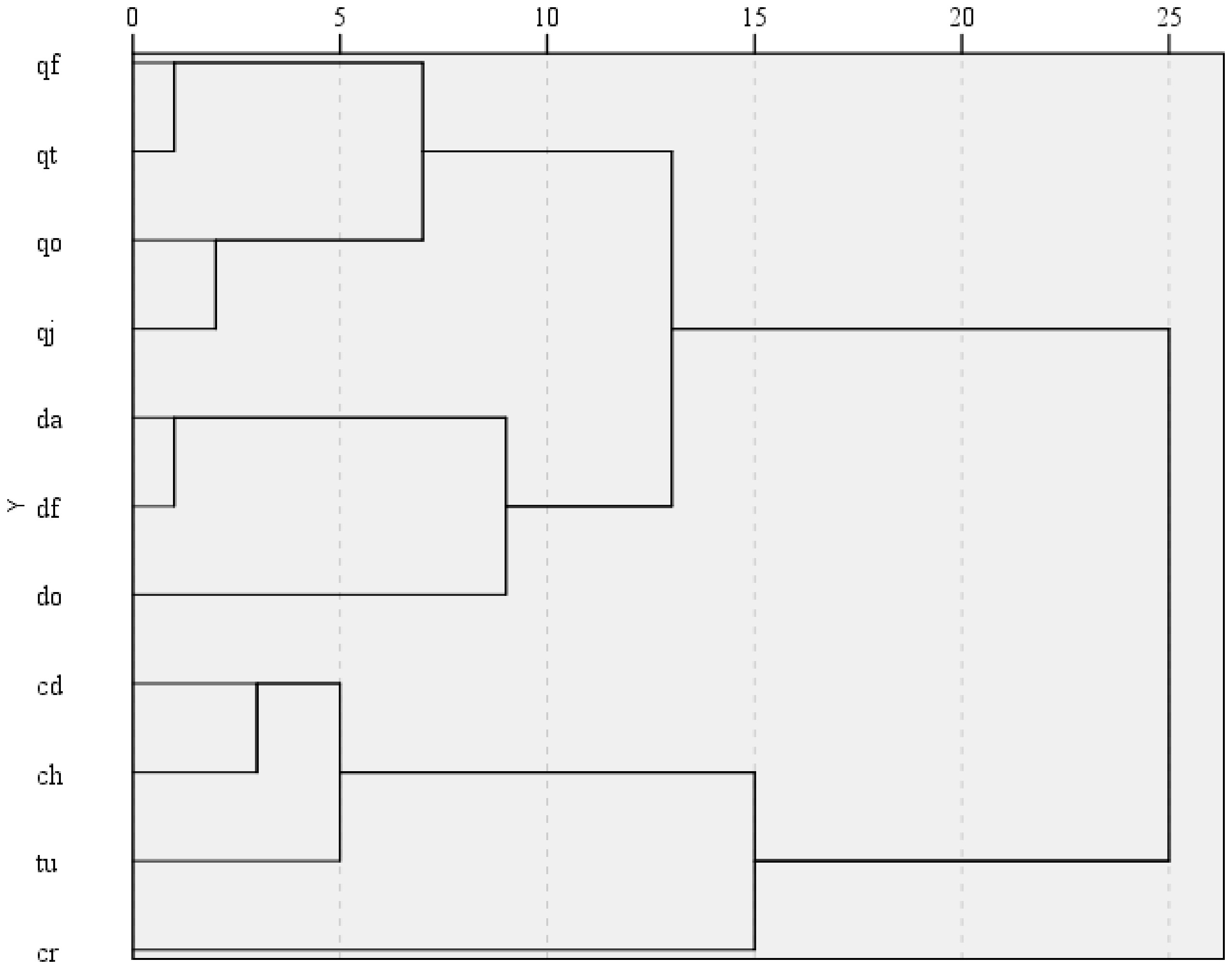
The article presents, for the first time, the results of differentiating chickens, quails, turkeys, and ducks based on the morphological characteristics of their eggs and establishes the influence of species, breed, and line affiliation on egg morphological parameters. The process of agglomeration of breeds and lines of birds occurred within species affiliation, which in turn was influenced by differences in the morphological structure of eggs caused by the direction of selection. In quails and ducks, the grouping of breeds and lines occurred more rapidly than in chickens and turkeys, which is due to the intensity of selection for desirable traits. Species affiliation determined the differences in the relative weights of the shell, albumen, and yolk (η2 = 0.420–0.467, p = 0.000), as well as the relative weights of the outer liquid and dense layers of the albumen (η2_ROLLA = 0.399 and η2_RODLA = 0.351, p = 0.000). Although quails and ducks were similar in the relative weight of albumen, they exhibited differences in its structural characteristics.
Keywords:
chickens; quails; ducks; turkeys; morphological composition of the egg; species; breed; line; hierarchy analysis method
 Thumbnail