 Goal-directed therapy with continuous SvcO2 monitoring in pediatric cardiac surgery: the PediaSat single-center randomized trial
Introduction Low Cardiac Output Syndrome (LCOS) remains a significant perioperative challenge in pediatric cardiac surgery. This study evaluated whether a hemodynamic protocol aimed at optimizing continuous central venous Oxygen Saturation (SvcO2) using the PediaSat catheter could reduce postoperative complications in pediatric patients undergoing congenital heart surgery.
Methods Conducted at the Instituto do Coração in São Paulo, this randomized clinical trial compared a group receiving SvcO2-based goal-directed therapy via PediaSat (intervention) against conventional care (control). The main objective was assessing 24-hour lactate clearance post-surgery, with secondary outcomes including Vasoactive-Inotropic Score (VIS), Mechanical Ventilation (MV) duration, vasopressor use, and ICU/hospital stay lengths.
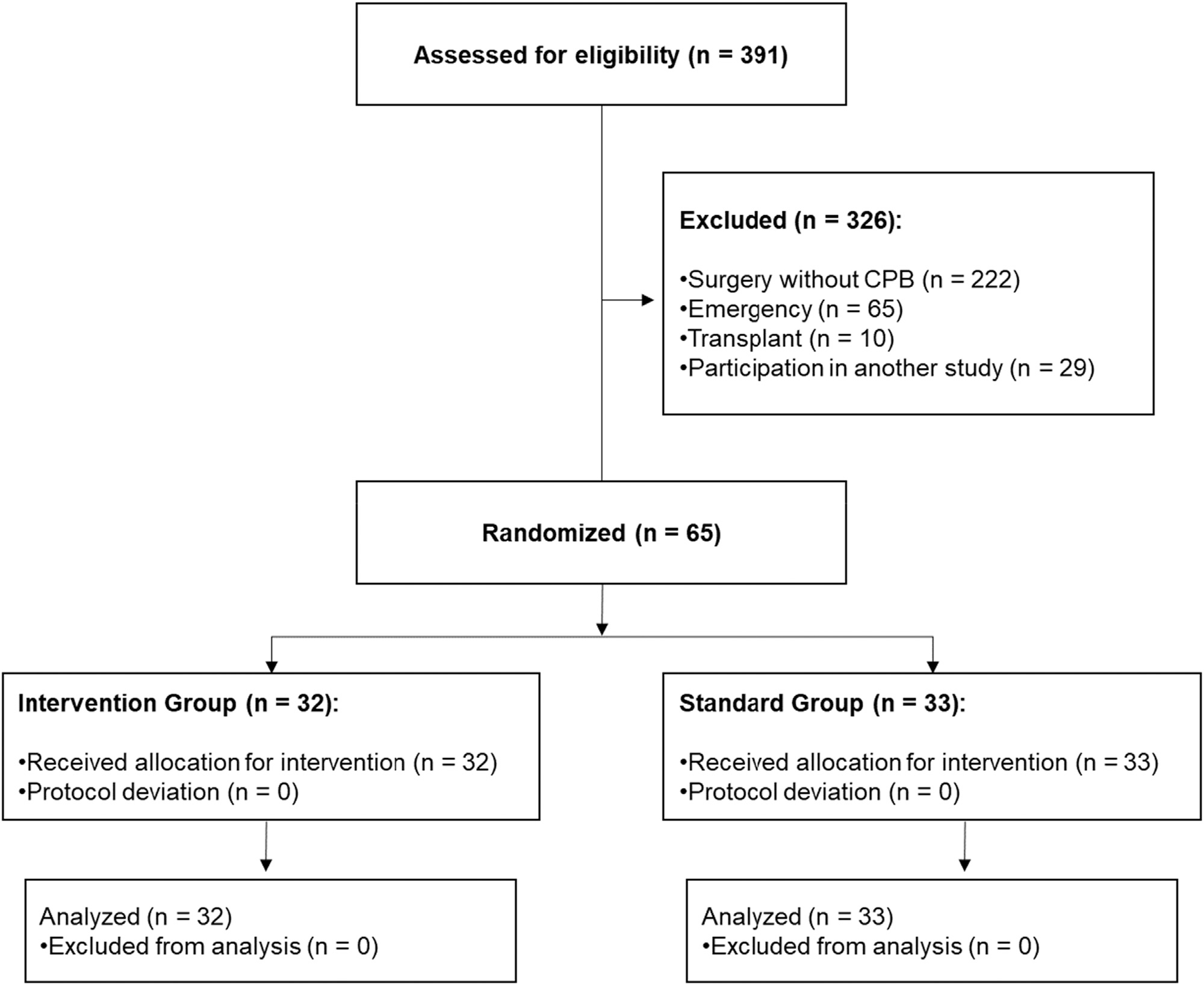
Results From July 13, 2014, to March 17, 2016, 391 patients were evaluated for eligibility. After applying inclusion and exclusion criteria, 65 patients were included and randomized ‒ 33 to the control group and 32 to the PediaSat group. There were no losses to follow-up in either group. Lactate clearance did not significantly differ between the intervention and control groups. However, the PediaSat group showed significantly shorter mechanical ventilation times, reduced vasopressor use, and shorter ICU stays. No significant differences were observed in hospital stay length or incidence of postoperative complications between the group.
Conclusions While optimizing SvcO2 did not affect overall lactate clearance, it was associated with shorter MV duration, decreased vasopressor need, and shorter ICU stays in pediatric cardiac surgery patients. These findings highlight the potential benefits of continuous SvcO2 monitoring in postoperative care.
KEYWORDS
Hemodynamics; Lactate; Oxygen; Pediatrics; Postoperative care; Ventilator weaning
 Thumbnail