 Ethical and legal risks of telemedicine
Abstract
Although telemedicine aims to improve access to healthcare, particularly for underserved populations, ethical and legal risks exist. Reports from the World Health Organization provide key information, but the literature lacks in-depth exploration of ethical issues and up-to-date data from low- and middle-income countries, with only 2% of studies in 2020 focusing on these regions. This study is a review of 45 articles on the ethical and legal risks of telemedicine, 29% of which are from middle-income countries. The articles highlighted ethical concerns such as autonomy and equity. Legal risks included lack of regulations, patient safety and quality of care. This study concludes that the expansion of telemedicine is essential to address inequalities in healthcare, but its implementation must be ethical, legally sound and culturally adaptable to ensure positive outcomes.
Keywords:
Telemedicine; Ethics; Legislation; Risk; Socioeconomic factors
Resumo
A telemedicina tem como objetivo melhorar o acesso aos cuidados de saúde, particularmente para populações carentes, mas apresenta riscos éticos e legais. Os relatórios da Organização Mundial da Saúde fornecem informações-chave, mas a literatura carece de uma exploração aprofundada das questões éticas e de dados atualizados de países de baixa e média renda (LMIC), com apenas 2% dos estudos de 2020 focados nessas regiões. Este estudo realizou uma revisão de 45 artigos sobre os riscos éticos e legais da telemedicina, dos quais 29% eram de países de renda média. Os artigos destacaram preocupações éticas como autonomia e equidade. Os riscos legais incluíram a falta de regulamentações, segurança do paciente e qualidade do cuidado. O estudo conclui que a expansão da telemedicina é essencial para abordar as desigualdades no cuidado à saúde, mas sua implementação deve ser ética, legalmente sólida e culturalmente adaptável para garantir resultados positivos.
Palavras-chave:
Telemedicina; Ética; Legislação; Risco; Fatores socioeconômicos
Resumen
La telemedicina tiene como objetivo mejorar el acceso a la atención sanitaria, particularmente para las poblaciones desatendidas, pero presenta riesgos éticos y legales. Los informes de la Organización Mundial de la Salud proporcionan información clave, pero la literatura carece de una exploración profunda de los problemas éticos y de datos actualizados de los países de ingresos bajos y medianos (LMIC), con solo el 2% de los estudios de 2020 centrados en estas regiones. Este estudio realizó una revisión de 45 artículos sobre los riesgos éticos y legales de la telemedicina, de los cuales el 29% provenían de países de ingresos medianos. Los artículos destacaron preocupaciones éticas como la autonomía y la equidad. Los riesgos legales incluyeron la falta de normativas, la seguridad del paciente y la calidad de la atención. El estudio concluye que la expansión de la telemedicina es esencial para abordar las desigualdades en la atención sanitaria, pero su implementación debe ser ética, legalmente sólida y culturalmente adaptable para garantizar resultados positivos.
Palabras clave:
Telemedicina; Ética; Legislación; Riesgo; Factores socioeconómicos
Telemedicine is a key component of the World Health Organization’s (WHO) global strategy on digital health 2020-2025, which aims to improve health outcomes for everyone and everywhere by accelerating the development and adoption of digital health solutions, strengthening infrastructure to promote health and well-being 1 and achieving the goal of universal health coverage 2. For this review, telemedicine refers to the practices conducted under the responsibility of physicians 3, utilizing technology in physician-patient interactions to provide health care at a distance 4.
One way to measure the progress of telemedicine is by evaluating the adopted legal frameworks 5. However, ethical concerns have also been present since the early WHO documents on telemedicine 6. Telehealth, which is a broader concept that includes telemedicine, is beneficial to deliver healthcare in both low- and middle-income countries (LMIC), and high-income countries, but ethics and legal concerns may impact countries differently due to their income. Literature supports the idea that health equity and digital health technologies cannot be separated from the social, cultural, and economic realities of different regions 7.
Although there have been some efforts to gather global data on telemedicine, primarily via WHO reports 2,5,6, a lack of in-depth and updated analysis of ethical issues information on LMIC remains, as well as a lack of focus on their specific concerns. For example, just 2% of studies published in 2020 on telehealth included data from these countries, highlighting a publication bias toward other contexts 8.
Although telemedicine offers significant benefits to healthcare, its implementation still raises ethical and legal concerns, which makes it crucial to study these issues, particularly in relation to the socioeconomic context. The research question for this review was: what are the ethical and legal risks of telemedicine? The aim was to conduct a systematic review of the ethical and legal risks of telemedicine.
Method
This is a review in which the population studied is in the scientific literature. The concepts explored were ethical and legal risks in the telemedicine context. The review protocol was registered on the Open Science Framework platform and adhered to the Joanna Briggs Institute (JBI) checklist 9. Two researchers searched the following databases: MEDLINE (via PubMed), Web of Science, Lilacs, and Cochrane, with the last search performed on September 30, 2024, after an initial search conducted on April 25, 2018. The following search strategy was used for MEDLINE:
((“telemedicine”[MeSH Terms] OR “telemedicine”[All Fields] OR “telemedicine s”[All Fields] OR (“telemedicine”[MeSH Terms] OR “telemedicine”[All Fields] OR “ehealth”[All Fields]) OR (“telehealth s”[All Fields] OR “telemedicine”[MeSH Terms] OR “telemedicine”[All Fields] OR “telehealth”[All Fields])) AND (“ethics”[All Fields] OR “ethical”[All Fields] OR “ethicality”[All Fields] OR “ethically”[All Fields] OR “ethics”[MeSH Terms] OR “ethics”[All Fields] OR “ethic”[All Fields] OR “ethics”[MeSH Subheading]) AND (“legislation and jurisprudence”[MeSH Subheading] OR (“legislation”[All Fields] AND “jurisprudence”[All Fields]) OR “legislation and jurisprudence”[All Fields] OR “regulations”[All Fields] OR “social control, formal”[MeSH Terms] OR (“social”[All Fields] AND “control”[All Fields] AND “formal”[All Fields]) OR “formal social control”[All Fields] OR “regulate”[All Fields] OR “regulates”[All Fields] OR “regulating”[All Fields] OR “regulations”[All Fields] OR “regulative”[All Fields] OR “regulator”[All Fields] OR “regulator s”[All Fields] OR “regulators”[All Fields] OR “regulated”[All Fields] OR “regulation”[All Fields]))
For all other databases, the terms used were Telemedicine, Ethics, and Regulation, and were connected with the Boolean operator AND.
Included articles were those published between 2018 and 2024, as 2018 marked the year the WHO recognized the need to strengthen digital health implementation 1, and significant changes in the practice of telemedicine emerged after 2020 due to COVID-19. The articles selected addressed teleconsultation, ethics, and regulation. No filters were applied for language or article type.
Studies were excluded if they focused on specific medical specialties, such as dermatology or sleep medicine, or if they dealt primarily with research ethics, veterinary medicine, dentistry, or research protocols. The rationale for excluding studies from specific medical specialties was to focus on general practice medicine, which is typically the first point of access to the healthcare system.
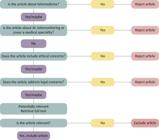
The search results were exported to a Microsoft Excel spreadsheet before the evaluation, and two researchers (RRG and CASS) checked for duplicates. The evaluation was conducted in two stages (Figure 1): 1) the title and abstract of all identified articles were reviewed based on the pre-defined inclusion and exclusion criteria; and 2) the selected texts were fully assessed for subsequent data extraction via semantic categorization. Both steps were conducted independently by the same two researchers, and any conflicts were resolved via a consensus meeting. This review did not aim to assess the quality of the studies, it actually aimed to map and synthesize the knowledge necessary to answer our research question.
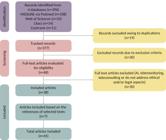
In total, 396 articles were found, of which 338 articles were identified in PubMed (MEDLINE), 33 in the Web of Science database, 14 in LILACS, and 11 in the Cochrane Library. Figure 2 describes the inclusion and exclusion of articles based on the Preferred Reporting Items for Systematic Reviews and Meta-Analyses (PRISMA) model.
A comprehensive spreadsheet including columns for the title, study country, country income group, study objectives, and extracted data was created. The World Bank country classification by income group was adopted 10. After the data from the articles were extracted and sorted by continent, the Simple Word Cloud software was used to generate word clouds to help visualize the most frequent themes in two categories: ethical and legal risks.
These two categories were further subdivided into thematic axes. In stage two of semantic categorization, both researchers identified context units after thoroughly reading the studies. We screened the papers for all major ethical and legal risks found in the literature on telemedicine, adapting them to the framework described by Kaplan 11.
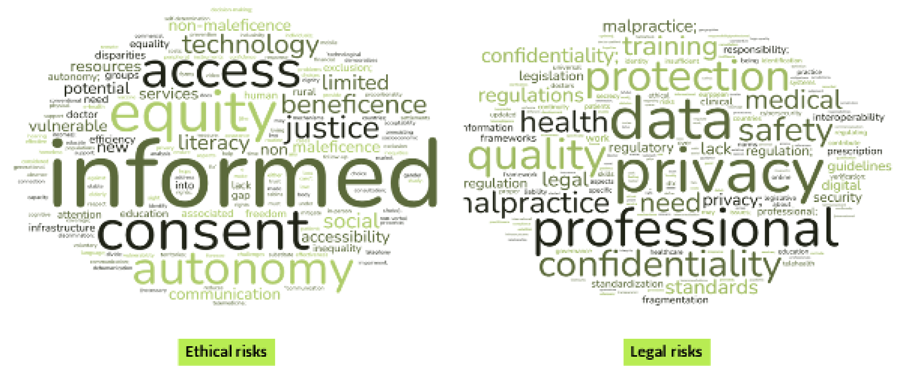
In the ethical risks category, Simple Word Cloud indicated that autonomy, and equity and justice were prevalent in most of the texts. We decided that these two would serve as our thematic axes for ethical risks.
For the autonomy axis, we considered whether the text mentioned autonomy itself, informed consent, patient empowerment, patient education or patient literacy, voluntary choice, self-determination, and other related concepts discussed in the consensus meeting. For the equity and justice axis, we focused on whether the text mentioned equity or justice itself, barriers, disparity, inequity, limited resources, vulnerable groups, digital exclusion, accessibility, discrimination, social exclusion, and other related concepts discussed in the consensus meeting.
In the legal risks category, we decided that our thematic axes, based on the word clouds generated, should be lack of norms and patient safety and quality of care—in which the latter focuses on data governance, privacy, and professional ethics.
For the lack of norms axis, we considered whether the text mentioned updated legislation and regulations, proper regulation and evaluation frameworks, inadequate guidelines or legislation, the need for standardization, and other related concepts discussed in the consensus meeting. For the patient safety and quality of care axis, we focused on whether the text mentioned data protection or governance, privacy and confidentiality, quality and standards of care, professional training, medical credentials, jurisdiction and licensure, professional malpractice, clinical judgment, telenegligence, liability issues, and other related concepts discussed in the consensus meeting.
Results
The results were extracted and classified into two categories: ethical and legal risks. The country of origin and the year of publication of the research were also identified. The final sample included 45 articles, regardless of study type, of which 18 publications were from Europe, 11 from North America, ten from Asia, two from South Africa, and four from South America. Four articles were published before the COVID-19 pandemic, when there was an outbreak of telemedicine services and a need to update guidelines and regulations. As a result, these articles may not reflect the current concerns of the countries where they originated (specifically Italy, the USA, Canada, and Indonesia). Notably, of these four countries, only Indonesia had a single article in our sample.
Regarding income groups, the two and four studies from South Africa and South America, respectively, are from middle-income countries. All studies from Europe and North America are from high-income countries. In Asia, three studies are from high-income countries, and seven are from middle-income countries. Thus, 71% (32 out of 45) of the studies are from high-income countries, while 29% (13 out of 45) are from middle-income countries. There was no study from low-income countries.
Regarding ethical risks, autonomy, and equity and justice were prevalent in most of the texts, and these two serve as our thematic axes for ethical risks. In terms of autonomy, Asia, North America, and Europe show the greatest concern. All continents demonstrate significant focus on equity and distributive justice.
Regarding legal risks, lack of norms, data governance, privacy, and professional ethics were found in most of the texts, and these are our thematic axes for legal risks. Concerning the lack of norms, the need for a legal framework is a common theme across all continents. In the patient safety and quality of care axis, Europe’s main concern appears to be the quality of care, while North America is focused on both professional ethics and quality of care. Asia shares concerns about professional ethics and standards of care. However, a common theme across all continents is the governance of personal data.
We could not find any subject that prevails due to the income level of the publication country. Figure 3 shows the word clouds generated.
This review did not use study type as an inclusion criterion, which could be considered a limitation. However, the consulted databases did not yield studies such as systematic reviews with meta-analyses or other types of higher-level scientific evidence. One aspect that can be seen as a strength of this review is that no language filter was applied, which increased the number of publications evaluated.
Discussion
The main results of this review were categorized into (a) ethical risks, with the axes of autonomy, and equity and justice, and (b) legal risks, with the axes of lack of norms, and patient safety and quality of care. Both categories will be discussed next.
Ethical risks
Autonomy
Given the expectation that the expansion of telemedicine will permanently change healthcare delivery, it is imperative to learn from these experiences to make the expansion more effective and as ethical as possible 12, while valuing autonomy and reducing vulnerabilities. The less vulnerable an individual is, the more valuable their autonomy and freedom become.
Regarding autonomy, although patients are generally open to adopting technologies, they often lack full awareness of their implications 13, highlighting the need for informed consent 14. In the telehealth context, informed consent is straightly related to valuing the patient’s autonomy, and being concerned about the privacy of data shared via recent technologies of information and communication.
Therefore, it is valid to question whether the population is ready and digitally literate enough to use telemedicine, and whether stakeholders are addressing this issue or providing the necessary support, particularly in LMIC where disparities extend beyond technology, and services are made available in communities that previously had no (or limited) means of accessing such resources 4.
Informed consent can help prevent ethical issues and allegations of malpractice when properly obtained 15, it must include the technical limitations of conducting a clinical examination via teleconsultation. By adopting informed consent, it is possible to minimize the risk of medical informational negligence, which occurs when a physician fails to inform the patient about telemedicine limitations and eventual possibility of confidentiality violations 16.
From the perspective of a person’s autonomy, Parsons 4 suggests that telemedicine should be offered as an additional to in-person services, which would ensure that individuals can choose between traditional services and teleconsultation 13. However, making telemedicine the standard could increase the risk of it becoming the only option, or patients could be pressured to choose it, as their decision would then become binary—telemedicine or no care 4. If the only option is telemedicine or no care, the patients’ autonomy is limited rather than supported.
From another perspective, the full exercise of autonomy requires investment in patient education and the promotion of health literacy 15,17. Telemedicine demands significant involvement from the patients, who are expected to take an active role in contributing to the management of their own illness, aiming to guarantee the effectiveness of the intervention at a distance. This way of co-management is beneficial as it enhances patients’ awareness of their own health conditions 13.
Equity and justice
The exercise of autonomy in the context of telemedicine cannot be dissociated from the opportunities to access healthcare, which raises the issue of equality. Those who face greater barriers to access health services also have limited access to technology and are the least likely to benefit from telemedicine 18,19. A study highlights digital exclusion, raising concerns that some individuals may be left behind or abandoned due to a lack of technological literacy or economic disadvantage 4.
Reinforcing the premise of equity in healthcare, the term telemedical imperative proposed by Parsons 4, represents the duty to implement remote access whenever possible. This aligns with the expectation that telemedicine will become more prevalent due to the increasing digitalization.
Since the dynamics of health is directly affected by digital transformation, digital access, and literacy, it can improve healthcare. However, it could also increase health inequities, erode trust, and compromise human rights. There is a growing recognition that digital technologies are becoming a new determinant of health 15.
The implementation of telemedicine in LMIC is hindered by limited resources and infrastructure, including unreliable electricity, inadequate devices and connectivity, and a shortage of trained workers 20. This raises concerns about distributive justice, particularly regarding equal access to healthcare and the fair distribution of technology to the marginalized communities.
Ideally, the greater advantage to patients should be fast and equitable access to health services via telemedicine, but it remains a controversial issue, as disparities in healthcare access may be exacerbated, often accompanied by inflated costs 21. Moreover, telemedicine does not provide a “technological solution” to pre-existing health challenges, such as scarce resources and inadequate healthcare coverage 13.
Digital inequalities, which reduce opportunities for digital access and increase discrimination, are prevalent in healthcare and raise concerns when striving for a fair and equitable society 22. Universal health coverage and the digital transformation of health must be accompanied by other policies aimed at diminishing asymmetries.
Two Brazilian studies suggest that telemedicine needs social support and strategies to address potential health inequities particularly for those who are invisible and vulnerable due to clinical or socioeconomic context 8,23. Jedličková 24 emphasizes the need to educate and support vulnerable groups, which underscores the importance of rejecting a one-size-fits-all approach 25. If diversity—encompassing factors such as gender, age, and social status—is not considered, the goal of universal health coverage will remain out of reach.
Legal risks
Lack of norms
The need of a more comprehensive legal framework aimed at achieving higher quality of care is a common concern across all five continents. However, prior to 2020, when telemedicine services increased due to the COVID-19 pandemic, publications mainly discussed theoretical aspects of telemedicine implementation. In contrast, after 2020, regulatory issues arising from the real-world experience of remote care became more prominent.
From the perspective of norms, there is a lack of international standards and legal provisions applicable to remote services, which contributes to obstacles in the effective integration of telemedicine into daily practice 13,26. Norms and governance arrangements are a cornerstone to the development of digital transformation in the healthcare context 27.
Telemedicine practices require significant improvement, including the establishment of specific rules and codes of conduct to create a sustainable program 21. There is an urgent need for regulation to provide the legal certainty that both professionals and patients require to use telemedicine safely 28,24. Furthermore, self-regulation by technology companies should not be encouraged, as it could lead to increased inequality and hinder the achievement of the universal health coverage goal 27. Digital transformation in healthcare involves the development and use of digital tools, platforms, and services by both public and private actors, representing a new area of regulation and requiring the creation of new governance models to foster responsible innovation 27.
Physicians and healthcare organizations require updated guidelines for the ethical use of telemedicine, and decision takers and public politics developers need evidence to support their decisions 11. Comprehensive and universal telemedicine guidelines should be developed, enabling countries to adapt them based on their local context 29.
Patient safety and quality of care
As telemedicine advances, the range of newly implemented services creates a continuous, natural experiment that shows an unparalleled opportunity to develop an evidence-based path forward 11. Details regarding patient identification, data ownership, backup and disposal, cross-regional cybersecurity laws, and strategies to overcome telemedicine limitations must be clearly defined to ensure consistency in telemedicine services and patient safety 29.
Nowadays, an electronic medical record may contain more intimate information about an individual than any other single document 26 and data are increasingly viewed as a commodity 27. Therefore, it is mandatory to manage the use of health data for its only purpose agreed between patient and healthcare provider.
Telemedicine services must operate with predictability 20, so predicting the risk of information leakage and actively implementing measures to prevent it aligns with the principle of non-maleficence, which aims to prevent harm 21. Data governance goes beyond patient’s knowledge 30, which supports Botrugno’s idea of stablishing limits to safeguard the quality of health care from the economic interests of private sectors 13.
Although it is widely recognized that protecting data and building a trustworthy public architecture for health data is essential, it seems inevitable that countries or regions will approach this issue in different ways, since they are influenced by their own social contracts and values 27.
Regarding data governance, the European Union has reached a political agreement on the regulatory framework for the European Health Data Space, marking a significant step toward safe and secure healthcare 31. In contrast, a study conducted in Latin America indicates that confidentiality and professional secrecy are concerns in less than half of the region’s telehealth-related legislations (that comprises telemedicine) 32, and that commercialization of telemedicine services requires a new approach to privacy and cybersecurity.
Beyond data, telemedicine regulations must encompass norms for technological certification and device regulation, as well as responsibility for hardware and software malfunctioning, errors, safety, and the possibility of interoperability between systems 12. These norms must also consider broader harms associated with digital technologies 27, however, regulations have not received much attention as part of health informatics 33. While there is a consensus that legal and political guidelines must exist 12 they need to be built on technical, ethical, and responsible values, within robust and participatory frameworks, to be trusted 27.
Another legal risk is related to professional responsibility. Telemedicine introduces a new way of malpractice—telenegligence 26—and health professionals play a crucial role in adhering to strict guidelines for teleconsultation, ensuring that these technologies maintain the therapeutic relationship and uphold the quality of care 21. Cordeiro 25 affirms that clarifying legal liability and defining malpractice norms are essential to safeguard the quality of care and ensure patient safety.
Another important consideration regarding the quality of care is the direct link to professional training. For the dissemination of remote services as a vector of positive transformation of contemporary health systems, it is crucial to train the professionals involved, so they’ll be able to act properly in the virtual environment and establish positive relationships with remote users 13. Physicians in Ireland reported to be familiarized mostly to perform remote administrative actions, like repeat prescriptions, rather than conducting physical examination, for example 34.
This could be interpreted as a lack of confidence among professionals due to the limitations of physical examination, such as the absence of tactile and olfactory information, which can reduce the ability of a physician to make an accurate diagnosis. Literature suggests that this limitation increases the risk of overprescription 35, and the unnecessary ordering of additional tests, which in turn raises both the costs and risks of care, which may expose professionals to issues of responsibility and new cases of malpractice 13. These issues could be reduced if communication between doctor and patient is considered as a time of care, regardless of the means used to communicate 36.
Final considerations
The expansion of telemedicine is inevitable, and it holds great potential to enhance the autonomy of the patients and improve health outcomes by addressing longstanding inequalities. However, its implementation must be ethical, responsible, and guided by solid regulations—that remain fragile today—and adaptable to sociocultural contexts, addressing the specific needs of populations.
The global expansion of telemedicine introduces a qualitative shift that demands a broader ethical-legal perspective, which reimagines healthcare practices in a sustainable and responsible manner.
This review aimed to identify the ethical and legal risks of telemedicine. We found that the primary ethical concerns involve autonomy, and equity and justice, while the legal risks are primarily related to the lack of norms, as well as patient safety and quality of care. We also confirmed the limited number of publications from LMIC and highlighted that the specific concerns of these countries may not have been fully addressed.
One strength of this review is that no language filter was applied, which increases the number of publications included and minimizes cultural selection bias. Despite that, there was still a limited sample of articles from LMIC that restricts a comprehensive analysis of their legal and ethical risks related to telemedicine. Nonetheless, compared to other reviews on similar topics, our study contributes to a better understanding of the LMIC context, as 29% (13 out of 45) of the included studies are from these countries.
Further research is necessary to guide the quality and safety of telemedicine care, as well as to raise new ethical questions that can form the foundation for guidelines and standards for these emerging health technologies. This is particularly crucial in LMIC, where telemedicine could exacerbate inequalities rather than bridge gaps in healthcare access without proper regulation. Historically, LMIC have been exploited and market forces in the healthcare sector could take advantage of telemedicine as another means of exploitation—whether as undervalued medical labor or as the provision of low-quality, unsafe services.
Telemedicine is an important tool for transforming healthcare access. However, its implementation also has the potential to benefit vulnerable populations in other critical areas. Given the complex infrastructure required for telemedicine, these populations—who often lack such infrastructure—may face even greater disadvantages without targeted interventions.
References
-
1 World Health Organization. Global strategy on digital health 2020-2025 [Internet]. Geneva: WHO; 2021 [acesso 26 jun 2025]. Disponível: https://tinyurl.com/356y47xv
» https://tinyurl.com/356y47xv -
2 World Health Organization. Global diffusion of e-health: making universal health coverage achievable: report of the third global survey on e-health [Internet]. Geneva: WHO; 2016 [acesso 26 jun 2025]. Disponível: https://tinyurl.com/yr5apejr
» https://tinyurl.com/yr5apejr -
3 Conselho Federal de Medicina. Resolução n o 2.314, de 20 de abril de 2022. Define e regulamenta a telemedicina, como forma de serviços médicos mediados por tecnologias de comunicação. Diário Oficial da União [Internet]. Brasília, p. 227, 5 maio 2022 [acesso 26 jun 2025]. Seção 1. Disponível: https://tinyurl.com/35fpnwmr
» https://tinyurl.com/35fpnwmr -
4 Parsons JA. The telemedical imperative. Bioethics [Internet]. 2021 [acesso 26 jun 2025];35(4):298-6. DOI: 10.1111/bioe.12847
» https://doi.org/10.1111/bioe.12847 -
5 World Health Organization. Telemedicine: opportunities and developments in member states: report on the second global survey on e-health [Internet]. Geneva: WHO; 2010 [acesso 26 jun 2025]. Disponível: https://tinyurl.com/3spsd59e
» https://tinyurl.com/3spsd59e -
6 World Health Organization. Building foundations for e-health: progress of member states: report of the who global observatory for e-Health [Internet]. Geneva: WHO; 2006 [acesso 26 jun 2025]. Disponível: https://tinyurl.com/yrx52nn4
» https://tinyurl.com/yrx52nn4 -
7 Crawford A, Serhal E. Digital health equity and COVID-19: the innovation curve cannot reinforce the social gradient of health. J Med Internet Res [Internet]. 2020 [acesso 26 jun 2025];22(6):e19361. DOI: 10.2196/19361
» https://doi.org/10.2196/19361 -
8 Reis FJJ, Fernandes LG, Saragiotto BT. Telehealth in low- and middle-income countries: bridging the gap or exposing health disparities? Health Policy Technol [Internet]. 2021 [acesso 26 jun 2025];10(4):100577. DOI: 10.1016/j.hlpt.2021.100577
» https://doi.org/10.1016/j.hlpt.2021.100577 -
9 Gomes R, Silva dos Santos C, Duarte I et al. Ethics and legal aspects of telemedicine: review protocol. OSF [Internet]. 2023 [acesso 20 ago 2024]. DOI: 10.17605/OSF.IO/4GJEF
» https://doi.org/10.17605/OSF.IO/4GJEF -
10 World Bank. World Bank Country Classification by Income level 2024-2025 [Internet]. 2024 [acesso 26 jun 2025]. Disponível: https://tinyurl.com/mr2ajnwc
» https://tinyurl.com/mr2ajnwc -
11 Kaplan B. Revisiting health information technology ethical, legal and social issues and evaluation: telehealth/telemedicine and COVID-19. Int J Med Inform [Internet]. 2020 [acesso 26 jun 2025];143:104239. DOI: 10.1016/j.ijmedinf.2020.104239
» https://doi.org/10.1016/j.ijmedinf.2020.104239 -
12 Kaplan B. Ethics, guidelines, standards, and policy: telemedicine, COVID-19, and broadening the ethical scope. Camb Q Healthc Ethics [Internet]. 2022 [acesso 26 jun 2025];31(1):105-18. DOI: 10.1017/S0963180121000852
» https://doi.org/10.1017/S0963180121000852 -
13 Botrugno C. Towards an ethics for telehealth. Nurs Ethics [Internet]. 2019 [acesso 26 jun 2025];26(2):357-67. DOI: 10.1177/0969733017705004
» https://doi.org/10.1177/0969733017705004 -
14 Al-Hazmi AM, Sheerah HA, Arafa A. Perspectives on telemedicine during the era of covid-19; what can Saudi Arabia do? Int J Environ Res Public Health [Internet]. 2021 [acesso 26 jun 2025];18(20):10617. DOI: 10.3390/ijerph182010617
» https://doi.org/10.3390/ijerph182010617 -
15 Pana M, Stanescu AMA, Andronic O, Nastasa I, Pi?uru S, Jinga V. Telemedicine, between medical benefit and malpractice: actual considerations. Rom J Leg Med [Internet]. 2021 [acesso 26 jun 2025];29(4):408-12. DOI: 10.4323/rjlm.2021.408
» https://doi.org/10.4323/rjlm.2021.408 -
16 Calado VN, Lamy M. Teleconsulta médica: os limites éticos e o risco de negligência informacional. Cad Iberoam Direito Sanit [Internet]. 2020 [acesso 26 jun 2025];9(3):89-122. DOI: 10.17566/ciads.v9i3.713
» https://doi.org/10.17566/ciads.v9i3.713 -
17 Aneja J, Arora S. Telemedicine and ethics: opportunities in India. Indian J Med Ethics [Internet]. 2021 [acesso 26 jun 2025];6(4):314-20. DOI: 10.20529/IJME.2021.042
» https://doi.org/10.20529/IJME.2021.042 -
18 Botrugno C, Zózimo JR. A difusão da telemedicina em Portugal: dos benefícios prometidos aos riscos de um sistema de cuidados a duas velocidades. SPP [Internet]. 2020 [acesso 26 jun 2025];93:89-107. Disponível: https://tinyurl.com/392nw26e
» https://tinyurl.com/392nw26e -
19 Simon DA, Shachar C. Telehealth to address health disparities: potential, pitfalls, and paths ahead. J Law Med Ethics [Internet]. 2021 [acesso 26 jun 2025];49(3):415-7. DOI: 10.1017/jme.2021.62
» https://doi.org/10.1017/jme.2021.62 -
20 Shaw JA, Donia J. The sociotechnical ethics of digital health: a critique and extension of approaches from bioethics. Front Digit Health [Internet]. 2021 [acesso 26 jun 2025];3:725088. DOI: 10.3389/fdgth.2021.725088
» https://doi.org/10.3389/fdgth.2021.725088 -
21 Solimini R, Busardò FP, Gibelli F, Sirignano A, Ricci G. Ethical and legal challenges of telemedicine in the era of the COVID-19 pandemic. Medicina (Lithuania) [Internet]. 2021 [acesso 26 jun 2025];57(12):1314. DOI: 10.3390/medicina57121314
» https://doi.org/10.3390/medicina57121314 -
22 Jokinen A, Stolt M, Suhonen R. Ethical issues related to eHealth: an integrative review. Nurs Ethics [Internet]. 2021 [acesso 26 jun 2025];28(2):253-71. DOI: 10.1177/0969733020945765
» https://doi.org/10.1177/0969733020945765 -
23 Silva AB, Sindico SRF, Carneiro AC, Henrique SM, Fernandes AG, Gomes JP et al. COVID-19 remote consultation services and population in health inequity-concentrating territories: a scoping review. Telemed J E Health [Internet]. 2021 [acesso 26 jun 2025];27(8):881-97. DOI: 10.1089/tmj.2021.0145
» https://doi.org/10.1089/tmj.2021.0145 -
24 Lenert L, McSwain BY. Balancing health privacy, health information exchange, and research in the context of the COVID-19 pandemic. J Am Med Inform Assoc [Internet]. 2020 [acesso 26 jun 2025];27(6):963-6. DOI: 10.1093/jamia/ocaa039
» https://doi.org/10.1093/jamia/ocaa039 -
25 Cordeiro JV. Digital technologies and data science as health enablers: an outline of appealing promises and compelling ethical, legal, and social challenges. Front Med (Lausanne) [Internet]. 2021 [acesso 26 jun 2025];8:647897. DOI: 10.3389/fmed.2021.647897
» https://doi.org/10.3389/fmed.2021.647897 -
26 Nittari G, Khuman R, Baldoni S, Pallotta G, Battineni G, Sirignano A et al. Telemedicine practice: review of the current ethical and legal challenges. Telemed J E Health [Internet]. 2020 [acesso 26 jun 2025];26(12):1427-37. DOI: 10.1089/tmj.2019.0158
» https://doi.org/10.1089/tmj.2019.0158 -
27 Kickbusch I, Piselli D, Agrawal A, Balicer R, Banner O, Adelhardt M et al. The Lancet and Financial Times Commission on governing health futures 2030: growing up in a digital world. Lancet [Internet]. 2021 [acesso 26 jun 2025];398(10312):1727-76. DOI: 10.1016/S0140-6736(21)01824-9
» https://doi.org/10.1016/S0140-6736(21)01824-9 -
28 Gil Membrado C, Barrios V, Cosín-Sales J, Gámez JM. Telemedicine, ethics, and law in times of COVID-19. A look towards the future. Rev Clin Esp [Internet]. 2021 [acesso 26 jun 2025];221(7):408-10. DOI: 10.1016/ j.rceng.2021.03.002
» https://doi.org/10.1016/ j.rceng.2021.03.002 -
29 Intan Sabrina M, Defi IR. Telemedicine guidelines in South East Asia - a scoping review. Front Neurol [Internet]. 2021 [acesso 26 jun 2025];11:581649. DOI: 10.3389/fneur.2020.581649
» https://doi.org/10.3389/fneur.2020.581649 -
30 Oliva A, Grassi S, Vetrugno G, Rossi R, Della Morte M, Pinchi V et al. Management of medico-legal risks in digital health era: a scoping review. Front Med (Lausanne) [Internet]. 2022 [acesso 26 jun 2025];8:821756. DOI: 10.3389/fmed.2021.821756
» https://doi.org/10.3389/fmed.2021.821756 -
31 Faxvaag A, Reponen J, Hardardottir GA, Vehko T, Viitanen J, Eriksen J et al. Towards accountable E-Health policies in the nordic countries. Stud Health Technol Inform. 2024 [acesso 26 jun 2025];316:339-43. DOI: 10.3233/SHTI240413
» https://doi.org/10.3233/SHTI240413 -
32 Alegre V, Álvarez MY, Bianchini A, Buedo P, Campi N, Cristina M et al. Salud digital en América Latina: legislación actual y aspectos éticos. Rev Panam Salud Pública [Internet]. 2024 [acesso 26 jun 2025];48:e40. DOI: 10.26633/rpsp.2024.40
» https://doi.org/10.26633/rpsp.2024.40 -
33 Laflamme L, Chipps J, Barrett D, Brysiewicz P, Duys R, Evans K et al. Dos and don'ts for mHealth-based clinical support among clinicians in South Africa: results from a 1-day workshop. S Afr Med J [Internet]. 2021 [acesso 26 jun 2025];111(5):416-20. DOI: 10.7196/SAMJ.2021.v111i5.15400
» https://doi.org/10.7196/SAMJ.2021.v111i5.15400 -
34 Walley D, McCombe G, Broughan J, O'Shea C, Crowley D, Quinlan D et al. Use of telemedicine in general practice in Europe since the COVID-19 pandemic: a scoping review of patient and practitioner perspectives. PLOS Digit Health [Internet]. 2024 [acesso 26 jun 2025];3(2):e0000427. DOI: 10.1371/journal.pdig.0000427
» https://doi.org/10.1371/journal.pdig.0000427 -
35 Stavroulaki T. Mind the gap: antitrust, health disparities and telemedicine. Am J Law Med [Internet]. 2019 [acesso 26 jun 2025];45(2-3):171-7. DOI: 10.1177/0098858819860607
» https://doi.org/10.1177/0098858819860607 -
36 Consolandi M. Toward a digitalized medicine: the COVID-19 pandemic as a disclosure of the importance of digital communication in the clinical world. Theor Med Bioeth [Internet]. 2024 [acesso 26 jun 2025];45(3):211-9. DOI: 10.1007/s11017-024-09667-1
» https://doi.org/10.1007/s11017-024-09667-1
-
Approval by Porto University Research Ethics Committee 115/CEFMUP/2023
-
Data availability:
All data used or generated in this study are described and presented in full in the body of the article.
Edited by
-
Editor in charge:
Dilza Teresinha Ambrós Ribeiro
All data used or generated in this study are described and presented in full in the body of the article.

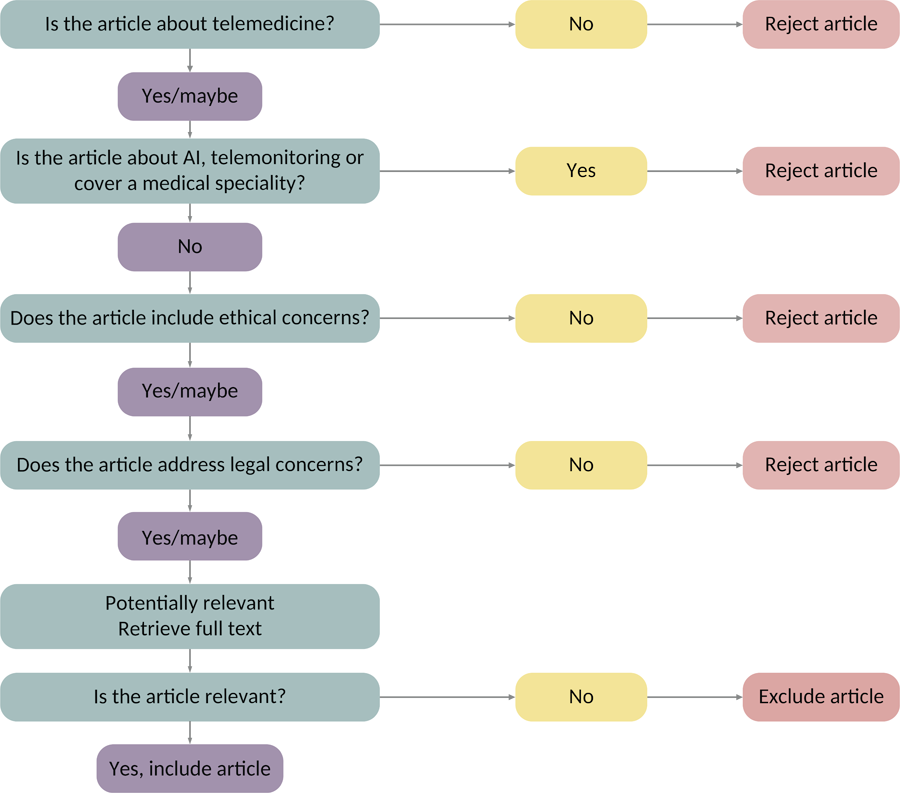 AI: artificial intelligence
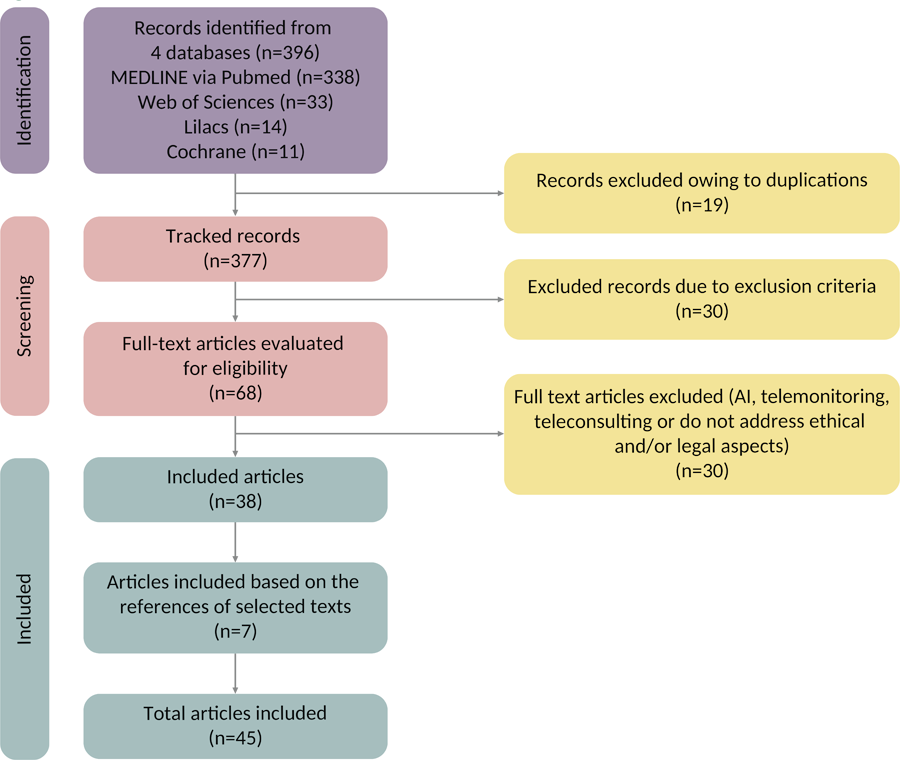 PRISMA: Preferred Reporting Items for Systematic Reviews and Meta-Analyses; AI: artificial intelligence