 An in vitro analysis of titanium aging surface optimization through variations in UV-C photofunctionalization and SLA: impact on titanium disk wettability
Objective This study aimed to evaluate the effects of UV-C duration and SLA surface treatment on the wettability of aged titanium disk surfaces.
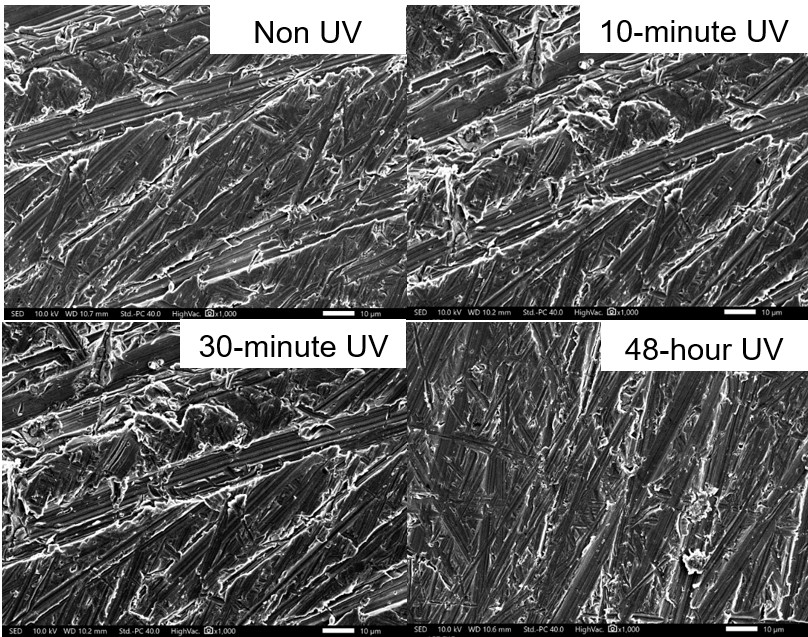
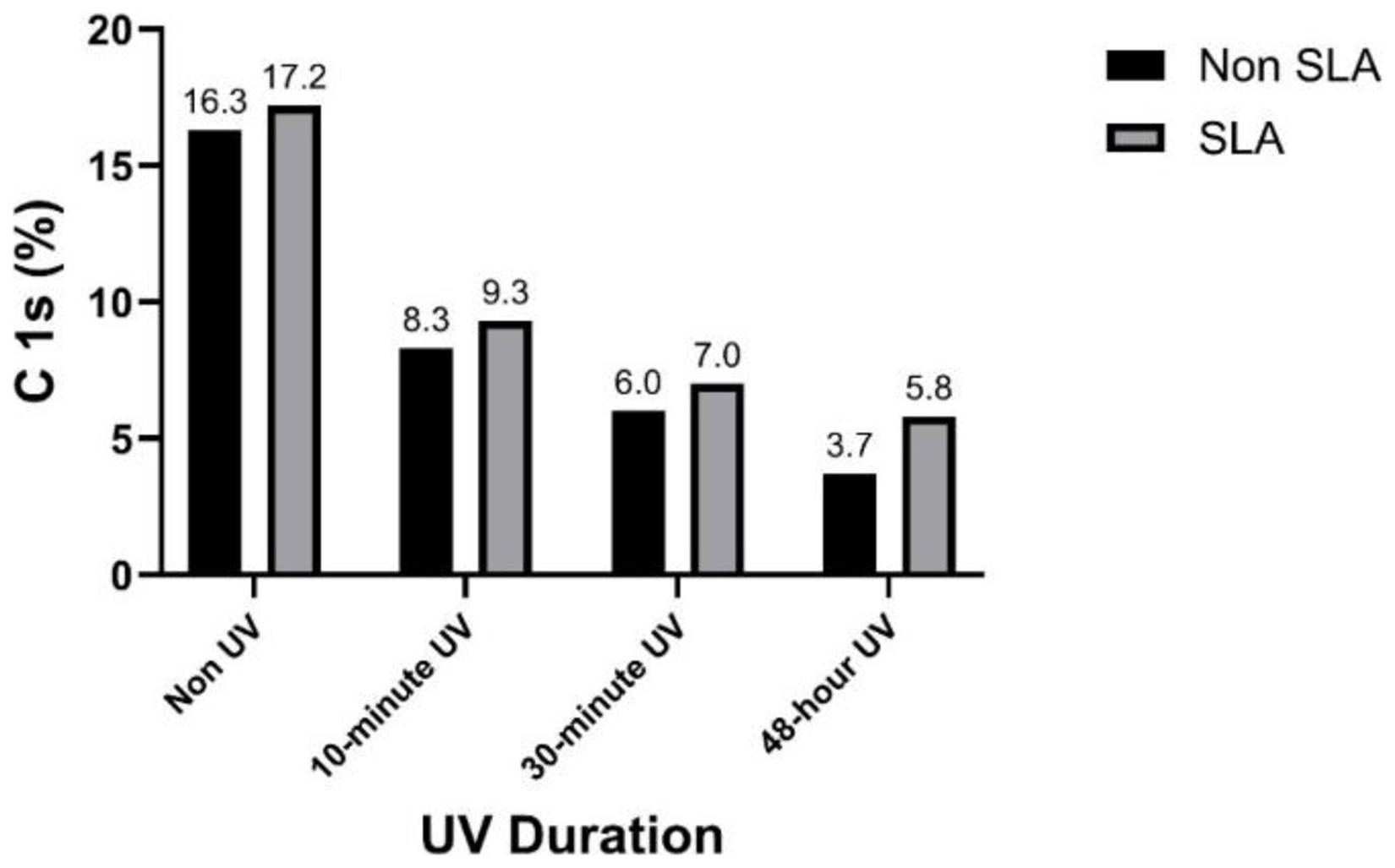
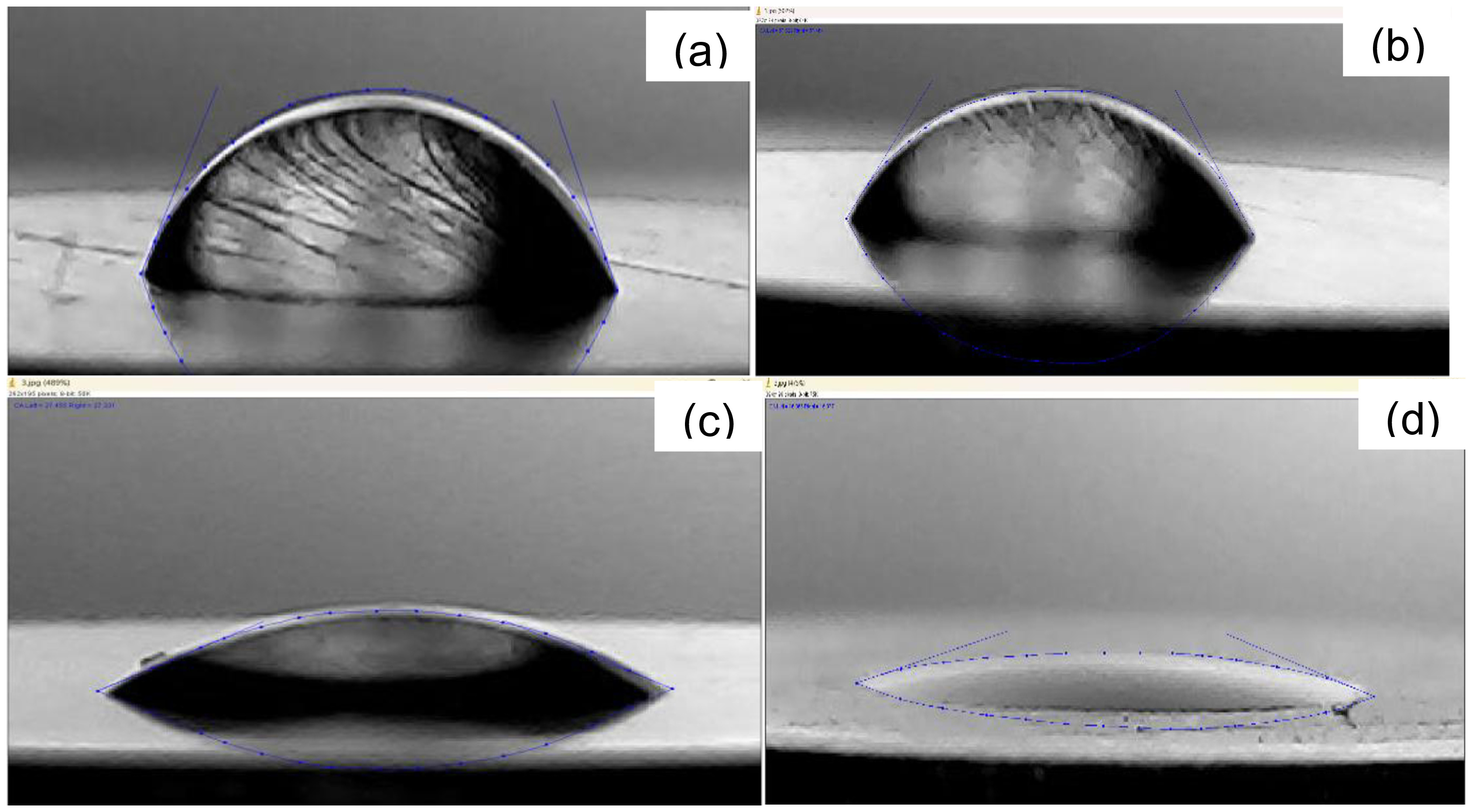
Material and Methods Twenty-four titanium disks (10 mm diameter, 1 mm thickness) underwent a 30-day aging and were divided into eight subgroups (n = 3) based on surface treatment (non SLA or SLA) and UV-C irradiation duration (non UV, 10-minute, 30-minute, and 48-hour) at 90 W and 254 nm. Wettability was evaluated by water contact angle (WCA) measurements. Statistical analysis employed the Scheirer-Ray-Hare test with Dunn’s post hoc test Bonferroni correction.
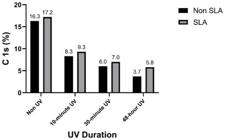
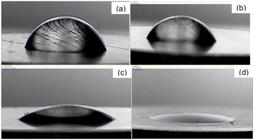
Results UV-C significantly affected surface wettability (p < 0.001). WCA decreased progressively from 73.15 ± 5.35° (non SLA non UV) to 16.39 ± 0.49° (non SLA 48-hour UV). Surface treatment type (p = 1) and its interaction with UV duration (p = 0.89) were not significant.
Conclusion UV-C photofunctionalization effectively restored the wettability of aged titanium surfaces. Neither surface treatment type nor its interaction with UV-C irradiation duration demonstrated a statistically significant effect on wettability.
KEYWORDS:
Dental implants; Surface properties; Titanium; Ultraviolet light; Wettability
 Thumbnail
 Thumbnail
 Thumbnail