 Green Synthesis of Silver Nanoparticles Using Hexane Extract from Pterodon pubescens Benth. and their Antibacterial Activity and Biocompatibility Evaluation
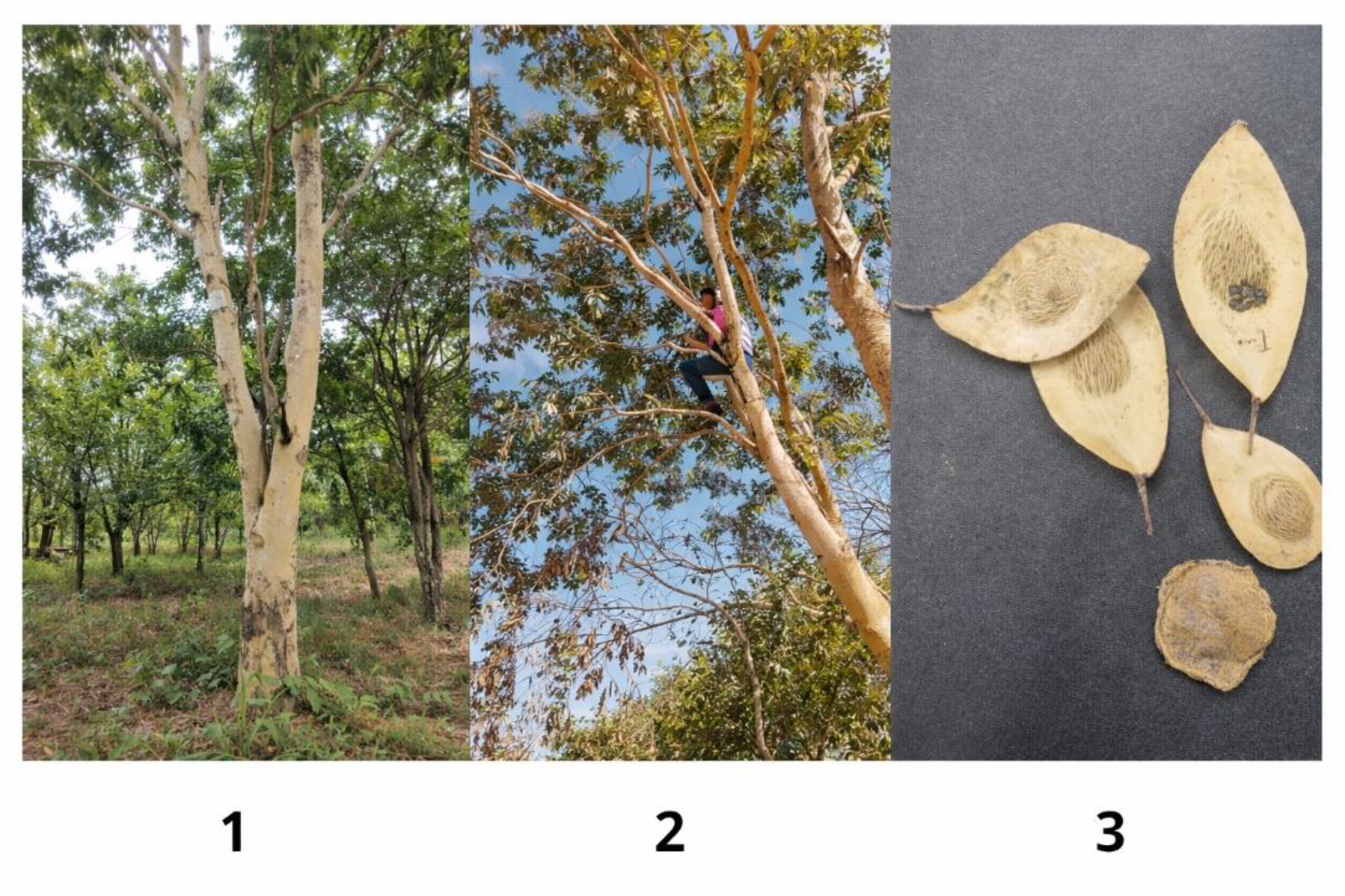
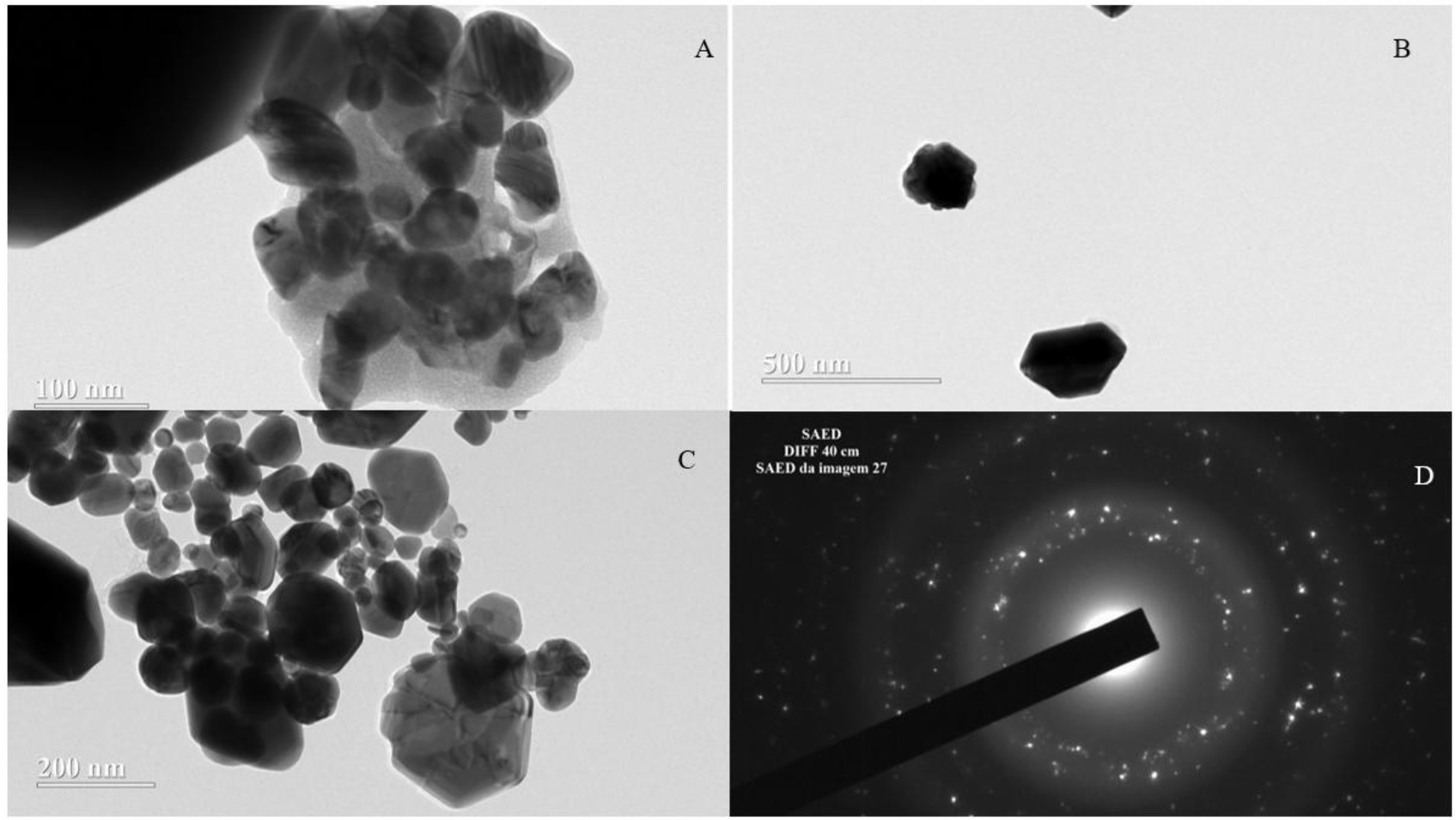
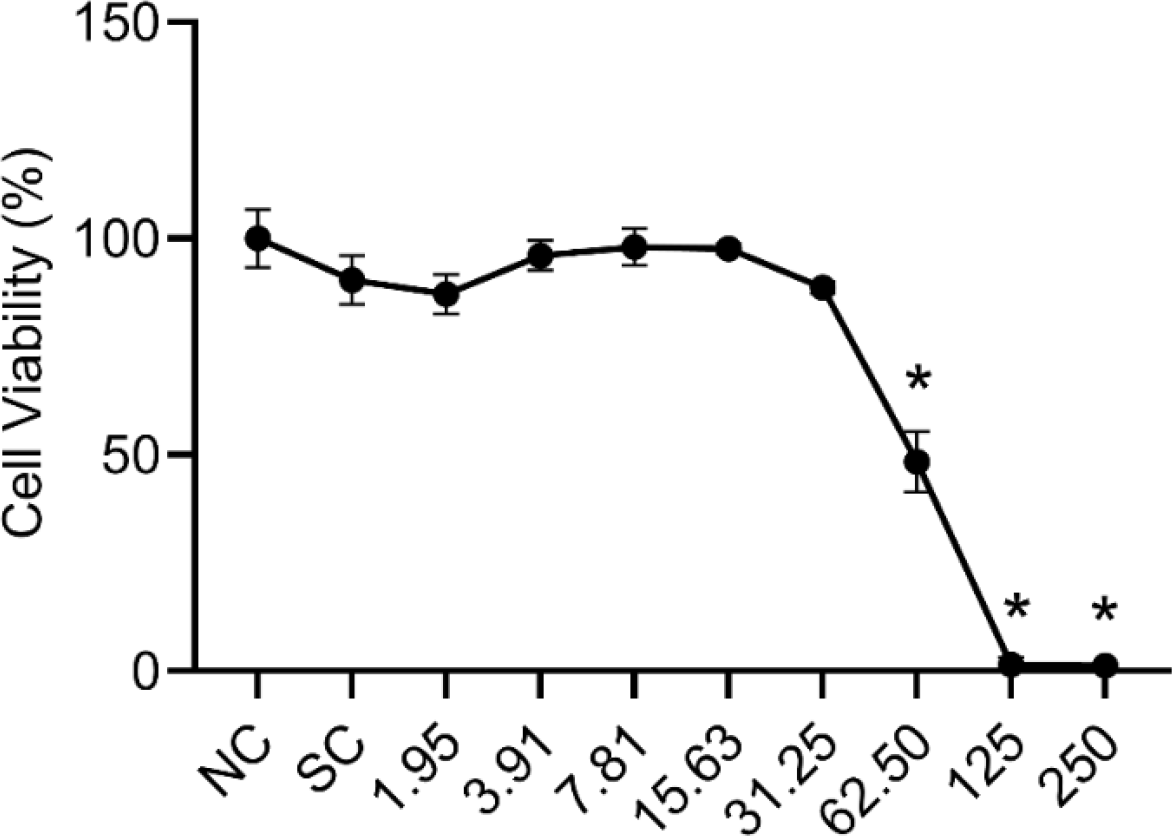
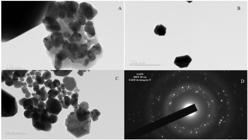
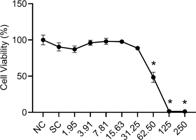
The growing problem of microbial resistance to conventional antimicrobials has intensified the search for sustainable alternatives, including metallic nanoparticles produced by green chemistry. In this study, silver nanoparticles (AgNPs) were synthesized using the hexane extract from Pterodon pubescens seeds (HE-PP), a source rich in terpenoids and bioactive compounds that act as natural reducing and stabilizing agents. Nanoparticle formation was confirmed by UV-Vis spectroscopy and scanning electron microscopy, which revealed predominantly spherical particles. Complementary analyses indicated an average hydrodynamic size of 187.4 ± 12.6 nm with a moderate polydispersity index (PDI = 0.234), negative zeta potential (-31.6 ± 1.4 mV), and a high synthesis yield, while elemental characterization confirmed silver as the major component. The nanoparticles remained colloidally stable for at least 30 days. The antibacterial potential of HE-PP-mediated AgNPs was assessed against clinically relevant and phytopathogenic strains (MIC range 0.48-25 µg/mL). Strong activity was observed against oral pathogens (P. gingivalis, P. nigrescens, A. naeslundii, A. actinomycetemcomitans, B. fragilis, and P. anaerobius), phytopathogenic Xanthomonas citri (MIC = 0.48 µg/mL), Helicobacter pylori (MIC = 25 µg/mL), and mycobacteria (M. tuberculosis, M. avium, and M. kansasii; MIC = 7.8 µg/mL). Importantly, cytotoxicity evaluation in normal human fibroblasts (GM07492A cells) revealed reduced cell viability only at concentrations higher than those required for antibacterial activity (IC₅₀ = 62.56 ± 3.38 µg/mL), indicating a favorable preliminary selectivity profile. Overall, HE-PP-mediated AgNPs demonstrated robust physicochemical properties, significant antibacterial efficacy, and promising selectivity, highlighting their potential as eco-friendly antimicrobial agents. This study reinforces the role of P. pubescens as a sustainable source for nanomaterial development and expands the scope of phytochemical-mediated nanotechnology for biomedical and agricultural applications.
Keywords:
Nanobiotechnology; material science; medicinal plants; sucupira-branca.
Active silver nanoparticles (AgNPs) were prepared using hexane extract from P. pubescens seeds (HE-PP).
HE-PP-mediated silver nanoparticles showed potent activity against oral, phytopathogenic, H. pylori and mycobacterial strains.
Consistent antibacterial activities were observed regardless of bacterial resistance profiles.
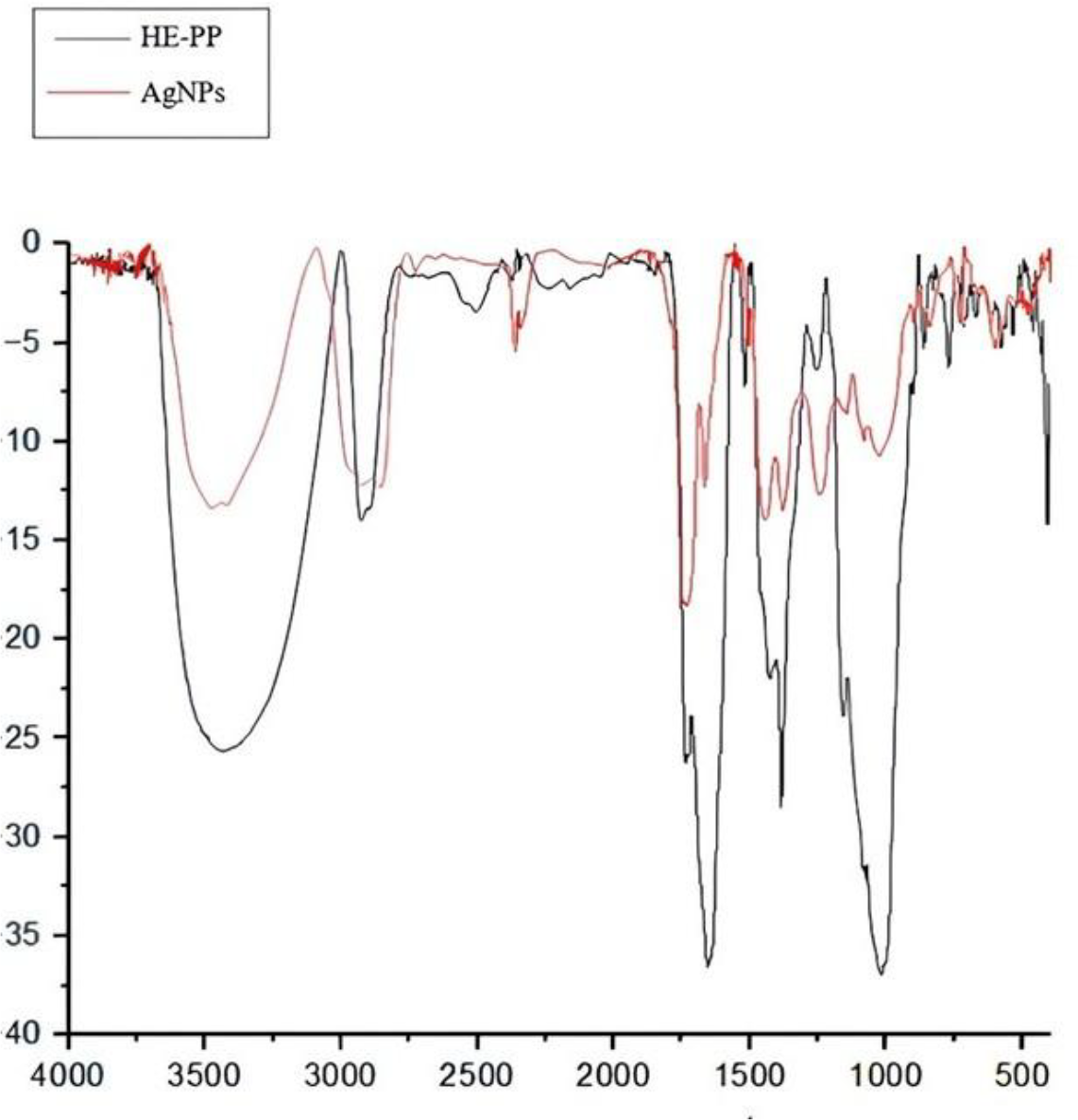
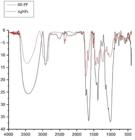
FTIR analysis confirmed reduction of silver ions by bioactive plant compounds.
Nanoparticles showed favorable selectivity toward bacteria over human cells.
 Thumbnail
 Thumbnail
 Thumbnail
 Thumbnail