 Polymorphisms in the SUMO4 Gene Region and Type 1 Diabetes Mellitus in Non-Asian Populations: A Scoping Review
ABSTRACT
Type 1 diabetes mellitus (T1D) is a complex autoimmune disease resulting from pancreatic insulin-producing cell destruction. Numerous studies have investigated the association between the Small Ubiquitin-like Modifier 4 (SUMO4) gene and the risk of T1D development. However, these findings are not consistent, particularly in non-Asian populations. This scoping review aims to comprehensively assess the association between the SUMO4 gene and TD1 in individuals of non-Asian origin. A systematic search of electronic databases was performed, including Web of Science, PubMed, Embase and Scopus. Case-control studies and prospective cohorts that provided relevant information for the association analysis were included. 6,841 articles were initially identified through database searches. After removing duplicates, 3,835 articles remained for screening. Twenty-five studies underwent full-text analysis, with nine being included in the scoping review after 16 were excluded. These studies utilized various genotyping methods, including PCR-ARMS, SSCP, RFLP, and genotyping platforms such as ILMN and SQMN. While some studies reported the male/female ratio, others focused on family studies or diabetic probands. The research was predominantly conducted in North America, Europe, Oceania, and Argentina. Across these studies, no significant evidence linking SUMO4 SNPs to T1D was found, except for marginal associations or those dependent on high-risk HLA genotype positivity. No significant association was detected between the SUMO4 gene and T1D in non-asian individuals. This finding suggests that polymorphisms in this gene might not play a substantial role in susceptibility to T1D in the investigated population.
Keywords:
Diabetes mellitus; insulin-dependent diabetes; SNPs; Euro-descendant; rs237025.
HIGHLIGHTS
This scoping review evaluated the SUMO4 and T1D association in non-Asians.
It is the first study that investigates SUMO4 and T1D association in non-Asians.
SUMO4 does not appear to affect the risk of T1D in non-Asian populations.
INTRODUCTION
Diabetes mellitus (DM) is a complex metabolic disorder mainly characterized by chronic hyperglycemia that affects approximately 537 million people worldwide, aged between 20 and 79 years [1, 2]. This disease is associated with vascular complications that impact the life expectancy of this population, such as diabetic nephropathy, retinopathy, and neuropathy [3]. This illness represents a high-cost burden on healthcare systems worldwid [3].
It can be classified conventionally into several clinical categories, although these are being reconsidered based on genetic, metabolomic, and other characteristics and pathophysiology, type 1 or type 2 diabetes, gestational diabetes mellitus, and other specific types derived from other causes [4].
The type 1 diabetes mellitus (T1D) accounts for about 5% of all diagnoses [5] and stems from a complex interaction between environmental factors, microbiome, genome, metabolism and the immune system [6], which leads to hyperglycemia by autoimmune destruction of insulin-producing pancreatic beta cells [7, 8].
The disorder is understood to be triggered by environmental factors, leading to an autoimmune response in genetically susceptible individuals [7, 9, 10]. The influence of specific genetic loci is critical in the disease development, with the HLA region (Human Leukocyte Antigen) on chromosome 6 [11-13] and the insulin gene (INS) on chromosome 11 contributing to approximately 50% and 10% of the inherited risk for the illness, respectively [11, 14, 15].
Numerous genes have already been linked to the risk of T1D [12, 16-18] and to an increased susceptibility to complications, such as kidney failure or blindness in individuals with uncontrolled glycemic levels [19-21]. However, genetic associations are not uniform, posing a challenge for research into inherited risk of T1D, as the frequencies of several molecular markers vary greatly across different regions of the world [13, 22].
Genes such as PTPN22 (Protein Tyrosine Phosphatase Non-receptor type 22) and CTLA-4 (Cytotoxic T-Lymphocyte Associated Protein 4) have been associated with risk for the disease, especially in Asian populations [23, 24]. Others, such as MMP-2 (Matrix Metallopeptidase 2) and ACE (Angiotensin I Converting Enzyme), have been associated with complications such as nephropathy and diabetic retinopathy [21, 25].
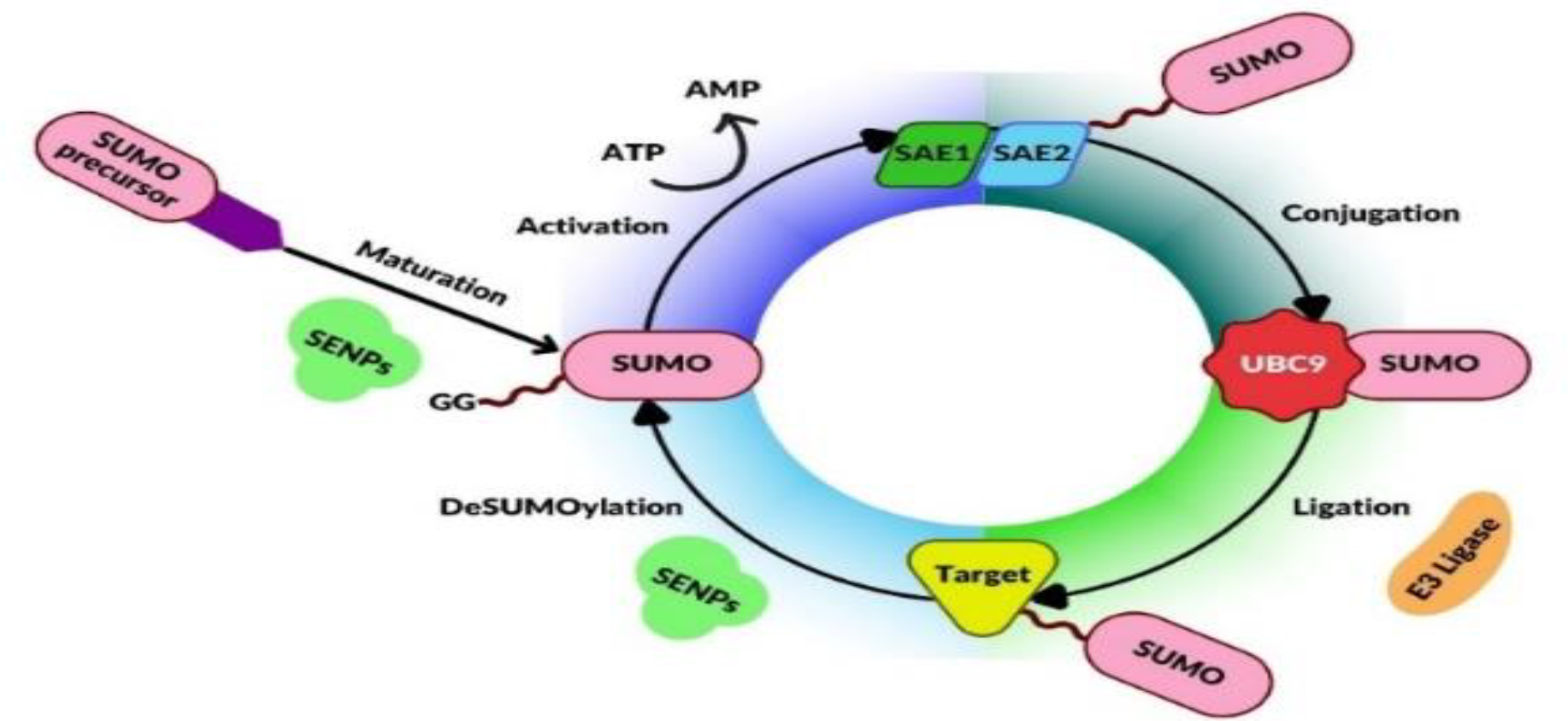
The gene SUMO4 (Small Ubiquitin-Like Modifier 4) is located on chromosome 6, within a region linked to susceptibility to T1D, specifically at the IDDM5 locus (Insulin-Dependent Diabetes Mellitus 5) [26, 27]. This gene produces a 95-amino acid protein [27] with the same name [28], which plays a role in modifying post-translational cytosolic proteins (Figure 1) [29], influencing processes such as cell cycle progression and gene transcription [30].
SUMOylation and deSUMOylation are finely regulated processes that maintain dynamic equilibrium under physiological conditions. SUMO proteins are initially processed by SUMO-specific proteases, such as SENP, to yield their mature forms. These mature SUMO proteins are then activated by the heterodimeric enzyme complex SAE1/SAE2 in an ATP-dependent manner. The E2 enzyme UBC9 mediates the transesterification reaction, forming a conjugate with SUMO, while SUMO E3 ligases facilitate the transfer of SUMO moieties to target proteins at designated lysine residues, thereby completing the SUMOylation process. Conversely, SUMOylated proteins are deconjugated by SENP, which cleaves the SUMO-protein bond, restoring the target proteins to their unmodified state. This reversible interplay between SUMOylation and deSUMOylation ensures a delicate balance crucial for cellular homeostasis. (Microsoft PowerPoint 2019. Canva. Online version. Available at: https://www.canva.com/.).
This gene has a functional polymorphism, the rs237025, which has been described and studied in many works. It has already been associated with T1D, mainly among East Asian populations [31, 32]. This Single Nucleotide Polymorphism (SNP) promotes the replacement of a methionine amino acid by valine at position 55 of the protein [28], which can lead to increased transcription of genes involved in the immune response [33] such as IL-1α & β (Interleukin 1-alpha & beta), IL-2, 6, 12 Interleukin 2, 6 12), in addition to TNF-α (Tumor Necrosis Factor Alpha) and IL-2Rα (Interleukin 2 Receptor Subunit Alpha) [34].
SNPs, such as rs237025, are the most common form of genetic variation in the human population and are characterized by substituting a single nitrogenous base in DNA in coding or non-coding regions. Their presence can influence susceptibility to diseases, medications response, and other phenotypic aspects. In DM, the genetic component is significant and SNPs can help identify risk variants, and serve as genetic markers of predisposition [35, 36].
These variations can cause amino acids modification in proteins (missense variants) [37] or not if present in coding regions of the genes that are transcribed into these proteins (synonymous variants) [38]. They can also affect the premature termination of transcription (nonsense variants) by placing a stop codon in a different location than the original, resulting in incomplete transcripts and shortened, likely non-functional proteins [39]. Therefore, studying SNPs in complex diseases such as DM can be a valuable strategy for elucidating pathogenic mechanisms that contribute to the risk of developing the disease [40].
However, as in other association studies, mainly involving genes with minor participation in the pathophysiology of the disease, the association of SUMO4 and its SNPs is not consistent. It is notably significant among Asians but yields dissimilar results among individuals of European descent [[31, 33]. Thus, the objective of this study was to gather and collectively evaluate the available evidence to investigate the association of the SUMO4 gene and T1D among non-Asians in scoping review research.
RESEARCH DESIGN AND METHODS
Methodology
The scoping review was conducted following the guidelines set by the Joanna Briggs Institute [[41] and the results are presented according to the Preferred Reporting Items for Systematic Reviews and Meta-Analyses Extension for Scoping Reviews (PRISMA-ScR) Checklist [42]. The study protocol was registered on the Open Science Framework (OSF), and additional information can be found using the provided link. https://doi.org/10.17605/OSF.IO/WDTE5
Research Strategy
The study was conducted through a scoping review of the literature in electronic databases of indexed journals, assessed between April and July 2024 and revised in May 2025, after the research question that was defined based on the following question: “Does the SUMO4 gene contribute to T1D predisposition in non-Asian, Euro-descendant, or mixed-race populations, such as those from the American continent?”.
The research was conducted in four databases - PubMed, Scopus, Web of Science and Embase - without time or language restrictions (Table 1). Each database employed a specific search strategy. Search terms related to SUMO4 gene, T1D, polymorphisms and diabetes mellitus were combined using the Boolean operators "OR" and "AND". In addition, a manual search was conducted by reviewing the reference lists of the articles that are included in the study, as well as a gray literature search in internet search engines looking for works not detected by the search tools.
Eligibility criteria
The article selection process consisted of two steps. First, research was conducted in the aforementioned databases. Findings were collected using the Rayyan web platform (https://rayyan.ai/users/sign_in), and duplicates were subsequently identified and removed. During the initial step, only the titles and abstracts of the articles were independently assessed by two reviewers. Articles meeting the inclusion criteria underwent a comprehensive review of their full texts to determine their suitability for inclusion in this review, based on the eligibility criteria. In cases of discrepancies, a third reviewer was consulted. Articles that did not meet the eligibility criteria were excluded from consideration.
We included studies that addressed the research question and involved non-Asian populations of volunteers diagnosed with T1D and LADA. Although previously considered a distinct subtype, Latent Autoimmune Diabetes in Adults (LADA) is now understood to fall within the same spectrum as T1D.
The exclusion criteria adopted were a) research involving participants diagnosed with medical conditions distinct from T1D; b) literature reviews, book chapters, and conference meets; c) that did not describe the origin of the volunteers; and d) preclinical studies.
Data extraction
The investigators gathered pertinent data from chosen articles, analyzed and deliberated the primary outcomes of the studies, examined the findings and underlying trends, and drew relevant insights and conclusions from them. The relevant data from the selected articles and composed a table with all the information collected, such as author, year of publication, experimental design, number of volunteers, country, genotyping technique, markers analyzed and conclusion.
RESULTS AND DISCUSSION
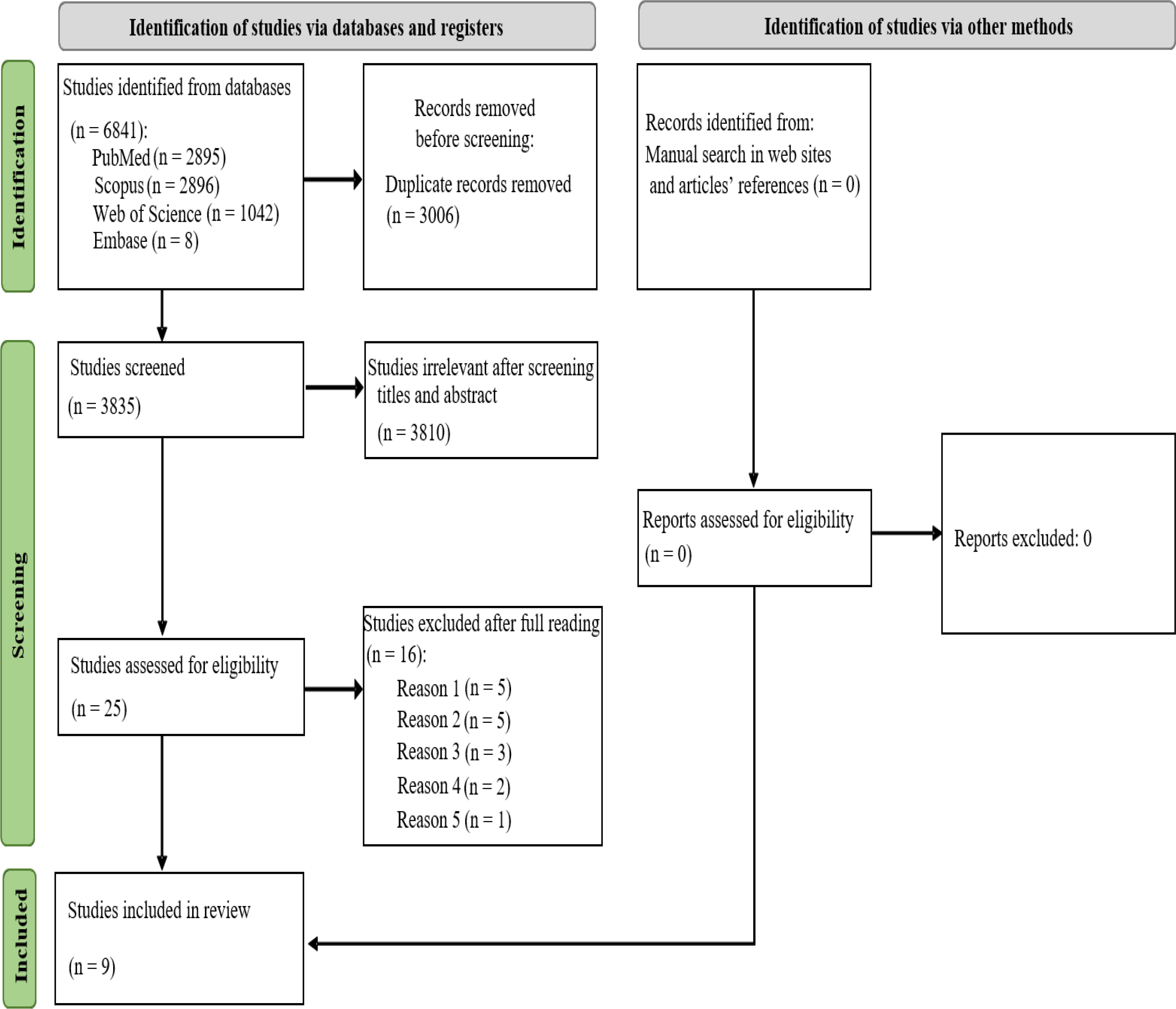
A summary of the scoping review process is presented in the Figure 2, which displays the number of studies evaluated after applying the exclusion/inclusion criteria, until the final selection of works [43-51] whose summary is shown in Table 2.
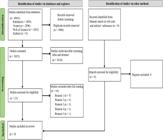
Research and design methods: scoping review process flowchart (42). Stages of the article scoping review process. Inclusion/exclusion criteria and total number of articles analyzed throughout the identification, screening and inclusion stages. Reasons for exclusion of articles in the screening phase: reason 1: wrong population; reason 2: wrong publication type; reason 3: divergent experimental design; reason 4: wrong outcome and reason 5: not retrieved.
The search carried out in databases resulted in an absolute number of 6841 articles, which after removing duplicates or ineligibility by automatic marking, was reduced to 3835. After reading the title and abstract and recovering works that were without abstract, the number of works was reduced to 25, of which 9 were finally included in this work and 16 were excluded for deviating from the proposal of this research. No additional study was included through manual search.
Of the studies excluded after reading their content in full, 5 addressed the wrong population (reason 1), 5 were the wrong type of publication (reason 2), 3 presented an experimental design that diverged from the objectives of this investigation (reason 3), 2 had the wrong outcome (reason 4) and 1 was not found (reason 5), as illustrated in Figure 2.
Of the articles included, three of them were case-control studies (3/9 - 33.3%), which compare the events of an unaffected population with an affected one, and 6 were of the cohort type (6/9 - 66.6%), where a population was separated and the events observed in that group.
Volunteers
Collectively, the sum of volunteers investigated in the selected studies was 37,544 people, including diabetic and non-diabetic individuals, 1752 of them in case-control studies and more than 35,792 in cohort studies.
Of the analyzed studies, two of them separately evaluated individuals with T1D (n = 207) and LADA(n = 108) [43, 50], while the others stated that they evaluated only volunteers with the diagnosis of T1D [44-49, 51].
Of the cohort studies that analyzed families with members with T1D, two of them highlighted the number of diabetic volunteers among all participants (1458 and 5047, respectively) [46, 48], while the others cite the total number of volunteers, without distinguishing between diabetics and controls: 4598 families composed of 20,841 individuals [44, 45]. The study of Owerbach, Pina and Gabbay (2004) cites that 478 families were included, 256 from the USA and 222 from the United Kingdom. However, the study did not specify the total number of volunteers or how many individuals were in each family [47].
Both men and women were analyzed by the works described in this scoping review and those with a case-control study indicate that there was pairing between the samples of volunteers by sex and age. Sedimbi, Luo and Sanjeevi (2007) included in their report a sample with a wide age range of volunteers, ranging from 0 to 35 years of life [49], as well as Sedimbi and coauthors (2006), which reported samples from individuals whose diagnosis ranged from a few months to 18 years of age [50]. Caputo and coauthors (2007) classified the age of the volunteers by diagnosis: LADA patients were diagnosed after age 35, with a mean age of 51.4 years and a standard deviation of 2.6 years, and T1D patients with a mean age at diagnosis of 15 years and a standard deviation of 9.2 years of age [43].
The study of Kosoy and Concannon (2004) reported that in families with affected sibling pairs, none had a sibling with T1D who 29 years was over old. Additionally, in all the families studied, at least one sibling was under the age of 17. [46]. Podolsky, Prasad Linga-Reddy and She (2009), Julier and coauthors (2009), and Howson and coauthors (2009) did not specify the age of the volunteers in their reports [44, 45, 48]. Owerbach, Pina and Gabbay (2004) indicated that the diabetic individuals in his study had an age at onset of the disease equal to or less than 18 years of age, while Wagner and coauthors (2008) study describes that the volunteers received the diagnosis of T1D before the age of 30, but in none of these studies was an average age presented for the population studied [47, 51].
These works were distributed geographically in two main continents: America and Europe, with 3 of them also indicating the participation of volunteers from the pacific. The countries where these volunteers originate from is Sweden [49], Argentina [43], Latvia [50], United States and United Kingdom [47] and Denmark [51]. Large continental extensions are also mentioned, such as Europe, North America and/or Oceania [44-46, 48].
Genotypic frequencies
The genotype frequency of the SUMO4 gene rs237025 polymorphism among Swedes was 24.2% and 26.3% AA, 52.7% and 51.4% AG, and 23.0% and 22.2% GG, for diabetics and controls, respectively, with a G allele frequency of 49.4% and 47.9% in the same groups and P-value de 0.47 [49].
Among Argentineans, the frequency of the same allele was 48.8% between controls 45.5% for T1D patients and 48.4% for LADA patients [43]. Latvian controls had a frequency of 44.1% when compared to T1D patients and 47.8% when compared to LADA patients, while these patients had 53.1% and 59.7% frequency, respectively, without presenting, in any of these cases, a statistically significant association with the disease [50].
Kosoy and Concannon (2005) observed a frequency of 51.8% of the allele in cases of parental transmission, among families with affected sibling pairs, and the same frequency among families without transmission. Among the children of these families, those affected with T1D had a frequency of 53.2% of the allele and those unaffected of 52.4%, with a P-value of 0.778 and no significant association [46].
Podolsky, Prasad Linga-Reddy and She (2009) investigated 15 SNP markers described in the SUMO4 gene region. Some of them, such as rs7742990, rs237032, and rs236999, showed a significant P-value in one of the genotyping platforms used in the study (P < 0.05), but not in another. This resulted in a marginally significant result only for the SNP rs236999 on the platform Sequenom, with P = 0.07. None of the other genotyped polymorphisms, including rs2789488, rs366905, and rs237025, yielded statistically significant results on either of the two platforms. Nonetheless, when investigating the association between T1D and SUMO4 genotypes and HLA genotypes, the rs366905 SNP demonstrated a significant association (P<0.05) with T1D and displayed marginal significance based on HLA genotypes on both platforms. Furthermore, rs480034 exhibited a significant association (P<0.05) on both genotyping platforms for both T1D and HLA genotype-dependent T1D [48].
Julier and coauthors (2009) and Howson and coauthors (2009), as well as Wagner and coauthors (2008), did not find evidence of an association between SNPs in the SUMO4 gene region and T1D (P>0.05). This suggests that any association in non-Asian populations if it exists, may depend on other factors such as sample size or interaction with environmental triggers. This contrasts previous publications that demonstrated an essential role among Asians [44, 45, 51].
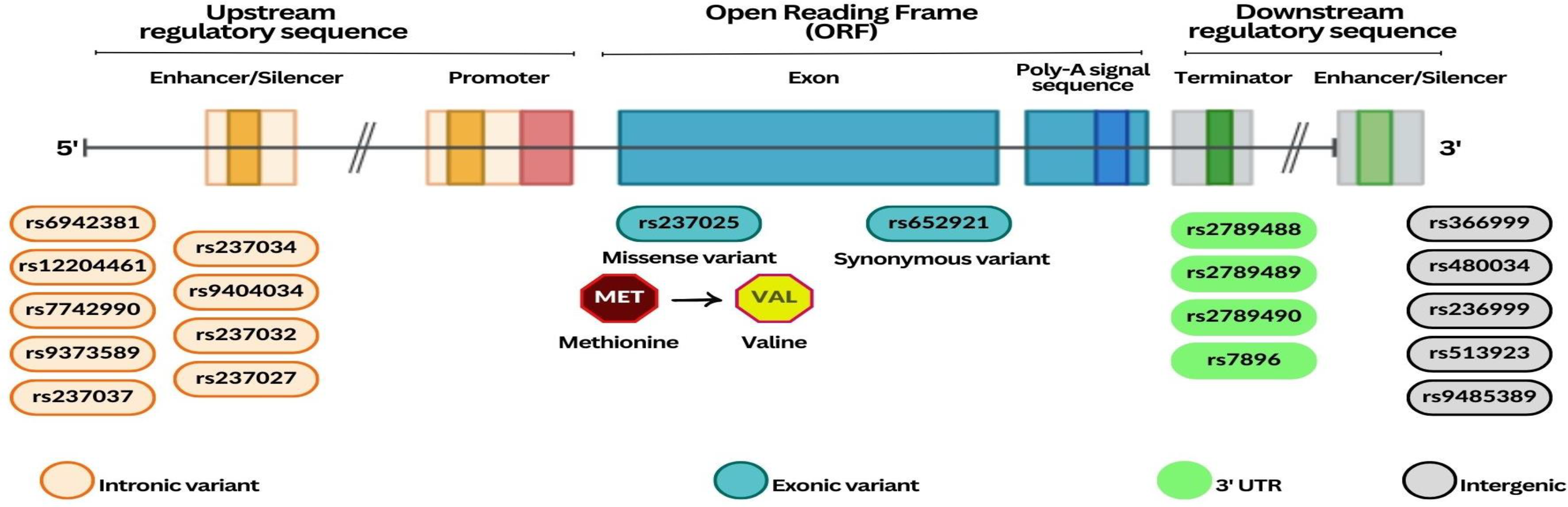
Owerbach, Pina and Gabbay (2004) found a statistically significant association for the Met/Val substitution of the rs237025 SNP (P≤0.01), as well as for the rs237027, rs237034, rs6942381, and rs7896 SNPs, but only among probands, indicating that SUMO4 SNP alleles were significantly more transmitted to volunteers with T1D [47]. All polymorphisms covered in this review are described in Figure 3.
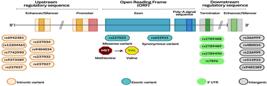
Structure of the SUMO4 gene and location of SNPs present in the gene region covered in this review
The illustration depicts the structure of the SUMO4 gene and the approximate location of SNPs on chromosome 6. These SNPs are situated in intronic, 3' untranslated region (UTR), and intergenic regions, and have the potential to influence gene transcription. Specifically, the SNP rs237025 is a variation in the gene's exon, causing the substitution of the amino acid methionine with valine at position 55 of the SUMO4 protein, leading to the main functional hypothesis linking the SUMO4 gene with T1D. On the other hand, rs652921 is a variation in the exon that does not result in an amino acid substitution in the protein (synonymous variation). (Microsoft PowerPoint 2019. Canva. Online version. Available at: https://www.canva.com/.).
In T1D, a functional hypothesis supports the rs237025 polymorphism of SUMO4 as a susceptibility variant was described by GUO and co-workers. In this study, the authors observed a reduction in SUMOylation in the variant with the amino acid valine (V55) in the SUMO4 protein, which caused a 5.5-fold increase in gene-dependent transcription NF-kB [52]. This pathway is critical in several immune-mediated processes and is related to the pro-inflammatory cytokines production, and innate and adaptive immune systems regulation [49, 53].
Aside from the rs237025 SNP, the SUMO4 gene features additional single nucleotide variation markers. While these markers may not directly alter the protein's amino acid structure, they could still impact transcription or influence pathogenic mechanisms. This could elevate the risk of susceptibility to T1D or reduce the effectiveness of certain therapeutic interventions, akin to the other polymorphisms outlined in this study [43-51].
The scoping review of the SUMO4 gene in autoimmune diabetes showed that this is a recurrent gene in the investigation of the genetic mechanisms of the disease, although its association in non-Asian populations has not been significant or is controversial [47]. The diverse set of connections inspired the current study. It was observed that the frequencies of genotypes and alleles remained consistent among the analyzed reports that examined the same gene variations. Minor variations were noted due to varying sample sizes, but these closely matched the descriptions in the databases.
This result shows that the genotyping method used in each investigation did not influence the result, such as PCR-RFLP and PCR-SSCP in case-control studies, because the frequencies described by all of them, in addition to the similarity with other works and databases, are compatible with the Hardy-Weinberg equilibrium, but may have influenced the association with HLA genotypes [43, 49, 50]. Even studies with genotyping platforms such as Illumina and Sequenom showed homogeneous results among themselves, in addition to describing concern with the level of agreement of the results obtained on each platform, as Podolsky, Prasad Linga-Reddy and She (2009) [48].
The data indicate that SUMO4 does not play a significant role in the studied populations, showing only a subtle association with T1D among Swedes, but not among Latvians [50]. This association is dependent on HLA-DR3/DR4 positivity and is not observed in isolation, as noted by Sedimbi, Luo and Sanjeevi (2007) [49]. Wang, Podolsky and She (2006) suggested that the lack of association of SUMO4 with T1D in non-Asian populations may be due to genetic heterogeneity and the potential role of multiple other susceptibility genes in this population. They also highlighted population differences in gene-gene and gene-environment interaction [31].
Potential limitations
The scoping review identified several limitations in the studies. One notable issue was the lack of clarity in identifying and characterizing the volunteers, which raised concerns about the accuracy of diagnosing T1D or LADA and the specificity of the study populations. This could potentially introduce bias and affect the validity of the association between SUMO4 polymorphisms and T1D.
Another limitation was the variation in genotyping techniques used across the studies, ranging from manual methods like PCR-RFLP and SBE to automated platforms. Notably, studies reporting significant associations between SUMO4 SNPs and T1D predominantly relied on manual genotyping techniques, which are more susceptible to human error and could result in genotyping inaccuracies and false-positive results.
Additionally, the studies were conducted in diverse geographic regions with varying population characteristics, and not all consistently controlled for population stratification or environmental factors that might influence the genetic association with T1D. Limited sample sizes in several studies also reduce the statistical power to detect subtle associations, potentially leading to marginal or non-significant findings.
Furthermore, the review was limited to non-Asian populations, which restricts the generalizability of the findings and underscores the necessity for further research in more diverse populations to comprehensively understand the role of SUMO4 polymorphisms in T1D across different ethnic groups.
CONCLUSION
This scoping review showed that there is no significant association between the SUMO4 gene and T1D in non-Asiatic, indicating that genetic variations in this gene may not play a substantial role in susceptibility to the disease in this specific population. However, further studies are needed to confirm these findings and explore possible interactions with other relevant genetic and environmental factors.
Acknowledgments:
None.
Data Availability Statement:
Research data are available in the body of the manuscript.
-
Funding:
This study was funded by government agencies, specifically the Conselho Nacional de Desenvolvimento Científico e Tecnológico (Project Number 407034/2023-4) and Universidade Federal do Paraná (UFPR). The authors also thank Fundação Araucária, CNPq, CAPES, and UFPR for research grants and scholarships (Finance Code 001).
-
Institutional Review Board Statement:
Not applicable
-
Informed Consent Statement:
Not applicable.
REFERENCES
- 1 Harreiter J, Roden M. [Diabetes mellitus: definition, classification, diagnosis, screening and prevention (Update 2023)]. Wien Klin Wochenschr. 2023;135(Suppl 1):7-17.
- 2 Pearson ER. [Type 2 diabetes: a multifaceted disease]. Diabetologia. 2019;62(7):1107-12.
- 3 Cole JB, Florez JC. [Genetics of diabetes mellitus and diabetes complications]. Nat Rev Nephrol. 2020;16(7):377-90.
- 4 American Diabetes Association Professional Practice C. [2. Diagnosis and Classification of Diabetes: Standards of Care in Diabetes-2024]. Diabetes Care. 2024;47(Suppl 1):S20-S42.
- 5 Redondo MJ, Hagopian WA, Oram R, Steck AK, Vehik K, Weedon M, et al. [The clinical consequences of heterogeneity within and between different diabetes types]. Diabetologia. 2020;63(10):2040-8.
- 6 DiMeglio LA, Evans-Molina C, Oram RA. [Type 1 diabetes]. Lancet. 2018;391(10138):2449-62.
- 7 Norris JM, Johnson RK, Stene LC. [Type 1 diabetes-early life origins and changing epidemiology]. Lancet Diabetes Endocrinol. 2020;8(3):226-38.
- 8 Wei J, Tian J, Tang C, Fang X, Miao R, Wu H, et al. [The Influence of Different Types of Diabetes on Vascular Complications]. J Diabetes Res. 2022;2022:3448618.
- 9 Dedrick S, Sundaresh B, Huang Q, Brady C, Yoo T, Cronin C, et al. [The Role of Gut Microbiota and Environmental Factors in Type 1 Diabetes Pathogenesis]. Front Endocrinol (Lausanne). 2020;11:78.
- 10 Xia Y, Xie Z, Huang G, Zhou Z. [Incidence and trend of type 1 diabetes and the underlying environmental determinants]. Diabetes Metab Res Rev. 2019;35(1):e3075.
- 11 Carry PM, Vanderlinden LA, Johnson RK, Dong F, Steck AK, Frohnert BI, et al. [DNA methylation near the INS gene is associated with INS genetic variation (rs689) and type 1 diabetes in the Diabetes Autoimmunity Study in the Young]. Pediatr Diabetes. 2020;21(4):597-605.
- 12 Frommer L, Kahaly GJ. [Type 1 Diabetes and Autoimmune Thyroid Disease-The Genetic Link]. Front Endocrinol (Lausanne). 2021;12:618213.
- 13 Ilonen J, Lempainen J, Veijola R. [The heterogeneous pathogenesis of type 1 diabetes mellitus]. Nat Rev Endocrinol. 2019;15(11):635-50.
- 14 Sharma C, B RA, Osman W, Afandi B, Aburawi EH, Beshyah SA, et al. [Association of variants in PTPN22, CTLA-4, IL2-RA, and INS genes with type 1 diabetes in Emiratis]. Ann Hum Genet. 2021;85(2):48-57.
- 15 Wang S, Flibotte S, Camunas-Soler J, MacDonald PE, Johnson JD. [A New Hypothesis for Type 1 Diabetes Risk: The At-Risk Allele at rs3842753 Associates With Increased Beta-Cell INS Messenger RNA in a Meta-Analysis of Single-Cell RNA-Sequencing Data]. Can J Diabetes. 2021;45(8):775-84 e2.
- 16 Borysewicz-Sanczyk H, Sawicka B, Wawrusiewicz-Kurylonek N, Glowinska-Olszewska B, Kadlubiska A, Goscik J, et al. [Genetic Association Study of IL2RA, IFIH1, and CTLA-4 Polymorphisms With Autoimmune Thyroid Diseases and Type 1 Diabetes]. Front Pediatr. 2020;8:481.
- 17 Gao A, Gu B, Zhang J, Fang C, Su J, Li H, et al. [Missense Variants in PAX4 Are Associated with Early-Onset Diabetes in Chinese]. Diabetes Ther. 2021;12(1):289-300.
- 18 Tangjittipokin W, Umjai P, Khemaprasit K, Charoentawornpanich P, Chanprasert C, Teerawattanapong N, et al. [Vitamin D pathway gene polymorphisms, vitamin D level, and cytokines in children with type 1 diabetes]. Gene. 2021;791:145691.
- 19 Sinha N, Yadav AK, Kumar V, Dutta P, Bhansali A, Jha V. [SUMO4 163 G>A variation is associated with kidney disease in Indian subjects with type 2 diabetes]. Mol Biol Rep. 2016;43(5):345-8.
- 20 Siokas V, Fotiadou A, Dardiotis E, Kotoula MG, Tachmitzi SV, Chatzoulis DZ, et al. [SLC2A1 Tag SNPs in Greek Patients with Diabetic Retinopathy and Nephropathy]. Ophthalmic Res. 2019;61(1):26-35.
- 21 Yang J, Fan XH, Guan YQ, Li Y, Sun W, Yang XZ, et al. [MMP-2 gene polymorphisms in type 2 diabetes mellitus diabetic retinopathy]. Int J Ophthalmol. 2010;3(2):137-40.
- 22 Redondo MJ, Geyer S, Steck AK, Sosenko J, Anderson M, Antinozzi P, et al.[TCF7L2 Genetic Variants Contribute to Phenotypic Heterogeneity of Type 1 Diabetes]. Diabetes Care. 2018;41(2):311-7.
- 23 Khalid Kheiralla KE. [CTLA-4 (+49A/G) Polymorphism in Type 1 Diabetes Children of Sudanese Population]. Glob Med Genet. 2021;8(1):11-8.
- 24 Pang H, Luo S, Huang G, Li X, Xie Z, Zhou Z. [The Association of CTLA-4 rs231775 and rs3087243 Polymorphisms with Latent Autoimmune Diabetes in Adults: A Meta-Analysis]. Biochem Genet. 2022;60(4):1222-35.
- 25 Rahimi Z. [ACE insertion/deletion (I/D) polymorphism and diabetic nephropathy]. J Nephropathol. 2012;1(3):143-51.
- 26 Noso S, Ikegami H, Fujisawa T, Kawabata Y, Asano K, Hiromine Y, et al. [Association of SUMO4, as a candidate gene for IDDM5, with susceptibility to type 1 diabetes in Asian populations]. Ann N Y Acad Sci. 2006;1079:41-6.
- 27 Tong Z, Qi J, Ma W, Wang D, Hu B, Li Y, et al. [SUMO4 Gene SNP rs237025 and the Synergistic Effect With Weight Management: A Study of Risk Factors and Interventions for MetS]. Front Genet. 2021;12:786393.
- 28 Li YY, Wang H, Yang XX, Geng HY, Gong G, Kim HJ, et al. [Small Ubiquitin-Like Modifier 4 (SUMO4) Gene M55V Polymorphism and Type 2 Diabetes Mellitus: A Meta-analysis Including 6,823 Subjects]. Front Endocrinol (Lausanne). 2017;8:303.
- 29 Salas-Lloret D, Gonzalez-Prieto R. [Insights in Post-Translational Modifications: Ubiquitin and SUMO]. Int J Mol Sci. 2022;23(6).
- 30 Hickey CM, Wilson NR, Hochstrasser M. [Function and regulation of SUMO proteases]. Nat Rev Mol Cell Biol. 2012;13(12):755-66.
- 31 Wang CY, Podolsky R, She JX. [Genetic and functional evidence supporting SUMO4 as a type 1 diabetes susceptibility gene]. Ann N Y Acad Sci. 2006;1079:257-67.
- 32 Wang CY, She JX. [SUMO4 and its role in type 1 diabetes pathogenesis]. Diabetes Metab Res Rev. 2008;24(2):93-102.
- 33 SANG Yea. [Association of SUMO4 M55V polymorphism with type 1 diabetes in Chinese children]. Journal of Pediatric Endocrinology & Metabolism. 2010:1083-6.
- 34 Zhang J, Chen Z, Zhou Z, Yang P, Wang C-Y. [Sumoylation Modulates the Susceptibility to Type 1 Diabetes]. 2017;963:299-322.
- 35 Choi BY, Han M, Kwak JW, Kim TH. [Genetics and Epigenetics in Allergic Rhinitis]. Genes (Basel). 2021;12(12).
- 36 Shastry BS. [SNPs: impact on gene function and phenotype]. Methods Mol Biol. 2009;578:3-22.
- 37 Tekcan A. [In Silico Analysis of FMR1 Gene Missense SNPs]. Cell Biochem Biophys. 2016;74(2):109-27.
- 38 SAUNA ZEea. [The sounds of silence: synonymous mutations affect function]. Pharmacogenomics. 2007.;8(6):527-32.
- 39 Brown AL, Wilkins OG, Keuss MJ, Hill SE, Zanovello M, Lee WC, et al. [TDP-43 loss and ALS-risk SNPs drive mis-splicing and depletion of UNC13A]. Nature. 2022;603(7899):131-7.
- 40 Borchers A, Pieler T. [Programming pluripotent precursor cells derived from Xenopus embryos to generate specific tissues and organs]. Genes (Basel). 2010;1(3):413-26.
- 41 Peters MD, Godfrey CM, Khalil H, McInerney P, Parker D, Soares CB. [Guidance for conducting systematic scoping reviews]. Int J Evid Based Healthc. 2015;13(3):141-6.
- 42 Tricco AC, Lillie E, Zarin W, O'Brien KK, Colquhoun H, Levac D, et al. [PRISMA Extension for Scoping Reviews (PRISMA-ScR): Checklist and Explanation]. Ann Intern Med. 2018;169(7):467-73.
- 43 Caputo M, Cerrone GE, Mazza C, Cedola N, Targovnik HM, Gustavo DF. [No evidence of association of CTLA-4 -318 C/T, 159 C/T, 3' STR and SUMO4 163 AG polymorphism with autoimmune diabetes]. Immunol Invest. 2007;36(3):259-70.
- 44 Howson JM, Walker NM, Smyth DJ, Todd JA, Type IDGC. [Analysis of 19 genes for association with type I diabetes in the Type I Diabetes Genetics Consortium families]. Genes Immun. 2009;10 Suppl 1(Suppl 1):S74-84.
- 45 Julier C, Akolkar B, Concannon P, Morahan G, Nierras C, Pugliese A, et al. [The Type I Diabetes Genetics Consortium 'Rapid Response' family-based candidate gene study: strategy, genes selection, and main outcome]. Genes Immun. 2009;10 Suppl 1(Suppl 1):121-7.
- 46 Kosoy R, Concannon P. [Functional variants in SUMO4, TAB2, and NFkappaB and the risk of type 1 diabetes]. Genes Immun. 2005;6(3):231-5.
- 47 Owerbach DP LG, Kenneth H. . [A 212-kb region on chromosome 6q25 containing the TAB2 gene is associated with susceptibility to type 1 diabetes] Diabetes. 2004;53:7.
- 48 Podolsky R, Prasad Linga-Reddy MV, She JX, Type IDGC. [Analyses of multiple single-nucleotide polymorphisms in the SUMO4/IDDM5 region in affected sib-pair families with type I diabetes]. Genes Immun. 2009;10 Suppl 1(Suppl 1):S16-20.
- 49 Sedimbi SK, Luo XR, Sanjeevi CB, Swedish Childhood Diabetes Study G, Diabetes Incidence in Sweden Study G, Lernmark A, et al. [SUMO4 M55V polymorphism affects susceptibility to type I diabetes in HLA DR3- and DR4-positive Swedish patients]. Genes Immun. 2007;8(6):518-21.
- 50 Sedimbi SK, Shastry A, Park Y, Rumba I, Sanjeevi CB. [Association of SUMO4 M55V polymorphism with autoimmune diabetes in Latvian patients]. Ann N Y Acad Sci. 2006;1079:273-7.
- 51 Wagner AM, Cloos P, Bergholdt R, Eising S, Brorsson C, Stalhut M, et al. [Posttranslational Protein Modifications in Type 1 Diabetes - Genetic Studies with PCMT1, the Repair Enzyme Protein Isoaspartate Methyltransferase (PIMT) Encoding Gene]. Rev Diabet Stud. 2008;5(4):225-31.
- 52 Guo D, Li M, Zhang Y, Yang P, Eckenrode S, Hopkins D, et al. [A functional variant of SUMO4, a new I kappa B alpha modifier, is associated with type 1 diabetes]. Nat Genet. 2004;36(8):837-41.
- 53 Noso S, Fujisawa T, Kawabata Y, Asano K, Hiromine Y, Fukai A, et al. [Association of small ubiquitin-like modifier 4 (SUMO4) variant, located in IDDM5 locus, with type 2 diabetes in the Japanese population]. J Clin Endocrinol Metab. 2007;92(6):2358-62.
-
Editor-in-Chief:
Paulo Vitor Farago
-
Associate Editor:
Paulo Vitor Farago