Linking environmental variability with germination timing in Phalaris minor through population-based threshold models
Background: Phalaris minor Retz. is a major weed of rice-wheat cropping systems in South Asia, where its variable dormancy and germination behavior hinder effective control and often lead to heavy reliance on herbicides. Population-based threshold models offer a useful approach for predicting weed emergence, allowing for better management interventions and potentially reducing dependence on chemical control.
Objective: The study aims to predict the germination and emergence behavior of Phalaris minor seeds in rice-wheat cropping systems by predicting key ecological drivers, particularly temperature and soil moisture regimes.
Methods: Seeds were tested across a wide range of environmental factors, including temperature, soil moisture levels, light availability, and different sowing depths.
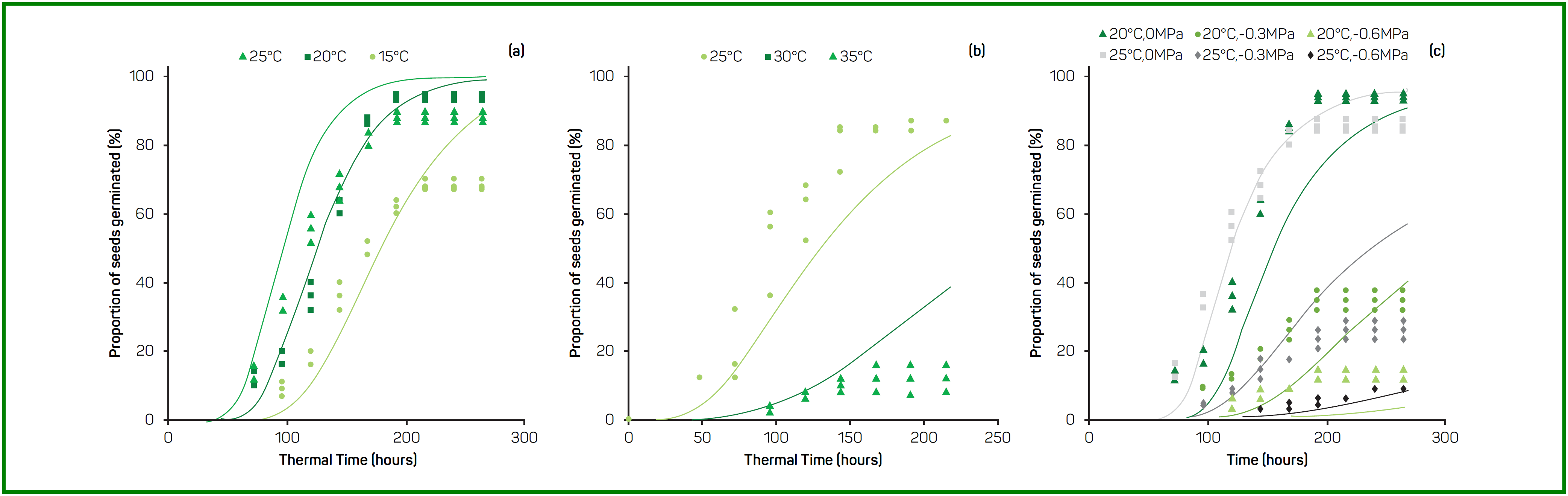
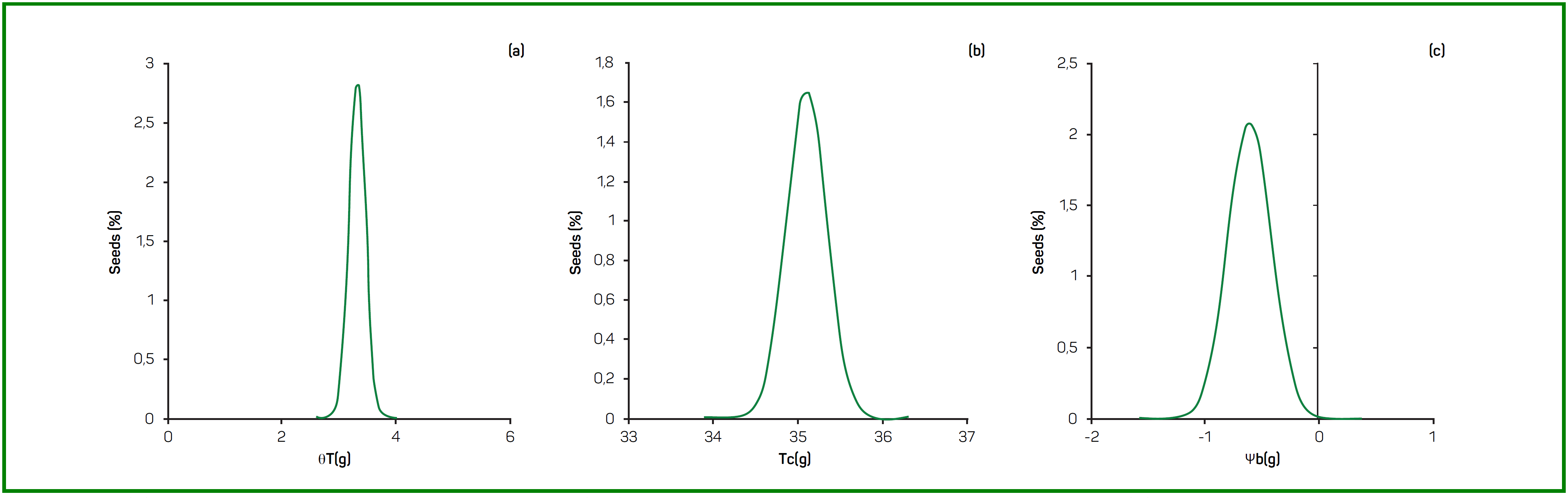
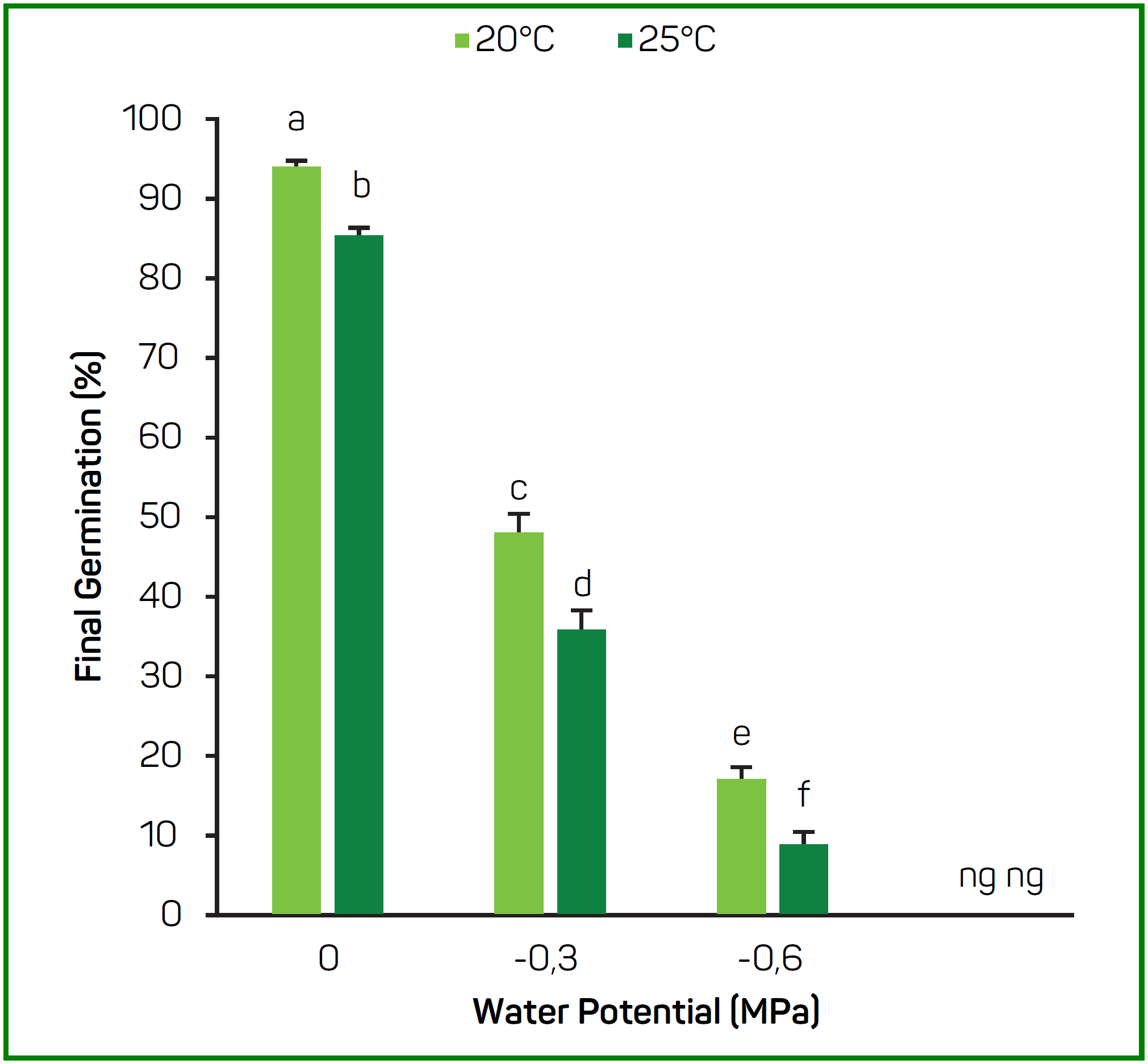
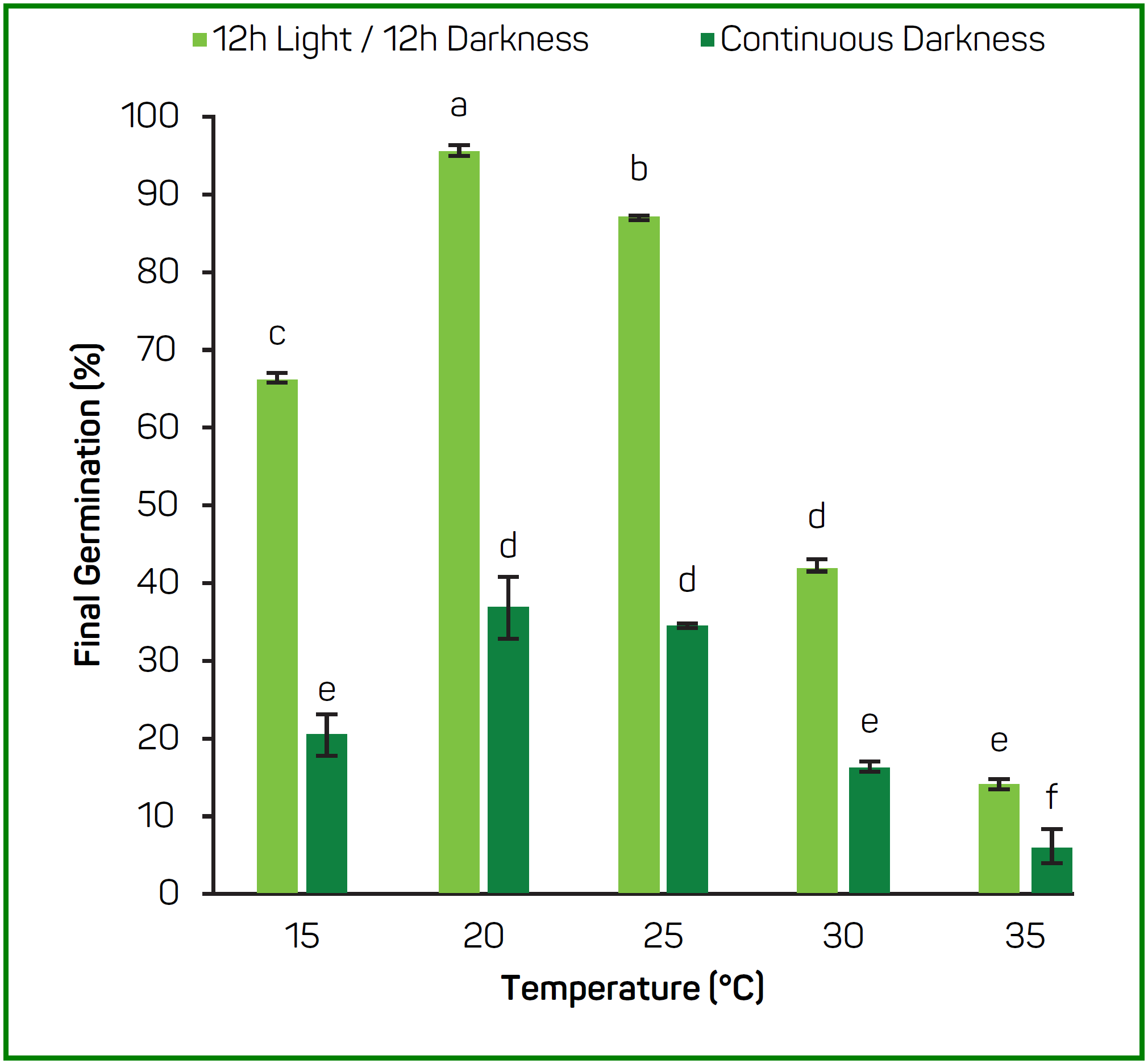
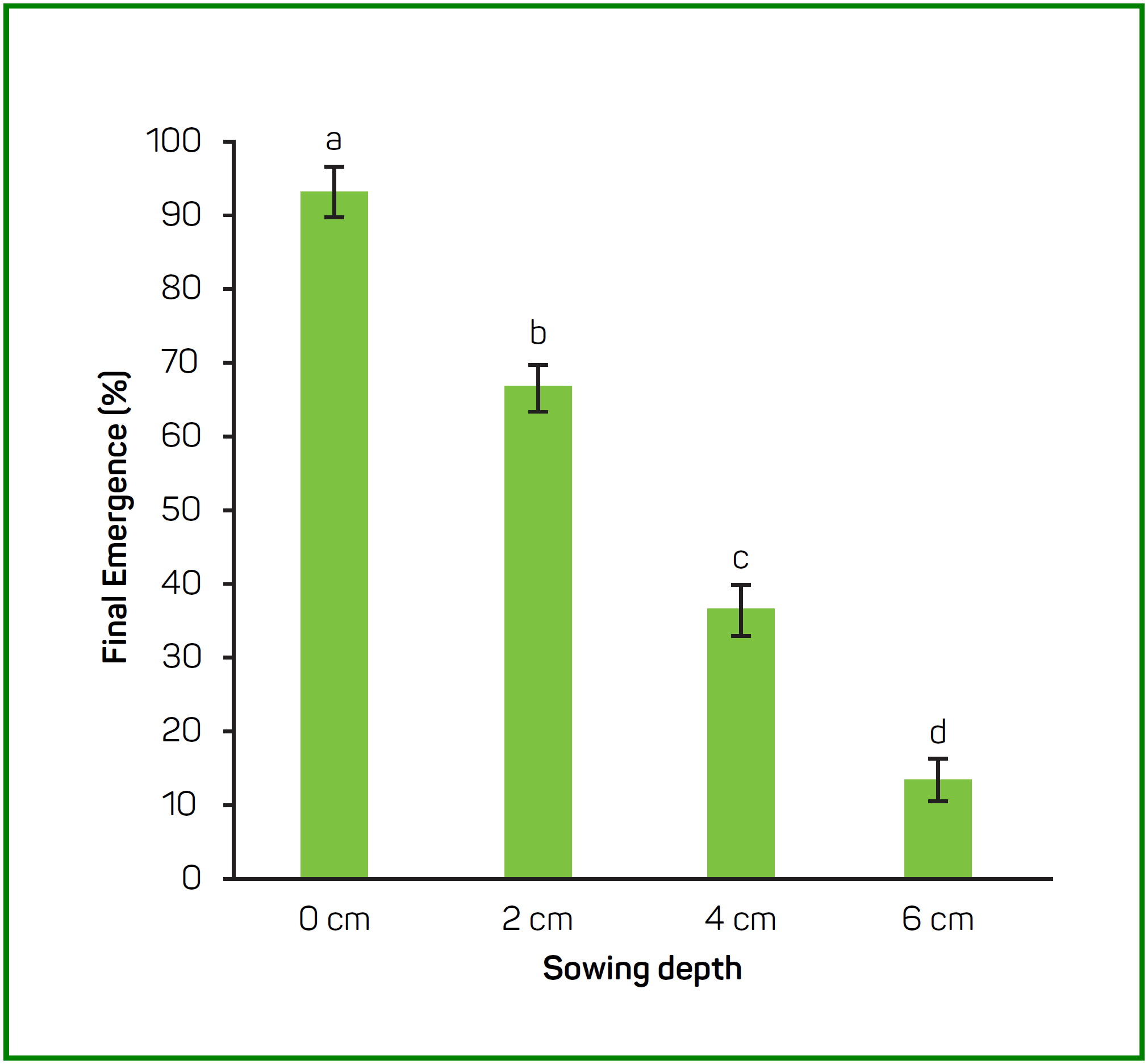
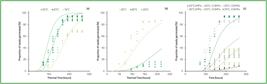
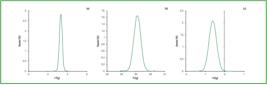
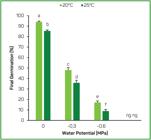
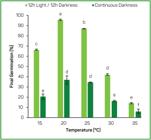
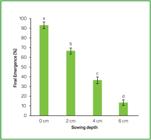
Results: P. minor germination is highly temperature-dependent, with a base temperature of approximately 3.5°C and a ceiling temperature of 35.3°C, and a base water potential of −0.6 MPa. The highest germination occurred at temperatures between 20–25°C and at water potentials ranging from 0 to −0.3 MPa. Seeds kept in continuous darkness showed reduced germination compared to those exposed to a 12-hour light cycle. Seedling emergence was highest when seeds were sown on the soil surface, gradually decreased as sowing depth increased, and was completely inhibited at a depth of 6 cm.
Conclusion: Understanding these patterns can help optimize weed management strategies by aligning control measures with key germination windows, reducing weed pressure in wheat fields. Further research should focus on validating the model in diverse agro-ecological conditions to improve its applicability in sustainable weed control.
Keywords:
Seed bank dynamics; Hydrothermal time model; Water potential; Weed management; Temperature
 Thumbnail
 Thumbnail
 Thumbnail
 Thumbnail
 Thumbnail