
 Fisheries governance in the socio-ecological system of the Corumbau Resex - Bahia, Brazil
Abstract
Extractive Reserves (RESEX) are socio-ecological systems (SES) that aim to protect the livelihoods of traditional populations and promote the sustainable use of common resources through co-management processes. This paper aims to characterize the SES of the Corumbau RESEX, highlighting the role of the actors involved in the co-management of natural resources. The research adopts the perspective of SES proposed by Elinor Ostrom, and data collection took place between December 2022 and July 2023, through interviews with actors who participate in the governance of the RESEX. The results show the complexity of this system, which involves multiple coastal ecosystems, stakeholders and socio-political boundaries. The conclusions point to the gaps in the governance model, especially in the face of the challenges of tourism and the low level of involvement of fishermen in decision-making.
Keywords:
Protected areas; Conservation units; Co-management; Fisheries management; Adaptive management; Artisanal fishery
Resumo
As Reservas Extrativistas (RESEX) são sistemas socioecológicos (SSE) que visam proteger os meios de vida das populações tradicionais e promover o uso sustentável dos recursos comuns por meio de processos de cogestão. Este artigo objetiva caracterizar o SSE da RESEX Corumbau, destacando o papel dos atores envolvidos na cogestão dos recursos naturais. A pesquisa adota a perspectiva de SSE proposto por Elinor Ostrom, e a coleta de dados ocorreu entre os meses de dezembro de 2022 a julho de 2023, por meio da realização de entrevistas com atores que participam da governança da RESEX. Os resultados evidenciam a complexidade desse sistema, que envolve múltiplos ecossistemas costeiros, partes interessadas e limites sociopolíticos. As conclusões apontam para as lacunas existentes no modelo de governança, especialmente diante dos desafios do turismo e da baixa adesão dos pescadores na tomada de decisões.
Palavras-chave:
Áreas protegidas; Unidades de conservação; Cogestão; Gestão pesqueira; Manejo adaptativo; Pesca artesanal
Resumen
Las reservas extractivas (RESEX) son sistemas socioecológicos (SSE) cuyo objetivo es proteger los medios de subsistencia de las poblaciones tradicionales y promover el uso sostenible de los recursos comunes mediante procesos de cogestión. Este trabajo tiene por finalidad caracterizar el SSE de la RESEX de Corumbau, destacando el papel de los actores implicados en la cogestión de los recursos naturales. La investigación adopta la perspectiva de los SSE propuesta por Elinor Ostrom, y la recolección de datos tuvo lugar entre diciembre de 2022 y julio de 2023, a través de entrevistas con actores que participan en la gobernanza de la RESEX. Los resultados destacan la complejidad de este sistema, que involucra múltiples ecosistemas costeros, actores y fronteras sociopolíticas. Las conclusiones señalan las lagunas del modelo de gobernanza, especialmente ante los retos del turismo y la escasa implicación de los pescadores en la toma de decisiones.
Palabras-clave:
Áreas protegidas; Unidades de conservación; Cogestión; Gestión pesquera; Gestión adaptativa; Pesca artesanal
Introduction
Marine Extractive Reserves (RESEX) are sustainable use protected areas (PAs) established in coastal areas that hold significant socioeconomic and environmental importance for traditional communities (BRASIL, 2000; CARDOSO; DOULA, 2018; DE MOURA et al., 2009). They are characterized by the interdependence between ecological and social processes, making them a well-defined example of a socioecological system (SES) (SILVA et al., 2020).
As an emerging theme, the concept of SES highlights the interconnectedness of human and natural systems, focusing on their mutual interactions and impacts (SALAS-ZAPATA et al., 2011). These adaptive and complex systems encompass cultural, political, economic, ecological, technological, and social components (BIGGS et al., 2022).
In recent decades, several authors have developed conceptual models aiming to explain the functioning of SESs and assess the resilience and sustainability of these systems (ANDERIES; JANSSEN; OSTROM, 2004; BIGGS et al., 2022; COLDING; BARTHEL, 2019; FOLKE; BERKES, 1998; FOLKE et al., 2002; GUNDERSON; HOLLING, 2002; LIU et al., 2016; OSTROM, 2009; MCGINNIS; OSTROM, 2014). This research adopts the framework developed by McGinnis and Ostrom (OSTROM, 2009; McGINNIS; OSTROM, 2014), which characterizes SESs as complex interactions between ecological and social systems, where changes in one system can have a significant impact on the other.
The analytical framework of SES takes an approach focused on understanding the management of natural resources, considering the distinct relationships established between human populations and ecosystems (FOLKE; BERKES, 1998). The central premise in a SES characterization is that actors extract, maintain, and consume resource units from a continually evolving resource system, all within the constraints of formal and informal rules and procedures established by a governance system. All these elements interact at the core of the structure and lead to various outcomes. This whole process is influenced by the surrounding social, political, and economic settings, as well as the related ecological system (OSTROM, 2009; MCGINNIS; OSTROM, 2014).
In this context, one of the greatest challenges in RESEXs is the development of management tools that incorporate traditional knowledge, practices and needs of local communities (CARDOZO et al., 2019, DE MOURA et al., 2009; SILVA et al., 2020), given that they are protected territories whose purpose is to protect the livelihoods and culture of traditional populations, as well as to ensure the sustainable use of the natural resources (BRASIL, 2000). In the case of RESEXs, cultural aspects play a fundamental role in understanding the processes of conservation or environmental degradation, according to biocultural approaches to conservation (GAVIN et al., 2015).
The collaborative management of RESEXs marks significant progress in Brazil, shifting from the exclusionary, top-down approach of PAs until the 1980s. The RESEX model empowers traditional communities, often marginalized and reliant on nature, to actively participate in management (BRASIL, 2000; NOBRE et al., 2017). Their knowledge and commitment to sustainability are valued, making them key conservation partners (CARDOZO et al., 2019; DE MOURA et al., 2009; NOBRE; SCHIAVETTI, 2013).
The Marine Extractive Reserve of Corumbau (MERC), akin to other Brazilian RESEXs (MARQUES, 2020), originated from the efforts of artisanal fishermen who organized themselves against fishing companies from different regions that threatened their livelihoods approximately 25 years ago (BUCCI, 2009; DE MOURA et al., 2009). After this time of existence, the current research revolves around the extent of fishermen’s involvement in decision-making within the MERC and its implications for various aspects of this SES. Ostrom’s SES approach has been used internationally to assess the governance of different systems, providing important elements for improving the management of common-use resources such as fisheries (BIGGS et al., 2022).
In this sense, the objective of this study is to delineate the SES of the MERC using the analytical framework proposed by McGinnis and Ostrom (2014), with a specific emphasis on comprehending fishermen’s participation in local fishing governance.
Materials and methods
Study area
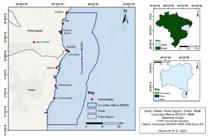
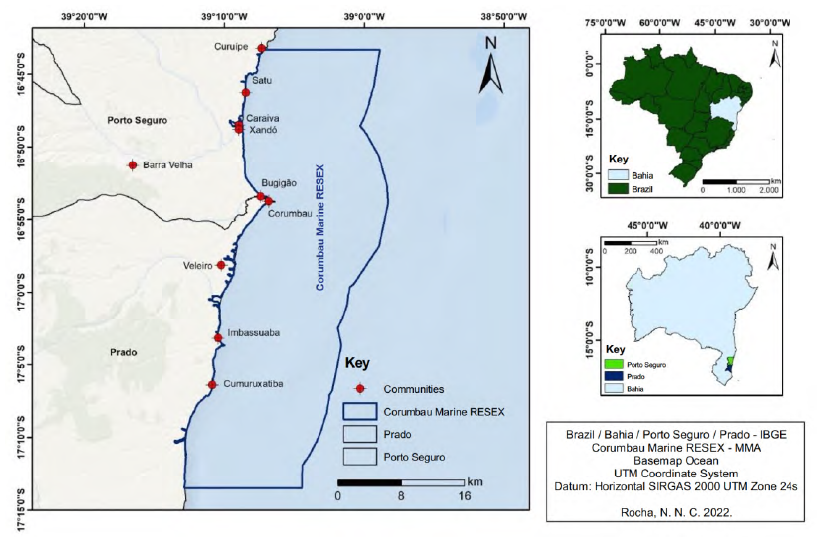
The MERC is situated on the Costa do Descobrimento in the southernmost region of Bahia State (Brazil), approximately 800 km from its capital, Salvador. Encompassing the municipalities of Prado and Porto Seguro, it spans around 90,000 hectares, including a fishing belt extending from the Point of Praia do Espelho to Praia das Ostras (Figure 1). This coastal area covers 8 nautical miles and 65 km of coastline (FERREIRA et al., 2018), encompassing coral reefs, mangroves, soft bottoms, algae, and seagrass beds (DE MOURA et al., 2009).
The MERC was established through a presidential decree published on September 21st, 2000 (BRASIL, 2002) and follows the guidelines set forth by Normative Instruction No. 01/2007 of the Instituto Chico Mendes de Conservação da Biodiversidade - ICMBio (BRASIL, 2007). Its Management Plan serves as a comprehensive guide to orient the activities of extractive communities. The Deliberative Council (DC), established by Ordinance No. 57 of July 27th, 2006 (BRASIL, 2006), is composed of representatives from public agencies and civil society, presided over by the Chico Mendes Institute for Biodiversity Conservation (ICMBio) (BRASIL, 2011).
Data collection procedures
Data collection took place between December 2022 and July 2023 through semi-structured interviews with employees of the MERC management agency, including environmental analysts, temporary environmental agents and fellow researchers. Additionally, members of the deliberative council and fishermen were also interviewed. To identify the beneficiaries of the MERC, assistance was provided by local leaders and community representatives, combined with the “snowball” method, in which one interviewee indicates another (BIERNACK; WALDORF, 1981).
To analyze the SES of the MERC, the framework proposed by McGinnis and Ostrom (2014) was used. This framework includes the following first-level subsystems or variables: governance system, resource system, resource units and actors, as well as action situations (interactions and outcomes), ecosystems, and social, economic, and political contexts (Table 1).
Each of the first-level variables is composed of multiple second-level variables, as described by McGinnis and Ostrom (2014), Ostrom (2009), and Ostrom et al. (2007). To create the semi-structured questionnaire used in the research, second-level variables related to cooperation and management conditions among the actors of the MERC were selected (Table 1). Due to the difficulties in obtaining some of the second-level variables, it was decided to exclude a few of them, considering that this methodological option would not jeopardize the objectives of the study.
Based on these variables, a single semi-structured questionnaire was developed for data collection through interviews. Tailored question blocks were administered to different groups based on their roles in the RESEX. Fishermen answered questions related to all aspects of fishing, while others excluded fishing-specific inquiries. This approach ensured targeted data collection from each group involved in RESEX management.
The characterization of each variable was conducted based on the responses of the interviewees and information from the scientific literature. The data collected were organized into Excel spreadsheets and analyzed using descriptive statistics. Each second-level variable is presented with its respective abbreviations in the results, as shown in Table 1.
Results and discussion
A total of 41 actors were interviewed, grouped into different categories: 34 fishermen, 8 members of the Deliberative Council of the MERC, 4 Temporary Environmental Agents, and 1 Public Servant from ICMBio. It is important to note that among the 34 interviewed fishermen, 4 are council members and 2 are fellow researchers in the RESEX.
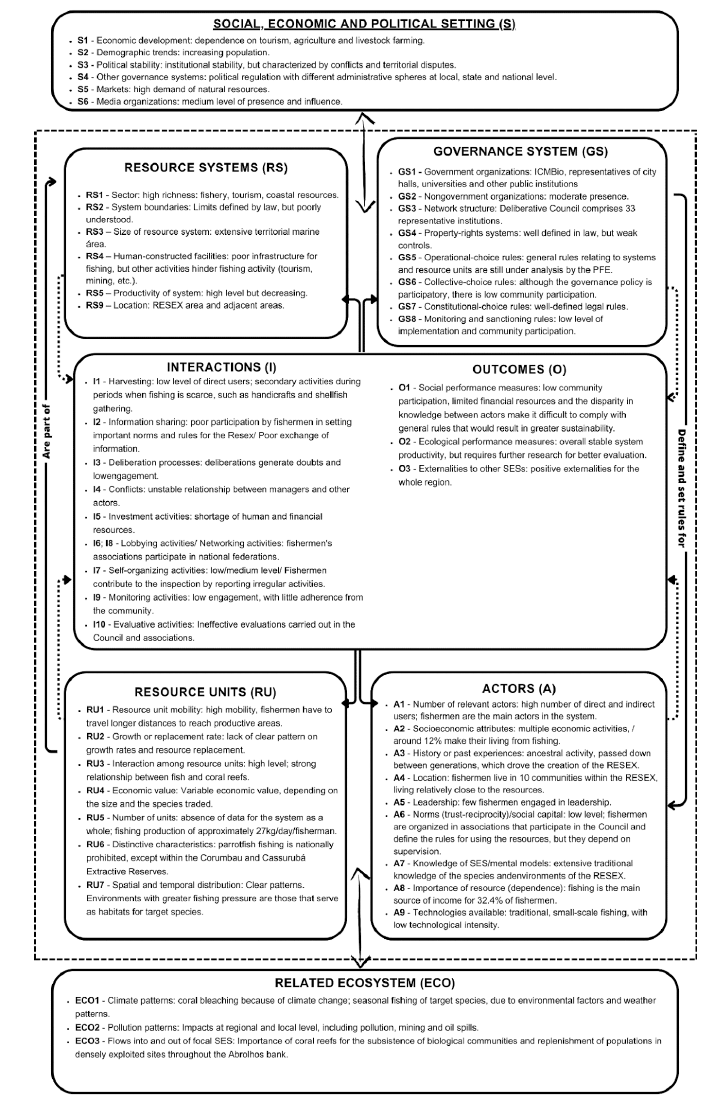
Figure 2 highlights the most relevant second-tier variables that explain the behavior of the MERC SES. While other variables were also considered in the discussion, these particular variables had a significant impact on the results.
Social, political, and economic contexts (S)
The southernmost region of Bahia State is characterized by notable sociocultural diversity, including Pataxó indigenous people, quilombola communities, artisanal fishermen, family farmers, among others. The social and economic landscape is heavily reliant on tourism and agriculture (S5), which is contributing to the depletion of the local Atlantic Forest (MARTINS, 2019). Porto Seguro, a primary focus for tourism, attracts both national and international visitors due to its beaches and cultural heritage (S1). The absence of a land demarcation for the RESEX directs the main tourist activities towards ecotourism, including boat trips and passenger transportation. In addition, the growth of the hotel sector and tourism-related services, like restaurants and transportation, has strengthened the local economy and is viewed positively by the community (MARTINS FONSECA; ROCHA, 2021). However, this dependence makes the region vulnerable to seasonal fluctuations and crises, such as the COVID-19 pandemic (MIRANDA et al., 2021).
Demographic trends in this region reflect a growing population, driven by migration of people in search of economic opportunities. This has resulted in increased urbanization and population concentration in coastal areas (S2). This migration has also brought challenges, such as the need for adequate infrastructure to accommodate the growing population and pressure on natural resources, including land and water (NERI; SOARES, 2008; FERREIRA, C. et al., 2019).
The RESEX operates within a complex governance context involving two overlapping municipal divisions (Prado and Porto Seguro), the State of Bahia Government, the Federal Government, among other non-governmental organizations, especially in the environmental sector (S4). This duality can benefit RESEX management by bringing diverse resources and expertise, but may also pose challenges, including conflicts of jurisdiction between administrative divisions and the state government (S3). All fishermen have access to the media, with a more significant influence from radio, which is characterized by more local and regional broadcasting, and television, which has a more national reach (S6).
Actors (A)
Actors (A) are individuals who regularly extract units of resources from a specific system (McGINNIS, 2011; OSTROM, 2009). In the case of the SES of the MERC, the main actors are artisanal fishermen.
The fishermen interviewed, who are considered direct beneficiaries of the MERC (A1), are residents of 10 communities, namely: Curuípe, Satú, Caraíva, Xandó, Barra Velha, Bugigão, Corumbau, Veleiro, Imbassuaba and Cumuruxatiba (A4). Among the interviewees, 86% are men, with a mean age of 36 years old, 59% are indigenous, followed by brown-skinned (31%) and black-skinned (10%) individuals.
Based on the interviewees’ origins, 73.3% identified as native fishermen residing within 1 km of boarding and landing sites, referred to as “natives.” Legal provisions ensure exclusive environment use for beneficiary fishermen, barring external fishermen. Access rights to MERC’s natural resources require registration on an ICMBio list, formulated through community meetings and DC voting (NOBRE; SCHIAVETTI, 2013). However, procedures for defining the “beneficiaries” profile, granting access rights, and other benefits, lacked clarity. This ambiguity created opportunities for non-beneficiaries to exploit resources within the MERC.
Among interviewees, only 11.8% rely solely on fishing for their livelihood, while 82.4% engage in supplementary activities (A2), mainly linked to local traditions. Most RESEX communities are Pataxó ethnic groups, where indigenous handicrafts, cultural experiences, and rituals contribute to secondary income and community-based tourism. When asked about their primary income source, 32.4% identified fishing (A8). Additionally, 88.2% entered fishing due to parental influence (A3), and 52.2% report monthly income from fishing between 1 and 2 minimum wages (A2).
Due to the challenges associated with the profession of fishermen, 56% of the interviewees expressed a desire to engage in another activity. However, surprisingly, 90% of them plan to invest in fishing, acquiring better equipment, and becoming entrepreneurs in their own business (A5).
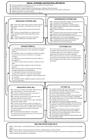
Results of the second level variables of Ostrom’s approach for the Marine Extractive Reserve of Corumbau socio-ecological system (State of Bahia, Brazil).
Fishing in the MERC is mainly small-scale, with an average of one boat per fisherman: 54% are speedboats, 32% motorized boats, and 14% rowboats (A9). These features are typical of artisanal, small-scale fishing in tropical coastal regions, where high population densities and strong reliance on natural resources for food and income are common (BATISTA et al., 2014).
The fishermen employ various fishing techniques, adapted to the different environments and behaviors of the resources over time (A7). This diversity of strategies contributes to sustainability by reducing pressure on specific resources (ROOS et al., 2016).
Fishermen in the MERC primarily use hand lines and gillnets (A9), which aligns with Siqueira (2006), noting that hand lines are cost-effective for subsistence fishing and effective for catching reef fish. This method, conducted in shallow coastal areas, requires low-tech equipment (BATISTA et al., 2014).
All interviewees mentioned the presence of associations, councils and fishermen’s colonies in the MERC, with 86% of the interviewees participating in one of these representative institutions, while the most active participants are those who hold leadership positions (A5).
Resource Systems (RS)
The resource system in this research refers to the biophysical environment from which resources are extracted and where natural regeneration processes occur (McGINNIS, 2011; OSTROM, 1990; SOUZA, 2020).
Although the MERC boundaries are defined, some fishermen report having to fish outside them. While 76% of interviewees are aware of the boundaries, only 27% can clearly describe them (RS2; RS3; RS9). This suggests significant challenges in recognizing the MERC boundaries, with varying levels of understanding among community members. Kasanoski (2022) highlights that insufficient knowledge about these boundaries hinders control over unauthorized fishing, increasing the risk of over-exploitation and degradation of RESEX’s natural resources.
The MERC encompasses mangrove ecosystems located at the mouths of the Caraíva, Corumbau, and Cahy rivers, which are of great importance to the coastal region. Access to the RESEX can be done by sea through the regional ports of Caravelas, Alcobaça, Prado to the South and Porto Seguro to the North, as well as by land via the BR101 highway (BUCCI, 2009).
According to 79.3% of interviewees, beneficiaries in the MERC can utilize all resources if they adhere to the rules. Regulations cover tourism and fishing, including measures for conservation like zoning, species protection, and compliance with closed seasons (RS1).
Fishing management includes temporal measures, such as closed seasons for species like sea bass (Centropomus undecimalis and Centropomus parallelus), mangrove crab (Ucides cordatus), and shrimp (Farfantepenaeus subtilis, Farfantepenaeus brasiliensis, Xiphopenaeus kroyeri, and Litopenaeus schmitti), in line with federal legislation. The shrimp closure receives more attention due to the high volume of fishing using “balloon” gear. However, fishermen have raised concerns about the timing of the shrimp closure, questioning its effectiveness. This issue is also highlighted by Musiello-Fernandes et al. (2017), who found discrepancies between the official closure for Atlantic seabob shrimp (Xiphopenaeus kroyeri) and fishermen’s knowledge of its reproductive and recruitment periods in Bahia and Espírito Santo.
The Local Management Plan (LMP) regulates sustainable fishing in the RESEX, permitting only free diving for parrotfish with a daily limit of 20 fish per fisherman. Parrotfish fishing is seasonal, occurring only in summer due to specific water conditions, such as temperature and visibility, which naturally align with the LMP’s closure rules.
According to 96% of interviewees, there are violations of the rules for the use of the MERC. These violations include irregular activities in restricted areas, capture of undersized fish and, primarily, the presence of unauthorized vessels and non-beneficiary individuals engaged in fishing activities within the territory. Establishing clear rules for accessing and using common pool resources, such as fish, is essential for conservation and serves as a foundational step to ensure stakeholders benefit and achieve their interests (OSTROM, 1990).
For 72% of the interviewees, the rules for the use of the MERC are established through a participatory process involving local communities, ICMBio, and the DC. However, 28% believe that these rules are defined “top-down,” established by government and non-governmental organizations such as ICMBio and Ibama with the assistance of educational and research institutions (e.g. universities) (GS6).
Local community collaboration in defining usage rules is essential for RESEX management (CARDOZO et al., 2019; NOBRE; SCHIAVETTI, 2013). This active involvement ensures consideration of community needs and experiences, with final rule approval by the Deliberative Council ensuring legitimacy and compliance with established guidelines for PA management (GS5; A6).
Threats to the sustainability of the MERC and the traditional lifestyle of local populations include resource-exploiting industries (e.g., oil, gas, mining, and sand extraction), private ventures restricting access to fishing areas, real estate speculation, and ongoing territorial disputes involving landowners, entrepreneurs, and indigenous communities (RS4). Real estate speculation and uncontrolled tourism threaten traditional communities both inside and outside the MERC area, causing rising land prices and potential gentrification, as tourism-focused developments replace cultural and historical elements (O3) (FERREIRA et al., 2018; FERREIRA, M. 2019; 2022). In addition, real estate speculation marginalizes traditional communities, risking loss of cultural authenticity. Balancing tourism’s economic role, an approach is needed to preserve ecosystems and local culture (BLANCO-CERRADELO et al., 2022).
The absence of participatory planning and overlapping public management systems exacerbates gentrification in MERC’s terrestrial territory (FERREIRA et al., 2018). Inclusion of this territory within protected area boundaries is recommended to safeguard local communities’ way of life. Without such measures, there’s a perceived risk of the disappearance of local culture and customs, according to many interviewees.
Resource Units (RU)
Resource units represent how resources are utilized, measured by the quantity extracted. In simple terms, a renewable resource can be sustainable in the long term if the withdrawal rate does not surpass the average replenishment rate (OSTROM, 1990; McGINNIS, 2011).
The MERC harbors essential ecosystems of the Abrolhos Bank, renowned for its utmost biological significance, featuring a rich marine diversity in the South Atlantic (CASTRO;PIRES, 2001; LEÃO; KIKUCHI, 2005; DUTRA et al., 2005), including 39 coral species and 290 fish species (PREVIERO et al., 2013).
Multiple resource units are exploited, but this study, however, focused on fish species. The main target capture species mentioned include lane snapper (Lutjanus synagris), yellowtail snapper (Ocyurus chrysurus) and blue runner (Caranx crysos), some of which have a high market value due to their local popularity, although only a small portion is allocated for household consumption.
Parrotfish fishing, particularly the blue parrotfish (Scarus trispinosus), is prevalent in the MERC, engaged in by 58.8% of interviewees. Notably, parrotfish fishing is nationally prohibited, except within the Cassurubá and Corumbau Extractive Reserves. Beneficiaries exclusively hold the right to fish, as stipulated by the Local Management Plan (LMP) (BRASIL, 2021). Most of the interviewees (82.4%) are aware of the LMP and recognize its importance for the conservation of parrotfish, given the key role of these fish in the health of coral reefs (RU3; RU6).
Fishermen in the MERC mention the sea and coral reefs as the primary fishing locations (88%), followed by rivers and mangroves (12%) (RU7). Approximately 70% of the interviewees exclusively carry out their fishing activities within the RESEX.
Seventy-six percent of the interviewees are involved in commercial fishing, facing challenges including pricing pressures and competition. Average fish production is 26.9 kg/day/fisherman (RU5), sold at prices ranging from BRL 15.00 to BRL 40.00 per kilogram (RU4). Resources are sold “in natura” to restaurants, lodges, fish markets, middlemen, and the local population, and the absence of refrigerated storage prompts selling below market value (RS4). Some interviewees suggest obtaining municipal inspection seals to streamline the commercialization process, aligning with findings from Sousa et al. (2020).
Among the interviewed fishermen, 41.7% reported a decrease in the quantity of fish in the area compared to a decade ago, while 37.5% noticed an increase and 20.8% did not perceive any significant change (RU2; RS5).
Those who observed a decrease relate the event to human influence, including overfishing, pollution, climate change, uncontrolled tourism, and lack of supervision. Such factors are recognized by Cardinale et al. (2012) and Bennett et al. (2017) as significant threats to biodiversity and ecosystem services.
The MERC was created in response to a decline in fish stocks. Research by Dumith, Cardoso, and Doula (2018) underscores the importance of Marine Protected Areas (MPAs) for artisanal fishing communities, with collaborative management supporting sustainable resource use.
The interviewees have noticed changes in fishing areas, with 66.7% indicating that they need to travel longer distances to reach productive areas (RU1). These changes in fishing patterns are often related to climate fluctuations and heavy rainfall.
Perry et al. (2005) suggest that climate-induced changes, like increasing sea temperatures and altered prey distribution, may force fish migration, impacting communities reliant on fishing. Hawkins et al. (2000) highlight the interconnected effects, emphasizing the broader ecological consequences of local shifts in fish species distribution.
According to 65% of the interviewees, tourism activities, such as buggy rides and whale watching, are important income alternatives during fishing lulls. Crafting (18%) and shellfish gathering (17%) are also mentioned. They emphasize the dependence on the RESEX ecosystems and stress that their degradation would directly impact the community’s way of life.
Governance System (GS)
The MERC, established in 2000, resulted from the collaboration between local fishermen, government agencies, and environmental organizations (CARVALHO; KNOX, 2014). Its goal is sustainable resource use and conservation (BRASIL, 2002). The 2006 Deliberative Council (DC), chaired by ICMBio (GS1), manages resource conservation and sustainable use (GS3) (BASURTO et al., 2017; BENNETT et al., 2019). Comprising 33 institutions (TABLE 2), MERC’s governance includes planning, biodiversity monitoring, sustainable fishing, and community participation (GS2) (BENNETT; SATTERFIELD, 2018).
Among the 86% interviewees who are part of representative institutions on the Council, 56% consider themselves to have an active voice in decision-making, with 35% of them holding a community leadership role (A5).
The MERC is currently in the process of developing its Management Plan (GS5), as required by ICMBio’s Normative Instruction No. 01/2007. This plan is essential for regulating the activities of extractivist communities, defining aspects such as structure, zoning, sustainability programs, and resource utilization.
According to 91% of the interviewees, the MERC already has a Management Plan (GS4). However, it is awaiting legal advice from the ICMBio’s Federal Specialized Attorney’s Office (Procuradoria Federal Especializada do ICMBio - PFE) for final approval.
Prado and Seixas (2018) highlight bureaucratic delays in government institutions related to RESEXs, particularly due to the PFE’s interference in Council decisions and local agreements. The Management Plan submitted to the PFE includes flexible, generic rules for tourism and fishing (SG5), with detailed rules in separate plans to allow for adjustments in RESEX conservation and sustainability.
Fifty-six percent of interviewees report that the management plan development in MERC was participatory, emphasizing the community’s key role. Workshops were conducted openly, enabling widespread engagement and discussion. However, 44% of interviewed fishermen expressed unawareness about the specific process involved in developing the management plan (I2).
According to 71% of interviewees, decisions regarding MERC management are made within the DC, allowing for discussion and voting by all members. However, 29% believe decisions are made in alternative forums, influenced by leaders prioritizing personal interests or specific groups in technical chambers or working groups (I3). This imbalance in decision-making perception raises concerns about governance, as it affects the distribution of power, legitimacy, and authority, influencing participation, power-sharing, and co-responsibility among stakeholders (GRINDLE, 2004).
Seventy-three percent of interviewees characterize the relationship between managers and beneficiaries as intermediate, with periods of conflict and periods of cooperation (I4). This instability has been marked by a lack of mutual trust, with the management body’s approach intensifying conflicts. Local community opinions have often been ignored, leading to non-compliance with RESEX rules, such as fishing in prohibited areas or using improper gear. Limited resources for enforcement have weakened the manager’s ability to address community needs, creating barriers and resistance. Dietz, Ostrom, and Stern (2003) argue that effective management requires authorities to constructively handle conflicts, encourage diverse viewpoints, and seek consensual solutions.
On the other hand, beneficiaries often shift responsibility to the management body, avoiding their own obligations in rule compliance and conservation. They seek more frequent manager presence and a local office for better interaction. However, the agency cites a lack of understanding about its role and resource limitations as a barrier. The RESEX office is currently in Prado, outside its boundaries, shared with other federal agencies.
Despite a notable increase, the current staffing at MERC’s management agency is considered insufficient (I5), given various roles like environmental analysts and temporary environmental agents (TEAs). The current ICMBio staff includes three GEF MAR fellow researchers, four TEAs, four environmental analysts, and one administrative support. Interviewees highlight the need for more inspectors in MERC´s communities.
The shortage of human and financial resources is one of the main obstacles to the success of MPAs worldwide, as emphasized by various authors (PARTELOW, 2019; POMEROY et al., 2005; TOZATO, 2017;). This scarcity directly affects surveillance and monitoring activities, making it challenging to enforce protection regulations and control illegal activities within the area, as De Moura et al. (2009) had already pointed out for MERC in the first decade of this century.
Ninety-two percent of the interviewees recognize the relevance of the actions of the public authorities, including municipal, state and federal agencies, in the MERC. However, 73% of them claim not to be aware of any public policies, such as specific projects, grants, or courses available in the communities (GS7).
Furthermore, it is interesting to note that the majority of interviewees identify the lack of basic sanitation as one of the main issues directly impacting activities carried out in Corumbau RESEX (I4). This perception underscores the need for public authorities to pay attention to fundamental infrastructure issues that affect the quality of life of communities within the PA.
Related ecosystems (ECO)
Coral reefs are vital marine ecosystems for the MERC fishermen, supporting diverse fish species (ECO 3) (CASTRO; SEGAL, 2008). Despite their importance, coral environments face constant threats from anthropogenic activities such as overfishing (MACHADO et al., 2016), uncontrolled tourism, pollution, mining, oil spills, and climate change (GARZÓN-FERREIRA et al., 2002), which are often the main causes of coral bleaching (MARANGONI et al., 2016) (ECO1; ECO2).
In MERC, parrotfish fishing mainly occurs within coral ecosystems during summer, when clear coastal waters allow for free diving (ECO1; ECO3). This naturally creates a closed fishing season, fostering the growth and reproduction of parrotfish species. During closed seasons, communities get involved in other activities, such as handicrafts and shellfish gathering (I1).
Action Scenarios - Interactions (I) and Outcomes (O)
The MERC is a complex socio-ecological system, which relies on effective coastal and marine resource management. DC meetings play a crucial role, but knowledge disparities among management staff, fishermen, and within the fishing community pose governance challenges (O1). These disparities range from technical understanding by managers to valuable empirical knowledge held by fishermen, which hinders robust periodic evaluations (I10). Partelow et al. (2018) highlight that such gaps can impact discussions, decisions, and policy implementation, potentially compromising the representation of diverse perspectives and local community needs. These perspectives are part of the biocultural memory of communities, which plays a key role in the conservation status of biodiversity and cultures, as well as providing avenues for improving the governance of socio-ecological systems (GAVIN et al., 2015).
For 30% of the interviewees, information related to the MERC, as well as the rules discussed in the DC meetings, are not adequately communicated to the community (I2). As a result, many community members do not comply with these rules simply because they are unaware of them (I3).
Ostrom’s approach (2009) highlights stakeholder involvement in resource management, fostering responsibility and adaptable rules. Santos and Schiavetti (2014) emphasize that active engagement in co-management can resolve conflicts. In the RESEX, clear boundary demarcation and greater beneficiary involvement in monitoring could reduce fishing-related conflicts (HARPER et al., 2013).
In the MERC, three types of monitoring are conducted: fishing, reef, and oil (I9). Fishing monitoring, started in 2019, involves community data collection. Reef monitoring, using the Reef Check Protocol since 2018, partners with the Coral Vivo Project to assess coral health, though annual data limits trend analysis. Oil monitoring is event-based, occurring as needed, and is managed by the RESEX.
Efforts to promote participatory monitoring programs in MERC have faced challenges, with 28.2% of interviewees unaware of any ongoing monitoring, leading to reduced beneficiary participation (GS8). Nonetheless, there is acknowledgment of the importance of these tools for the conservation and management of natural resources.
Enforcing fishing rules in MERC is essential, with ICMBio agents combating violations. Beneficiaries also aid enforcement by reporting irregularities (I7; I9), using photos, and informing ICMBio about non-beneficiary fishermen and vessels.
Interviewees suggested enhancing MERC governance through more resources, training, environmental education, community participation, and partnerships to ensure sustainability (O2). The suggestions are grouped as follows: i. Human resources: hire more staff or train local youth; ii. Financial resources: increase funding for RESEX activities; iii. Projects and education: develop community projects, offer environmental education, and address pollution issues; iv. Impartiality and structural changes: ensure an impartial approach in relation to influential groups or in support of traditional communities against large enterprises, relocate ICMBio office within RESEX, and consider management turnover; v. Participation: involve all community members and resolve demands more quickly; vi. Enforcement and professionalism: improve enforcement, establish mobile posts, train professionals, and partner with law enforcement for better security.
Many of the interviewees expect more frequent monitoring by the ICMBio and a prompt response to community requests. On the other hand, strengthening social organization is essential. This involves revisiting the history of struggles and achievements since the creation process of the RESEX and raising awareness among the actors involved about the importance of preserving resources for future generations. On a broader scale, the MERC fishermen’s associations are members of the National Commission for the Strengthening of Coastal and Marine Extractive Reserves (CONFREM), which aims to fight for the recognition and progress of the application processes for new marine RESEXs, ensure the right to production in the extractivists’ own territory, connect the country’s RESEXs, among other objectives (I6; I8).
Finally, among the interviewees, 93.8% acknowledge the extremely positive impact of the MERC on their lives. Despite the existing challenges, they express pride, satisfaction, and a strong sense of belonging towards the MERC. The interviewees underscore the role of the MERC in conserving natural resources, preventing the depletion of fish stocks, and protecting marine reefs.
Nobre et al. (2017) examined the governance of fisheries in the Cassurubá Marine RESEX (Bahia State) through the lens of Institutional Design Principles. Their analysis revealed low participation of resource users in RESEX meetings, passive involvement by council members, and other important deficits, including lack of infrastructure, human and financial resources, especially for enforcement and monitoring of resources and activities. In addition, despite the short time since the RESEX was created (2009), several of the design principles were present, such as boundaries, congruence, collective arrangements, conflict resolution mechanisms, recognition of organizing rights, and two were absent or insufficient (monitoring and graduated sanctions).
Although widely used, Ostrom’s SES analytical framework has been criticized for overemphasizing local governance, neglecting power dynamics and politics, and being seen as Western-centric (CLEMENT, 2010). These potential shortcomings have prompted research aimed at improving it (PARTELOW, 2018), such as our research, which used Ostrom’s approach to understand fisheries governance in the MERC socio-ecological system.
Future research could assess the state of fishery stocks and the overall productivity of the system, the relationship between the cultural practices of traditional communities and the conservation of regional socio-biodiversity, as well as deepen the understanding of fisheries governance in the MERC, adding new information about the complexity of this system.
Conclusion
The results of this research illustrate the complexity and dynamism of the socio-ecological system of the MERC, where the artisanal fishing community stands out as the primary direct beneficiaries of the PA’s existence.
In the MERC, active participation of the members of the Deliberative Council is essential for the shared management of natural resources. However, the occasionally unstable relationship between administrators and beneficiaries poses challenges to the effective implementation of preventive measures and the proper management of the PA.
The research highlights that livelihood in the MERC region is not limited solely to fishing, as many fishermen are diversifying their sources of income, particularly through tourism. This suggests greater resilience to fluctuations in fishing activity, but also presents challenges, such as the potentially negative impact of unregulated tourism.
Co-management is in its early stages in the MERC, facing challenges such as limited participation of fishermen in community organizations. Nevertheless, the historical initiative led by local fishermen during the MERC establishment reflects community engagement in shaping their territories. To enhance participation, new decision-making approaches, considering the influence of information and communication technologies, particularly among the younger generation, should be explored.
The promotion of meaningful participation from all segments of the community, regardless of leadership roles, is essential for building strong and sustainable governance in the MERC, while simultaneously seeking a balance between environmental conservation and social well-being.
The MERC socio-ecological system faces challenges, such as resource shortages, unstable co-management relationships, and external economic pressures. However, the ongoing activities of the Deliberative Council, the primary decision-making body, offer potential for improved governance in light of Brazil’s changing political landscape since 2023.
Acknowledgments
The authors are grateful to the fishers and members of the Corumbau RESEX Deliberative Council who took part in the research, as well as the support provided by ICMBio. We also want to acknowledge the Federal University of Southern Bahia (UFSB) for funding this research (Notice 09/2023, process 23746.007750/2023-99 and Notice 12/2025, process 23746.004310/2025-41).
References
- ANDERIES, J. M.; JANSSEN, M. A.; OSTROM, E. A framework to analyze the robustness of social-ecological systems from an institutional perspective. Ecology and society, v. 9, n. 1, 2004.
- BASURTO, X. et. al. Strengthening Artisanal Fisheries Governance: An Initial Assessment of Theory and Practice. Oak Foundation, Geneva, Switzerland, 2017.
- BATISTA, V. S., FABRÉ, N. N., MALHADO, A. C. M., & LADLE, R. J. Tropical Artisanal Coastal Fisheries: Challenges and Future Directions. Reviews in Fisheries Science & Aquaculture, v. 22, n. 1, p. 1-15, 2014
- BENNETT, N. J. et al. Local support for conservation is associated with perceptions of good governance, social impacts, and ecological effectiveness. Conservation letters, v. 12, n. 4, 2019.
- BENNETT, N. J.; SATTERFIELD, T. Environmental governance: A practical framework to guide design, evaluation, and analysis. Conservation Letters, v. 11, n. 6, p. e12600, 2018.
- BENNETT, N. J. et al. Conservation social science: Understanding and integrating human dimensions to improve conservation. Biological conservation, v. 205, n. 205, p. 93-108, 2017.
- BIERNACK, K.; WALDORF, D. Questionário: instrumento de pesquisa social. Petrópolis, RJ: Vozes, 1981.
- BIGGS R. et al. The Routledge handbook of research methods for social-ecological systems. London: Routledge, 2022.
- BLANCO-CERRADELO, L. et al. Protected Areas and Tourism Resources: Toward Sustainable Management. Land, v. 11, n. 11, 2022.
- BRASIL. Lei nº. 9.985, de 18 de julho de 2000. Regulamenta o art. 225, § 1º, incisos I, II, III, e VII da Constituição Federal, institui o Sistema Nacional de Unidades de Conservação da Natureza e dá outras providências. Diário Oficial da República Federativa do Brasil, Brasília, DF, 19 de julho de 2000.
- BRASIL. Decreto n°. 4.340, de 22 de agosto de 2002. Regulamenta artigos da Lei n° 9.985 de 18 de julho de 2000, que dispõe sobre o Sistema Nacional de Unidades de Conservação - SNUC. Diário Oficial da República Federativa do Brasil, Brasília, DF, 23 de agosto de 2002.
- BRASIL. Portaria IBAMA nº 57, de 27 de julho de 2006. Instala o Conselho Deliberativo da Reserva Extrativista Marinha do Corumbau. Diário Oficial da República Federativa do Brasil, Brasília, DF, 2006.
- BRASIL. Instrução Normativa nº 01, de 18 de setembro de 2007. Disciplina as diretrizes, normas e procedimentos para a elaboração de Plano de Manejo Participativo de Unidade de Conservação Federal das categorias Reserva Extrativista e Reserva de Desenvolvimento Sustentável. Diário Oficial da República Federativa do Brasil, Brasília, DF, 2007.
- BRASIL. Portaria nº 63, de 21 de julho de 2011. Renova a composição do Conselho Deliberativo da Reserva Extrativista Marinha do Corumbau/BA. Diário Oficial da República Federativa do Brasil, Brasília, DF, 2011.
- BRASIL. Portaria nº 284 de 11 de maio de 2021. Aprova o Plano de Gestão Local dos Budiões (Scarus trispinosus, Scarus zelindae, Sparisoma frondosum, Sparisoma axillare e Sparisoma amplum) da Reserva Extrativista Marinha do Corumbau e define regras para pesca e manejo. Diário Oficial da República Federativa do Brasil, Brasília, DF, 2021.
- BUCCI, T. M. Implementação da Reserva Extrativista Marinha do Corumbau: Relações de Atores e Processos de Mudanças. Dissertação de Mestrado em Desenvolvimento Regional e Meio Ambiente. Universidade Estadual de Santa Cruz, Bahia, 2009.
- CARDINALE, B. J. et al. Biodiversity loss and its impact on humanity. Nature, v. 486, n. 7401, p. 59-67, 2012.
- CARDOSO, P.O., & DOULA, S.M. Reservas extrativistas marinhas: perspectivas e limitações para jovens pescadores. Acta Biológica Catarinense, v. 5, n. 2, p. 5-19, 2018.
- CARDOZO, L.S., ALARCON, D.T., CAMPIOLO, S., & SCHIAVETTI, A. Environmental governance and perception about participatory processes in the Canavieiras Extractive Reserve, Bahia, Brazil. Desenvolvimento e Meio Ambiente, v. 50, p. 170-191, 2019.
- CARVALHO, J.; KNOX, W. O mar não está para peixe: conflitos socioambientais na Reserva Extrativista Marinha do Corumbau. Anais da 29ª Reunião Brasileira de Antropologia, Natal/RN, 2014.
- CASTRO, C.B.; PIRES, D.O. Brazilian coral reefs: what we already know and what is still missing. Bulletin of Marine Science, v. 69, n. 2, p. 357-371, 2021.
- CASTRO, C. et al. Educação para Conservação de Recifes: Manual de capacitação do professor em Educação Ambiental. 1° Edição. Rio de Janeiro: Projeto Coral Vivo, 2008.
- CLEMENT, Floriane. Analysing decentralised natural resource governance: proposition for a “politicised” institutional analysis and development framework. Policy Sciences, v. 43, n. 2, p. 129-156, 2010.
- COLDING, J.; BARTHEL, S. Exploring the social-ecological systems discourse 20 years later. Ecology and Society, v. 24, n. 1, 2019.
- DE MOURA, R. L. et al. Challenges and prospects of fisheries co-management under a marine extractive reserve framework in Northeastern Brazil. Coastal Management, v. 37, n. 6, p. 617-632, 2009.
- DIETZ, T.; OSTROM, E.; STERN, P. C. The struggle to govern the Commons. Science, v. 302, n. 5652, p. 1907-1912, 2003.
- DUMITH, R.C. Dez anos de r-existência da Reserva Extrativista de Canavieiras (BA): análise dos conflitos inerentes à reprodução social e política das suas comunidades tradicionais. Desenvolvimento e Meio Ambiente, v. 48, 2018.
- DUTRA G.F. et al. (Eds). A Rapid Marine Biodiversity Assessment of the Abrolhos Bank, Bahia, Brazil. RAP Bulletin of Biological Assessment 38. Conservation International, Washington, 2005.
- FERREIRA, M. V. C. Gentrificação e contra gentrificação na Reserva Extrativista Marinha do Corumbau: padrões de ocupação e reocupação urbano-ambiental e turística na vila de Caraíva. 148 f., il. Dissertação (Mestrado em Arquitetura e Urbanismo) - Universidade de Brasília, Brasília, 2022.
- FERREIRA, C. L. R. et al. Territorialização no extremo sul da Bahia e conflitos socioambientais: disputando modelos de educação e desenvolvimento. Geosul, v. 34, n. 71, p. 739-764, 2019.
- FERREIRA, M. V. C. et al. Processo de gentrificação em Territórios Tradicionais nas Unidades de Conservação da América do Sul-causas e efeitos na Vila de Caraíva/BA In: XXIII Congresso de Escolas e Faculdades Públicas de Arquitetura da América do Sul (ARQUISUR), Belo Horizonte/MG, 2019.
- FERREIRA, M. V. C.; ANDRADE, L.M.S.; MENEZES, P. D. R. Por um território terrestre da Reserva Extrativista Marinha do Corumbau: o caso de Caraíva. Paranoá, n. 22, p. 172-181, 2018.
- FOLKE, C.; BERKES, F. Understanding dynamics of ecosystem-institution linkages for building resilience. Stockholm, Sweden: Beijer Discussion Paper. N 112. Stockholm: Beijer Institute of Ecological Economics, The Royal Academy of Sciences, 1998.
- FOLKE, C. et al. Resilience and sustainable development: building adaptive capacity in a world of transformations. AMBIO: A journal of the human environment, v. 31, n. 5, p. 437-440, ago. 2002.
- GARZON-FERREIRA, J. et al. Status of coral reefs in southern tropical America in 2000-2002: Brazil, Colombia, Costa Rica, Panama and Venezuela. In: Status of coral reefs of the World, 344 p., 2002.
- GAVIN, M. C. et al. Defining biocultural approaches to conservation. Trends in ecology & evolution, v. 30, n. 3, p. 140-145, 2015.
- GRINDLE, M.S. Good enough governance: poverty reduction and reform in developing countries. Governance, v. 17, n. 4, p. 525-548, 2004.
- GUNDERSON, L. H.; HOLLING, C. S. (Eds.). Panarchy: understanding transformations in human and natural systems. Washington, Dc: Island Press, 2002.
- HAWKINS, J. P.; ROBERTS, C. M.; CLARK, V. The threatened status of restricted-range coral reef fish species. Animal Conservation, v. 3, n. 1, p. 81-88, 2000.
- HARPER, S. et al. Women and fisheries: Contribution to food security and local economies. Marine policy, v. 39, p. 56-63, 2013.
- KASANOSKI, D. S. Dilema dos comuns transfronteiriços: a gestão da pesca de caranguejo-uçá em reservas extrativistas marinhas da Amazônia. Tese de Doutorado. Centro de Desenvolvimento Sustentável. Universidade de Brasília, 2022.
- LEÃO, Z.M.A.N.; KIKUCHI, R.K.P. A relic coral fauna threatened by global changes and human activities, Eastern Brazil. Marine Pollution Bulletin, v. 51, n. 5-7, p. 599-611, 2005.
- LIU, J.; YANG, W.; LI, S. Framing ecosystem services in the telecoupled Anthropocene. Frontiers in Ecology and the Environment, v. 14, n. 1, p. 27-36, 2016.
- MACHADO, L. F. et al. O holobionte: Micro-organismos e a Saúde dos Corais. In: Zilberberg et al. (Eds). Conhecendo os Recifes Brasileiros: Rede de Pesquisa Coral Vivo. Rio de Janeiro: Museu Nacional, UFRJ, 2016.
- MARANGONI, L. F. B.; MARQUES, J. A.; BIANCHINI, A. Fisiologia de corais: a simbiose coral-zooxantela, o fenômeno de branqueamento e o processo de calcificação. In: Zilberberg et al. (Eds). Conhecendo os Recifes Brasileiros: Rede de Pesquisa Coral Vivo. Rio de Janeiro: Museu Nacional, UFRJ, 2016.
- MARTINS FONSECA, V.; ROCHA, I. S. G. . A Reserva Extrativista Marinha de Corumbau Sob a Ótica do Turismo em Áreas Protegidas: a Perspectiva Discursiva da Série “Mar Sem Fim - Unidades de Conservação”. Revista Latino-Americana de Turismologia, [S. l.], v. 7, n. Single, p. 1-17, 2021.
- MARTINS, K.S. Identidades e territorialidades construídas nos bairros campinho e baianão em Porto Seguro e suas cartografias de vida. Dissertação (Mestrado). Universidade Federal do Sul da Bahia. Programa de Pós-Graduação em Estado e Sociedade, 2019.
- MARQUES, P. H. D. Entre territorialidades da pesca artesanal no maretório de Caravelas e Nova Viçosa-BA. GeoTextos, v. 16, n. 1, 2020.
- MCGINNIS, M.D. Networks of adjacent action situations in polycentric governance. Policy studies journal, v. 39, n. 1, p. 51-78, 2011.
- MUSIELLO-FERNANDES, J.; ZAPPES, C. A.; HOSTIM-SILVA, M. Small-scale shrimp fisheries on the Brazilian coast: Stakeholders perceptions of the closed season and integrated management. Ocean & Coastal Management, v. 148, p. 89-96, 2017.
- NERI, M. C.; SOARES, W. L. Turismo sustentável e alívio à pobreza: avaliação de impacto. Rio de Janeiro: Fundação Getúlio Vargas. EPGE. Ensaios econômicos. N. 689, 2008.
- NOBRE, D. M.; SCHIAVETTI, A. Acordos de pesca, governança e conselho deliberativo de reserva extrativista: caso da RESEX de Cassurubá, Caravelas, Bahia, Brasil. Boletim do Instituto de Pesca, v. 39, n. 4, p. 445-455, 2013.
- NOBRE, D. M.; ALARCON, D.T.; CINTI, A.; SCHIAVETTI, A. Governance of the Cassurubá Extractive Reserve, Bahia State, Brazil: An analysis of strengths and weaknesses to inform policy. Marine Policy, v. 77, p. 44-55, 2017.
- OSTROM, E. Governing the Commons: The Evolution of Institutions for Collective Action. Cambridge: Cambridge University Press., 1990.
- OSTROM, E. A diagnostic approach for going beyond panaceas. Proceedings of the national Academy of sciences, v. 104, n. 39, p. 15181-15187, 2007.
- OSTROM, E. A general framework for analyzing sustainability of social ecological systems. Science. v. 325, p. 419-422, 2009.
- PARTELOW, S. A review of the social-ecological systems framework. Ecology and Society, v. 23, n. 4, 2018.
- PARTELOW, S. et al. Mangroves, fishers, and the struggle for adaptive comanagement: applying the social-ecological systems framework to a marine extractive reserve (RESEX) in Brazil. Ecology and Society, v. 23, n. 3, 2018.
- PARTELOW, S. Analyzing natural resource governance with the social-ecological systems framework. In: NUNAN, F. (Ed). Governing renewable natural resources: theories and frameworks. Routledge, London, UK., 2019.
- PERRY, A. L. et al. Climate change and distribution shifts in marine fishes. Science, v. 308, n. 5730, p. 1912-1915, 2005.
- POMEROY, R. S. et al. How is your MPA doing? A methodology for evaluating the management effectiveness of marine protected areas. Ocean & Coastal Management, v. 48, n. 7-8, p. 485-502, 2005.
- PRADO, D. S.; SEIXAS, C. S. From the forest to the coast: co-management instruments and the institutional legacy of Extractive Reserves. Desenvolvimento e Meio ambiente, v. 48, p. 281-298, 2018.
- PREVIERO, M.; MINTE-VERA, C. V.; MOURA, R. L. D. Fisheries monitoring in Babel: fish ethnotaxonomy in a hotspot of common names. Neotropical Ichthyology, v. 11, p. 467-476, 2013.
- ROOS, N. C. et al. Multiple management strategies to control selectivity on parrotfishes harvesting. Ocean & Coastal Management, v. 134, p. 20-29, 2016.
- SALAS-ZAPATA, W. A.; ÁLVAREZ DEL CASTILLO, J.; RÍOS OSORIO, L. A. Bases conceptuales para una clasificación de los sistemas socioecológicos de la investigación en sostenibilidad. Revista Lasallista de Investigación, v. 8, n. 2, p. 136-142, 2011.
- SANTOS, C. Z.; SCHIAVETTI, A. Assessment of the management in Brazilian marine extractive reserves. Ocean & Coastal Management, v. 93, p. 26-36, 2014.
- SILVA, M.; PENNINO, M.; LOPES, P.F.M. A social-ecological approach to estimate fisher resilience: a case study from Brazil. Ecology and Society. v. 25, n. 1, 2020.
- SIQUEIRA, A. M. Quem são os extrativistas? Perfil dos pescadores e da atividade pesqueira na Reserva Extrativista Marinha do Corumbau - BA. Dissertação (Mestrado). Universidade Federal de São Carlos. 2006.
- SOUSA, D. N. et al. Mercados institucionais e as estratégias de comercialização do pescado. Humanidades & Inovação, v. 7, n. 2, p. 327-339, 2020.
- MIRANDA, M. P. et al. Os impactos da Covid-19 sobre o Turismo e a Cultura na Bahia, Ceará e Pernambuco: Estratégias para sustentabilidade e fortalecimento da marca lugar. Rizoma, v. 9, n. 1, 2021.
- TOZATO, H. C. Gestão de áreas protegidas no Brasil: instrumentos de monitoramento da biodiversidade nos sítios Ramsar. Revista Gestão & Políticas Públicas, v. 7, n. 2, p. 147-169, 2017.
-
Data Availability Statement:
The datasets related to this article will be made available upon request to the corresponding author.Note: The datasets underpinning this study contain sensitive information that could allow for the indirect identification of the participating communities. For this reason, the data are available upon request to the corresponding author.
The datasets related to this article will be made available upon request to the corresponding author.
Note: The datasets underpinning this study contain sensitive information that could allow for the indirect identification of the participating communities. For this reason, the data are available upon request to the corresponding author.

 Source: The authors, 2022.
 Source: The authors, 2024.