
 “CURSED INDUSTRY” OR “GOLDEN TREE”? N ANALYSIS OF THE ECONOMIC DEBATE DURING THE AMAZONIAN RUBBER BOOM, 1850-1914
Peripheral in economic and demographic terms throughout colonial history, the Amazon underwent a major transformation during the first wave of globalization (1850-1914). Thanks to the growing external demand for rubber - which became Brazil’s second most important export product by the end of the 19th century - the region began to attract capital and workers, government revenues increased, and its main cities benefited from some of the advancements that characterized the Belle Époque. It is therefore surprising to readers of documents from the time to find repeated criticisms - made even by the leaders of the provinces of Pará and Amazonas - regarding the harmful consequences of extractive activity, particularly the issue of productive overspecialization. Barbara Weinstein links such criticisms to a conflict between old and new elites, a hypothesis we consider insufficient to fully explain the phenomenon. Based on an analysis of contemporary documents, we show that both the criticism and the defense of the sector aligned with relevant points in economic theory, and that the dominance of one perspective or the other seems to depend on the economic context experienced by the provinces.
Keywords:
Amazon; Rubber Boom; Laissez; Faire; Overspecialization
 Thumbnail
 Thumbnail
 Thumbnail
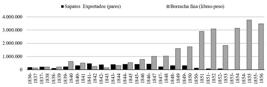
 Fonte: Hancock (1857). O ano financeiro correspondia ao intervalo entre 1º de julho até 30 de junho do ano seguinte.
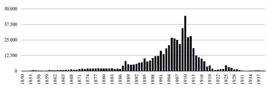
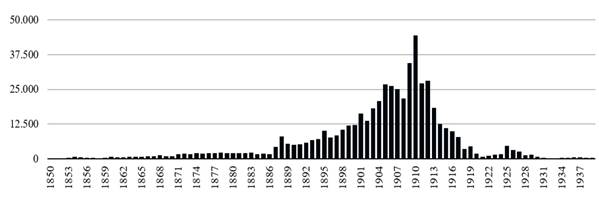 Fonte: Elaborado pelo autor com os dados do IPEADATA, série “Exportações brasileiras de borracha”.
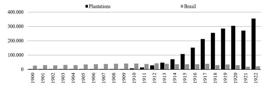
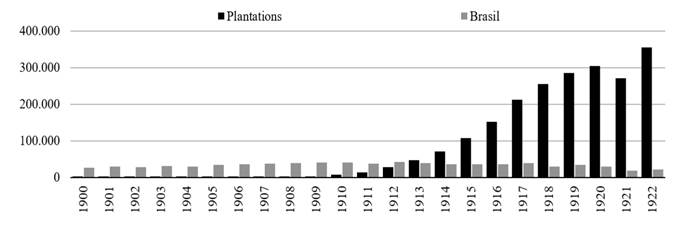 Fonte: UNITED STATES. Department of Commerce, 1924, p.1. Uma long ton equivale a aproximadamente 1.1016 quilos.