
 THE EVERYDAY LIFE OF TRANSPORT WORKERS, ENSLAVED, FREE, AND FREED IN NINETEENTH-CENTURY BAHIA
This work sought to understand the experience of transport workers in Salvador in the second half of the 19th century, using two registration books as main sources. The analysis focuses on establishing the social profile of the 713 registered workers. Furthermore, it was possible to observe the way in which cart drivers and coachmen developed their own social and work relationships in everyday life on the streets of Salvador. Although loading goods was an activity dominated by enslaved and freed African porters, the end of the slave trade in 1850 boosted new dynamics of work and investment in cities. This led to changes in the urban structure, such as the leveling and widening of streets for the circulation of vehicles, such as cars, carts, and trams, which gradually transformed the urban space of Salvador throughout the period studied.
Keywords:
Bahia; 19th century; urban workers; carters
 Thumbnail
 Thumbnail
 Thumbnail
 Thumbnail
 Thumbnail
 Thumbnail
 Thumbnail
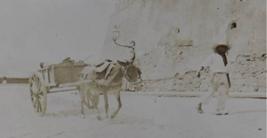
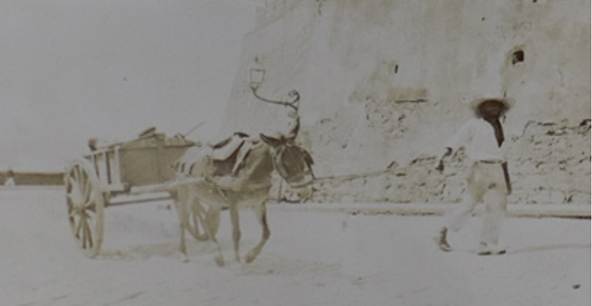 Fonte: Coleção privada.
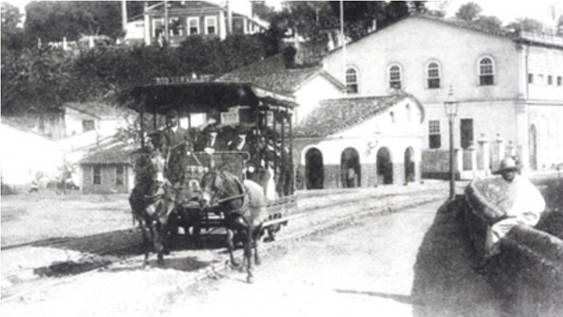 Fonte: Acervo postal Ubaldo, 1902
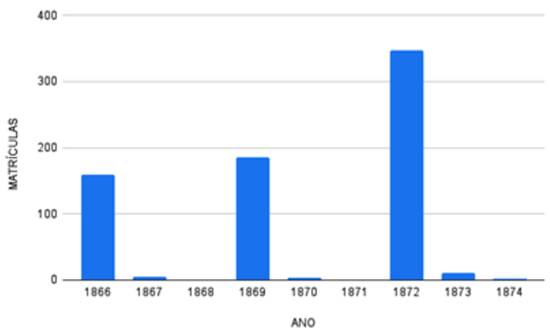 Fonte: APEB, Livro de Matrícula de Carroceiros (1866-1873), maço 5914.
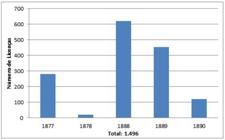
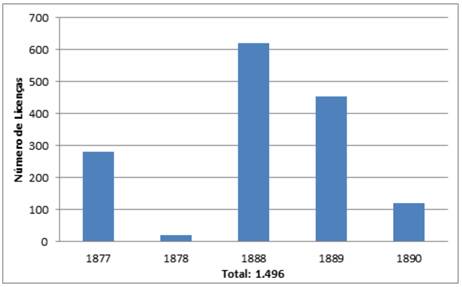 Fonte: AHMS - Fundo: Câmara Municipal, Natureza: Manuscrito. Livro de Carros, Carroças e Carretas (1877-1890).
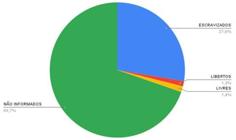
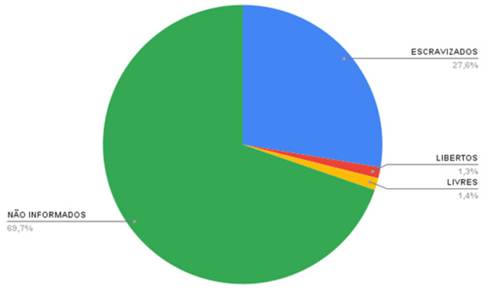 Fonte: APEB, Seção de Arquivo Colonial e Provincial, Fundo de Polícia, Maço 5914, Livro de Matrícula de Carroceiro (1866-1873); AHMS - Fundo: Câmara Municipal, Natureza: Manuscrito. Livro de Matrícula de Condutores (1872-1874).
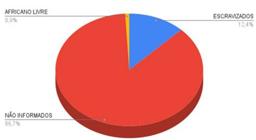
 Fonte: APEB, Correspondência recebida da Secretária de Polícia (1866-1889), maços 3139-32; 3139-33; 3139-34; 3139-36; 3139-38; 3139-38; 3139-40; 3139-41; 3139-42; 3139-43; 3139-44; 3139-45; 3139-46; 2959; 2960; 2960-1; 2964; 2965; 2966; 2969; 2982.
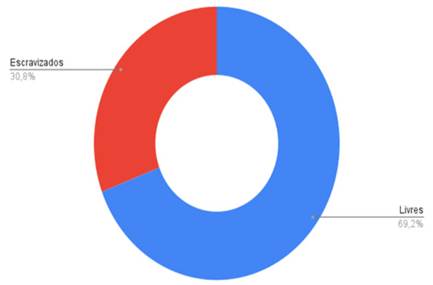 Fonte: APEB, Correspondência Recebida de Mapas de Presos e Relações de Presos (1864-1889), maços: 6288; 6289; 6290; 6291; 6292; 6293.