 Morphological variation and trophic individual specialization of Imparfinis schubarti (Gomes, 1956)
Aim In the present study, we investigated the existence of intraspecific variation in the morphology and diet of the catfish Imparfinis schubarti as body length increases, evaluating whether morphological changes are associated with changes in food, as well determining the degree of individual specialization in the species' diet.
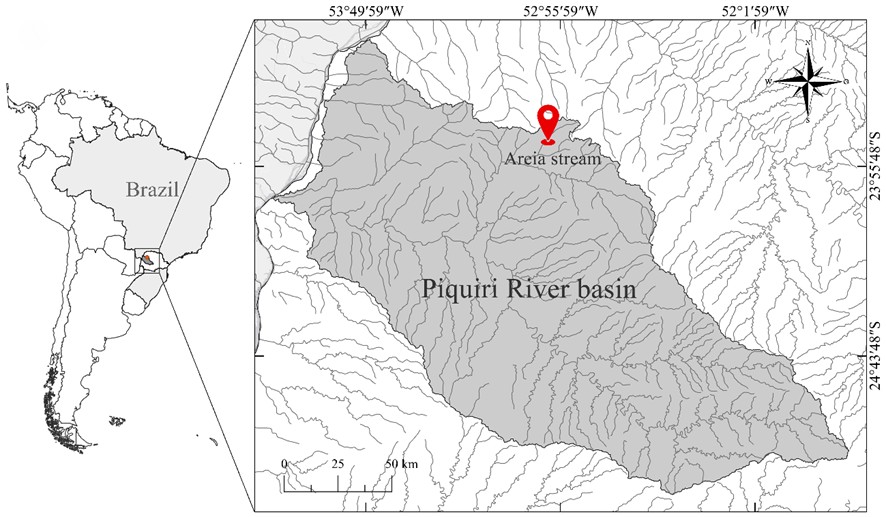
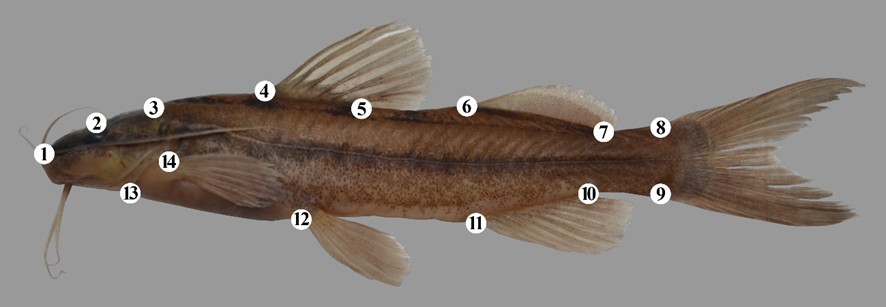
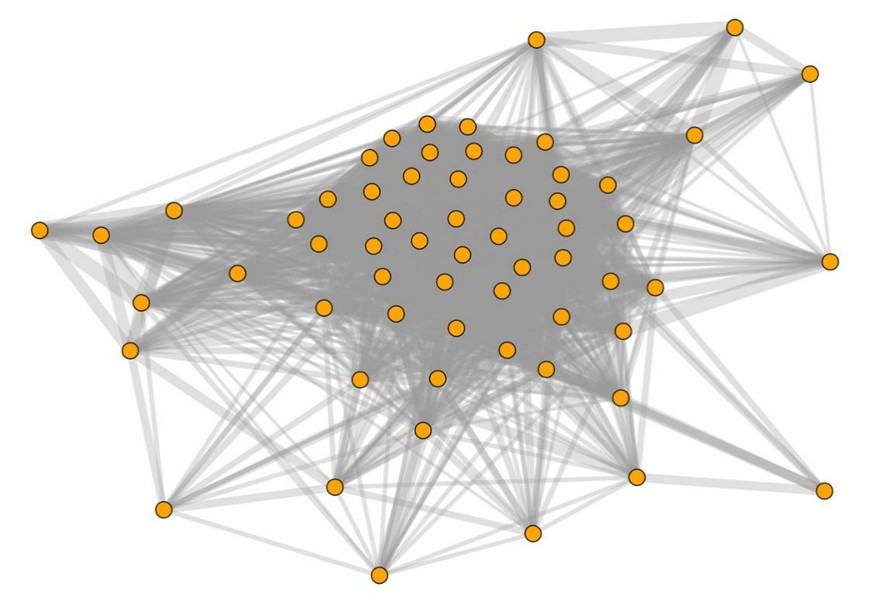
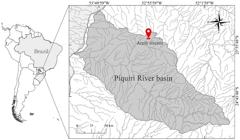
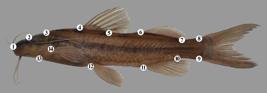
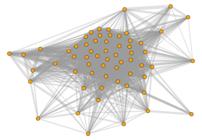
Methods Sixty-one individuals were collected by electrofishing in August 2017, in Areia stream, located in northwestern Paraná, Brazil. The individuals were subjected to geometric morphometric, and stomach content analyses. To investigate trophic specialization, indices that evaluate the overlap of the diet between individuals, the average degree of individual specialization, the pairwise similarity of the diet, and the grouping of individuals based on the sharing of food resources were applied.
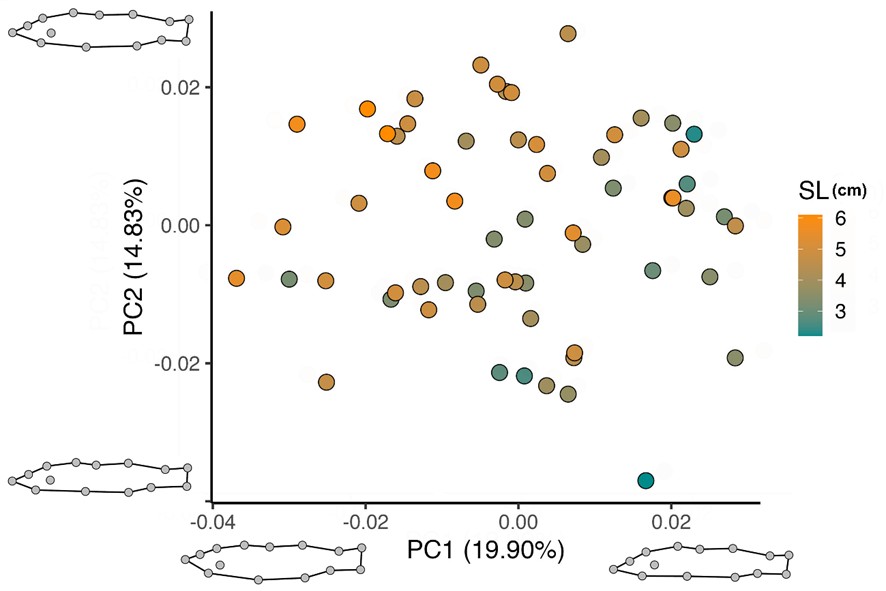
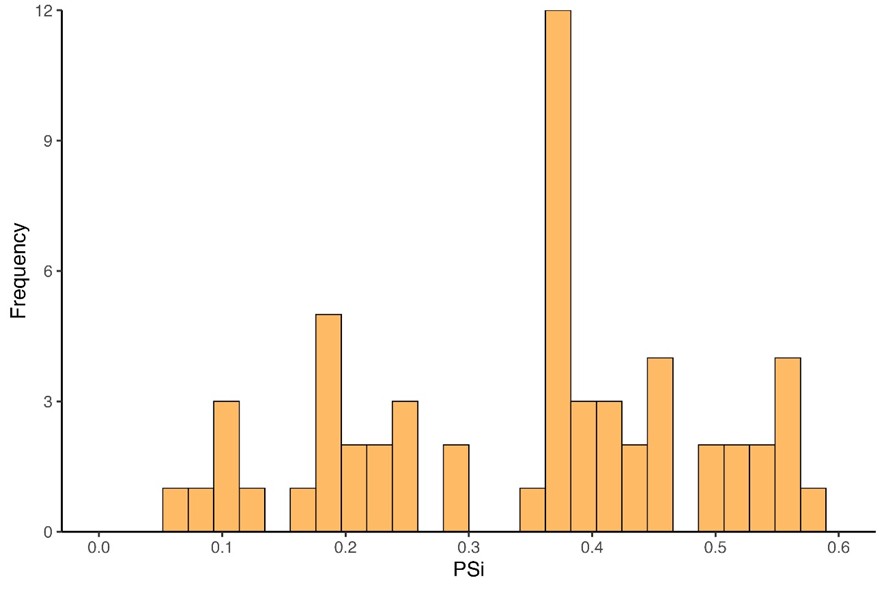
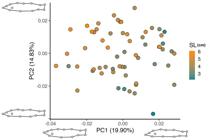
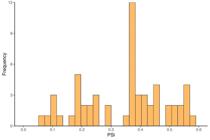
Results No significant morphological or dietary changes were observed as body length increased. The population exhibited a high degree of individual specialization, characterized by the coexistence of generalist individuals and those with highly specialized diets, with no significant influence of body size on specialization.
Conclusions The results suggest that, in I. schubarti, morphological and trophic aspects may remain relatively constant as body length increases. Furthermore, the coexistence of generalist and specialized individuals, without association with apparent morphological variations, suggests that individual specialization may be modulated by non-morphological factors, such as behavioral or physiological differences, reflecting distinct adaptive strategies within the population.
Keywords:
trophic ecology; body size; freshwater fish; Piquiri River Basin; interindividual variation
 Thumbnail
 Thumbnail
 Thumbnail
 Thumbnail
 Thumbnail