 Evaluation of the Use of Amazônia-1 and CBERS-4 Images in LULC Mapping Combined with Machine Learning Classifiers
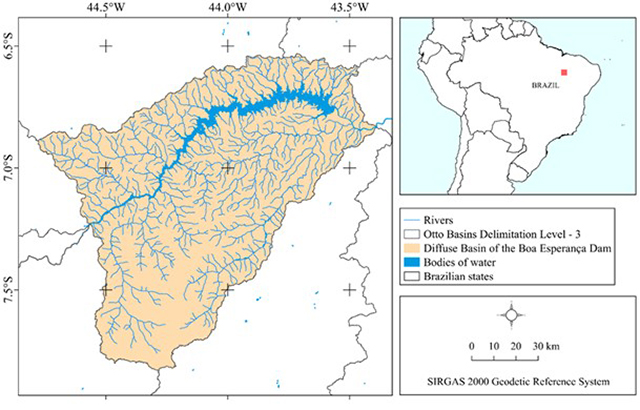
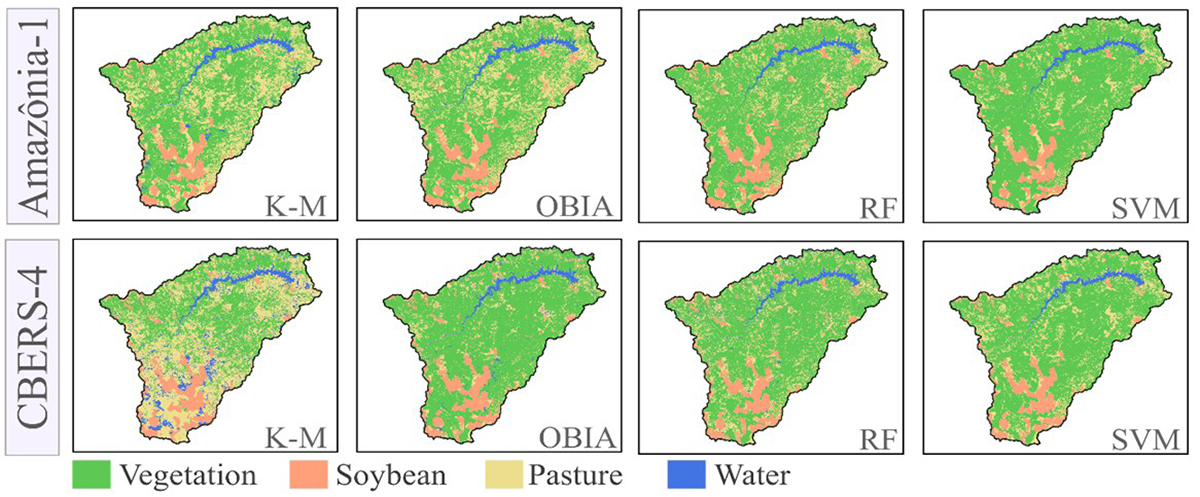
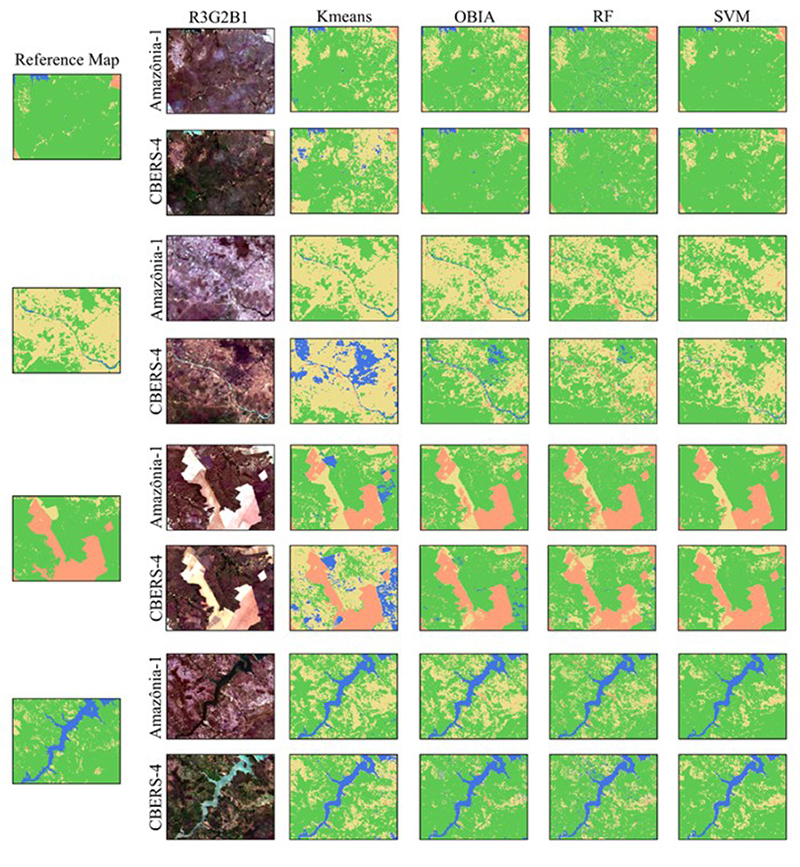
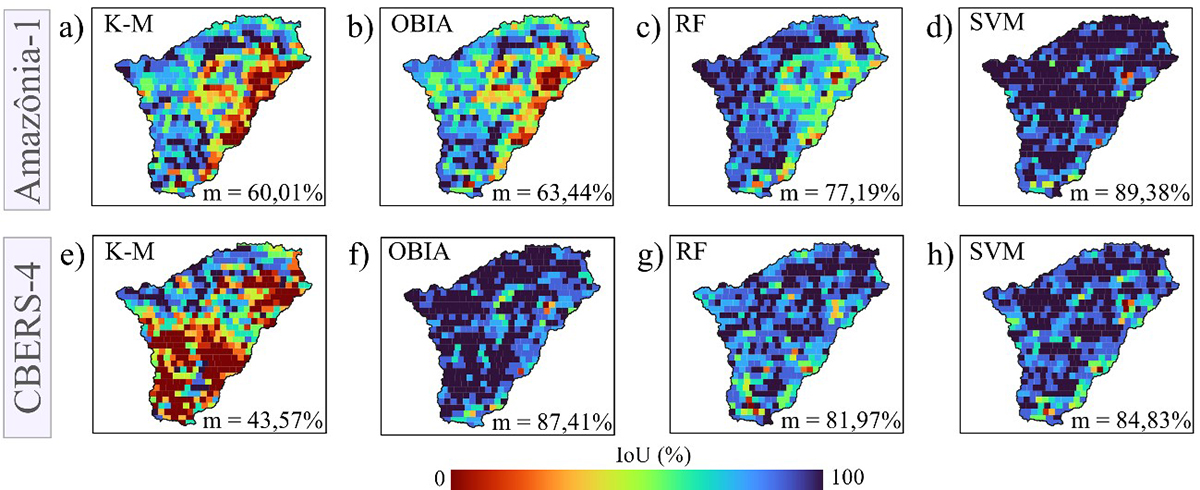
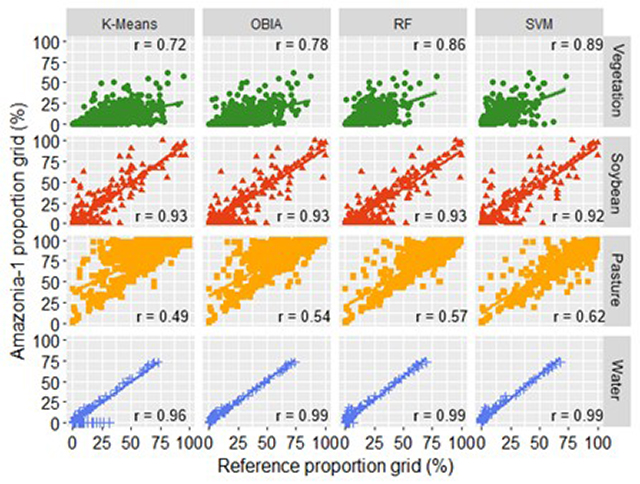
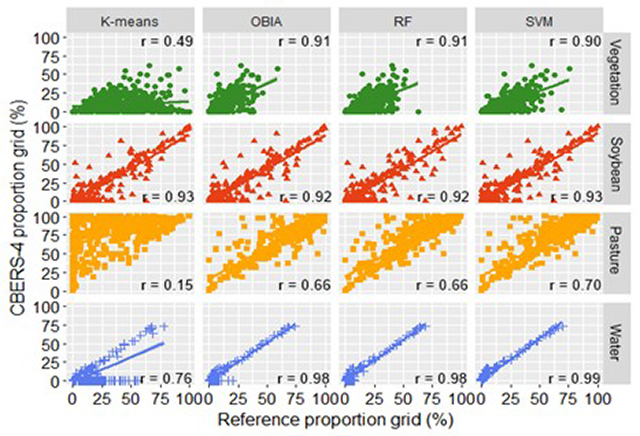
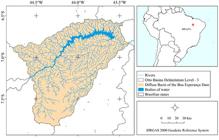
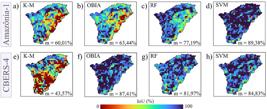
Rapid changes in land use and land cover in many parts of the world have placed enormous pressure on the environmental conservation of river basins. In Brazil, continuous monitoring of these changes using national satellite images has become crucial and accessible for the management and monitoring of water resources. Several studies have employed remote sensing and data science tools to investigate changes in land use and land cover, using different machine learning classifiers due to their operational efficiency and high robustness. Therefore, it is critical to evaluate and compare the performance of different machine learning classifiers for accurate mapping of land use and land cover in environmentally unstable areas. The main objective of this study was to perform an accuracy analysis of land use and land cover mapping, integrating the performance of four different classifiers: K-means, Object Oriented Analysis (OBIA), Random Forest and Support Vector Machines (SVM), using images from the Amazônia-1 and CBERS-4 satellites in the diffuse hydrographic basin of the Boa Esperança Dam, in Piauí, Brazil. According to the results, SVM was the best performing classifier, achieving a maximum overall accuracy (IoU) of 89.38%, while K-means presented values below 70%. OBIA stood out for CBERS-4, while Amazônia-1 performed well in all supervised classifiers. The K-means algorithm showed the lowest performance, with emphasis on CBERS-4, with an estimate of 43.57% driven by the low values seen for the soybean and pasture classes.
Keywords:
Watershed; Machine Learning; Remote Sensing
 Thumbnail
 Thumbnail
 Thumbnail
 Thumbnail
 Thumbnail
 Thumbnail
 Thumbnail
 Thumbnail