 Diabetic ketoacidosis knowledge in type 1 diabetes: a Brazilian perspective
Objective: To evaluate the factors associated with knowledge of diabetic ketoacidosis among individuals with type 1 diabetes mellitus and to analyze how sociodemographic, clinical, and healthcare access variables influence understanding of the condition’s prevention and management.
Methods: This cross-sectional study was conducted with 465 individuals with type 1 diabetes mellitus via an online questionnaire. The instrument included sociodemographic and clinical variables and a 13-item test assessing participant’s knowledge of diabetic ketoacidosis. Data analysis employed the Kruskal-Wallis test and the Dwass-Steel-Critchlow-Fligner multiple comparisons to identify variability scores.
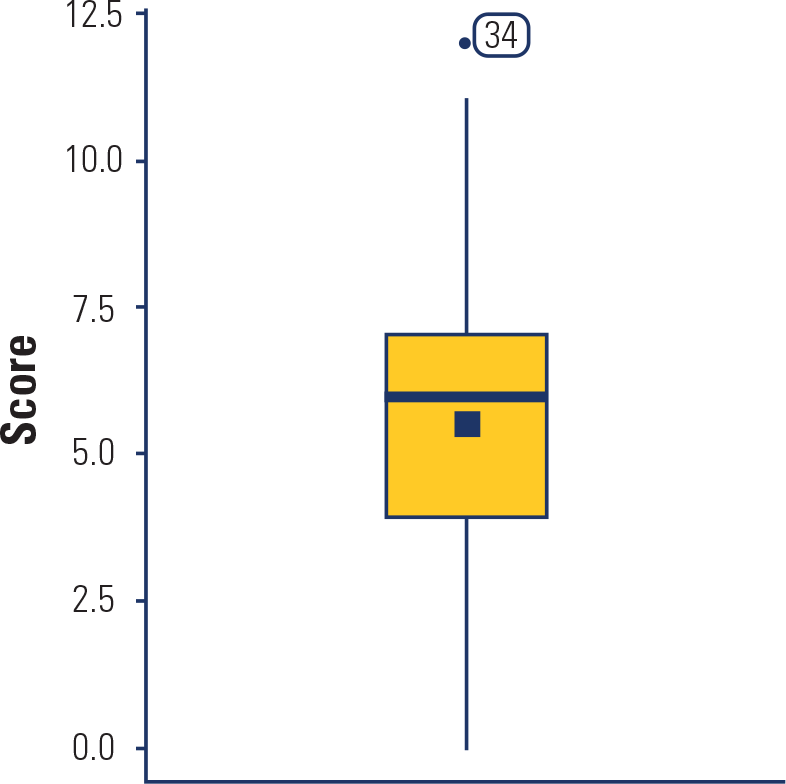
Results: The median score was 6.0 (on a scale of zero to 13). The lowest accuracy rates were observed regarding ketonemia thresholds (18.5%) and specific warning signs of diabetic ketoacidosis (26.0%). Participants with prior knowledge of diabetic ketoacidosis scored higher (median 6) than those unfamiliar with the term (median 2). Individuals with glycated hemoglobin levels between 4 and 6% achieved higher scores (median = 6), as did those who received medical guidance (median = 6) compared to those who did not (median = 3). The use of an artificial pancreas was associated with the highest scores.
Conclusion: Prior knowledge of diabetic ketoacidosis, access to insulin pumps, medical guidance, and better glycemic control were associated with a greater understanding of diabetic ketoacidosis. These findings reinforce the need for educational interventions and equitable access to healthcare technologies to improve disease management and reduce diabetic ketoacidosis-related complications.
Keywords
Diabetes mellitus; type 1; Diabetic ketoacidosis; Primary prevention; Patient education as topic
 Thumbnail