
 Clinical characteristics, glycemic control & quality of life of patients using Android Artificial Pancreas System (AAPS) in Brazil
Objective: This study evaluated the safety and efficacy of the Android Artificial Pancreas System (AAPS) in Brazilians with type 1 diabetes mellitus (T1D).
Subjects and methods: A total of 371 participants were surveyed, including 62 AAPS users and 309 non-users. AAPS configurations included continuous glucose monitoring (CGM ), Bluetooth transmitter (MiaoMiao), and a non-automated insulin pump.
Results: AAPS users had a mean Time in Range (TIR) of 78.5% ± 16.6, with HbA1c levels decreasing from 7.3% ± 1.03 to 6.5% ± 0.7 (p < 0.001). Compared to non-AAPS users, AAPS users demonstrated better glycemic control, fewer severe hypoglycemic events (p = 0.006), and improved quality of life (p < 0.0001). However, 23.08% of AAPS users had a TIR below 70%, and time in level-2 hypoglycemia exceeded recommendations.
Conclusion: These findings highlight AAPS as a low-cost alternative to commercial systems, with potential to expand access to automated therapy globally, particularly in resource-limited settings.
Keywords:
Type 1 diabetes; artificial pancreas; automated insulin delivery systems; quality of life; glycemic control
 Thumbnail
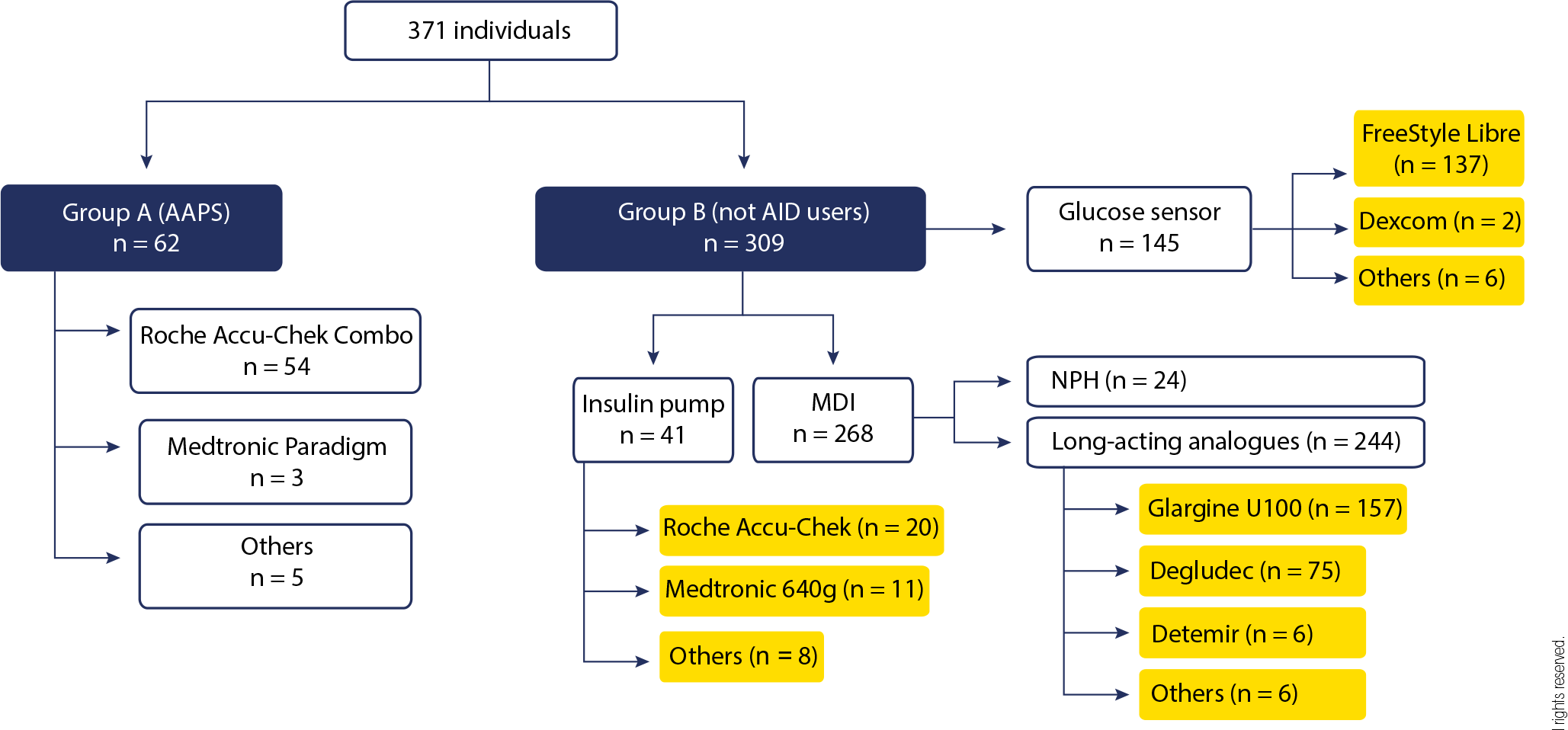 AAPS: Android Artificial Pancreas System; AID: automated insulin delivery; MDI: multiple daily injections; NPH: Neutral Protamine Hagedorn.