 Clomiphene or enclomiphene citrate for the treatment of male hypogonadism: a systematic review and meta-analysis of randomized controlled trials
Abstract
Objective: This study aimed to evaluate the efficacy and safety of selective estrogen receptor modulators (SERMs), specifically clomiphene and enclomiphene, in treating men with functional hypogonadism.
Materials and methods: A systematic search was conducted in PubMed, Embase, the Cochrane Library, and ClinicalTrials.gov for randomized controlled trials comparing SERMs with placebo, testosterone (T) gel, or human chorionic gonadotropin (hCG), up to July 2024. The primary endpoints were total testosterone (TT), follicle-stimulating hormone (FSH), and luteinizing hormone (LH). Weighted mean differences (MDs) and risk ratios (RRs) were calculated for continuous and binary endpoints, respectively, with 95% confidence intervals (CIs).
Results: SERM therapy significantly improved TT (MD: 273.76 ng/dL; 95% CI: 191.87-355.66 ng/dL; p < 0.01; I2 = 89%), LH (MD: 4.66 IU/L; 95% CI: 3.37-5.94 IU/L; p < 0.01; I2 = 55%), and FSH (MD: 4.59 IU/L; 95% CI: 2.88-6.30 IU/L; p < 0.01; I2 = 68%) compared to placebo. No significant difference in TT was observed between the SERM and T gel groups. TT levels were significantly higher with SERM therapy and the combined treatment of SERM and hCG compared to hCG alone (158 vs. 153 vs. 134 ng/dL, respectively; p < 0.002 for both comparisons).
Conclusion: SERM therapy is associated with significantly improved levels of TT, LH, and FSH in hypogonadal men compared to placebo, and significantly enhanced levels of LH and FSH compared to T gel. The findings suggest that SERM therapy effectively increases TT levels in men with functional hypogonadism and should be considered as an alternative to T gel therapy.
Keywords:
Clomiphene; enclomiphene; male hypogonadism; treatment
INTRODUCTION
Male hypogonadism is a common medical condition characterized by reduced testosterone (T) levels (1). It is estimated to affect between 6% and 12% of men, with prevalence increasing with age, obesity, type 2 diabetes mellitus, and metabolic syndrome (1-3). Common symptoms associated with male hypogonadism include reduced libido, lack of energy, mood alterations, loss of muscle mass, and erectile dysfunction (4,5). These symptoms can negatively impact quality of life and overall health outcomes, highlighting the need for effective therapeutic interventions (6).
Testosterone replacement therapy (TRT) has traditionally been the cornerstone treatment for hypogonadism. However, while TRT increases serum T levels, it suppresses the hypothalamic-pituitary-gonadal axis, and compromised sperm production does not improve (7). Additionally, TRT is associated with significant adverse effects, such as increased prostate-specific antigen (PSA), elevated hematocrit, and alterations in serum lipid levels (8).
To address these limitations, various strategies have been explored to treat male hypogonadism with the goal of increasing testosterone production and restoring spermatogenesis. Clomiphene citrate and enclomiphene, selective estrogen receptor modulators (SERMs), have emerged as promising alternative therapeutic options. These drugs antagonize estrogen receptors in the hypothalamus, increasing the secretion of gonadotropin-releasing hormone and thereby stimulating endogenous T production (9,10). Unlike TRT, SERMs have the potential to preserve or even enhance fertility by maintaining or restoring spermatogenesis (9,11).
In recent years, the off-label use of SERMs for male hypogonadism has increased (12,13). However, there is limited evidence-based guidance supporting their use. Previous randomized controlled trials (RCTs) have shown mixed results regarding improvements in T levels, sperm production, and associated symptoms in men with hypogonadism (11,14-22). Therefore, we conducted a systematic review and meta-analysis of RCTs to evaluate the efficacy and safety of clomiphene and enclomiphene in the treatment of male hypogonadism.
MATERIALS AND METHODS
This study adhered to the Preferred Reporting Items for Systematic Reviews and Meta-Analyses (PRISMA) guidelines (23). The protocol was registered with the Internat Prospective Register of Systematic Reviews (PROSPERO) under identifier no. CRD42024536930.
Eligibility criteria
The analysis included studies that met the following eligibility criteria: 1) RCTs; 2) comparing clomiphene citrate or enclomiphene citrate (SERMs) to T gel, human chorionic gonadotropin (hCG), anastrozole, or placebo; 3) comprising only male adult patients with baseline TT levels of ≤ 300 ng/dL; and 4) reporting at least one specified outcome of interest. Conference abstracts, studies with no outcomes of interest, non-randomized trials, and studies that included patients with primary hypogonadism were excluded. There were no restrictions concerning the language or date of publication.
Search strategy and study selection
Systematic searches were conducted in PubMed, the Cochrane Library, Embase, and Web of Science for records published from inception to April 2024. There were no language restrictions applied during searches or item selection. Search terms included Boolean combinations of the following and their deriva-tives: “Klostilbegit”, “Clostilbegit”, “Clomid”, “Clomide”, “Dyneric”, “Serophene”, “Gravosan”, “Clomiphene Hydrochloride”, “Hydrochloride, Clomiphene”, “Clomi-fene”, “Chloramiphene”, “Clomifen”, “Clomiphene Citra-te”, “Citrate, Clomiphene”, “clomiphene”, “enclomi-phene”, “males”, “men”, “boys”, “male”, “Hypogonadism, Hypergo-nadotropic”, “Hypergonadotropic Hypogonadism”, “Hypogonadism, Hypogonadotropic”, “Hypogonadism, Isolated Hypogonadotropic”, “Hypogonadotropic Hypo-gonadism”, “hypogonadism”. Detailed search strings are available in Supplementary Table S1. Additionally, the references of the included studies and systematic reviews were searched for additional eligible studies.
Two authors (AH and MPC) independently screened the titles and abstracts of all studies identified by the search strategy (13). Full-text article/study reports of all potentially relevant studies were retrieved for analysis through inclusion and exclusion criteria. Controversies about study eligibility were resolved by consensus with the senior author (MFR).
Endpoints
The primary endpoints were total testosterone (TT), luteinizing hormone (LH), and follicle-stimulating hormone (FSH). Secondary endpoints included free testosterone (FT), dihydrotestosterone (DHT), estradiol, sperm concentration (million/mL), change from baseline in sperm concentration, the rate of men with sperm concentration < 15 million/mL, fasting blood glucose (FBG), glycated hemoglobin (HbA1c), insulin, body mass index (BMI), questionnaires, and adverse events.
Post-hoc analysis
A post-hoc analysis was conducted to evaluate the existing safety data of SERMs. Accordingly, the criterion for study eligibility in this analysis did not include the testosterone threshold of 300 ng/dL for the diagnosis of hypogonadism, due to variations in thresholds used by studies in the existing literature.
Data extraction and data items
Two investigators (AH and MPC) independently extracted data from the selected studies onto dedicated spreadsheets. The following study and participant characteristics were extracted: TT threshold used for hypogonadism diagnosis, follow-up duration, sample size, age, BMI, HbA1c, TT, LH, FSH, PSA; proportion of subjects with type 2 diabetes mellitus, and ADAM questionnaire score. Data presented as graphs in the original articles were extracted using the Engauge Digitizer program (24). Medians and ranges were converted to means and standard deviations (24).
Outcome data from the last follow-up in the RCTs were extracted for analysis. The retrieved data were double-checked by a third reviewer (EP), consolidated, and included in the meta-analysis software. Intervention groups were combined in studies presenting more than one SERM dose. The guidelines from the Cochrane Handbook for Systematic Review of Interventions were used for data handling and conversion (25).
Risk of bias assessment
Two authors (EP and ROMF) independently assessed the risk of bias for each trial included. Discrepancies were resolved through consensus or consultation with a third author (MFR). The Cochrane Collaboration’s tool for assessing risk of bias in RCTs (RoB-2) was utilized for this evaluate the risk of bias in individual RCTs (26). “High risk” of bias was assigned to studies with a high risk in any domain or concerns in multiple domains; “some concerns” were identified for studies with concerns in any domain, and a “low risk” was noted otherwise.
The risk of publication bias could not be assessed via funnel plot analysis or Egger’s regression asymmetry test due to a limited number of studies for each endpoint (27). This limitation led to the conclusion that analyzing publication bias through these methods would be statistically underpowered and potentially misleading.
Sensitivity analyses
Sensitivity analyses were performed to identify potential sources of heterogeneity in effect estimates. This included leave-one-out sensitivity analyses, where each study was sequentially removed from the meta-analyses and re-analyzing the pooled effect sizes. A reversal or loss of significance in effect size during recalculated pooled effects indicates potential imprecision attributable to influential studies (28).
In addition, random effects meta-regression explored the influence of baseline TT, BMI, and age on the pooled effects of clomiphene or enclomiphene citrate on TT, LH, and FSH.
Evidence quality
The Grading of Recommendations, Assessment, Development, and Evaluations (GRADE) guidelines were employed to evaluate the quality of evidence (29). The endpoints that were quantitatively assessed were classified into four categories: high, moderate, low, or very low-quality evidence. These classifications were determined based on the risk of bias, inconsistency of results, imprecision, and the magnitude of the treatment effect.
Summary of the measures
Effect sizes for continuous endpoints reported on the same scale were summarized as weighted mean differences (MDs), and those evaluated with different methods were reported with standardized mean differences (SMDs). Risk ratios (RRs) summarized endpoints of binary variables. Ninety-five percent confidence intervals (95% CIs) were estimated for all summary measures.
Synthesis of the results
Random effects meta-analyses estimated pooled effect sizes for endpoints reported by two or more studies (30). Endpoints not quantitatively assessed were reported based on individual study results. Heterogeneity was assessed using the Cochrane Q-test and I2 statistics, with significance defined as p-values < 0.10 and I2 values > 25% (31).
Trial sequential analysis
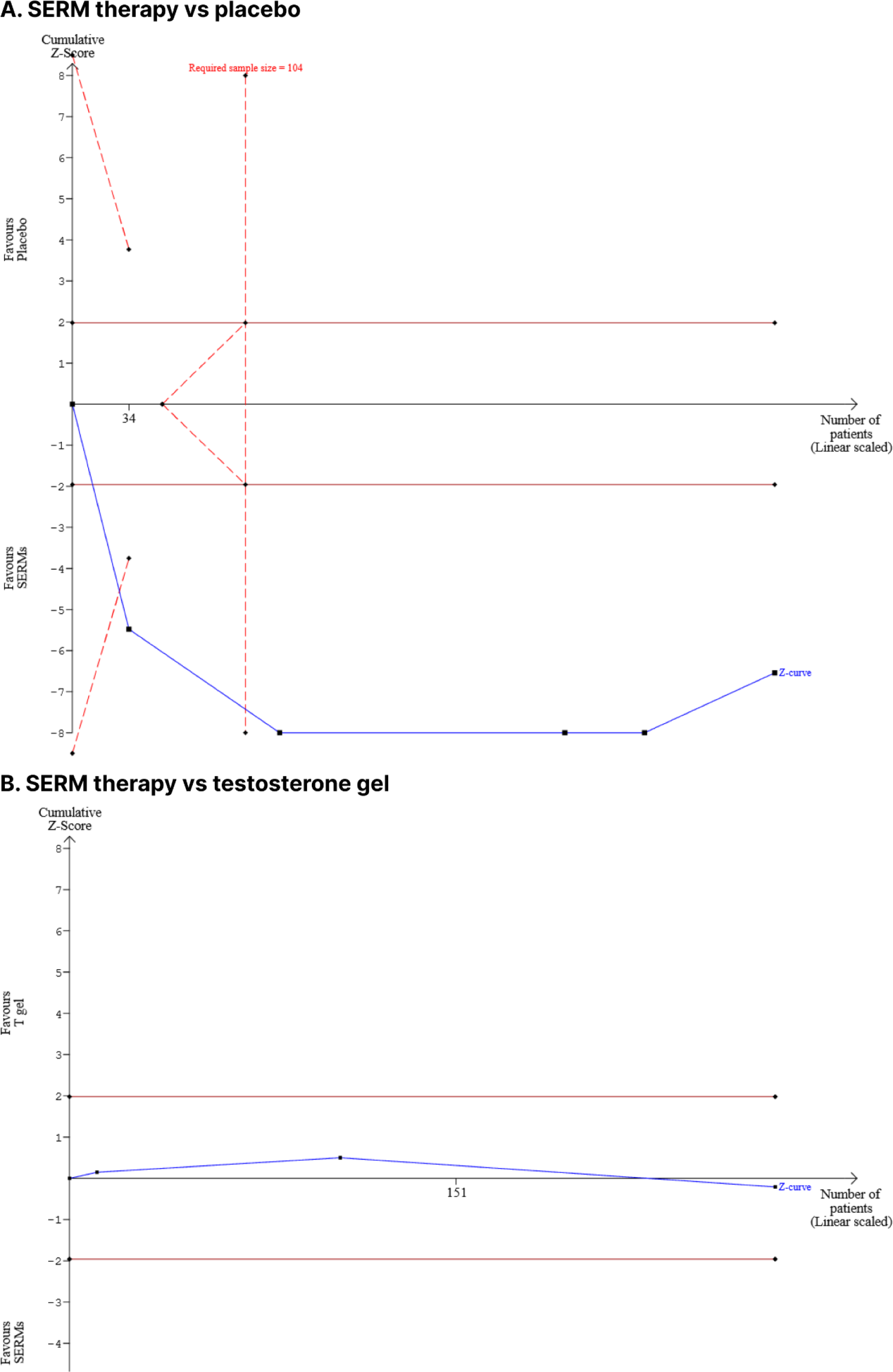
Trial sequential analysis (TSA) was conducted to determine if the cumulative evidence for the TT endpoint was adequately powered to detect a beneficial effect of the intervention with 90% power at the 0.05 significance level. The conventional boundary (with α error of 5%), the trial sequential monitoring boundaries, and the cumulative sequential z-score curve were plotted to compare SERM with placebo, and SERM with T gel groups. The required information sizes were estimated using the DerSimonian-Laird random-effects model (32).
Software
Statistical analyses were performed using the R statistical software v. 4.4.0 (R Foundation for Statistical Computing). The Trial Sequential Analysis software (Copenhagen Trial Unit, Centre for Clinical Intervention Research, Copenhagen) was used for TSA.
RESULTS
Study selection and characteristics
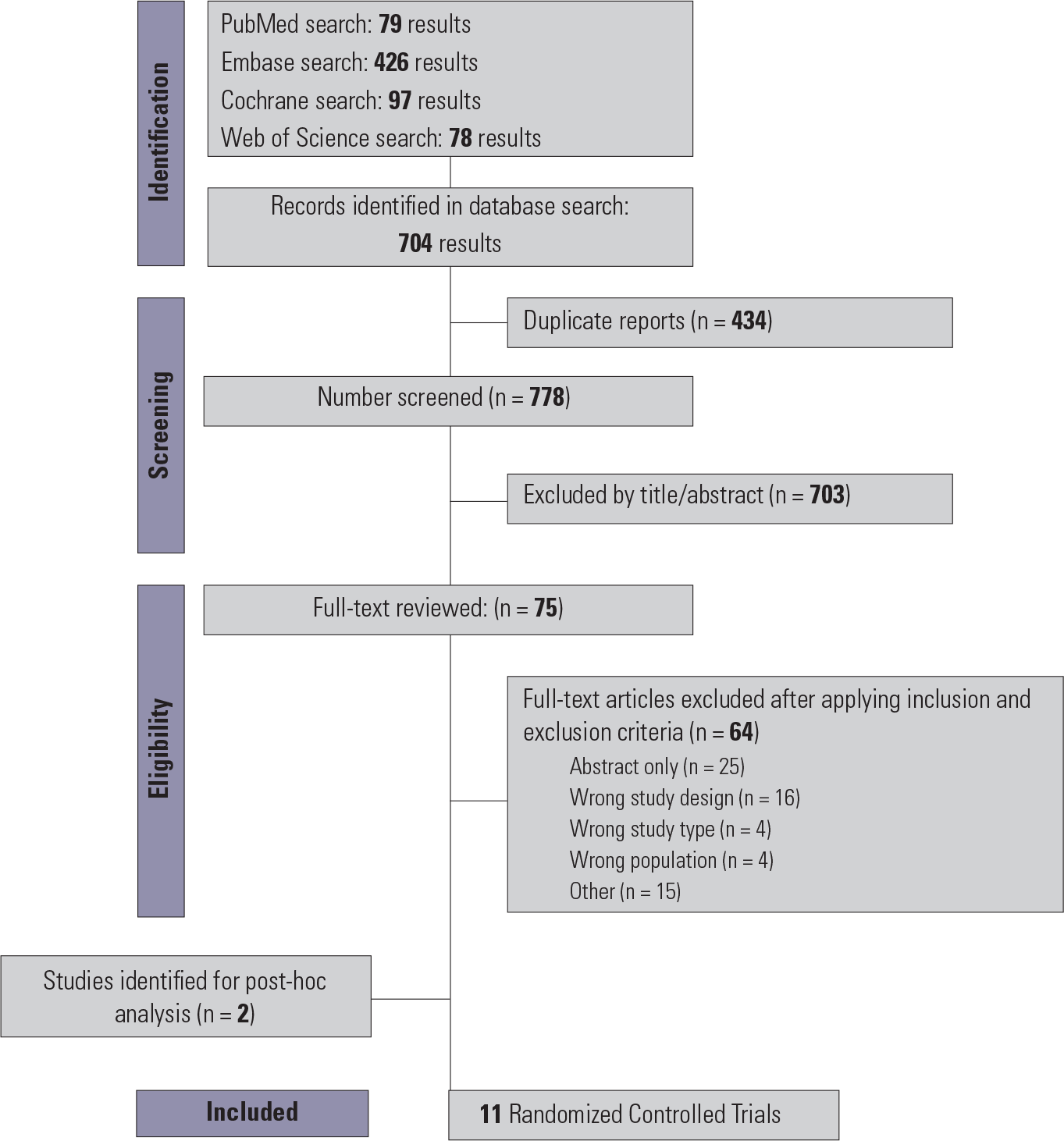
Our search strategy identified 1,212 potential articles (Figure 1). After we removed duplicate records and studies that failed to meet the eligibility criteria based upon their titles and abstracts, 75 articles were thoroughly reviewed against the inclusion and exclusion criteria. Ultimately, 10 studies involving a total of 819 patients were selected for inclusion (11,14-22). Among these, two studies were incorporated into a post-hoc analysis (20,21). A total of 374 patients (45.7%) were assigned to SERM therapy, 133 (16.2%) to T gel, 94 (11.5%) to hCG, 13 (1.6%) to anastrozole, and 205 (25%) to a placebo. The follow-up periods varied, ranging from 2 to 30 weeks. The participants’ mean age spanned from 34 to 60.5 years. Mean baseline TT levels of 67-303 ng/dL, and mean baseline BMI of 30.5-46.4 kg/m2. The characteristics of the included studies are presented in Table 1. Further details on study features and baseline data are provided in Supplementary Tables S2-S3.
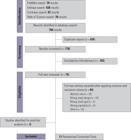
Preferred Reporting Items for Systematic Reviews and Meta-Analyses (PRISMA) flow diagram depicting the study screening and selection process.
Primary endpoints
SERM vs. placebo
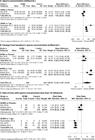
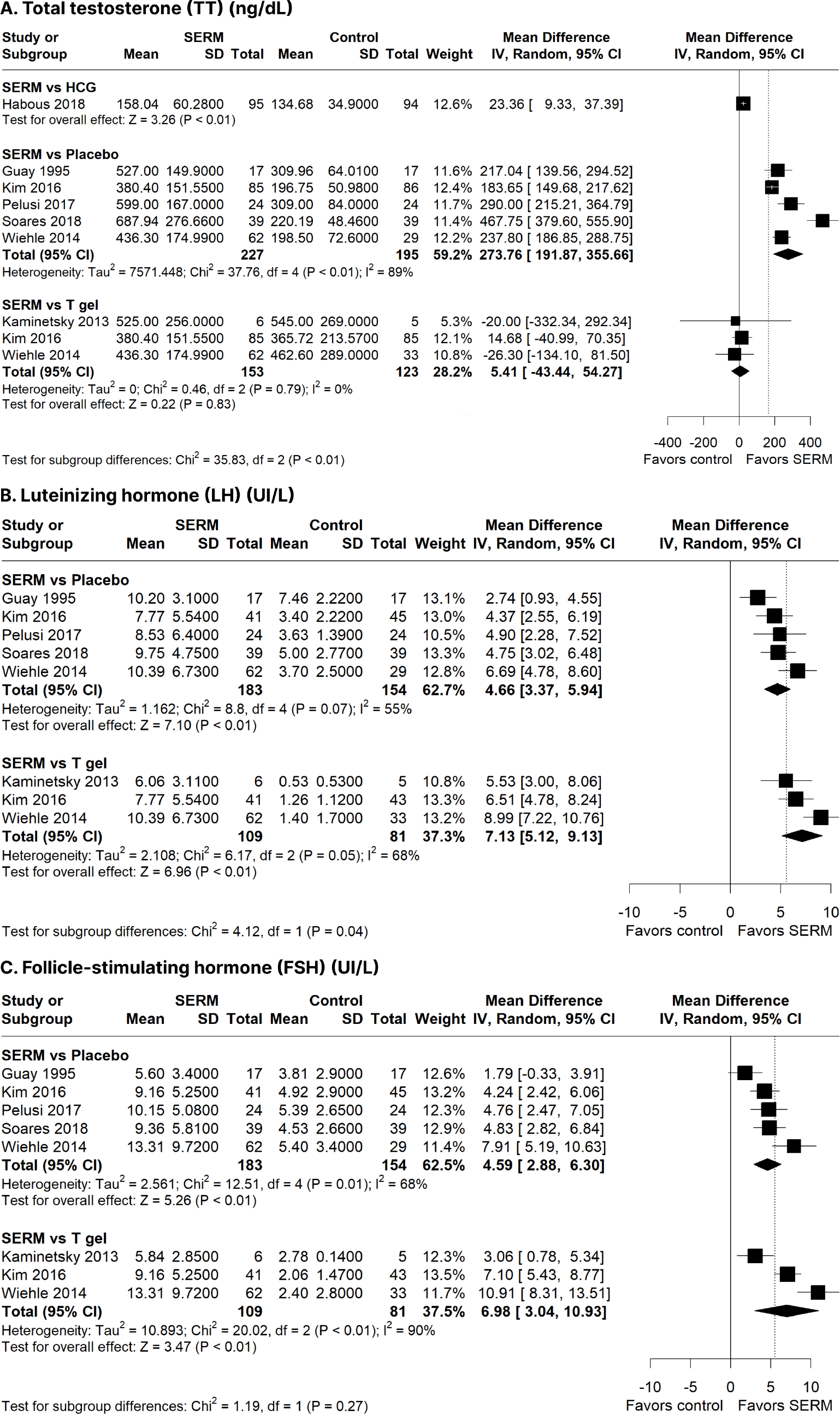
SERM therapy significantly increased TT (MD: 273.76 ng/dL; 95% CI: 191.87-355.66 ng/dL; p < 0.01; I2 = 89%; Figure 2A), LH (MD: 4.66 IU/L; 95% CI: 3.37-5.94 IU/L; p < 0.01; I2 = 55%; Figure 2B), and FSH (MD: 4.59 IU/L; 95% CI: 2.88-6.30 IU/L; p < 0.01; I2 = 68%; Figure 2C) compared to placebo.

Forest plots comparing selective estrogen receptor modulators (SERMs) with placebo and testosterone (T) gel. a) Total testosterone (TT) concentration (ng/dL); b) Luteinizing hormone (LH) concentration (IU/L); c) Follicle-stimulating hormone (FSH) concentration (IU/L).
SERM vs. T gel
There was no significant difference was observed in the TT levels of the SERM and T gel groups (MD: 5.41 ng/dL; 95% CI: -43.44-54.27 ng/dL; p = 0.83; I2 = 0%; Figure 2A). Nonetheless, SERM therapy was associated with significantly increased LH (MD: 7.13 IU/L; 95% CI: 5.12-9.13 IU/L; p < 0.01; I2 = 55%; Figure 2B) and FSH (MD: 6.98 IU/L; 95% CI: 3.04-10.93 IU/L; p < 0.01; I2 = 90%; Figure 2C) levels compared to T gel.
SERM vs. hCG
Habous and cols. (14) reported significant increases in TT with SERM therapy and combined SERM and hCG treatment compared to hCG alone (158 vs. 153 vs. 134 ng/dL, respectively; p < 0.002 for both comparisons). The combined treatment with SERM and hCG showed no significant difference in TT levels compared to SERM therapy alone (p = 0.57).
Secondary endpoints
SERM vs. placebo
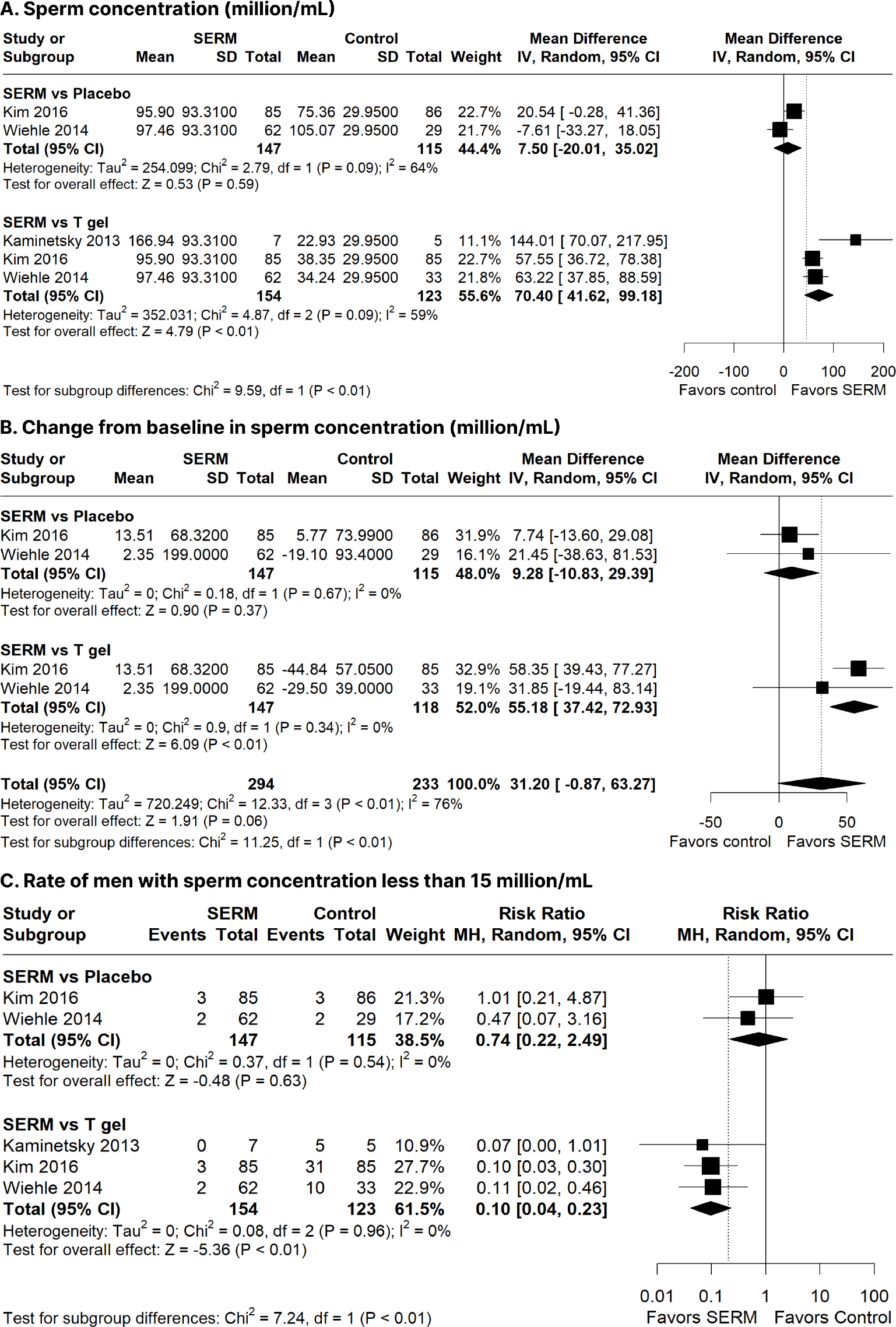
The SERM group was associated with significantly increased FT (SMD: 1.57 ng/dL; 95% CI: 0.44-2.70 ng/dL; p < 0.01; I2 = 89%; Figure 3A), DHT (MD: 7.58 ng/dL; 95% CI: 3.42-11.73 ng/dL; p < 0.01; I2 = 5%; Figure 3B), and estradiol (MD: 33.99 pg/mL; 95% CI: 19.19-48.79 pg/mL; p < 0.01; I2 = 81%; Figure 3C) compared to the placebo. There were no significant differences between SERM and placebo groups regarding sperm concentration (MD: 7.50 million/mL; 95% CI: -20.01-35.02 million/mL; p = 0.59; I2 = 64%; Figure 4A); change from baseline in sperm concentration (MD: 9.28 million/mL; 95% CI: -10.83-29.39 million/mL; p = 0.37; I2 = 0%; Figure 4B); rate of men with sperm concentration < 15 million/mL (RR: 0.74; 95% CI: 0.22-2.49; p = 0 < 0.01; I2 = 0%; Figure 4C); SHBG (MD: 3.63 nmol/L; 95% CI: -0.54-7.81 nmol/L; p = 0.09; I2 = 42%; Figure S1A), FBG (MD: 0.20 mg/dL; 95% CI: -9.19-9.58 mg/dL; p = 0.97; I2 = 0%; Figure S1B); HbA1c (MD: 0.10%; 95% CI: -0.16-0.36%; p = 0.45; I2 = 0%; Figure S1C); insulin (MD: -0.24 µU/mL; 95% CI: -4.76-4.28 µU/mL; p = 0.92; I2 = 0%; Figure S2A); and BMI (MD: 0.67 kg/m2; 95% CI: -1.88-3.22%; p = 0.61; I2 = 0%; Figure S2B).

Forest plots comparing selective estrogen receptor modulators (SERMs) with placebo and testosterone (T) gel. a) Free testosterone (FT) concentration (ng/dL); b) Dihydrotestosterone (DHT) concentration (ng/dL); c) Estradiol concentration (pg/mL).
Forest plots comparing selective estrogen receptor modulators (SERMs) with placebo and testosterone (T) gel. a) Sperm concentration (million/mL); b) Change from baseline in sperm concentration (million/mL); c) Rate of men with sperm concentration less than 15 million/mL.
Guay and cols. (11) reported no improvement in sexual function when comparing SERM to placebo, as assessed by the global sexual function index (1.6 ± 1.9 vs. 1.6 ± 1.7, respectively; p-value not significant) and the sexual function index questionnaires (8.8 ± 2.7 vs. 8.6 ± 1.9, respectively; p-value not significant). Notably, significantly improved rating scores were observed in the sexual function index among younger males compared to older men (10.0 ± 0.6 vs. 7.5 ± 3.6; p < 0.032) and in the global sexual function index for patients with diabetes or hypertension compared to those without these comorbidities (0.86 ± 1.07 vs. 2.8 ± 2.4, respectively; p < 0.018).
In the study conducted by Pelusi and cols. (18), the SERM group demonstrated a significantly higher IIEF-15 score in the sexual desire domain and a significantly lower ADAM score compared to placebo, as adjusted for pre-treatment variables. No other differences were noted.
Soares and cols. (19) found significantly decreased ADAM scores with both clomiphene and placebo. However, no group differences were observed. Similar rates of adverse events occurred in clomiphene and placebo groups, with two (5.13%) treatment discontinuations due to adverse events occurring in the placebo group, and none in the clomiphene group. Additionally, PSA values were significantly increased from baseline in the clomiphene group, though they remained within the normal range (0.62 ± 0.41 to 0.76 ± 0.48 ng/mL; p = 0.023). No significant differences were observed regarding International Prostate Symptom Score (p = 0.312) and hematocrit (p = 0.409).
SERM vs. T gel
SERM therapy yielded significantly improved levels of estradiol (MD: 18.35 pg/mL; 95% CI: 6.66-30.04 pg/mL; p < 0.01; I2 = 43%; Figure 3C), sperm concentration (MD: 70.40 million/mL; 95% CI: 41.62-99.18 million/mL; p = < 0.01; I2 = 59%; Figure 4A), change from baseline in sperm concentration (MD: 55.18 million/mL; 95% CI: 37.42-72.93 million/mL; p = < 0.01; I2 = 0%; Figure 4B), and rate of men with sperm concentration <15 million/mL (RR: 0.10; 95% CI: 0.04-0.23; p = 0 < 0.01; I2 = 0%; Figure 4C) compared with T gel. There was no significant difference between SERM and T gel regarding SHBG (MD: 3.02 nmol/L; 95% CI: -0.95-7.00 nmol/L; p = 0.14; I2 = 0%; Figure S1A).
Wiehle and cols. (22) found significantly lower DHT values with SERM therapy compared with T gel (enclomiphene 12.5 mg: 20.4 ± 9.1; enclomiphene 25 mg: 23.2 ± 20.2; T gel: 51.6 ± 37.7; p < 0.05 for both doses). Kim and cols. (16) reported a 21% rate (53 men) of adverse events possibly, probably, or definitely related to the study drugs; none of these were severe. No significant difference in the frequency of adverse events was observed among the SERM, T gel, and placebo groups. One patient (1.17%) in both the T gel and SERM groups discontinued the study due to high hematocrit/hemoglobin levels. Additionally, one man in the SERM group discontinued treatment because of elevated PSA values.
SERM vs. hCG
Habous and cols. (14) found significantly increased scores on the quantitative ADAM questionnaire after treatment with either clomiphene, hCG, or a combination of clomiphene and hCG (12.73 vs. 11.82 vs. 15.13, respectively). Intergroup analysis showed that scores in the combination arm were significantly improved over the other two groups (p < 0.01). No significant differences among groups were observed regarding BMI (30.4 vs. 29.7 vs. 31 kg/m2, respectively; p = 3.033).
Post-hoc analysis
Table 2 summarizes the safety data and adverse events reported by each study. Helo and cols. (20) reported comparable scores on the ADAM questionnaire between the SERM and anastrozole groups (40.0 ± 1.3 vs. 38.0 ± 1.3; p = 0.634). There was one episode of pulmonary embolism with anastrozole treatment, while no serious adverse events occurred with SERM in their study. One patient (7.69%) each in the anastrozole and SERM groups discontinued treatment.
In the study by Wiehle and cols. (21), adverse events were similar among the SERM, T gel, and placebo groups. In the SERM group, adverse events included one incident (3.13%) of mildly elevated blood estradiol, one mild sinus headache (3.13%), and one moderate headache (3.13%), while there was one mild headache (10%) with the placebo. No individuals discontinued treatment due to adverse events, and there were no serious adverse events related to treatment.
Sensitivity analyses
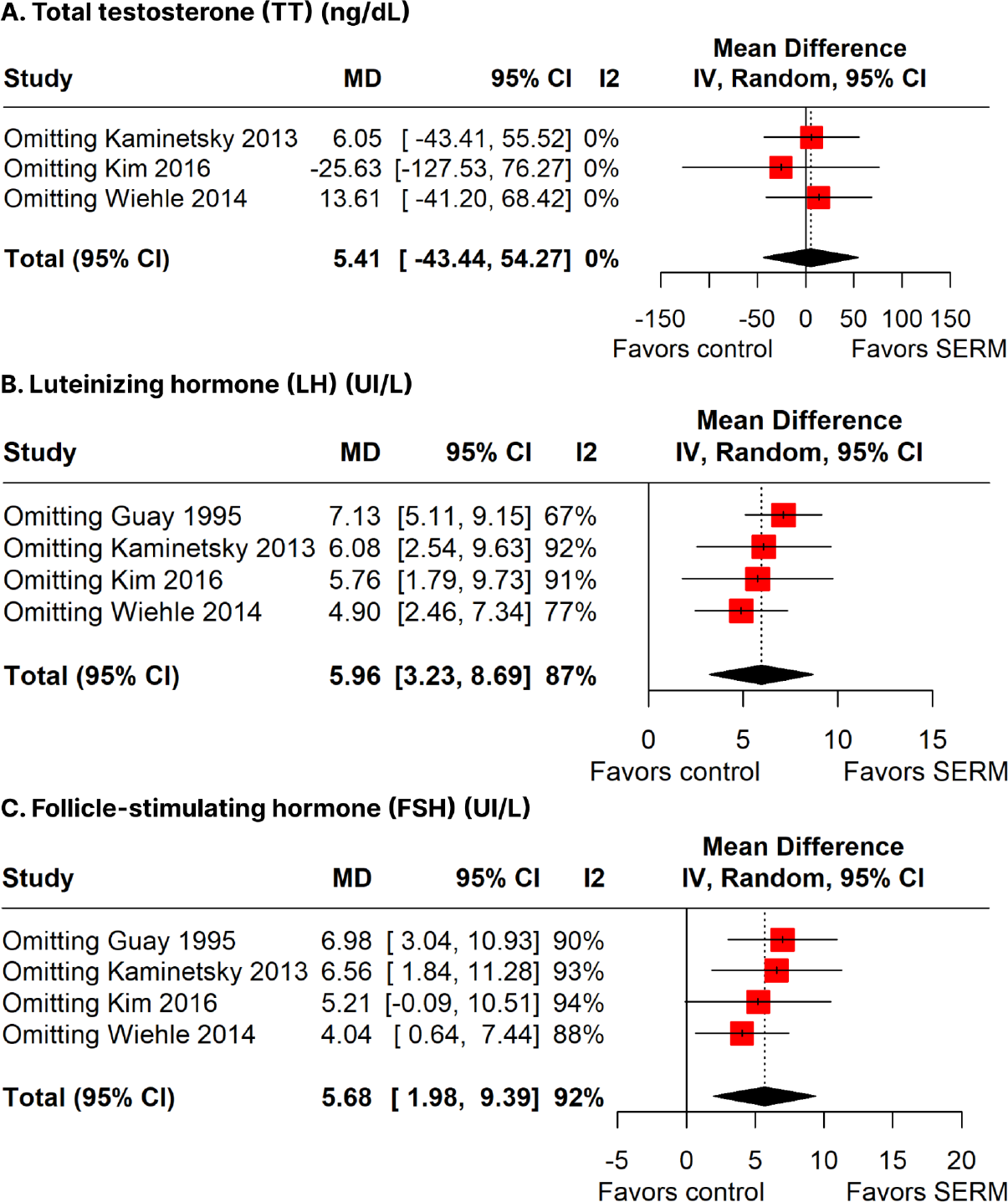
No changes in p-values were observed for the overall effects of SERM vs. placebo in leave-one-out sensitivity analyses for the primary endpoints. However, a change from significant to non-significant for SERM therapy vs. T gel was observed upon the removal of the study by Kim and cols. (16) (MD: 5.21 UI/L; 95% CI: -0.09-10.51 UI/L) from the FSH endpoint. Leave one-out-sensitivity analyses are depicted in Supplementary Figures S3-S6.
Meta-regression
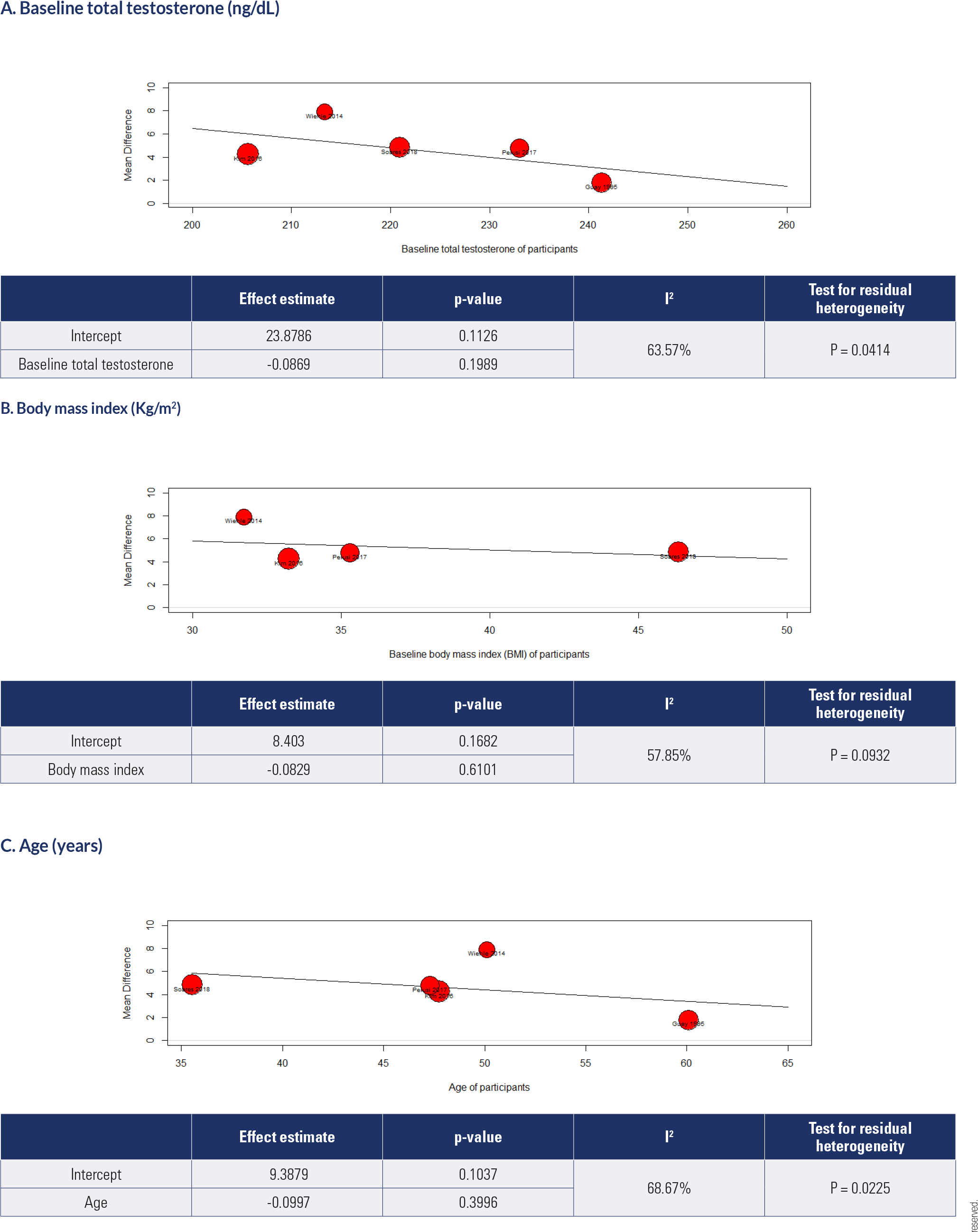
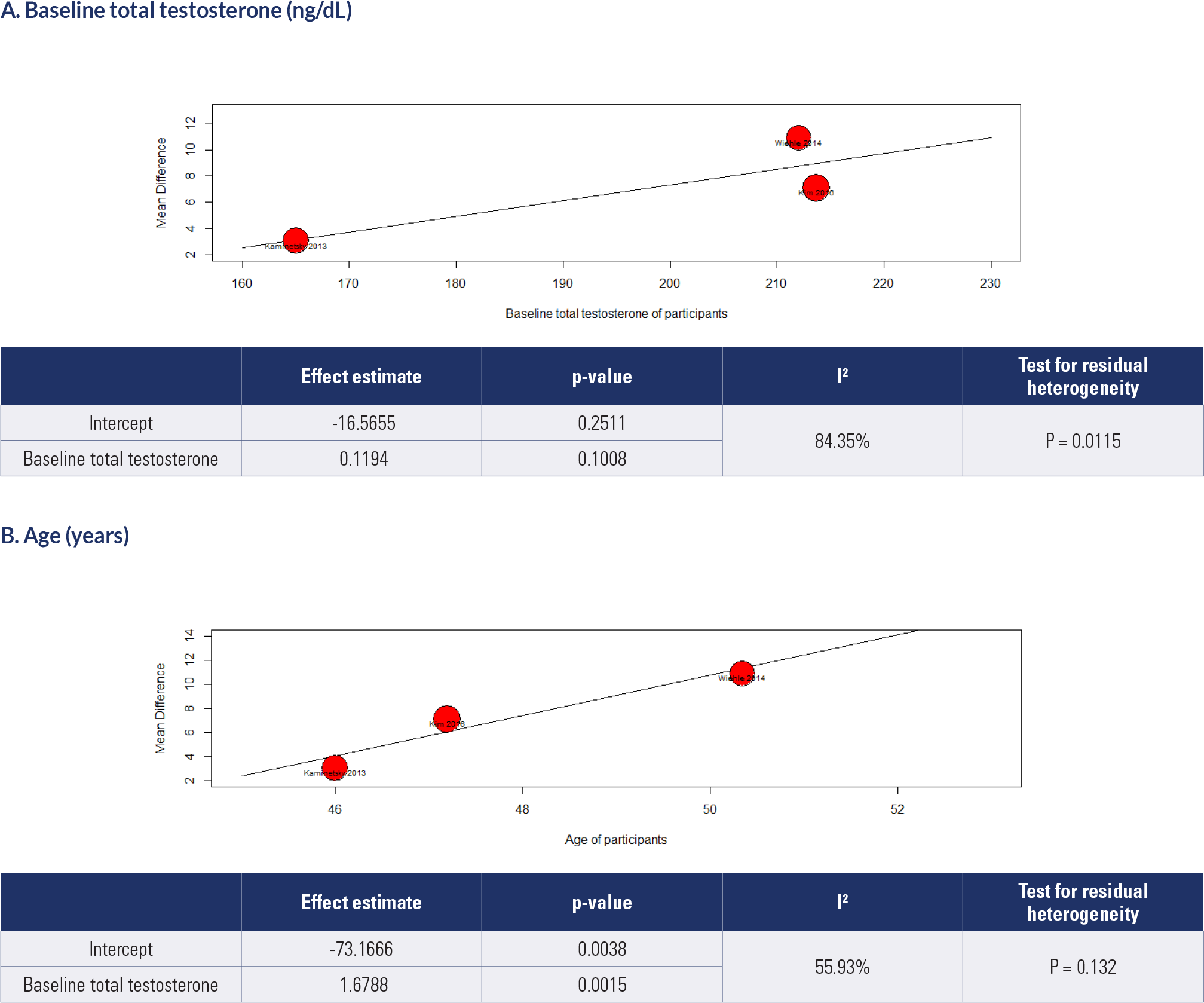
The benefit of SERM therapy compared to placebo on TT was diminished by advanced age (p = 0.0431) and BMI (p = 0.0008). There were no significant interactions between baseline TT, age, or BMI on LH and FSH endpoints. The benefit of SERM therapy compared to T gel on LH and FSH was enhanced by advanced age (p = 0.0133 and p = 0.0015, respectively). However, meta-regression showed no significant interactions between baseline TT or advanced age on the TT endpoint. Additionally, no significant interactions were noted between baseline TT and both LH and FSH endpoints. Meta-regression results are presented in Supplementary Figures S7-S12.
Risk of bias assessment
The risk of individual within-study bias is depicted in the RoB 2 traffic-light diagram (Figure 5). Seven studies were classified as having a low risk of bias (11,16-19,21,22). Meanwhile, one study was classified with some concerns regarding bias due to issues in the selection of the reported result (20), and two studies were found to have a high risk of bias due to flaws in the randomization process (14,15).

GRADE certainty levels
The endpoints of TT, LH, and FSH were classified as moderate-quality evidence for SERM vs. placebo due to wide confidence intervals of the pooled effect estimates and moderate to high heterogeneity. Similarly, TT was classified as moderate-quality evidence for SERM vs. T gel, owing to the high risk of bias identified in one study (15). The endpoints of LH and FSH for SERM vs. T gel were categorized as moderate and low-quality evidence, respectively, because of the high risk of bias of one study (15), coupled with moderate to high heterogeneity and wide confidence intervals of the pooled effect estimates. The TT was categorized as low-quality evidence for SERM vs. hCG, due to the high risk of bias inherent in the only RCT that reported this endpoint (14). A GRADE summary of findings table is provided in Supplementary Table S4.
Trial sequential analyses
Trial sequential analysis showed that enough evidence exists for the benefit of SERM therapy over placebo regarding improvement in TT, LH, and FSH. Also, TSA demonstrated that enough evidence is available for the benefit of SERM therapy over T gel to improve LH and FSH, whereas TT remained comparable between groups. The trial sequential graphs are detailed in Supplementary Figures S13-S15.
DISCUSSION
In this comprehensive systematic review and meta-analysis of 10 RCTs, we compared SERM therapy with placebo, T gel, and hCG for the treatment of men with hypogonadism. Our findings indicated that the use of clomiphene citrate or enclomiphene is associated with a significant increase in TT levels by 273.76 ng/dL compared to placebo, alongside a non-significant difference when compared to the standard topical treatment with T gel. Additionally, SERM treatment significantly improved LH and FSH levels compared to both placebo and T gel, without substantial adverse events.
The effects of SERM therapy were observed in sperm parameters when compared to both placebo and T gel. Current treatment guidelines for male hypogonadism do not recommend the use of testosterone in men who are planning to maintain fertility due to its adverse effects on semen parameters (33). SERM therapy did not differ from placebo in terms of altering sperm concentration. However, it resulted in a greater increase from baseline compared to T gel. This positive effect on semen parameters has been documented in other systematic reviews and meta-analyses (34,35). It is based on blocking the negative feedback of E2 in the hypothalamus, leading to increased LH and testosterone production, thereby restoring hormone levels and promoting or preserving spermatogenesis.
While there is ongoing debate about the estrogen receptor-modulating effects of SERMs on plasma estrogen levels and potential adverse outcomes (36), our analysis found that, compared to placebo and to a lesser extent TRT, SERM therapy led to an increase in plasma estrogen levels. This increase, nonetheless, did not adversely affect sexual function, with no studies reporting a decrease in sexual desire or penile erections. Furthermore, higher estrogen levels have a theoretical potential to positively impact bone mass since many patients with low testosterone levels may also experience reduced bone mineral density due to the effects of sexual steroids (37).
The application of SERMs is particularly relevant in men with type 2 diabetes mellitus, metabolic syndrome, or obesity, offering a treatment option for hypogonadism that preserves fertility while assessing the associated risks and benefits (19,38). This approach has garnered support in light of emerging concepts around functional hypogonadism and its reversible nature (39). The negative effect of exogenous testosterone therapy on testicular function and its direct impact on reduced fertility has led to the treatment of young men with functional hypogonadism using SERMs (40).
Although SERM therapy effectively treats functional hypogonadism, its neutral effects on glucose, insulin, glycated hemoglobin, and BMI underscore the inadvisability of using testosterone-increasing therapies as a treatment for dysglycemia or obesity (8).
Furthermore, individuals with obesity and male obesity secondary hypogonadism exhibit low-grade systemic inflammation, a condition exacerbated by the other’s progression (41). Addressing low testosterone levels can positively influence adherence to healthy lifestyle changes, weight reduction efforts, and overall metabolic health (42).
Beyond these conditions, the potential therapeutic applications of SERMs are expanding. For instance, in cases of functional hypogonadism associated with Relative Energy Deficiency in Sport, which often leads to diminished sex hormone levels (43). Another notable indication for SERMs is secondary hypogonadism resulting from anabolic steroid use (44). In these cases, SERMs offer considerable promise in restoring physiological testosterone. Importantly, their administration is not linked to testosterone spikes or anabolic effects, thereby contributing to health improvements (16). Furthermore SERMs may also reduce steroid dependence by reversing suppression of the pituitary-gonadal axis and restoring fertility, either alone or in combination with other treatments, such as hCG and aromatase inhibitors (14).
The temporary use of SERMs may be warranted until the underlying cause of functional hypogonadism is resolved. This is an important difference from treatment with exogenous testosterone replacement therapy performed in patients with organic hypogonadism, which requires ongoing and effective and prolonged treatment to maintain circulating TT levels within a targeted range (45). A retrospective review examining the use of clomiphene citrate in hypogonadal patients for up to seven years found that over 80% of men maintained TT levels above 450 ng/dL, with 78% reporting subjective improvements in hypogonadism-related symptoms and only 9% experiencing side effects, none of which were significant (46).
Trial sequential analyses provide strong evidence of benefit for an intervention when the z-curve crosses the trial sequential monitoring boundary and reaches the required sample size (32). The significant benefits of SERM therapy over placebo for TT, in meta-analyses of TT, LH, and FSH levels were verified at the 90% confidence level through TSA. Similarly, TSA confirmed the advantages of SERM therapy over T gel for LH and FSH levels, though not for TT levels, which remained inconclusive. In choosing a therapy, the possibility of oral therapy, cost, accessibility, and the low probability of changes in hematocrit and PSA levels must be considered. Further RCTs are expected to provide further insight into the efficacy and safety of SERM compared to standard TRTs, whether transdermal or intramuscular.
This study must be interpreted in light of its limitations. First, the cross-over design of two trials introduced a potential unit-of-analysis error into this meta-analysis. This type of error results in a wider CI, reduces the risk of a Type I error, and provides a more conservative estimate of the treatment effect (47).
Second, certain endpoints exhibited high between-study heterogeneity, such as TT. Nevertheless, we conducted leave-one-out sensitivity analyses and observed consistent results. Moreover, meta-regression demonstrated a significant interaction between the analyzed covariates (age, baseline TT, and BMI) and the effect estimates, which accounts for certain aspects of the observed heterogeneity. Finally, although this study represents the largest pooled analysis of patients treated with clomiphene or enclomiphene, it remains underpowered with regard to safety endpoints.
In conclusion, this systematic review and meta-analysis found that SERM therapy significantly improved TT, LH, and FSH levels in men with hypogonadism compared to placebo, and notably increased LH and FSH levels compared with T gel. These findings suggest that SERM therapy effectively raises TT levels in men with functional hypogonadism and should be considered a viable alternative to T gel therapy.
I - Search strategy
II - Study features
III - GRADE assessment
Table S4 GRADE summary of findings table for primary endpoints. A. Selective estrogen-receptor modulator (SERM) therapy vs placebo; B. SERM therapy vs testosterone gel; C. SERM therapy vs hCG
A. SERM therapy vs placeboCI: confidence interval; MD: mean difference
Explanationsa. High heterogeneity
b. Wide confidence interval
c. Moderate heterogeneity
d. One study with a high risk of bias
e. Study with a high risk of bias
IV - Forest plots

Forest plots with subgroups analysis of the comparisons between SERM therapy with placebo and testosterone gel in men with hypogonadism for A. Sex hormone-binding globulin; B. Fasting blood glucose; C. Glycated hemoglobin.

V - Sensitivity analysis

Leave-one-out sensitivity analyses for SERM therapy vs placebo regarding endpoints of A. Total testosterone; B. Luteinizing hormone; C. Follicle-stimulating hormone.

Leave-one-out sensitivity analyses for SERM therapy vs placebo regarding endpoints of A. Free testosterone; B. Estradiol; C. Sex hormone-binding globulin.

Leave-one-out sensitivity analyses for SERM therapy vs testosterone gel regarding endpoints of A. Total testosterone; B. Luteinizing hormone; C. Follicle-stimulating hormone.

VI - Meta-regression

Meta-regression for SERM vs placebo assessing the impact of patients’ A. Baseline total testosterone; B. Body mass index; and C. Age on the total testosterone endpoint.

Meta-regression for SERM therapy vs placebo assessing the impact of patients’ A. Baseline total testosterone; B. Body mass index; and C. Age on the luteinizing hormone endpoint.

Meta-regression for SERM therapy vs placebo assessing the impact of patients’ A. Baseline total testosterone; B. Body mass index; and C. Age on the follicle-stimulating hormone endpoint.
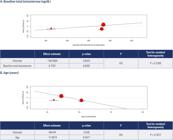
Meta-regression for SERM therapy vs testosterone gel assessing the impact of patients’ A. Baseline total testosterone and B. Age on the total testosterone endpoint.
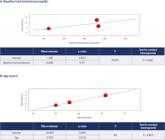
Meta-regression for SERM therapy vs testosterone gel assessing the impact of patients’ A. Baseline total testosterone and B. Age on the luteinizing hormone endpoint.

VII - Trial sequential analysis

Trial sequential analysis for the total testosterone endpoint. A. SERM therapy vs placebo; B. SERM therapy vs testosterone gel.

Trial sequential analysis for the luteinizing hormone endpoint. A. SERM therapy vs placebo; B. SERM therapy vs testosterone gel.

Data availability:
datasets related to this article will be available upon request to the corresponding author.
REFERENCES
-
1 Araujo AB, Esche GR, Kupelian V, O’Donnell AB, Travison TG, Williams RE, et al. Prevalence of symptomatic androgen deficiency in men. J Clin Endocrinol Metab. 2007;92(11):4241-7. doi: 10.1210/jc.2007-1245.
» https://doi.org/10.1210/jc.2007-1245. -
2 Zarotsky V, Huang MY, Carman W, Morgentaler A, Singhal PK, Coffin D, et al. Systematic literature review of the risk factors, comorbidities, and consequences of hypogonadism in men. Andrology. 2014;2(6):819-34. doi: 10.1111/andr.274.
» https://doi.org/10.1111/andr.274. -
3 Harman SM, Metter EJ, Tobin JD, Pearson J, Blackman MR; Baltimore Longitudinal Study of Aging. Longitudinal effects of aging on serum total and free testosterone levels in healthy men. Baltimore Longitudinal Study of Aging. J Clin Endocrinol Metab. 2001;86(2):724-31. doi: 10.1210/jcem.86.2.7219.
» https://doi.org/10.1210/jcem.86.2.7219. -
4 Wu FCW, Tajar A, Beynon JM, Pye SR, Silman AJ, Finn JD, et al.; EMAS Group. Identification of late-onset hypogonadism in middle-aged and elderly men. N Engl J Med. 2010;363(2):123-35. doi: 10.1056/NEJMoa0911101.
» https://doi.org/10.1056/NEJMoa0911101. -
5 Hall SA, Esche GR, Araujo AB, Travison TG, Clark RV, Williams RE, et al. Correlates of low testosterone and symptomatic androgen deficiency in a population-based sample. J Clin Endocrinol Metab. 2008;93(10):3870-7. doi: 10.1210/jc.2008-0021.
» https://doi.org/10.1210/jc.2008-0021. -
6 Al-Sharefi A, Quinton R. Current National and International Guidelines for the Management of Male Hypogonadism: Helping Clinicians to Navigate Variation in Diagnostic Criteria and Treatment Recommendations. Endocrinol Metab (Seoul). 2020;35(3):526-40. doi: 10.3803/EnM.2020.760.
» https://doi.org/10.3803/EnM.2020.760. -
7 Khera M, Adaikan G, Buvat J, Carrier S, El-Meliegy A, Hatzimouratidis K, et al. Diagnosis and Treatment of Testosterone Deficiency: Recommendations from the Fourth International Consultation for Sexual Medicine (ICSM 2015). J Sex Med. 2016;13(12):1787-04. doi: 10.1016/j.jsxm.2016.10.009.
» https://doi.org/10.1016/j.jsxm.2016.10.009. -
8 Bhasin S, Brito JP, Cunningham GR, Hayes FJ, Hodis HN, Matsumoto AM, et al. Testosterone Therapy in Men with Hypogonadism: An Endocrine Society Clinical Practice Guideline. J Clin Endocrinol Metab. 2018;103(5):1715-44. doi: 10.1210/jc.2018-00229.
» https://doi.org/10.1210/jc.2018-00229. -
9 Wheeler KM, Sharma D, Kavoussi PK, Smith RP, Costabile R. Clomiphene Citrate for the Treatment of Hypogonadism. Sex Med Rev. 2019;7(2):272-6. doi: 10.1016/j.sxmr.2018.10.001.
» https://doi.org/10.1016/j.sxmr.2018.10.001. -
10 Surampudi P, Swerdloff RS, Wang C. An update on male hypogonadism therapy. Expert Opin Pharmacother. 2014;15(9):1247-64. doi: 10.1517/14656566.2014.913022.
» https://doi.org/10.1517/14656566.2014.913022. -
11 Guay AT, Bansal S, Heatley GJ. Effect of raising endogenous testosterone levels in impotent men with secondary hypogonadism: double blind placebo-controlled trial with clomiphene citrate. J Clin Endocrinol Metab. 1995;80(12):3546-52. doi: 10.1210/jcem.80.12.8530597.
» https://doi.org/10.1210/jcem.80.12.8530597. -
12 Corona G, Goulis DG, Huhtaniemi I, Zitzmann M, Toppari J, Forti G, et al. European Academy of Andrology (EAA) guidelines on investigation, treatment and monitoring of functional hypogonadism in males: Endorsing organization: European Society of Endocrinology. Andrology. 2020;8(5):970-87. doi: 10.1111/andr.12770.
» https://doi.org/10.1111/andr.12770. -
13 Bhasin S, Brito JP, Cunningham GR, Hayes FJ, Hodis HN, Matsumoto AM, et al. Testosterone Therapy in Men with Hypogonadism: An Endocrine Society Clinical Practice Guideline. J Clin Endocrinol Metab. 2018;103(5):1715-44. doi: 10.1210/jc.2018-00229.
» https://doi.org/10.1210/jc.2018-00229. -
14 Habous M, Giona S, Tealab A, Aziz M, Williamson B, Nassar M, et al. Clomiphene citrate and human chorionic gonadotropin are both effective in restoring testosterone in hypogonadism: a short-course randomized study. BJU Int. 2018;122(5):889-97. doi: 10.1111/bju.14401.
» https://doi.org/10.1111/bju.14401. -
15 Kaminetsky J, Werner M, Fontenot G, Wiehle RD. Oral enclomiphene citrate stimulates the endogenous production of testosterone and sperm counts in men with low testosterone: comparison with testosterone gel. J Sex Med. 2013;10(6):1628-35. doi: 10.1111/jsm.12116.
» https://doi.org/10.1111/jsm.12116. -
16 Kim ED, McCullough A, Kaminetsky J. Oral enclomiphene citrate raises testosterone and preserves sperm counts in obese hypogonadal men, unlike topical testosterone: restoration instead of replacement. BJU Int. 2016;117(4):677-85. doi: 10.1111/bju.13337.
» https://doi.org/10.1111/bju.13337. -
17 Pelusi C, Giagulli V, Baccini M, Fanelli F, Mezzullo M, Fazzini A, et al. Clomiphene citrate effect in obese men with low serum testosterone treated with metformin due to dysmetabolic disorders: A randomized, double-blind, placebo-controlled study. PLoS One. 2017;12(9):e0183369. doi: 10.1371/journal.pone.0183369.
» https://doi.org/10.1371/journal.pone.0183369. -
18 Pelusi C, Bartolomeo N, Lisco G, Baccini M, Fanelli F, De Pergola G, et al. Overall Sexual Function in Dysmetabolic Obese Men with Low Testosterone Levels Treated with Clomiphene Citrate. Endocr Metab Immune Disord Drug Targets. 2022;22(8):874-80. doi: 10.2174/1871530322666220304110958.
» https://doi.org/10.2174/1871530322666220304110958. -
19 Soares AH, Horie NC, Chiang LAP, Caramelli B, Matheus MG, Campos AH, et al. Effects of clomiphene citrate on male obesity-associated hypogonadism: a randomized, double-blind, placebo-controlled study. Int J Obes (Lond). 2018;42(5):953-63. doi: 10.1038/s41366-018-0105-2.
» https://doi.org/10.1038/s41366-018-0105-2. -
20 Helo S, Ellen J, Mechlin C, Feustel P, Grossman M, Ditkoff E, et al. A Randomized Prospective Double-Blind Comparison Trial of Clomiphene Citrate and Anastrozole in Raising Testosterone in Hypogonadal Infertile Men. J Sex Med. 2015;12(8):1761-9. doi: 10.1111/jsm.12944.
» https://doi.org/10.1111/jsm.12944. -
21 Wiehle RD, Fontenot GK, Willett MS, Garcia WD, Podolski JS. Enclomiphene citrate stimulates serum testosterone in men with low testosterone within 14 days. J. Mens Health. 2014;11(4):1-10. doi: 10.1089/jomh.2014.0006.
» https://doi.org/10.1089/jomh.2014.0006. -
22 Wiehle RD, Fontenot GK, Wike J, Hsu K, Nydell J, Lipshultz L. Enclomiphene citrate stimulates testosterone production while preventing oligospermia: a randomized phase II clinical trial comparing topical testosterone. Fertil Steril. 2014;102(3):720-7. doi: 10.1016/j.fertnstert.2014.06.004.
» https://doi.org/10.1016/j.fertnstert.2014.06.004. -
23 Page MJ, McKenzie JE, Bossuyt PM, Boutron I, Hoffmann TC, Mulrow CD, et al. The PRISMA 2020 statement: an updated guideline for reporting systematic reviews. BMJ. 2021;372:n71. doi: 10.1136/bmj.n71.
» https://doi.org/10.1136/bmj.n71. -
24 Li T, Higgins JP, Deeks JJ. Chapter 5: Collecting data. In: Cochrane Handbook for Systematic Reviews of Interventions. Version 6.4. Cochrane; 2023. Available at: https://training.cochrane.org/handbook/current/chapter-5 Accessed August 3, 2024.
» https://training.cochrane.org/handbook/current/chapter-5 -
25 Higgins JP, Thomas J, Chandler J, Cumpston M, Li T, Page M, et al. Cochrane Handbook for Systematic Reviews of Interventions. version 6.4. Cochrane; 2023. Available at: www.training.cochrane.org/handbook Accessed August 3, 2024.
» www.training.cochrane.org/handbook -
26 Sterne JAC, Savović J, Page MJ, Elbers RG, Blencowe NS, Boutron I, et al. RoB 2: a revised tool for assessing risk of bias in randomised trials. BMJ. 2019;366:l4898. doi: 10.1136/bmj.l4898.
» https://doi.org/10.1136/bmj.l4898. -
27 Page M, Higgins J, Sterne J. Chapter 13: Assessing risk of bias due to missing results in a synthesis. In: Cochrane Handbook for Systematic Reviews of Interventions. Version 6.4. Cochrane; 2023. Available at: https://training.cochrane.org/handbook/current/chapter-13 Accessed June 11, 2024.
» https://training.cochrane.org/handbook/current/chapter-13 -
28 Mustafa RA, Wiercioch W, Santesso N, Cheung A, Prediger B, Baldeh T, et al. Decision-Making about Healthcare Related Tests and Diagnostic Strategies: User Testing of GRADE Evidence Tables. PloS One. 2015;10(10):e0134553. doi: 10.1371/journal.pone.0134553.
» https://doi.org/10.1371/journal.pone.0134553. -
29 Mercuri M, Gafni A. The evolution of GRADE (part 3): A framework built on science or faith? J Eval Clin Pract. 2018;24(5):1223-31. doi: 10.1111/jep.13016.
» https://doi.org/10.1111/jep.13016. -
30 DerSimonian R, Laird N. Meta-analysis in clinical trials. Control Clin Trials. 1986;7(3):177-88. doi: 10.1016/0197-2456(86)90046-2.
» https://doi.org/10.1016/0197-2456(86)90046-2. -
31 Higgins JPT, Thompson SG, Deeks JJ, Altman DG. Measuring inconsistency in meta-analyses. BMJ. 2003;327(7414):557-60. BMJ. doi: 10.1136/bmj.327.7414.557.
» https://doi.org/10.1136/bmj.327.7414.557. -
32 Thorlund K, Engstrøm J, Wetterslev J, Imberger G, Gluud C. User Manual for Trial Sequential Analysis (TSA). 2011. Available at: https://ctu.dk/wp-content/uploads/2021/03/2017-10-10-TSA-Manual-ENG_ER.pdf
» https://ctu.dk/wp-content/uploads/2021/03/2017-10-10-TSA-Manual-ENG_ER.pdf -
33 Patel AS, Leong JY, Ramos L, Ramasamy R. Testosterone Is a Contraceptive and Should Not Be Used in Men Who Desire Fertility. World J Mens Health. 2019;37(1):45-54. doi: 10.5534/wjmh.180036.
» https://doi.org/10.5534/wjmh.180036. -
34 de Silva NL, Dissanayake H, Suarez C, Wickramarachchi RE, Ramasamy R, Dhillo WS, et al. Effect of oestrogen modulation on semen parameters in men with secondary hypogonadism: Systematic review and meta-analysis. Andrology. 2024;12(2):259-76. doi: 10.1111/andr.13480.
» https://doi.org/10.1111/andr.13480. -
35 Del Giudice F, Busetto GM, De Berardinis E, Sperduti I, Ferro M, Maggi M, et al. A systematic review and meta-analysis of clinical trials implementing aromatase inhibitors to treat male infertility. Asian J Androl. 2020;22(4):360-7. doi: 10.4103/aja.aja_101_19.
» https://doi.org/10.4103/aja.aja_101_19. - 36 Dutertre M, Smith CL. Molecular mechanisms of selective estrogen receptor modulator (SERM) action. J Pharmacol Exp Ther. 2000;295(2):431-7.
-
37 Rochira V, Antonio L, Vanderschueren D. EAA clinical guideline on management of bone health in the andrological outpatient clinic. Andrology. 2018;6(2):272-85. doi: 10.1111/andr.12470.
» https://doi.org/10.1111/andr.12470. -
38 Tienforti D, Castellini C, Di Giulio F, Totaro M, Dalmazio G, Spagnolo L, et al. Selective modulation of estrogen receptor in obese men with androgen deficiency: A systematic review and meta-analysis. Andrology. 2023;11(6):1067-76. doi: 10.1111/andr.13373.
» https://doi.org/10.1111/andr.13373. -
39 Hipogonadismo Masculino na Síndrome Metabólica e DM2. Dir. Soc. Bras. Diabetes - Ed 2024 2023. Available at: https://diretriz.diabetes.org.br/hipogonadismo-masculino-na-sindrome-metabolica-e-dm2/ Accessed August 4, 2024.
» https://diretriz.diabetes.org.br/hipogonadismo-masculino-na-sindrome-metabolica-e-dm2/ -
40 Scovell JM, Khera M. Testosterone Replacement Therapy Versus Clomiphene Citrate in the Young Hypogonadal Male. Eur Urol Focus. 2018;4(3):321-3. doi: 10.1016/j.euf.2018.07.033.
» https://doi.org/10.1016/j.euf.2018.07.033. -
41 Saltiel AR, Olefsky JM. Inflammatory mechanisms linking obesity and metabolic disease. J Clin Invest. 2017;127(1):1-4. doi: 10.1172/JCI92035.
» https://doi.org/10.1172/JCI92035. -
42 Traish AM. Testosterone and weight loss: the evidence. Curr Opin Endocrinol Diabetes Obes. 2014;21(5):313-22. doi: 10.1097/MED.0000000000000086.
» https://doi.org/10.1097/MED.0000000000000086. -
43 Hackney AC. Hypogonadism in Exercising Males: Dysfunction or Adaptive-Regulatory Adjustment? Front Endocrinol (Lausanne). 2020;11:11. doi: 10.3389/fendo.2020.00011.
» https://doi.org/10.3389/fendo.2020.00011. -
44 Rahnema CD, Lipshultz LI, Crosnoe LE, Kovac JR, Kim ED. Anabolic steroid-induced hypogonadism: diagnosis and treatment. Fertil Steril. 2014;101(5):1271-9. doi: 10.1016/j.fertnstert.2014.02.002.
» https://doi.org/10.1016/j.fertnstert.2014.02.002. -
45 Bhasin S, Brito JP, Cunningham GR, Hayes FJ, Hodis HN, Matsumoto AM, et al. Testosterone Therapy in Men with Hypogonadism: An Endocrine Society Clinical Practice Guideline. J Clin Endocrinol Metab. 2018;103(5):1715-44. doi: 10.1210/jc.2018-00229.
» https://doi.org/10.1210/jc.2018-00229. -
46 Krzastek SC, Sharma D, Abdullah N, Sultan M, Machen GL, Wenzel JL, et al. Long-Term Safety and Efficacy of Clomiphene Citrate for the Treatment of Hypogonadism. J Urol. 2019;202(5):1029-35. doi: 10.1097/JU.0000000000000396.
» https://doi.org/10.1097/JU.0000000000000396. -
47 Elbourne DR, Altman DG, Higgins JPT, Curtin F, Worthington HV, Vail A. Meta-analyses involving cross-over trials: methodological issues. Int J Epidemiol. 2002;31(1):140-9. doi: 10.1093/ije/31.1.140.
» https://doi.org/10.1093/ije/31.1.140.

 CI: confidence interval; IV: inverse variance; SD: standard deviation.
 CI: confidence interval; IV: inverse variance; SD: standard deviation.
 CI: confidence interval; IV: inverse variance; SD: standard deviation.