 Diagnostic criteria for gestational hyperglycemia in women from a public maternity hospital in Brazil
Objective: This study aimed to determine the prevalence of hyperglycemia using different diagnostic criteria for gestational diabetes mellitus.
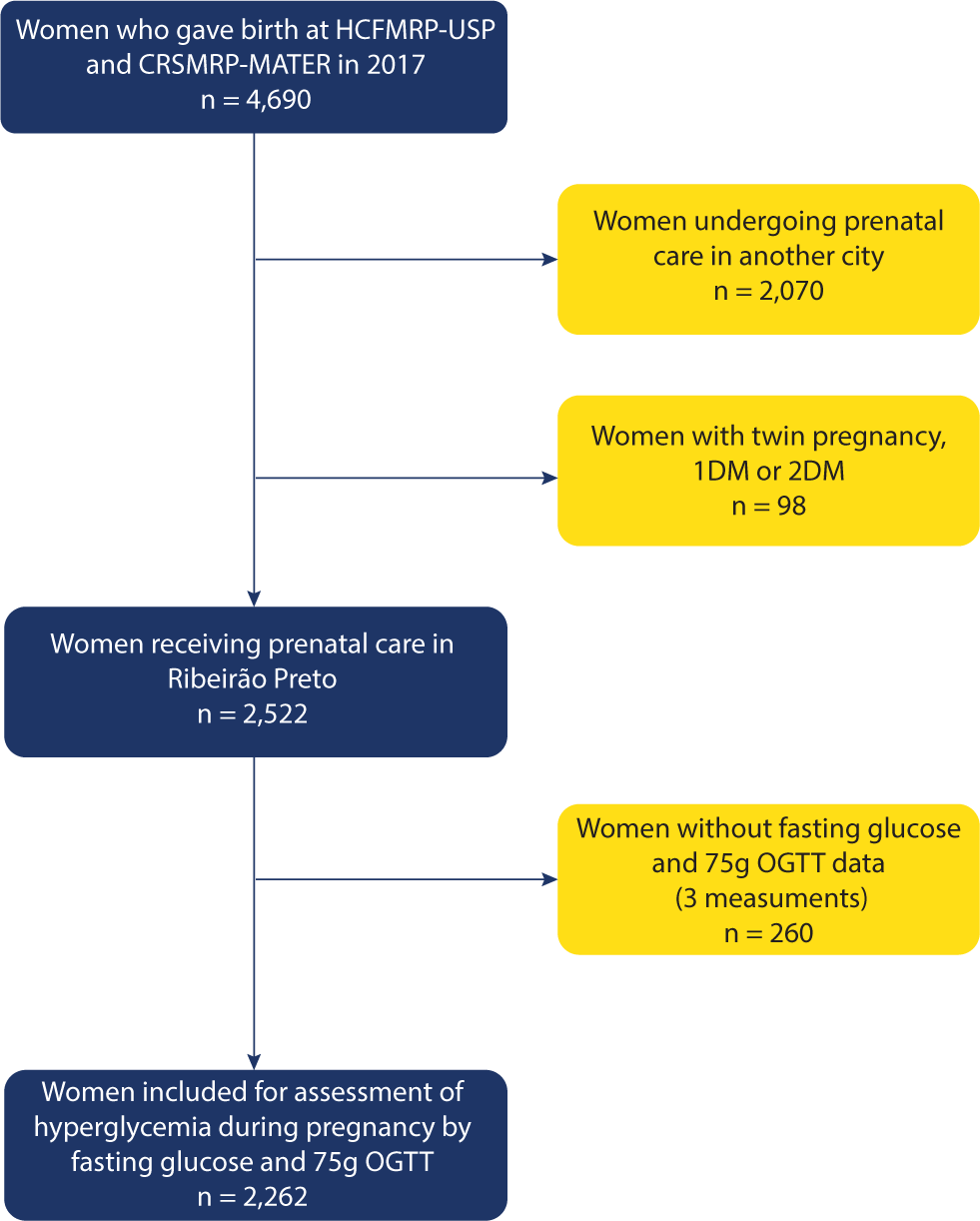
Subjects and methods: This cross-sectional study evaluated parturients attending a hospital complex from January to December 2017. Data were obtained retrospectively from medical records. Fasting glucose and 75-g oral glucose tolerance test results were used to assess the prevalence of hyperglycemia during pregnancy. The diagnostic criteria evaluated were: 1998 World Health Organization (WHO98), 2003 American Diabetes Association (ADA03), 2015 National Institute for Health and Care Excellence (NICE15), and 2015 International Federation of Gynecology and Obstetrics (FIGO15). The overall kappa coefficient was used to analyze agreement among the four sets of diagnostic criteria. All analyses were performed using SAS 9.2, and a significance level of 5% was adopted for all tests.
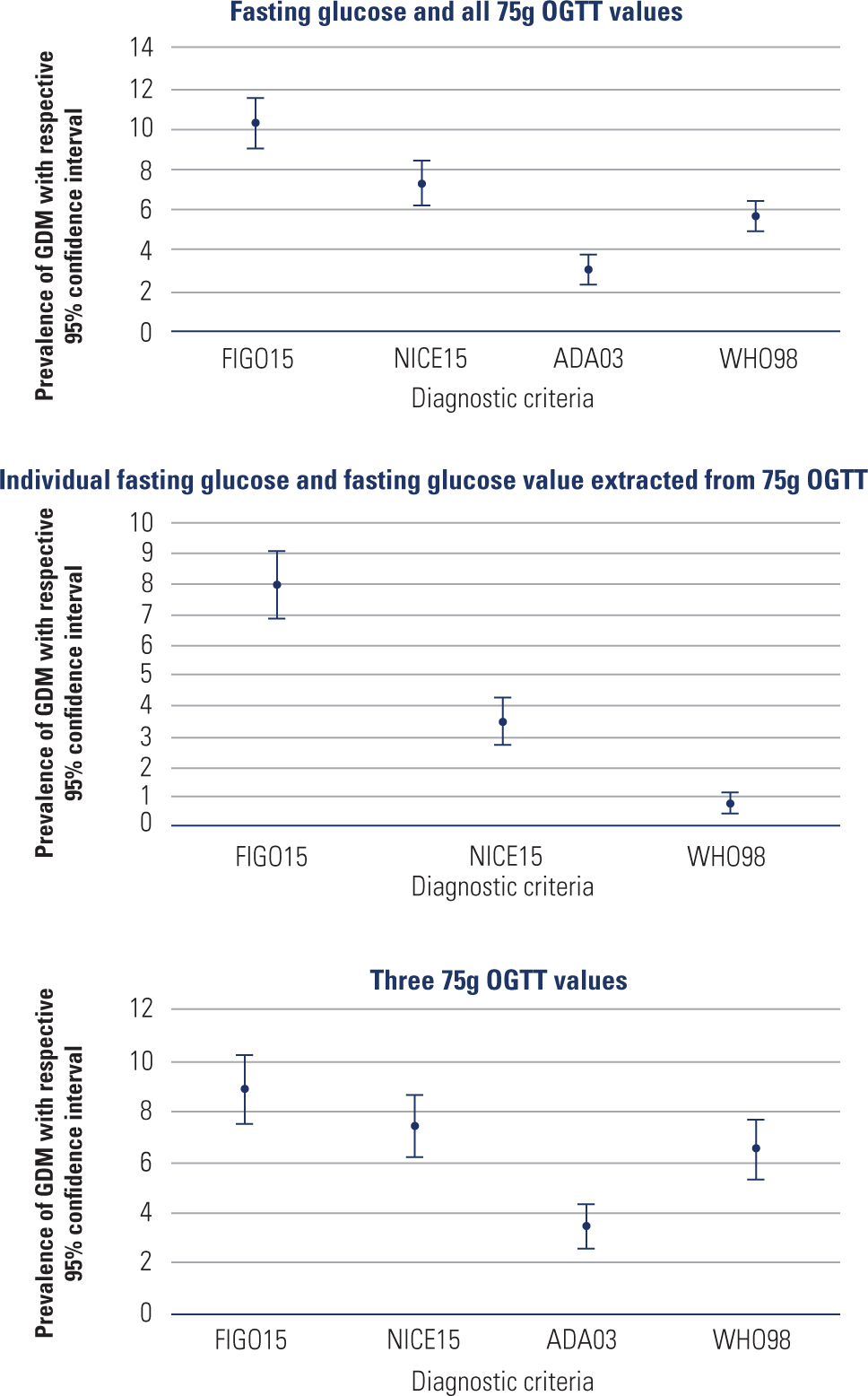
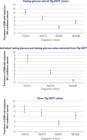
Results: Data from 2,262 women were analyzed. The prevalence of hyperglycemia differed depending on the diagnostic criteria: 10.3% (FIGO15), 7.34% (NICE15), 3.1% (ADA03), and 5.7% (WHO98). The overall kappa coefficient of agreement was 0.61. Individual analysis of each set of diagnostic criteria showed a kappa coefficient indicating moderate agreement, with FIGO15 used as the gold standard.
Conclusion: In this population of pregnant women, the prevalence of hyperglycemia varied according to the diagnostic criteria used, with the prevalence of the disease being lower as the criteria became stricter. Lastly, the criteria showed moderate agreement when compared collectively and individually to FIGO15.
Keywords:
Pregnancy; gestational diabetes mellitus; prevalence; diagnostic criteria
 Thumbnail
 Thumbnail