 Proposed protocol for the assessment of patients with single-sided deafness
ABSTRACT
Purpose To synthesize the scientific publications on single-sided deafness with a view for developing an assessment protocol and indications for hearing solutions for patients with single-sided deafness.
Research Strategy A search was performed in the following databases: PubMed, Virtual Health Library (VHL), Embase, Scopus, Cochrane, Science Direct, Scientific Electronic Library Online, Google Scholar and Open Theses & Dissertations, without time and language filters, between December 2020 and October 2023.
Selection criteria Studies with content referring to the assessment, treatment and/or follow-up of patients with SSD who are candidates for Cochlear Implant (CI), Bone Anchored System (BAS) and/or contralateral routing of signals (CROS), regardless of age and/or gender and methodological design. Data analysis: Data were extracted from the articles and stored in an analysis matrix, which contained information regarding title, authors, year of publication, location, study type, sample size, objectives, hearing impairment, tests and questionnaires used in the evaluations, outcome data and tested device.
Results A total of 552 studies were identified in the initial search; 12 of which were selected for qualitative analysis. The cochlear implant was the most commonly used hearing solution in the studies. The protocol suggests testing bone-anchored hearing aids and contralateral routing signal hearing aids for three consecutive months and the application of tests and questionnaires to assess speech understanding in noise, sound localization, quality of life, tinnitus and the benefits of devices.
Conclusion This protocol can assist professionals and patients in choosing the best treatment option for single-sided deafness.
Keywords:
Unilateral hearing loss; Protocol; Cochlear implant; Bone-anchored prosthesis; Hearing aid
RESUMO
Objetivo Sintetizar as publicações científicas sobre surdez unilateral com vistas ao desenvolvimento de um protocolo de avaliação e indicações para soluções auditivas para pacientes com surdez unilateral.
Estratégia de pesquisa Foi realizada uma busca nas seguintes bases de dados: PubMed, Biblioteca Virtual em Saúde (BVS), Embase, Scopus, Cochrane, Science Direct, Scientific Electronic Library Online, Google Scholar e Open Theses & Dissertations, sem filtros de data e idioma, entre dezembro de 2020 e outubro de 2023.
Critérios de seleção Estudos com conteúdo referente à avaliação, tratamento e/ou acompanhamento de pacientes com surdez unilateral candidatos ao Implante Coclear (IC), Prótese Auditiva Ancorada no Osso (PAAO) e/ou contralateral routing of signals (CROS), independentemente da idade e/ou sexo e do desenho metodológico. Análise de dados: Os dados foram extraídos dos artigos e armazenados em uma matriz de análise, contendo informações sobre título, autores, ano de publicação, local, tipo de estudo, tamanho da amostra, objetivos, deficiência auditiva, testes e questionários utilizados nas avaliações, dados de desfecho e dispositivo testado.
Resultados Um total de 552 estudos foram identificados na busca inicial; Doze dos quais foram selecionados para análise qualitativa. O implante coclear foi a solução auditiva mais utilizada nos estudos. O protocolo sugere testar aparelhos auditivos ancorados no osso e o CROS por três meses consecutivos, além da aplicação de testes e questionários para avaliar a compreensão da fala no ruído, a localização sonora, a qualidade de vida, o zumbido e os benefícios dos dispositivos.
Conclusão Este protocolo pode auxiliar profissionais e pacientes na escolha da melhor opção de tratamento para surdez unilateral.
Palavras-chave:
Perda auditiva unilateral; Protocolo; Implante coclear; Prótese ancorada no osso; Aparelho auditivo
INTRODUCTION
Profound unilateral hearing loss is a condition in which an individual has deafness in one ear and hearing within the normal range in the other. The cause of this change can be congenital or acquired, usually resulting from infections(1).
Evidence indicates that single-sided deafness (SSD) can compromise social communication(2,3). The main difficulties are in speech understanding, especially in a noisy environment(4), the location of the sound source(5,6), negative psychological effects, restrictions on social participation(7), and impacts on learning and labor productivity(8). In addition, these patients make an effort to compensate for SSD in complex auditory environments(9), which, over time, can result in hearing fatigue(10).
For the hearing rehabilitation of patients with SSD, the existing options are the contralateral routing of signals (CROS) hearing aids, Bone Anchored System (BAS) and cochlear implant (CI)(11).
CROS hearing aids are non-invasive, aesthetically acceptable, and a relatively low-cost option for patients with SSD, its adaptation is possible from the age of seven(12), composed of a hearing aid used in the ear with hearing loss, containing a microphone and transmitter, and another, in the ear with hearing within the normal range, containing a receiver. The hearing aid of the ear with hearing loss captures and transmits the acoustic signal to the receiver of the hearing aid used in the ear with hearing within the normal range(13). However, some patients reported negative opinions about the use of this intervention(14), with hearing dificults when speech is located on the side with normal hearing, with noise on the side with hearing loss. Furthermore, having an auditory mold occluding the ear with normal hearing was presented as a negative point(15).
The main benefits obtained with this device are better sound perception on the impaired side and better hearing in noisy environments, when speech is located on the impaired side(13). On the other hand, BAS can offer a more effective rehabilitation for patients with SSD, as it improves the quality of life of these patients(16).
Adult patients with unilateral hearing loss who underwent CI surgery report improvement in sound localization, understanding of speech in noise(17,18) in quality of life(19), significant reduction in discomfort caused by tinnitus(20), better auditory use and performance at work(21). There is also evidence of benefits in pediatric patients with SSD(22). The CI, when compared to other hearing solutions, is the only one that allows binaurality, that is, the user can hear again on the side that was deaf(8), in addition to promoting normal cortical reestablishment(23).
To select one of these existing hearing solutions for patients with SSD, tests with CROS and BAS are recommended(11,24,25), through a standardized protocol.
The Ministry of Health of Brazil (MS) recommends the use of CI for auditory habilitation and rehabilitation of people with bilateral, severe and/or profound sensorineural hearing loss, and the use of BAS for cases of bilateral conductive or mixed hearing loss(26). There exist no protocols published in the national literature on the approach for this group of patients, which makes the topic little explored.
Given this, an integrative review of the literature was carried out, with the guiding question being: “Given the hearing solutions available for SSD, how can we evaluate the patient and indicate the best option to (re)habilitate hearing?”
PURPOSE
The aim of this study was to review and synthesize the scientific publications on profound unilateral hearing loss with a view for the developing an assessment protocol and indications for hearing solutions for patients with SSD.
RESEARCH STRATEGIES
Between December 2020–October 2023, a search was performed in the following databases: PubMed, Virtual Health Library (VHL), Embase, Scopus, Cochrane, Science Direct and Scientific Electronic Library Online. As for gray literature, the following databases were consulted: Google Scholar and Open Theses & Dissertations, without time and language filters. The following descriptors were used in English, registered in the Health Sciences Descriptors (DeCs) and/or Medical Subject Headings (MeSH), combined through the Boolean operators “AND” and “OR”: (“hearing loss” or “hearing loss, unilateral" or "unilateral deafness") AND ("cochlear implants" or "cochlear implant" or "cochlear prosthesis") OR ("bone-anchored prosthesis") OR ("cros hearing aids") AND ("clinical protocols").
SELECTION CRITERIA
The inclusion criteria were studies with content referring to the assessment, treatment and/or follow-up of patients with SSD who are candidates for CI, BAS and/or CROS, regardless of age and/or gender and methodological design. Book chapters, review studies, editorials, research notes and comments were excluded.
DATA ANALYSIS
After ensuring the inclusion criteria, the articles were initially selected by reading the titles and abstracts; the studies that seemed to meet the inclusion criteria underwent full reading of their texts. Data were extracted from the articles and stored in an analysis matrix, which contained information regarding title, authors, year of publication, location, study type, sample size, objectives, hearing impairment, tests and questionnaires used in the evaluations, outcome data and tested device. After the final selection of the studies included in the analysis, the main information was gathered in tables for systematization. The studies were exported to a reference manager and duplicate studies removed.
RESULTS
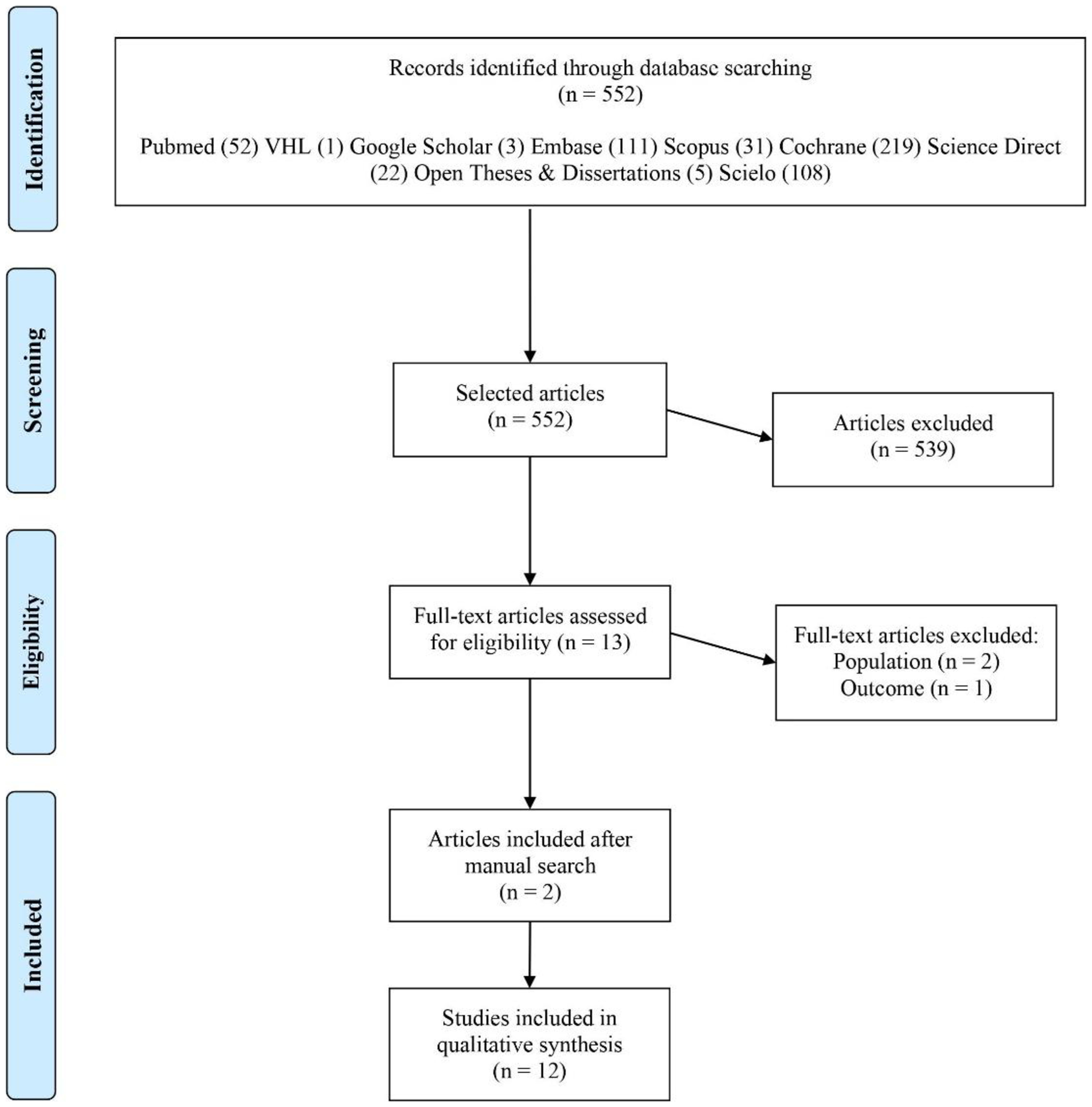
Fifty-two studies were identified in Pubmed, one in the VHL, three in Google Scholar, 111 in Embase, 31 in Scopus, 219 in Cochrane, 22 in Science Direct, five in Open Theses & Dissertations and 108 in Scielo, for a total of 552 articles. Of these, 13 were read in full and ten were selected according to eligibility criteria. The other three articles were excluded because in one of them the study population did not have SSD and in another, the authors did not specify the degree of unilateral hearing loss; thus, it was not possible to identify whether the study involved patients with SSD. The third excluded article had different outcomes from those researched in this review. Two article was included after a manual search was performed on the references of the included articles. A final 12 articles were included in this review. The flowchart of the article selection process is shown in Figure 1.
The studies included were: five prospective studies(27-31), two protocol studies(25,32), a longitudinal study(3), a case-control study(33), a retrospective study(34), a cross-sectional study(35) and a randomized controlled trial(36).
The selected studies were published between 2006–2021, carried out in Belgium(28,30,33), the United Kingdom(3,32), Brazil(35), Germany(34), France(31), the United States of America (USA)(27), China/Canada(25) and the Netherlands(29,36).
Table 1 presents the data extracted from the studies selected for this review. Six articles had, as the object of study, individuals with SSD: four articles with SSD and AHL, two with SSD and tinnitus and one with SSD, AHL and tinnitus. 163 patients were diagnosed with SSD and age ranged from eight months(30) to 80 years(34). Hearing-related impairments in patients with SSD were highlighted by all studies included in this review. Regarding tests and questionnaires, speech recognition in noise was the most used(3,25,27,29-31,35,36) and a quality of life questionnaire was applied in five of the articles(3,25,31-34,36). After a qualitative analysis of the studies included in this review, evidence suggests that cochlear implants were the most used hearing solution in patients with SSD(25,27-31,34-37).
Characteristics of the studies, hearing disorders, tested devices, tests/questionnaires, and main outcomes of the selected studies
Tests and questionnaires
The tests and questionnaires used in the studies included in this review were the: Hearing Handicap Inventory for the Elderly (HHIE), Hearing in Noise Test (HINT), Abbreviated Profile of Hearing Aid Benefit (APHAB), “ESCUTA-SOM” and “LOCALIZA-SOM” questionnaire Speech, Spatial and Qualities of Hearing Scale (SSQ), Tinnitus Functional Index (TFI), Tinnitus Questionnaire (TQ), Visual Analog Scale (VAS), and Cochlear Implant Questionnaire (Nijmegen Cochlear Implant Questionnaire [NCIQ]; Hearing Participation Scale [HPS]).
Proposed protocol for evaluating patients with profound unilateral hearing loss
Population - inclusion and exclusion criteria
According to the integrative review carried out in this study, patients must meet all the following inclusion criteria: diagnosis of SSD with definition of etiology, when possible; and ability to perform all assessments required in the protocol. The exclusion criteria for each hearing solution were:
CI: presence of retrocochlear lesion in the ear to be implanted, cochlear ossification, cochlear malformation, absent/compromised auditory nerve, presence of infection in the external and/or middle ear or tympanic perforation; manifestation of unrealistic expectations about the possible benefits.
BAS: presence of bone structure of the skullcap smaller than 3 mm; age less than five years; manifesting unrealistic expectations about the possible benefits; and
CROS: presence of anatomical abnormalities; manifestation of unrealistic expectations about the possible benefits.
Otorhinolaryngological and audiological evaluation
The otorhinolaryngological assessment aims to investigate the cause of hearing loss and provide guidance for treatment possibilities for hearing loss, diagnosed by complete audiological assessment, through the results of tonal and vocal audiometry, analysis of acoustic immittance measures, auditory evoked potential of brainstem (BAEP) and otoacoustic emissions, in addition to imaging exams, such as magnetic resonance and computed tomography. These resources make it possible to investigate the cause of hearing loss, guide the possibilities of hearing solutions, and assess prognoses, in addition to the search for relevant information about hearing complaints, general health and sociodemographic data that may interfere in the process(38,39).
Tests and questionnaires included in the protocol
The tests and questionnaires included in the protocol, listed in Table 2, were the: Hearing in Noise Test (HINT), LOCALIZE-SOUND, Speech questionnaire, Spatial and Qualities of Hearing Scale (SSQ), Tinnitus Handicap Inventory (THI), World Health Organization Quality of Life assessment (WHOQOL-brief) and Questionnaire Nijmegen Cochlear Implant Questionnaire (NCIQ-P).
Speech recognition tests (HINT), sound source localization (LOCALIZE-SOUND) and the SSQ questionnaire were applied at all stages. The THI questionnaire was applied in cases in which there is a complaint of tinnitus. Quality of life was assessed by a validated questionnaire (WHOQOL-brief) and a specific questionnaire (NCIQ-P) applied at the beginning, after the tests and in the follow-up phase, after choosing the treatment.
Service flowchart proposal
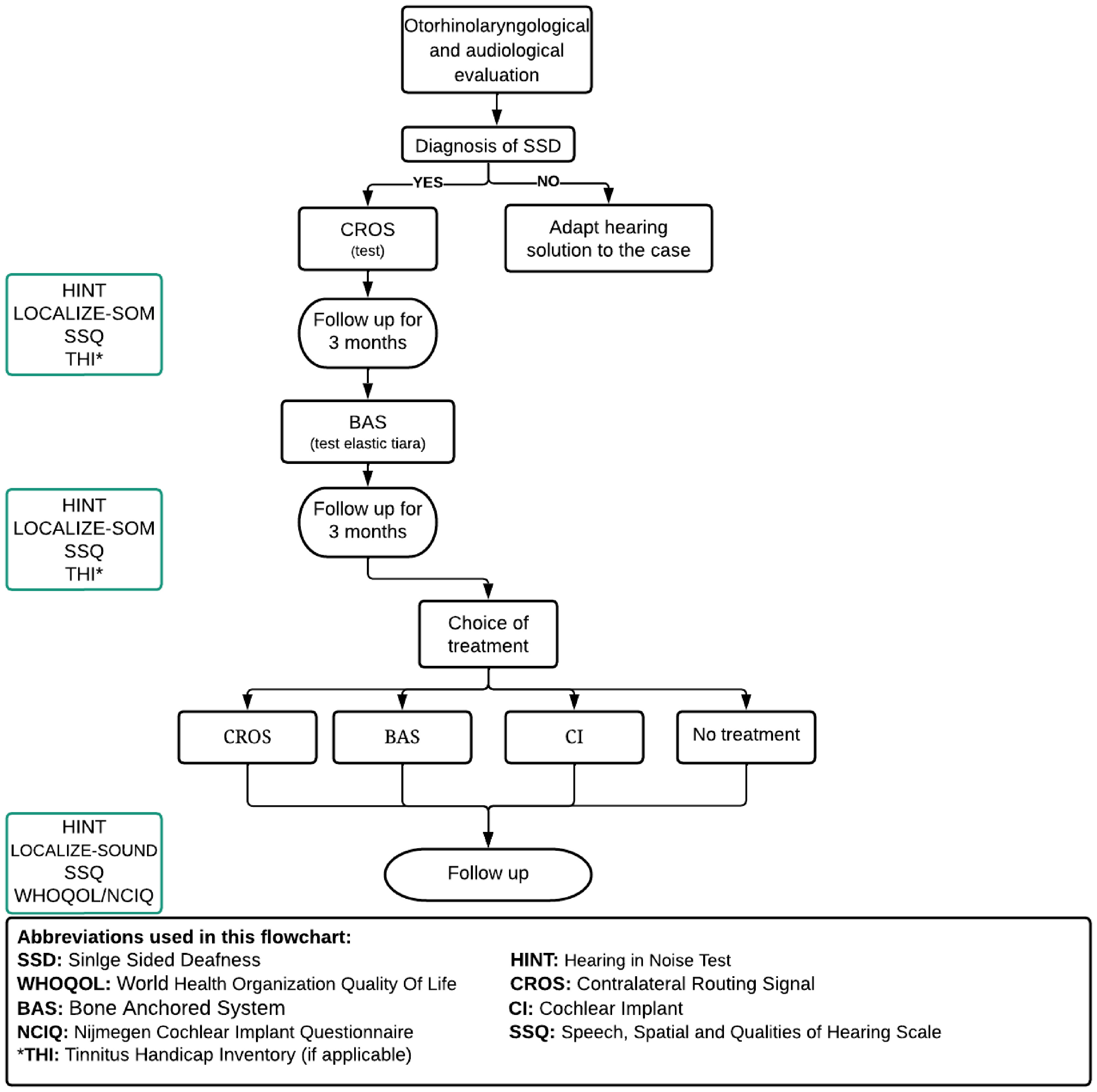
Based on the integrative review carried out in this study, the flowchart shown in Figure 2, prepared for the assessment of patients with SSD, is suggested.
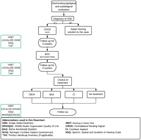
The patient should undergo evaluations with the otolaryngology and speech therapy teams. After the diagnosis of SSD, the patient should test the CROS for three months and the BAS for another three months (by means of an elastic tiara), with speech recognition tests performed in silence and noise (HINT), source location test sound (LOCALIZA-SOM), quality of life questionnaire (WHOQOL-brief and NCIQ-P) and application of the SSQ questionnaire to assess the advantages and disadvantages of using each tested hearing solution. After the six-month experience (three with CROS and three with BAS), the patient should have four options to choose from with the team: CROS, BAS, CI or no treatment. It should be noted that CI is the only option without the possibility of testing; thus, there will be a favorable recommendation for the CI after the conclusive analysis of the limited benefits with the tested technologies (CROS and BAS). The final recommendation should consider the comparison between the results obtained in the tests (speech perception and sound source location), with and without the use of devices and between devices, and between the scores obtained in the application of the SSQ questionnaire using the CROS and BAS.
Regardless of the hearing solution defined for each case, the patient should continue to be monitored by the entire multidisciplinary team that makes up the health establishment qualified for the specialized care for people with hearing impairment. This especially includes speech therapy, with audiological evaluation, application of speech recognition test in silence and noise, sound localization test and quality of life questionnaire.
Several authors have referred to the treatments available for SSD over the years(31,46-49). According to Marx et al.(11), treatment options for patients with SSD include BAS, CROS hearing aids, and CI. Of these solutions, CROS and BAS can be previously tested, for a limited time, before the final choice for the patient is made(11,24,25).
There are no treatment options for patients with SSD in the SUS. Otorhinolaryngologists and speech therapists have expressed concern regarding the impacts caused by SSD, suggesting auditory solutions that meet the expectations and lifestyles of patients. SSD impairs communication with people(2,3,11) and emphasizes the importance that rehabilitation options should be considered and available in the SUS.
All studies included in this review applied a test and/or questionnaire in their respective assessments, and most of them used speech perception tests in silence and in noise(25,29,30,35,50,51), sound localization test(25,30,35,50,51) and a questionnaire to assess the benefit of the auditory solution(29,33,34,50,52).
Regarding the test time for a new device, several studies suggest different periods: three weeks(25,51), four weeks(50) and 12 weeks(53). According to Kitterick et al.(53), the duration of the test must follow the recommendation of each service, but the authors suggest a minimum time of four weeks. In the general guidelines for specialized care for people with hearing impairment in the SUS, one of the indication criteria for CI is that the patient tests individual sound amplification devices for a minimum period of three months(26). For the elaborated protocol, the longest test time described in the literature was suggested as three months with each device (CROS and BAS). Studies show that this period may be enough for the patient's perception of the benefits, as well as their adaptation to the devices being evaluated, to be certified(26,53).
In the literature, there are some studies that assessed speech comprehension in silence and noise(15,54-56). A systematic review involving implantable prostheses as a way to rehabilitate patients with unilateral hearing loss found that the HINT was the most used test to measure speech recognition(57). In this review, the included studies used different instruments to test speech perception in silence and noise; however, the HINT should be part of the suggested protocol because it has been adapted to Brazilian Portuguese(40), since it has been used in Brazil to assess patients with SSD(58), CI(59) users and BAS(60) users.
One of the most impaired auditory skills in patients with SSD is sound localization, especially when exposed to noise(47,61,62). Thus, the importance of applying tests to assess this skill is highlighted. The LOCALIZA-SOM, developed and validated by Almeida(35), has proven to be practical in organization, execution and low cost, which encourages and makes its insertion in clinical practice easier, helping clinicians and researchers in the area.
The SSQ has been used in several studies to assess the benefits of different solutions for the rehabilitation of hearing loss(63-66). This instrument has been frequently used in the population with SSD in clinical research and rehabilitation environments(49,67,68). It was adapted to Brazilian Portuguese in 2015 by Gonsalez and Almeida(41). In this protocol, the SSQ will be applied at all stages and comparisons will be made between the scores obtained at each stage.
The choice of hearing solution is associated with higher scores in questionnaires that assess quality of life, regardless of the duration and etiology of deafness and audiological measures(11). Thus, the use of these questionnaires should assist the team in advising the patient regarding the choice of treatment for SSD. The questionnaires included in the protocol were the WHOQOL-brief(44) and NCIQ-P(45), as they were translated, adapted and validated for Brazil, making general and specific auditory assessment possible.
The importance of the patient's opinion regarding the experience with the tested devices is also emphasized. According to Bakhit et al.(69), the opinion of the patient is indicated in order to involve the patient in the final decision, especially in cases in which more than one treatment option is available. Shared decision-making is the process of integrating patients' goals and concerns with scientific evidence to achieve high-quality decisions(70); it increases knowledge regarding more realistic options and expectations regarding possible benefits and harms, in addition to more consistent choices(71).
The TFI and Mini-TQ questionnaires that assess tinnitus have been validated and translated into Portuguese(72), however, in Brazil, the THI is the most used(73). This specific questionnaire that assesses the emotional, functional and catastrophic aspects caused by tinnitus(74) was adapted and validated in Portuguese by Ferreira et al.(42) and Schmidt et al.(43), and has been used in patients with IC(75) and BAS(76). Discomfort caused by tinnitus in patients with SSD has been frequently studied(21,77).
One study suggests the use of a maximum of two questionnaires during assessments since the overload of different questionnaires can increase the effect of response change and reduce patient compliance(78). However, in research with patients with SSD(11,25,51), the assessment of speech in noise, sound location, quality of life, tinnitus (when applicable) and the benefits of devices have been performed to define indications for treatment. All these aspects are important for choosing the best device, which is why this protocol has incorporated all these assessments.
The proposed protocol can be applied to patients of any age. The questionnaires and tests included in this protocol were used in studies to assess the pediatric population with SSD: the SSQ(79), THI(80), HINT(55,81), NCIQ(82), and WHOQOL-Bref(83). In addition, sound localization assessment can be performed at any age(84).
We consider, as limitations of this review, the small number of participants in the included studies and that three studies did not specify the frequencies of patients with SSD and AHL. Furthermore, one study did not indicate the number of patients with severe and profound unilateral hearing loss. This protocol was not applied as a pilot project, but the literature studies included in this review validate the use of devices, questionnaires, and hearing tests.
CONCLUSION
After synthesis of scientific publications on single-sided deafness, it was possible to develop an assessment protocol and indications for hearing solutions for patients with single-sided deafness. The application of the protocol developed in this review study for the evaluation of patients with SSD, in addition to the benefit for this population, allows for a qualitative standardization of the assessment of the advantages and disadvantages of available hearing solutions for SSD, which can generate an increase in scientific evidence.
-
Study carried out at Universidade Federal de Sergipe – UFS – São Cristóvão (SE), Brasil.
-
Data Availability Statement:
Research data is available in the body of the article.
-
Funding:
None.
REFERENCES
-
1 Islamoglu Y, Kesici GG, Ercan K, Babademez MA. Single-sided deafness after sudden hearıng loss: late effect on cochlear nerve size. Eur Arch Oto-Rhino-Laryngol. 2020;277(9):2423-6. https://doi.org/10.1007/s00405-020-05977-x PMid:32314048.
» https://doi.org/10.1007/s00405-020-05977-x -
2 Nishihata R, Vieira MR, Pereira LD, Chiari BM. Processamento temporal, localização e fechamento auditivo em portadores de perda auditiva unilateral. Rev Soc Bras Fonoaudiol. 2012;17(3):266-73. https://doi.org/10.1590/S1516-80342012000300006
» https://doi.org/10.1590/S1516-80342012000300006 -
3 Kitterick PT, O’Donoghue GM, Edmondson-Jones M, Marshall A, Jeffs E, Craddock L, et al. Comparison of the benefits of cochlear implantation versus contra-lateral routing of signal hearing aids in adult patients with single-sided deafness: study protocol for a prospective within-subject longitudinal trial. BMC Ear Nose Throat Disord. 2014;14:7. https://doi.org/10.1186/1472-6815-14-7 PMid:25152694.
» https://doi.org/10.1186/1472-6815-14-7 -
4 Snapp HA, Morgenstein KE, Kuzbyt B. Speech perception outcomes in transcutaneous versus percutaneous bone conduction stimulation in individuals with single-sided deafness. Otol Neurotol. 2019;40(8):1068-75. https://doi.org/10.1097/MAO.0000000000002362 PMid:31356484.
» https://doi.org/10.1097/MAO.0000000000002362 -
5 Snapp HA, Holt FD, Liu X, Rajguru SM. Comparison of speech-in-noise and localization benefits in unilateral hearing loss subjects using contralateral routing of signal hearing AIDS or bone-anchored implants. Otol Neurotol. 2017;38(1):11-8. https://doi.org/10.1097/MAO.0000000000001269 PMid:27846038.
» https://doi.org/10.1097/MAO.0000000000001269 -
6 Agterberg MJH, Snik AFM, Van de Goor RMG, Hol MKS, Van Opstal AJ. Sound-localization performance of patients with single-sided deafness is not improved when listening with a bone-conduction device. Hear Res. 2018;372:62-8. https://doi.org/10.1016/j.heares.2018.04.007 PMid:29703651.
» https://doi.org/10.1016/j.heares.2018.04.007 -
7 Lucas L, Katiri R, Kitterick PT. The psychological and social consequences of single-sided deafness in adulthood. Int J Audiol. 2017;57(1):21-30. https://doi.org/10.1080/14992027.2017.1398420 PMid:29132260.
» https://doi.org/10.1080/14992027.2017.1398420 -
8 Snapp HA, Ausili SA. Hearing with one ear: consequences and treatments for profound unilateral hearing loss. J Clin Med. 2020;9(4):1010. https://doi.org/10.3390/jcm9041010 PMid:32260087.
» https://doi.org/10.3390/jcm9041010 -
9 Gatehouse S, Noble W. The Speech, Spatial and Qualities of Hearing Scale The Speech, Spatial and Qualities of Hearing Scale (SSQ) La escala de audión para el lenguaje, la audición espacial y las. Int J Audiol. 2004;43(2):85-99. https://doi.org/10.1080/14992020400050014 PMid:15035561.
» https://doi.org/10.1080/14992020400050014 -
10 Bess FH, Davis H, Camarata S, Hornsby BWY. Listening-related fatigue in children with unilateral hearing loss. Lang Speech Hear Serv Sch. 2020;51(1):84-97. https://doi.org/10.1044/2019_LSHSS-OCHL-19-0017 PMid:31913803.
» https://doi.org/10.1044/2019_LSHSS-OCHL-19-0017 -
11 Marx M, Mosnier I, Vincent C, Bonne N, Bakhos D, Lescanne E, et al. Treatment choice in single‐sided deafness and asymmetric hearing loss. A prospective, multi‐center cohort study on 155 patients. Clin Otolaryngol. 2020. https://doi.org/10.1111/coa.13672 PMid:33236413.
» https://doi.org/10.1111/coa.13672 -
12 Kwak SH, Kim D, Bae SH, Moon IS, Kim SH, Choi JY, et al. Effects of contralateral routing of signal hearing aids on audiological and academic performance in school-age children with unilateral hearing Loss. Clin Exp Otorhinolaryngol. 2021;14(3):355-8. https://doi.org/10.21053/ceo.2020.02523 PMid:33677849.
» https://doi.org/10.21053/ceo.2020.02523 -
13 Snapp H. Nonsurgical management of single-sided deafness: contralateral routing of signal. J Neurol Surg B Skull Base. 2019;80(2):132-8. https://doi.org/10.1055/s-0039-1677687 PMid:30931220.
» https://doi.org/10.1055/s-0039-1677687 -
14 Wendrich AW, Kroese TE, Peters JPM, Cattani G, Grolman W. Systematic review on the trial period for bone conduction devices in single-sided deafness: rates and reasons for rejection. Otol Neurotol. 2017;38(5):632-41. https://doi.org/10.1097/MAO.0000000000001405 PMid:28414693.
» https://doi.org/10.1097/MAO.0000000000001405 -
15 Niparko JK, Cox KM, Lustig LR. Comparison of the bone anchored hearing aid implantable hearing device with contralateral routing of offside signal amplification in the rehabilitation of unilateral deafness. Otol Neurotol. 2003;24(1):73-8. https://doi.org/10.1097/00129492-200301000-00015 PMid:12544032.
» https://doi.org/10.1097/00129492-200301000-00015 -
16 Kim G, Ju HM, Lee SH, Kim HS, Kwon JA, Seo YJ. Efficacy of Bone-Anchored Hearing AIDS in Single-Sided Deafness: A Systematic Review. Otol Neurotol. 2017;38(4):473-83. https://doi.org/10.1097/MAO.0000000000001359 PMid:28196001.
» https://doi.org/10.1097/MAO.0000000000001359 -
17 Buss E, Dillon MT, Rooth MA, King ER, Deres EJ, Buchman CA, et al. Effects of cochlear implantation on binaural hearing in adults with unilateral hearing loss. Trends Hear. 2018;22:2331216518771173. https://doi.org/10.1177/2331216518771173 PMid:29732951.
» https://doi.org/10.1177/2331216518771173 -
18 Litovsky RY, Moua K, Godar S, Kan A, Misurelli SM, Lee DJ. Restoration of spatial hearing in adult cochlear implant users with single-sided deafness. Hear Res. 2019;372:69-79. https://doi.org/10.1016/j.heares.2018.04.004 PMid:29729903.
» https://doi.org/10.1016/j.heares.2018.04.004 -
19 Hwa TP, Sturm JJ, Losenegger T, Owen A, Kuhlmey M, Cellum I, et al. Impact of underlying diagnosis on speech and quality of life outcomes after cochlear implantation for single-sided deafness. Otol Neurotol. 2020;41(4):e432-40. https://doi.org/10.1097/MAO.0000000000002578 PMid:32176127.
» https://doi.org/10.1097/MAO.0000000000002578 -
20 Tyler RS, Owen RL, Bridges J, Gander PE, Perreau A, Mancini PC. Tinnitus suppression in cochlear implant patients using a sound therapy app. Am J Audiol. 2018;27(3):316-23. https://doi.org/10.1044/2018_AJA-17-0105 PMid:30105356.
» https://doi.org/10.1044/2018_AJA-17-0105 -
21 Härkönen K, Kivekäs I, Rautiainen M, Kotti V, Sivonen V, Vasama JP. Single-sided deafness: the effect of cochlear implantation on quality of life, quality of hearing, and working performance. ORL J Otorhinolaryngol Relat Spec. 2015;77(6):339-45. https://doi.org/10.1159/000439176 PMid:26418165.
» https://doi.org/10.1159/000439176 -
22 Sladen DP, Carlson ML, Dowling BP, Olund AP, Teece K, DeJong MD, et al. Early outcomes after cochlear implantation for adults and children with unilateral hearing loss. Laryngoscope. 2016;127(7):1683-8. https://doi.org/10.1002/lary.26337 PMid:27730647.
» https://doi.org/10.1002/lary.26337 -
23 Legris E, Galvin J, Roux S, Gomot M, Aoustin JM, Marx M, et al. Cortical reorganization after cochlear implantation for adults with single-sided deafness. PLoS One. 2018;13(9):1-21. https://doi.org/10.1371/journal.pone.0204402 PMid:30248131.
» https://doi.org/10.1371/journal.pone.0204402 - 24 Vincent C, Arndt S, Firszt J, Fraysse B, Kitterick P, Papsin B, et al. Identification and Evaluation of Cochlear Implant Candidates with Asymmetrical Hearing Loss. 2015;20(suppl 1):87-9.
-
25 Van De Heyning P, Távora-Vieira D, Mertens G, Van Rompaey V, Rajan GP, Müller J, et al. Towards a unified testing framework for single-sided deafness studies: a consensus paper. Audiol Neurootol. 2017;21(6):391-8. https://doi.org/10.1159/000455058 PMid:28319951.
» https://doi.org/10.1159/000455058 - 26 Brasil. Ministério da Saúde. Diretrizes gerais para a atenção especializada às pessoas com deficiência auditiva no sistema único de saúde (SUS) Portaria GM/MS no 2.776, de 18 de dezembro de 2014. Diário Oficial da União; Brasília; 2014.
-
27 Lin LM, Bowditch S, Anderson MJ, May B, Cox KM, Niparko JK. Amplification in the rehabilitation of unilateral deafness: speech in noise and directional hearing effects with bone-anchored hearing and contralateral routing of signal amplification. Otol Neurotol. 2006;27(2):172-82. https://doi.org/10.1097/01.mao.0000196421.30275.73 PMid:16436986.
» https://doi.org/10.1097/01.mao.0000196421.30275.73 -
28 Punte AK, De Ridder D, Van de Heyning P. On the necessity of full length electrical cochlear stimulation to suppress severe tinnitus in single-sided deafness. Hear Res. 2013;295:24-9. https://doi.org/10.1016/j.heares.2012.08.003 PMid:23418635.
» https://doi.org/10.1016/j.heares.2012.08.003 -
29 Arts RAGJ, George ELJ, Janssen MAML, Griessner A, Zierhofer C, Stokroos RJ. The effect of tinnitus specific intracochlear stimulation on speech perception in patients with unilateral or asymmetric hearing loss accompanied with tinnitus and the effect of formal auditory training. Int J Audiol. 2017;57(6):426-39. https://doi.org/10.1080/14992027.2017.1408964 PMid:29188740.
» https://doi.org/10.1080/14992027.2017.1408964 -
30 van Wieringen A, Boudewyns A, Sangen A, Wouters J, Desloovere C. Unilateral congenital hearing loss in children: challenges and potentials. Hear Res. 2018;372:29-41. https://doi.org/10.1016/j.heares.2018.01.010 PMid:29395617.
» https://doi.org/10.1016/j.heares.2018.01.010 -
31 Marx M, Costa N, Lepage B, Taoui S, Molinier L, Deguine O, et al. Cochlear implantation as a treatment for single-sided deafness and asymmetric hearing loss: a randomized controlled evaluation of cost-utility. BMC Ear Nose Throat Disord. 2019;19(1):1-10. https://doi.org/10.1186/s12901-019-0066-7 PMid:30766449.
» https://doi.org/10.1186/s12901-019-0066-7 -
32 Katiri R, Hall DA, Buggy N, Hogan N, Horobin A, Van De Heyning P, et al. Core Rehabilitation Outcome Set for Single Sided Deafness (CROSSSD) study: protocol for an international consensus on outcome measures for single sided deafness interventions using a modified Delphi survey. Trials. 2020;21(1):238. https://doi.org/10.1186/s13063-020-4094-9. Erratum in: Trials. 2020 Mar 17;21(1):272. https://doi.org/10.1186/s13063-020-04240-2. PMid:32131880.
» https://doi.org/10.1186/s13063-020-04240-2. -
33 Sangen A, Royackers L, Desloovere C, Wouters J, van Wieringen A. Single sided deafness affects language and auditory development – a case control study. Clin Otolaryngol. 2017;42(5):979-87. https://doi.org/10.1111/coa.12826 PMid:28063244.
» https://doi.org/10.1111/coa.12826 -
34 Rösli M, Hoth S, Baumann I, Praetorius M, Plinkert PK. Der Einfluss der CI-Versorgung von einseitig tauben Patienten auf die Lebensqualität. HNO. 2015;63(3):182-8. https://doi.org/10.1007/s00106-014-2969-3 PMid:25630699.
» https://doi.org/10.1007/s00106-014-2969-3 - 35 Almeida GVM. Aplicabilidade dos testes localiza-som e escuta-som para avaliar os benefícios de próteses auditivas implantáveis em perda auditiva unilateral [doutorado]. Curitiba: Universidade Tuiuti do Paraná; 2017.
-
36 Peters JPM, van Heteren JAA, Wendrich AW, van Zanten GA, Grolman W, Stokroos RJ, et al. Short-term outcomes of cochlear implantation for single-sided deafness compared to bone conduction devices and contralateral routing of sound hearing aids: results of a Randomised controlled trial (CINGLE-trial). PLoS One. 2021;16(10):e0257447. https://doi.org/10.1371/journal.pone.0257447 PMid:34644322.
» https://doi.org/10.1371/journal.pone.0257447 -
37 Sangen A, Dierckx A, Boudewyns A, Dhooge I, Offeciers E, Wouters J, et al. Longitudinal linguistic outcomes of toddlers with congenital single-sided deafness: six with and twelve without cochlear implant and nineteen normal hearing peers. Clin Otolaryngol. 2019;44(4):671-6. https://doi.org/10.1111/coa.13347 PMid:31006171.
» https://doi.org/10.1111/coa.13347 - 38 Gomez MV, Guedes M, Sant Anna SBG, Peralta CGO, Tsuji RK, Castilho A, et al. Critérios de seleção e avaliação médica e audiológica dos candidatos ao Implante Coclear: protocolo HC-FMUSP. Arq Int Otorrinolaringol. 2004;8(4):1-22.
- 39 Iwabasbi JH, Jardim IS, Sizenando CS, Bento RF. Protocols of selection and adjustment of auditive prosthesis for adults and elderly individuals. Arq Int Otorrinolaringol. 2011;15(2):214-22.
-
40 Bevilacqua MC, Banhara MR, Da Costa EA, Vignoly AB, Alvarenga KF. The Brazilian Portuguese hearing in noise test. Int J Audiol. 2008;47(6):364-5. https://doi.org/10.1080/14992020701870205 PMid:18569110.
» https://doi.org/10.1080/14992020701870205 -
41 Gonsalez ECM, Almeida K. Adaptação cultural do questionário Speech, Spatial and Qualities of Hearing Scale (SSQ) para o Português Brasileiro TT - Cross-cultural adaptation of the Speech, Spatial and Qualities of Hearing Scale (SSQ) to Brazilian Portuguese. Audiol Commun Res. 2015;20(3):215-24. https://doi.org/10.1590/S2317-64312015000300001572
» https://doi.org/10.1590/S2317-64312015000300001572 -
42 Ferreira PÉA, Cunha F, Onishi ET, Branco-Barreiro FCA, Ganança FF. Tinnitus handicap inventory: adaptação cultural para o Português brasileiro. Pro Fono. 2005;17(3):303-10. https://doi.org/10.1590/S0104-56872005000300004 PMid:16389787.
» https://doi.org/10.1590/S0104-56872005000300004 -
43 Schmidt LP, Teixeira VN, Dall’Igna C, Dallagnol D, Smith MM. Adaptação para língua portuguesa do questionário Tinnitus Handicap Inventory: validade e reprodutibilidade. Rev Bras Otorrinolaringol. 2006;72(6):808-10. https://doi.org/10.1590/S0034-72992006000600012 PMid:17308834.
» https://doi.org/10.1590/S0034-72992006000600012 -
44 Fleck MPA, Louzada S, Xavier M, Chachamovich E, Vieira G, Santos L, et al. Application of the Portuguese version of the abbreviated instrument of quality life WHOQOL-bref. Rev Saude Publica. 2000;34(2):178-83. https://doi.org/10.1590/S0034-89102000000200012 PMid:10881154.
» https://doi.org/10.1590/S0034-89102000000200012 -
45 Santos NP, Couto MIV, Martinho-Carvalho AC. Nijmegen Cochlear Implant Questionnaire (NCIQ): translation, cultural adaptation, and application in adults with cochlear implants. CoDAS. 2017;29(6):e20170007. https://doi.org/10.1590/2317-1782/20172017007 PMid:29236905.
» https://doi.org/10.1590/2317-1782/20172017007 -
46 Vermeire K, van de Heyning V. Binaural hearing after cochlear implantation in subjects with unilateral sensorineural deafness and tinnitus. Audiol Neurootol. 2009;36(3):163-71. https://doi.org/10.1159/000171478
» https://doi.org/10.1159/000171478 -
47 Arndt S, Laszig R, Aschendorff A, Beck R, Schild C, Hassepaß F, et al. Einseitige taubheit und cochleaimplantat-versorgung. Otol Neurotol. 2011;59:437-46. https://doi.org/10.1007/s00106-011-2318-8
» https://doi.org/10.1007/s00106-011-2318-8 -
48 Távora-Vieira D, Marino R, Acharya A, Rajan GP. The impact of cochlear implantation on speech understanding, subjective hearing performance, and tinnitus perception in patients with unilateral severe to profound hearing loss. Otol Neurotol. 2015;36(3):430-6. https://doi.org/10.1097/MAO.0000000000000707 PMid:25594387.
» https://doi.org/10.1097/MAO.0000000000000707 -
49 Kurz A, Rak K, Hagen R, Ehrmann-Müller D. Evaluating the Decision for Cochlear Implantation in Individuals with Single-Sided Deafness (SSD); Implementing the SSD Consensus Protocol into Clinical Routine. Otol Neurotol. 2020;41(6):727-35. https://doi.org/10.1097/MAO.0000000000002618 PMid:32068694.
» https://doi.org/10.1097/MAO.0000000000002618 -
50 Lin LM, Bowditch S, Anderson MJ, May B, Cox KM, Niparko JK. Amplification in the rehabilitation of unilateral deafness: speech in noise and directional hearing effects with bone-anchored hearing and contralateral routing of signal amplification. Otol Neurotol. 2006;27(2):172-82. https://doi.org/10.1097/01.mao.0000196421.30275.73 PMid:16436986.
» https://doi.org/10.1097/01.mao.0000196421.30275.73 -
51 Marx M, Costa N, Lepage B, Taoui S, Molinier L, Deguine O, et al. Cochlear implantation as a treatment for single-sided deafness and asymmetric hearing loss: A randomized controlled evaluation of cost-utility. BMC Ear Nose Throat Disord. 2019;19:1. https://doi.org/10.1186/s12901-019-0066-7 PMid:30766449.
» https://doi.org/10.1186/s12901-019-0066-7 -
52 Almeida GVM, Ribas A, Calleros J. Teste de reconhecimento de palavras em campo livre na presença de ruído em indivíduos adultos normo-ouvintes. Braz J Otorhinolaryngol. 2017;83(6):665-9. https://doi.org/10.1016/j.bjorl.2016.08.015 PMid:27765530.
» https://doi.org/10.1016/j.bjorl.2016.08.015 -
53 Kitterick PT, O’Donoghue GM, Edmondson-Jones M, Marshall A, Jeffs E, Craddock L, et al. Comparison of the benefits of cochlear implantation versus contra-lateral routing of signal hearing aids in adult patients with single-sided deafness: study protocol for a prospective within-subject longitudinal trial. BMC Ear Nose Throat Disord. 2014;14:7. https://doi.org/10.1186/1472-6815-14-7 PMid:25152694.
» https://doi.org/10.1186/1472-6815-14-7 -
54 Jacob RTS, Monteiro NFG, Molina SV, Bevilacqua MC, Lauris JRP, Moret ALM. Percepção da fala em crianças em situação de ruído TT - Speech perception in children in noisy situation. Arq Int Otorrinolaringol. 2011;15(2):163-7. https://doi.org/10.1590/S1809-48722011000200007
» https://doi.org/10.1590/S1809-48722011000200007 -
55 Desmet J, Bouzegta R, Hofkens A, Backer A De, Lambrechts P, Wouters K, et al. Clinical need for a Baha trial in patients with single-sided sensorineural deafness. Analysis of a Baha database of 196 patients. Eur Arch Otorhinolaryngol. 2012;269:799-805. https://doi.org/10.1007/s00405-011-1733-5
» https://doi.org/10.1007/s00405-011-1733-5 -
56 Firszt JB, Holden LK, Reeder RM, Waltzman SB, Arndt S. Auditory abilities after cochlear implantation in adults with unilateral deafness: a pilot study. Otol Neurotol. 2012;33(8):1339-46. https://doi.org/10.1097/MAO.0b013e318268d52d
» https://doi.org/10.1097/MAO.0b013e318268d52d -
57 Almeida GVM, Ribas A, de Ataíde AL. Reabilitação de perdas auditivas unilaterais por próteses auditivas implantáveis: revisão sistemática. Audiol Commun Res. 2017;22:e1847. https://doi.org/10.1590/2317-6431-2017-1847
» https://doi.org/10.1590/2317-6431-2017-1847 -
58 Mondelli MFCG, dos Santos MM, José MR. Speech perception in noise in unilateral hearing loss. Braz J Otorhinolaryngol. 2016;82(4):427-32. https://doi.org/10.1016/j.bjorl.2015.08.019 PMid:26699444.
» https://doi.org/10.1016/j.bjorl.2015.08.019 - 59 Danieli F, Bevilacqua MC. Reconhecimento de fala em crianças usuárias de implante coclear utilizando dois diferentes processadores de fala. Audiol Commun Res. 2010;18(1):17-23.
-
60 Bento RF, Kiesewetter A, Ikari LS, Brito R. BAHA (Bone Anchored Hearing Aid) indicações, resultados funcionais e comparação com cirurgia reconstrutiva de orelha. Int Arch Otorhinolaryngol. 2012;16(3):400-5. https://doi.org/10.7162/S1809-97772012000300017 PMid:25991965.
» https://doi.org/10.7162/S1809-97772012000300017 -
61 Douglas SA, Yeung P, Daudia A, Gatehouse S, O’Donoghue GM. Spatial hearing disability after acoustic neuroma removal. Laryngoscope. 2007;117(9):1648-51. https://doi.org/10.1097/MLG.0b013e3180caa162 PMid:18062043.
» https://doi.org/10.1097/MLG.0b013e3180caa162 -
62 Leterme G, Bensemman A. Contralateral routing of signal hearing aid versus transcutaneous bone conduction in single-sided deafness. Audiol Neurotol. 2015;20(4):251-60. https://doi.org/10.1159/000381329
» https://doi.org/10.1159/000381329 -
63 Mertens G, Gilles A, Bouzegta R, Van De Heyning P. A prospective randomized crossover study in single sided deafness on the new non-invasive adhesive bone conduction hearing system. Otol Neurotol. 2018;39(8):940-9. https://doi.org/10.1097/MAO.0000000000001892 PMid:30020266.
» https://doi.org/10.1097/MAO.0000000000001892 -
64 Rauch AK, Arndt S, Aschendorff A, Beck R, Speck I, Ketterer MC, et al. Long-term results of cochlear implantation in children with congenital single-sided deafness. Eur Arch Oto-Rhino-Laryngol. 2021;278(9):3245-55. https://doi.org/10.1007/s00405-020-06409-6 PMid:33079248.
» https://doi.org/10.1007/s00405-020-06409-6 -
65 Mertens G, Andries E, Claes AJ, Topsakal V, Van de Heyning P, Van Rompaey V, et al. Cognitive improvement after cochlear implantation in older adults with severe or profound hearing impairment. Ear Hear. 2021;42(3):606-14. https://doi.org/10.1097/AUD.0000000000000962 PMid:33055579.
» https://doi.org/10.1097/AUD.0000000000000962 -
66 Bruschini L, Canelli R, Morandi A, Cambi C, Fiacchini G, Berrettini S, et al. Bone anchored hearing aids for the treatment of asymmetric hearing loss. J Int Adv Otol. 2020;16(3):313-7. https://doi.org/10.5152/iao.2020.8879 PMid:33136009.
» https://doi.org/10.5152/iao.2020.8879 -
67 Hougaard DD, Kjaergaard Boldsen S, Marie Jensen A, Hansen S, Thomassen PC. A multicenter study on objective and subjective benefits with a transcutaneous bone-anchored hearing aid device: first Nordic results. 2017;274:3011-9. https://doi.org/10.1007/s00405-017-4614-8
» https://doi.org/10.1007/s00405-017-4614-8 -
68 Távora-Vieira D, Rajan GP, Van De Heyning P, Mertens G. Evaluating the Long-Term Hearing Outcomes of Cochlear Implant Users with Single-Sided Deafness. Otol Neurotol. 2019;40(6):E575-80. https://doi.org/10.1097/MAO.0000000000002235 PMid:31135665.
» https://doi.org/10.1097/MAO.0000000000002235 -
69 Bakhit M, Mar C Del, Gibson E, Hoffmann T. Shared decision making and antibiotic benefit-harm conversations: an observational study of consultations between general practitioners and patients with acute respiratory infections. BMC Fam Pract. 2018;19:165. https://doi.org/10.1186/s12875-018-0854-y
» https://doi.org/10.1186/s12875-018-0854-y -
70 Alston C, Paget L, Halvorson GC, Novelli B, Guest J, McCabe P, et al. Communicating with patients on health care evidence. NAM Perspect. 2012;2(9):1-17. https://doi.org/10.31478/201209d
» https://doi.org/10.31478/201209d - 71 Stacey D, Lewis KB, Smith M, Carley M, Volk R, Douglas EE, Pacheco-Brousseau L, et al. Decision aids for people facing health treatment or screening decisions. Cochrane Database Syst Rev. 2024;1(1):CD001431.
- 72 Cerejeira R, Cerejeira J, Paiva S, Gon P, Quartilho M, Serra AV. The portuguese version of mini y tinnitus questionnaire: brief screening test for assessment of tinnitus-induced stress. Otol Neurotol. 2009;30(1):112-5.
-
73 de Azevedo AA, De Oliveira PM, De Siqueira AG, Figueiredo RR. A critical analysis of tinnitus measuring methods. Braz J Otorhinolaryngol. 2007;73(3):418-23. https://doi.org/10.1016/S1808-8694(15)30088-4 PMid:17684665.
» https://doi.org/10.1016/S1808-8694(15)30088-4 - 74 Newman CW, Jacobson GP, Spitzer JB. Development of the tinnitus handicap inventory. Arch Otolaryngol Head Neck Surg. 1996;122(2):143-8.
-
75 Paulo S, Bicalho GP, Bacharier LB, Boner A, Carlsen KCLKH, Eigenmann PA, et al. Assessment of sleep bruxism, orthodontic treatment need, orofacial dysfunctions and salivary biomarkers in asthmatic children. Curr Opin Allergy Clin Immunol. 2008;60(1):573-82. https://doi.org/10.1111/j.1398-9995.2007.01586.x
» https://doi.org/10.1111/j.1398-9995.2007.01586.x -
76 Bahmad F, Cardoso CC, Caldas FF, De Souza Chelminski Barreto MA, Da Silva Hilgenberg AM, Teixeira MS, et al. Hearing rehabilitation through bone-conducted sound stimulation: preliminary results. Int Arch Otorhinolaryngol. 2019;23(1):12-7. https://doi.org/10.1055/s-0038-1670694 PMid:30647778.
» https://doi.org/10.1055/s-0038-1670694 - 77 Mertens G, Punte AK, De Ridder D, Van De Heyning P. Tinnitus in a single-sided deaf ear reduces speech reception in the nontinnitus ear. Otol Neurotol. 2013;34(4):662-6.
-
78 Rösli M, Hoth S, Baumann I, Praetorius M, Plinkert PK. Der Einfluss der CI-Versorgung von einseitig tauben Patienten auf die Lebensqualität. HNO. 2015;63(3):182-8. https://doi.org/10.1007/s00106-014-2969-3 PMid:25630699.
» https://doi.org/10.1007/s00106-014-2969-3 -
79 Ramos Macías Á, Borkoski-Barreiro SA, Falcón González JC, de Miguel Martínez I, Ramos de Miguel Á. Single-sided deafness and cochlear implantation in congenital and acquired hearing loss in children. Clin Otolaryngol. 2019;44(2):138-43. https://doi.org/10.1111/coa.13245 PMid:30354002.
» https://doi.org/10.1111/coa.13245 - 80 Bueno F, Correia M, Cainelli P, Momensohn-Santos T, Branco-Barreiro F. Zumbido em crianças com limiares audiométricos normais: revisão de literatura. Rev Equilíbrio Corporal e Saúde. 2015;7(2):56-9.
-
81 Novelli CL, de Carvalho NG, Colella-Santos MF. Hearing in Noise Test, HINT-Brazil, in normal-hearing children. Braz J Otorhinolaryngol. 2018;84(3):360-7. https://doi.org/10.1016/j.bjorl.2017.04.006 PMid:28549874.
» https://doi.org/10.1016/j.bjorl.2017.04.006 -
82 Sparreboom M, Snik AFM, Mylanus EAM. Sequential bilateral cochlear implantation in children: quality of life. Arch Otolaryngol Head Neck Surg. 2012;138(2):134-41. https://doi.org/10.1001/archoto.2011.229 PMid:22248561.
» https://doi.org/10.1001/archoto.2011.229 -
83 Ribas A, Moretti CM, Cardoso S, Almeida G, Riesemberg R, Pereira R, et al. Implante coclear e qualidade de vida: estudo com pais e familiares de crianças surdas. Revista Distúrbios da Comunicação. 2017;29(3):588-95. https://doi.org/10.23925/2176-2724.2017v29i3p588-595
» https://doi.org/10.23925/2176-2724.2017v29i3p588-595 -
84 Ehrmann-Mueller D, Kurz A, Kuehn H, Rak K, Mlynski R, Hagen R, et al. Usefulness of cochlear implantation in children with single sided deafness. Int J Pediatr Otorhinolaryngol. 2020;130:109808. https://doi.org/10.1016/j.ijporl.2019.109808 PMid:31809969.
» https://doi.org/10.1016/j.ijporl.2019.109808
Edited by
-
Editor-in-Chief:
Renata Mota Mamede Carvallo
-
Associate Editor:
Renata Mota Mamede Carvallo
Research data is available in the body of the article.