
 Cardioprotective effects of the ranolazine in myocardial infarction mediated by stimulation of the endogenous mediators involved in ischemic preconditioning
Purpose: Hypothesis centered on the idea that ranolazine could induce responses similar to ischemic preconditioning, involving nitric oxide, adenosine, bradykinin, and adenosine triphosphate (ATP)-dependent potassium channels.
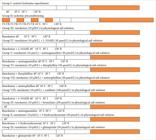
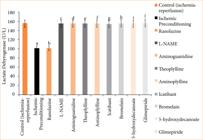
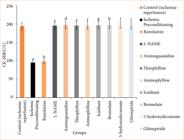
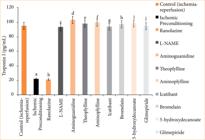
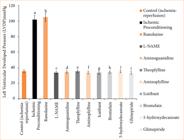
Methods: Ischemia-reperfusion injury was established using Langendroff technique. Thirty-minute ischemia and 120-minute reperfusion to coronary artery to isolated heart were model of myocardial infarction. There were studied the following groups: control (ischemia-reperfusion), ischemic preconditioning, ranolazine (10 µmol/L), ranolazine + L-NAME (30 µmol/L) and ranolazine + aminoguanidine (30 µmol/L), ranolazine + theophylline (50 µmol/L), ranolazine + aminophylline (50 µmol/L), ranolazine + icatibantl (100 µmol/L), ranolazine + bromelain (250 µmol/L), ranolazine + 5-hydroxydecanoate (30 µmol/L), and ranolazine + glimepiride (50 µmol/L) in perfusate.
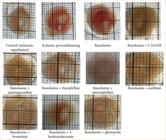
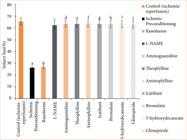
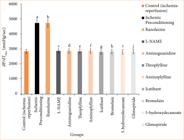
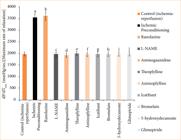
Results: Ranolazine and ischemic preconditioning groups demonstrated cardioprotective effects by reducing infarct size, as well as levels of lactate dehydrogenase (LDH), creatine phosphokinase myoglobin (CK-MB), and troponin I and cardiac parameters like left ventricular developed pressure (LVDP) and left ventricular maximum rate of contraction (dP/dTmax). Maximum rate of relaxation (dP/dTmin) was improved. Conversely, treatments with L-NAME, aminoguanidine, theophylline, aminophylline, icatibant, bromelain, 5-hydroxydecanoate, and glimepiride increased infarct size, LDH, CK-MB, and troponin I levels, and cardiac parameters like LVDP, dP/dTmax, and dP/dTmin were depressed. This data provides evidence that ranolazine employs nitric oxide, adenosine, bradykinin, and ATP-dependent potassium channels as secondary messengers in cardioprotection.
Conclusion: ranolazine can be a pharmacological alternative to surgical ischemic preconditioning utilized prior to interventional procedures like coronary artery bypass graft surgery and heart transplantation, offering improved patient compliance.
Key words
Ranolazine; Ischemic Preconditioning; Nitric Oxide; Adenosine; Bradykinin
 Thumbnail
 Thumbnail
 Thumbnail
 Thumbnail
 Thumbnail
 Thumbnail
 Thumbnail
 Thumbnail
 Thumbnail
 Thumbnail
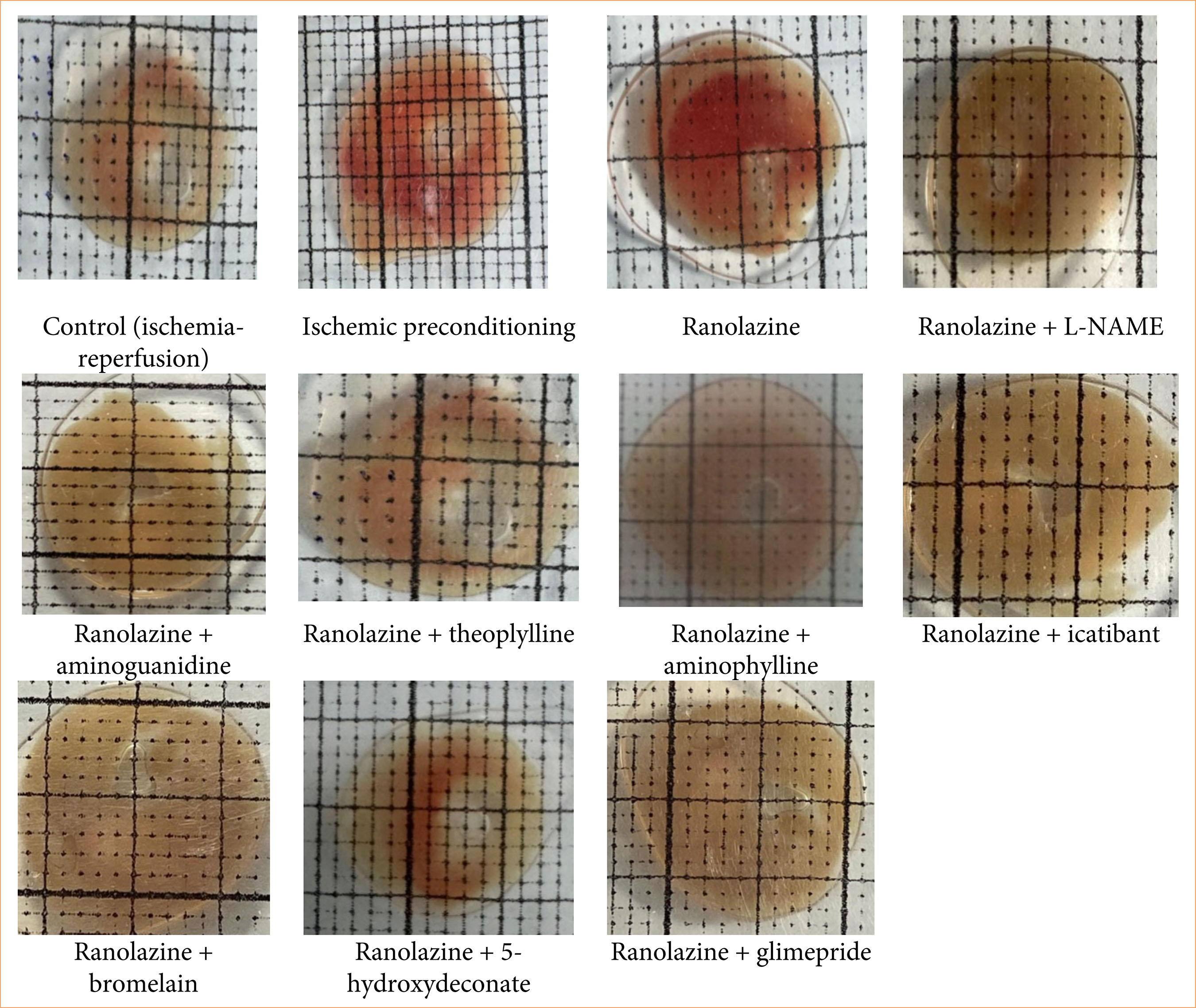 *The heart slices were stained with the incubation in 1% triphenyltetrazolium chloride buffer at 37°C in 0.2 M Tris buffer (pH 7.4) for 10 minutes. Source: Elaborated by the authors.
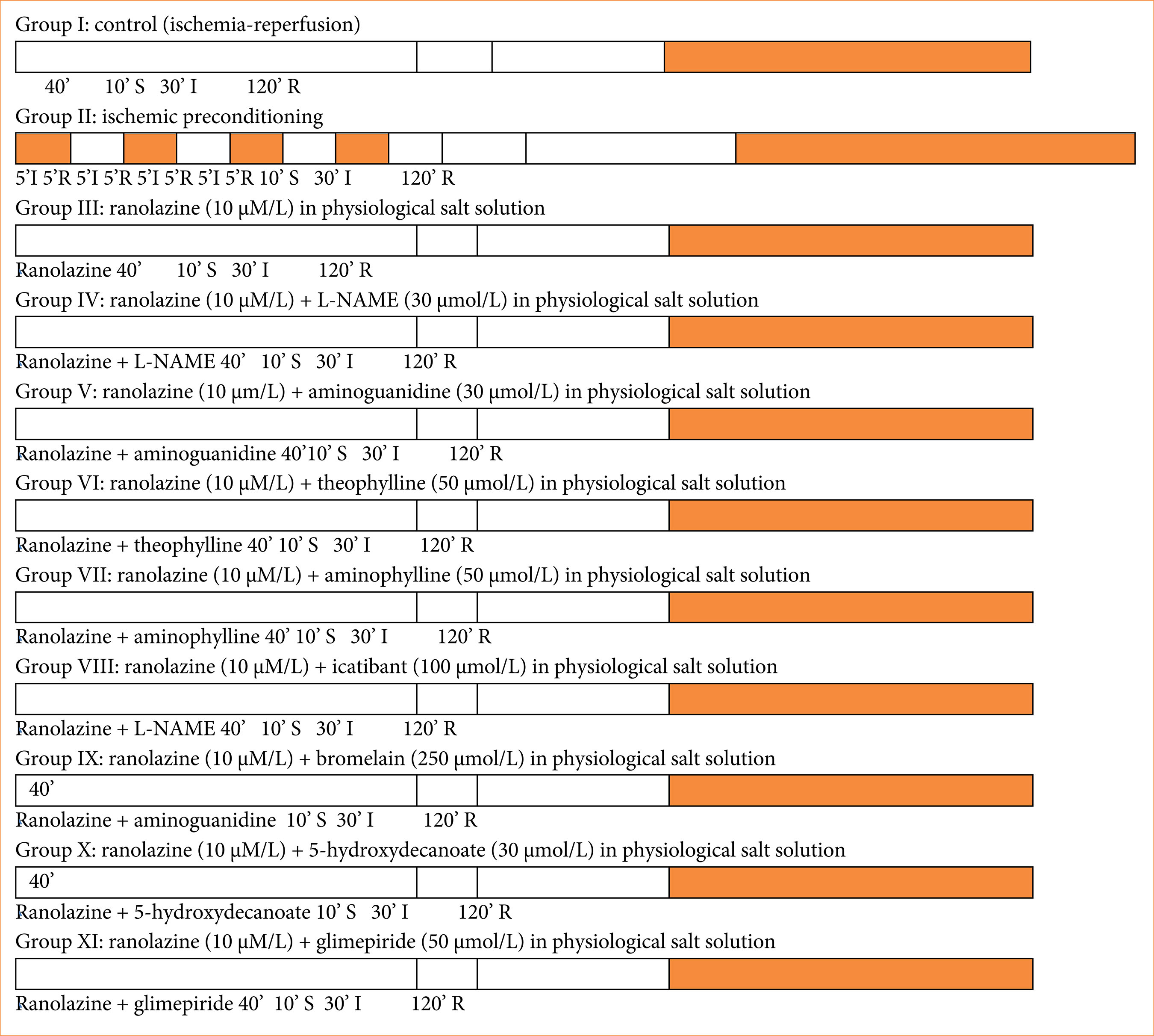 I: ischemia at minutes-time interval; R: reperfusion at minutes-time interval; S: stabilization at minutes-time interval.Source: Elaborated by the authors.
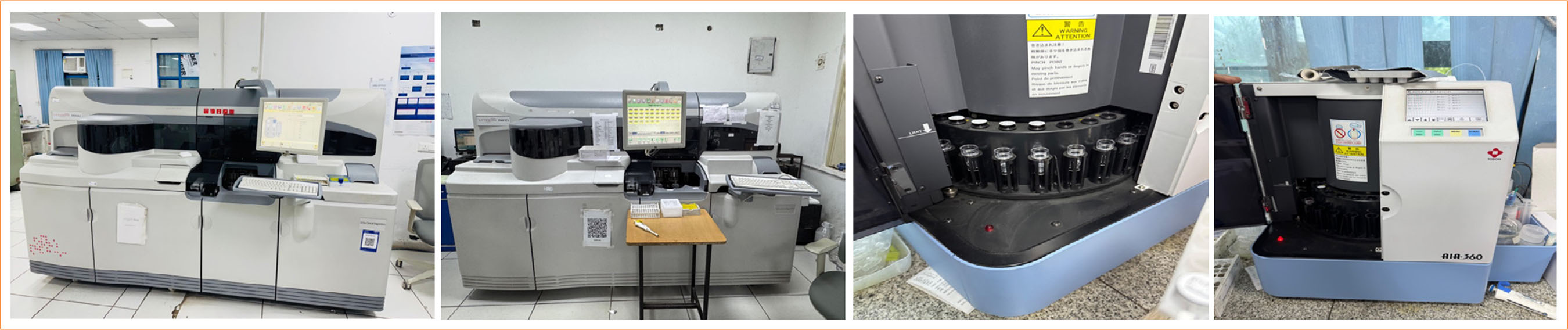 Source: Elaborated by the authors.
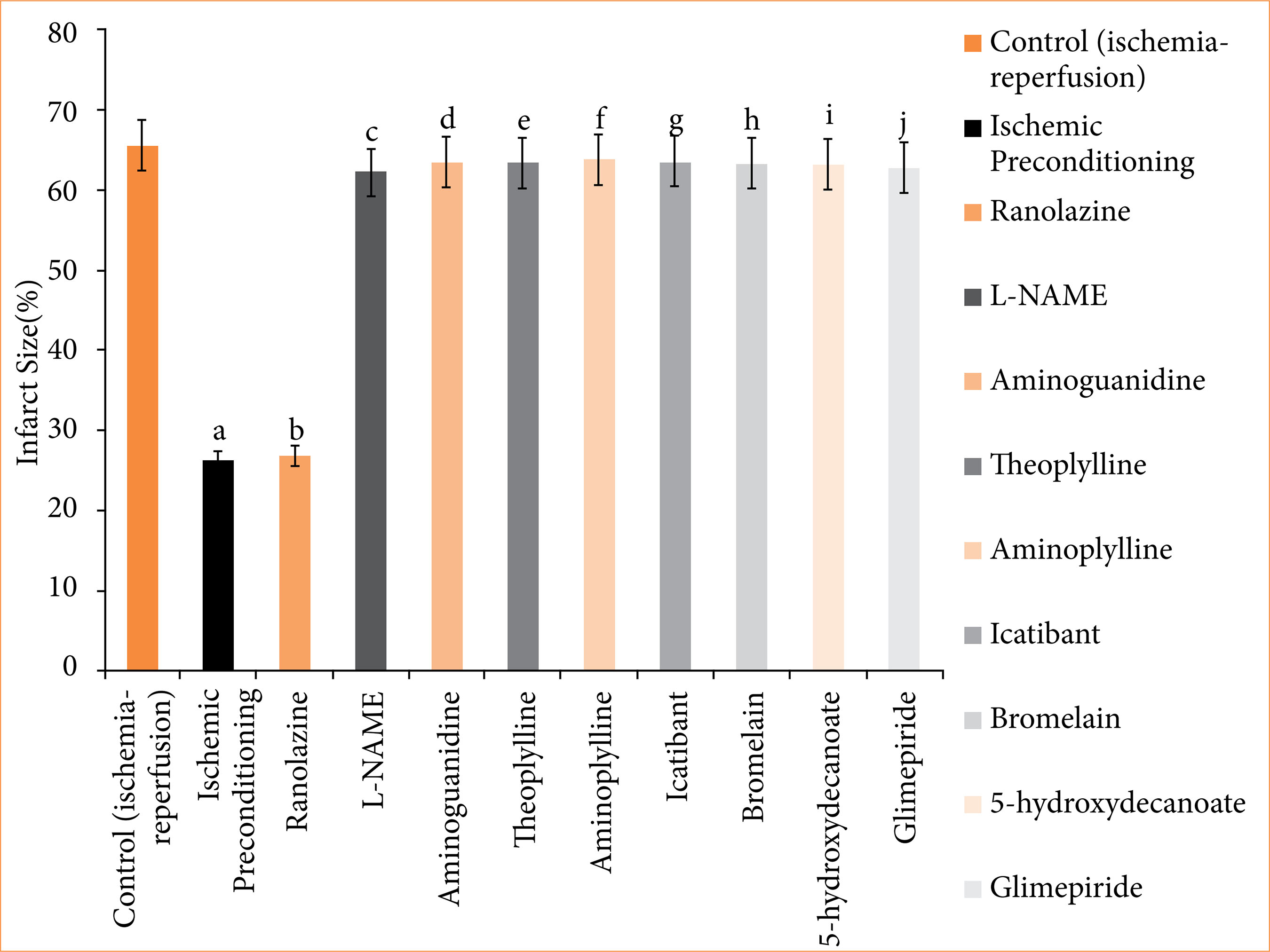 Source: Elaborated by the authors.
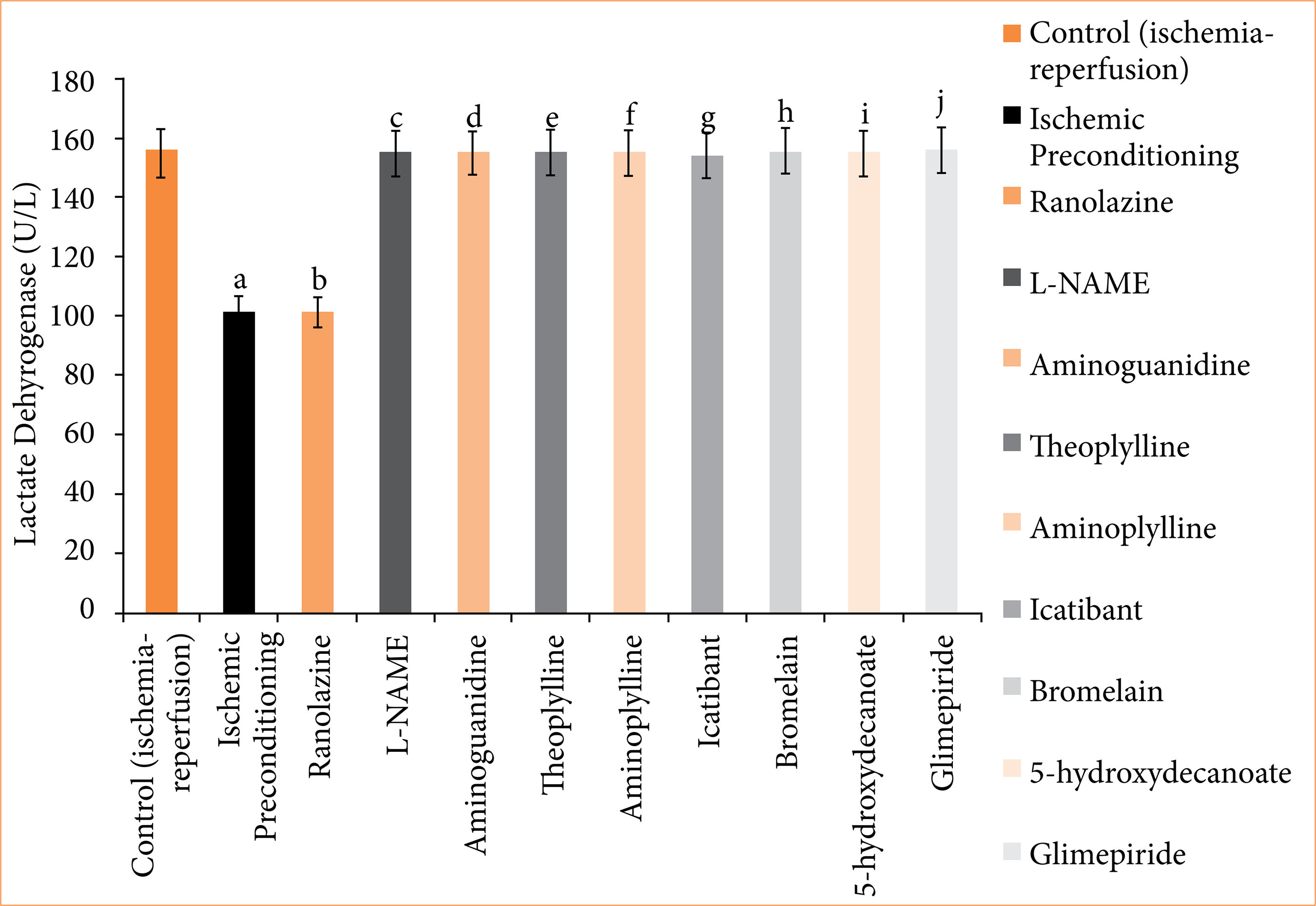 Source: Elaborated by the authors.
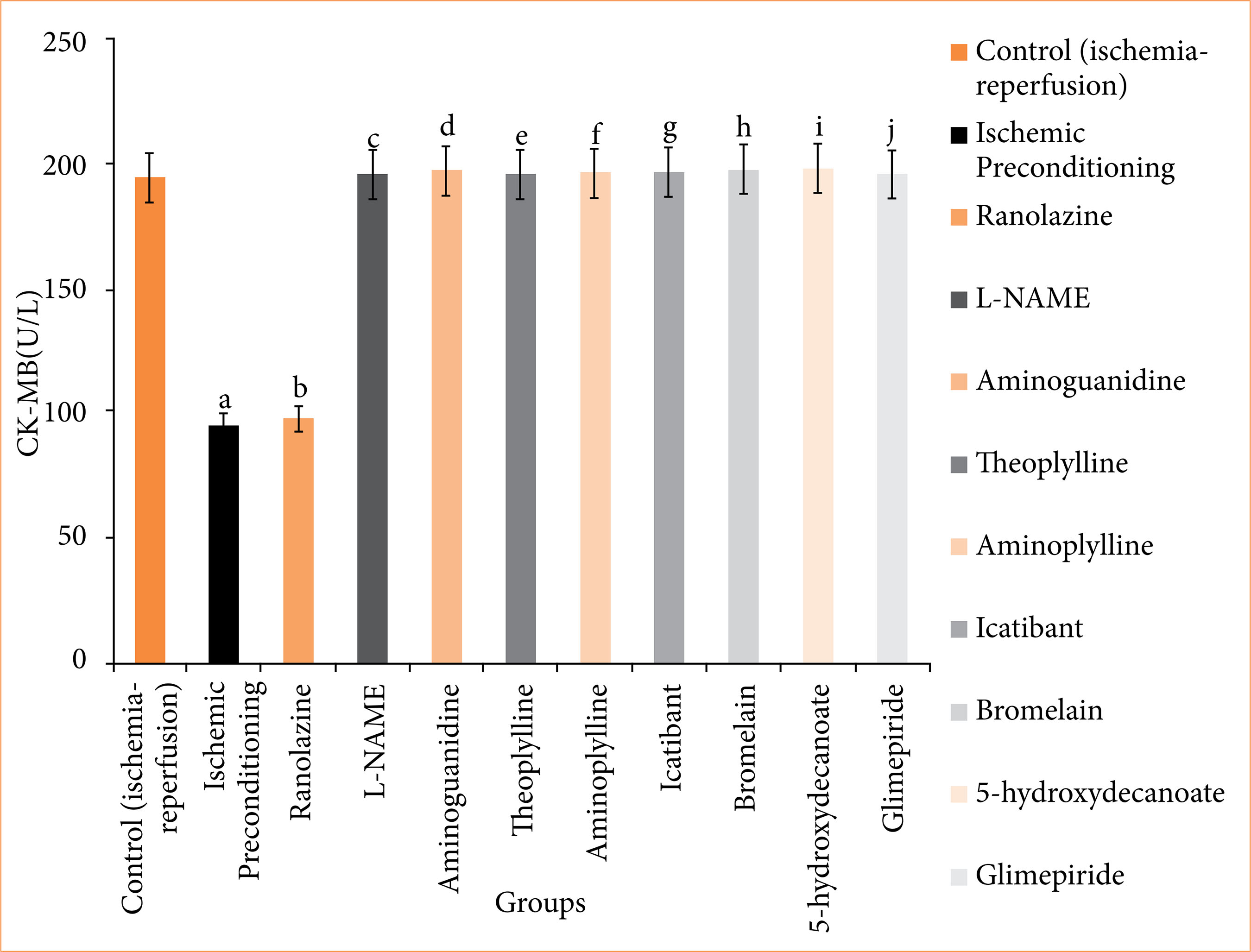 Source: Elaborated by the authors.
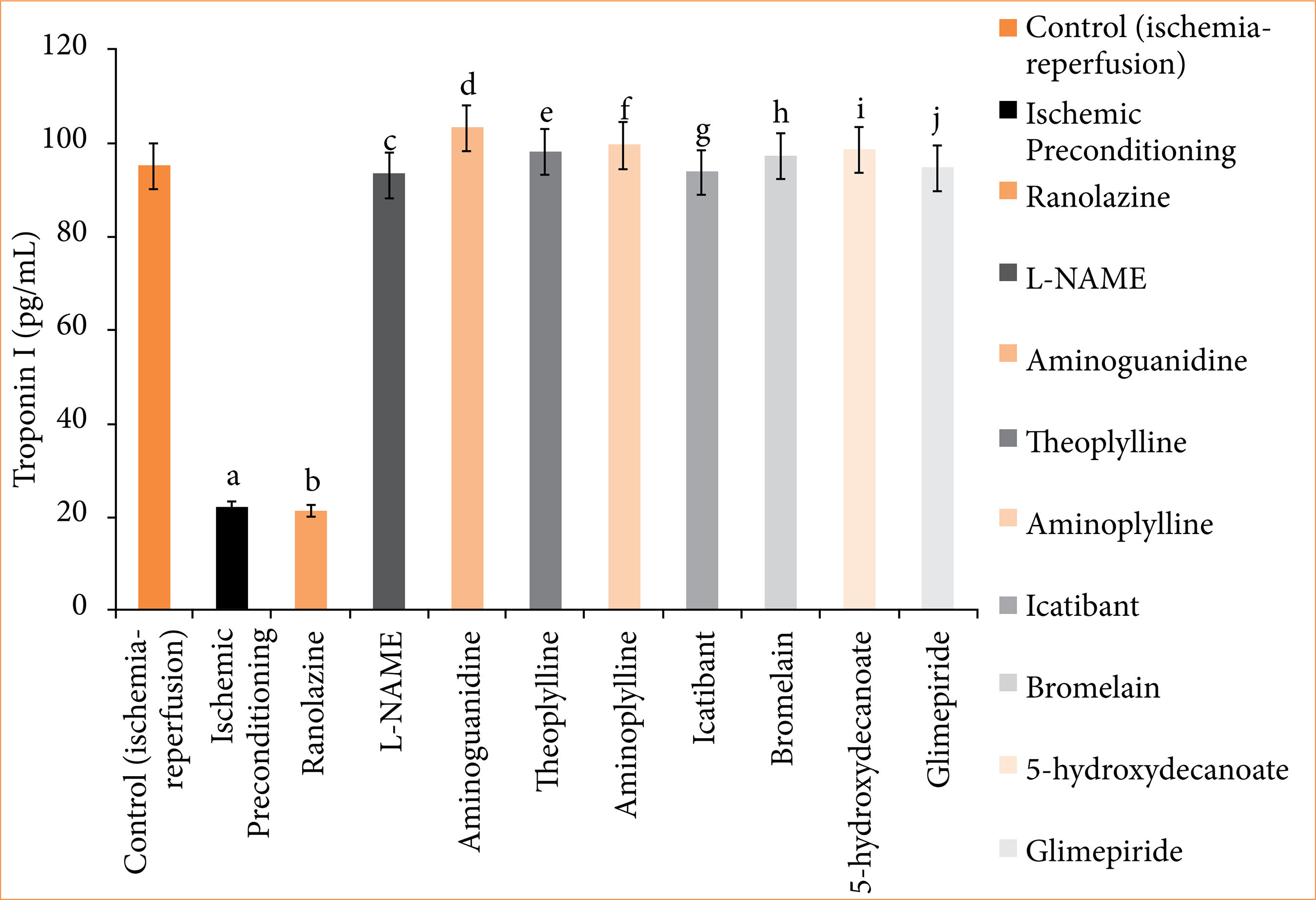 Source: Elaborated by the authors.
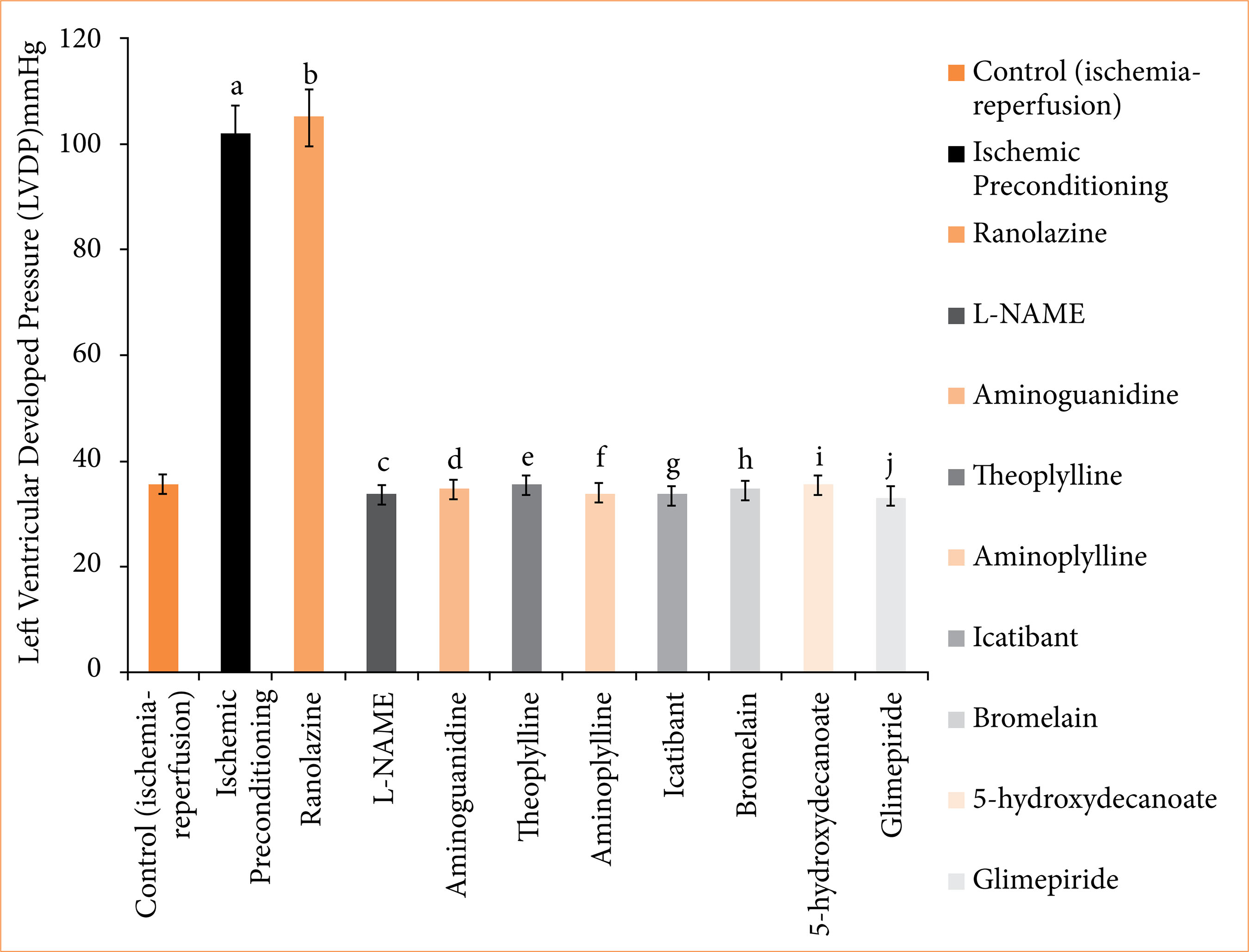 Source: Elaborated by the authors.
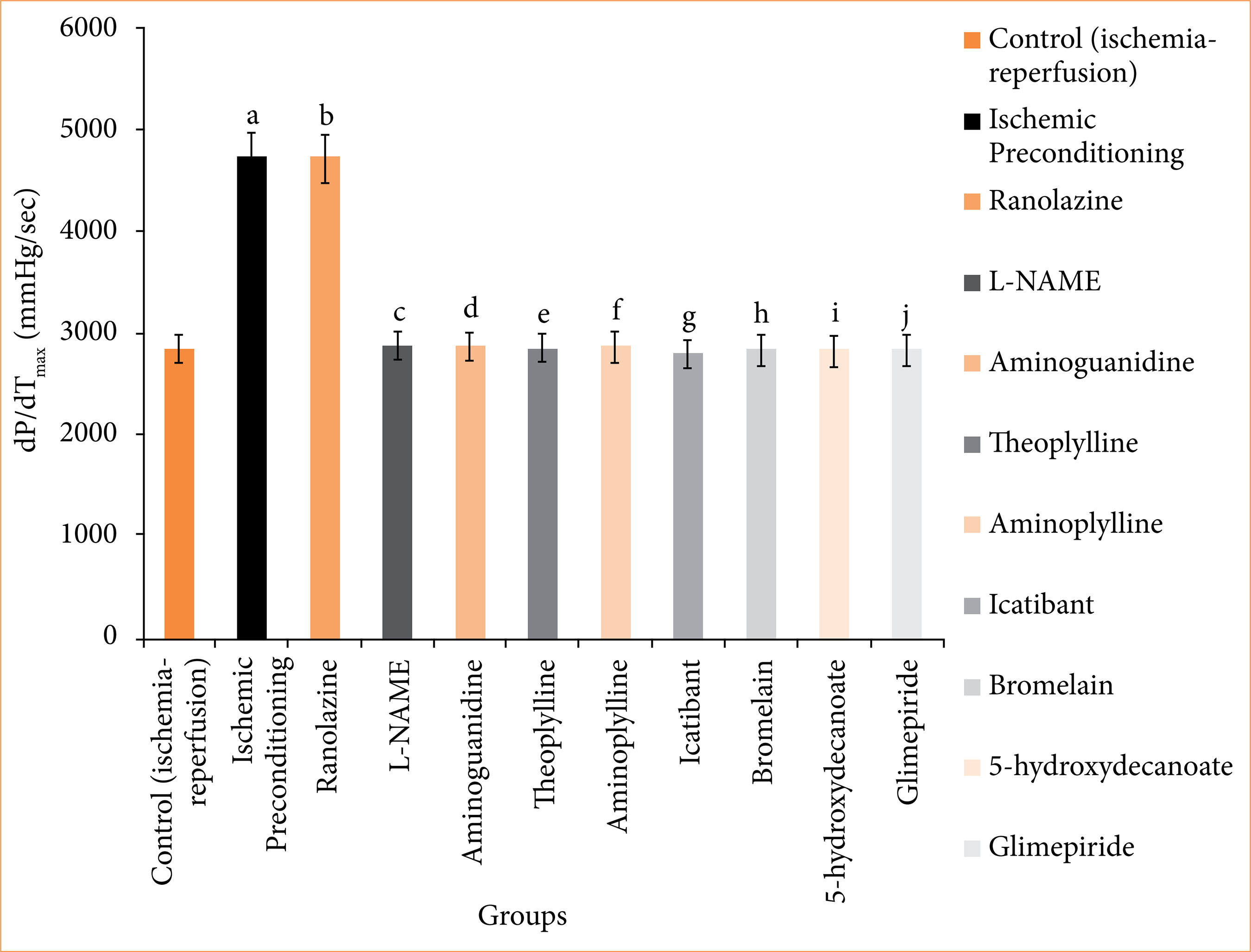 Source: Elaborated by the authors.
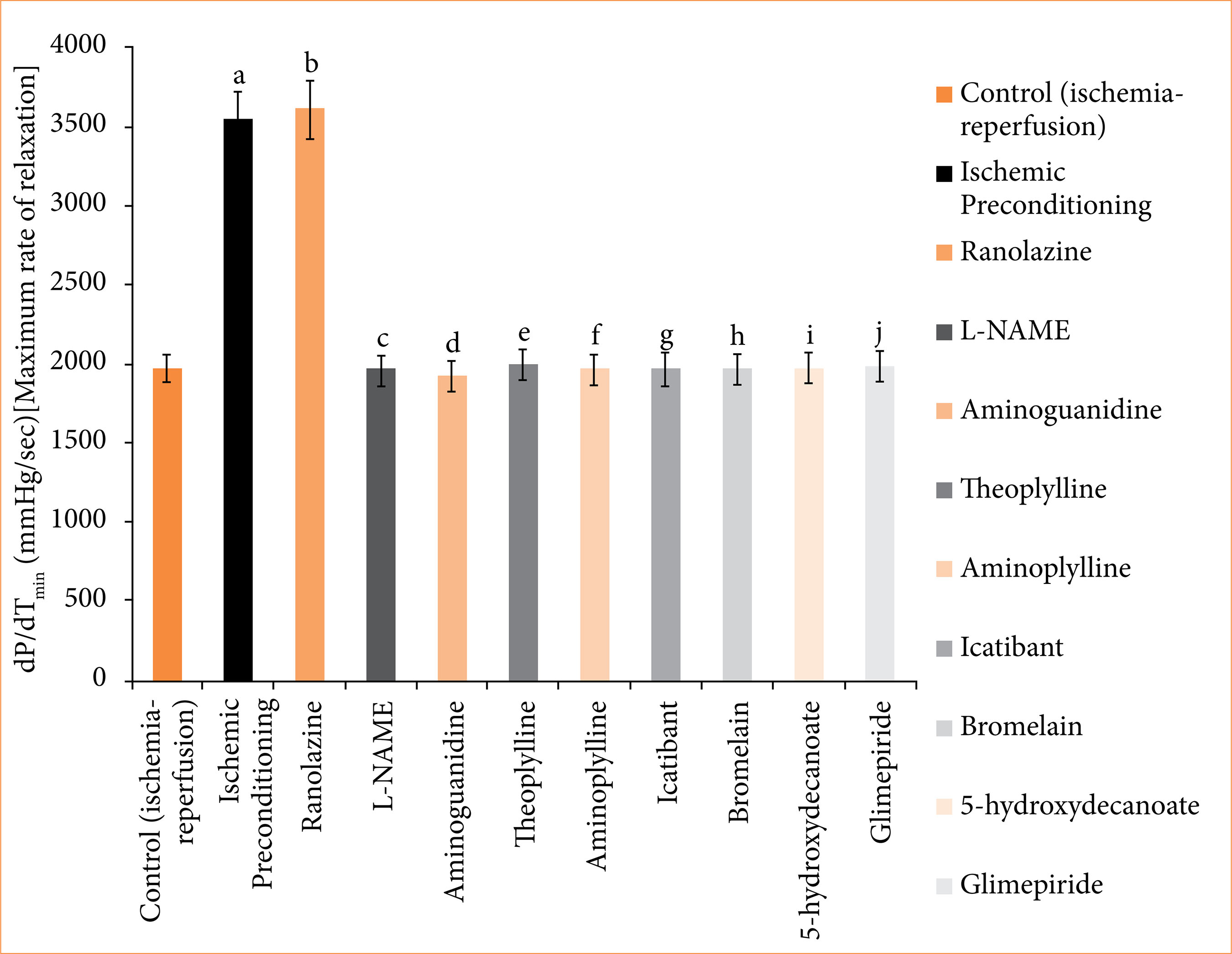 Source: Elaborated by the authors.