Optimization of cementitious mixtures with dregs waste: application of the particle packing method
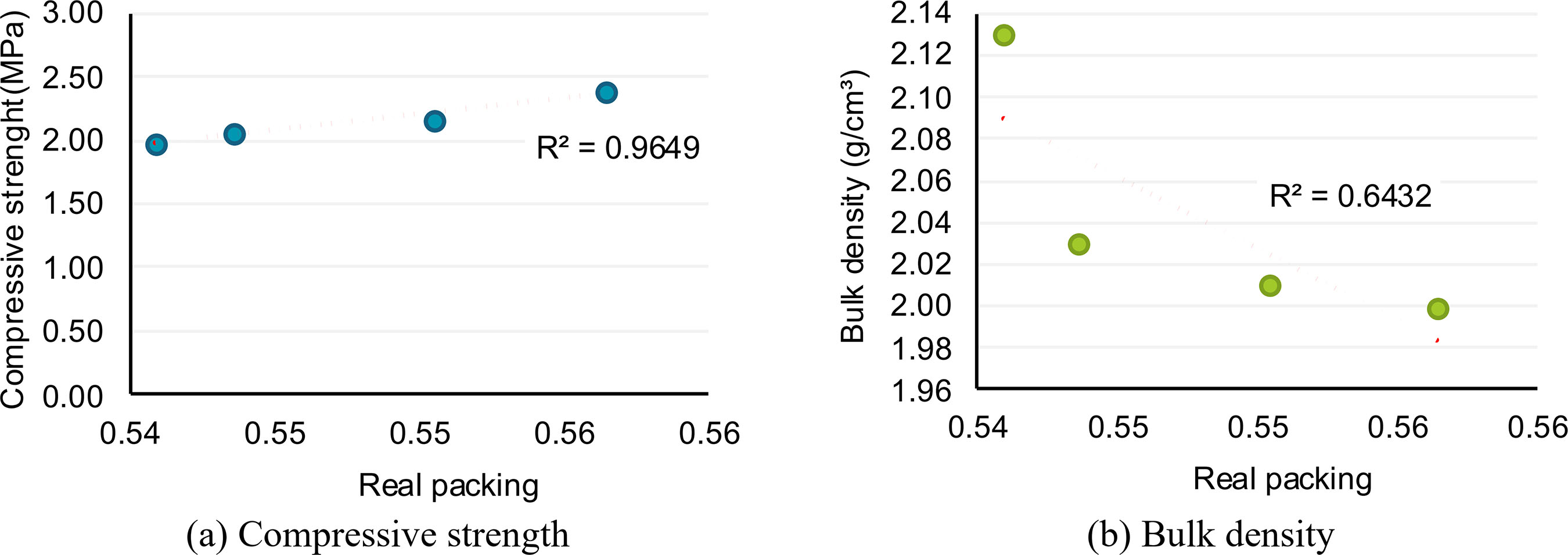
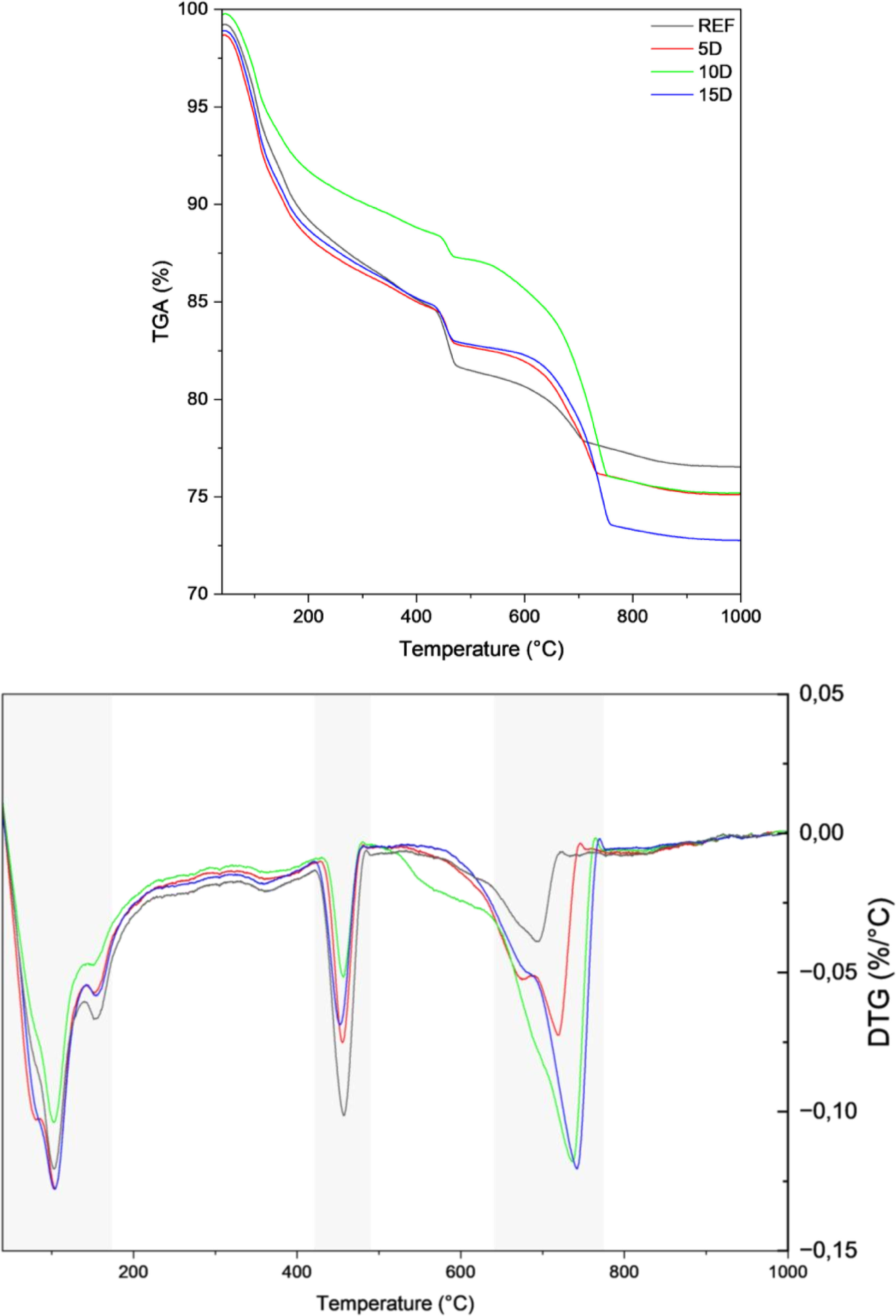
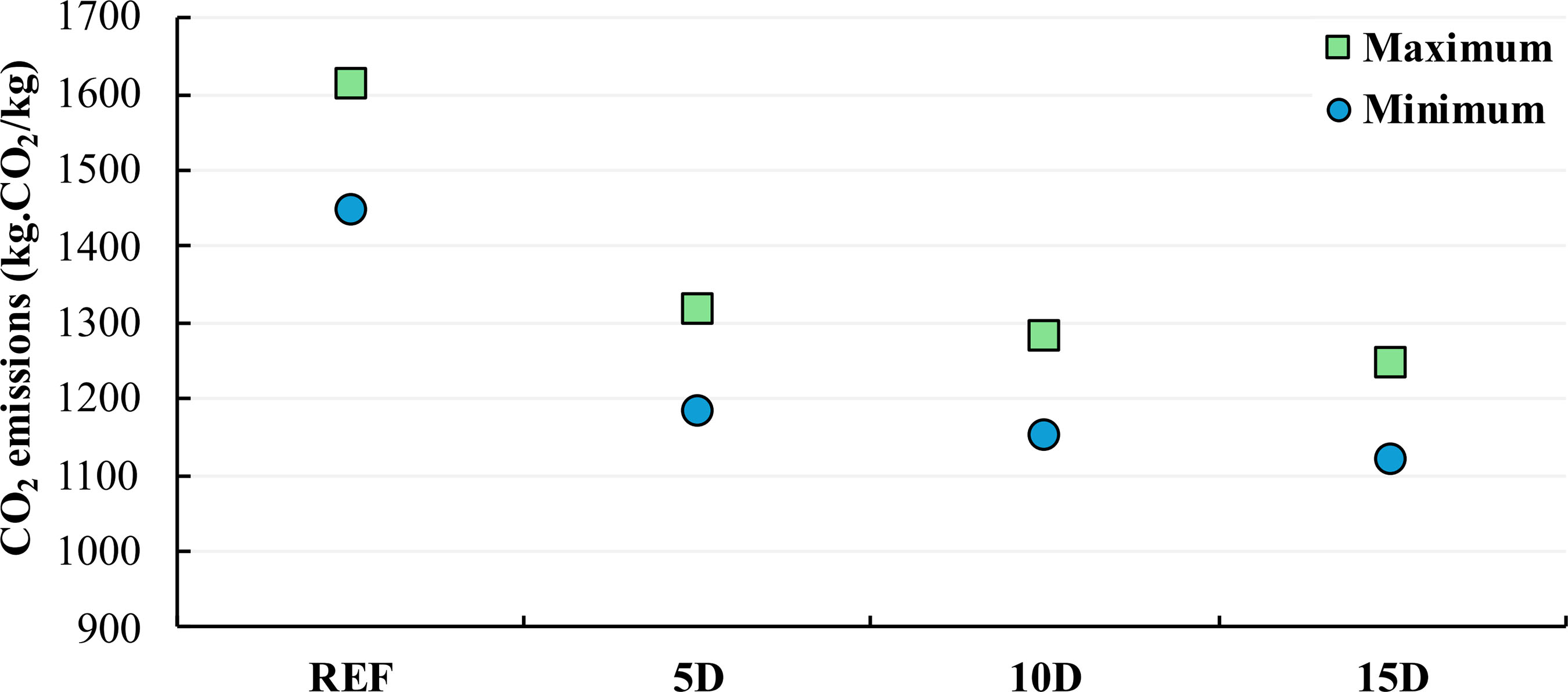
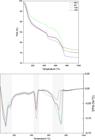
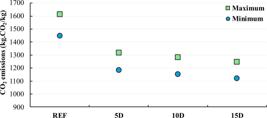
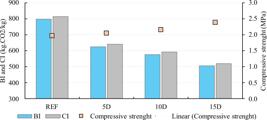
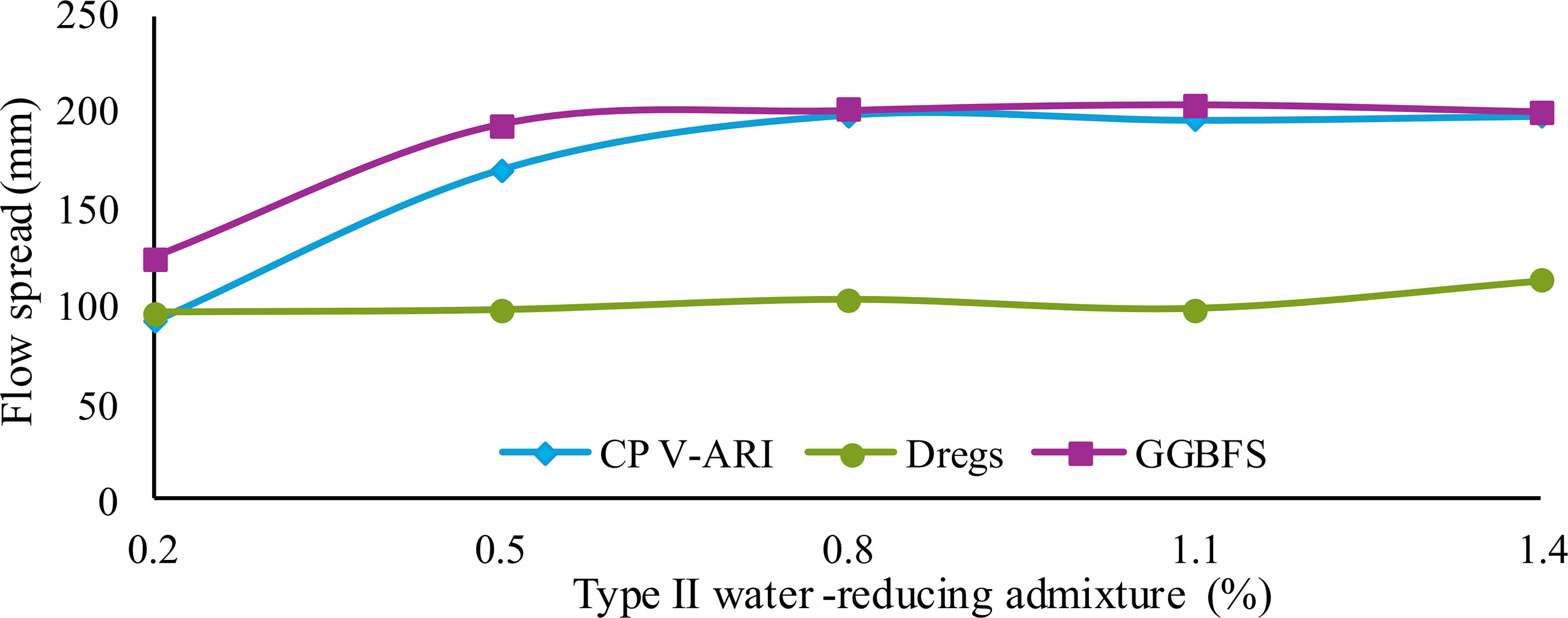
The use of industrial residues as supplementary materials in cementitious systems has been investigated as a strategy to reduce the environmental impact associated with cement production. In this context, this study evaluated the use of dregs waste from the pulp industry in ternary cementitious mixtures optimized using particle packing methods. The mixtures were designed using the wet packing method proposed by Wong and Kwan and the analytical model of De Larrard, with 25% partial replacement of cement by combinations of ground granulated blast furnace slag (GGBFS) and dregs at 5%, 10%, and 15%. The pastes were evaluated through fresh-state tests, compressive strength, thermogravimetric analysis (TG/DTG), and environmental indicators. The results indicated a reduction in workability with increasing dregs content, associated with the morphology of the residue particles. Nevertheless, the optimized particle packing helped maintain the mechanical performance of the mixtures. Thermogravimetric analysis indicated a reduction in portlandite content and an increase in carbonate fractions in the mixtures containing the residue. CO2 emissions decreased with increasing cement replacement levels. Therefore, the results indicate that the combined use of dregs and GGBFS may help reduce cement consumption while maintaining mechanical performance and promoting environmental benefits.
Keywords
Dregs waste; Particle packing; Cement pastes
 Thumbnail
 Thumbnail
 Thumbnail
 Thumbnail
 Thumbnail
 Thumbnail
 Thumbnail
 Thumbnail
 Thumbnail
 Thumbnail

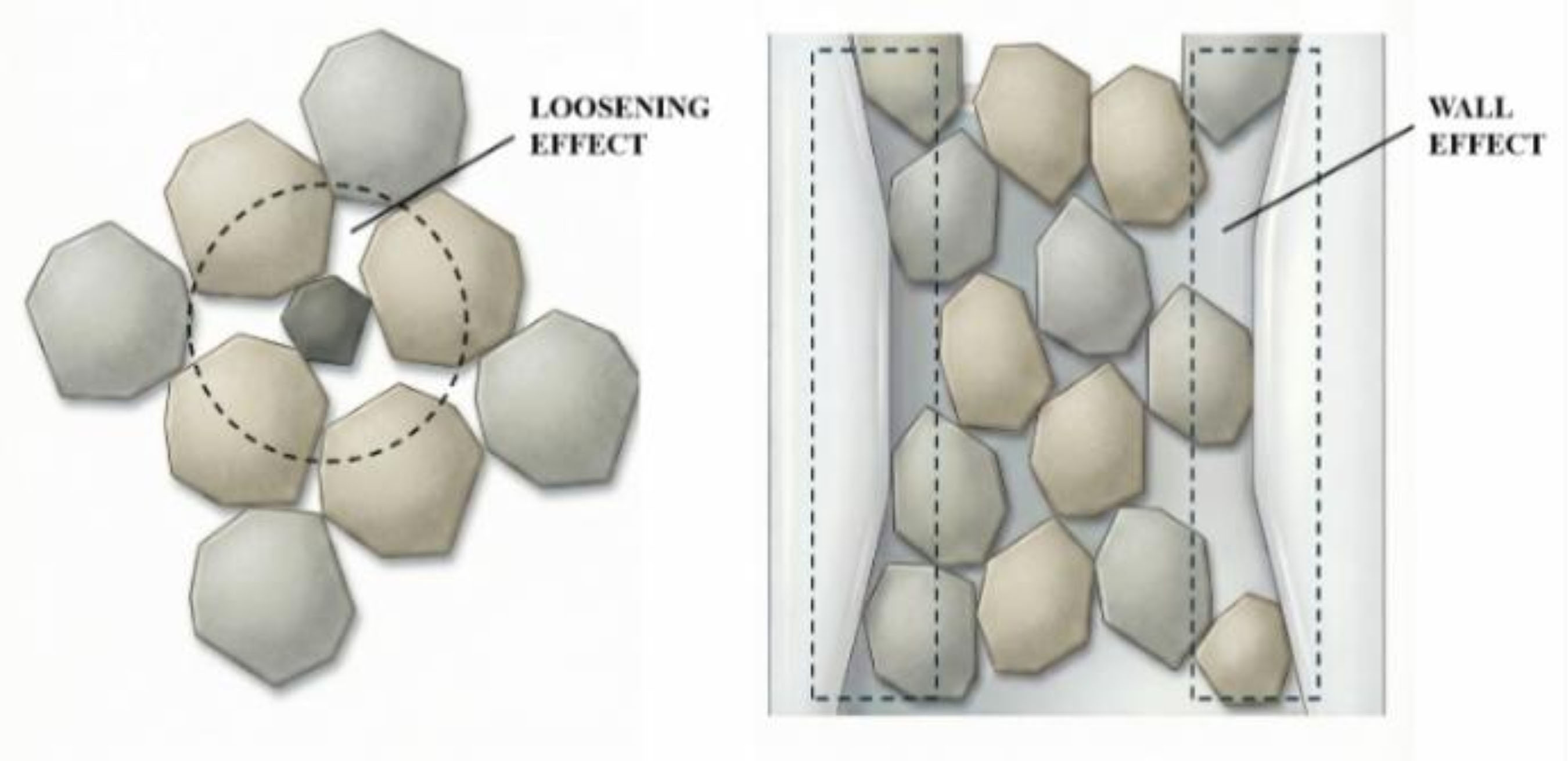 Source: adapted from
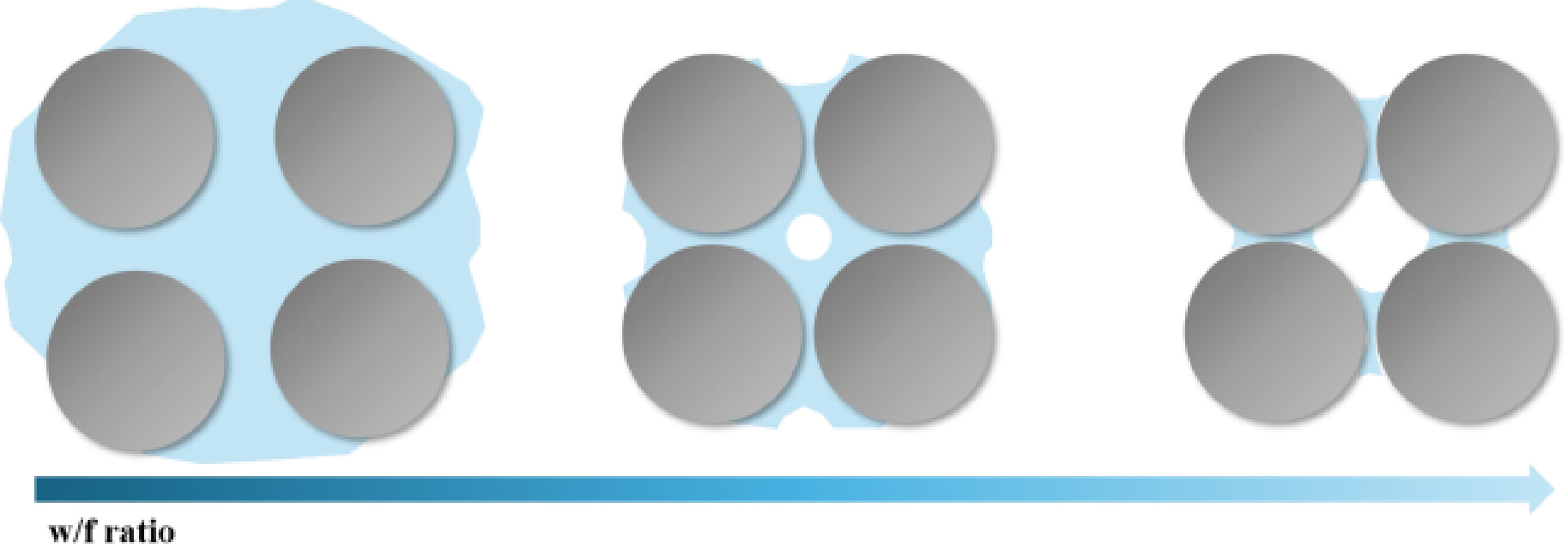 Source: adapted from