person Júlia Bagio
Conceptualization · Data curation · Formal analysis · Investigation · Methodology · Validation · Visualization · Writing – original draft
schoolUniversidade Federal de Santa Catarina. Florianópolis – SC – Brasil. ju.bagio07@gmail.comUniversidade Federal de Santa CatarinaBrasilFlorianópolis, SC, BrasilUniversidade Federal de Santa Catarina. Florianópolis – SC – Brasil. ju.bagio07@gmail.com
person Milena Varela Faustino
Conceptualization · Writing – review & editing
schoolUniversidade Federal de Santa Catarina. Florianópolis – SC – Brasil. faustinovmilena13@gmail.comUniversidade Federal de Santa CatarinaBrasilFlorianópolis, SC, BrasilUniversidade Federal de Santa Catarina. Florianópolis – SC – Brasil. faustinovmilena13@gmail.com
person Greici Ramos
Conceptualization · Investigation · Methodology · Validation · Writing – review & editing
schoolUniversidade Federal de Santa Catarina. Florianópolis – SC – Brasil. greiciramos@gmail.comUniversidade Federal de Santa CatarinaBrasilFlorianópolis, SC, BrasilUniversidade Federal de Santa Catarina. Florianópolis – SC – Brasil. greiciramos@gmail.com
person Mateus Bavaresco
Validation · Writing – review & editing
schoolUniversidade de São Paulo. São Paulo – SP – Brasil. bavarescomateus@gmail.comUniversidade de São PauloBrasilSão Paulo, SP, BrasilUniversidade de São Paulo. São Paulo – SP – Brasil. bavarescomateus@gmail.com
person Matheus Soares Geraldi
Conceptualization · Investigation · Methodology · Validation · Writing – review & editing
schoolUniversidade Federal de Santa Catarina. Florianópolis – SC – Brasil. matheus.s.geraldi@gmail.comUniversidade Federal de Santa CatarinaBrasilFlorianópolis, SC, BrasilUniversidade Federal de Santa Catarina. Florianópolis – SC – Brasil. matheus.s.geraldi@gmail.com
person Renata De Vecchi
Conceptualization · Investigation · Methodology · Validation · Writing – review & editing
schoolUniversidade Federal de Santa Catarina. Florianópolis – SC – Brasil. redevecchi@gmail.comUniversidade Federal de Santa CatarinaBrasilFlorianópolis, SC, BrasilUniversidade Federal de Santa Catarina. Florianópolis – SC – Brasil. redevecchi@gmail.com
person Ana Paula Melo
Funding acquisition · Resources · Supervision · Validation · Writing – review & editing
schoolUniversidade Federal de Santa Catarina. Florianópolis – SC – Brasil. apaula_melo@hotmail.comUniversidade Federal de Santa CatarinaBrasilFlorianópolis, SC, BrasilUniversidade Federal de Santa Catarina. Florianópolis – SC – Brasil. apaula_melo@hotmail.com
person Roberto Lamberts
Investigation · Methodology · Project administration · Funding acquisition · Resources · Supervision · Validation · Writing – review & editing
schoolUniversidade Federal de Santa Catarina. Florianópolis – SC – Brasil. roberto.lamberts@gmail.comUniversidade Federal de Santa CatarinaBrasilFlorianópolis, SC, BrasilUniversidade Federal de Santa Catarina. Florianópolis – SC – Brasil. roberto.lamberts@gmail.com
person*corresponding author
Editor in-chief:
Enedir Ghisi
Guest editor:
Fernando Sá Cavalcante

 Daylight challenges in Brazilian social housing: lessons from recent standards
 Thumbnail
 Thumbnail
 Thumbnail
 Thumbnail
 Thumbnail
 Thumbnail
 Thumbnail
 Thumbnail
 Thumbnail
 Thumbnail
 Thumbnail
 Thumbnail
 Thumbnail
 Thumbnail
 Thumbnail
 Thumbnail
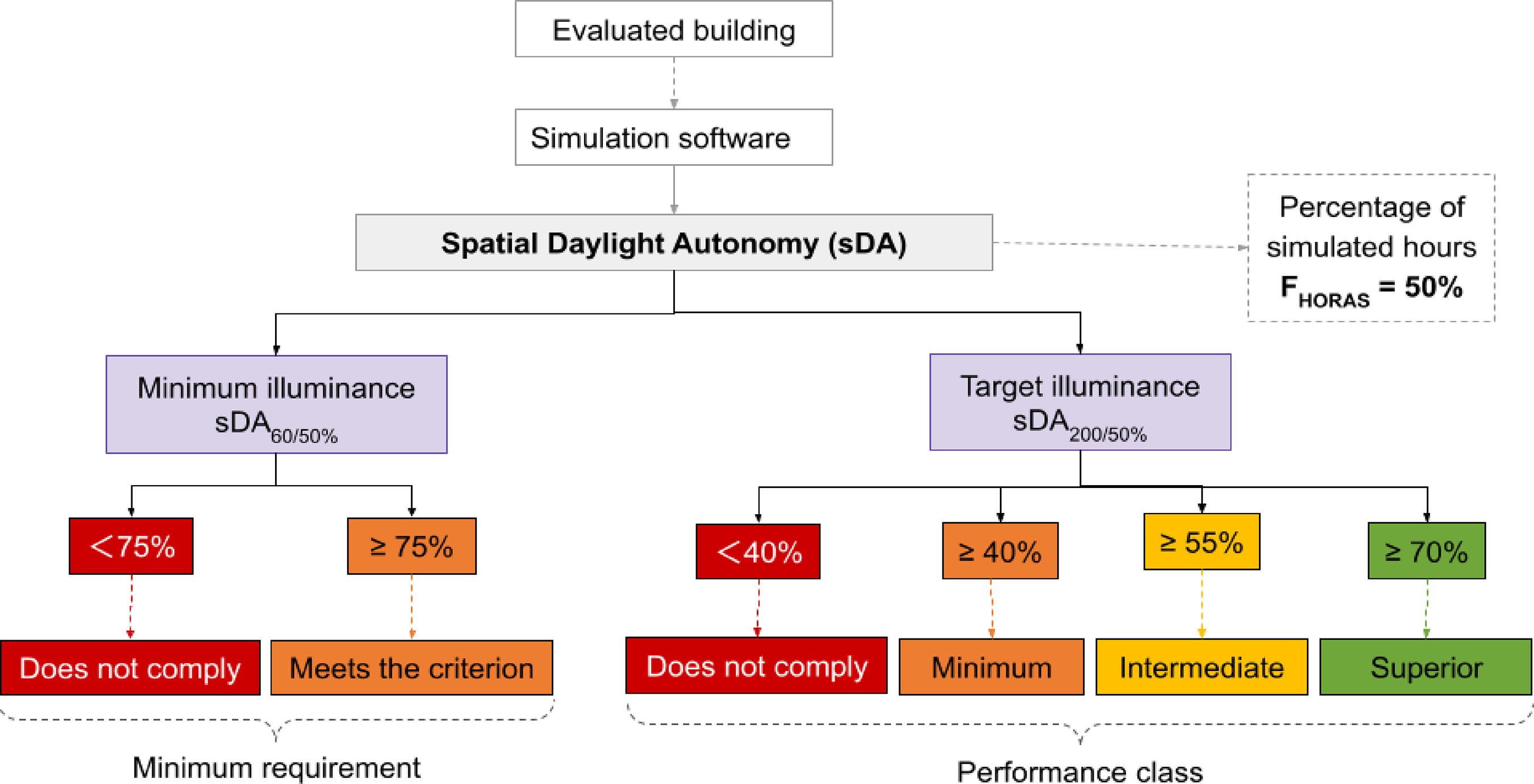
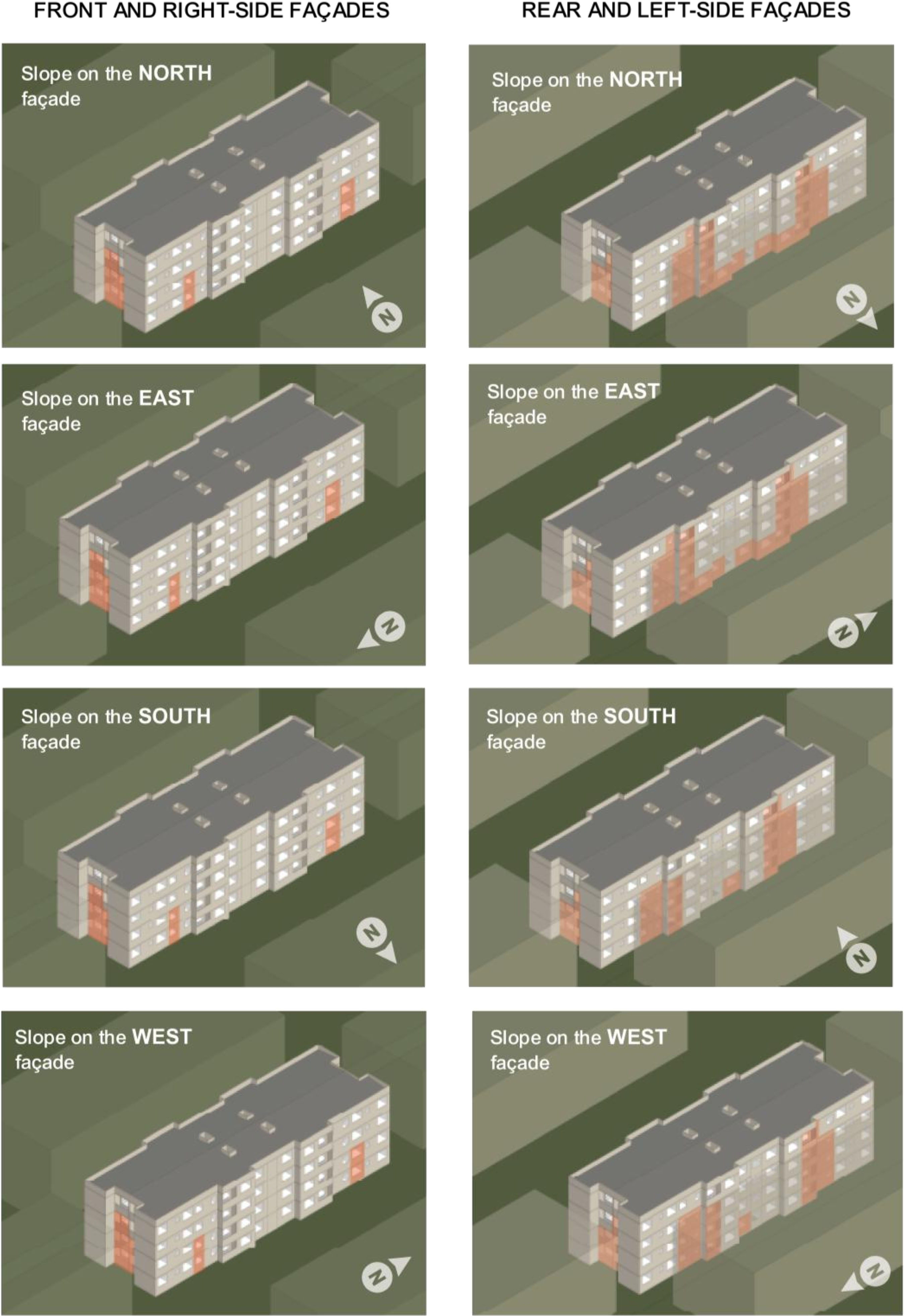
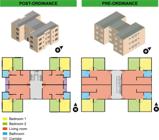
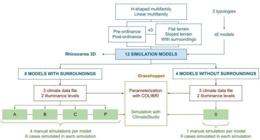
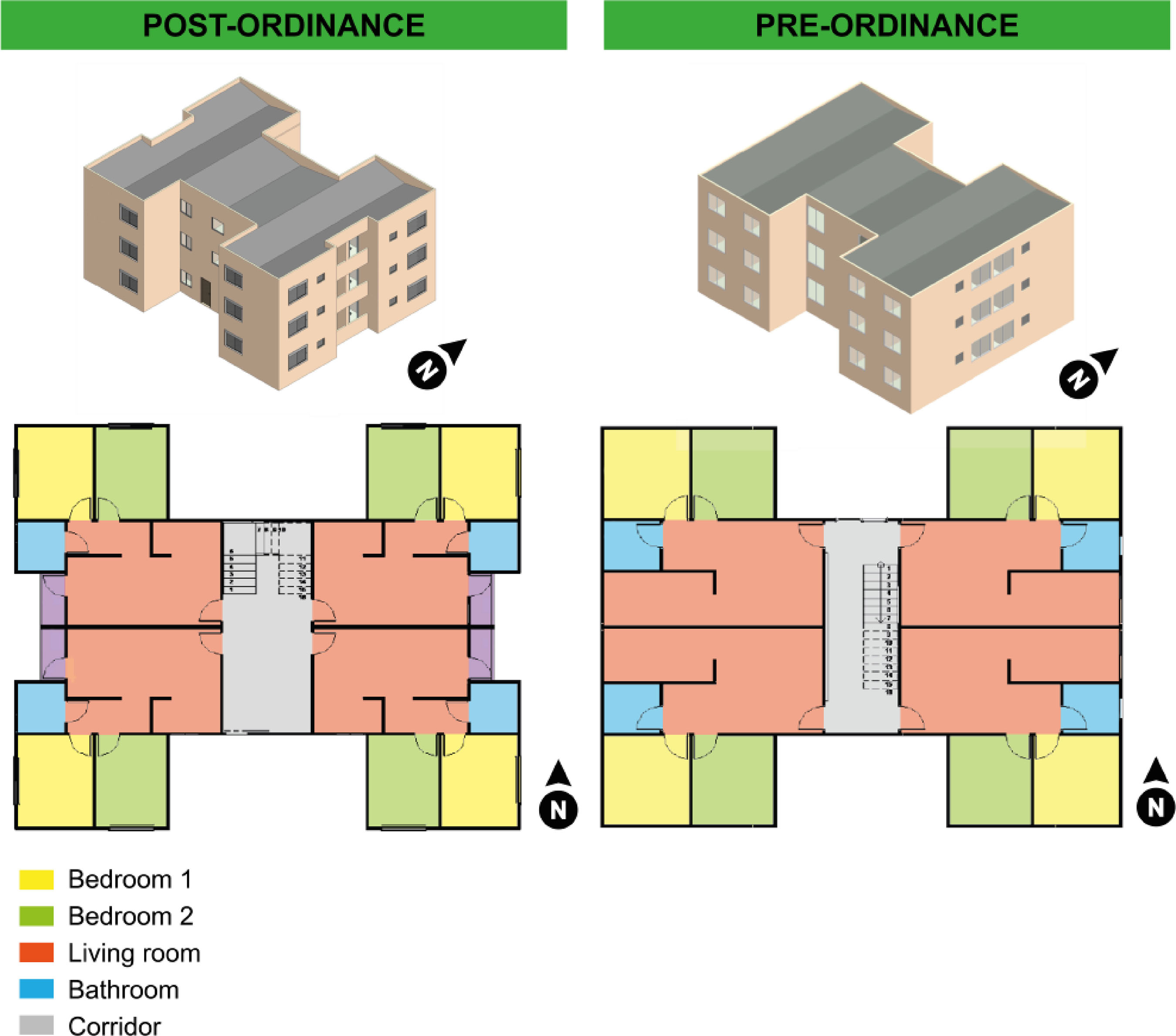 Source: adapted from LabEEE (2024).
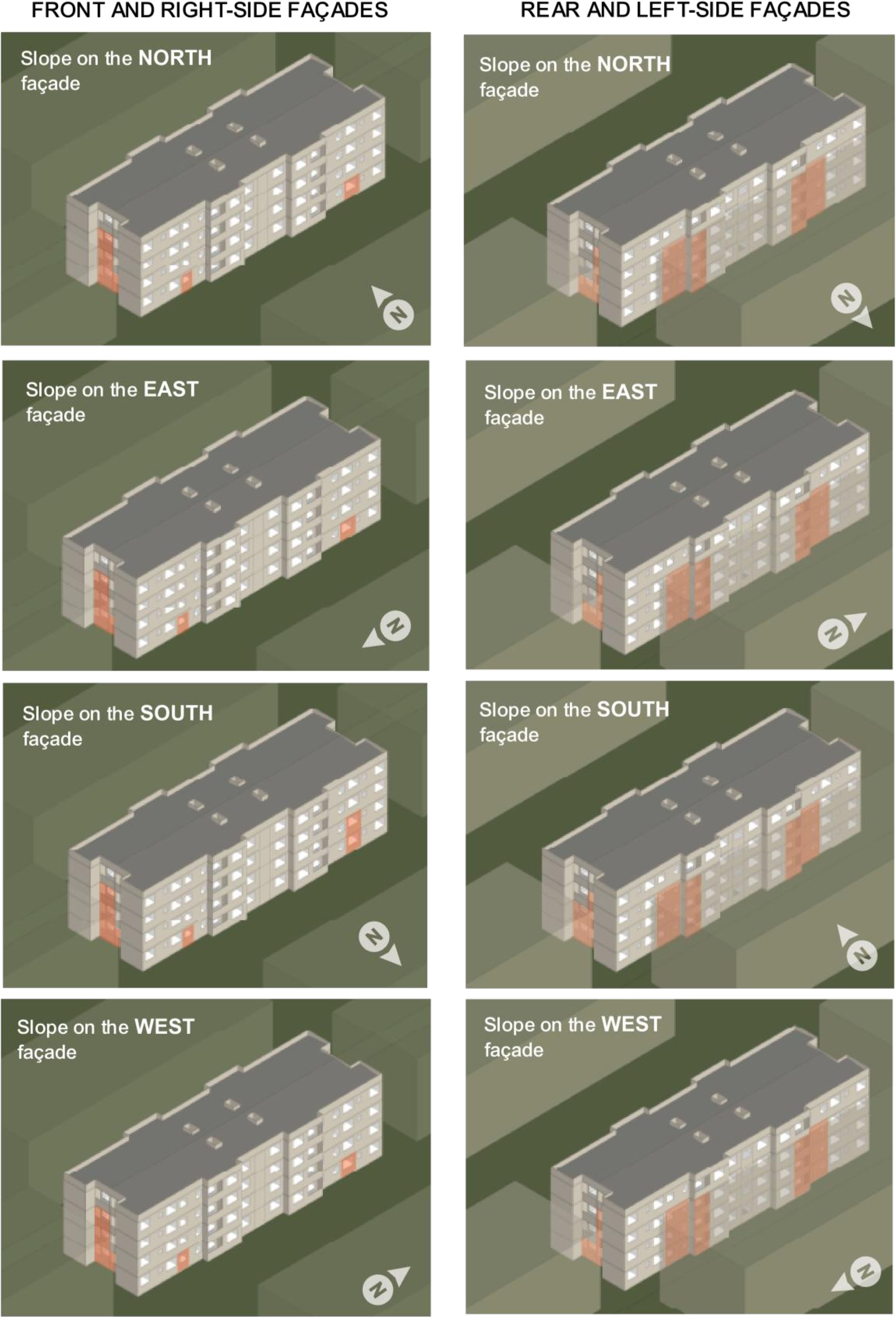
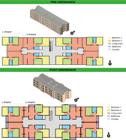
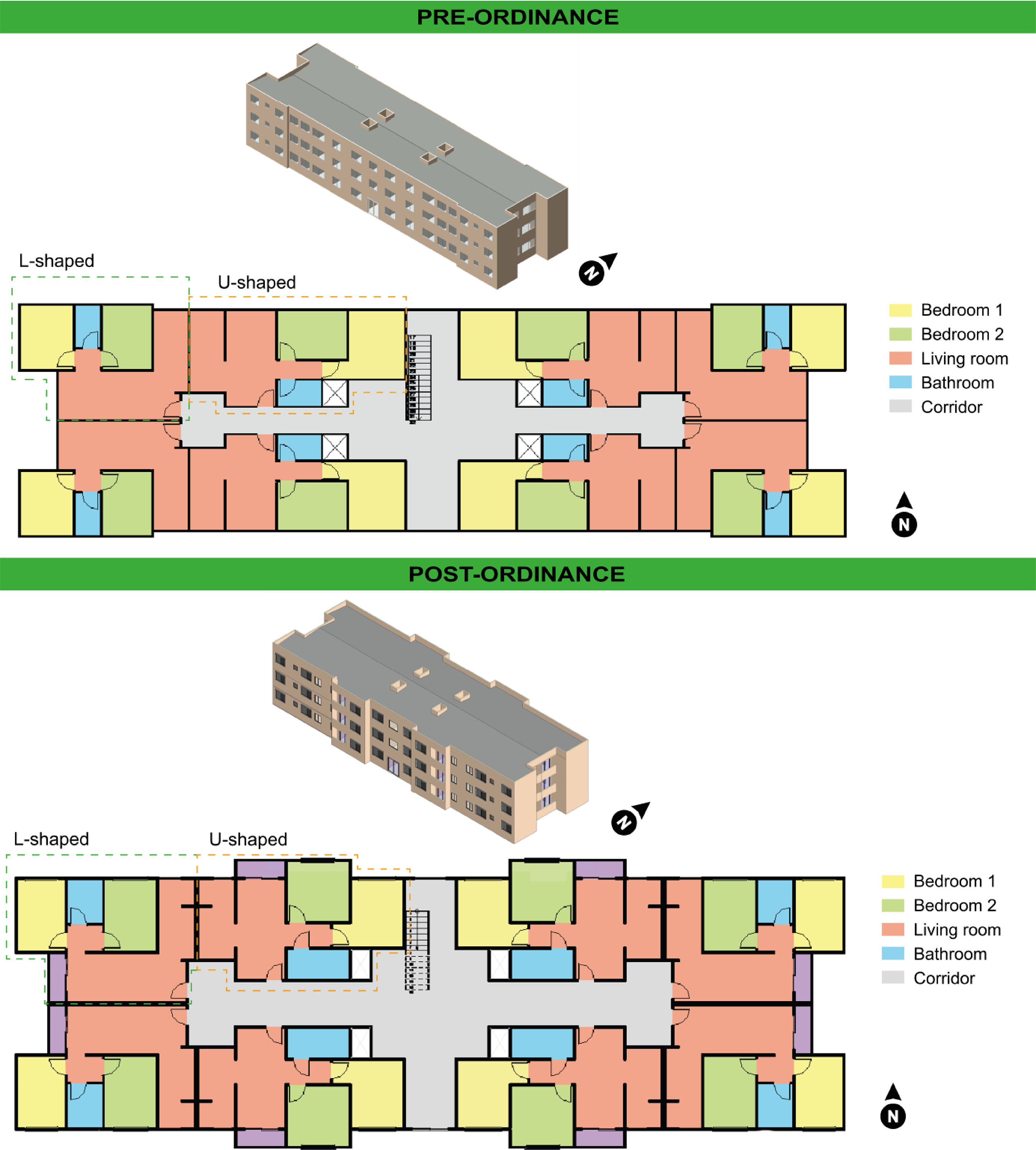 Source: adapted from LabEEE (2024).
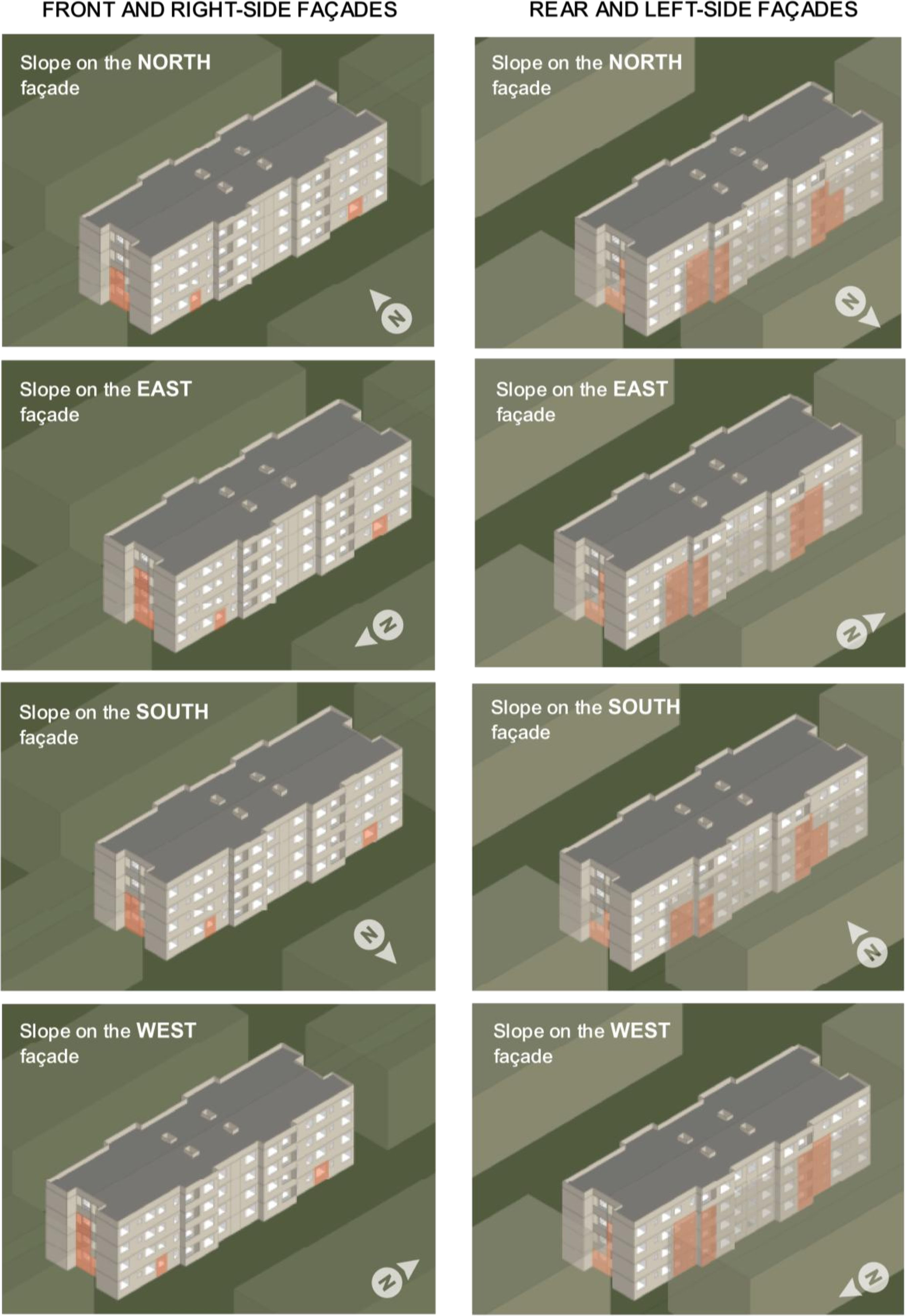
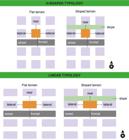
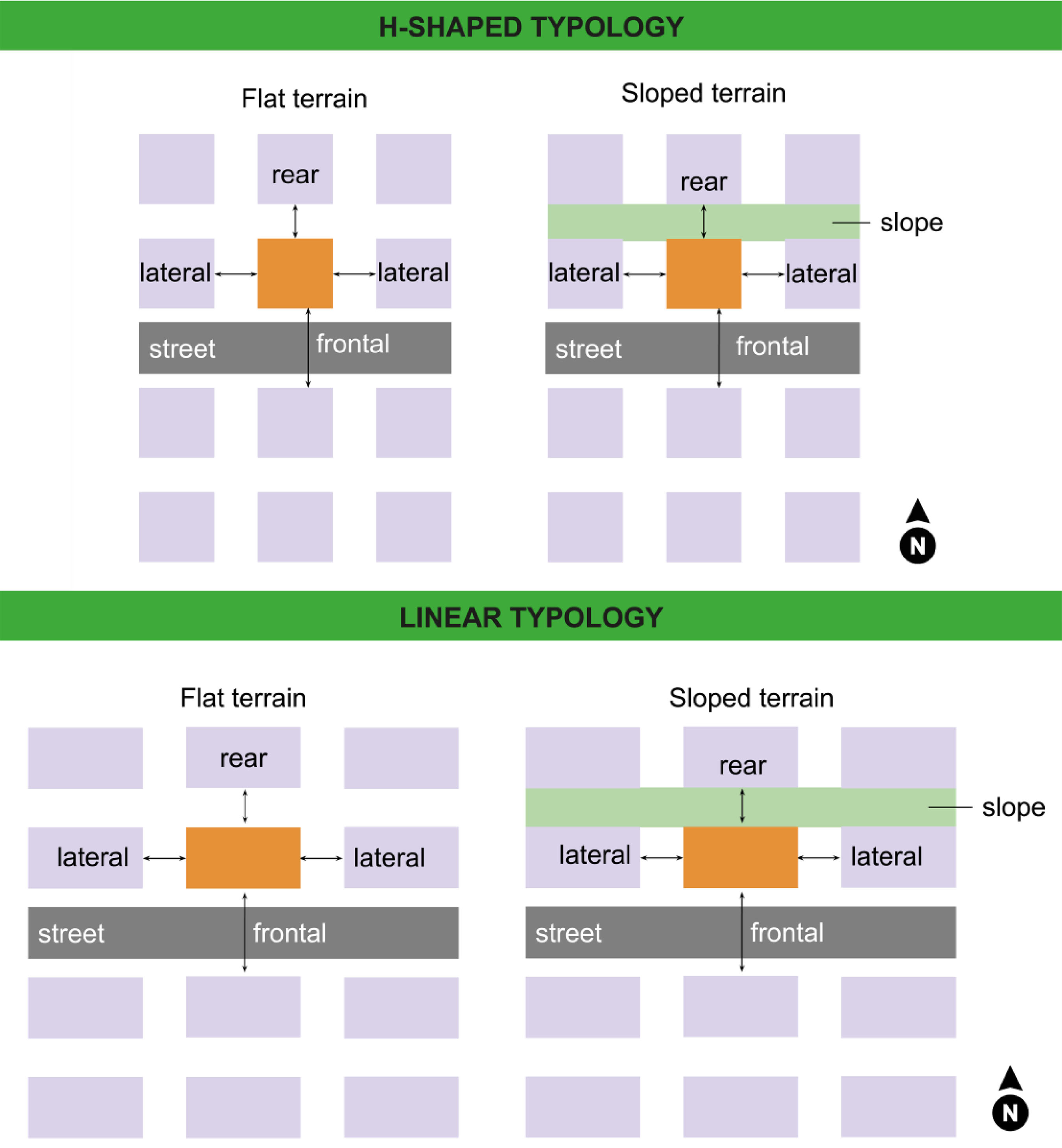 Source: adapted from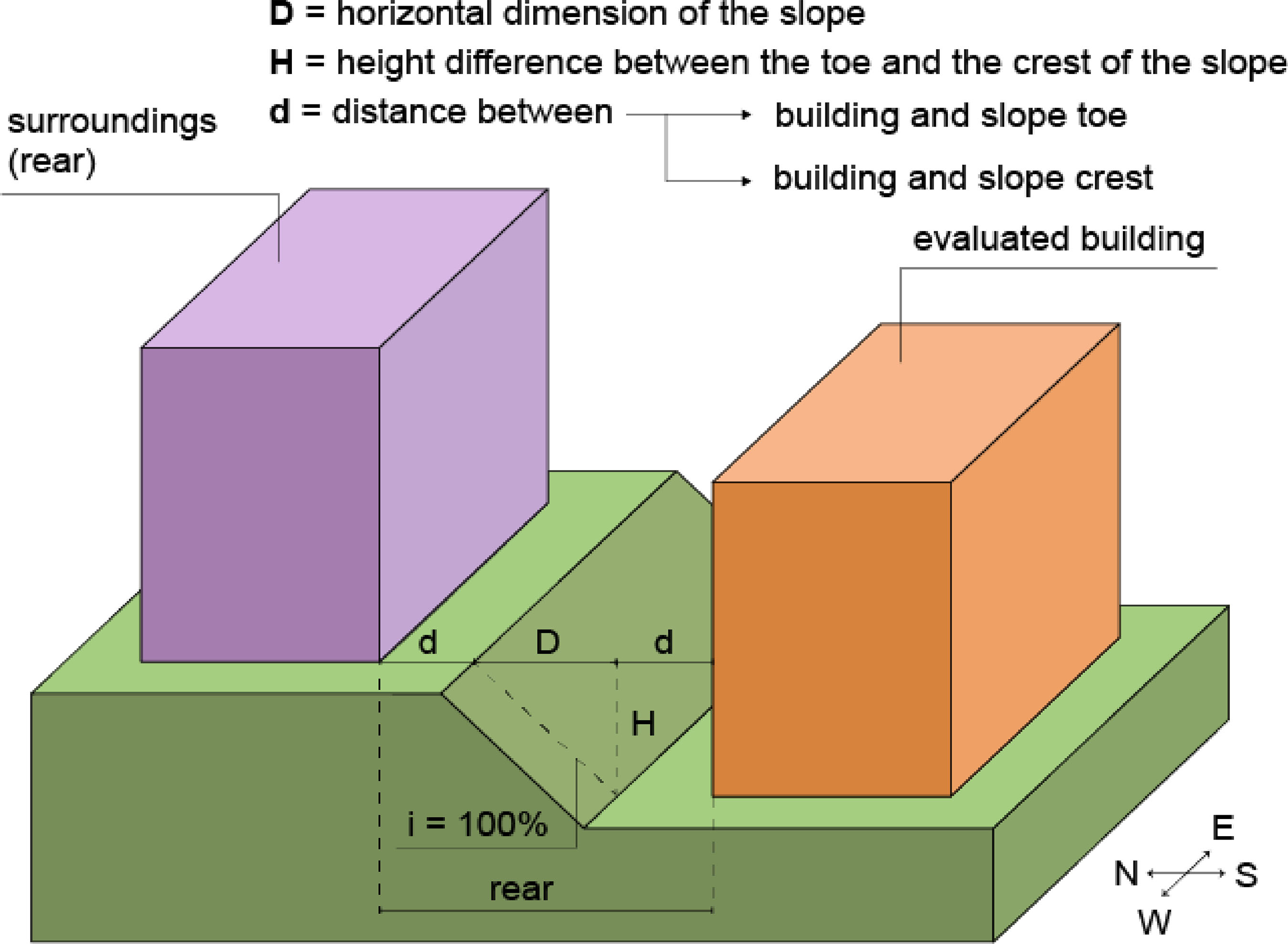
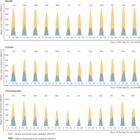
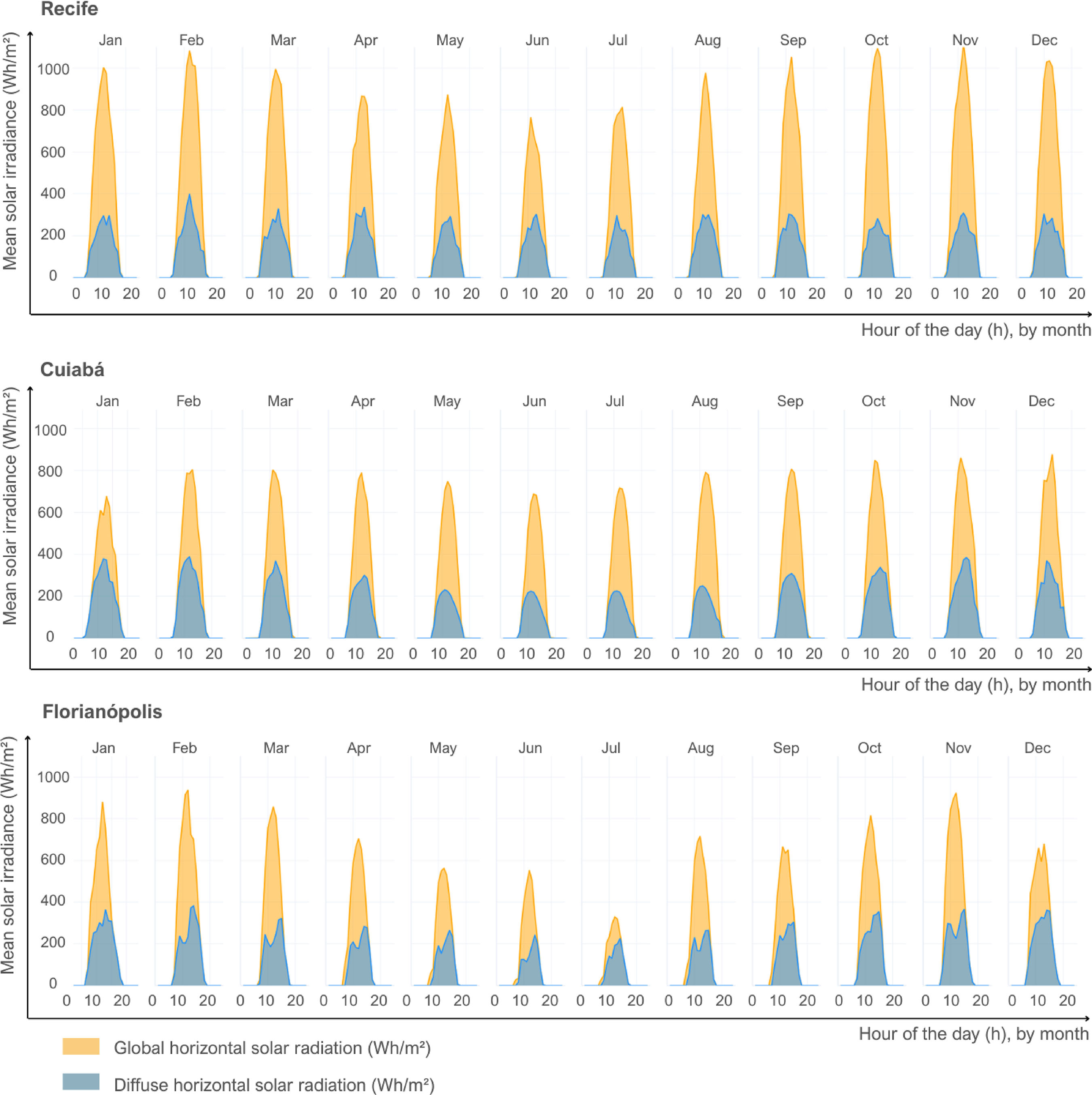 Source: adapted from the INMET meteorological data collected between 2001 and 2010 (
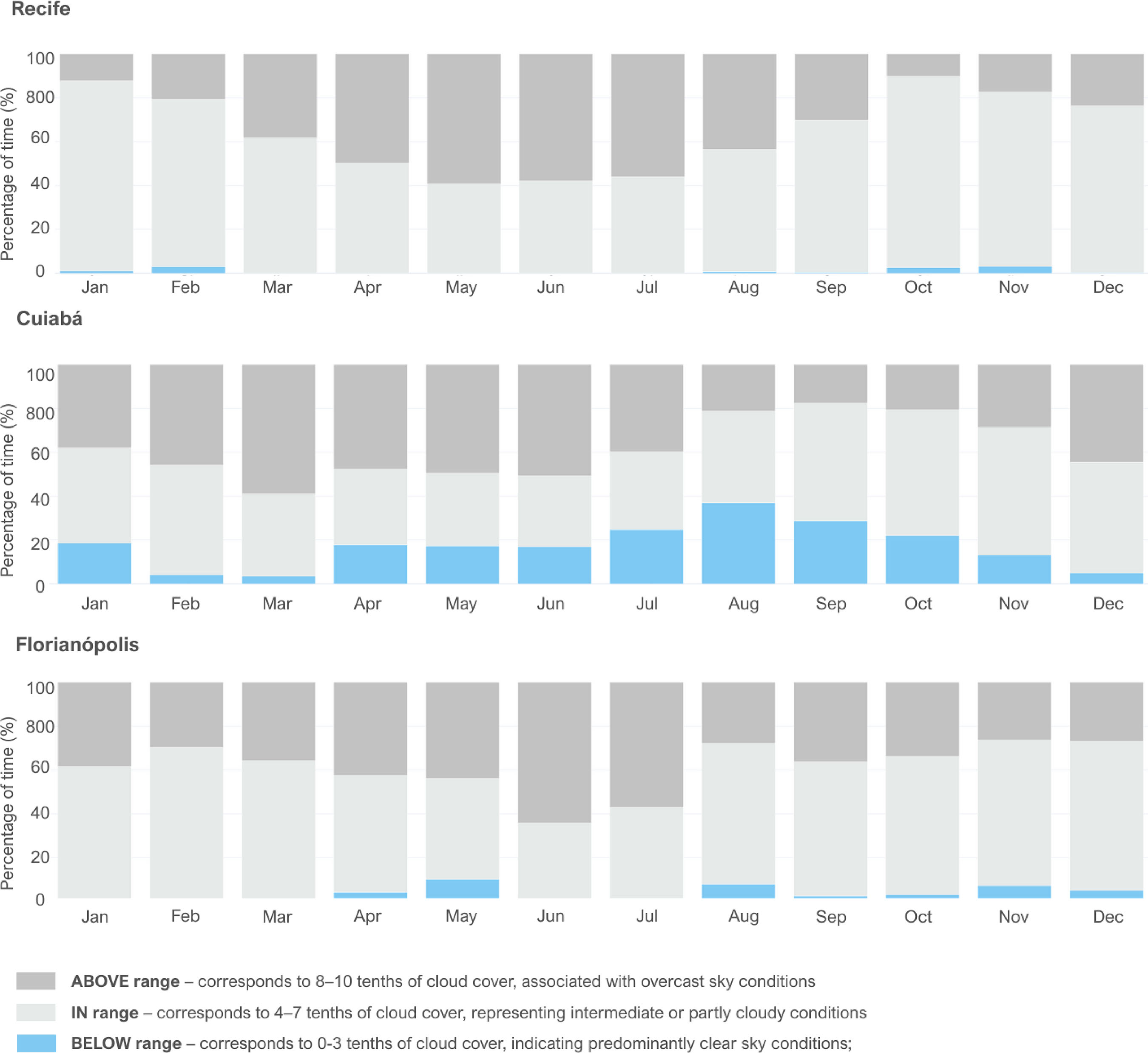 Source: adapted from the INMET meteorological data collected between 2001 and 2010 (