Thermal modeling of timber elements: influence of thermal properties on numerical analysis
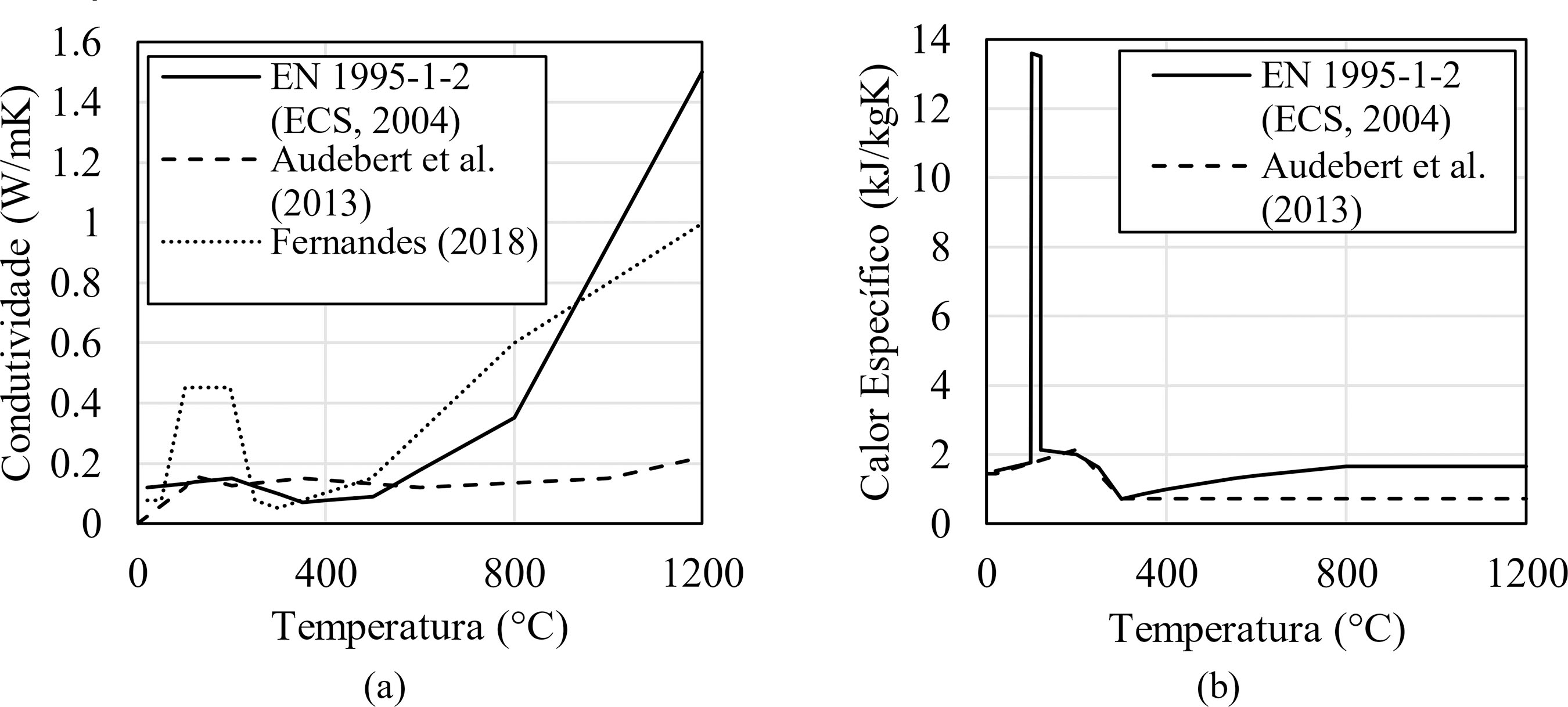
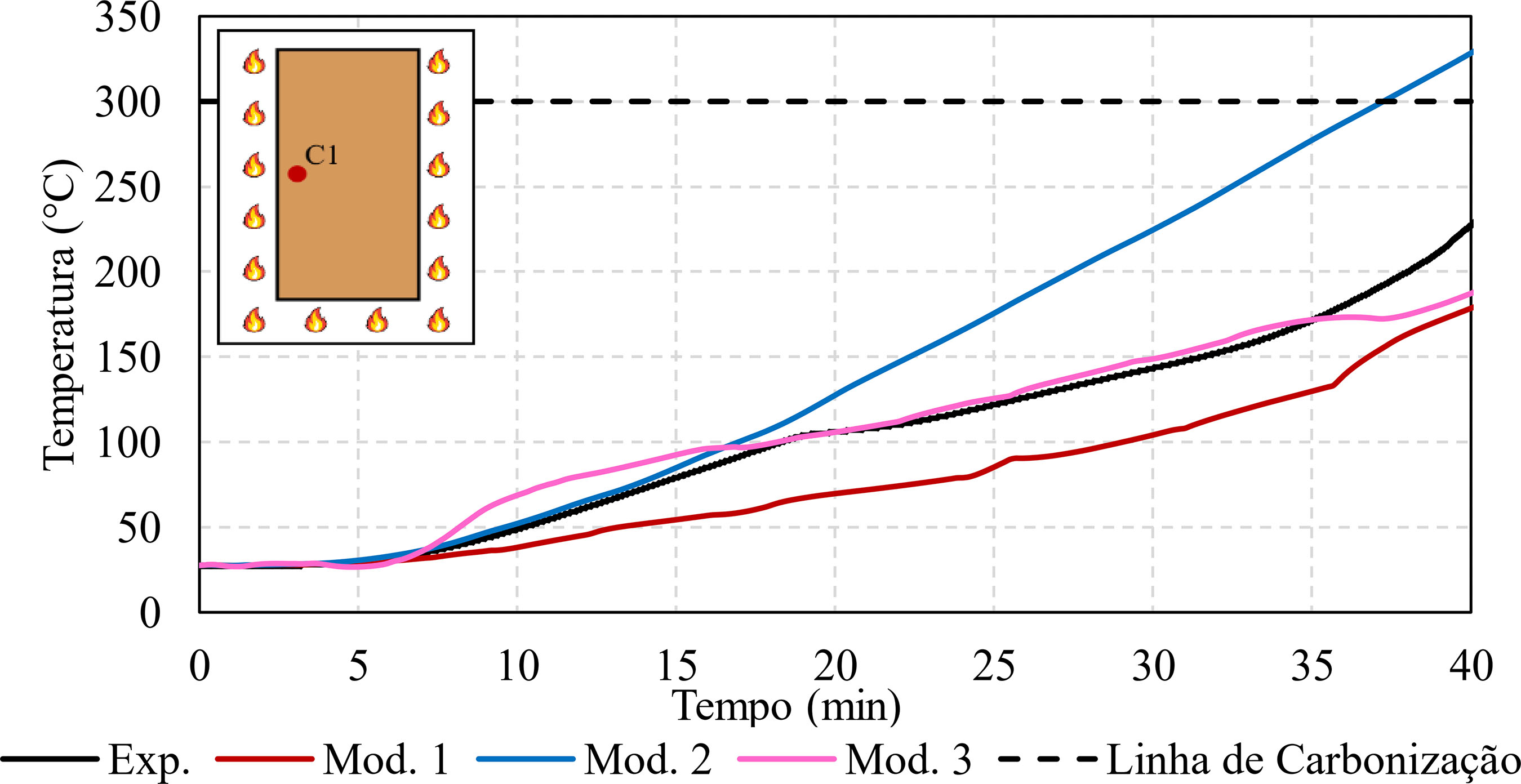
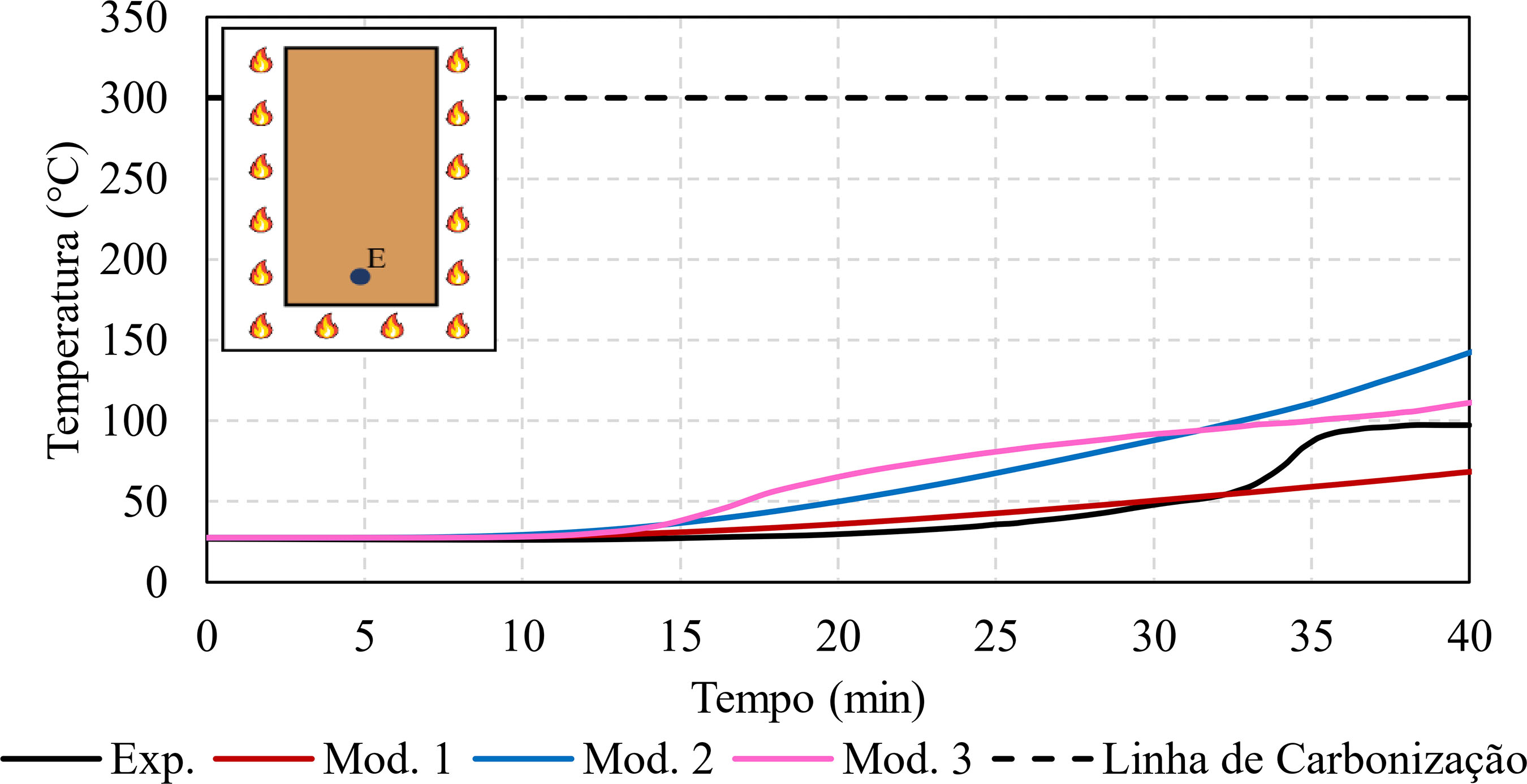
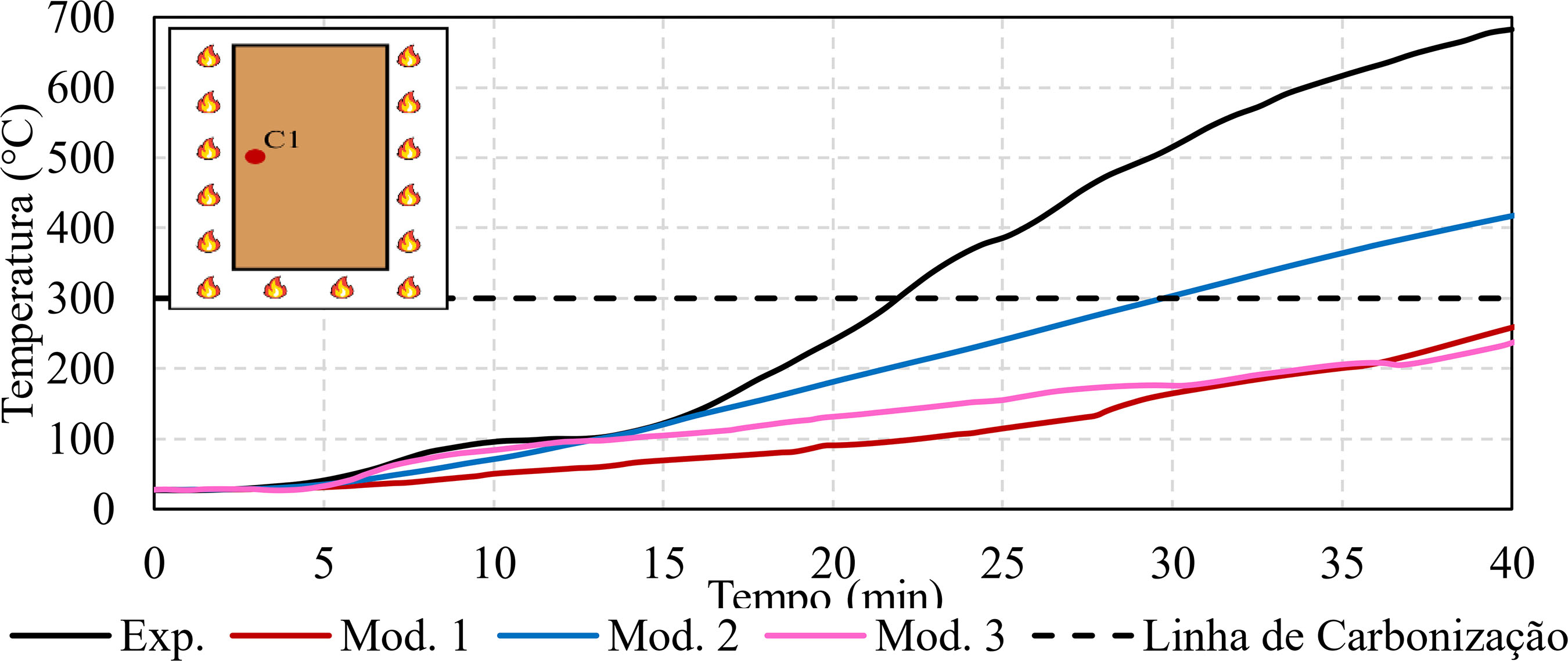
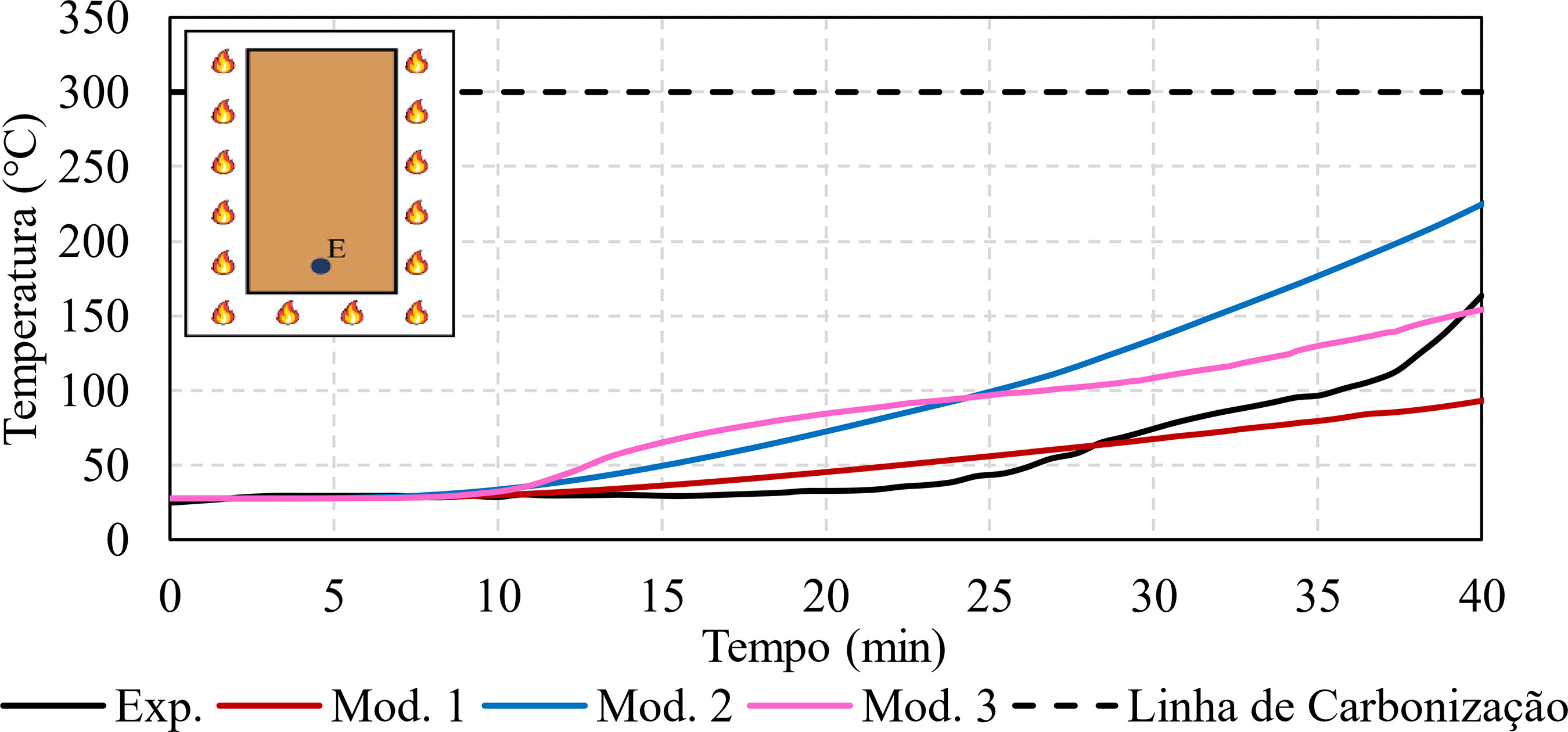
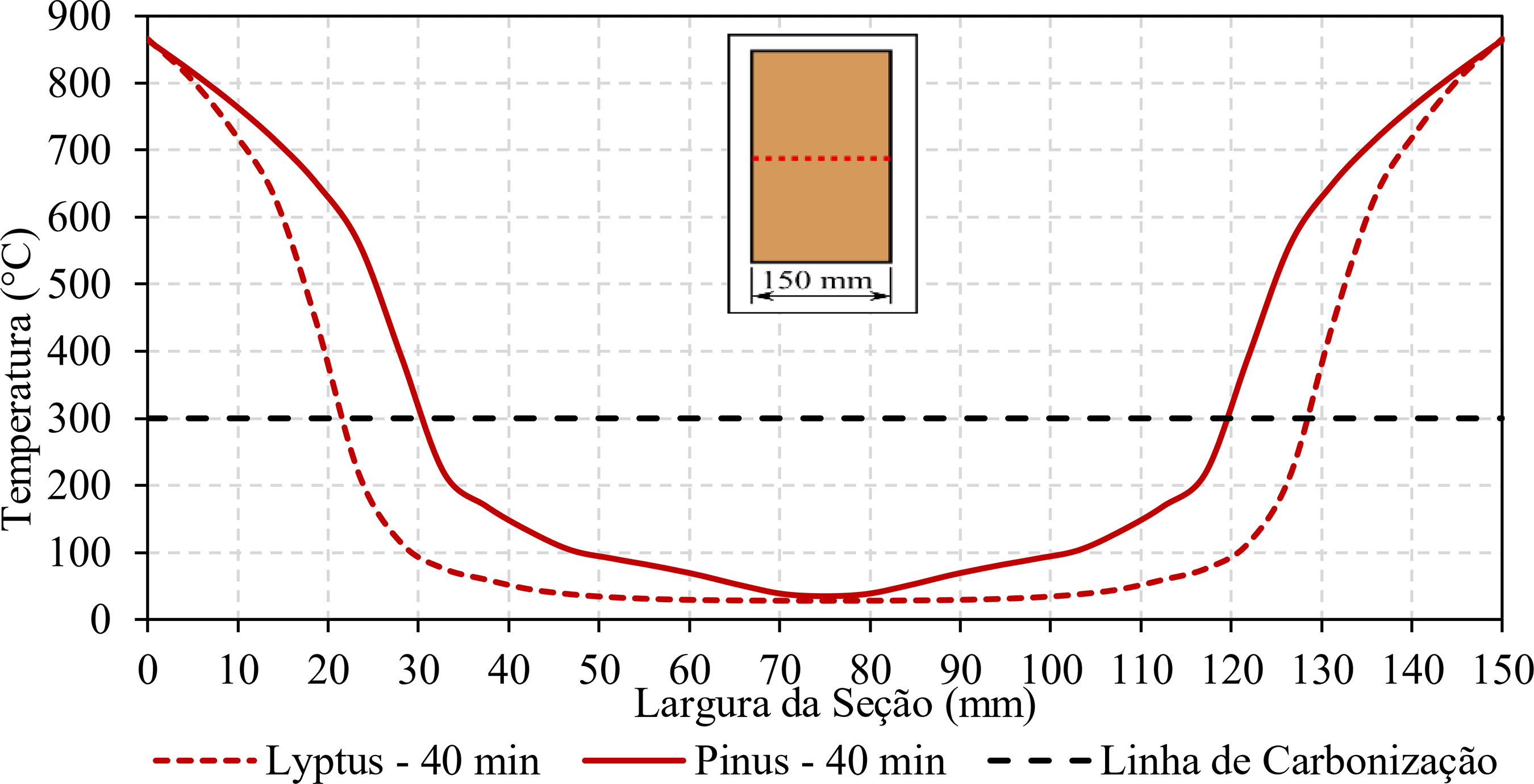
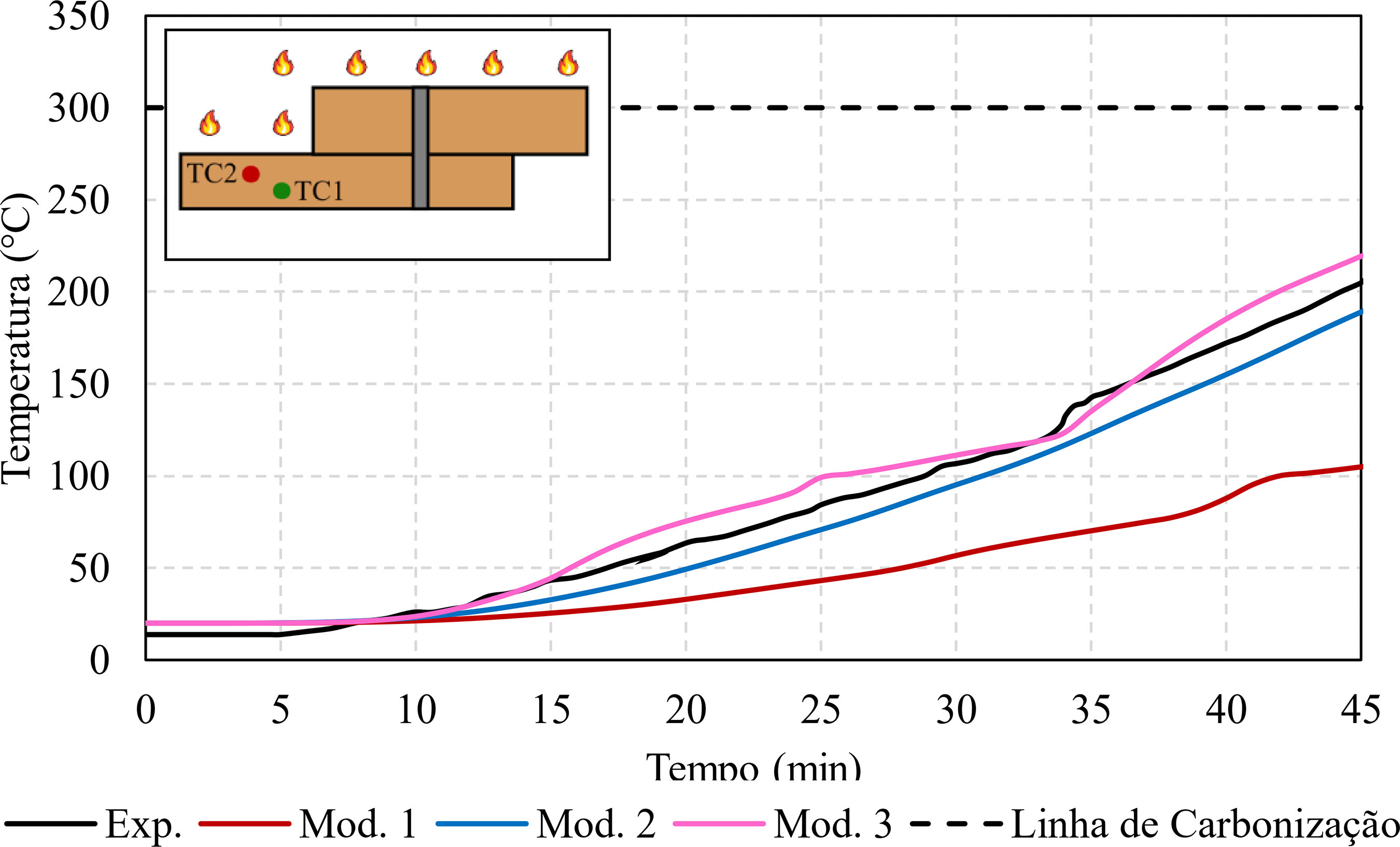
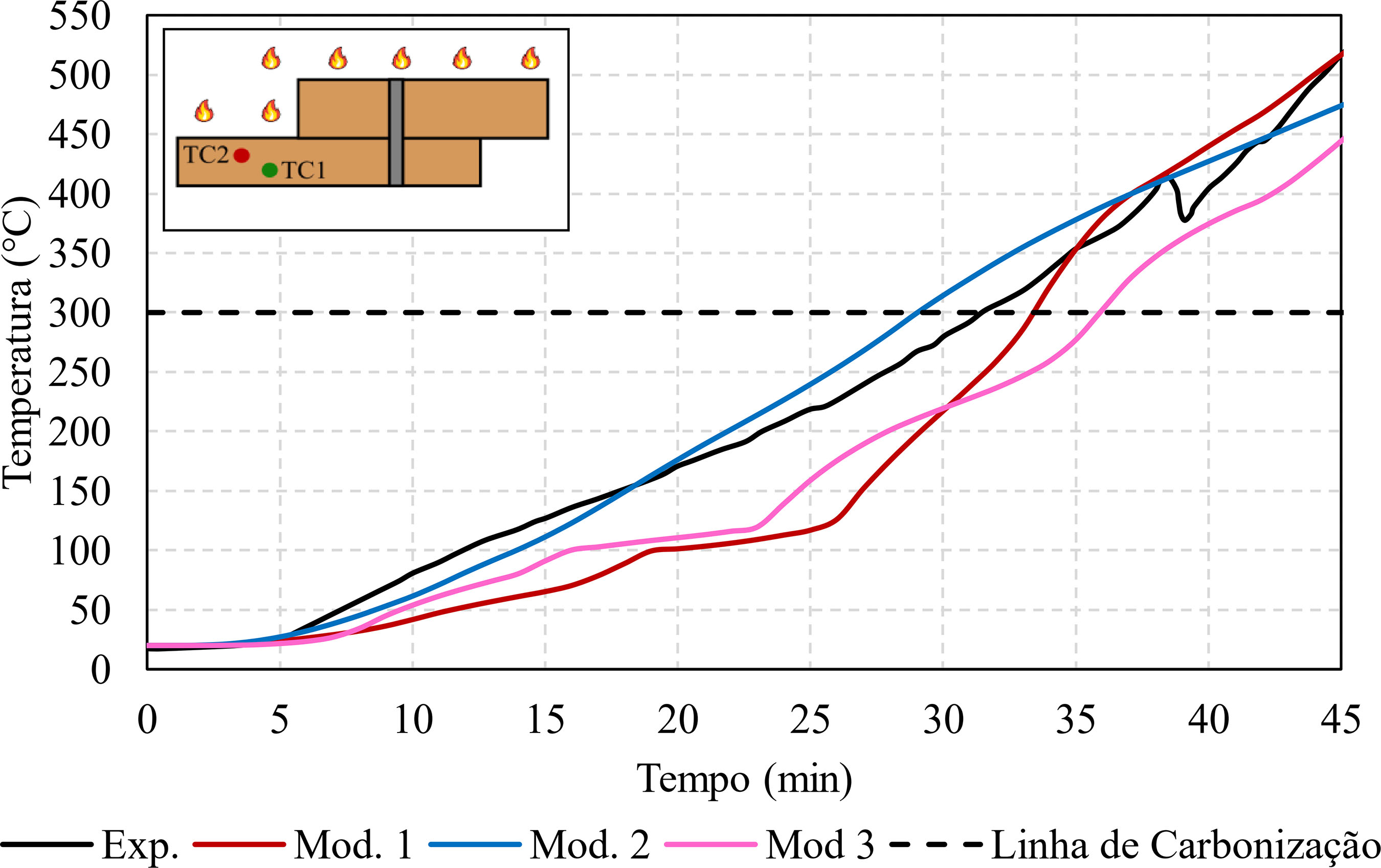
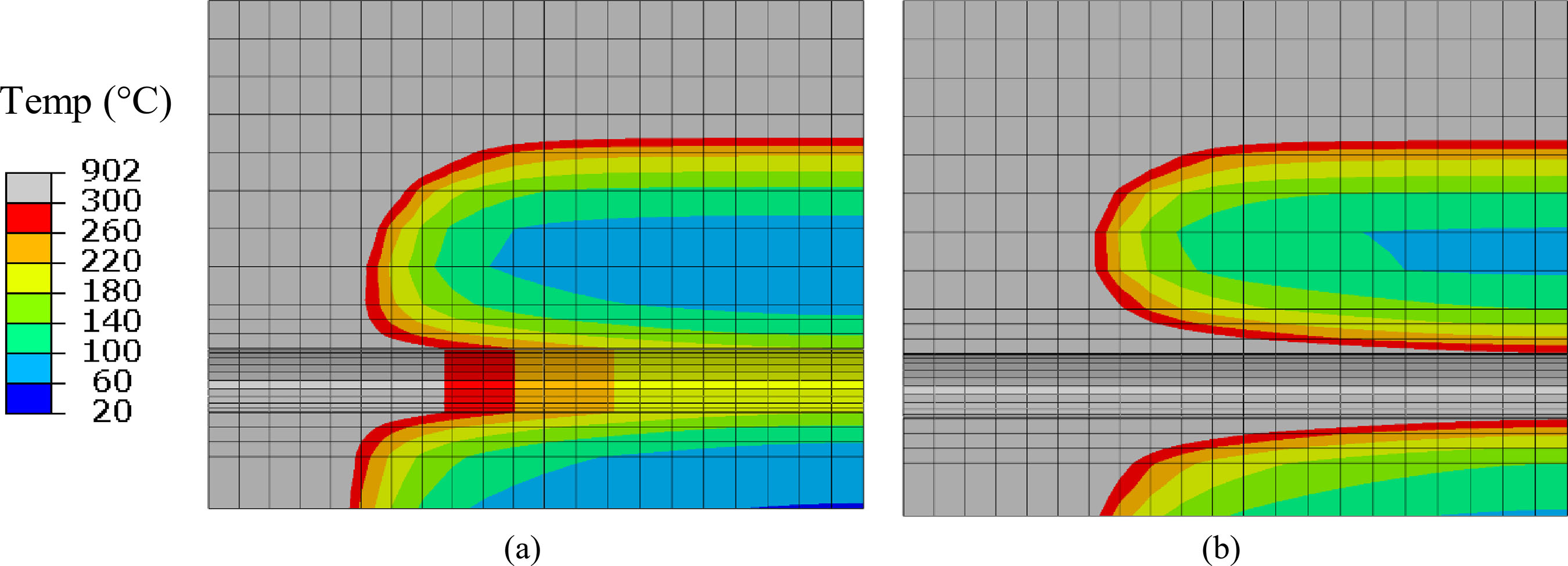
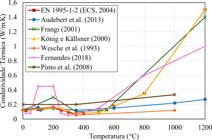
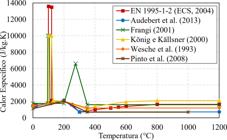
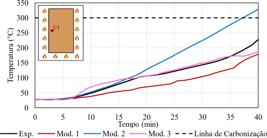
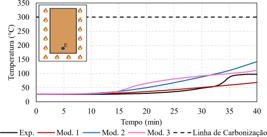
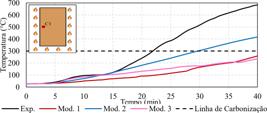
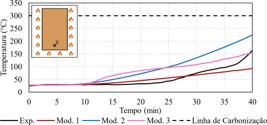
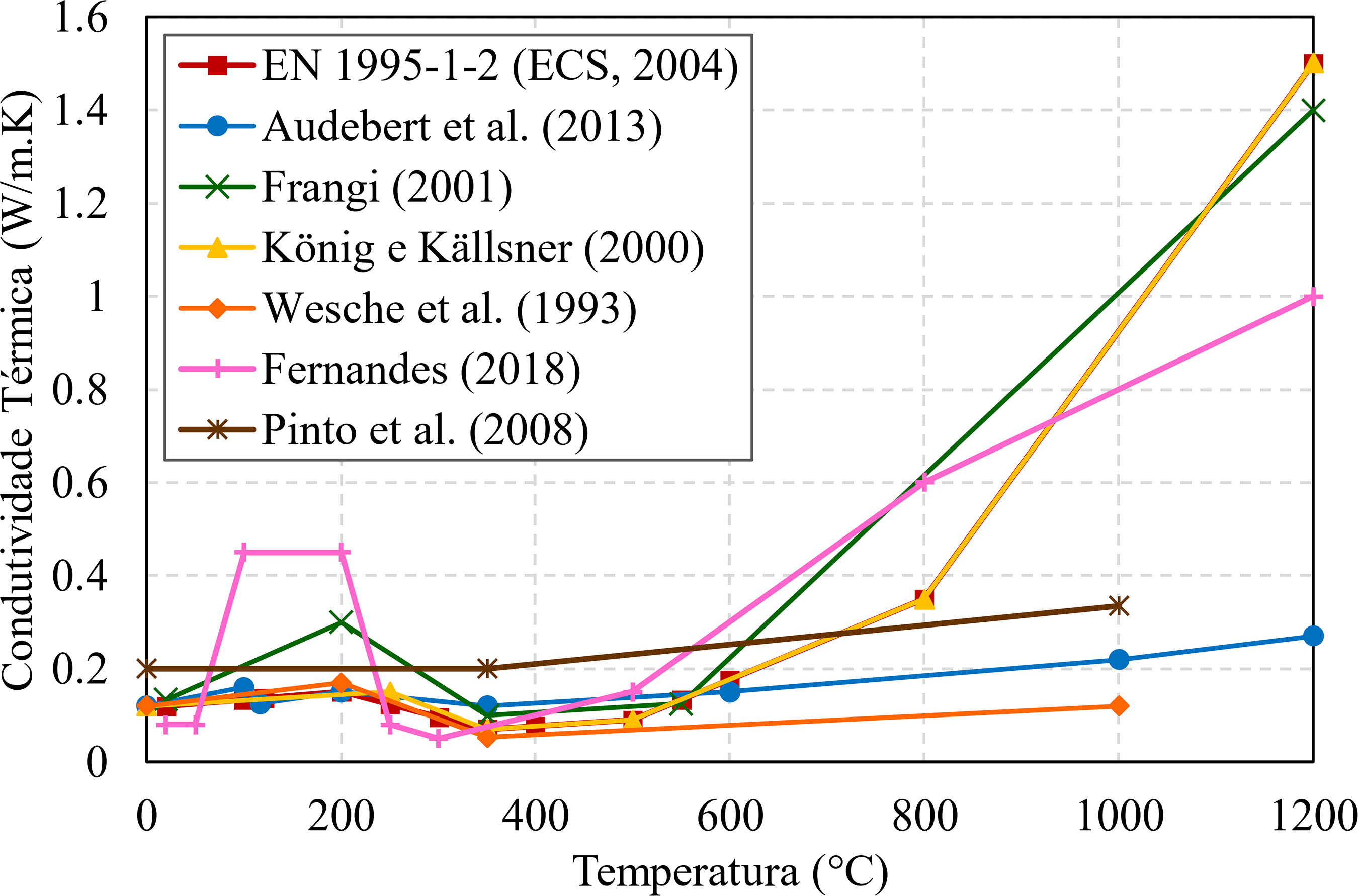
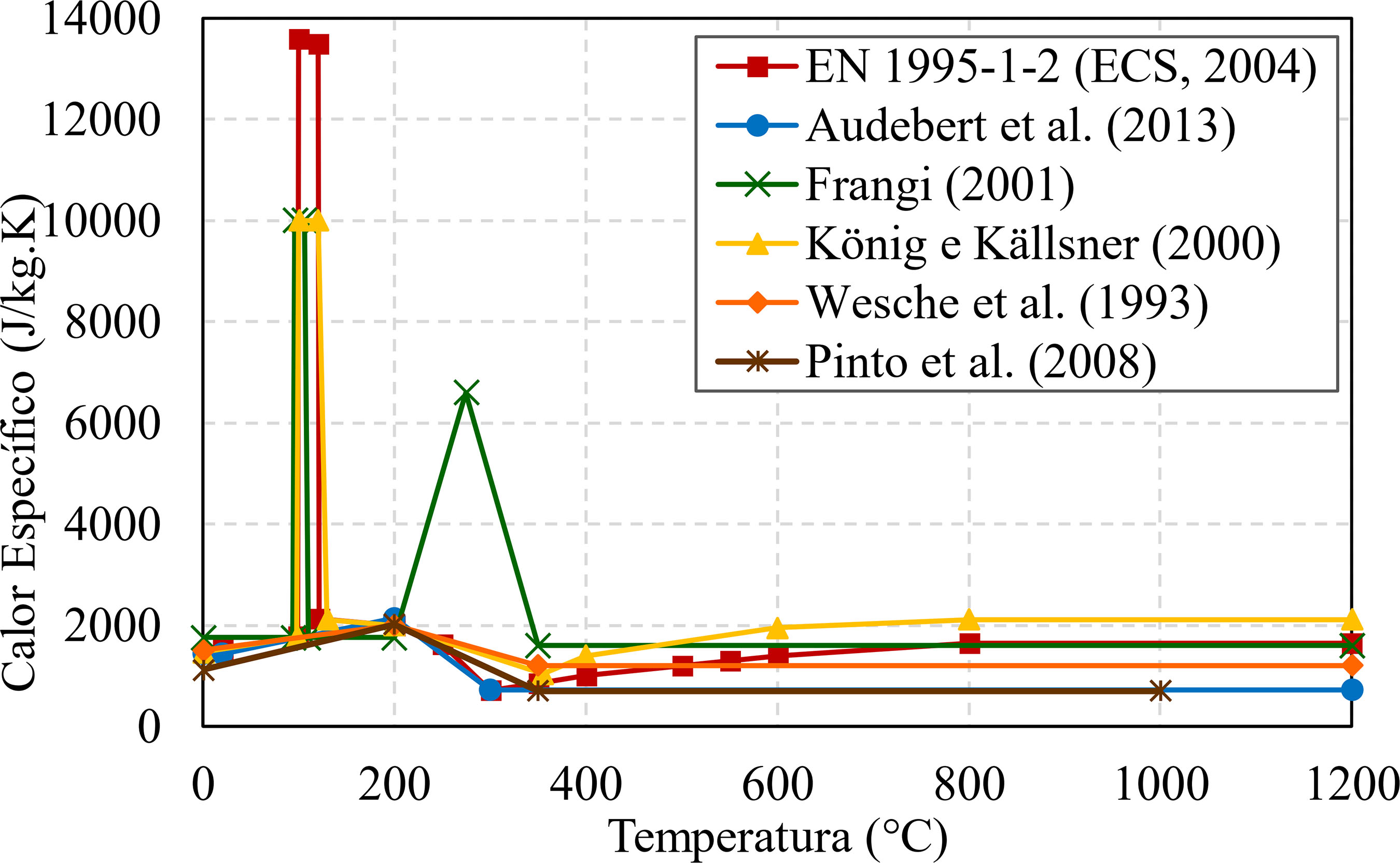
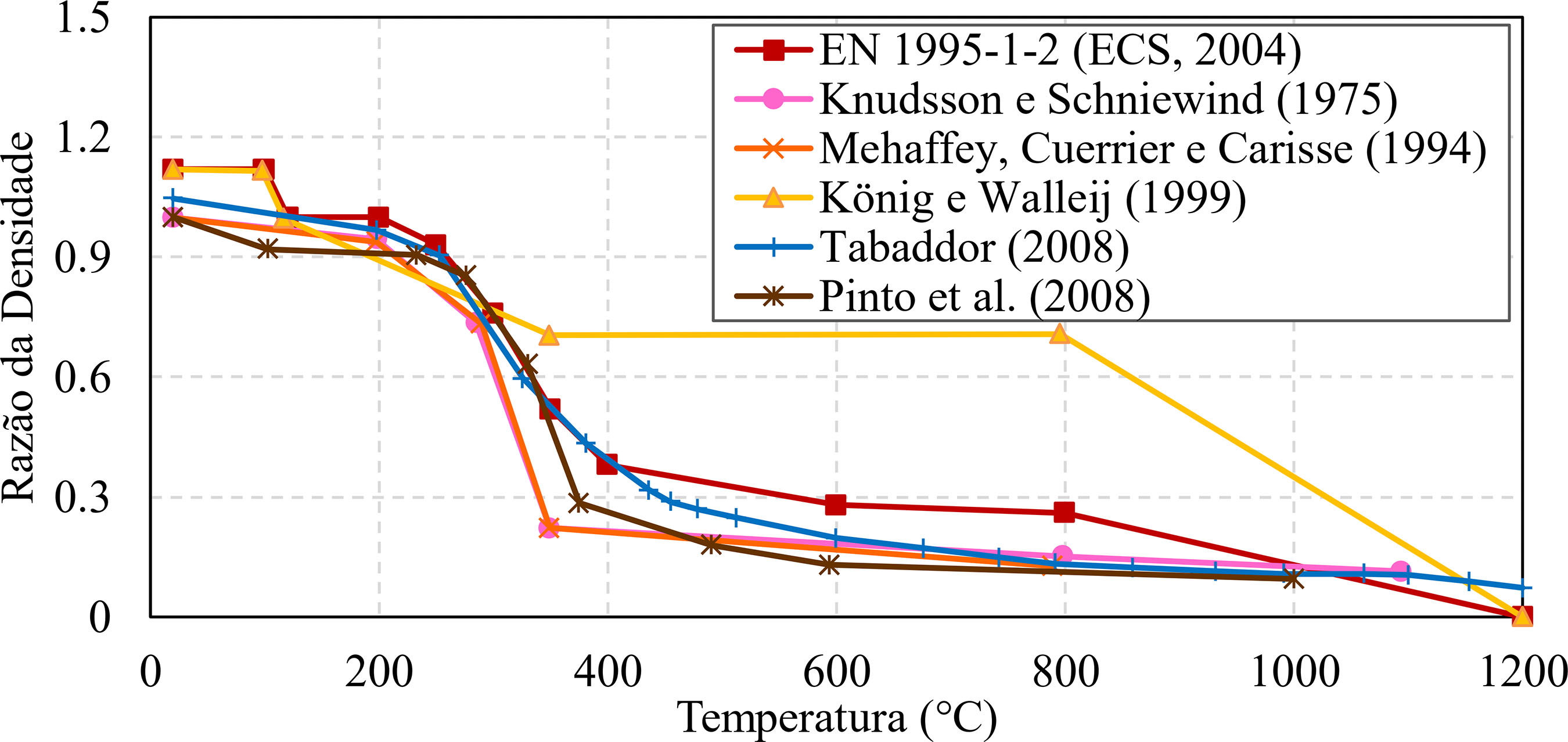
The combustion of wood leads to the formation of a char layer, which acts as thermal protection for the non-degraded core. Physical and chemical transformations induced by heating, such as pyrolysis and thermochemical degradation, alter thermal properties essential for numerical modeling under fire conditions, including thermal conductivity, density, and specific heat. The assessment of the performance of timber structures under fire exposure has become an increasing demand, with numerical simulations being widely used due to experimental costs. However, the Brazilian standard NBR 7190-1:2022 does not provide specific recommendations for thermal parameters, leading to the adoption of values from foreign standards, such as EN 1995-1-2:2004, which are mainly validated for coniferous species. Thus, this study analyzes the thermal behavior of wood under fire exposure by comparing three sets of thermal properties proposed by EN 1995-1-2:2004, Audebert et al. (2013), and Fernandes (2018), considering thermal conductivity, specific heat, and density curves. The properties were applied in thermal numerical models and compared with experimental results from the literature. Results indicate that experimentally calibrated properties better represent the evolution of internal temperature, while the normative proposal tends to underestimate temperatures, highlighting the need for specific studies on Brazilian species.
Keywords
Timber; Fire performance; Thermal properties; Numerical modeling; Charring depth
 Thumbnail
 Thumbnail
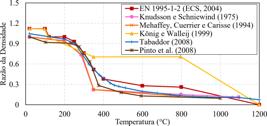 Thumbnail
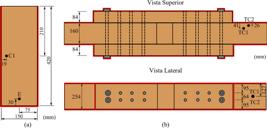 Thumbnail
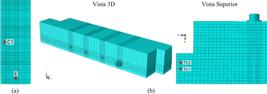 Thumbnail
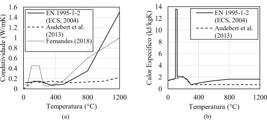 Thumbnail
 Thumbnail
 Thumbnail
 Thumbnail
 Thumbnail
 Thumbnail
 Thumbnail
 Thumbnail
 Thumbnail
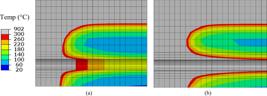
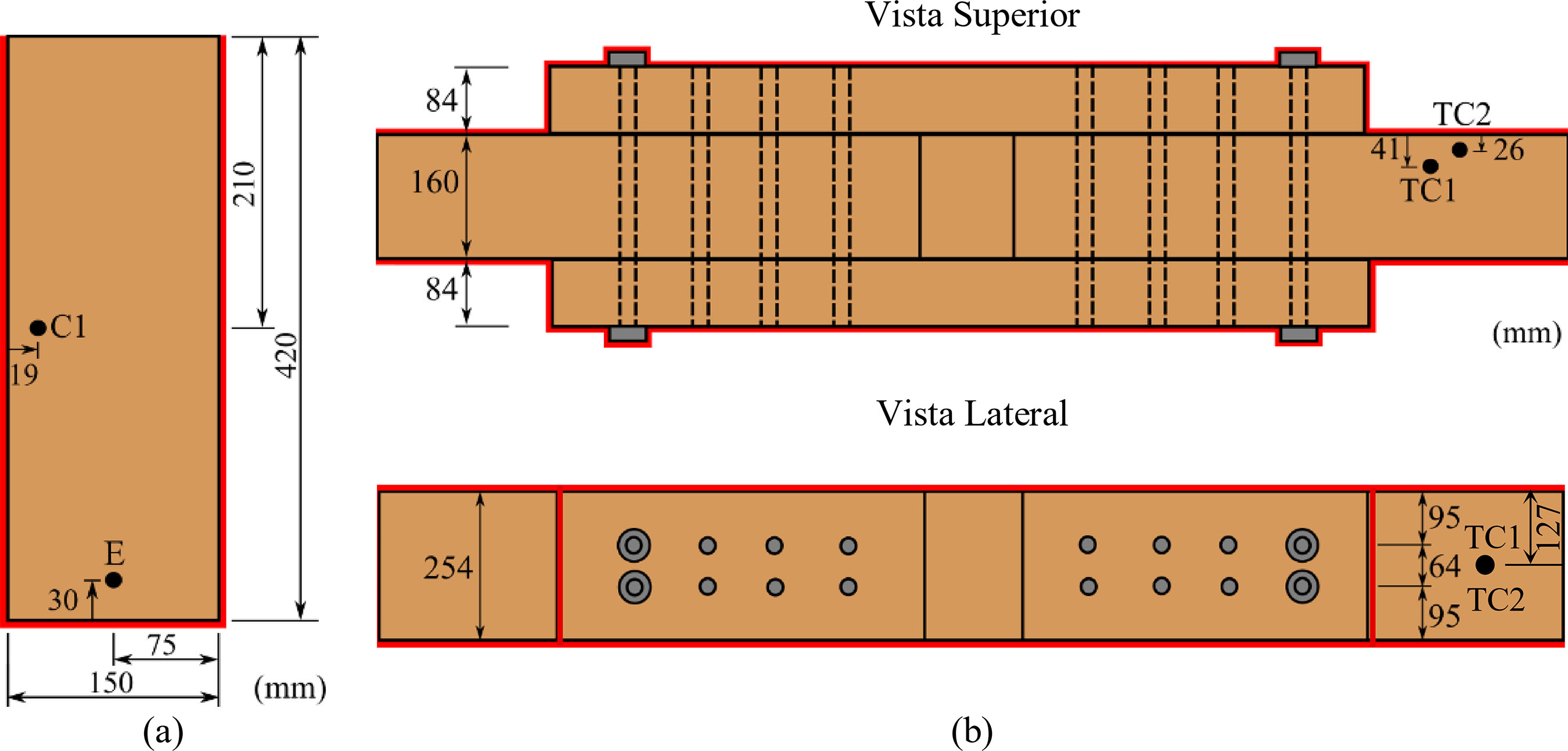 Fonte: adaptado de (a)