The houses of Severiano Mário Porto in the northern Amazon: analysis based on thermal and daylighting performance
This study examines the residential architecture of Severiano Mário Porto in the northernmost region of Brazil, with the aim of assessing its thermal and daylight performance. The research is based on documentary surveys, preliminary analysis of geometric and envelope parameters, and computational simulations of performance conducted using DesignBuilder software with EnergyPlus and Radiance engines. The results indicate poor thermal performance in living rooms, primarily attributable to high thermal gains from roofing systems and glazed areas, even when associated with shading devices. Bedrooms exhibit comparatively better thermal performance. Daylighting performance shows high variability among the projects, demonstrating that increases in glazed areas tend to improve daylight levels. The main scientific contribution of the article lies in demonstrating the interdependence between thermal and daylight performance, offering a performance-based critical perspective that challenges idealized interpretations of architecture in the Amazon region. By identifying when certain design parameters are most effective, this research updates Severiano Mario Porto legacy and suggests adjustments aligned with the climatic principles of his work.
Keywords
Amazonian architecture; Passive strategies; Thermal comfort; Daylighting
 Thumbnail
 Thumbnail
 Thumbnail
 Thumbnail
 Thumbnail
 Thumbnail
 Thumbnail
 Thumbnail
 Thumbnail
 Thumbnail
 Thumbnail
 Thumbnail
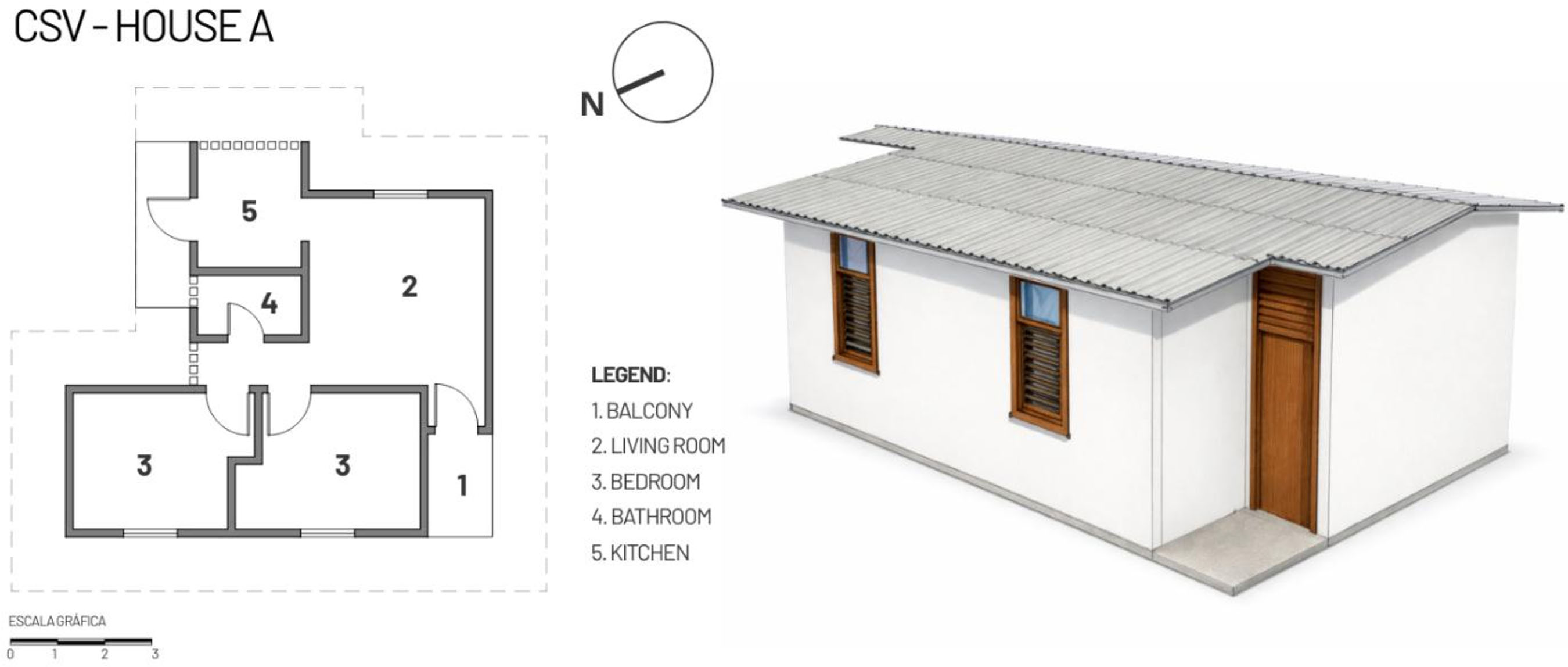
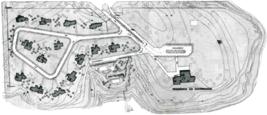
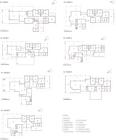
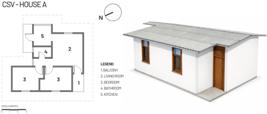
 Source: adapted from archive of Severiano Mário Porto (NPD FAU UFRJ).

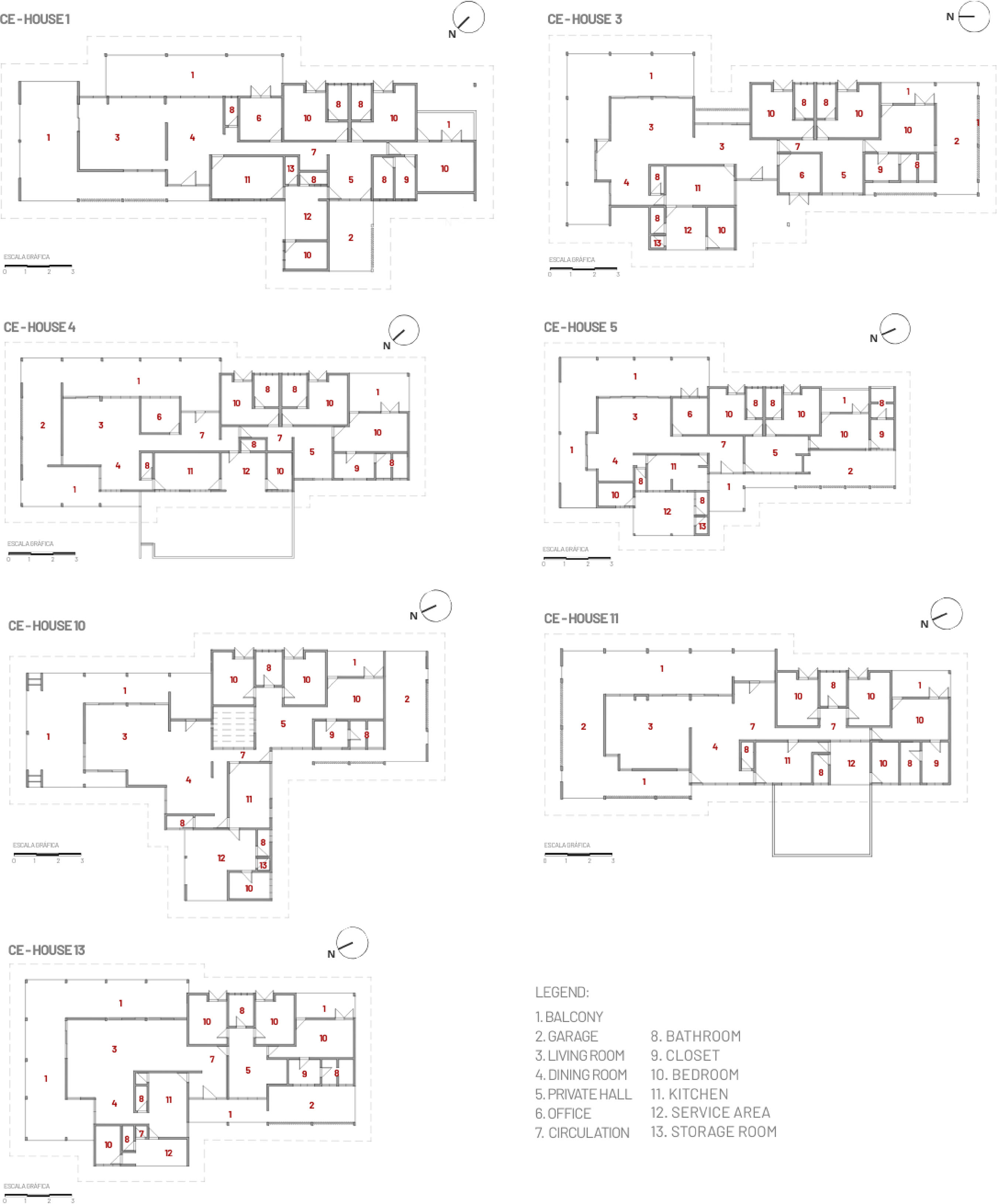
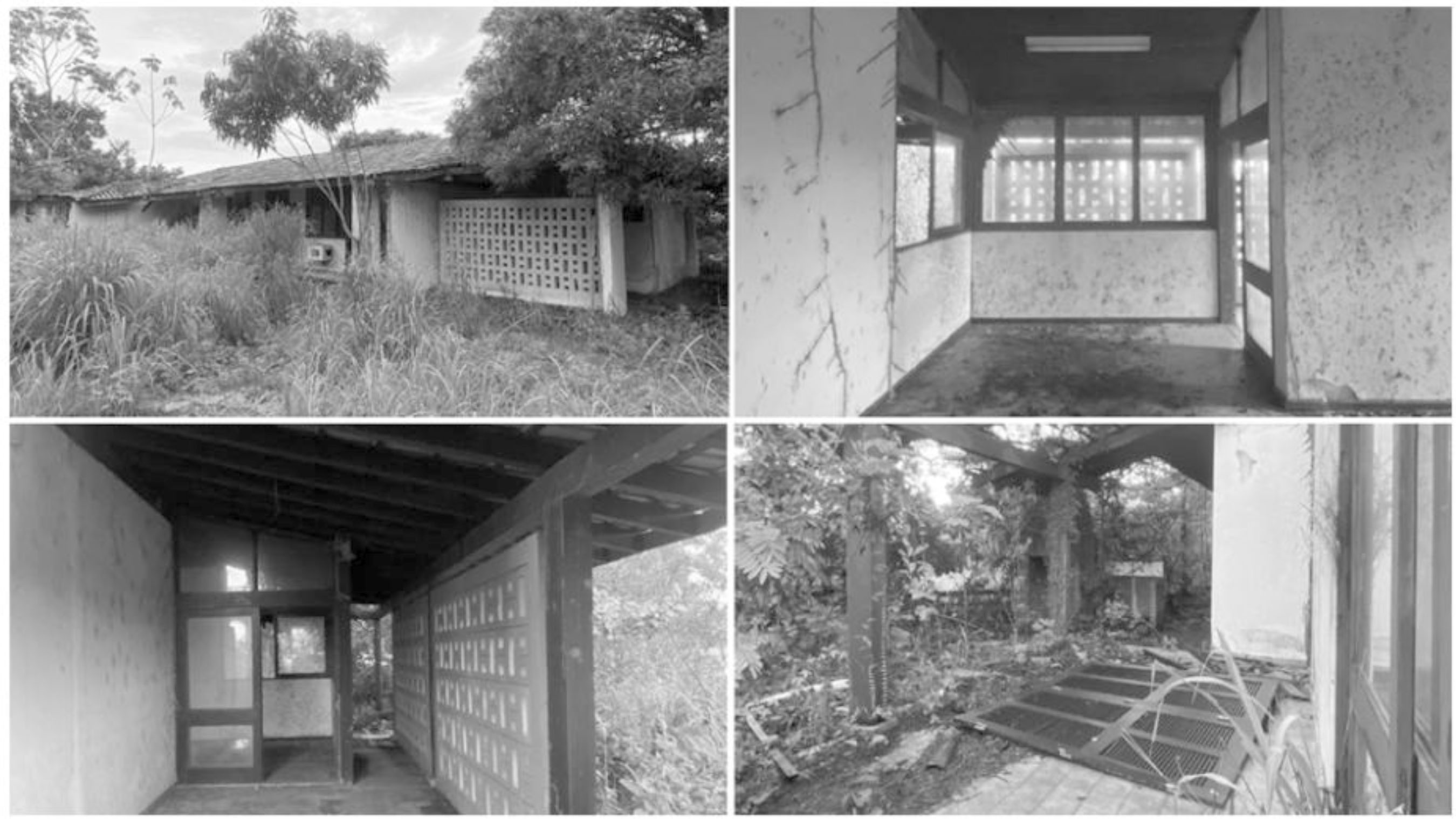
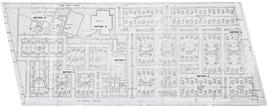
 Source: adapted from archive of Severiano Mário Porto (NPD FAU UFRJ).
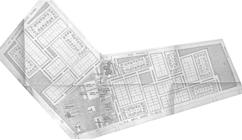
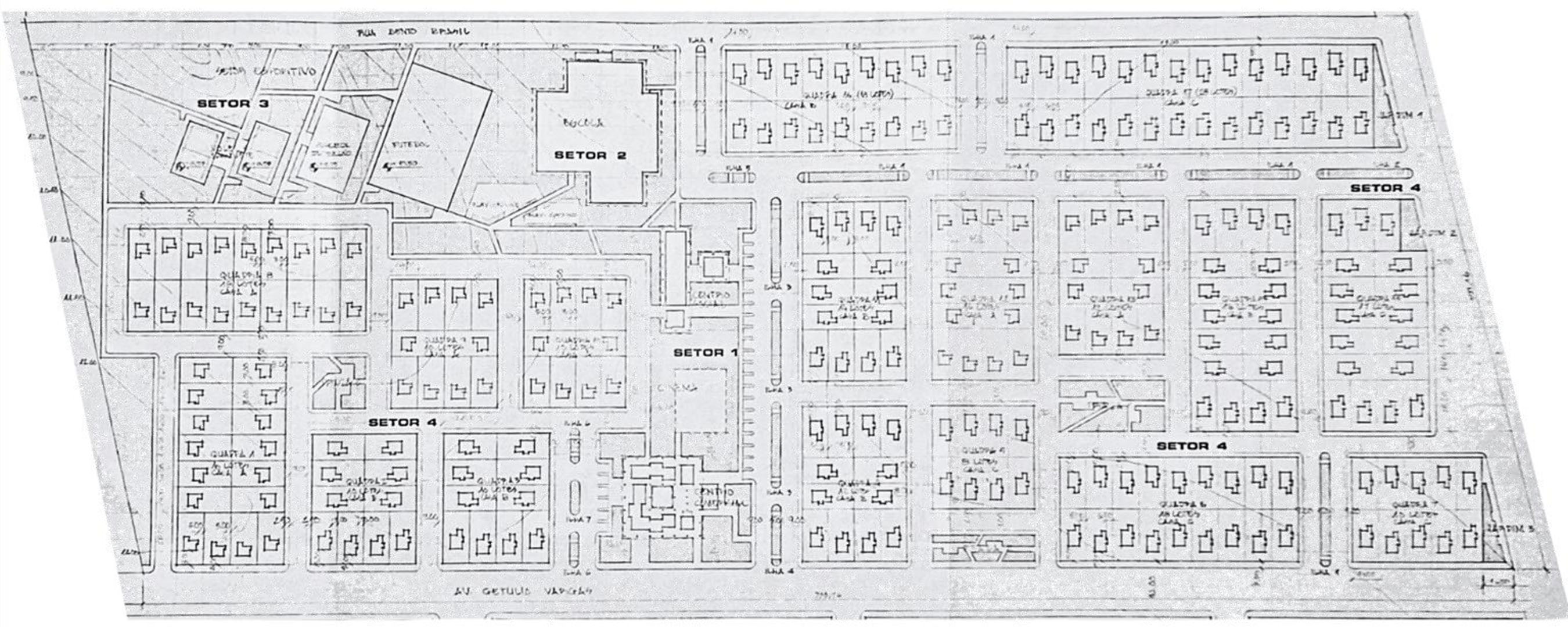
 Source: adapted from archive of Severiano Mário Porto (NPD FAU UFRJ).