Environmental assessment of rammed earth construction systems: comparison between traditional and contemporary methods
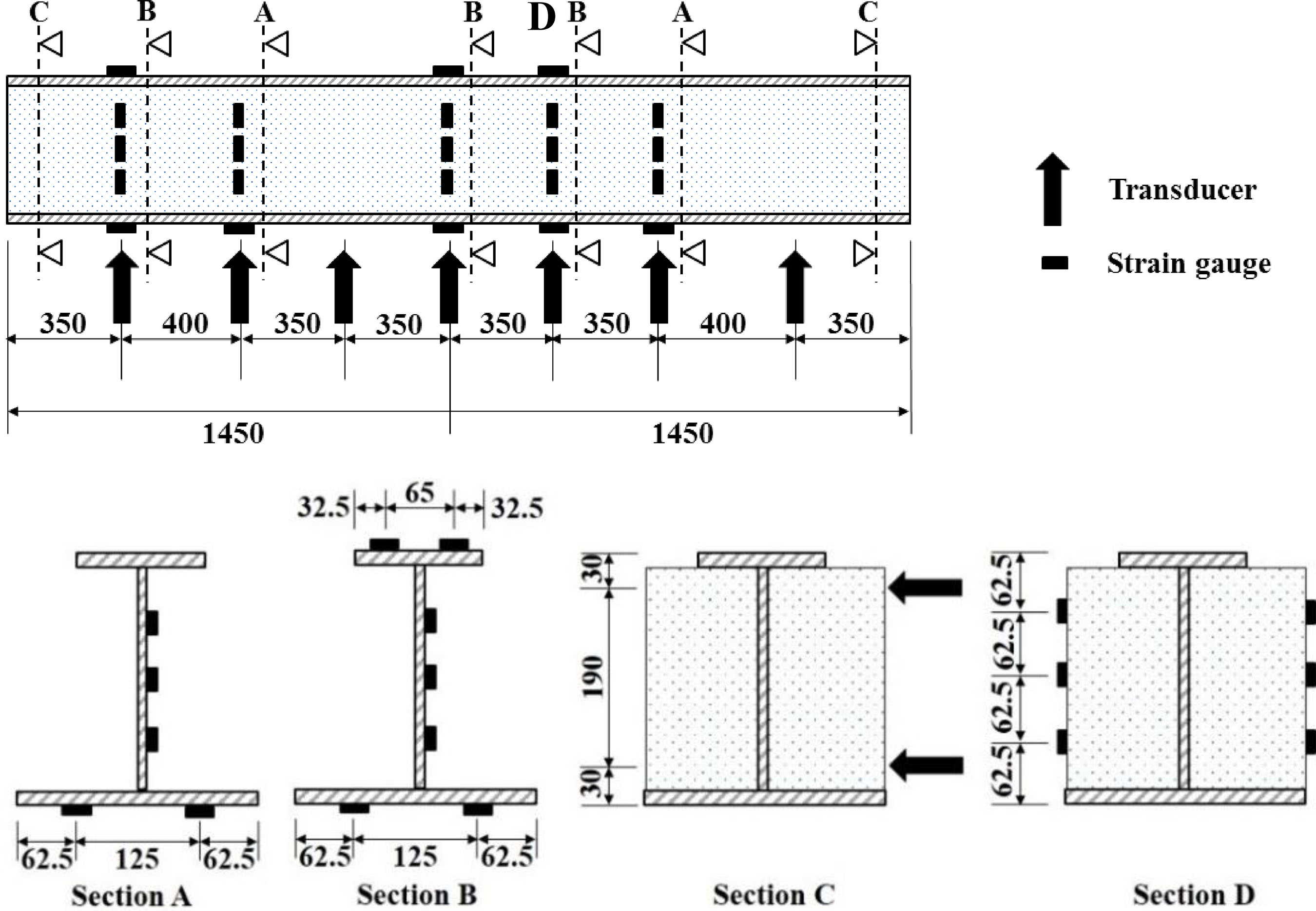
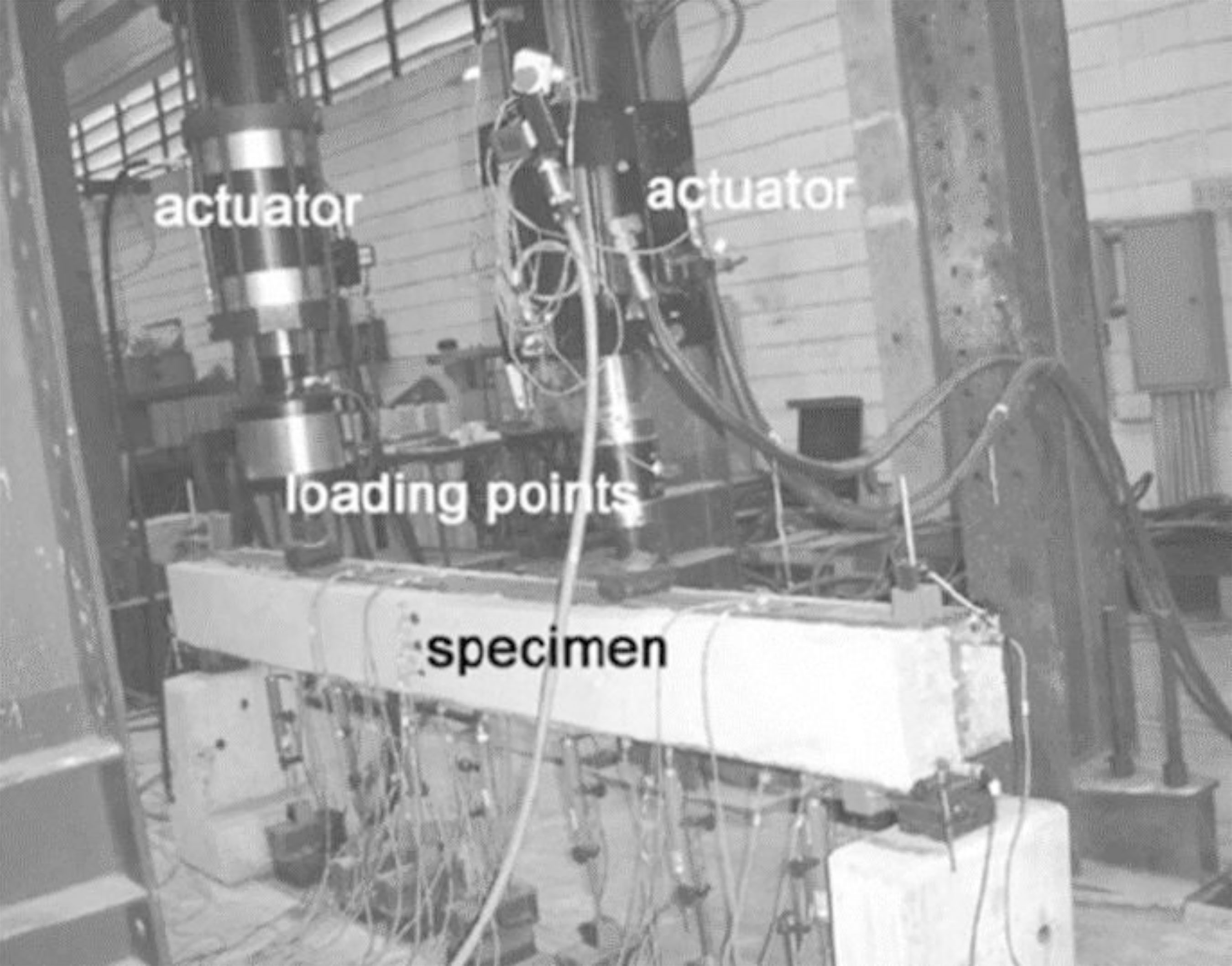
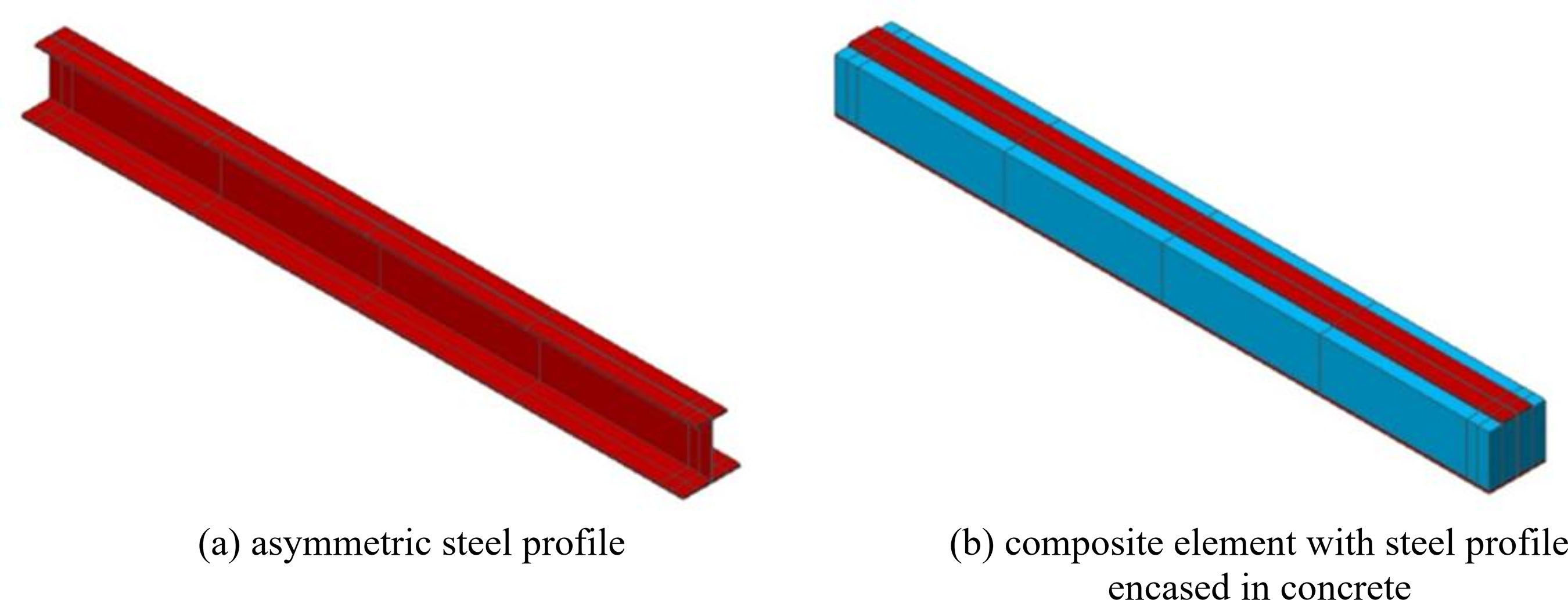
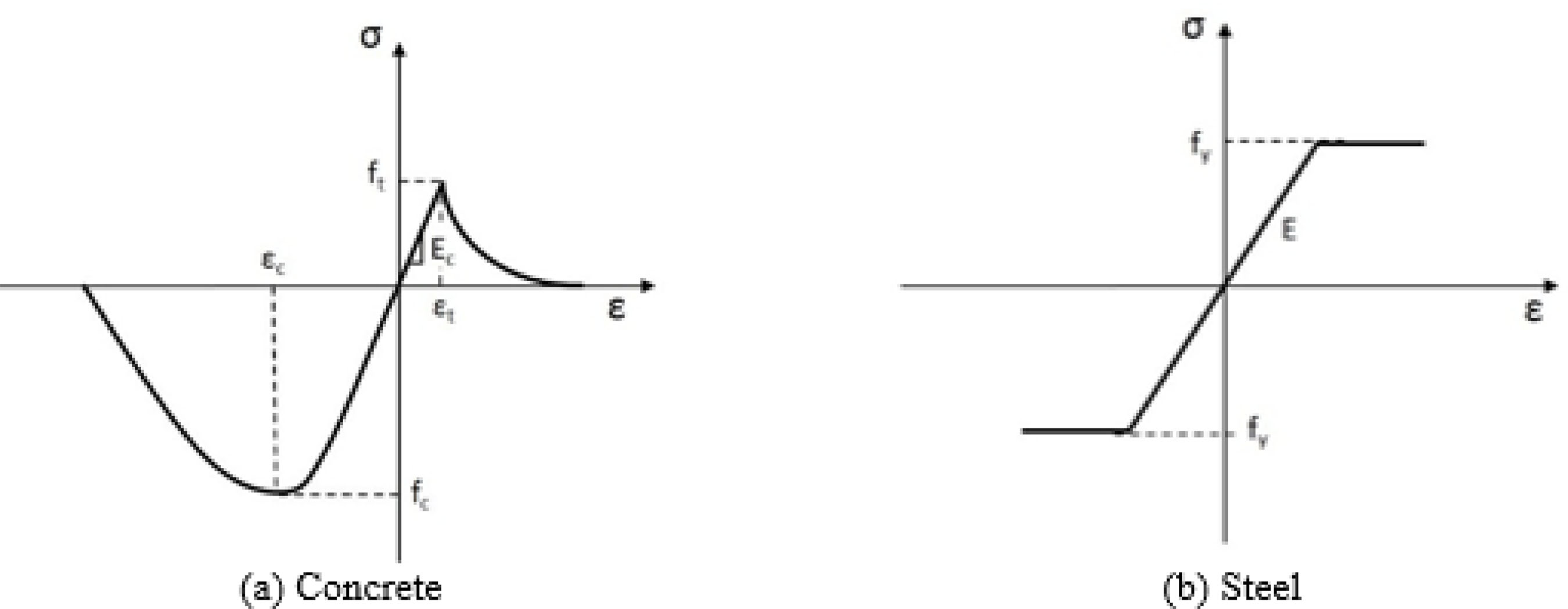
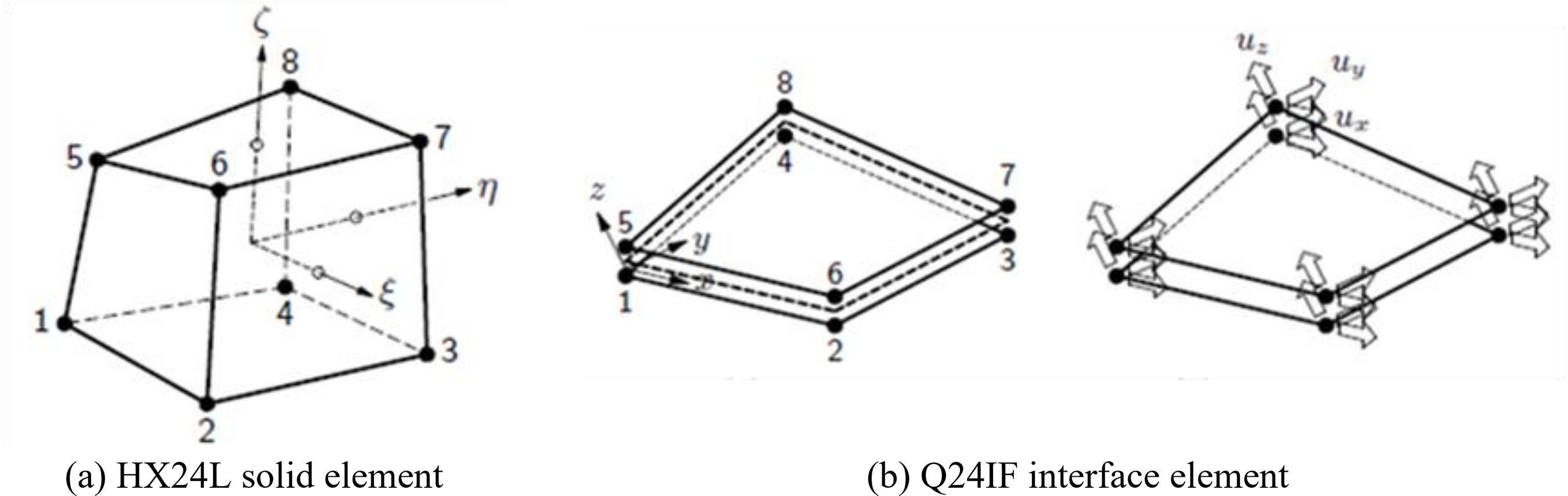
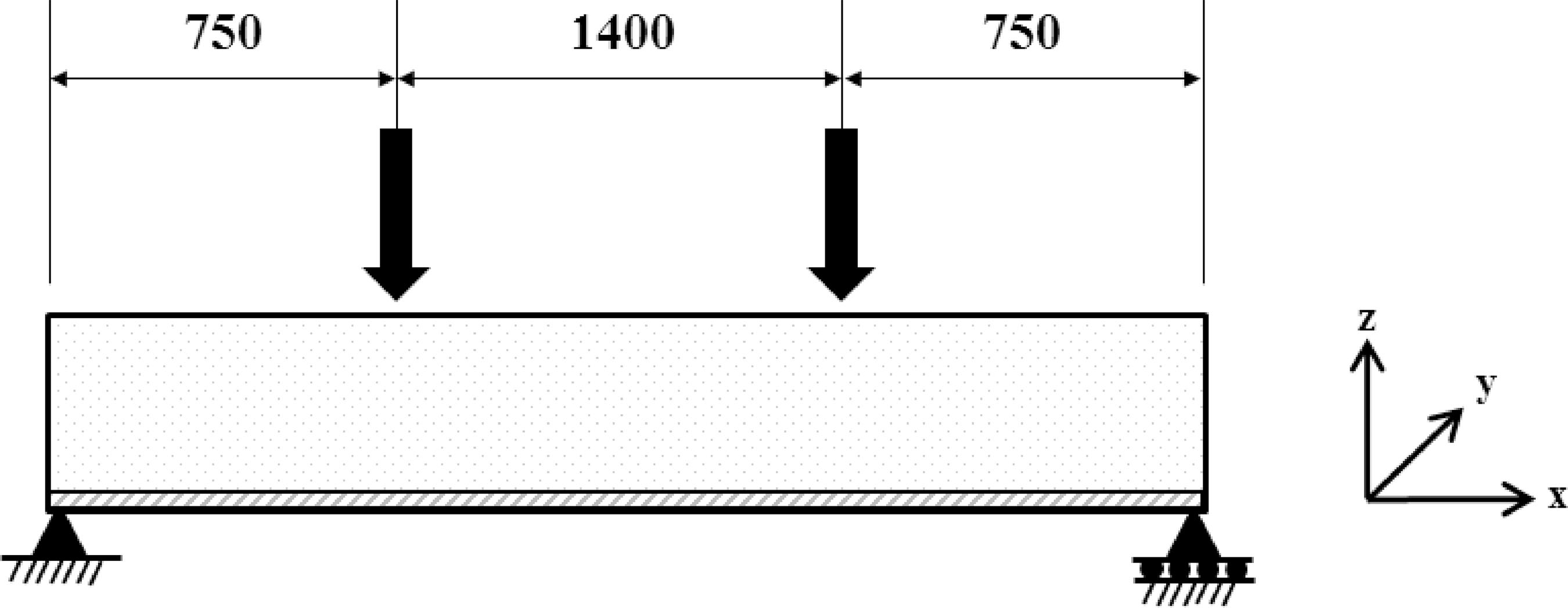
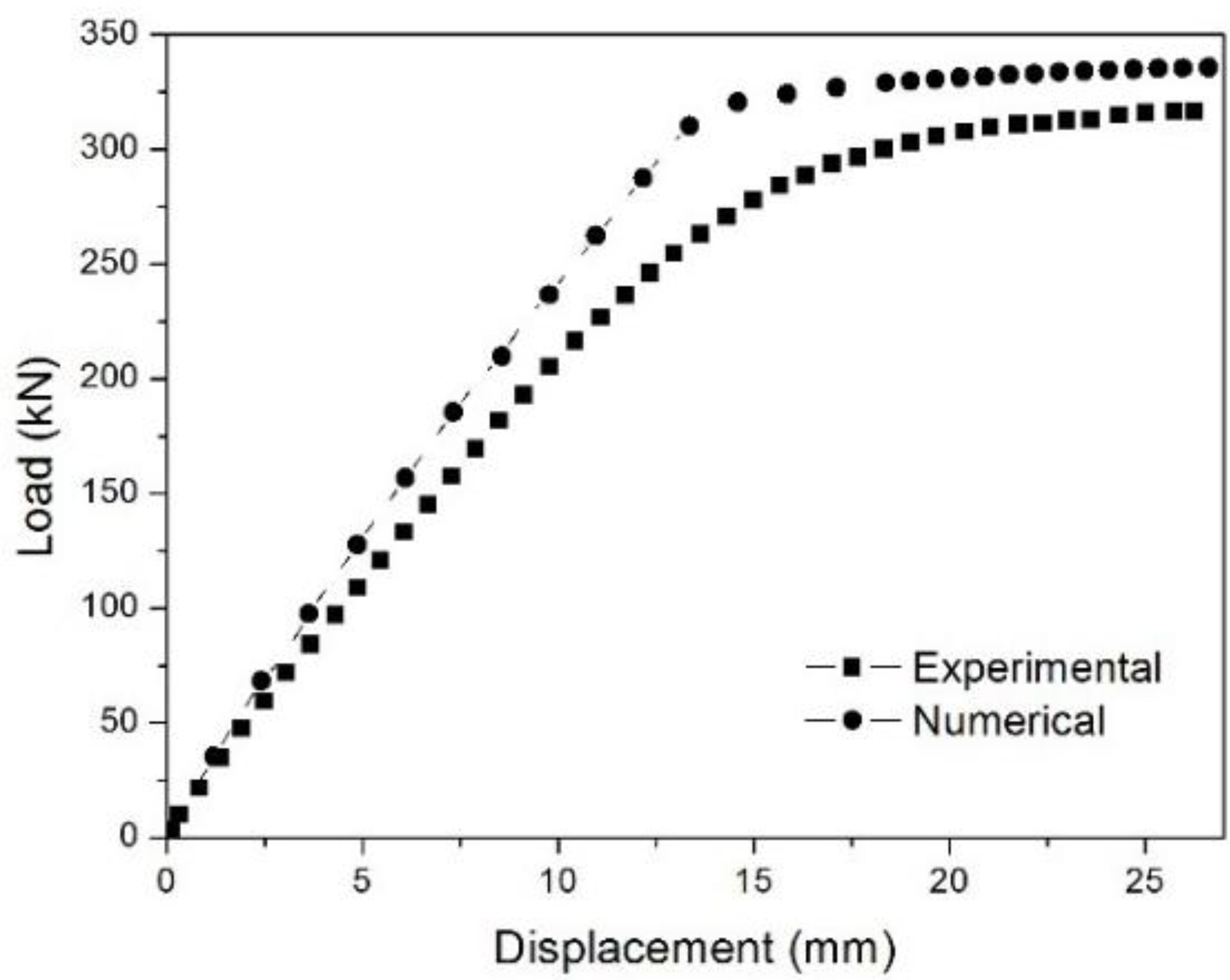
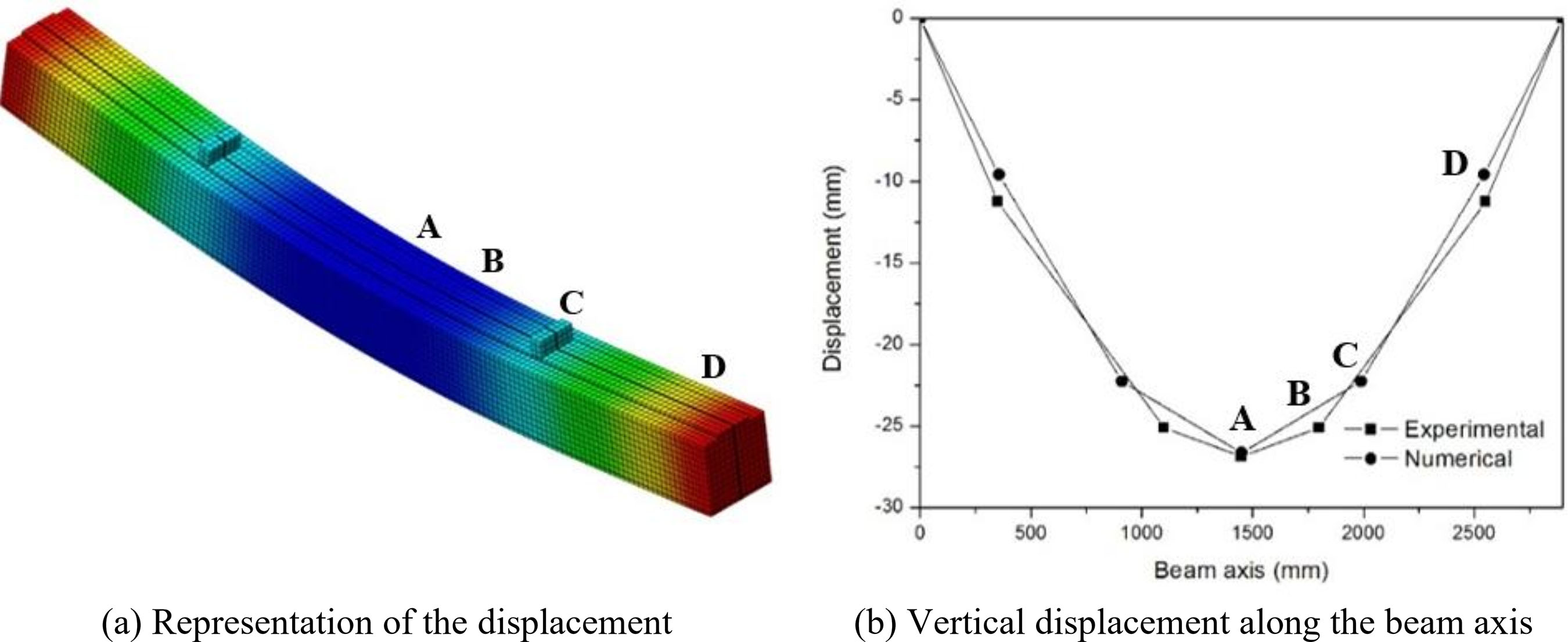
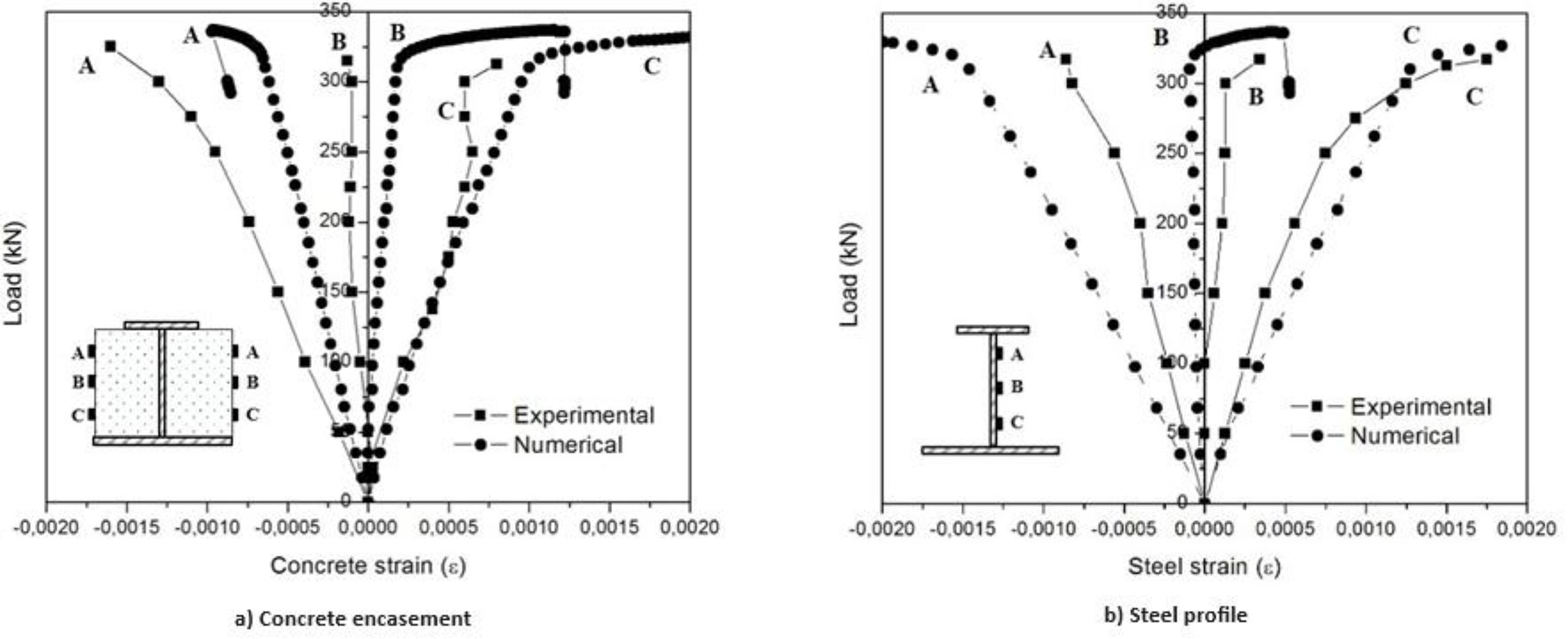
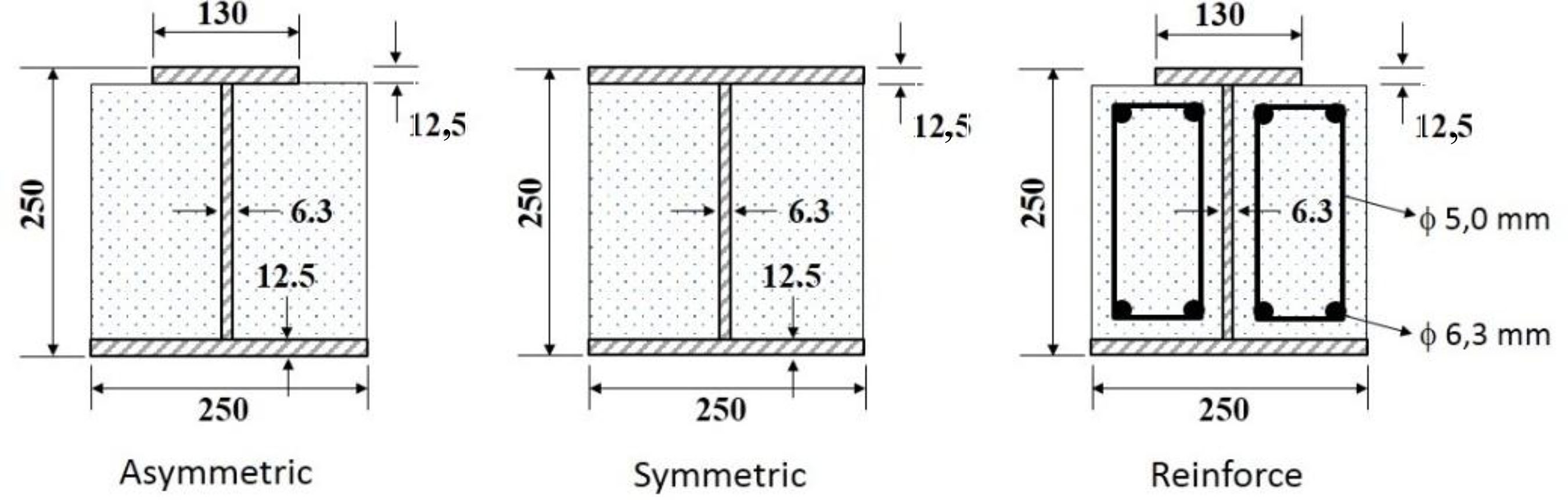
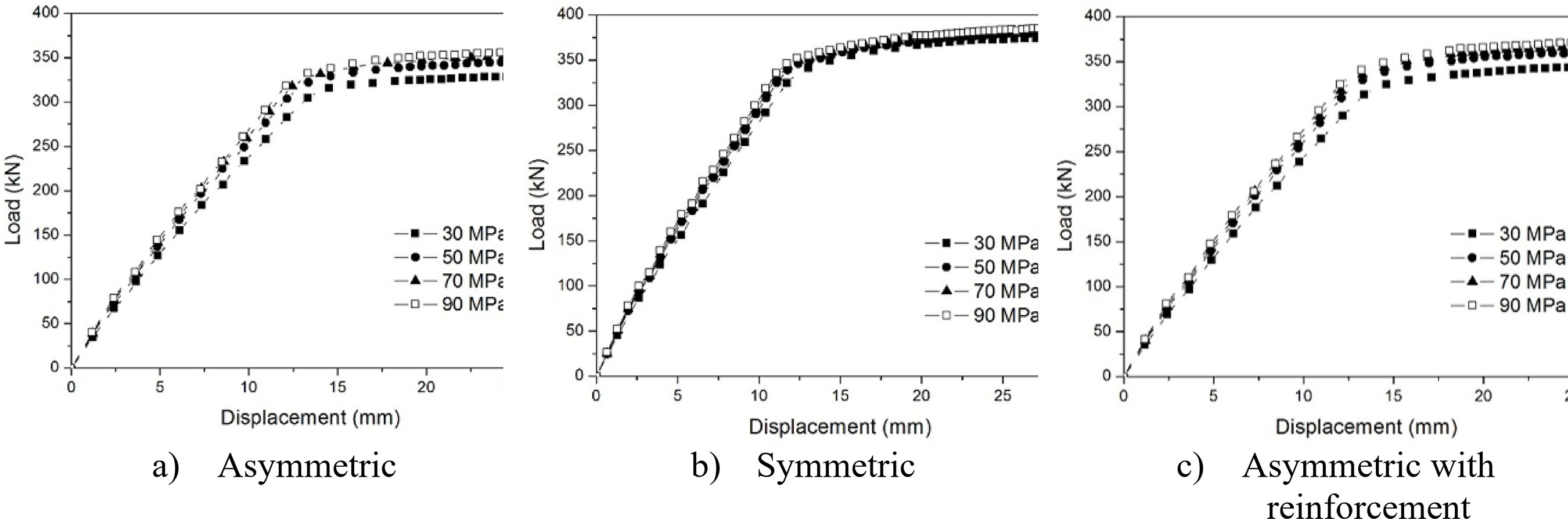
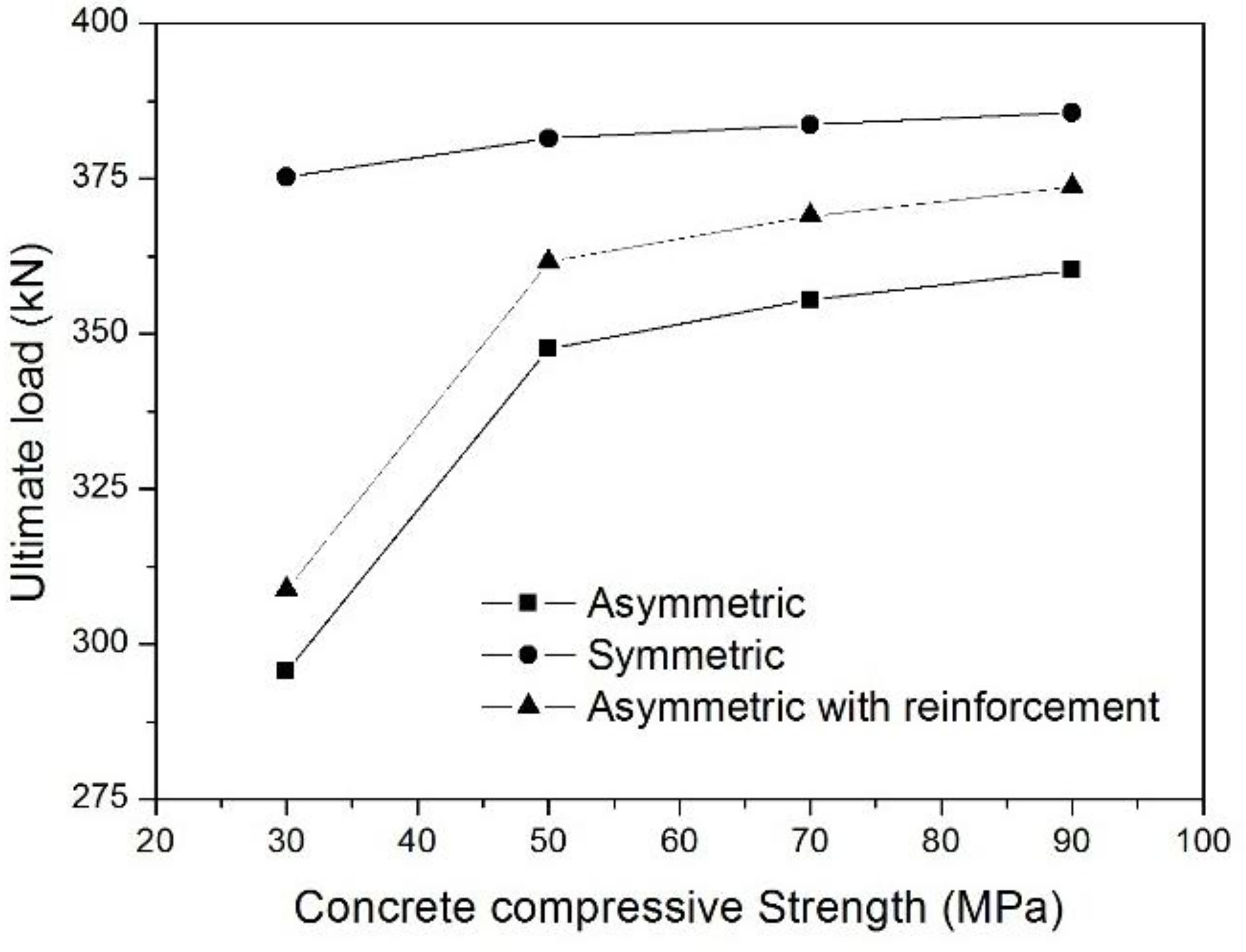
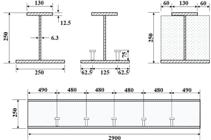
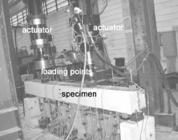
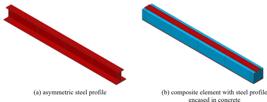
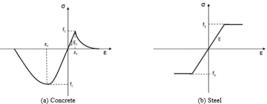
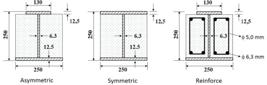
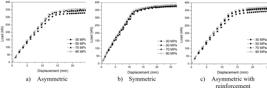
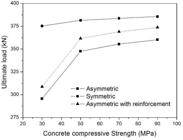
Numerical analysis has become a practical means of investigating nonlinear structural behavior, going beyond the scope of usual design simplifications. This paper presents a parametric investigation based on nonlinear finite element simulations of partially encased steel–concrete composite beams subjected to flexural loading. The numerical formulation accounts for concrete cracking, steel yielding, and the steel–concrete interaction through interface elements. The main interface parameters were calibrated by inverse analysis based on results from a four-point bending test, and the calibrated model was then validated against the experimental response. After validation, a systematic set of models was assessed to quantify the influence of steel profile symmetry, concrete strength, and the presence of reinforcement placed between the profile flanges. The results indicate that profile symmetry is the factor governing load-carrying capacity and the global response, while concrete strength becomes more influential when asymmetric profiles are adopted. The inclusion of reinforcement between the flanges provides a modest increase in ultimate capacity and does not significantly change the force–displacement response.
Keywords
Finite element analysis; Partially encased composite beam; Composite elements; Parametric study
 Thumbnail
 Thumbnail
 Thumbnail
 Thumbnail
 Thumbnail
 Thumbnail
 Thumbnail
 Thumbnail
 Thumbnail
 Thumbnail
 Thumbnail
 Thumbnail
 Thumbnail