 Exploring the interplay of oxidative stress markers and autonomic regulation in overweight horses subjected to aerobic exercise
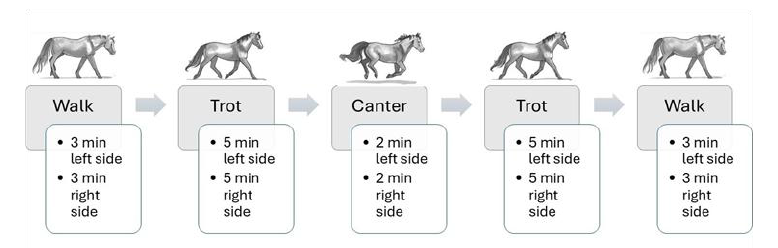
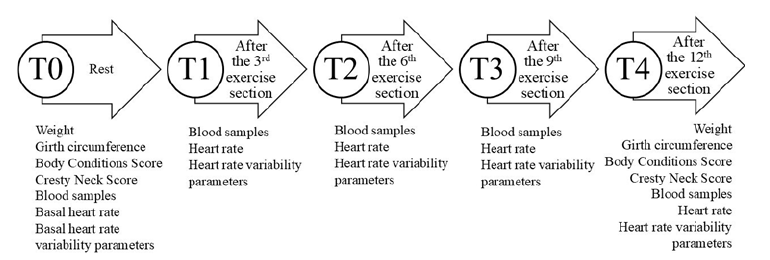
This study investigated the interaction between oxidative metabolism markers and autonomic regulation in overweight horses during aerobic exercise. Sixteen overweight, castrated Criollo horses were included in the survey, with eight horses in the control group and eight subjected to a 12-session basic training protocol. The horses were evaluated at rest and at the end of each subsequent week, measuring parameters such as heart rate (HR), heart rate variability (HRV), body weight (BW), body condition score (BCS), and cresty neck score (CNS). Blood samples were collected simultaneously, with plasma analyses including thiobarbituric acid reactive substances (TBARS) and total glutathione (GSH). Reactive oxygen species (ROS) and butyrylcholinesterase (BChE) enzyme activity were assessed in serum. Significant reductions in body weight, thoracic circumference, and body condition scores were observed in the trained group. There was a transient increase in ROS during the initial phase of training, followed by normalization. Increased glutathione and TBARS levels indicated positive metabolic adaptations without signs of oxidative stress. Initially, sympathetic nervous system activity was stimulated, followed by a restored parasympathetic balance by the end of the program, indicating beneficial physiological responses to exercise. Stable BChE levels throughout the study supported the absence of excessive oxidative or inflammatory stress. Strong correlations among oxidative metabolism markers, autonomic nervous system indices, and body fat parameters suggest that exercise-induced fat loss is linked to oxidative metabolism and changes in autonomic function. This research significantly advances our understanding of physiological adaptations in horses during exercise, making a substantial contribution to equine exercise physiology.
Keywords:
adiposity; equine; heart rate variability; oxidative metabolism; physical adaptation
 Thumbnail
 Thumbnail