
 Impact on the mutagenicity of strain TA102 of Salmonella Typhimurium by chlorpyrifos in high concentration together with Lacticaseibacillus rhamnosus GG
ABSTRACT
Chlorpyrifos is a widely used organophosphate pesticide with significant environmental impact. Lacticaseiobacillus rhamnosus GG has shown potential for degrading such pesticides. This study assessed its ability to neutralize high concentrations of chlorpyrifos in a medium containing Salmonella Typhimurium tester strain, in triplicate, with metabolic activation (S9+). Toxicity tests using strain TA100 of Salmonella Typhimurium at various concentrations determined 20 mg/plate for further assays. Mutagenicity was evaluated with TA97a, TA98, TA100, and TA102 strains of Salmonella Typhimurium, using dimethyl sulfoxide (DMSO) as a negative control and 2-anthramine as a positive control. L. rhamnosus GG (5 mg/plate) was pre-incubated with chlorpyrifos at 37 ºC for 48 h or added at experiment time (00 h). A mutagenic index (MI) ≥ 2 indicated a significant two-fold mutation increase (p<0.05). Toxicity followed TA102 > TA100 = TA97a, with TA98 being non-toxic. After 48 h and 00 h pre-incubation, MI values were: 0.6 and 1.4 (TA97a), 1.6 and 1.9 (TA98), 0.4 and 0.8 (TA100), and 2.3 and 1.9 (TA102). The probiotic restored bacterial viability, including TA98, which became mutagenic at 00h. L. rhamnosus GG facilitated organophosphate bioremediation in TA97a and TA100 but was ineffective against TA102.
Keywords:
Ames test; Chlorpyrifos; Lacticaseibacillus rhamnosus GG; mutagenicity test; toxicity test
RESUMO
O clorpirifós é um pesticida organofosforado amplamente utilizado, com um impacto ambiental significativo. Lacticaseibacillus rhamnosus GG demonstrou potencial na degradação desses pesticidas. No estudo avaliou-se sua capacidade em neutralizar altas concentrações de clorpirifós em um meio contendo cepas teste de Salmonella Typhimurium, em triplicata, com ativação metabólica (S9+). Testes de toxicidade usando a cepa TA100 de Salmonella Typhimurium em várias concentrações determinaram 20mg/placa para os ensaios subsequentes. A mutagenicidade foi avaliada nas cepas TA97a, TA98, TA100 e TA102 de Salmonella Typhimurium, utilizando dimetilsulfóxido (DMSO) como controle negativo e 2-antramina como controle positivo. L. rhamnosus GG (5 mg/placa) foi pré-incubado com clorpirifós a 37ºC por 48h ou adicionado no momento do experimento (00 h). Um índice mutagênico (IM) ≥ 2 indicou um aumento significativo de duas vezes nas mutações (p<0,05). A toxicidade seguiu a ordem TA102 > TA100 = TA97a, sendo a TA98 não tóxica. Após pré-incubação de 48h e 00h, os valores de IM foram: 0,6 e 1,4 (TA97a), 1,6 e 1,9 (TA98), 0,4 e 0,8 (TA100) e 2,3 e 1,9 (TA102). O probiótico restaurou a viabilidade bacteriana, incluindo TA98, que se tornou mutagênica em 00h. L. rhamnosus GG facilitou a biorremediação de organofosforados em TA97a e TA100, mas foi ineficaz contra TA102.
Palavras-chave:
teste de Ames; clorpirifós; Lacticaseibacillus rhamnosus GG; teste de mutagenicidade; teste de toxicidade
INTRODUCTION
The indiscriminate use of pesticides, especially organophosphates, represents a serious threat to the health of domestic and production animals. Recent studies demonstrate that these compounds can affect not only the overall health of animals but also compromise their reproductive capacity, with direct impacts on germ cells organisms. The bioaccumulation of contaminants and metabolites in aquatic and terrestrial organisms leads to the contamination of animal-derived products, such as milk, meat, and fish, posing a risk to public health (Chang et al., 2020; Chhillar et al., 2023; Liu et al., 2024). The occurrence of this issue is significant, with estimates indicating that 11% of domestic animals, such as dogs and cats, are contaminated with organophosphates (Grilo et al., 2021).
The wide availability, low cost, and effectiveness of organophosphates contribute to the increased frequency of animal poisoning (Camacho-Pérez et al., 2022). This class of pesticide induces a series of characteristic clinical symptoms in dogs, including acute cholinergic crises and intermediate syndrome (Klainbart et al., 2022). The impacts of pollution go beyond direct harm to animals, also affecting the food chain.
Bacteria play a central role in the bioremediation of toxic compounds in the soil, including heavy metals and organophosphates, through the biological process of adsorption. In this mechanism, contaminants initially bind to organic functional groups (COOH-, OH-, and SH-) present in the bacterial cell wall, followed by intracellular diffusion. Additionally, some bacteria can secrete substances that interact with these compounds, promoting their precipitation and consequently reducing their toxicity in the environment (Kargar and Shirazi, 2020; Ma, 2024).
The use of probiotic strains in veterinary medicine has intensified, such as Lacticaseibacillus rhamnosus GG (before named Lactobacillus rhamnosus GG (Zheng et al., 2020)) supported by evidence demonstrating their ability to modulate the host microbiota, compete with pathogens for ecological niches, and induce immunostimulatory responses. These effects result in significant zootechnical gains, such as increased production of eggs, poultry meat, and fish (Hooshyar et al., 2020; Liu et al., 2023). Additionally, probiotics have been employed as therapeutic adjuvants in bacterial infectious diseases, such as mastitis and bovine endometritis, often associated with Escherichia coli (Guo et al., 2021; Li et al., 2021; Liu et al., 2022). The immunomodulatory action of these microorganisms favors the activation of innate immune components, thereby enhancing the host’s resistance to pathogenic challenges (Luo et al., 2025).
Despite the high pathogenic potential of Salmonella Typhimurium and its widespread distribution in areas with poor sanitation infrastructure (Kabeta et al., 2024; Shen et al., 2022), its use in toxicity and mutagenicity assays is well established and considered safe. This is because the strains employed in such assays are attenuated variants that have undergone natural mutations (Sugiyama et al., 2016) -- through conjugation, antibiotic exposure, or spontaneous genetic -- alterations that impair their enteric colonization ability and eliminate the risk to One Health (Espeschit et al., 2021). In the present study, the strain was employed to assess the mutagenic reversion capacity upon exposure to the test samples, providing insights into the inhibitory potential of the probiotic against the toxicity of the organophosphate compound.
In animal models, there is a scarcity of studies investigating the interaction between probiotic bacteria and organophosphate pesticides. However, research conducted on insects and rats has shown promising results. In an experimental model with rats, probiotic bacteria were found to mitigate chlorpyrifos-induced renal toxicity. Similarly, studies using Drosophila melanogaster have demonstrated that lactic acid bacteria can detoxify the organism or sequester the organophosphate compound, suggesting a potential mechanism for mitigating the toxic effects of these substances (Daisley et al., 2018; Nejati et al., 2023).
Thus, investigating the interaction between probiotic bacteria and organophosphate compounds represents a promising approach for the development of alternative strategies to mitigate the toxicity of these agents. These microorganisms show potential for application in veterinary medicine, both in the remediation of contaminated environments and in the prophylaxis of exposed animals, regardless of their size. In this context, the present study aimed to evaluate the ability of L. rhamnosus GG probiotic to reduce the toxicity effects of a chlorpyrifos through the reverse mutation assay (Ames test), contributing to the understanding of its potential use as a protective agent against exposure to such contaminants.
ETHICAL ASPECTS
This study was not submitted to the Ethics Committee on Animal Use.
MATERIAL AND METHODS
The taxonomy of the previously mentioned Salmonella typhimurium did change for Salmonella enterica subsp. enterica serovar Typhimurium (str. LT2), adopted in this study, all of which are auxotrophic for histidine. The strains TA97a, TA98, TA100, and TA102 were provided by Professor Dr F.A.R. Nogueira (Uniara, Araraquara/SP, Brazil). Each culture was in a cryogenic flask (2 mL) at -80 °C (Coldlab®, Piracicaba, SP, Brazil) to preserve unaltered genetic characteristics until use.
Chlorpyrifos (O, O-diethyl-O-(3,5,6-trichloro-2-pyridyl) -phosphorothioate) was purchased from Sigma (Sigma-Aldrich®) and solubilized in dimethyl sulfoxide (DMSO) (Nuclear®, CAQ - Diadema/SP, Brazil) as a stock solution using 0.1 g of pesticide for 1 mL of DMSO (0.1g/mL) from which the specific volumes for each concentration were taken according to Table 1.
The probiotic L. rhamnosus GG was purchased as capsules containing 109 colony forming units (CFU) bacteria per capsule from the pharmacy of Super Smart Manipulation (Piracicaba, SP, Brazil). The suspension procedure for probiotics followed that for the pesticide, that is, a stock solution was made using 250mg of probiotic for 5mL of saline solution (50mg/mL). From this stock, the solution was taken at 0.1mL for a final concentration of 5mg/plate. Bacterial concentration given by manufacturer (109 CFU) was confirmed by plate count method after serial decimal dilutions.
Carrying out a preliminary toxicity assessment is inevitable as a prerequisite for initiating reverse mutation testing. The main objective of this initial phase is to determine the toxic concentration range of the substance under study (Resende et al., 2012), since bacterial mortality would compromise the results of subsequent tests. The target concentration for subsequent assays is established based on the concentration that allows a Mutagenicity Index (MI) of 0.6 (Hamel et al., 2016), as determined by the ratio where R = number of revertants at the test concentrations and R c = number of revertants from the DMSO control.
In our study, we used the preliminary toxicity test to determine the toxic concentration of chlorpyrifos. For that purpose, the tested six concentrations (6, 7.5, 10, 12.5, 15, 20 mg/plate) of chlorpyrifos were dissolved in DMSO. The assay was performed with the TA100 strain due to its capability to undergo many mutations. Its genetic modifications include hisG46 (the critical site for reversion of histidine), pKM101 (plasmid), rfa Δ (uvrB chl Bio; repair system), point mutation (G:C to A:T). The assay was carried out in the presence of metabolic activation (S9+, Moltox®, purchased from Interlab, São Paulo, SP, Brazil) since the toxic form of chlorpyrifos is produced after biotransformation to chlorpyrifos-oxon.
All experiments were conducted in the presence of metabolic activation (S9+) due to the toxic nature of chlorpyrifos emerges after biotransformation by desulfurization reaction. Furthermore, both chlorpyrifos and L. rhamnosus GG demonstrated non-mutagenic behavior in Salmonella/microsome assays in isolation (Chiu et al., 2013; Gollapudi et al., 1995; Ruiz and Marzin, 1997; Specifications…, 2015; Zhang et al., 2021). After a preliminary toxicity assessment, Salmonella/microsome analysis was performed using the pre-incubation method with a chlorpyrifos concentration of 20 mg/plate. This was subsequently exposed to test strains TA97a, TA98, TA100 and TA102. Simultaneously, a mixture of chlorpyrifos of identical concentration was pre-incubated for 48 hours or was incubated at the beginning of the experiment (00 h), both at 37 °C with 5 mg/plate of L. rhamnosus GG. His+ revertant colonies were manually counted over time.
All experiments were tripled. Manual counting was carried out using a dark background after 48 hours, ensuring sufficient bacterial survival, given the presence of histidine/biotin in the culture medium. The only bacteria that recovered histidine synthesis (His+) and reverted to wild-type Salmonella could sustain growth. This result strongly suggests genotoxic properties of the tested compound or its metabolites (Hazarika et al., 2020). Thus, the 48-hour model implies a 96-hour pre-incubation, while the 00-hour model represents a 48-hour real-time incubation.
DMSO served as the negative (solvent) control (100µL/plate), whereas the mutagen used as a positive control was 2-anthramine (1.5 µg/plate) for all tester strains.
The mutagenicity index was determined when there was a two-fold increase in the number of mutations in relation to the DMSO control (MI ≥ 2), calculated using the same formula given above (see preliminary toxicity). After determining that value, the transformed mutagenicity data (reverting/plate) were examined according to the responses for each treatment ([P], pesticide; [P/Lr 48 h], pre-incubation of pesticide + probiotic for 48 h, and [P/Lr 00 h], incubation of pesticide + probiotic at the time of experiment) and compared among them for each tester strain using the one-way analysis of variance (Anova) followed by a Tukey test. A p-value < 0.05 was considered statistically significant. The results were analyzed using OriginPro 2018© statistical software (OriginLab Corporation, Northampton, MA, USA). Preliminary toxicity data were statistically analyzed using the Salanal statistical software package (U.S. Environmental Protection Agency, Monitoring Systems Laboratory, Las Vegas, NV, v. 1.0, from Research Triangle Institute, RTP, North Caroline, USA.
RESULTS
To evaluate pesticide toxicity, six initial concentrations (6, 7.5, 10, 12.5, 15, 20 mg/plate) were selected to establish a toxicity profile using the TA 100 (S9+) strain. Typically, an average growth range yielding an MI (Mutagenicity Index) of 0.6 ensures cell viability. However, our study focused on delineating the toxic concentration of chlorpyrifos, characterized by MI < 0.6.
Toxicity, perceived by the Ames test, manifests itself as a reduction in the number of His+ revertants or changes in the auxotrophic background. Notably (Table 2), the desirable toxicity of chlorpyrifos was selected at 20 mg/plate (MI = 0.4). This concentration was consequently selected for subsequent tests. The values representing the MI, indicating the toxicity of the pesticide, are shown in Fig.1.

Mutagenicity Index parameter for determining the toxic dosage of chlorpyrifos using TA100 with metabolic activation (S9+).
The evaluation of mutagenicity using L. rhamnosus GG (Lr, 5 mg/plate), pre-incubated for 48 hours with chlorpyrifos (P/Lr 48h), or incubated concomitantly with the experimental procedure (P/Lr 00h), was performed and the results are presented in Table 3.
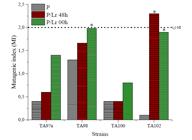
Fig. 2 shows the mutagenic index parameter of all TA tester strains indicating the relevant points to be discussed considering the statistical analysis.
The bacterial strain TA97a demonstrates a toxic profile similar (Mutagenic Index, MI = 0.4) to that observed in strain TA100 when exposed to the pesticide. When the pesticide underwent pre-incubation for 48 hours with the probiotic, the growth index reached 0.6; conversely, incubation for 00 hours (P/Lr 00h) resulted in a mutagenic index of MI = 1.4. On the other hand, strain TA98 showed resistance to 20 mg/plate of chlorpyrifos, with an MI of 1.3. After pre-incubation of the pesticide for 48 hours with the probiotic, growth was observed to elevate the MI to 1.66, reaching a value of MI = 1.98 after 00 hours (P/Lr 00h) (*p<0.05), indicating a significant mutagenic potential.
DISCUSSION
Two basic premises for the Ames test, namely, a carcinogen is a mutagen, and a microbe is a suitable model organism were used since the microbe shares the same DNA as found in human cells (Creager, 2014). However, chlorpyrifos up to 5 mg/plate was not mutagenic based on the Ames test (Gollapudi et al., 1995; Ruiz and Marzin, 1997; Specifications…, 2015). Thus, we used the preliminary toxicity test to determine the toxic concentration of this pesticide, and to work with high concentrations of chlorpyrifos.
On the other hand, L. rhamnosus GG is not mutagenic at a concentration of 5 mg/plate (Chiu et al., 2013; Zhang et al., 2021), which was selected to counteract the toxicity of chlorpyrifos. Would L. rhamnosus GG be able to recover tester strains exposed to the pesticide?
Ilyushina et al. (2019) pointed out the high cytotoxicity of pesticides against bacterial cells as one of the limitations of the Ames test (such asbipyridylium derivatives, chlorothalonil, dithiocarbamates, quinones, phenyl pyridinamines, and sulphonylureas). The approach of this study, namely, to work with a toxic concentration of pesticide and in presence of metabolic activation, differs from other studies using the Ames test, which did not use high concentrations of pesticide. Generally, the results were negative using the Ames test in terms of mutagenicity under in vivo conditions; for example, using mammalian erythrocyte micronucleus test as described by Ilyushina et al. (2019), who suggested the use of at least two methods of genotoxicity assessment, yielded reliable evidence of the safe use of pesticides. Our procedure of increasing the amount of pesticide can be advantageous for predicting carcinogenic or in vivo genotoxic activity, which is a serious matter of discussion (Kirkland et al., 2014).
In Fig. 2, in strain TA100, the combination (pesticide and probiotic) revealed that the probiotic exhibited greater efficacy when co-incubated (P/Lr 00h) when compared to pre-incubation for 48 hours (P/Lr 48h). The pesticide was highly toxic to strain TA102 (Mutagenic Index, MI = 0.1), however, L. rhamnosus GG was able to recover the strain in an uncontrolled manner, leading to it reaching a mutagenic level (*p < 0.05 compared to the pesticide alone) in the pre-incubation model (P/Lr 48h). When incubated for 00 hours (P/Lr 00h), the MI level of 1.9 was slightly lower than that observed in the 48-hour pre-incubation.
The protective role ofL. rhamnosusGG on all TA tester strains indicates a tendency to allow them to recover even in the presence of toxic concentrations of chlorpyrifos (Fig. 3).
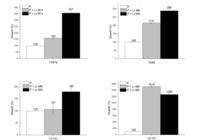
It is important to note that the presence of the probiotic in the culture medium can facilitate the recovery of all tested strains after pre-incubation (TA97a, TA98, TA102) or immediate incubation (TA97a, TA98, TA100, TA102) with the pesticide. Immediate incubation at the time of the experiment (00 h) proved to be more effective than that maintained during the 48 hours of pre-incubation with the pesticide, possibly due to the presence of fresh L. rhamnosus GG, an effect that may be related to the availability of nutrients.
To understand how the probiotic could survive in a treated medium, we first need to describe how L. rhamnosus GG survives. It is known that a shortage of nutrients is the main limiting factor for the growth of lactic acid bacteria (Youssef et al., 2005), which in turn became clear in this work because the probiotic received the nutrients needed to survive (Sun et al., 2019) as supplied from the culture medium. Based on theL. rhamnosusGG genome, metabolic maps of Cys, Arg, Pro, Asp, Ser, Glu, guanine, uracil, and xanthine have been predicted (Morita et al., 2009). According to other studies, L. rhamnosusGG can synthesize Cys, Arg, Pro, guanine, and xanthine but not uracil (Sun et al., 2019). Cysteine, Arg, and Pro can be synthesized from Ser and Glu, butL. rhamnosusGG cannot synthesize Glu and Ser through the new pathway. Guanine and xanthine were synthesized from guanosine and xanthosine, butL. rhamnosusGG does cannot synthesize guanine and xanthine through a the new pathway. L. rhamnosus GG has acidic and basic properties and produces exopolysaccharides (Klopper et al., 2018), which represent the main constituent of carbon energy metabolism. Therefore, exopolysaccharides of the cell wall play an important role in interacting with organophosphates (Sarlak et al., 2021). Our experiments show the presence of enough substrates for the synthesis of needed nutrients for the growth of L. rhamnosus GG including providing nutrients to strains.
The toxic pesticide effects on TA102 reached a level of the total lack of bacterial capability to survive in theory (Fig. 2); however, in the presence of the probiotic, a change in the operon of histidine caused a conversion of the strains from His- to His+, leading to a statistically significant increase of revertants (p<0.05). The TA102 strain has an A:T base pair at the primary reversion site to detect oxidative compounds, cross-linking agents, and hydrazines (OECD, 1997), contains an ochre mutation in the gene hisG428, and is DNA repair proficient (Gatehouse et al., 1994; OECD, 1997). Besides, TA102 contains a deep rough mutation that causes an increase in cell permeability to large molecules and the plasmid pKM101, which confers an increase in error-prone DNA repair (Ryden, 2000) and the multicopy plasmid pAQ1 (Levin et al., 1982). Our results with pesticide alone did not indicate mutagenicity but rather indicated toxicity, at high concentrations. How could we explain that the previous incubation with L. rhamnosus GG (48h) not only allowed the strain to recover its growth capability but led to a mutagenic level? An explanation could be the presence of microsomal CYP enzymes, which promote a desulfuration reaction during the biotransformation of chlorpyrifos resulting in its toxic form, chlorpyrifos-oxon. Oxygen radicals are one of the most important classes of mutagens that lead to aging and cancer (Levin et al., 1982) and can be detected by TA102. The hisG428 mutation in TA102 contains the DNA sequence A-G-A-G-C-A-A-G-T-A-A-G-A-G-C- at positions 839-853, whereas the wild type contains the sequence A-G-A-G-C-A-A-G-C-A-A-G-A-G-C- at the same positions. A:T damage would lead to the reversion of TA102 to wild type resulting in a G:C base pair substitution. Mutagens capable of inducing base pair substitution are agents that cause a base change in DNA. In a reversion test, this change may occur at the site of the original mutation or a second site in the bacterial genome (OECD, 1997). A limitation regarding the interpretation of results with strain TA102 as pointed out elsewhere (Albertini and Gocke, 1993; Gocke, 1989) is the uncertainty since non-mutagenic mechanisms may lead to increased numbers of revertant colonies. In our favor, spontaneous control (104 ± 43.8, not shown) had no statistical difference from negative control (129 ± 14) showing reliable results.
The genotypic characteristics of TA100 were already mentioned in Materials and Methods and selected for toxicity assays. The pre-incubation (48h) versus incubation (00h) mixture exposed to the strain was not mutagenic, indicating that the G:C base pair at the critical site for reversion was not affected by the mixtures. The mechanism on mutagen-susceptible sequence (hotspot) in the case of TA97a occurs at the run of C’s -C-C-C-C-C-C- into which a +1 cytosine is added to give a frameshift mutation. Pre-incubated or incubated mixtures were not mutagenic to this strain.
In the case of the TA98 strain, the hotspot is -C-G-C-G-C-G-C-G-, where mutagens can cause the addition or deletion of one or more base pairs in the DNA, thereby altering the reading frame in RNA (OECD, 1997). This strain was resistant to chlorpyrifos (20 mg/plate) (MI = 1.3), which was an unexpected result contrary to TA97a (MI = 0.4) and TA102 (MI = 0.1). The growth of the TA98 lineage was not as pronounced as observed in other strains, and it did not reach mutagenic levels as shown in the P+Lr 48h assay of the TA102 strain when compared to the negative control. However, statistically, the only group that showed a significant difference at the 5% level was the P+Lr 00h group (p < 0.05).
Considering the mechanisms by which pesticides are reduced by probiotics, via degradation (Lénárt et al., 2013; Sharma et al., 2005) and/or adsorption (Ruediger et al., 2005; Uygun et al., 2008), the resulting mutagenic index in the TA102 strains are indicative of a biotransformation via microsomal enzymes (from S9+) resulting in chlorpyrifos-oxon, and not via phosphatases from L. rhamnosus GG. Phosphatases are hydrolytic enzymes that cleave the ester bond between the phosphate group and the organic residue of the organic phosphates (Dotaniya et al., 2019). It’s process could point to an adsorption mechanism, mainly due to the presence of exopolysaccharides (Klopper et al., 2018) at the cell wall interacting with organophosphates (Sarlak et al., 2021), but this matter remains to be clarified. The pesticide's potential to affect the cell’s genetic components is a cause for concern. Other undesirable effects, such as chemical-related in which the covalent binding to macromolecules, is one aspect of toxicity (Guengerich, 2005) for which chlorpyrifos-oxon is a strong candidate, mainly because of the capability of forming a covalent bond with the active site serine of butyrylcholinesterase (Biberoglu et al., 2020; Li et al., 2010; Pope et al., 2005; Schopfer and Lockridge, 2019) or damaging the human hepatic microsomes and plasma (Smith et al., 2011). Other described metabolites of chlorpyrifos besides chlorpyrifos-oxon were des-ethyl chlorpyrifos, 3,5,6-trichloro-2-methoxy pyridine, and 3,5,6-trichloro-2-pyridinol (Hazarika et al., 2020), and resulting from Aspergillus sydowii biodegradation (32%) tetraethyl dithiodiphosphate, 3,5,6-trichloropyridin-2-ol, 2,3,5-trichloro-6-methoxypyridine, and 3,5,6-trichloro-1-methylpyridin-2(1H)-one (Soares et al., 2021), which would not be involved in the mechanisms of this study. Against chlorpyrifos and its metabolites, this pesticide is a major endocrine-disrupting chemical used worldwide as an agricultural insecticide against a broad spectrum of insect pests in rice cultivation and to control termites (Hazarika et al., 2021, 2019, 2020) and also causes obesogenic effects (Ilyushina et al., 2019). Most studies must be developed to clarify the genotoxic aspects of chlorpyrifos. Therefore, the L. rhamnosus GG survival in severe envenomation conditions and the recovery of Salmonella tester strains reveal the formation of the chlorpyrifos-oxon metabolite by TA102 strain and has become this study of great importance. Besides, one of the limitations of the Ames test due to the high cytotoxicity of pesticides against bacterial cells as described elsewhere (Ilyushina et al., 2019) can disappear by using L. rhamnosus GG, which could help analytically to detect mutagenicity caused by more pesticides.
CONCLUSION
Using a high concentration of chlorpyrifos (20 mg/plate) in combination with metabolic activation and L. rhamnosus GG (5 mg/plate) to ensure the viability of the tested Salmonella/microsome strains, we demonstrate for the first time the mutagenicity of chlorpyrifos based on the results of the Ames test. The findings are robust regarding the toxic effects associated with chlorpyrifos and its oxon metabolites, as well as the role played by L. rhamnosus GG as an organophosphate bioremediation agent, protecting strains TA97a and TA100 but not mitigating the mutagenic alterations in the histidine operon TA102 or the growth of strain TA98.
ACKNOWLEDGEMENTS
The authors thank to F.A.R. Nogueira (PhD) for providing us with the necessary tester strains for this study, to Coordenação de Aperfeiçoamento de Pessoal de Nível Superior (CAPES) (Finance code 001), Probic/Uniso, and Fundação de Amparo à Pesquisa do Estado de São Paulo (FAPESP, 2020/08913-9) for fellowship. This work was supported by FAPESP (grant nos. 2015/01420-9).
REFERENCES
- ALBERTINI, S.; GOCKE, E. Renin inhibitors as an example of presumptive irrelevant positive findings in the Salmonella/mammalian microsome assay (Ames test). Mutat. Res. Genet. Toxicol., v.298, p.237-246, 1993.
- BIBEROGLU, K.; TACAL, O.; LAWRENCE M.S. et al. Chlorpyrifos oxon-induced isopeptide bond formation in human butyrylcholinesterase. Molecules, v.25, p.533, 525, 2020.
- CAMACHO-PÉREZ, M.R.; COVANTES-ROSALES, C.E.; TOLEDO-IBARRA, G.A. et al. Organophosphorus Pesticides as Modulating Substances of Inflammation through the Cholinergic Pathway. Int. J. Mol. Sci., v.23, p.4523, 2022.
- CHANG, C.; HOU, P.; YANG, W. et al. Analytical Detection of Sulfonamides and Organophosphorus Insecticide Residues in Fish in Taiwan. Mol., v.25, p.1501, 2020.
- CHHILLAR, S.; BATRA, V.; KUMARESAN, A. et al. Acute exposure to organophosphorus pesticide metabolites compromises buffalo sperm function and impairs fertility. Sci. Rep., v.13, p.9102, 2023.
- CHIU, Y.J.; NAM, M.K.; TSAI, Y.T. et al. Genotoxicity assessment of multispecies probiotics using reverse mutation, mammalian chromosomal aberration, and rodent micronucleus tests. Sci. World J., v.2013, p.254239, 2013.
- CREAGER, A.N.H. The political life of mutagens: a history of the Ames test. In: BOUDIA, S.; JAS, N. (Orgs.). Powerless science? Science and politics in a toxic world. New York, USA: Berghahn Books, 2014. p.46-64.
- DAISLEY, B. A.; TRINDER, M.; MCDOWELL, T. W. et al. Microbiota-Mediated Modulation of Organophosphate Insecticide Toxicity by Species-Dependent Interactions with Lactobacilli in a Drosophila melanogaster Insect Model. Appl. Environ. Microbiol., v.84, n.9, 2018.
- DOTANIYA, M.L. et al. Role of soil enzymes in sustainable crop production. In: KUDDUS, M. (Ed.). Enzymes food biotechnology. [s.l.]: Elsevier, 2019. p.569-589.
- ESPESCHIT, I.F.; SANTANA, C.M.; MOREIRA, M.A.S. Public policies and one health in Brazil: the challenge of the disarticulation. Front. Public Health, v.9, p.644748, 2021.
- GATEHOUSE, D.; HAWORTH, S.; CEBULA, T. et al. Recommendations for the performance of bacterial mutation assays. Mutat. Res., v.312, p.217-233, 1994.
- GOCKE, E. Reduction of the translation fidelity by kanamycin: effects on growth and mutant frequency in S. typhimurium TA102. Mutat. Res. Lett., v.226, p.211-214, 1989.
- GOLLAPUDI, B.B.; MENDRALA, A.L.; LINSCOMBE, V.A. Evaluation of the genetic toxicity of the organophosphate insecticide chlorpyrifos. Mutat. Res., v.342, p.25-36, 1995.
- GRILO, A.; MOREIRA, A.; CARRAPIÇO, B. et al. Epidemiological Study of Pesticide Poisoning in Domestic Animals and Wildlife in Portugal: 2014-2020. Front. Vet. Sci., v.7, 2021.
- GUENGERICH, F.P. Principles of covalent binding of reactive metabolites and examples of activation of bis-electrophiles by conjugation. Arch. Biochem. Biophys., v.433, p.369-378, 2005.
- GUO, M.; ZHANG, C.; ZHANG, C. et al. Lacticaseibacillus rhamnosus reduces the pathogenicity of Escherichia coli in chickens. Front. Microbiol., v.12, p.664604, 2021.
- HAMEL, A.; ROY, M.; PROUDLOCK, R. The bacterial reverse mutation test. In: PROUDLOCK, R. Genetic toxicology testing. [s.l.: s.n.], cap.4, p.79-138, 2016.
- HAZARIKA, J.; GANGULY, M.; BORGOHAIN, G. et al. Disruption of androgen receptor signaling by chlorpyrifos (CPF) and its environmental degradation products: a structural insight. J. Biomol. Struct. Dyn., v.40, p.6027-6038, 2021.
- HAZARIKA, J.; GANGULY, M.; MAHANTA, R. A computational insight into the molecular interactions of chlorpyrifos and its degradation products with the human progesterone receptor leading to endocrine disruption. J. Appl. Toxicol., v.40, p.434-443, 2020.
- HAZARIKA, J.; GANGULY, M.; MAHANTA, R. Molecular interactions of chlorpyrifos and its environmental degradation products with human sex hormone-binding globulin: an in silico study. J. Appl. Toxicol., v.39, p.1002-1011, 2019.
- HOOSHYAR, Y.; KENARI, A.A.; PAKNEJAD, H. et al. Effects of Lactobacillus rhamnosus ATCC 7469 on different parameters related to health status of rainbow trout (oncorhynchus mykiss) and the protection against yersinia ruckeri. Probiotics Antimicrob. Proteins, v.12, p.1370-1384, 2020.
- ILYUSHINA, N.; EGOROVA, O.; RAKITSKII, V. Limitations of pesticide genotoxicity testing using the bacterial in vitro method. Toxicol. Vitro, v.57, p.110-116, 2019.
- KABETA, T.; TOLOSA, T.; DUCHATEAU, L. et al. Prevalence and serotype of poultry salmonellosis in Africa: a systematic review and meta-analysis. Avian Pathol., v.53, p.325-349, 2024.
- KARGAR, S.H.M.; SHIRAZI, N.H. Lactobacillus fermentum and Lactobacillus plantarum bioremediation ability assessment for copper and zinc. Arch. Microbiol., v.202, p.1957-1963, 2020.
- KIRKLAND, D.; ZEIGER, E.; MADIA, F. et al. Can in vitro mammalian cell genotoxicity test results be used to complement positive results in the Ames test and help predict carcinogenic or in vivo genotoxic activity? 1. Reports of individual databases presented at an EURL ECVAM Workshop. Mutat. Res. Genet. Toxicol. Environ. Mutagen., v.775-776, p.55-68, 2014.
- KLAINBART, S.; KELMER, E.; CHAI, O. et al. Prevalence, clinical manifestations, laboratory findings, treatment, and outcome of intermediate syndrome in anticholinesterase pesticide intoxication of dogs: A retrospective study. Vet. J., v.287, p.105883, 2022.
- KLOPPER, K.B.; DEANE, S.M.; DICKS, L.M.T. Aciduric strains of Lactobacillus reuteri and Lactobacillus rhamnosus, isolated from human feces, have strong adhesion and aggregation properties. Probiotics Antimicrob. Proteins, v.10, p.89-97, 2018.
- LÉNÁRT, J.; BUJNA, E.; KOVÁCS, B. et al. Metabolomic Approach Assisted High Resolution LC-ESI-MS Based Identification of a Xenobiotic Derivative of Fenhexamid Produced by Lactobacillus casei. J. Agric. Food Chem., v.61, p.8969-8975, 2013.
- LEVIN, D.E.; HOLLSTEIN, M.; CHRISTMAN, M.F. et al. A new Salmonella tester strain (TA102) with A X T base pairs at the site of mutation detects oxidative mutagens. Proc. Natl. Acad. Sci., v.79, p.7445-7449, 1982.
- LI, B.; RICORDEL, I.; SCHOPFER, L.M. et al. Dichlorvos, chlorpyrifos oxon and Aldicarb adducts of butyrylcholinesterase, detected by mass spectrometry in human plasma following deliberate overdose. J. App. Toxicol., v.30, p.559-565, 2010.
- LI, Y.; ZHU, Y.; CHU, B. et al. Lactobacillus rhamnosus GR-1 prevents Escherichia coli-induced apoptosis through PINK1/parkin-mediated mitophagy in bovine mastitis. Front. Immunol., v. 12, p.715098, 2021.
- LIU, J.; FENG, X.; LI, B. et al. Lactobacillus rhamnosus GR-1 alleviates Escherichia coli-induced inflammation via NF-κB and MAPKs signaling in bovine endometrial epithelial cells. Front. Cell. Infect. Microbiol., v.12, p.809674, 2022.
- LIU, L.; ZHAN, G.; QU, G. et al. Effects of dietary Lactobacillus rhamnosus GG supplementation on the production performance, egg quality, eggshell ultrastructure, and lipid metabolism of late-phase laying hens. BMC Vet. Res., v.19, p.150, 2023.
- LIU, Y.; LI, H.; YIN, Y. et al. Organophosphate esters in milk across thirteen countries from 2020 to 2023: Concentrations, sources, temporal trends and ToxPi priority to humans. J. Hazard. Mater., v.473, p.134632, 2024.
- LUO, Z.; GONG, Y.; LI, Q. et al. Regulation of intestinal health by Lactobacillus rhamnosus GG during fasting-induced molting in laying hens. Poult. Sci., v.104, p.105057, 2025.
- MA, X. Heavy metals remediation through lactic acid bacteria: Current status and future prospects. Sci. Total Environ., v.946, p.174455, 2024.
- MORITA, H.; TOH, H.; OSHIMA, K. et al. Complete Genome Sequence of the Probiotic Lactobacillus rhamnosus ATCC 53103. J. Bacteriol., v.191, p.7630-7631, 2009.
- NEJATI, R.; NEMATOLLAHI, A.; DORAGHI, H. K. et al. Probiotic bacteria alleviate chlorpyrifos‐induced rat testicular and renal toxicity: A possible mechanism based on antioxidant and anti‐inflammatory activity. Basic Clin. Pharmacol. Toxicol, v.133, n.6, p.743-756, 2023.
- OECD guideline for testing of chemicals bacterial reverse mutation test. 1997. Available in: chrome-extension://efaidnbmnnnibpcajpcglclefindmkaj/https://www.oecd.org/content/dam/oecd/en/publications/reports/2020/06/test-no-471-bacterial-reverse-mutation-test_g1gh295b/9789264071247-en.pdf Accessed in: 20/05/2023
- POPE, C.N.; KARANTH, S.; LIU, J.; YAN, B. Comparative carboxylesterase activities in infant and adult liver and their in vitro sensitivity to chlorpyrifos oxon. Regul. Toxicol. Pharmacol., v.42, p.64-69, 2005.
- RESENDE, F.A.; VILEGAS, W.; SANTOS, L.C.; VARANDA, E.A. Mutagenicity of flavonoids assayed by bacterial reverse mutation (Ames) test. Molecules, v.17, p.5255-5268, 2012.
- RUEDIGER, G.A.; PARDON, K.H.; SAS, A.N. et al. Fate of pesticides during the winemaking process in relation to malolactic fermentation. J. Agric. Food Chem., v.53, p.3023-3026, 2005.
- RUIZ, M.J.; MARZIN, D. Genotoxicity of six pesticides by Salmonella mutagenicity test and SOS chromotest. Mutat. Res. Genet. Toxicol. Environ. Mutagen., v.390, p.245-255, 1997.
- RYDEN, E. Comparison of the sensitivities of Salmonella typhimurium strains TA102 and TA2638A to 16 mutagens. Mutagenesis, v.15, p.495-502, 2000.
- SARLAK, Z.; DARANI, K.K.; ROUHI, M. et al. Bioremediation of organophosphorus pesticides in contaminated foodstuffs using probiotics. Food Control., v.126, p.108006, 2021.
- SCHOPFER, L.M.; LOCKRIDGE, O. Mass spectrometry identifies isopeptide cross-links promoted by diethylphosphorylated lysine in proteins treated with chlorpyrifos oxon. Chem. Res. Toxicol., v.32, p.762-772, 2019.
- SHARMA, J, SATYA, S.; KUMAR, V.; TEWARY, D.K. Dissipation of pesticides during bread-making. Chem. Health Saf., v.12, p.17-22, 2005.
- SHEN, W.; CHEN H.; GENG, J. et al. Prevalence, serovar distribution, and antibiotic resistance of Salmonella spp. isolated from pork in China: a systematic review and meta-analysis. Int. J. Food Microbiol., v.361, p.109473, 2022.
- SMITH, J.N.; TIMCHALK, C.; BARTELS, M.J.; POET, T.S. et al. In vitro age-dependent enzymatic metabolism of chlorpyrifos and chlorpyrifos-oxon in human hepatic microsomes and chlorpyrifos-oxon in plasma. Drug Metabol. Dispos., v.39, p.1353-1362, 2011.
- SOARES, P.R.S.; BIROLLI, W.G.; FERREIRA, I.M.; PORTO, AA.L.M. Biodegradation pathway of the organophosphate pesticides chlorpyrifos, methyl parathion and profenofos by the marine-derived fungus Aspergillus sydowii CBMAI 935 and its potential for methylation reactions of phenolic compounds. Mar. Poll. Bull., v.166, p.112185, 2021.
-
SPECIFICATIONS and evaluations for public health pesticides. Chlorpyrifos. Rome: WHO, 2015. Available in: https://www.who.int/whopes/ quality/Chlorpyrifos_WHO_specs_eval_Aug_2015.pdf Accessed in: 9 Mar. 2023.
» https://www.who.int/whopes/ quality/Chlorpyrifos_WHO_specs_eval_Aug_2015.pdf - SUGIYAMA, K.; YAMADA, M.; AWOGI, T.; HAKURA, A. et al. The strains recommended for use in the bacterial reverse mutation test (OECD guideline 471) can be certified as non-genetically modified organisms. Genes Environ., v.38, p.2, 2016.
- SUN, J.; CHEN, H.; QIAO, Y. et al. The nutrient requirements of Lactobacillus rhamnosus GG and their application to fermented milk. J. Dairy Sci., v.102, p.5971-5978, 2019.
- UYGUN, U.; SENOZ, B.; KOKSEL, H. Dissipation of organophosphorus pesticides in wheat during pasta processing. Food Chem., v.109, p.355-360, 2008.
- YOUSSEF, C.B.; GOMA, G.; OLMOS-DICHARA, A. Kinetic modelling of Lactobacillus casei ssp. rhamnosus growth and lactic acid production in batch cultures under various medium conditions. Biotechnol. Lett., v.27, p.1785-1789, 2005.
- ZHANG, B.; LYNCH, B.;ZHAO, J. et al. Lactobacillus rhamnosus MP108: Toxicological evaluation. J. Food Sci., v.86, p.228-241, 2021.
- ZHENG, J.; WITTOUCK, S.; SALVETTI, E. et al. A taxonomic note on the genus Lactobacillus: description of 23 novel genera, emended description of the genus Lactobacillus Beijerinck 1901, and union of Lactobacillaceae and Leuconostocaceae. Int. J. Syst. Evol. Microbiol., v.70, p.2782-2858, 2020.
All the data supporting the results of this study were published in the article itself.

 *For DMSO, a dose of 50 µL/plate.
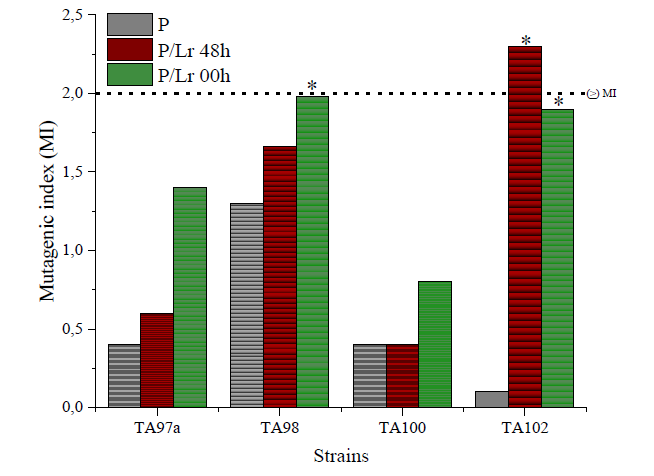 Pre-incubation (48 h) or incubation (00 h) of a toxic concentration of chlorpyrifos (P, 20 mg/plate) and the L. rhamnosus (Lr, 5 mg/plate), submitted to tester strains (TA97a, TA98, TA100, and TA102) in the presence of metabolic activation (S9+). Note that TA102 significantly expressed the values of MI ≥ 2 (*p < 0.05, compared to P from the same group), and TA98 (*p < 0.05, compared to P from the same group). Note the different sensitivity of each tester strain exposed to the same concentration of pesticide with a basis on descending pesticide toxic levels (TA102 > TA100 = TA97a > TA98, the latter was non-toxic). Such differences are related to different genotypic characteristics.
 Growth (%) of tester strains exposed to chlorpyrifos pesticide (P, 20 mg/plate) in the presence of Lacticaseibacillus rhamnosus GG (Lr, 5 mg/plate) after pre-incubation 48h (P + Lr 48h) or incubation (P + Lr 00h). Note the ascending growth tendency induced by probiotics.