 Complex morphological variation among Oenothera L. species from Brazil: A comprehensive analysis of genus diversity and new taxonomic circumscriptions
Abstract
This study aimed to organize the Oenothera specimens found in Brazil through multivariate statistical analyses of morphological and environmental characteristics. Morphological analysis identified four distinct groups, while environmental analysis did not confirm this separation, suggesting that these groups are not limited to specific climate or altitude conditions. Although the environmental analyses were insufficient to delimit the species, the morphological analysis was essential in defining new circumscriptions. Each of the four identified morphological groups includes more than one currently accepted species, indicating the need to revise these delimitations. As a result, four species were recognized in Brazil: O. affinis, O. mollissima, O. indecora, and O. longiflora. Additionally, a new identification key was developed to identify Oenothera species in Brazil.
Keywords:
Brazilian flora; environmental analysis; morphological analysis; morphological variation; multivariate statistical analysis
Introduction
The genus Oenothera L. belongs to the family Onagraceae Juss. and includes plant species commonly known as evening primroses or sundrops. These are herbaceous or sub-shrub plants, annuals, biennials, or perennials, with nocturnal anthesis, attracting pollinators such as moths, and wilting by morning. The species are native to the Americas, occurring in subtropical and temperate regions, usually in open, disturbed areas, from sea level up to elevations of 5,000 m. The center of diversity of the genus is found in the southwestern United States (Stevens, 2001, Wagner et al., 2007). Many species are widely naturalized and found on other continents. Currently, 145 species (188 taxa) distributed in 18 sections are recognized, five of which are subdivided into subsections, with one of them further subdivided into series (Wagner et al., 2007). In South America, excluding introduced species, there are taxa from four sections: Hartmannia (Spach) W.L.Wagner & Hoch, Lavauxia (Spach) W.L.Wagner& Hoch, Oenothera, and Xanthocoryne W.L.Wagner & Hoch, with 44 recognized species, and section Oenothera subsection Munzia W. Dietr., the latter the most numerous with 36 species (Wagner et al., 2007). Species of subsection Munzia are exclusive to South America, forming a distinct and entirely separate group. Overson et al. (2023) demonstrated through molecular analyses that subsection Munzia is monophyletic.
The last comprehensive study on the genus in South America was conducted by Dietrich (1977), who revised the systematics of the group based on the analysis of over 2,000 cultivated plants, as well as cytological studies, specimen crossing tests, and fieldwork.This author proposed that species of subsection Munzia share a common ancestor from the arid to semi-humid regions of western United States, and the taxa found in South America would be a result of a southwards dispersal event (Dietrich,1977). This author hypothesizedthat once established on the South American continent, the elevation of the Andes Mountains may have promoted diversification in the group, with the emergence of several new species (Dietrich, 1977). Within subsection Munzia, the same author hypothesized that the first group to diverge was the Renneria(H.P.Fischer) W.Dietr. series; subsequently, the Allochroa (H.P.Fischer& C.A. Meyer) W.Dietr. and ClelandiaW.Dietr. series diverged. Dietrich (1977) also proposed that the latter originated from hybridization between species of the first two. The Renneria series is confined to mountainous areas, whereas the Allochroa series has extended its distribution to regions of lower elevations and plains. This latter series has a broad distribution to the east and south, reaching the Argentine pampas, Uruguay, southern Brazil, and Paraguay. In contrast, the Clelandia series is restricted to Argentina and Chile (Dietrich 1977).
The number and identity of Oenothera species in Brazil have always remained obscure, varying extensively across treatments of different authors (Munz, 1947; Dietrich, 1977; Falkenberg, 1988; Fernandes & Heiden, 2024). Morphological variation among Oenothera species is continuous, which contributes to the confusion of species delimitation. This is likely related to the unrestricted ability for crossbreeding among some species, leading to the formation of fertile and stable hybrids and a very peculiar genetics of the genus called permanent translocation heterozygosity (PTH). PTH is the main mechanism of evolution in Oenothera species and occurs in 23 out of 36 species of the MunziaDietr. subsection (Dietrich, 1977).
Dietrich (1977) established the following species and subspecies for Brazil, all belonging to subsection Munzia: Oenothera affinisCambess., O. molissima L., O. catharinensisCambess., O. parodiana Munz subsp. parodiana, O. parodiana Munz subsp. brasiliensisW.Dietr., O. raveniiW.Dietr. subsp. ravenii, O. raveniiW.Dietr. subsp. argentinaeW.Dietr., O. longiflora L, O. indecoraCambess. subsp. indecora, and O. indecoraCambess. subsp. bonariensisW.Dietr. On the other hand, Wagner et al. (2007) did not accept the subspecies O. parodiana subsp. brasiliensis and O. ravenii subsp. argentinae, as well as O. indecora subsp. indecora and O. indecora subsp. bonariensis, treating them as synonyms of O. parodiana and O. indecora, respectively.The later taxonomic decisions were justified by the absence of distinctive characters allowing a clear separation between these subspecies, in addition to the overlap of all descriptive characters (Wagner et al., 2007).
Fernandes & Heiden (2024) recognized the following accepted native species in Brazil: O. affinis, O. mollissima, O. catharinensis, O. ravenii, O. longiflora, O. parodiana, O. indecora, and O. glazioviana Micheli. According to Wagner et al. (2007), O. glazioviana originated from the hybridization between two species cultivated in Europe and is, therefore, a naturalized species.
Given the uncertainty in the identification of Oenothera species in Brazil, the aim of this research was to determine, using multivariate statistical methods with morphological and environmental data, how Oenothera specimens found in Brazil are structured.
Material and Methods
Occurrence and study area
To define the species a priori for our analyses, we considered the species recognized by Fernandes & Heiden (2024) as valid, except for O. glazioviana, which is a naturalized species. The occurrenceofthe genus in Brazil includes the States of Rio Grande do Sul, Santa Catarina, Paraná, São Paulo, Minas Gerais, and Rio de Janeiro (Dietrich, 1977; Fernandes & Heiden, 2024). These species are also found in Uruguay, Chile, Argentina, Bolivia, and Paraguay (Dietrich, 1977).
The study area encompassed the States of Paraná, Santa Catarina, and Rio Grande do Sul in Brazil, as well the Departments of Rocha, Maldonado, Colonia, Soriano, Rio Negro, Paysandú, Salto, and Rivera in Uruguay and the coastal region of Buenos Aires Province, Argentina.
Collections and identification
Fieldwork was concentrated during flowering and fruiting periods. A total of 32 excursions were conducted, rendering 485 samples during the following periods: November 2020 to February 2021, September 2021 to February 2022, and September 2022 to January 2023, totaling 59 days. For morphometric analyses, herbarium material could not be used due to extreme flower deformation, which would hinder reliable measurements. Thus, fresh flowers, leaves, fruits, and bracts were preserved in a solution of 70% ethanol and 30% glycerol.
Additionally, the samples collected in Brazil and Uruguay were stored in the Herbarium of the Instituto de Biociências, UFRGS (ICN) in Porto Alegre, RS, Brazil, while the samples collected in Argentina were stored in the Instituto Darwinion de Botânica (IBODA) in San Isidro, Buenos Aires, Argentina, acronyms according to Thiers (2025, continuously updated). Geographic coordinates were recorded for each collection point.
The voucher material collected during this study is properly documented and deposited, as indicated in Table S1. This table provides detailed information on the analyzed samples, including collection site, date, taxonomic identification, and voucher number.
We developed an identification key for the collected specimens based on Dietrich's descriptions and updated it with the synonymizations proposed by Wagner et al. (2007). This key is available as follows:
Identification key for Oenothera species in Brazil based on the proposals of Dietrich (1977) and Wagner et al. (2007).
1.Hypanthium 6.5 cm or longer..................................................................................................2
1'.Hypanthium shorter than 6.5 cm.............................................................................................3
2. Leaf rosette always absent. Plants covered by a very dense layer of short trichomes that give a velvety tactile sensation. Hypanthium 8 cm or longer .......................................O. affinis
2. Leaf rosette always present at least at the beginning of development. Plants with the presence of trichomes but without the previous characteristics. Hypanthium 6.5 cm or longer…………………………………………………………................................O. longiflora
3. Hypanthium shorter than or equal to 1.5 cm..........................................................O. indecora
3'. Hypanthium longer than 1.5 cm and shorter than 6.5 cm......................................................4
4. Leaf rosette always absent. Plants covered by a very dense layer of short trichomes that give a velvety tactile sensation....................................................................................................5
4'. Leaf rosette always present at least at the beginning of development. Plants with the presence of trichomes but without the previous characteristics..................................................6
5. Petals greater than or equal to 0.8 cm and less than or equal to 2 cm................O. mollissima
5'.Petals greater than or equal to 3.0 cm and less than or equal to 3.5 cm.......................................................................................................................O. catharinensis
6. Petals greater than 2.5 cm and less than or equal to 5.0 cm.....................................O. ravenii
6'.Petals greater than or equal to 0.7 cm and less than or equal to 2.5 cm............................................................................................................................O. parodiana
Morphological analyses
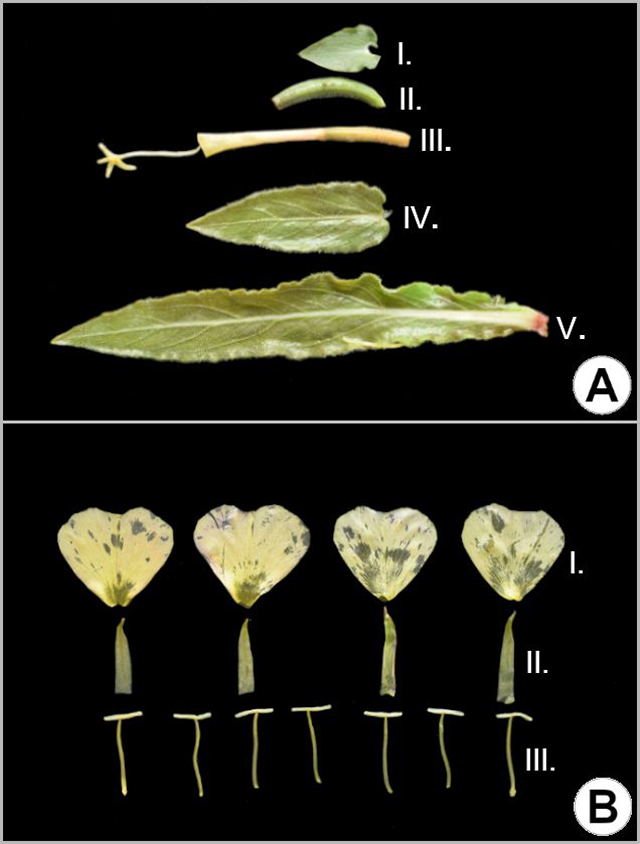
The morphological data evaluated include the characters described by Dietrich (1977) and other ones added in this study. The complete list of characters is provided in Table 1, and Fig. 1 illustrates the plant structures used for measurements in the morphological analyses.
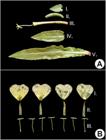
Plant structures used for measurements in morphological analyses. A - I - Bract. II - Fruit. III - Stigma, style, hypanthium, and ovary. B - I - Petal. II - Sepal. III - Anther and filament.
Measurements were taken on a Petri dish with a small amount of water on top of millimeter paper. For floral measurements, petals, sepals, stamens, and styles were separated and arranged to ensure accuracy. The set was photographed using a Nikon D3400 digital camera, and measurements were subsequently performed using the ImageJ software (Rasband, 1997).
Statistical analyses were conducted using R software version 4.2.1 (R Core Team 2022). Variables with a Spearman correlation coefficient above 0.8 were excluded to reduce redundancy and minimize the disproportionate influence of highly correlated variables.
For correlation analyses, the Past program was used (Hammer et al., 2001). A distance matrix based on the Gower coefficient (Gower, 1971) including the remaining variables, was calculated using the vegan package (Oksanen et al., 2022). The Gower distance was chosen given the mixed nature of the data, which includes both binary categorical variables (indicating presence or absence) and continuous numerical variables. We conducted a principal coordinates analysis (PCoA) using the package ade4 (Dray & Dufour, 2007) to identify possible groupings. Due to the crucial importance of the variable LOC (Table 1) in species discrimination, it was assigned double weight. The same set of analyses, including the same weight for all variables, were also performed and presented as supplementary material (Fig. S1). Histograms and box plots were generated using the vegan package (Oksanen et al., 2022).
To assess the effectiveness of an a priori group classification, a random forest model was built with the randomForest package (Liaw & Wiener 2002). The most important predictor variables in a model can be assessed by the metric Mean Decrease Accuracy (MDA). It indicates how much the model's accuracy decreases when a variable is randomly permuted while keeping the others constant. The higher the MDA for a variable, the more important it is for the overall accuracy of the model.
Climatic and elevation analyses
Climatic and elevation data were obtained from the WorldClim database (Fick &Hijmans, 2017) based on the coordinates of the collection points. The current climate data set (1970 to 2000) with a resolution of 30 arc-seconds was used (BIO1 to BIO19 plus elevation). Data for each specimen was extracted with the R package raster (Hijmans, 2023).
The statistical methods used for climatic and elevation data are the same as those applied to morphological analyses, except that the data were standardized due to differences in units of measurement (Z-score). Variables with a Spearman correlation factor above 0.8 were excluded. To identify possible groups, PCoA was employed. Additionally, to assess the effectiveness of a priori group classification, a random forest model was used.
Relationship between morphology and environment
To assess the relationship between climatic and elevation data with morphological variables, the Mantel test was employed. All climatic and elevation variables described in Table S2 were used and compared with the matrix of morphological data related to flower, fruit, and bract size: HIP, PET, SEP, OVA, ROH, RPH, FRU, LSF, RET, ESA, EST, ANT, BRA, and FIL (Table 1). These parameters were chosen due to their importance in species identification (See the key for identifying Oenothera species occurring in Brazil in this section). Morphological and environmental variability was described using Euclidean distance matrices, and the Mantel test was performed using the vegan package in R (Oksanen et al., 2022).
Form of expression of continuous variables
The values are presented as means with a 95% confidence interval, aiming to provide a more accurate idea of the most probable values.
Results
Measurements and species identification
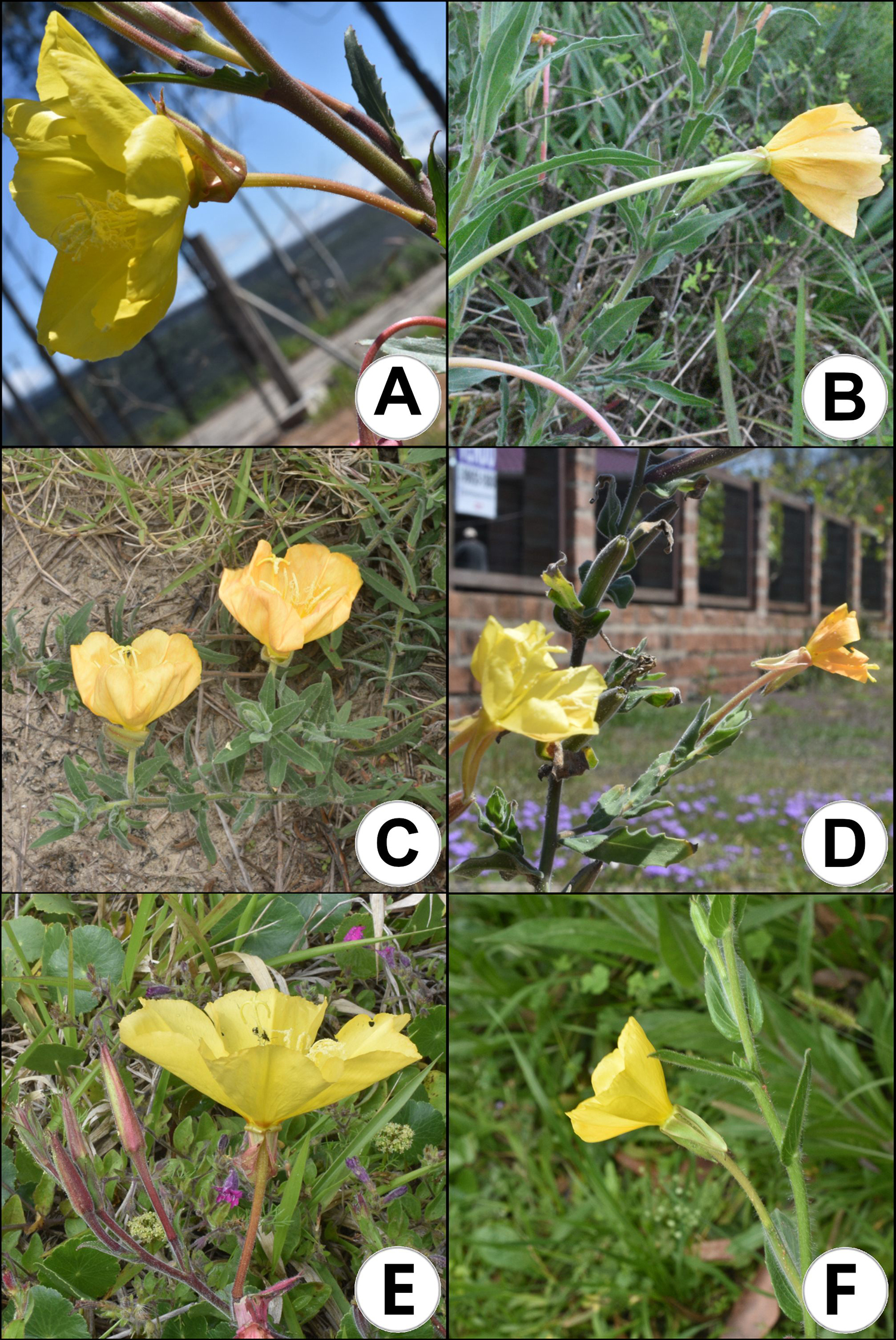
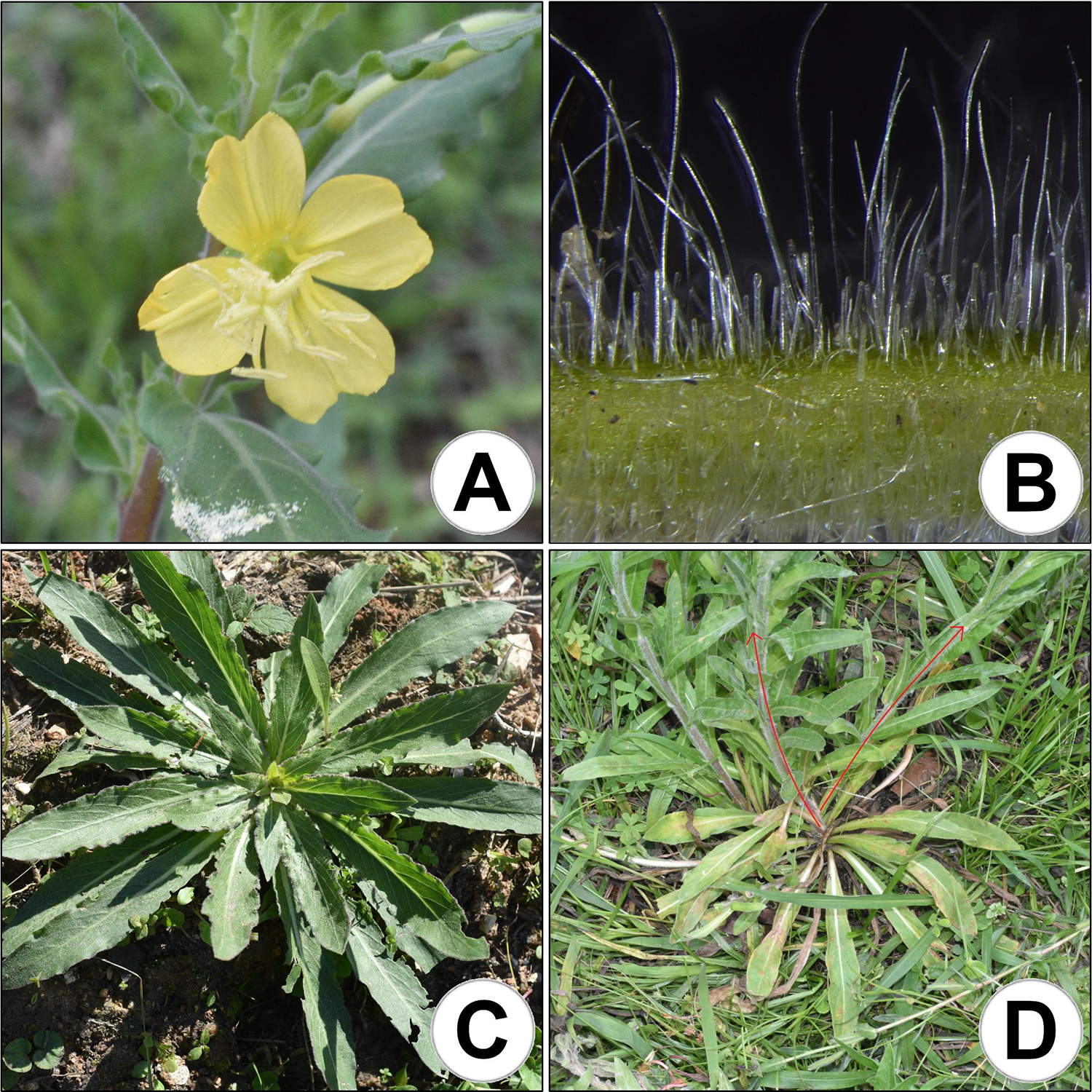
Due to some samples containing missing data, 444 out of the 485 collected samples were analyzed. The spreadsheet containing the measurement results, their respective specific identifications, and voucher material can be found in the supplementary material in Tables S1, and Massing (2025). Thirteen morphological types were identified (Table 2), of which seven follow the key based on the proposals of Dietrich (1977) and Wagner et al. (2007). The remaining six morphological types resemble previously proposed species but do not fully conform to their descriptions due to some discrepant measurements, and therefore were left undetermined. In Figs. 2 and 3, the morphological types following Dietrich (1977) proposal are illustrated.

Oenothera morphological types according to Dietrich’s proposal. A- O. ravenii; B- O. affinis; C- O. catharinensis; D- O. mollissima; E- O. longiflora; F- O. parodiana.
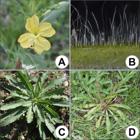
Morphological types according to Dietrich’s proposal. A- O. indecora. B- O. mollissima, villose (longer) and velvety (shorter) trichomes on the leaf. C- O. parodiana, basal rosette. D- O. parodiana, basal rosette with the development of a more prominent central stem and other obliquely ascending ones
Morphological analyses
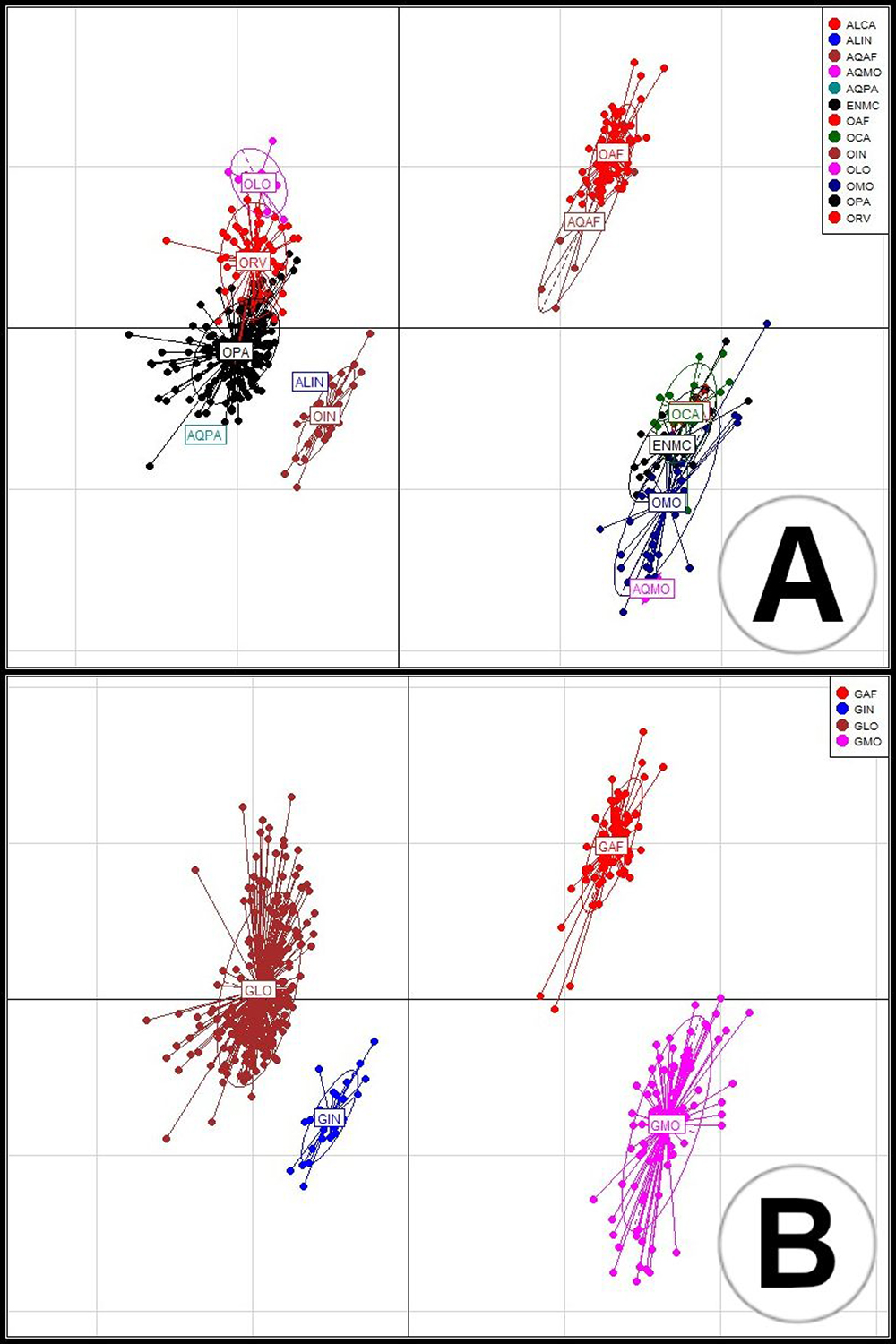
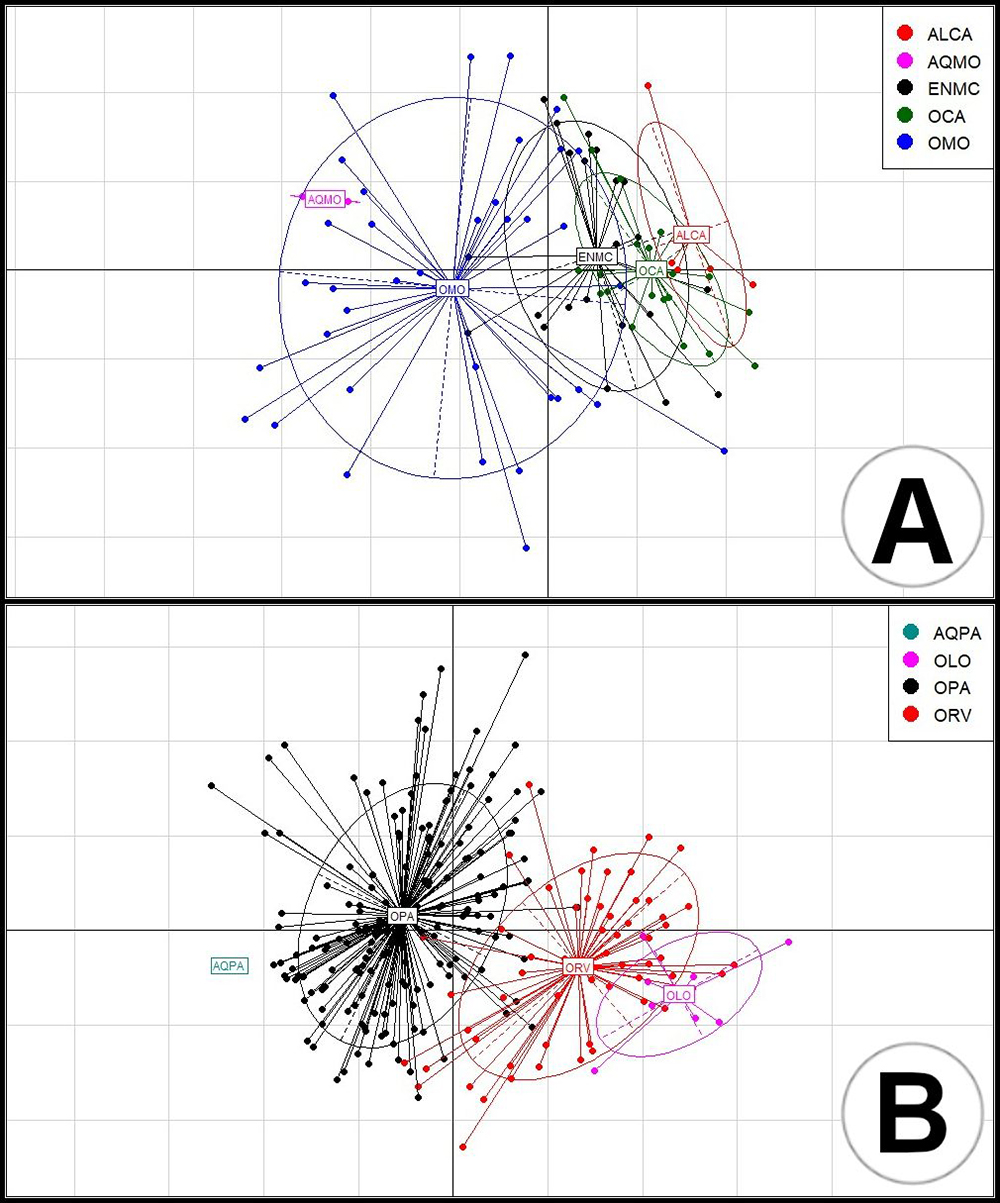
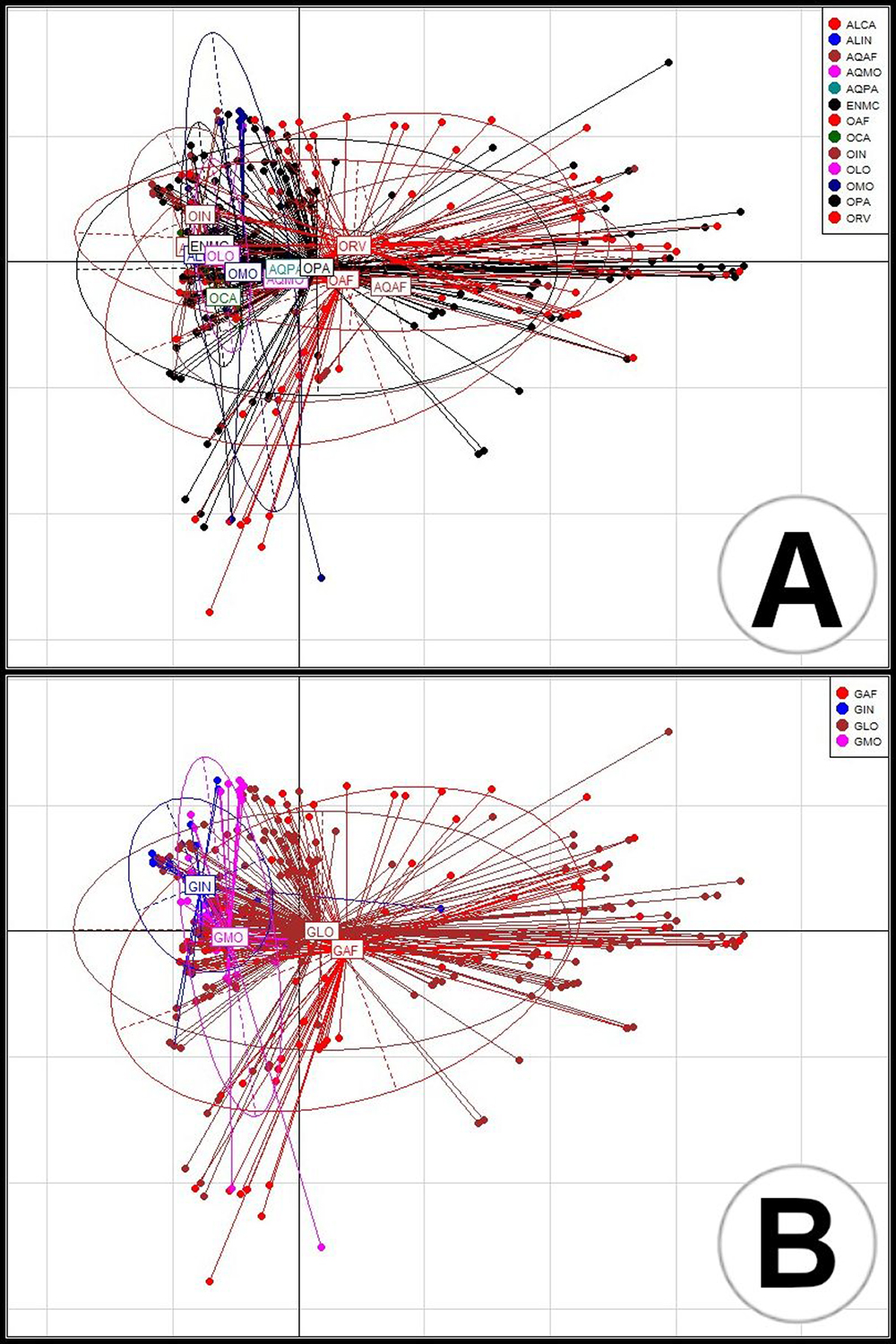
Some morphological variables presented a Spearman correlation factor above 0.8 and were excluded from further analyses, as follows: SEP, ESA, EST, ANT, and FIL, which showed a strong correlation with PET, while BRA revealed a significant correlation with RBC. Two PCoAs were performed varying the weight of a key variable (LOC). The weighted analysis, with variable LOC assigned double weight, presented more resolution (i.e., groups were more defined) and is therefore discussed in the text here. In Fig. 4, the first two axes of the weighted analysis are presented, whereas the resulting morphospace of the unweighted analysis is available in the supplementary Fig. S1. In Fig. 4, the PCoA is presented with color coding in two different schemes: in Fig. 4 A the thirteen morphological types identified previously (using the adapted identification key); and in Fig. 4 B . the four cohesive morphological groups recovered in the PCoA analysis. Both PCoAs (weighted and unweighted) explained 58% of the data variation on the first axis and 17.1% on the second axis, totaling 75.1% of the variation.
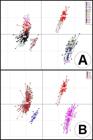
PCoA for thirteen morphological types identified using the adapted identification with the LOC variable given double weight. B - PCoA for the groups, labeled according to the four cohesive groups identified and discussed in the text.
In the weighted morphospace (Fig. 4 A ), it is possible to discern the presence of four distinct groups (which are depicted in Fig. 4 B ). The morphological types OLO, ORV, OPA, and AQPA compose the first group, now designated as the longiflora group (GLO); ALCA, OCA, ENMC, OMO and AQMO form the second group, now referred to as the mollissima group (GMO); ALIN and OIN constitute the third group, now known as the indecora group (GIN); OAF and AQAF make up the fourth group, now called the affinis group (GAF). The PCoA, considering the four identified groups, is represented in Fig. 4 B .
The affinis group includes O. affinis as described by Dietrich (1977) and the morphological type AQAF. AQAF is closely related to O. affinis but has a hypanthium smaller than 8.0 cm. The indecora group is composed of O. indecora, as described by Dietrich (1977), and the morphological type ALIN. ALIN is similar toO. indecora but has a hypanthium larger than 1.5 cm. The mollissima group comprises O. catharinensis and O. mollissima, both according to the descriptions by Dietrich (1977), along with the morphological types ENMC (with petal lengths intermediate between O. mollissima and O. catharinensis), ALCA (with larger petals than O. catharinensis), and AQMO (with smaller petals than O. mollissima).The longiflora group includes O. longiflora, O. ravenii, O. parodiana, all sensu Dietrich (1977), plus the morphological type AQPA (with smaller petals than O. parodiana). In Fig. 5, the distribution maps of the four identified groups are shown, along with the morphological types that constitute them.
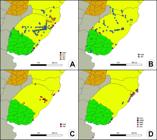
Distribution map A - Longiflora group, B - Affinis group, C - Indecora group, and D - Mollissima group.
The effectiveness of classifying the four pre-defined groups using morphological data was analyzed using a random forest model. In Table 3, a morphological group classification matrix is provided, where only one misclassification was identified out of the 444 samples analyzed. One of the specimens originally classified in the indecora group was mistakenly assigned to the longiflora group.
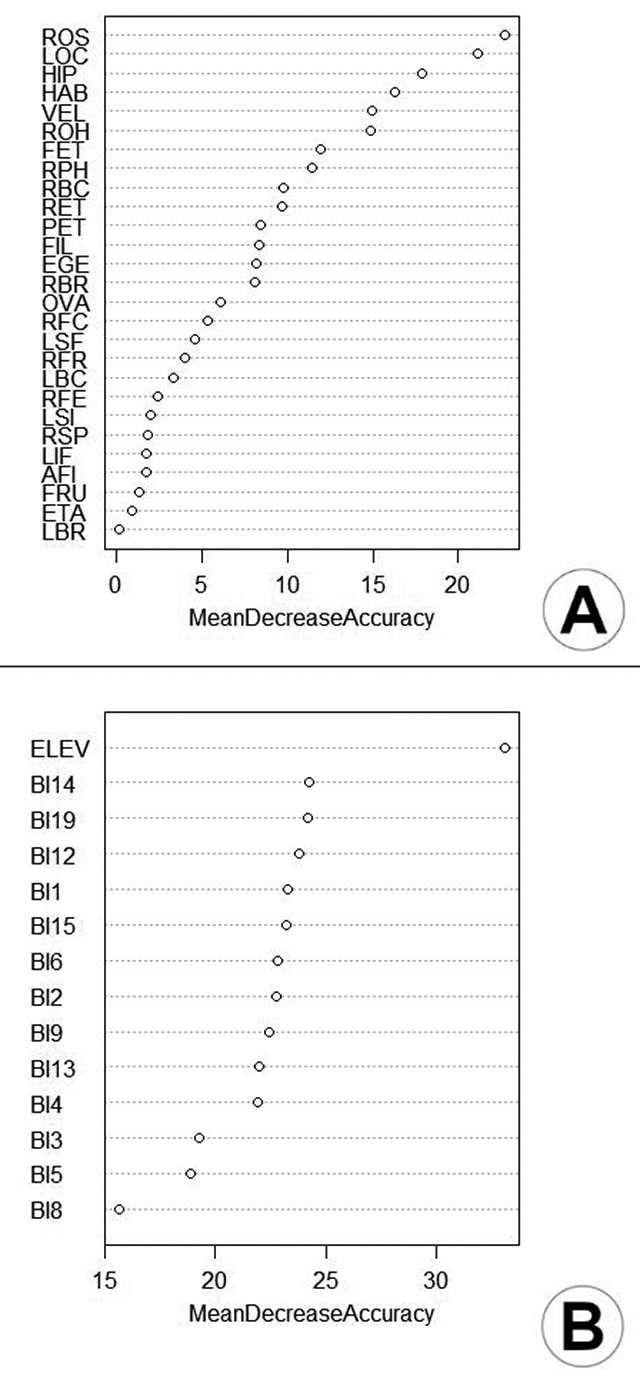
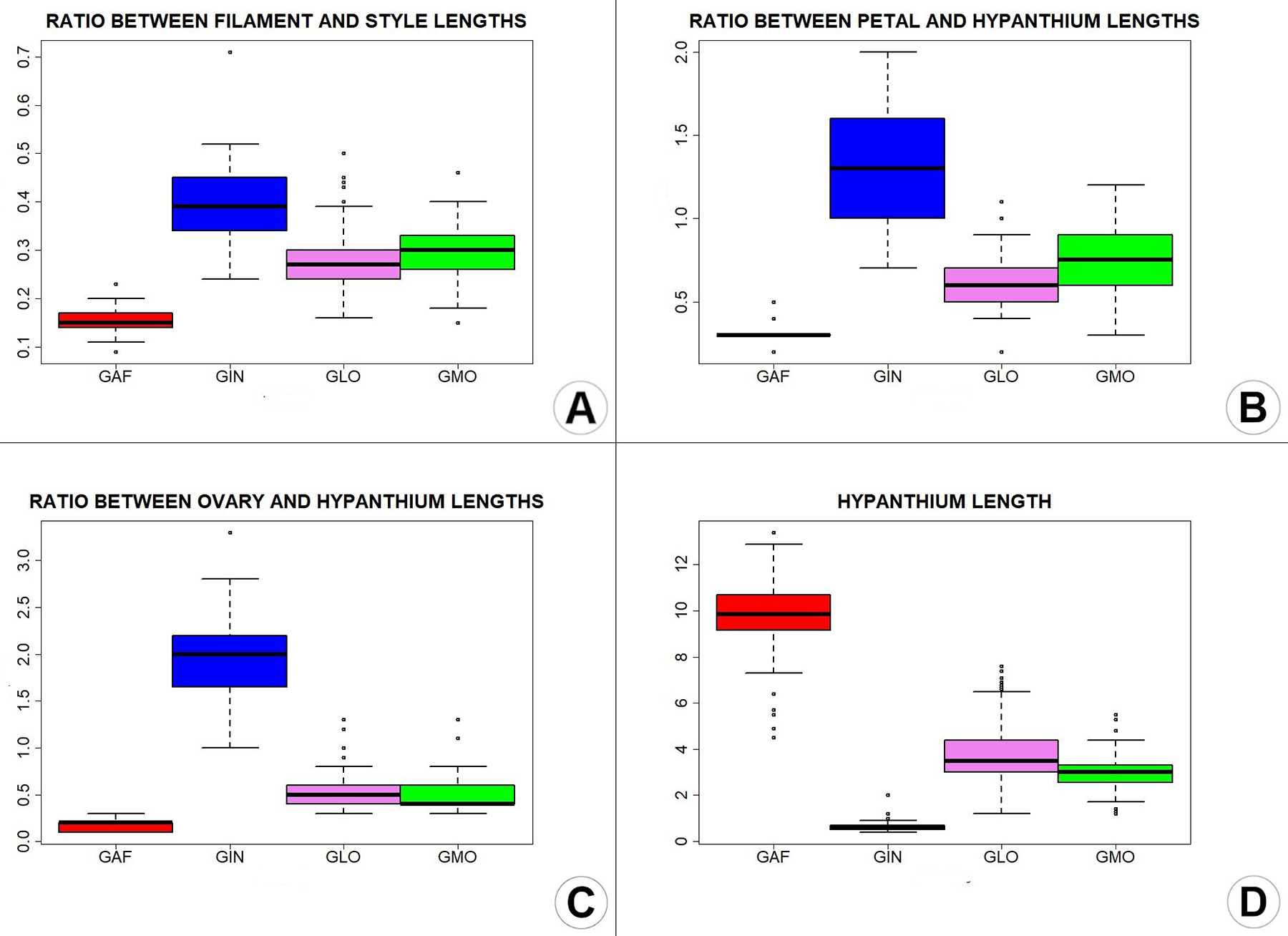
The most important predictor variables to discriminate these four groups are shown in Fig. 6 A , sorted in ascending order based on the MDA metric. The eight most significant variables for discriminating the groups, listed in decreasing order of importance, are: the presence or absence of a basal rosette at the beginning of plant development (ROS), exclusive occurrence or not in dunes on the coast or by lagoons (LOC), length of the hypanthium (HIP), development of a more robust central stem and others obliquely ascending from the base of the plant (HAB), surface covered by a dense layer of short trichomes velvet (VEL), the ratio between ovary and hypanthium lengths (ROH), the ratio between filament and style lengths (FET), and the ratio between petal and hypanthium lengths (RPH). In Fig. 7, the boxplot displays the four numerical variables with the highest MDA values.
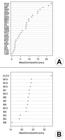
A- Order of importance of morphological variables in the power of discrimination of the groups defined in the MDA metrics B- Order of importance of climatic variables and elevation in the discrimination power of the groups defined in the morphological analysis according to the MDA metrics.
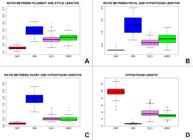
A box plot is presented for the four numerical morphological variables with the highest MDA metrics. A- Ratio between filament and style lengths (FET); B- Ratio between petal and hypanthium lengths (RPH); C- Ratio between ovary and hypanthium lengths (RPH); D- Hypanthium length (HIP)
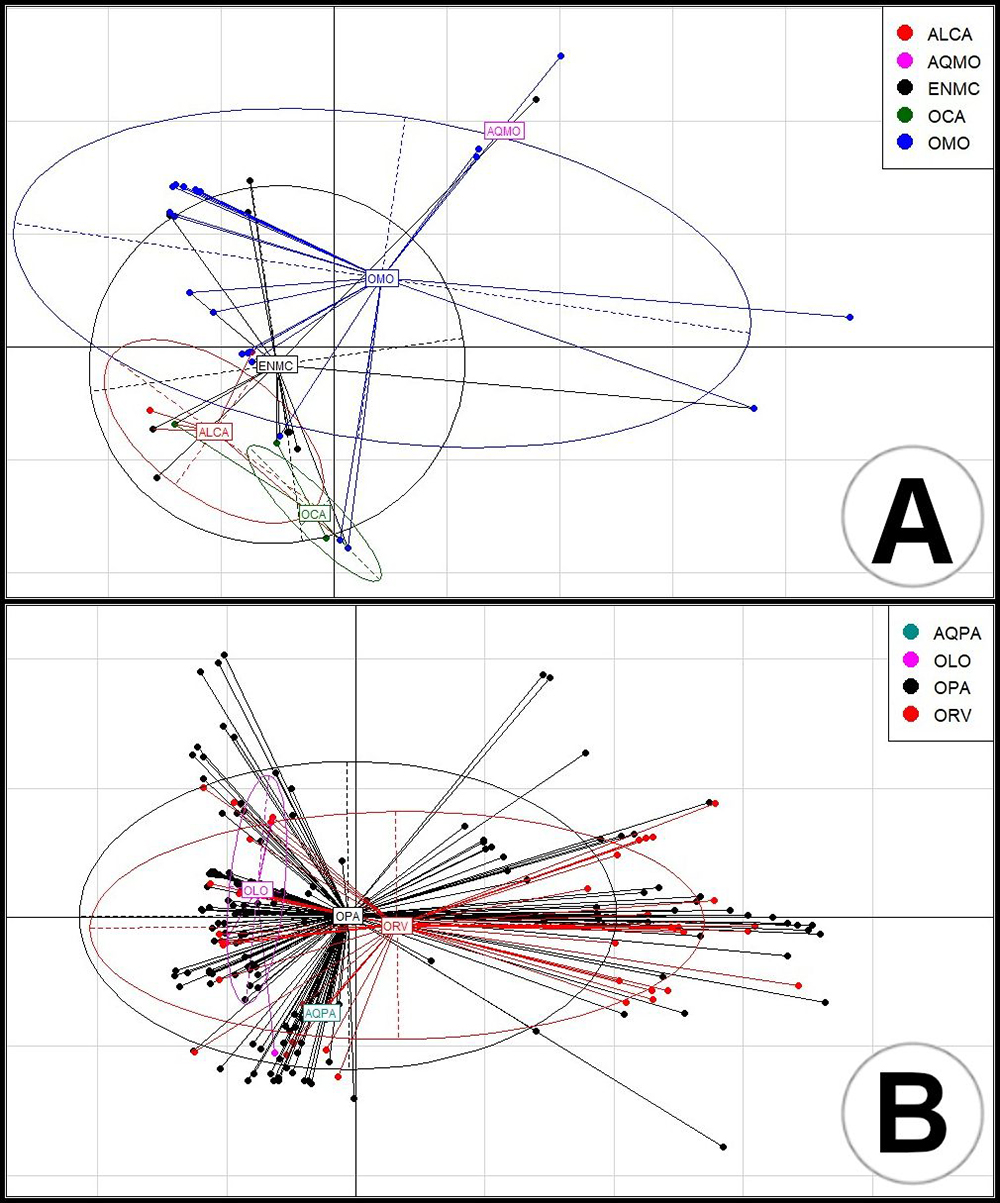
In Fig. 8, the morphospace of the mollissima and longiflora groups can be observed in detail, considering only these groups and ignoring the others. These two groups are crucial to our analysis, as they include the currently recognized species. In the mollissima and longiflora groups, it is possible to identify an organization into subgroups corresponding to the morphological types, despite some overlap at their boundaries.
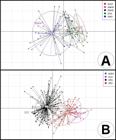
A- PCoA for the five morphological types that make up the mollissima group. B- PCoA for the four morphological types that make up the longiflora group.
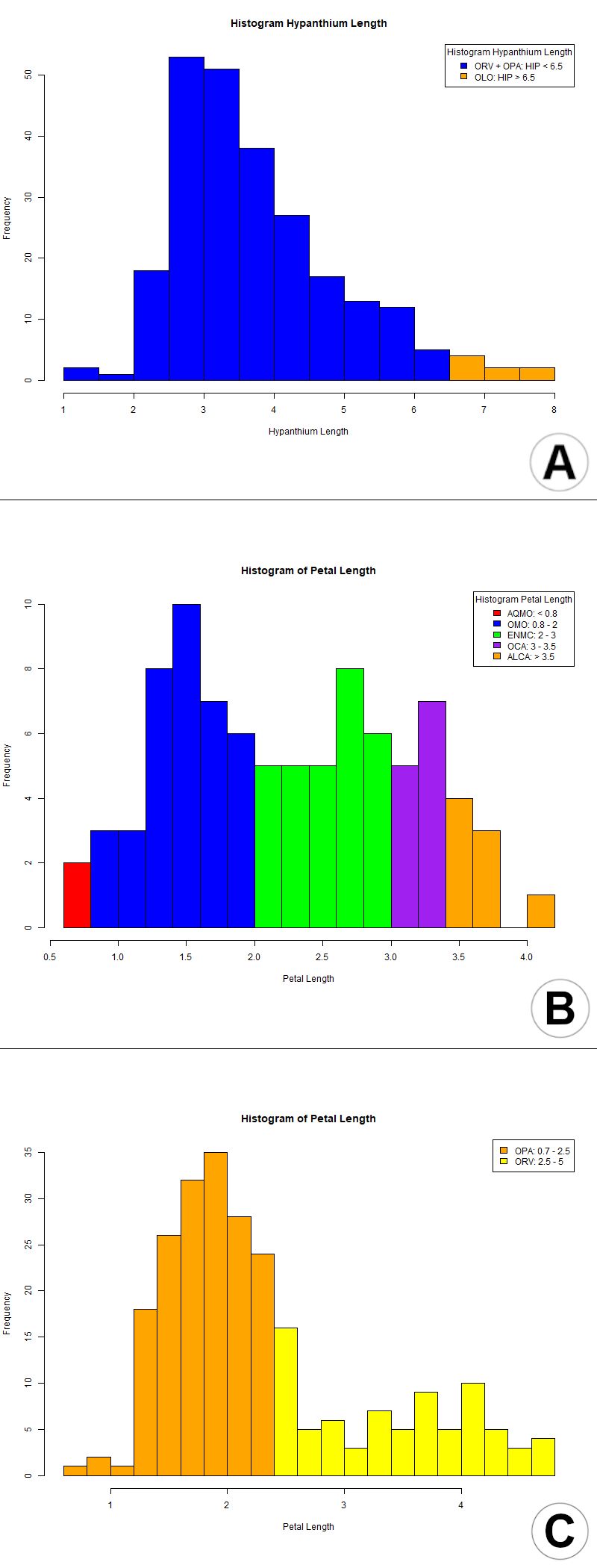
The effectiveness of classifying morphological types within the longiflora and mollissima groups was assessed using a random forest model (Tables 4 and 5). Given thatthese groups include well-recognized species, we used histograms (Fig. 9) to compare essential identification characteristics such as petal and hypanthium lengths.
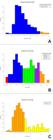
Histograms of analyzed characters. A - Hypanthium length in the longiflora group. B - Petal length in the mollissima group. C - Petal length in the ORV and OPA morphological types.
Analysis of climatic and elevation data
The climatic and elevation data used in the species analysis are available in Massing (2025). As in the morphological analysis, some environmental variables also presented a Spearman correlation factor above 0.8 and were excluded. The variables that were eliminated are as follows: BIO7, BIO10, BIO11, BIO16, BIO17, and BIO18. The remaining variables are in the supplementary Table S2.
The climatic and elevation space, incorporating the first two axes of the PCoA, is depicted in Fig. 10. PcoAs resulted in an explanation of data variation of 48.5% on the first axis and 19.0% on the second, totaling 67.5%. As in the morphological analysis, two climatic spaces are provided using two different color schemes: A. The thirteen morphological types identified; B. The four cohesive groups. Regardless of the color scheme analyzed, both scenarios show extensive overlap between the morphological types and the analyzed groups. The effectiveness of classifying the four pre-defined groups using the random forest model corroborated this result. The morphological group classification matrix revealed error rates in the four groups: 55% in group GAF, 35% in group GIN, 16% in group GLO, and 9% in group GMO (Table 6). This suggests that these groups are not restricted to specific climatic or elevational conditions across their distribution.
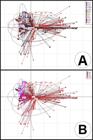
A- PCoA for the climatic and elevation data of the thirteen morphological types identified in the morphological analysis. B- PCoA for the climatic and elevation data in the groups identified in the morphological analysis.
Despite the lack of support to discriminate groups among environmental variables, it was found that elevation has the greatest discriminatory power (Fig. 6 B ). The climatic and elevation space of the longiflora and mollissima groups was analyzed in detail, focusing exclusively on these groups and disregarding the others (Fig. 11).
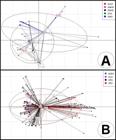
A- PCoA for the climatic and elevation data of the five morphological types that make up the mollissimagroup. B- PCoA for the climatic and elevation data of the four morphological types that make up the longifloragroup.
Relationship between morphology and environment
The correlation between the distance matrices of morphological and environmental characteristics for the thirteen morphological types resulted in a correlation factor of r = 0.01207 (p = 0.337). For the longiflora group, r = -0.03129 (p = 0.823), and for the mollissima group, r = 0.1805 (p = 0.002).
New circumscriptions
The four morphological groups recognized in this study correspond to the following species, according to the priority criteria established by the International Code of Nomenclature for Algae, Fungi, and Plants (Thurland et al., 2018): The affinis group corresponds to O. affinis, which includes O. affinissensu Dietrich, with the circumscription expanded to encompass specimens with a hypanthium shorter than 8 cm. The indecora group corresponds to O. indecora, which includes O. indecorasensu Dietrich, as well as specimens with a hypanthium longer than 1.5 cm. The longiflora group corresponds to O. longiflora, including O. longiflorasensu Dietrich, and encompasses the species O. parodiana, O. ravenii, and specimens with petals shorter than 0.7 cm. The mollissima group corresponds to O. mollissima, which includes O. mollissimasensu Dietrich and O. catharinensis, along with specimens that have petals longer than 3.5 cm, between 2 and 3 cm, and shorter than 0.8 cm.
Below, we present the new identification key for the species of the genus Oenothera occurring in Brazil:
1 - Presence of a dense basal rosette at the beginning of plant development that arises before the formation of stems..............................................................................................O. longiflora
1' - Absence of a basal rosette at the beginning of plant development with the characteristics described above........................................................................................................................,..2
2 - Plants with trichomes that do not provide a tactile sensation of velvet. Ratio between ovary and hypanthium lengths greater than one. Flowers with petals measuring 0.8 ± 0.4 cm (95% CI), in length..............................................................................................................O. indecora
2’ - Plants with dense short trichomes, giving a tactile sensation of velvet. Ratio between ovary and hypanthium lengths less than or equal to one. Flowers with petals measuring 2.6 ± 1.6 cm (95% CI), in length..........................................................................................................3
3 - Exclusive occurrence in coastal dunes or by lagoons. Hypanthium with a length of 2.9 ± 1.6 cm (95% CI)………………………….. ………...............................................O. mollissima
3' - Plants that do not occur in coastal dunes or by lagoons. Hypanthium with a length of 9.7 ± 3.2 cm (95% CI)……………………………………………………...…......................O. affinis
Discussion
The morphological dataset compiled, along with the analyses performed, has identified four distinct groups in the genus Oenothera occurring in Brazil (Figs. 4 and S1). This is demonstrated by the morphological group classification matrix (Table 3), which reveals only one misclassification among the 444 samples analyzed, where one of the specimens originally classified in the GIN group was mistakenly assigned to the GLO group. These main groups will be discussed in the following paragraphs.
Theaffinis groupcorresponds to O. affinis (Fig. 2 B ), according to Dietrich's (1977) description (OAF), including specimens with a hypanthium shorter than 8.0 cm in length (morphological type AQAF). In the map of Fig. 5 B , the morphological type AQAF is widely distributed, along with the morphological type OAF, suggesting that AQAF is part of the natural variation within the group. According to our observations and measurements, the affinis group can be identified by a set of characteristics such as the absence of a basal rosette at any stage of its growth, a surface with short trichomes that provide a tactile sensation of velvet (Fig. 3 B ), absence from coastal dunes, a long hypanthium (9.7 ± 3.2 cm, 95% CI), and bracts generally longer than the capsule. It is the most widely distributed species, occurring in the Southern and Southeastern regions of Brazil, in the states of Rio Grande do Sul, Santa Catarina, Paraná, São Paulo, Minas Gerais, and Rio de Janeiro, as well as in Uruguay, Argentina, Chile, Bolivia, and Paraguay (Dietrich 1977).
The mollissima group comprises two currently accepted species: O. catharinensis (OCA) and O. mollissima (OMO) (Figs 2C and 2D, respectively), according to Dietrich (1977), as well as three morphological types ENMC, AQMO, and ALCA, all similar toO. mollissima. The proposed distinction between the two accepted species is mainly established by petal length (see key for the identification of Oenothera species occurring in Brazil in the materials and methods section). Oenothera catharinensis is characterized by petals ranging in length from 3.0 to 3.5 cm, while O. mollissima has petals ranging from 0.8 to 2.0 cm in length. However, measurements revealed a continuous variation in petal length, including intermediate values between the established intervals for these two species (morphological type ENMC) as well as higher and lower values (morphological types ALCA and AQMO) (see Fig. 9 B ). Therefore, it is not possible to classify them as distinct species (based on petal length), even considering the moderate classification error rates (Table 5). According to our observations and measurements, the mollissima group consists of plants that are exclusive to coastal dunes and do not develop a basal rosette at any stage of their growth. The petals measure 2.3 ± 1.7 cm (95% CI) in length. They have trichomes that give a tactile sensation of velvet. Although similar toO. affinis, these plants are generally distinguished from it by their smaller leaves and stature, as well as being found only in coastal dunes as mentioned earlier. Unlike other species that are usually associated with anthropogenic environments, this group does not thrive in degraded sites.It is distributed in the Southern region of Brazil, in the states of Rio Grande do Sul and Santa Catarina, as well as in Uruguay and Argentina (Dietrich, 1977).
Thelongiflora group includes the currently accepted species O. longiflora (OLO), O. parodiana, and O. ravenii (Figs 2E, 2F, and 2A) as defined by Dietrich (1977), in addition to specimens with petals shorter than 0.7 cm in length (morphological type AQPA). According to Dietrich (1977), the distinction between the three accepted species is primarily based on the length of the hypanthium and petals. Oenothera longiflora is distinguished from the others by having a hypanthium equal to or greater than 6.5 cm, while O. ravenii and O. parodiana have a hypanthium shorter than 6.5 cm. Additionally, O. raveniiand O. parodiana are differentiated by petal length: O. ravenii has petals longer than 2.5 cm, while O. parodiana has petals between 0.7 cm and 2.5 cm (see key for the identification of Oenothera species occurring in Brazil in the materials and methods section) . However, measurements revealed a continuous variation in hypanthium length without a clear delimitation between O. longiflora and the other two species (Fig. 9 A ). Similarly, the measurements also indicated a continuous variation in petal length between O. ravenii and O. parodiana, without a clear delimitation between them (Fig. 9 C ). Therefore, distinguishing between the cited species is problematic, even with the moderate classification error rates (Table 4), due to the arbitrary criteria used in defining these species. According to Dietrich (1977), "O. longiflora is unmistakable due to its dense, long villous pubescence and long hypanthium. This species is characteristic of sandy places along rivers and near the coast. It is related to O. ravenii, as demonstrated by similarities in habit, short bracts, reddish leaf margins, and the red basal spot on each petal." However, our observations did not confirm all of these characteristics. For instance, the long, villous pubescence is not exclusive to O. longiflora; it is also found in O. ravenii and O. parodiana. Additionally, it is not uncommon to find O. longiflora specimens with bracts longer than the capsule, non-reddish leaf margins, and absence of the basal spot on the petal. O. longifloraand O. raveniioccur together in large populations along the coast and can only be distinguished by measuring the hypanthium, according to Dietrich's (1977) criteria. Additionally, O. ravenii has a broad distribution that is not restricted to the coast.
Based on our observations, measurements, and analyses, the main distinctive character of this group is the presence of a rosette of densely clustered leaves at the beginning of its development, even before the stem forms (Fig. 3 C ). As the plant develops the rosette gradually disappears and is often not present when the plant blooms and fruits. The leaves are usually palmately veined, while the bracts tend to be equal to or smaller than the fruits, although they may be larger in young plants. The petals measure 2.4 ± 1.8 cm (95% CI) in length. The initial habit is erect, but later, it may develop obliquely ascending stems from the basal rosette (Fig. 3 D ). This group is highly variable, with specimens ranging from large and showy flowers to tiny flowers. It is distributed in the Southern and Southeastern regions of Brazil, in the states of Rio Grande do Sul, Santa Catarina, Paraná, and São Paulo, as well as in Uruguay, Argentina, Chile, and Paraguay (Dietrich, 1977).
Theindecora group corresponds to O. indecora according to Dietrich's (1977) description (OIN) (Fig. 3 A ), including specimens with hypanthium lengths greater than 1.5 cm (morphological type ALIN). Based on the observations and measurements we have conducted, this species is the smallest of the Oenothera species found in Brazil, characterized by its small stature, small flowers, and fruits, and is the first to bloom in early spring. The petals are 0.78 ± 0.42 cm (95% CI) in length. The bracts are usually longer than the fruits and may exhibit a basal rosette but without the characteristics presented by the longiflora group. The ratio between ovary and hypanthium length is equal to or greater than one. The initial habit is erect, but later it may develop obliquely ascending stems from the base (Fig. 3 D ). It naturally occurs throughout the study area and is the only species that shares the same habitat with the mollissima group in coastal dunes. It is distributed in the Southern and Southeastern regions of Brazil, in the states of Rio Grande do Sul, Santa Catarina, Paraná, and São Paulo, as well as in Uruguay, Argentina, Bolivia, and Paraguay (Dietrich, 1977).
Climate and elevation analyses revealed significant overlap among all 13 morphological types, indicating that they share similar environmental tolerances (Fig. 10 A ). This was confirmed by the Mantel test, which showed that the relationship between the distance matrices of environmental and morphological data resulted in an r-value of 0.01207 and a p-value of 0.337. Since the p-value exceeds the conventional significance level of 0.05, this suggests a very low correlation between the two distance matrices.
The four morphological groups appear to inhabit environments with similar characteristics in terms of elevation and climate, as evidenced by the considerable overlap in the environmental space (Fig 10 B ). This was further supported by significant classification errors (Table 6), demonstrating the difficulty in distinguishing the four predefined groups based solely on environmental variables. Except for one specific environmental characteristic (presence or absence in dunes), these variables contribute little to the segregation of Oenothera species in Brazil.
Fig. 10 B shows that the groups with the broadest climatic range are GAF and GLO, which is corroborated by the maps showing these groups’ wider distribution throughout the studied territory (Figs 5B and 5A, respectively). In the mollissima group, the morphological types OMO and ENMC cover a broader spectrum of climate and elevation compared to the morphological types ALCA and OCA (Fig. 11 A ). The map reveals that the larger-flowered morphological types of the mollissima group, OCA and ALCA, occur in a more limited geographical range, concentrated in the southern part of the state of Santa Catarina and the northern part of Rio Grande do Sul (Fig. 5 D ).
The Mantel test for the mollissima group, excluding other groups, showed a moderate positive correlation (0.1805) between the distance matrices, with a p-value of 0.002, indicating that this correlation is statistically significant. Therefore, there is evidence suggesting a significant correlation between the climatic and morphological distances of the morphological types in this group. In Fig. 11 A , it can be seen that the morphological type OCA (with larger flowers) forms a completely distinct group from the morphological type OMO (with smaller flowers), while the morphological type ALCA (also with larger flowers) is partially separated from OMO. The morphological type ENMC (with intermediate-sized flowers) occupies an intermediate position between these groups, confirming the results of the Mantel test. A hypothesis to consider is that the ENMC morphological type may be a hybrid between the species O. catharinensis and O. mollissima. However, this can only be confirmed through population phylogenomics analyses.
In the longiflora group, the morphological types OPA and ORV encompass a broader range compared to the morphological type OLO (Fig. 11 B ). The Mantel test for the longiflora group showed a very low negative correlation (-0.03129) between the distance matrices, with a p-value of 0.823, indicating that this correlation is not statistically significant. Thus, there is no evidence to suggest a significant correlation between the climatic and morphological distances of the morphological types in this group.
The species of Oenothera in Brazil have traditionally been defined based on numerical continuous characters (Munz, 1947; Dietrich, 1977; Falkenberg, 1988).This approach often led to issues of overlap, making accurate species identification challenging. This study showed that the binary categorical characters ROS, LOC, HAB, and VEL ranked among the five parameters with the highest discriminatory power between the groups, followed by those expressed as ratios of continuous numerical parameters, such as ROH, FET, RPH, and RBC (Fig. 6 A ). Among the continuous numerical characters, HIP and RET stood out, occupying the third and tenth positions, respectively. It is important to emphasize that the parameter LOC and the characters expressed as ratios had not been used in other studies on the genus, making them novel. It is worth noting that the ratios have significant practical value, as a simple observation of the proportions between the different structures can be sufficient to obtain information about the species' identity.
Although there is a preference for binary categorical characters in the group description, it was necessary to use numerical continuous characters, which present challenges due to overlapping values (Fig. 7). To address this issue, values were presented as means with a 95% confidence interval, providing a more accurate view of the most likely values. Therefore, the determination of Oenothera groups was primarily based on binary categorical characters (ROS, VEL, and LOC), supplemented by some numerical continuous characters (HIP, PET and OVA).
The main challenge in studying this genus is the difficulty in establishing valid criteria for the segregation of the currently recognized species. Despite conducting statistical analyses with the characters proposed by Dietrich (1977), these proved ineffective, especially for the mollissima and longiflora groups. In these groups, continuous variation in flower size is predominant, and attempting to separate them based on related attributes has been inadequate. Falkenberg (unpubl. res.,1988),in his master's thesis, had already highlighted issues in Dietrich's (1977) work, noting several inconsistencies. We believe the main reason for the discrepancy between our study and Dietrich's work is the lack of representativeness in his collections, which did not capture the true morphological diversity of the genus, resulting in significant gaps.
We identified four distinct morphological groups, which correspond to four different species, as indicated in the results. This classification is supported by morphological analyses and specific characteristics that differentiate each group.
The comparison of the results obtained in this study with those of previous authors (Table 7) reveals that our classification of species occurring in Brazil is identical to that of Munz (1947). Like us, Munz considered O. catharinensis to be a synonym of O. mollissima. Saint-Hilaire et al. (1829) also recognized the close relationship between O. catharinensis and O. mollissima, suggesting that the former could merely be a variety of the latter. Micheli (1875) considerably simplified the genus in Brazil, classifying O. catharinensis as a synonym of O. mollissima and considering O. affinis to be a variety of O. mollissima. Munz (1947) reinstated the species O. affinis while maintaining the rest of Micheli’s classification. Dietrich (1977) significantly increased the number of species and subspecies in Brazil, including the new taxa: O. ravenii subsp. ravenii, O. ravenii subsp. argentinae, O. parodiana subsp. parodiana, O. parodiana subsp. brasiliensis, O. longiflora subsp. longiflora, O. longiflora subsp. grandiflora, O. indecora subsp. indecora, and O. indecora subsp. bonariensis. However, Wagner et al. (2007) did not accept the following subspecies from Dietrich (1977): O. ravenii subsp. argentinae, O. parodiana subsp. parodiana, and O. parodiana subsp. brasiliensis, considering them to be synonyms of O. parodiana. Additionally, O. indecorasubsp. indecora and O. indecora subsp. bonariensis were recognized as synonyms of O. indecora.
Our study, through morphometric analyses, confirmed that O. catharinensis is indeed a synonym of O. mollissima, and that O. parodiana and O. ravenii are synonyms of O. longiflora. Regarding O. longiflora subsp. longiflora and O. longiflora subsp. grandiflora, we consider both to be synonyms of O. longiflora, since these subspecies differ only in petal length-the former measuring between 2 and 3 cm, and the latter between 3 and 4 cm. As this variation is continuous, we deem there is no reason to classify these subspecies separately.
Supplementary Data
Figure S1.
Table S1.
Table S2.
Acknowledgments
The authors express their gratitude to Matheus Vinícius Massing and Iândora Massing, son and wife of Angelo Massing, for their participation in collecting material for this study, as well as for their assistance in processing the photos and maps. We also thank Jordano Tavares de Carvalho for his help with using the stereoscopic microscope to capture images of the trichomes. We appreciate the warm reception provided by the staff of the herbarium at the Northeast Botanical Institute (IBONE) and the Darwinion Institute in Argentina (ID). We extend our gratitude to the staff of the ICN Herbarium for providing the material necessary for herbarium processing. Finally, we sincerely thank CAPES for supporting the research.
References
-
Dietrich W. 1977. The South American species of Oenothera Sect. Oenothera (Raimannia, Renneria; Onagraceae). Annals of the Missouri Botanical Garden 64: 425-626. doi: 10.2307/2395257.
» https://doi.org/10.2307/2395257 -
Dray S, Dufour A. 2007. The ade4 Package: Implementing the duality diagram for ecologists. Journal of Statistical Software 22: 1-20. doi: 10.18637/jss.v022.i04
» https://doi.org/10.18637/jss.v022.i04 - Falkenberg DB. 1988. Oenothera L. (Onagraceae) do Rio Grande do Sul, Brasil: um estudo taxonômico. 112 p. MScThesis, Universidade Federal do Rio Grande do Sul, Brazil.
-
Fernandes F, Heiden G. 2024. Oenothera in Flora e Funga do Brasil. Jardim Botânico do Rio de Janeiro. https://floradobrasil.jbrj.gov.br/FB114841 08 Oct. 2024.
» https://floradobrasil.jbrj.gov.br/FB114841 - Fick SE, Hijmans RJ. 2017. WorldClim 2: New 1km spatial resolution climate surfaces for global land areas. International Journal of Climatology 37: 4302-4315.
-
Gower JC. 1971. A general coefficient of similarity and some of its properties. Biometrics 27: 857-874. doi:10.2307/2528823.
» https://doi.org/10.2307/2528823 - Hammer O, Harper DAT, Ryan PD. 2001. PAST: Paleontological statistics software package for education and data analysis. PalaeontologiaElectronica 4: 9.
-
Hijmans R. 2023. Raster: Geographic data analysis and modeling. R package version 3.6-23. https://CRAN.R-project.org/package=raster
» https://CRAN.R-project.org/package=raster - Liaw A, Wiener M. 2002. Classification and regression by random forest. R News 2: 18-22.
-
Massing AA. 2025. Complex morphological variation among Oenothera L. species from Brazil: A comprehensive analysis of genus diversity and new taxonomic circumscriptions. https://doi.org/10.48331/scielodata.XL4V1S 08 Oct. 2024.
» https://doi.org/10.48331/scielodata.XL4V1S - Micheli M. 1875. Onagraceae In: Martius CFP and Eichler AG (eds.). Flora Brasiliensis. vol. XIII. pars 2: 177-179.
- Munz P. 1947. Flora Brasilica. Onagraceae. Fasc. 9 (Vol. XLI, I). São Paulo, Instituto de Botânica de São Paulo.
-
Oksanen J, Gavin L, Simpson GL, Blanchet FG, Kindt R, Legendre P. 2022. Vegan: Community ecology package. R package version 2.6-4. https://CRAN.R-project.org/package=vegan
» https://CRAN.R-project.org/package=vegan -
Overson RP, Johnson MG, Bechen LL, Kinosian SP, Douglas NA, Fant JB. 2023. A phylogeny of the evening primrose family (Onagraceae) using a target enrichment approach with 303 nuclear loci. BMC Ecology and Evolution. doi: 10.1186/s12862-023-02151-9.
» https://doi.org/10.1186/s12862-023-02151-9. - Rasband WS. 1997. ImageJ: Image processing and analysis in Java. U.S. Maryland,National Institutes of Health/Bethesda.
-
R Core Team. 2022. R: A language and environment for statistical computing. https://www.R-project.org/
» https://www.R-project.org/ - Saint-Hilaire A, De Jussieu A, Cambessedes J. 1829. Flora Brasiliae Meridionalis 2: 268-271.
-
Stevens PF. 2001 onwards. Angiosperm Phylogeny Website. Version 14, July 2017 [and more or less continuously updated since] . http://www.mobot.org/MOBOT/research/APweb/ 08 Oct. 2024.
» http://www.mobot.org/MOBOT/research/APweb/ -
Thiers BM. 2025. Index Herbariorum: A global directory of public herbaria and associated staff. New York Botanical Garden’s Virtual Herbarium. https://sweetgum.nybg.org/ih 03 Mar. 2025.
» https://sweetgum.nybg.org/ih - Thurland NJ, Wiersema JH, Barrie FR, Greuter W, Hawksworth DL, Herendeen PS. 2018. Código Internacional de Nomenclatura para algas, fungos e plantas (Código de Shenzhen). São Paulo, Rima Editora.
- Wagner WL, Hoch PC, Raven PH. 2007. Revised classification of the Onagraceae. Systematic Botany 83: 1-240.
-
Disponibilidade de dados
All the data supporting the results of this study are available at the following link: https://doi.org/10.48331/scielodata.XL4V1S
All the data supporting the results of this study are available at the following link: https://doi.org/10.48331/scielodata.XL4V1S