 Soil diatoms in rice fields: comparison between organic and conventional systems and alterations after herbicide application
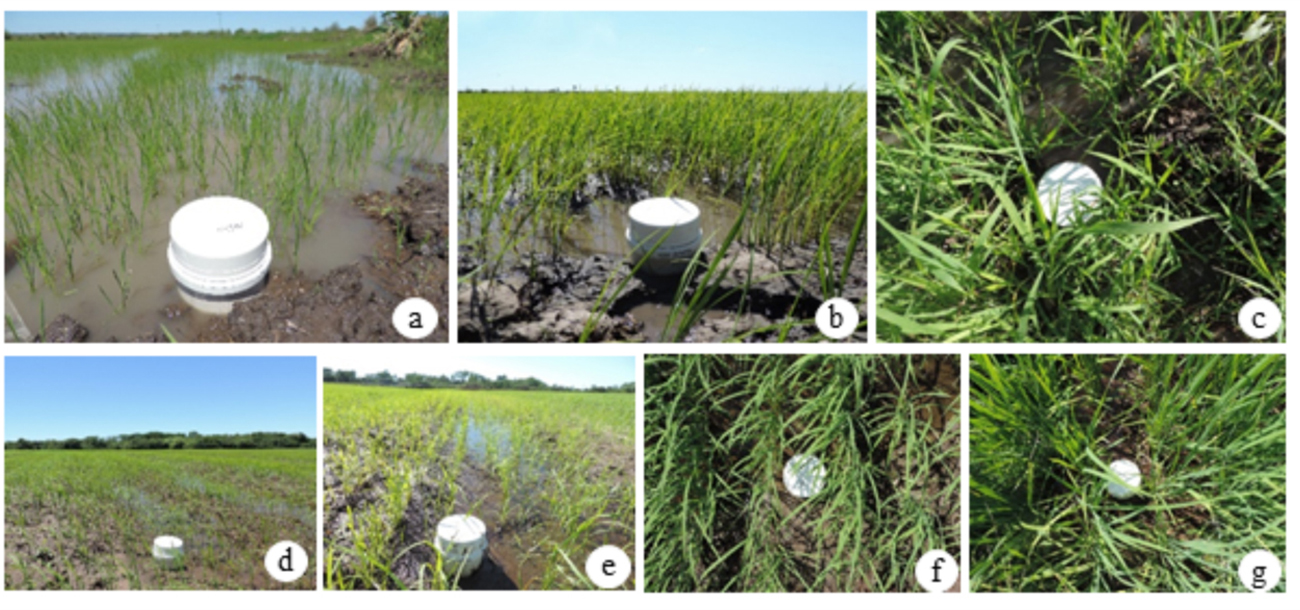
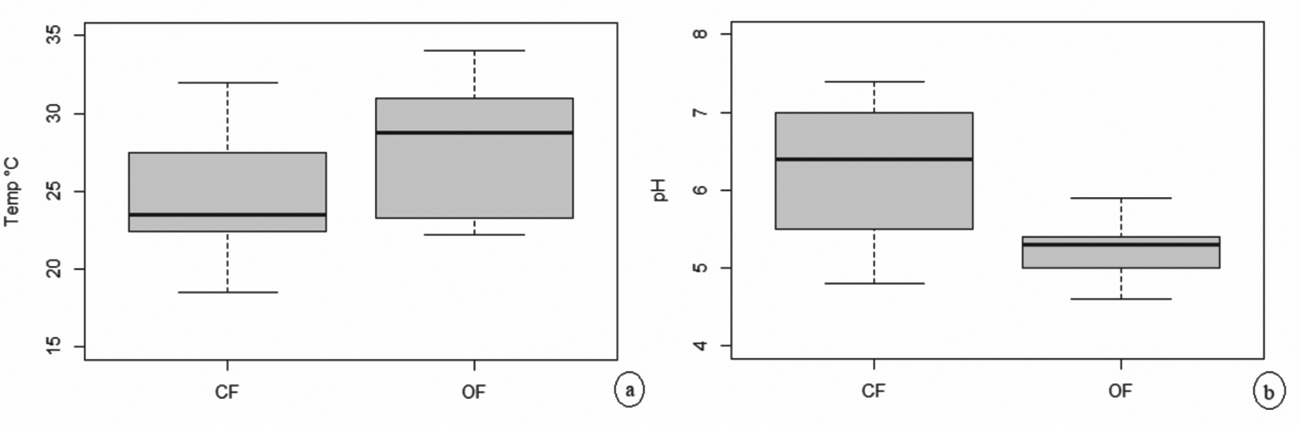
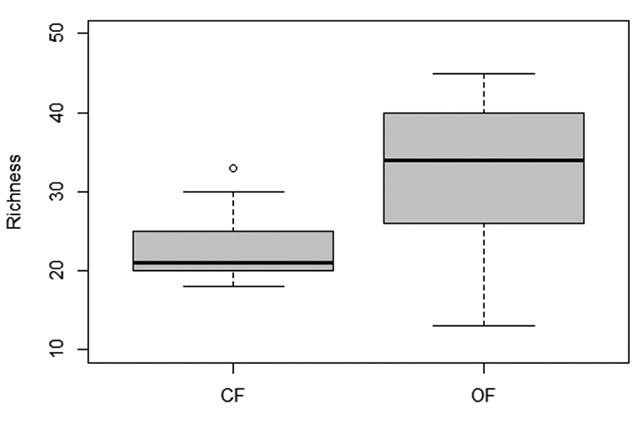
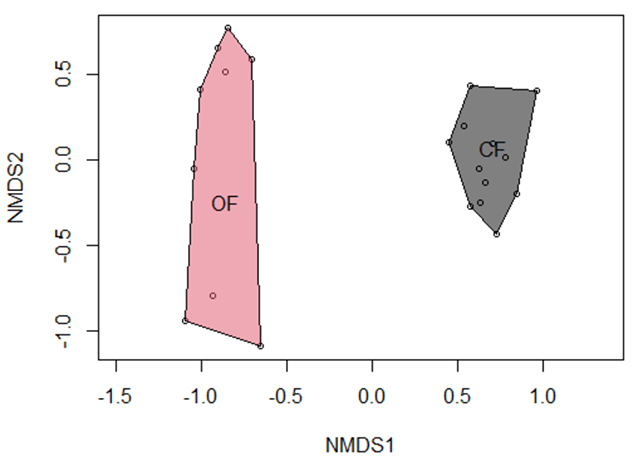
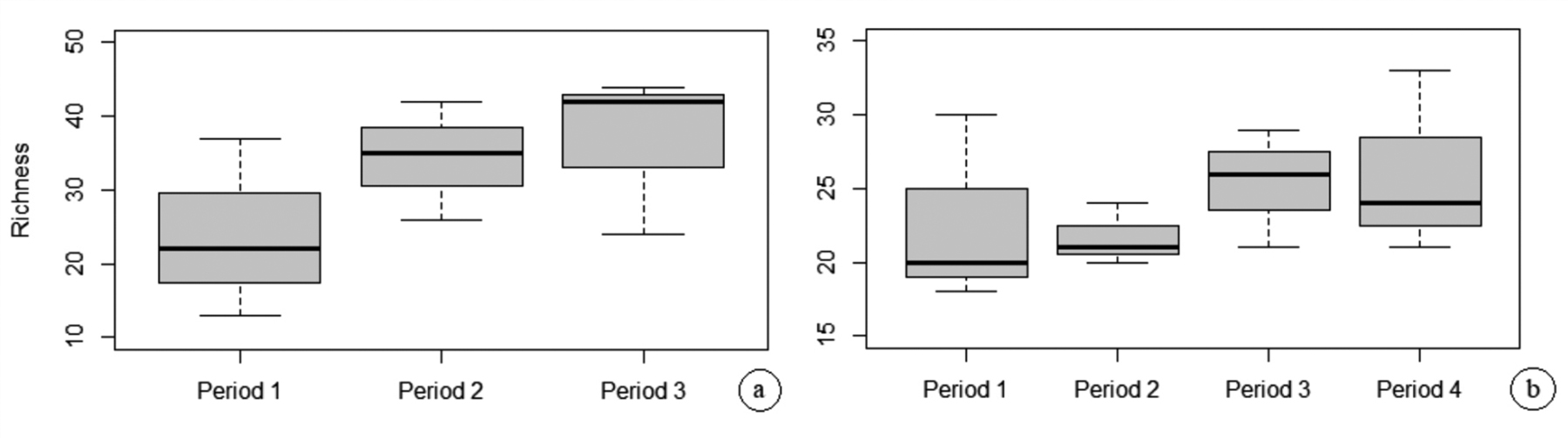
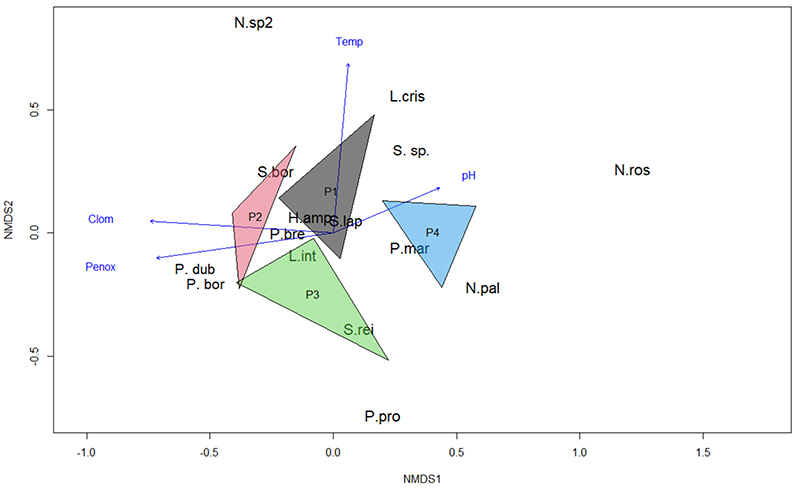
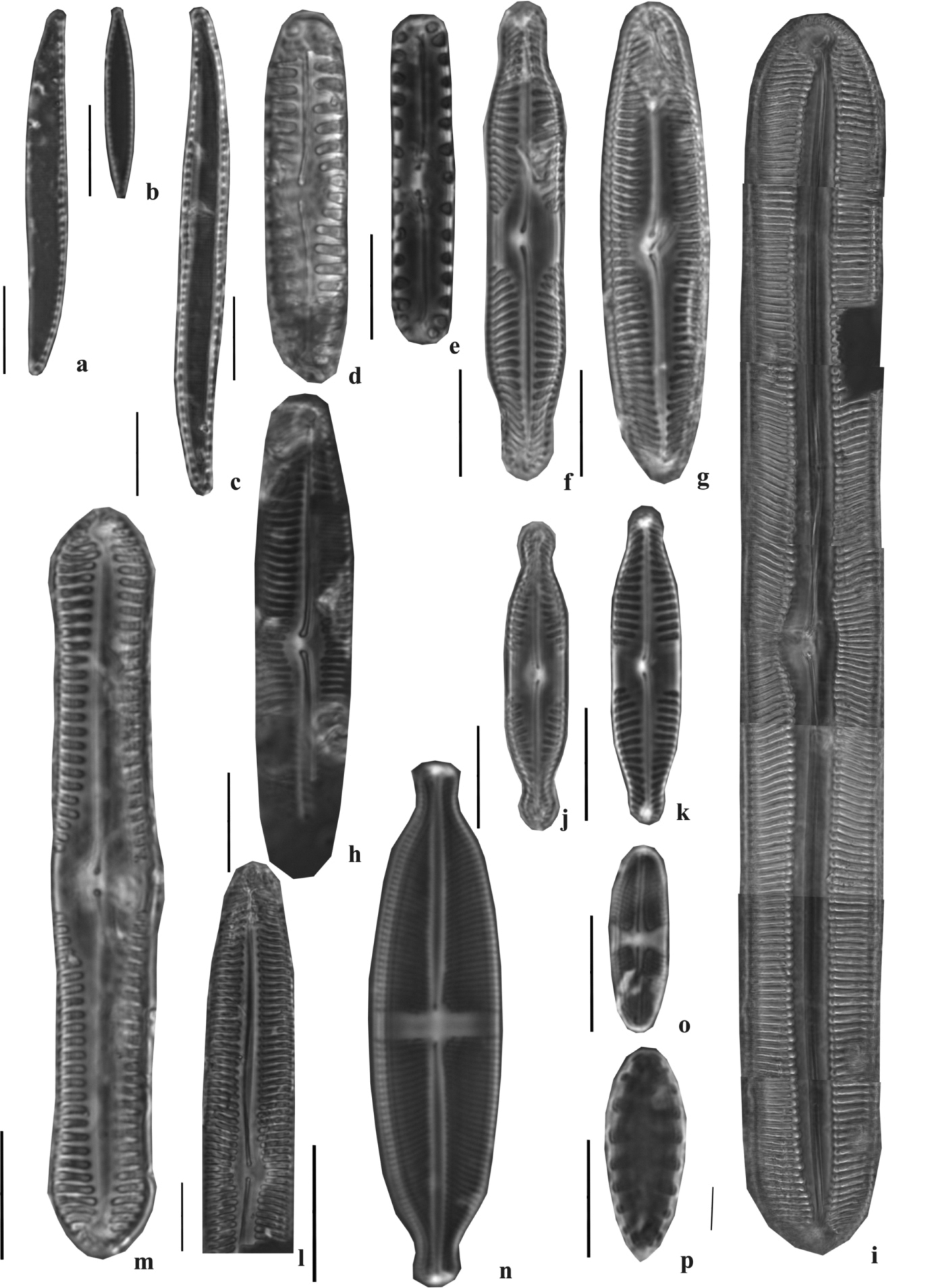
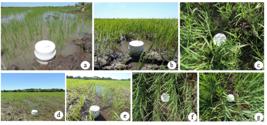
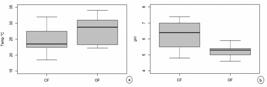
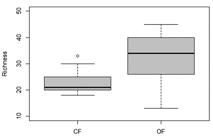
This study is the first effort to provide comparative information about soil diatom assemblages in organic (OF) and conventional (CF) rice fields. We aimed to investigate whether soil diatom assemblages (richness, relative abundance and species composition) differ between organic and conventional systems and detect alterations after the application of herbicides (clomazone and penoxsulam). Surface sediment was collected using a core (10 cm diameter, 2 cm depth) at three sites in each system in Rio Grande do Sul State, South Brazil. Live motile diatoms were isolated from the sediment using the trapping method. The presence and concentration of residual herbicides in the soil and the pH and temperature of interstitial water were measured. OF had higher temperatures and lower pH than CF. The diatom assemblages differed significantly in richness, composition, and relative abundance; OF had greater total richness (123 species) than CF (79 species).PinnulariaandNitzschiawere the richest genera for CF, whilePinnulariaandEunotiawere the richest for OF. Exclusive taxa were detected in OF and the relative abundance of species was related to the sampling period in CF.
Keywords:
agroecosystem; organic; pesticides; rice field; terrestrial diatoms
 Thumbnail
 Thumbnail
 Thumbnail
 Thumbnail
 Thumbnail
 Thumbnail
 Thumbnail
 Thumbnail
 Thumbnail
 Thumbnail