 Ecotoxicity of plastic additives to marine organisms
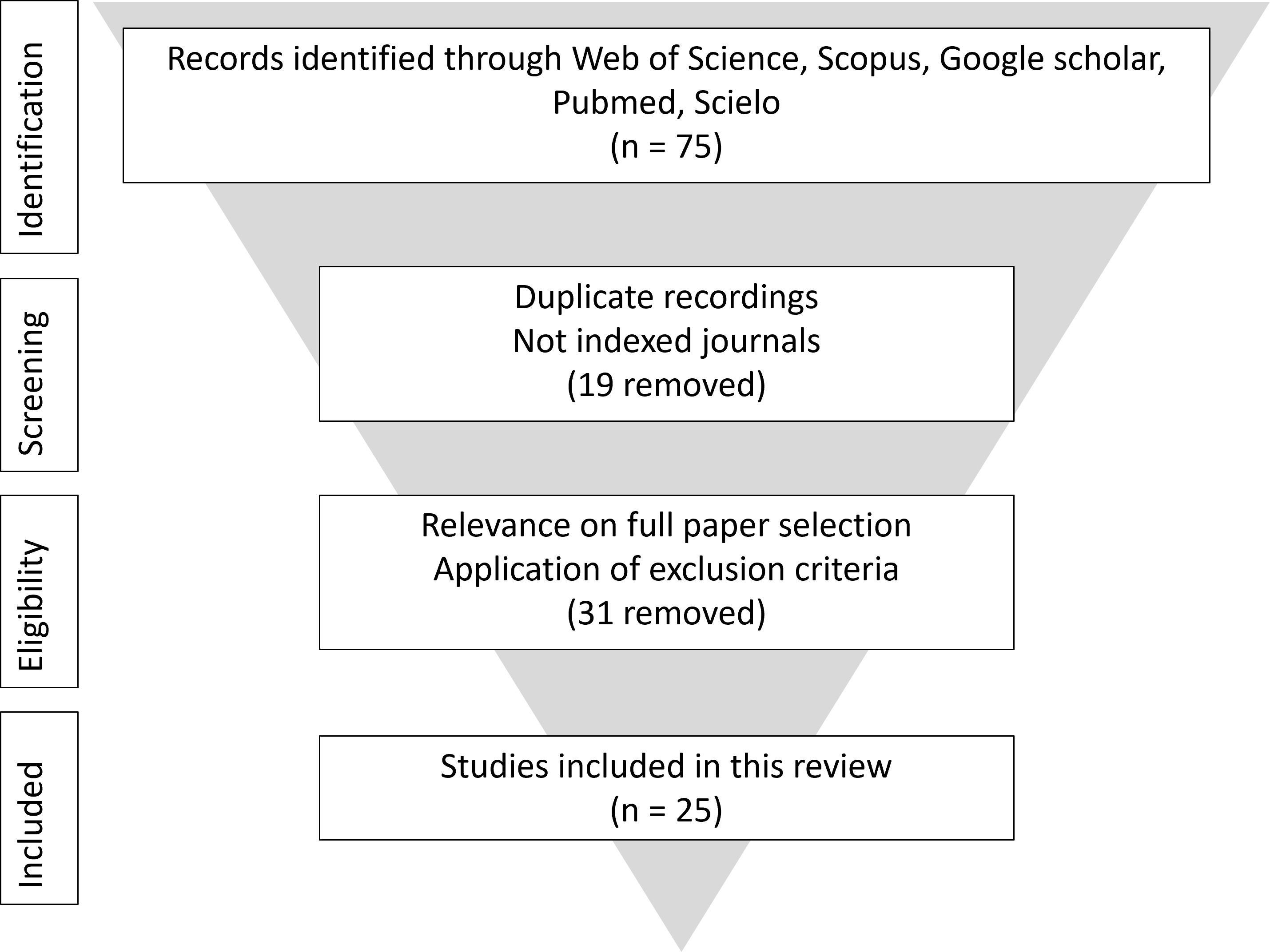
Marine pollution by plastics is a major environmental issue that is expected to increase worldwide. Thousands of chemical substances can be used as plastic additives in industrial processes for various purposes, turning plastics into chemical carriers of such substances. If plastics are discarded in the marine environment, these chemicals can be released into the environment and cause toxicity to marine species. In this review, we analyze the toxicity of chemical groups that are commonly used as plastic additives (bisphenol-A, alkylphenols, tetrabromobisphenol, phthalates, polybrominated diphenyl ethers, and per- and polyfluoroalkyl substances) in marine organisms. Little information has been obtained because only a small number of studies have been conducted on marine species. However, the existing information indicates high toxicity of most chemical groups, with the Lowest Observed Effect Concentrations (LOECs) on the order of micrograms per liter (e.g. bisphenol-A, para-nonylphenol, nonylphenol, octylphenol, Di(2-ethylhexyl) phthalate, BDE-47). Per- and polyfluoroalkyl substances (PFAS) were toxic at milligrams per liter. These results provide evidence that chemicals added to plastics may represent a threat to marine organisms, and further research on the toxicity of these substances is urgently needed.
Key words
Marine Pollution; Plasticizers; Ecotoxicology; Contaminants of Emerging Concern; Plastics; Chemical additives
 Thumbnail