 Growth kinetics, secondary metabolite profiles and antioxidant activity in cell cultures for bioprospecting of a native sweet potato variety from La Guajira, Colombia
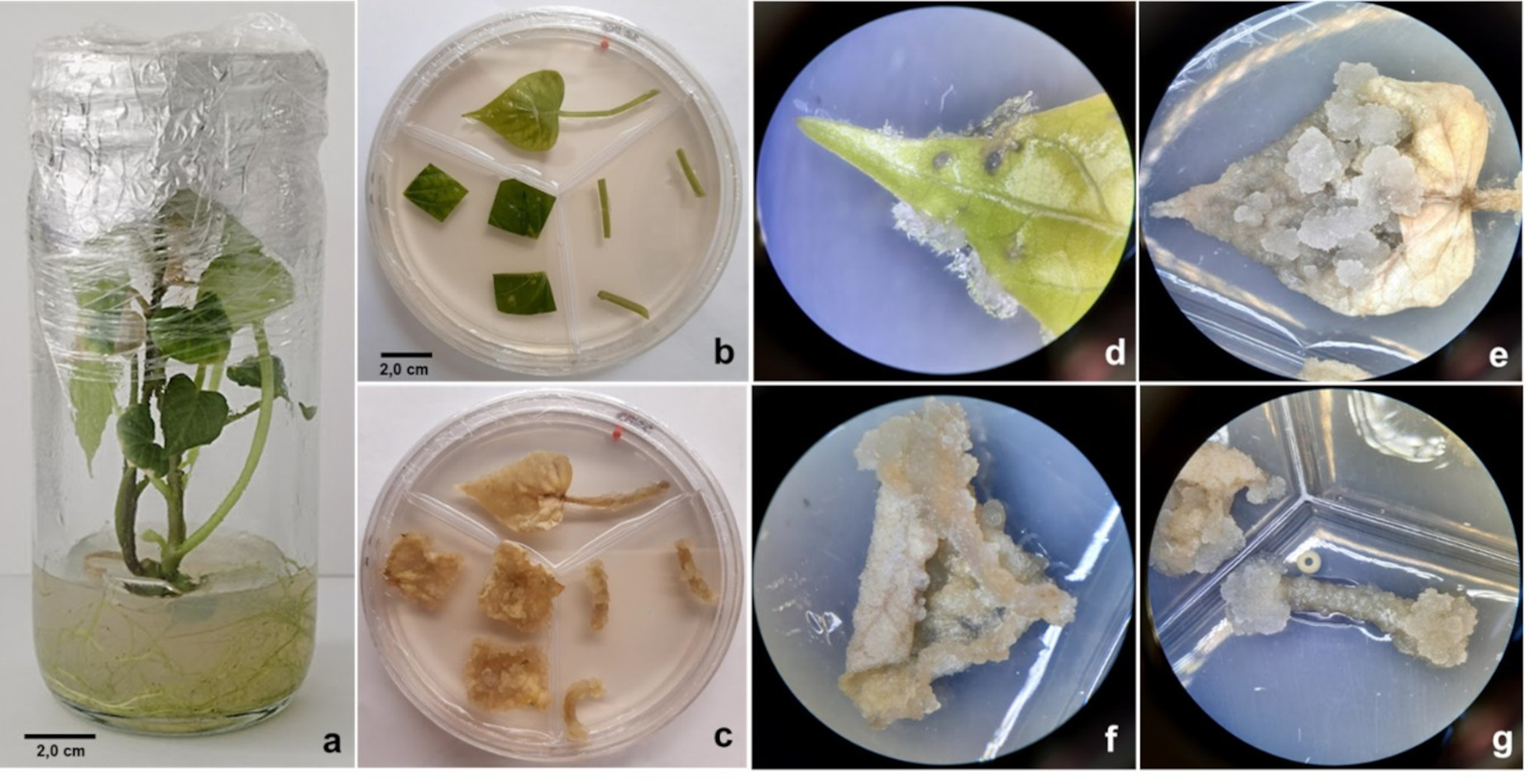
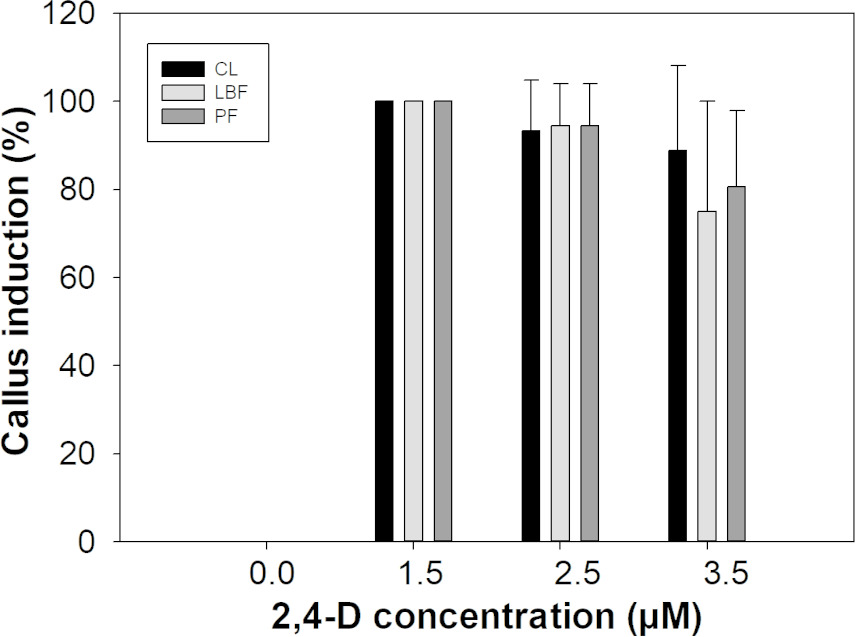
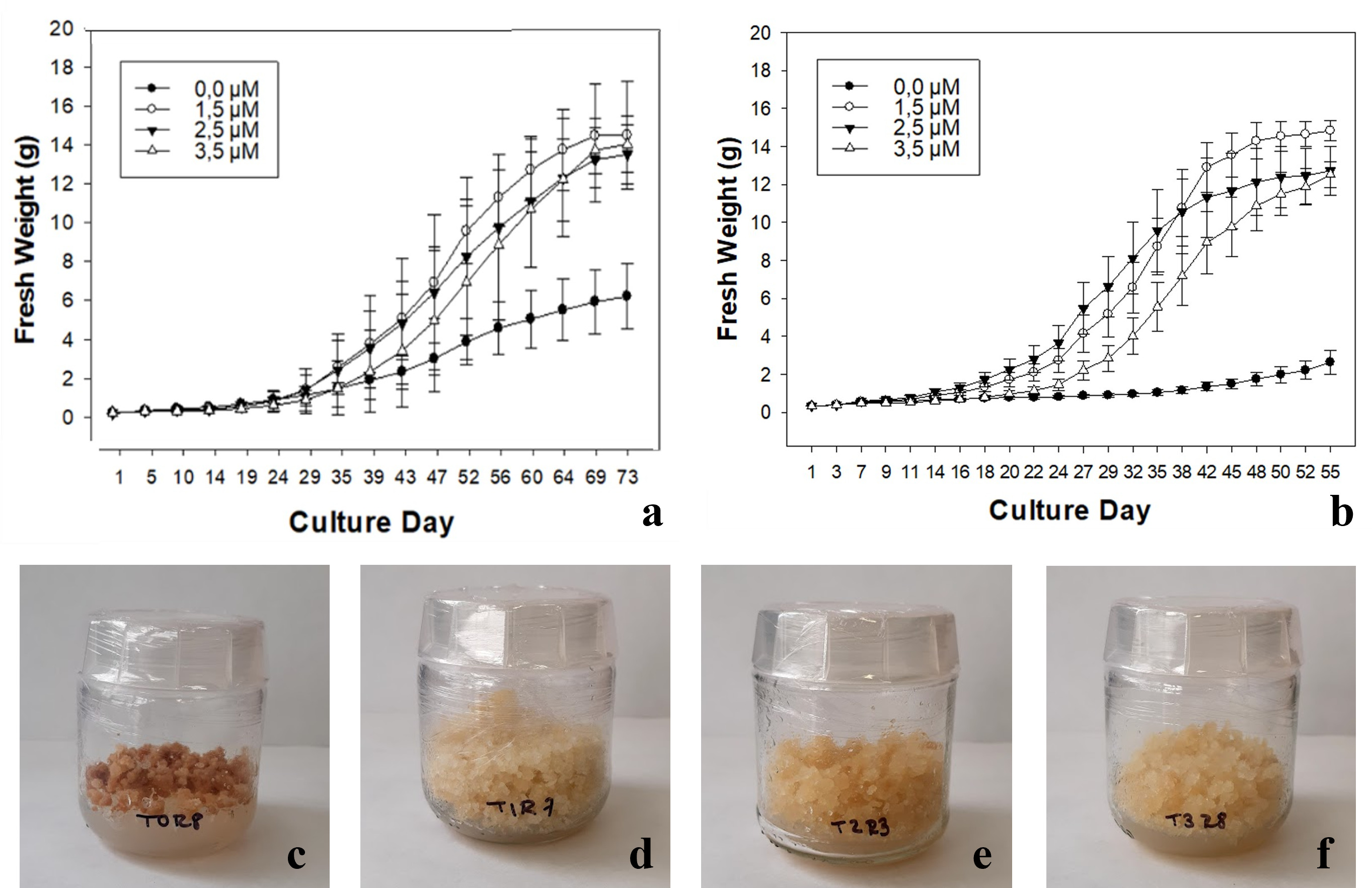
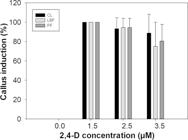
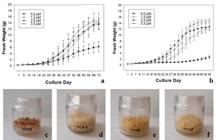
Sweet potato (Ipomoea batatas) is a versatile crop with considerable nutritional, medicinal, and industrial potential. In field-grown plants, caffeic acid, chlorogenic acid, and their derivatives are among the most abundant secondary metabolites and are closely associated with the biological activity of sweet potato extracts. Although tissue and organ culture techniques have been explored for decades, their application beyond plant regeneration remains limited. Optimizing callus proliferation is essential for biotechnological applications, particularly when aiming to utilize native genotypes. This study aimed to develop an in vitro protocol to enhance biomass production from a sweet potato variety traditionally grown in La Guajira and explore its potential for bioactive compound production. The application of 1.5 μM 2,4-dichlorophenoxyacetic acid (2,4-D) effectively induced high callus formation from leaf explants, while a pre-adaptation period in basal medium improved cell proliferation in both in gelled and liquid media. Thin-layer chromatography and LC-QTOF-MS confirmed the presence of secondary metabolites, with variations observed in total phenolic content and antioxidant activity during cell culture growth. These findings represent an advancement in biotechnological processes related to sweet potato callus proliferation. The developed protocol provides a foundation for future research on the production of novel bioactive compounds from this traditional crop.
Key words
In vitro culture; Cell suspensions; Biotechnology; Bioactivity; Ipomoea batatas
 Thumbnail
 Thumbnail
 Thumbnail